Home Blog Page 731

Pakistani Forces Kill 42 Militants in Nationwide Counter-Insurgency Operations

Pakistani security forces have conducted a series of successful counter-insurgency operations across the country, resulting in the deaths of 42 militants, according to military statements released on Friday. These operations come in response to recent attacks that claimed over 50 lives in the restive Balochistan province.

In the Tirah Valley of Khyber Pakhtunkhwa province, which borders Afghanistan, troops killed 12 militants overnight, bringing the total number of insurgents eliminated in the area to 37 since August 20. This region, once a stronghold of the Pakistani Taliban, has been the focus of intensified military efforts to root out militant presence.

Simultaneously, security forces conducted three separate operations in Balochistan province, resulting in the deaths of five insurgents allegedly involved in recent deadly attacks in the area. These operations underscore Pakistan’s renewed commitment to combating both Islamic militants and separatist groups that have long plagued the country’s southwestern regions.

The military’s actions follow a series of devastating attacks in Balochistan that targeted police, security forces, and civilians, claiming more than 50 lives. The Balochistan Liberation Army, an outlawed separatist group, had claimed responsibility for these attacks.

Interior Minister Mohsin Naqvi, addressing the Senate, suggested that the recent violence in Balochistan was aimed at disrupting the upcoming summit of the Shanghai Cooperation Organization, which Pakistan is set to host in October. However, Naqvi did not provide evidence to support this claim.

Balochistan has long been the scene of a complex insurgency, with various separatist groups staging attacks, primarily against security forces. These groups demand independence from the central government, citing historical grievances and allegations of resource exploitation.

The Pakistani government’s response to these challenges highlights the delicate balance it must maintain between addressing legitimate grievances and combating violent extremism. The recent operations demonstrate a more aggressive stance against militant groups, reflecting the government’s determination to restore stability in troubled regions.

However, the ongoing violence raises questions about the long-term effectiveness of military solutions alone in addressing the root causes of insurgency and separatism. Critics argue that a more comprehensive approach, including political dialogue and economic development initiatives, may be necessary to achieve lasting peace in regions like Balochistan and parts of Khyber Pakhtunkhwa.

The international community is closely watching Pakistan’s counter-insurgency efforts, given the country’s strategic importance in regional security. The success or failure of these operations could have significant implications for stability not only within Pakistan but also in neighboring Afghanistan and the broader South Asian region.

As Pakistan continues its crackdown on militant groups, the government faces the challenge of balancing security concerns with human rights considerations and the need for political reconciliation. The coming months will be crucial in determining whether the current strategy can effectively reduce violence and pave the way for more sustainable solutions to long-standing conflicts.

The military’s recent successes may provide a temporary respite from insurgent activities, but the underlying issues driving these conflicts remain complex and deeply rooted. As Pakistan prepares to host the Shanghai Cooperation Organization summit, the government’s ability to maintain security while addressing the broader socio-political challenges will be under intense scrutiny both domestically and internationally.

Notorious Mexican Drug Lord Osiel Cardenas Released from U.S. Prison

Osiel Cardenas, one of Mexico’s most infamous drug lords and founder of the notoriously violent Zetas cartel, was released from a U.S. federal prison on Friday into the custody of Immigration and Customs Enforcement (ICE). This development marks a significant moment in the ongoing saga of Mexico’s drug war and U.S.-Mexico relations in combating organized crime.

Cardenas, the former leader of the Gulf Cartel, was a pivotal figure in Mexico’s drug trafficking landscape, known for introducing hyper-violent tactics that reshaped the nature of cartel operations. His release after serving a 25-year sentence, which began with his extradition to the United States in 2007, has raised questions about his future and the potential impact on Mexico’s ongoing struggle with drug-related violence.

A spokesperson for the U.S. Bureau of Prisons confirmed Cardenas’s release to Reuters, stating he was transferred “into the custody of U.S. Immigration and Customs Enforcement (ICE)” earlier on Friday. The exact details of Cardenas’s current status and potential deportation remain unclear.

An ICE spokesperson provided limited information, confirming that Enforcement and Removal Operations officers took custody of Cardenas at the federal prison in Terre Haute, Indiana. The spokesperson added that Cardenas “remains in ICE custody pending a final disposition determination.”

The possibility of Cardenas’s return to Mexico has sparked concern and speculation. An anonymous U.S. official, cited by NBC News, suggested that the Biden administration plans to hand over Cardenas to Mexican authorities on Monday. Adding to the complexity, a Mexican government source revealed that Cardenas faces outstanding charges in Mexico and is currently being held in a U.S. migration detention center.

Cardenas’s impact on Mexico’s drug war cannot be overstated. Leo Silva, a former U.S. Drug Enforcement Administration agent who worked to counter the Zetas in Mexico, squarely blamed Cardenas for the dramatic escalation in brutal violence that has plagued Mexico over the past two decades.

“This was something that Osiel created that generated a new era of organized crime,” Silva, who served with the DEA in Mexico from 2008 to 2015, told reporters. “He unleashed this mentality of creating fear in the country.”

Under Cardenas’s leadership, the Zetas, originally formed as an armed wing of the Gulf Cartel, introduced unprecedented levels of brutality to cartel operations. They expanded beyond drug trafficking to engage in widespread extortion and kidnapping, sowing terror throughout their areas of influence. The group’s tactics included decapitations and other shocking acts of violence aimed at intimidating rivals and the general public alike.

The Zetas later broke away from the Gulf Cartel and, for a time, became Mexico’s most feared criminal organization before largely disintegrating. However, the legacy of their brutal methods continues to influence cartel violence in Mexico to this day.

Cardenas’s potential return to Mexico raises significant concerns about security and the ongoing fight against drug cartels. Mexican authorities will face the challenge of managing his reintegration, if deported, while addressing the outstanding charges against him and mitigating any potential disruption to the current criminal landscape.

As both U.S. and Mexican officials deliberate on Cardenas’s fate, the international community watches closely. The handling of this high-profile case could have far-reaching implications for U.S.-Mexico cooperation in combating drug trafficking and for the future of cartel operations in the region.

The coming days are likely to bring more clarity on Cardenas’s immediate future, as well as insights into how both countries plan to address the ongoing challenges posed by transnational organized crime in the wake of this significant development.

Russian Guided Bomb Attack on Kharkiv Kills Seven, Injures Dozens

A devastating Russian guided bomb attack on Ukraine’s northeastern city of Kharkiv has left seven people dead, including a 14-year-old girl, and injured at least 77 others, local authorities reported on Friday. The strike, which targeted a residential area, has once again highlighted the brutal impact of the ongoing conflict on civilian populations.

Kharkiv Mayor Ihor Terekhov confirmed via Telegram that the attack hit both a 12-story apartment building and a nearby playground. The residential block caught fire as a result of the strike, with one end of the building engulfed in black smoke and many upper floors in flames. The death toll climbed to seven when rescue workers recovered a woman’s body from the rubble.

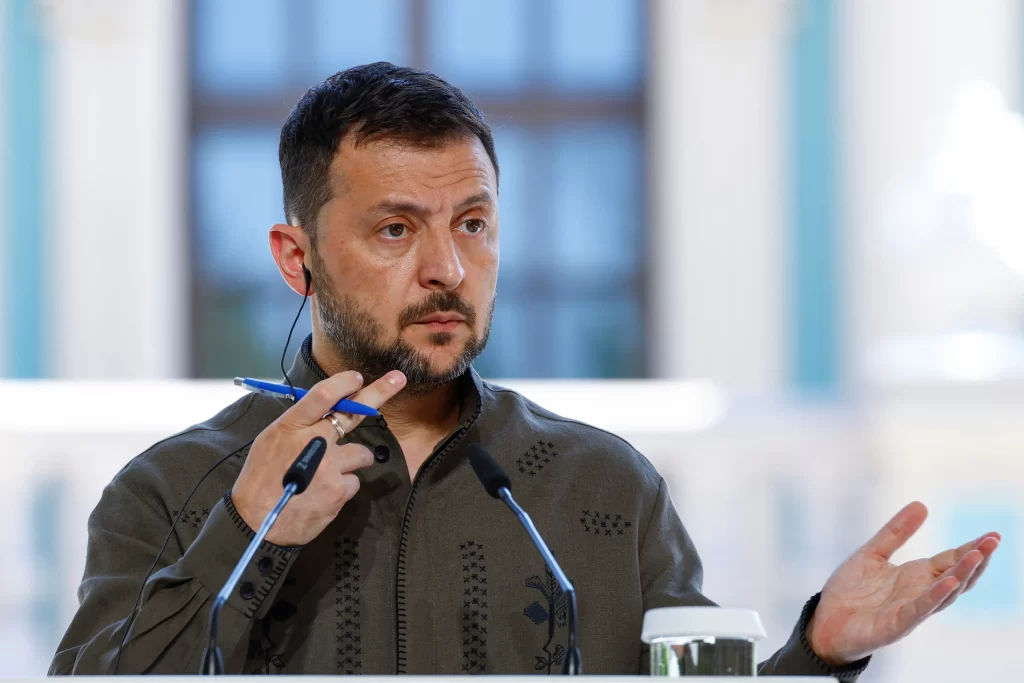
Ukrainian President Volodymyr Zelenskyy expressed his sorrow over the attack, particularly noting the death of the teenage girl. Regional Governor Oleh Syniehubov reported that about 20 of the injured were in severe condition, underscoring the attack’s devastating impact.

Eyewitnesses described a scene of chaos and destruction, with emergency services and rescue volunteers rushing to evacuate survivors from the burning building. Residents of all ages, some covered in blood, sat stunned outside as medics attended to their injuries. The body of one victim lay covered on the ground, surrounded by police.

Ukrainian authorities stated that Friday’s attack involved five aerial guided bombs, also known as “glide bombs,” launched from planes in Russia’s Belgorod region. These weapons, fitted with a navigation system, are notoriously difficult to intercept and have become a fearsome tool in the war in eastern Ukraine, capable of causing massive destruction.

Kharkiv, Ukraine’s second-largest city, has been a frequent target of Russian bombardment throughout the war. However, there had been a recent decrease in attack intensity, possibly related to a Ukrainian incursion into Russia’s Kursk region.

In response to the attack, President Zelenskyy renewed his call for Western allies to allow Ukraine to use long-range Western weapons to target Russian military air bases. “A strike … would not have happened if our defense forces had the ability to destroy Russian military aircraft where they are based,” Zelenskyy stated on Telegram. He argued that there is “no rational reason to restrict Ukraine’s defenses.”

Ukrainian officials maintain that the most effective way to counter such strikes is to target Russian planes at their bases, rather than attempting to intercept the bombs themselves. This stance highlights the ongoing debate over the nature and extent of Western military support for Ukraine.

The attack on Kharkiv comes as the war in Ukraine approaches its third year, with no clear end in sight. Russia continues to deny deliberately targeting civilians, despite thousands of civilian casualties since the full-scale invasion began in February 2022.

As rescue efforts continue in Kharkiv, this latest tragedy serves as a grim reminder of the war’s toll on civilian life and infrastructure. It also underscores the urgent need for enhanced air defense capabilities and international support to protect Ukrainian cities from such devastating attacks.

Ukrainian President Dismisses Air Force Commander Following F-16 Crash

Ukrainian President Volodymyr Zelenskyy has dismissed the commander of the country’s air force, Lt. Gen. Mykola Oleshchuk, following the crash of a newly acquired F-16 fighter jet during a Russian bombardment earlier this week. The decision, announced Friday, comes amid heightened tensions and ongoing Russian attacks on Ukrainian cities.

The presidential order, published on the official website, named Lt. Gen. Anatolii Kryvonozhko as the acting air force commander. In his address, Zelenskyy emphasized the need to “protect people, protect personnel, and take care of all our soldiers,” indicating a desire to strengthen the army at the command level.

This high-profile dismissal occurred against the backdrop of a contentious debate surrounding the circumstances of the F-16 crash. Mariana Bezuhla, deputy head of the Ukrainian parliament’s defense committee, claimed that the aircraft was downed by a Patriot air-defense system, citing unnamed sources. This allegation drew sharp criticism from Oleshchuk, who accused Bezuhla of defamation and discrediting U.S. arms manufacturers.

The air force has not directly denied Bezuhla’s claim, and U.S. experts have joined the Ukrainian investigation into the crash. The incident marks the first reported loss of an F-16 in Ukraine since the warplanes arrived at the end of last month, with at least six believed to have been delivered by European countries.

Meanwhile, Russian forces continue to target civilian areas in Ukraine. A devastating attack on the northeastern city of Kharkiv using powerful plane-launched glide bombs killed six people, including a 14-year-old girl on a playground, and wounded 47 others. The bombs struck five locations across the city, with one hitting a 12-story apartment block, setting it ablaze and trapping at least one person on an upper floor.

In response to these attacks, Zelenskyy called for Western partners to remove restrictions on what the Ukrainian military can target with donated weapons. He argued that such strikes “wouldn’t have happened if our defense forces had the capability to destroy Russian military aviation at its bases.”

The ongoing conflict has also seen Ukrainian forces making incursions into Russian territory. Ukrainian rockets reportedly hit the Russian city of Belgorod and its surroundings late Friday, resulting in five deaths and 37 injuries, according to regional governor Vyacheslav Gladkov.

On the ground, military analysts report that Russian forces are making slow but gradual progress in eastern Ukraine, while Ukrainian forces are holding ground in the Kursk border region of western Russia following a recent incursion.

The Institute for the Study of War has warned that any loss among Ukraine’s limited allotment of F-16s and trained pilots will have a significant impact on the country’s ability to operate these advanced fighters effectively.

In a related development, European Union defense ministers agreed in Brussels to boost their training program for Ukrainian troops. EU foreign policy chief Josep Borrell announced that the target for trained Ukrainian troops would be raised to 75,000 by the end of the year, with plans to establish a small coordination and liaison cell in Kyiv to enhance the training effort’s effectiveness.

Brazilian Supreme Court Orders Suspension of X Platform Amid Escalating Feud with Elon Musk

In a dramatic escalation of the ongoing dispute between Brazilian authorities and tech billionaire Elon Musk, Supreme Court Justice Alexandre de Moraes has ordered the suspension of Musk’s social media platform X (formerly Twitter) in Brazil. This decision, issued on Friday, comes after Musk refused to comply with an order to appoint a legal representative in the country.

The suspension order gives internet service providers and app stores five days to block access to X throughout Brazil. Justice de Moraes stated that the platform will remain blocked until it complies with his orders. Additionally, he warned that individuals or companies using virtual private networks (VPNs) to circumvent the ban could face daily fines of 50,000 reais (approximately $8,900).

In his ruling, de Moraes strongly criticized Musk’s actions, stating, “Elon Musk showed his total disrespect for Brazilian sovereignty and, in particular, for the judiciary, setting himself up as a true supranational entity and immune to the laws of each country.”

This move marks a significant development in the monthslong feud between de Moraes and Musk over issues of free speech, the handling of far-right accounts, and misinformation on the platform. The conflict has highlighted the complex challenges facing global tech companies as they navigate varying legal and cultural landscapes across different countries.

Brazil represents a crucial market for X, with market research group Emarketer estimating that approximately 40 million Brazilians, or one-fifth of the country’s population, access the platform at least once per month. The potential loss of this user base could have significant implications for X, which has already struggled with advertiser losses since Musk’s acquisition in 2022.

X had anticipated this action, posting on its official Global Government Affairs page that it expected to be shut down by de Moraes “simply because we would not comply with his illegal orders to censor his political opponents.” The company also alleged that de Moraes had threatened its Brazilian legal representative with imprisonment and frozen her bank accounts after she resigned.

The platform has previously clashed with de Moraes over its reluctance to block users as ordered. Accounts that X has previously suspended under Brazilian orders include lawmakers affiliated with former President Jair Bolsonaro’s right-wing party and activists accused of undermining Brazilian democracy.

Musk, who describes himself as a “free speech absolutist,” has repeatedly characterized de Moraes’ actions as censorship, a view echoed by Brazil’s political right. The tech mogul has frequently insulted de Moraes on X, calling him a dictator and tyrant.

Defenders of de Moraes argue that his actions have been lawful, supported by most of the court’s full bench, and necessary to protect democracy during a period of heightened risk. The suspension order is based on Brazilian law requiring foreign companies to maintain legal representation in the country to facilitate notification of legal cases against them.

The shutdown of X in Brazil would not be without precedent. In recent years, Brazilian judges have ordered temporary suspensions of other popular messaging apps like WhatsApp and threatened to block Telegram over similar compliance issues.

apnews.com

Mass Stabbing Incident at Egyptian Resort Town Following Dispute Over Unpaid Bill

A violent incident at a luxury hotel in the Egyptian border town of Taba has left at least six people injured, according to local and international reports. The altercation, which took place at the five-star Movenpick Resort, reportedly stemmed from a dispute over an unpaid bill by tourists.

Initial reports from various news sources present slightly conflicting information about the nationalities of those involved. Reuters reported that three Israelis and two Egyptians were among the injured, while Sky News stated that three Egyptian workers were hurt. The discrepancy in reported numbers and nationalities highlights the initial confusion surrounding the incident.

Egypt’s state-affiliated Al-Qahera News reported that the violence erupted after tourists failed to pay their hotel bill, triggering a confrontation that escalated into physical violence. The news outlet stated that all individuals involved in the incident have been transported to local hospitals for treatment, while police have launched an investigation into the matter.

In response to the outbreak of violence, Egyptian authorities have reportedly deployed troops to the area to support local police efforts. The incident’s proximity to the Israeli border has raised concerns, prompting Israel’s National Blood and Medical Emergency Service, Magen David Adom, to position ambulances at the border crossing in preparation for any potential need to treat Israeli citizens.

Despite the involvement of Israeli nationals in the incident, a high-ranking Egyptian source has denied claims that Israelis were specifically targeted. The source emphasized that the altercation was not directed “against their citizens,” suggesting it was a isolated dispute rather than a targeted attack.

The injuries sustained in the incident are reported to include head injuries and stab wounds, indicating the severity of the confrontation. The exact circumstances leading to the escalation of violence from a billing dispute to a mass stabbing remain under investigation.

Taba, situated on the Gulf of Aqaba, is a popular resort town known for its beaches and proximity to Israel, making it a frequent destination for international tourists. The Movenpick Resort, where the incident occurred, is one of the area’s premier accommodations, catering to high-end travelers and adding to the shock of such a violent outbreak at the establishment.

Source: express.co.uk

Potential Peace Talks Between Prince Harry and William Despite Recent Funeral Snub

Despite an apparent snub at a recent funeral, Prince Harry is reportedly looking to extend an olive branch to his brother, Prince William, and sister-in-law, Kate Middleton, the Princess of Wales. This development comes as Harry’s birthday approaches, rekindling memories of past celebrations and familial bonds.

The two princes were both present at the funeral of Robert Fellowes in Norfolk on Wednesday, marking a rare joint appearance since their relationship became strained. However, observers noted that the brothers kept their distance during the service.

A local attendee told The Sun, “William and Harry were both there but we never saw them speak to each other and they were keeping their distance.” Reports suggest that the princes arrived “very discreetly” and sat apart at the back of St Mary’s Church.

This event marked the first time the brothers were in the same room since King Charles’s Coronation in May 2023, highlighting the ongoing tension within the royal family.

Despite the apparent coldness at the funeral, sources close to Prince Harry indicate he is contemplating reaching out to his family, particularly as his birthday nears. An expert speaking to OK! magazine revealed, “With Harry’s birthday fast approaching, he has been speaking about maybe reaching out to Kate because it’s on milestones like this when he really misses her. She helped plan his 30th birthday and he feels bad that she won’t be involved and would love to catch up with her and see how everything is.”

The source’s comments suggest that Harry not only wishes to mend fences with his brother but also misses his relationship with Kate Middleton. The Princess of Wales has often been seen as a mediating force between the brothers in the past, and her absence from Harry’s life appears to be felt keenly by the Duke of Sussex.

Harry’s presence at the funeral was itself noteworthy, as he was initially expected to miss the service due to security concerns. His decision to “discreetly” travel to the UK for the event could be interpreted as a step towards reconciliation, despite the apparent lack of interaction with William during the service.

The brothers’ strained relationship has been a subject of intense media scrutiny and public interest since Harry and his wife, Meghan Markle, stepped back from their roles as senior royals in 2020. Their subsequent move to the United States and high-profile interviews, including a controversial sit-down with Oprah Winfrey, have further complicated family dynamics.

As Harry’s birthday approaches, royal watchers and the public alike will be keen to see if any progress is made in healing the rift between the once-close brothers. The potential for peace talks, particularly involving Kate Middleton, offers a glimmer of hope for those wishing to see a reconciliation within the royal family.

Ryanair Tightens Baggage Policy Enforcement, Warns Passengers of Potential £75 Fee or Boarding Refusal

0

Budget airline Ryanair has intensified its enforcement of baggage allowance rules, warning British holidaymakers and other passengers that they may face steep fines or even be denied boarding if they fail to comply with strict luggage restrictions. This move comes as the airline deploys more staff, dubbed ‘baggage-sizers’, at boarding gates across its network.

Ryanair’s current policy allows all passengers to bring one small personal bag on board at no extra cost, which must fit under the seat in front. This could be a handbag, laptop bag, or small backpack. Passengers wishing to bring a larger cabin bag (up to 55x40x20cm and weighing up to 10kg) must pay an additional fee.

The airline’s spokesperson emphasized the stricter enforcement, stating, “If your small bag or 10kg cabin bag does not fit in the baggage sizers, which are placed at every boarding gate, we will tag your bag and place it in the aircraft hold subject to payment of a gate bag fee.” This fee, often referred to as the ‘gate bag fee’, can amount to £75 (approximately $95 USD).

The crackdown has already affected some high-profile passengers. Irish Superbike champion Jack Kennedy found himself facing the £75 charge when attempting to bring his oversized trophy onboard a flight from the UK to Ireland. Kennedy expressed his frustration on social media, calling the situation “an absolute joke.”

This stringent approach by Ryanair comes amid broader discussions about standardizing baggage allowances across European airlines. The European Parliament has proposed a rule that would allow travelers to take two pieces of hand luggage on board without incurring additional charges. However, implementation of such a rule faces opposition from budget airlines, which derive significant revenue from baggage fees.

Ryanair founder Michael O’Leary has been vocal in his opposition to standardized baggage rules. Speaking to The Independent’s daily travel podcast, O’Leary argued, “There isn’t space on board the aircraft for any more bags,” insisting that officials in Brussels must “accept that there will have to be restrictions.”

Travel expert Simon Calder has dispelled recent rumors suggesting that the EU was set to implement new standardized baggage rules across all airlines from September 1st. Calder clarified that while discussions are ongoing, no immediate changes are forthcoming.

The airline industry’s approach to baggage allowances remains a contentious issue. While budget airlines like Ryanair argue that their low base fares justify additional charges for larger bags, critics argue that these policies can be confusing and costly for passengers.

Ryanair’s stricter enforcement policy highlights the ongoing tension between airlines’ operational needs and passenger expectations. As travelers increasingly rely on budget carriers for both leisure and business travel, understanding and complying with these baggage restrictions becomes crucial to avoid unexpected fees or travel disruptions.

Passengers planning to fly with Ryanair are strongly advised to carefully review the airline’s baggage policy before traveling and to consider purchasing additional baggage allowance in advance if needed, as fees at the gate are significantly higher.

Four Police Officers Die in Helicopter Crash in Portugal, One Still Missing

A devastating helicopter crash in northern Portugal has claimed the lives of four police officers, with one still missing, sending shockwaves through the nation’s law enforcement community. The incident occurred on August 30 when a helicopter carrying members of the Protection and Relief Intervention Group plunged into the Douro River near the city of Lamego in Cambres.

The aircraft, an AS350-Ècureuil model operated by HTA Helicopteros, went down shortly after 12:30 pm local time. Initial reports indicated that at least six individuals were on board at the time of the crash.

In a fortunate turn of events, the pilot of the helicopter was rescued by a nearby tourist boat. However, the fate of the police officers aboard has been grimmer. Mafalda Gomes de Almeida, chief of the National Republican Guard (GNR), confirmed that only the pilot has been found alive so far. “There is still no information that the five GNR officers, who belong to the Armamar company, were rescued alive,” she stated in a press briefing.

The missing officers are part of an emergency protection and assistance unit of the GNR police force known as the UEPS (Emergency Protection and Relief Unit). As search efforts intensified, the bodies of four officers were recovered from inside the submerged helicopter, leaving one still unaccounted for.

The head of the Douro Port authority provided updates to Portuguese media, initially stating, “We have two bodies inside the aircraft and three missing people. These three missing people may be on the shore in need of help. We are searching the entire area, on all shores.” As the search progressed, an official source informed local outlet RTP that an additional two bodies had been found.

Authorities have announced that drones will be deployed to assist with the ongoing search efforts, covering a wide area along the river’s shores. The challenging terrain and the river’s conditions have complicated rescue operations, prompting a multi-agency response.

The pilot, who was rescued, was transported to Vila Real hospital. Reports from RTP indicate that the pilot is being treated for hypothermia and fractures sustained during the crash.

Source: express.co.uk

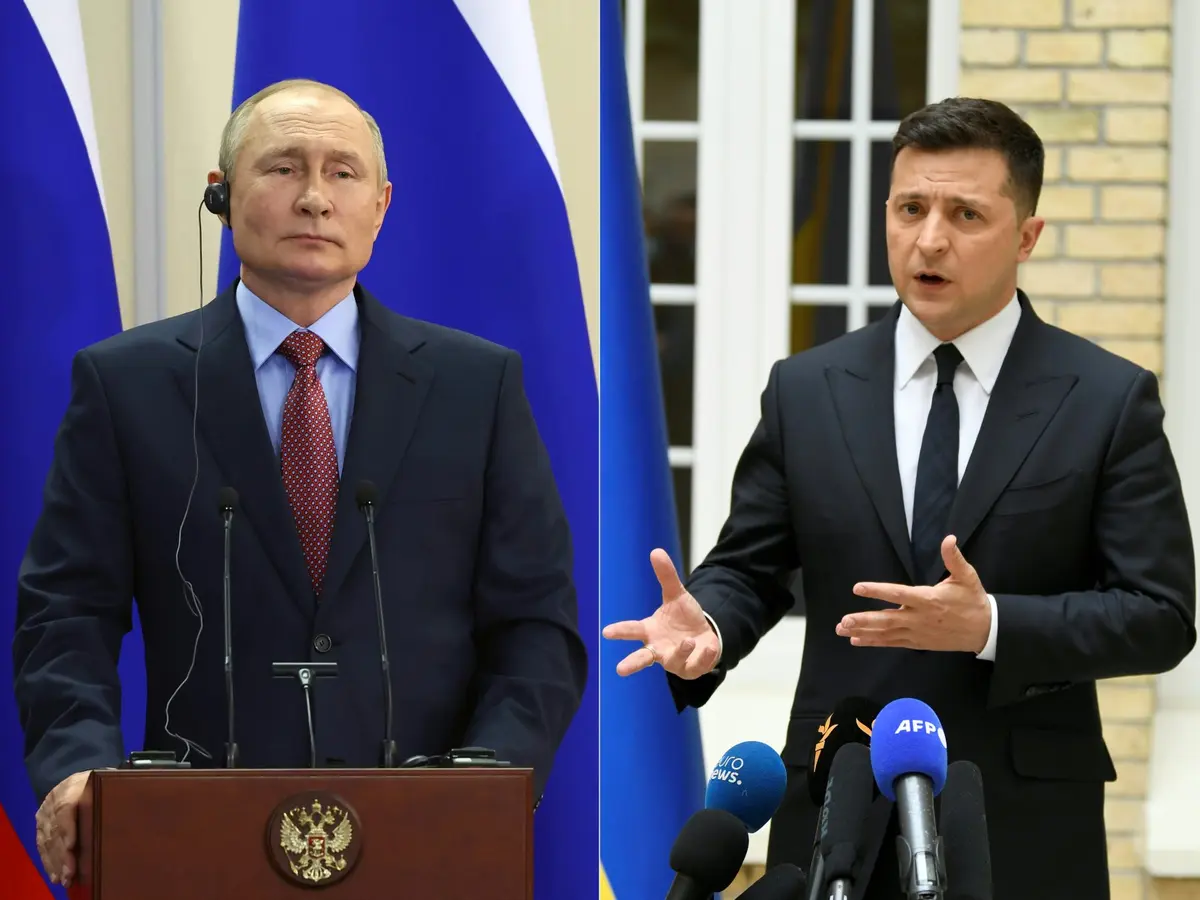
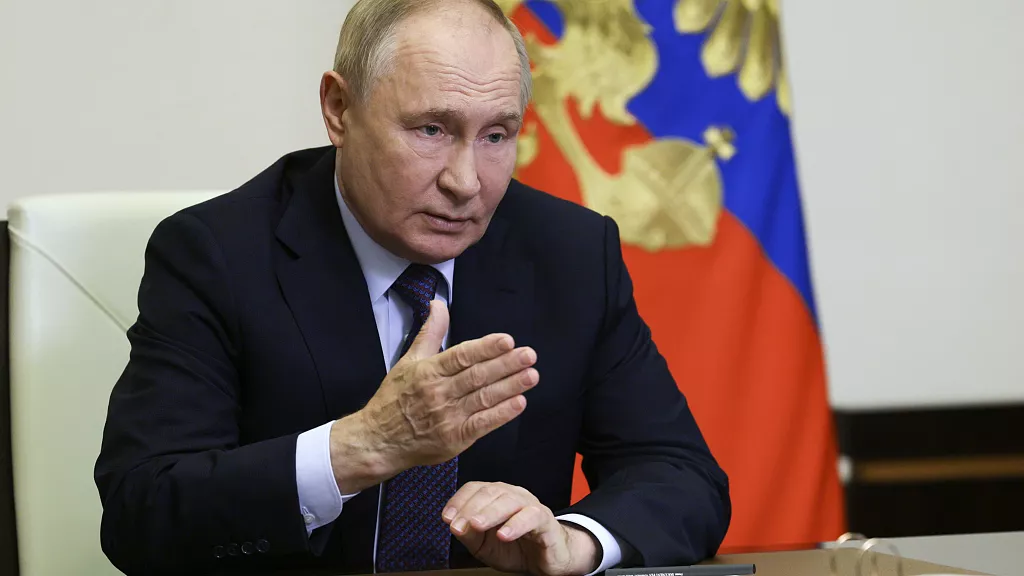
Kremlin Dismisses Concerns Over Putin’s Visit to ICC Member Mongolia

The Kremlin has expressed confidence in Russian President Vladimir Putin’s upcoming visit to Mongolia, an International Criminal Court (ICC) member state, despite an outstanding arrest warrant issued by the court.

This visit, scheduled for September 3, marks Putin’s first trip to an ICC member country since the warrant was issued in March 2023 over alleged war crimes in Ukraine.

Kremlin spokesperson Dmitry Peskov dismissed concerns about the visit during his daily press briefing on Friday. “We have no worries about the upcoming trip,” Peskov stated, emphasizing the “wonderful dialogue with our friends from Mongolia.” This stance underscores Russia’s continued rejection of the ICC’s jurisdiction and its refusal to recognize the legitimacy of the arrest warrant.

The visit raises complex questions about the enforcement of international law and the obligations of ICC member states. Under the court’s founding Rome Statute, member countries are obligated to arrest individuals for whom the ICC has issued warrants if they enter their territory. However, the ICC lacks direct enforcement mechanisms, relying instead on member states to cooperate.

ICC spokesperson Fadi El Abdallah reaffirmed Mongolia’s obligations as a state party to the Rome Statute. “The ICC relies on its States Parties and other partners to execute its decisions, including in relation to arrest warrants,” El Abdallah stated. He added that in cases of non-cooperation, ICC judges may inform the Assembly of States Parties, which could then take appropriate measures, though the nature of such measures remains unclear.

Putin’s visit to Mongolia is centered around commemorative events marking the 85th anniversary of the joint Soviet-Mongolian victory over Japanese forces at the Khalkhin Gol River.

The Russian president is also scheduled to hold talks with Mongolian President Ukhnaa Khurelsukh and other top officials, according to a Kremlin statement.

The ICC’s arrest warrant for Putin, issued in March 2023, accuses him of personal responsibility for the abduction of children from Ukraine during the ongoing conflict. This marked the first time the global court had issued a warrant against a leader of one of the five permanent members of the U.N. Security Council.

The court alleges that Putin “is allegedly responsible for the war crime of unlawful deportation of children and that of unlawful transfer of (children) from occupied areas of Ukraine to the Russian Federation.”

The court has also issued warrants for other high-ranking Russian officials, including Maria Lvova-Belova, Putin’s children’s rights envoy, former Defense Minister Sergei Shoigu, and Chief of the General Staff Gen. Valery Gerasimov, on similar charges related to war crimes and crimes against humanity.

Mongolia people

Russia, like several other major powers including the United States and China, is not a member of the ICC and does not recognize its jurisdiction. Russian officials have consistently dismissed the warrants as “null and void,” maintaining their stance that the court has no authority over Russian citizens.

The situation draws parallels to a 2015 incident when then-Sudanese President Omar al-Bashir, also subject to an ICC arrest warrant, visited South Africa without being detained. That event sparked international controversy and highlighted the challenges in enforcing ICC warrants against sitting heads of state.

Putin’s planned visit to Mongolia has reignited debates about the effectiveness of international justice mechanisms and the complex interplay between diplomatic relations and legal obligations.

As the international community watches closely, the outcome of this visit could have significant implications for the perceived authority of the ICC and the enforcement of international law in cases involving powerful states.