Home Blog Page 752

Nigerian Pilot Faces Five-Year Jail Sentence in US for Falsifying FAA Statements

0

A federal jury in Texas has found Olukayode Ojo, a 36-year-old Nigerian pilot, guilty of making false statements to obtain a certificate from the Federal Aviation Administration (FAA). The conviction, announced by U.S. Attorney Robert Troester, could result in a five-year prison sentence and significant fines for Ojo.

U.S. District Judge Jodi Dishman ordered Ojo’s detention following the guilty verdict on August 16, 2024. The case, part of an investigation by the Transportation Security Administration—Investigations, was prosecuted by Assistant U.S. Attorneys Jackson Eldridge and Matt Dillon.
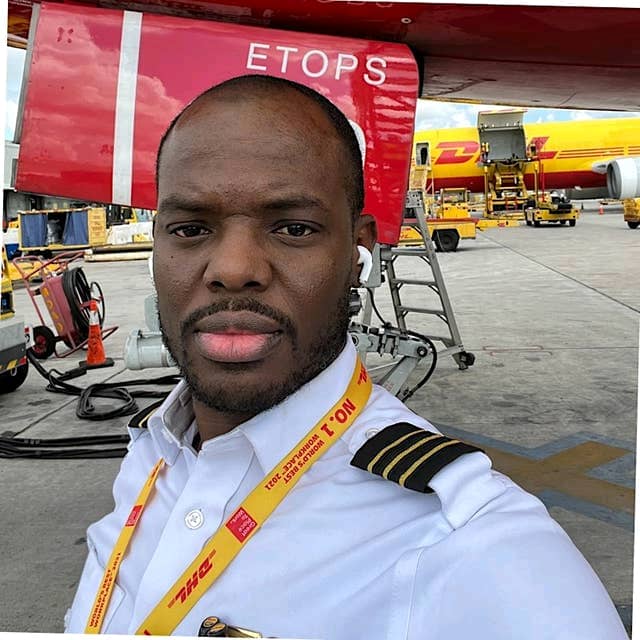
According to the evidence presented at trial, Ojo, an FAA-certified commercial airline pilot, had previously pleaded guilty to two misdemeanor theft charges on February 8, 2023, in Kentucky state court. These charges were related to the theft of passenger luggage from baggage carousels at the Cincinnati/Northern Kentucky International Airport.

The crux of the federal case against Ojo centered on his subsequent actions. In March 2023 and March 2024, while applying for an FAA First Class Medical Certificate, Ojo made false statements to conceal his history of prior criminal convictions. This certificate is crucial for pilots, as it permits them to operate commercial passenger aircraft.

On June 4, 2024, a federal grand jury returned a two-count superseding indictment against Ojo, charging him with two counts of making false statements. The jury’s guilty verdict on both counts exposes Ojo to potentially severe consequences.

U.S. Attorney Troester emphasized the gravity of Ojo’s actions, stating, “The integrity of our aviation system relies on the truthfulness of pilots and other aviation professionals. Falsifying information to obtain FAA certification not only undermines this system but also poses potential risks to public safety.”

The conviction carries serious penalties. Ojo faces a potential sentence of up to five years in federal prison for each count. Additionally, he could be fined up to $250,000 per count, totaling a possible $500,000 in fines.

Ugandan Tourist Acquitted in Zimbabwe Sex Toy Case, Faces Deportation

0

A Ugandan tourist, Tom Ssekamwa, 24, has been acquitted after spending 24 days in a Zimbabwean prison for possessing a sex toy, but now faces deportation. The case has raised concerns about Zimbabwe’s treatment of tourists and potential damage to its international reputation.

Ssekamwa was arrested on August 2 in Masvingo, a city 292 kilometers south of Harare, alongside Czech national Lucas Slavik. Their detention occurred during a government crackdown on dissent ahead of a regional summit, which saw over 200 opposition figures and activists arrested.

Magistrate Isaac Chikura dismissed the charges against Ssekamwa this week, which included criminal nuisance and violating the Censorship Act. The charges stemmed from the discovery of a rubber sex toy in Ssekamwa’s luggage during a police search. Chikura ruled that Ssekamwa’s possession of the item did not threaten public order or create a disturbance, emphasizing that the toy was not intended for public exhibition.

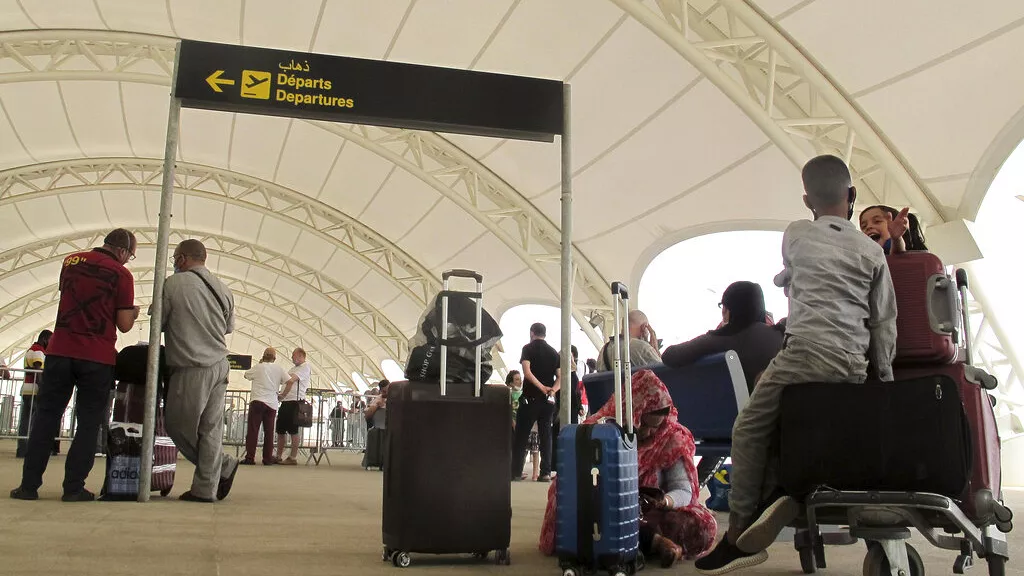
Knowledge Mabvuure, Ssekamwa’s attorney from Zimbabwe Lawyers for Human Rights (ZLHR), stated that his client is now in the custody of immigration authorities awaiting expulsion. The deportation process has been delayed because Ssekamwa’s phone, necessary for accessing funds to purchase an airline ticket, remains in police custody.

Lucas Slavik, Ssekwama’s travel companion, faced allegations of inciting public unrest after reportedly filming a video claiming that Masvingo lacked water and electricity. Although additional charges against Slavik were dropped, he was acquitted and deported last week.

The case has drawn attention to Zimbabwe’s ongoing infrastructure challenges, with many regions experiencing extended power outages due to reduced water levels at Kariba Dam, the country’s primary source of hydropower.

Roseline Hanzi, another representative from ZLHR, expressed concern that these arrests could harm Zimbabwe’s standing as a tourist destination. She warned that the incident might lead to international legal disputes if countries feel their citizens’ rights have been infringed.

The arrests of Ssekwama and Slavik occurred against the backdrop of a broader crackdown preceding the Southern African Development Community (SADC) Summit in Harare. Over 200 opposition members and civil society figures were detained, with the government accusing them of plotting to disrupt the event.

This case has sparked debate about Zimbabwe’s laws and their application to tourists, as well as the potential impact on the country’s tourism industry. Human rights organizations have called for a review of policies that could deter visitors and damage Zimbabwe’s international image.

As Ssekwama awaits deportation, the incident serves as a reminder of the complex interplay between tourism, human rights, and political tensions in Zimbabwe. The country’s authorities now face the challenge of balancing security concerns with the need to maintain an welcoming environment for international visitors.

Source: africanews.com

Nigeria Flood Death Toll Rises to 179, Displacing Thousands and Threatening Food Security

0

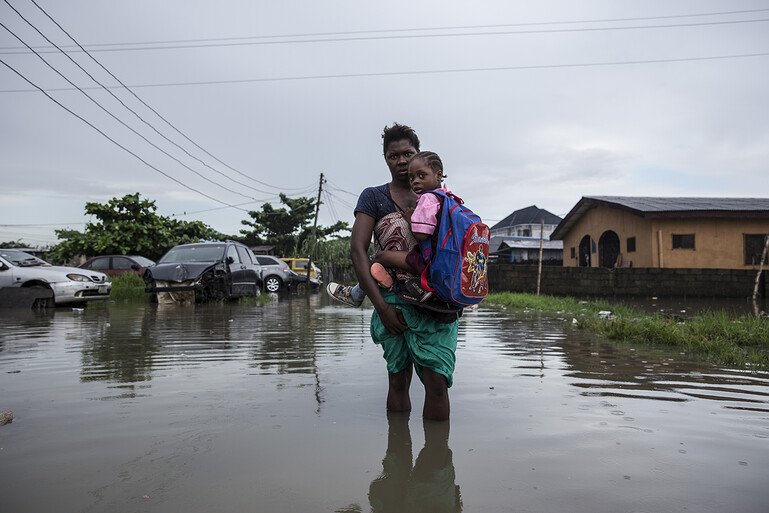
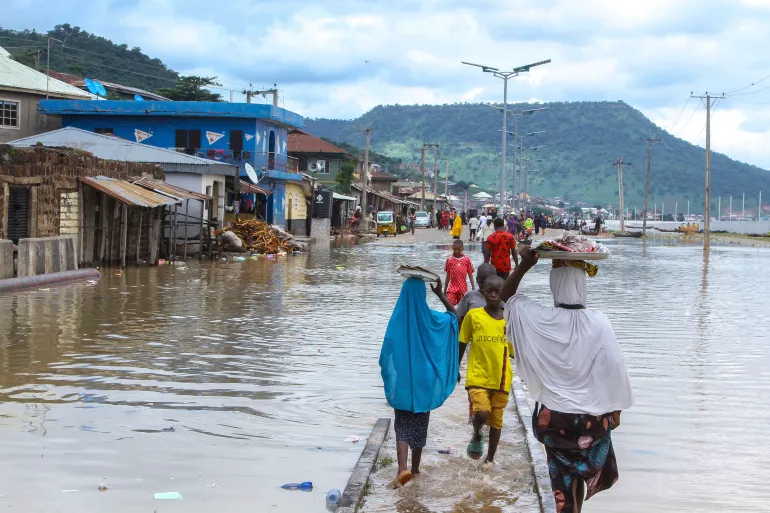
Nigeria’s National Emergency Management Agency (NEMA) reported on Thursday that at least 179 people have died and tens of thousands have been displaced due to severe flooding across the country in recent weeks. The disaster has raised significant concerns about food security and economic stability in Africa’s most populous nation.

The northwestern region of Nigeria has borne the brunt of the catastrophe, with seven states accounting for 89 fatalities. Additionally, more than 25,000 hectares (61,776 acres) of farmland have been submerged, dealing a severe blow to the country’s agricultural sector.

President Bola Tinubu addressed the crisis in a statement released on Wednesday, expressing “profound grief” over the devastation caused by the floods to communities and farmlands across the country. The president’s response underscores the severity of the situation and its potential national impact.

The floods, which reached their peak in July and August, have exacerbated existing concerns about food supply in Nigeria. The country is already grappling with double-digit inflation, largely driven by escalating food prices. The destruction of vast tracts of farmland threatens to further strain the food production capabilities of a nation already facing significant economic challenges.

Compounding the crisis, heavy rains have added to the difficulties faced by the farming sector, particularly in the northeast where farmers are abandoning their lands due to persistent militant attacks. This combination of natural disasters and security issues poses a significant threat to Nigeria’s agricultural output and food security.

The current death toll represents a sharp increase from the previous year when NEMA reported 45 flood-related deaths. This dramatic rise in casualties highlights the intensifying impact of climate-related disasters in the region.

The severity of this year’s floods brings back memories of the catastrophic flooding in 2022, which was described as Nigeria’s worst in over a decade. That disaster resulted in more than 600 deaths, displaced approximately 1.4 million people, and destroyed 440,000 hectares (1,087,261 acres) of farmland.

Zimbabwe’s Desperate Water Crisis: Communities Dig Riverbeds as Drought Grips Southern Africa

0

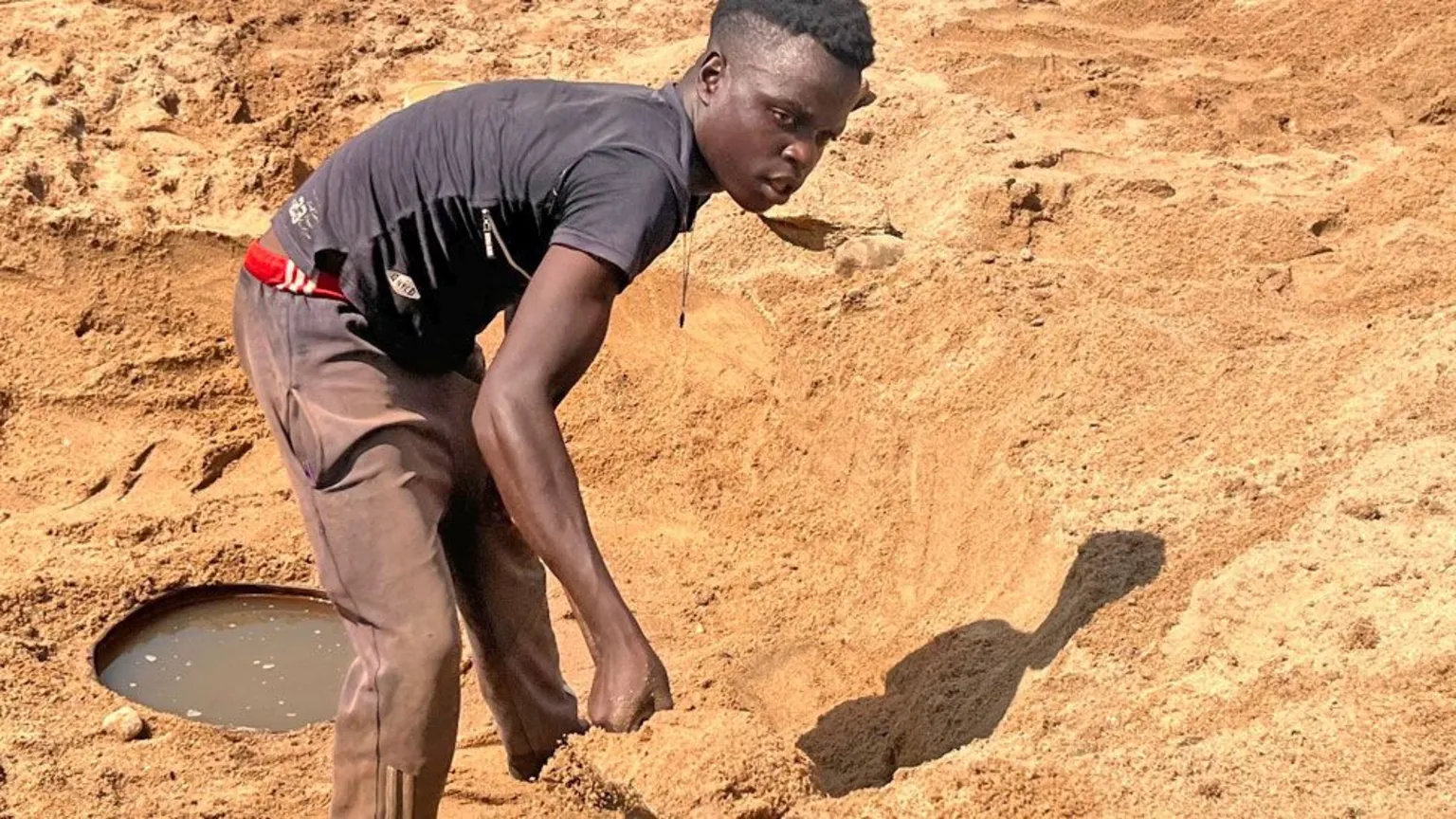
In northern Zimbabwe’s Mudzi district, a grim scene unfolds along the once-flowing Vombozi River, now reduced to a stretch of beige sand. Local residents, armed with shovels and buckets, dig desperately into the dry riverbed, searching for the last drops of water in what has become one of the worst droughts in living memory across southern Africa.

The crisis, affecting nearly 70 million people across the region, has left communities without adequate food and water. In Kurima village, the Vombozi River, typically a year-round water source, has completely dried up, forcing an increasing number of people to converge on this single location.

Gracious Phiri, a 43-year-old mother of five, describes her daily three-hour journey to fetch water. “I have never seen anything like this,” she tells the BBC, lowering her bucket into a half-meter wide hole to draw brown-colored water. Phiri expresses concern about her family’s health, noting that livestock drink from the same pits as humans. “It is not very healthy,” she adds.

The water scarcity is compounded by a severe food shortage affecting 7.7 million people in Zimbabwe alone. In Mudzi, local health authorities report that the number of families with access to sufficient, affordable, and nutritious food has dropped by more than half compared to previous years. Children have been particularly hard hit, with hospital admissions for moderate to severe malnutrition doubling since June.

A village feeding program attempts to address the crisis by providing nutrient-enriched porridge for children under five once a week. However, the initiative faces its own challenges as food stocks dwindle. Kudzai Madamombe, Mudzi district’s medical officer, explains that the El Niño-induced drought has reduced the program from three times a week to just once, with the possibility of complete cessation within a month.

The drought’s impact extends beyond food security. A quarter of the district’s clinics have lost their water supply as boreholes run dry. The major dam in the district has only a month’s supply of water remaining, forcing the suspension of vegetable irrigation schemes that once supported hundreds of local farmers.

Tambudzai Mahachi, a 36-year-old farmer, exemplifies the widespread suffering. Despite planting acres of maize, cow-peas, and peanuts, she harvested nothing. “We have gone from eating what we want and when we want to limiting meals,” Mahachi says, now relying on charitable donations to feed her children.

The crisis extends across southern Africa, where most agriculture depends on rainfall rather than irrigation. About a third of the countries in the region have declared states of disaster, with an estimated 68 million people in need of food aid. The Southern African Development Community (SADC) appealed for $5.5 billion in aid in May, but only a fraction has been received.

Tomson Phiri, southern African spokesperson for the UN World Food Programme (WFP), warns that the situation is set to worsen. “Family granaries are empty, and maize, which is the region’s most consumed carbohydrate, is now priced out of many people’s hands,” he says. The WFP has received only one-fifth of the $400 million needed for emergency assistance.

The region faces its largest maize deficit in 15 years, with the hunger and water crisis expected to peak in October, traditionally the hottest and driest month. Even if rains arrive in November or December, farmers won’t be able to harvest maize until March.

BCC.com

Ugandan Self-Proclaimed Healer Arrested with 24 Human Skulls, Faces Life Imprisonment

0

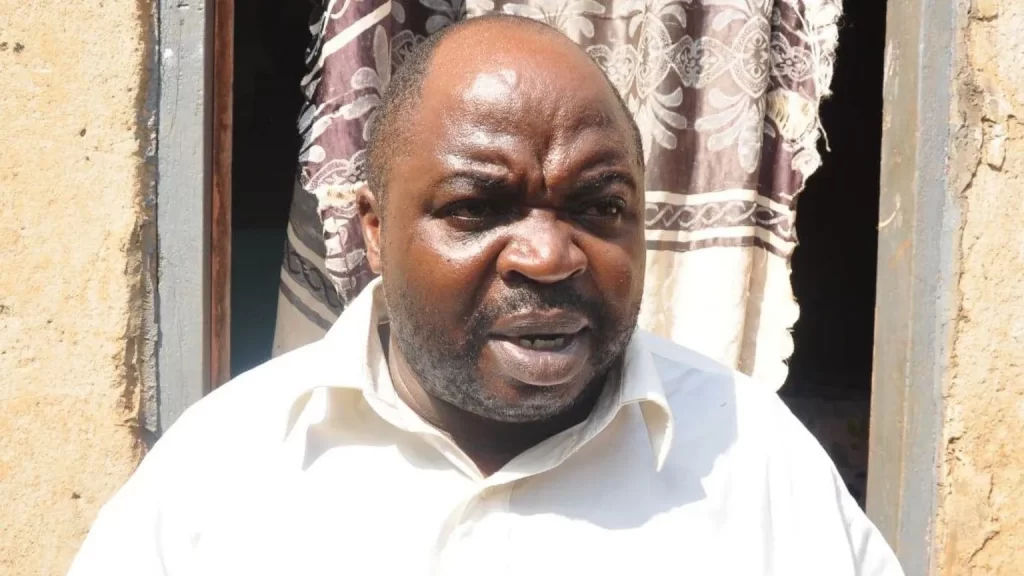
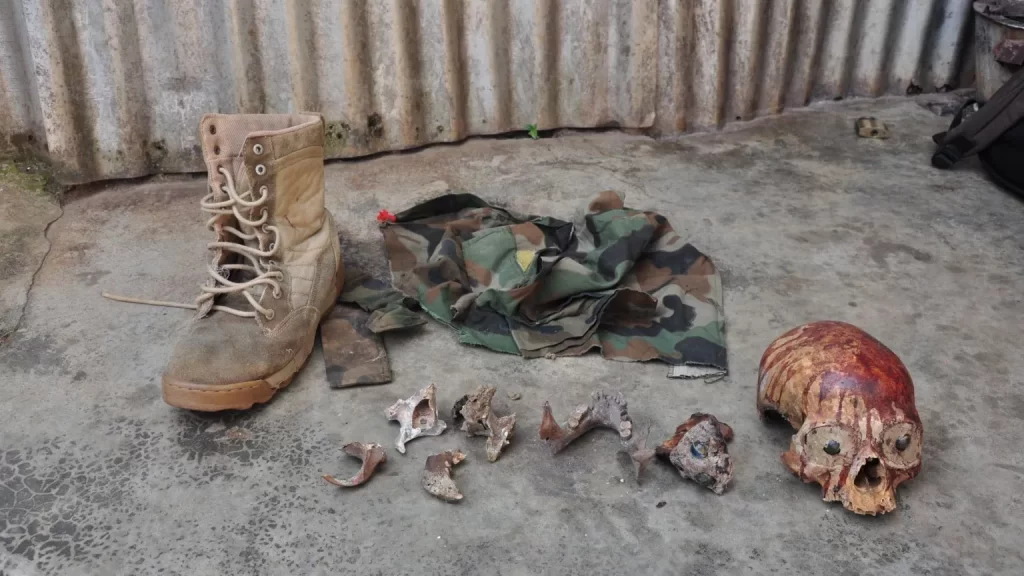
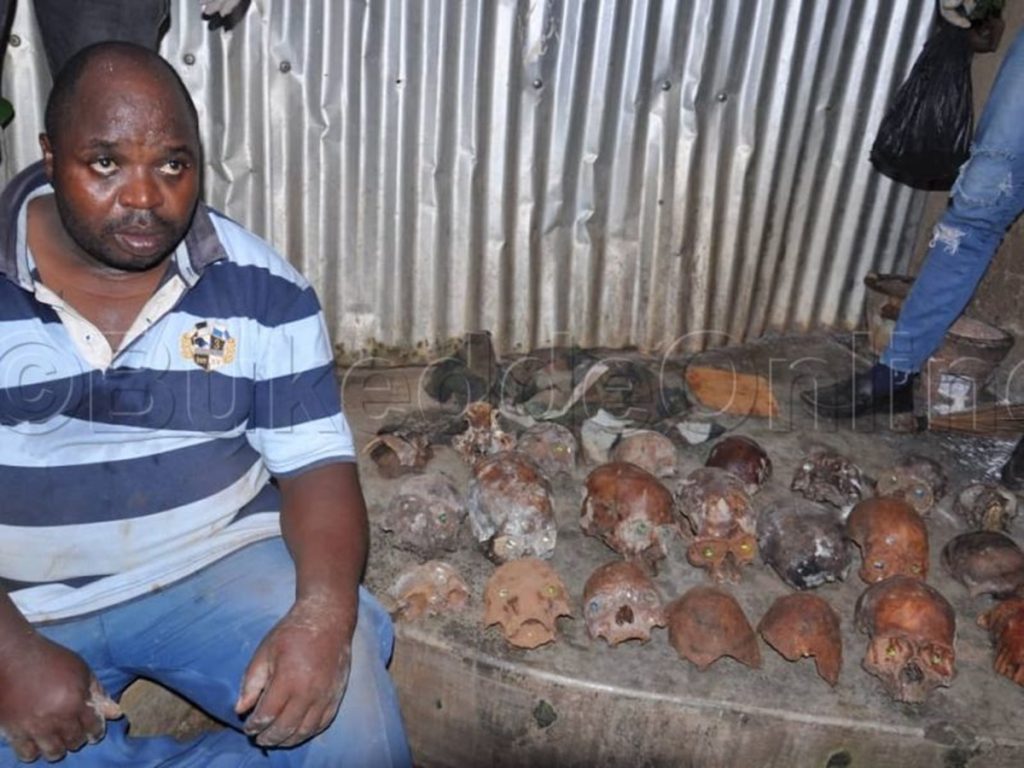
Ugandan authorities have arrested a self-proclaimed traditional healer, Ddamulira Godfrey, after discovering 24 human skulls in his possession, police spokesperson Patrick Onyango confirmed to the BBC. The shocking find has raised concerns about human sacrifice practices in the country and highlighted the challenges in regulating traditional healing practices.

Godfrey, who claims to be a traditional healer and herbalist, was apprehended at his shrine in the suburbs of Kampala, Uganda’s capital. In addition to the human remains, police also recovered animal remains and skins from the location. The discovery has prompted a continued search of the premises, with authorities hoping to uncover more evidence.

Onyango stated that Godfrey would be charged under the Prevention and Prohibition of Human Sacrifice Act, a law specifically designed to combat such practices. “If he is found guilty, he will serve life in prison,” Onyango emphasized, underlining the severity of the alleged crimes.

The case has sent shockwaves through Uganda’s traditional healing community. The country’s Traditional Healers’ Association has swiftly distanced itself from Godfrey, emphasizing that such practices are not part of legitimate traditional medicine.

This incident is not isolated, coming just weeks after another disturbing discovery in the central district of Mpigi, approximately 41 kilometers (25 miles) from Kampala. There, police recovered 17 human skulls from a shrine, further highlighting the persistent issue of human sacrifice for ritual purposes in the region.

These cases underscore a deeply rooted belief among some individuals in various African countries that magic charms made from human body parts can bring good fortune, wealth, or serve as a means to curse enemies. Such beliefs, while not representative of mainstream African cultures, continue to fuel a dangerous underground market for human remains.

The Uganda Police Force has intensified its efforts to combat these practices, with Onyango stating, “We are charging him first under the Prevention and Prohibition of Human Sacrifice Act, which [prohibits] one being in possession of human body parts and instruments of human sacrifice.” This approach reflects the government’s commitment to eradicating such practices through stringent legal measures.

The case has reignited debates about the regulation of traditional healing practices in Uganda and across Africa. While many legitimate traditional healers provide valuable services to their communities, the exploitation of these beliefs by individuals for criminal purposes remains a significant challenge for law enforcement and policymakers.

Human rights organizations have called for increased public education and awareness campaigns to combat the superstitions that fuel demand for human body parts. They argue that addressing the root causes of these beliefs is crucial to preventing future incidents.

As the investigation continues, authorities are working to identify the origins of the human remains found in Godfrey’s possession. This process may lead to the resolution of missing persons cases and provide closure to families affected by these crimes.

South African Billionaire Johann Rupert Surpasses Aliko Dangote as Africa’s Richest Person

0

Johann Rupert, the South African luxury goods magnate, has surpassed Nigerian industrialist Aliko Dangote to become Africa’s wealthiest individual, according to the latest data from the Bloomberg Billionaires Index. This shift in the continent’s wealth hierarchy reflects both Rupert’s success in the luxury sector and the economic challenges facing Nigeria.

Rupert, who controls Richemont, one of the world’s largest luxury goods conglomerates, has seen his net worth surge by $1.9 billion to reach $14.3 billion. This increase has propelled him to the 147th position globally on the Bloomberg index. Richemont’s portfolio includes prestigious brands such as Cartier and Montblanc, which have benefited from strong performances in the luxury goods market.

In contrast, Dangote’s fortune has decreased by $1.7 billion this year, leaving him with a net worth of $13.4 billion and placing him 159th globally, 12 places behind Rupert. This decline in Dangote’s wealth is indicative of Nigeria’s challenging economic environment, where his conglomerate primarily operates.

The economic reforms introduced by Nigerian President Bola Tinubu since taking office last year, including the removal of fuel subsidies, have contributed to high inflation, currently exceeding 30%. While Tinubu argues these measures are necessary to reduce government spending and stimulate long-term growth, they have had immediate impacts on businesses and individuals alike.

Dangote, aged 66, built his empire in the cement and sugar industries and recently opened an oil refinery in Lagos. However, his Dangote Group has faced setbacks due to production delays at the refinery and supply chain disruptions. The sharp devaluation of the Nigerian naira has significantly affected Dangote’s wealth, which is largely tied to assets denominated in the local currency.

Rupert’s ascension to the top spot is not just a personal achievement but also a reflection of the resilience of the luxury goods sector. His holdings extend beyond Richemont to include Remgro, a South African investment vehicle with stakes in over 30 companies. Rupert inherited the family business from his father, Anton Rupert, and has transformed it from primarily tobacco interests into a multi-billion-dollar luxury goods venture.

The 73-year-old Rupert, who attended the University of Stellenbosch but left his studies to join his father’s business in 1984, has been a vocal figure on political and environmental issues in South Africa. He campaigned against white-minority rule and has received several awards for his business activities. Rupert maintains residences in Cape Town, Geneva, and London, reflecting the global nature of his business empire.

The Bloomberg Billionaires Index also highlights other significant African fortunes. Nicky Oppenheimer, another South African billionaire, ranks third on the continent with a net worth of $11.3 billion. Egyptian businessman Nassef Sawiris follows with $9.48 billion, and South African investor Natie Kirsh completes the top five with $9.22 billion.

This reshuffling of Africa’s wealthiest individuals underscores the dynamic nature of global wealth and the impact of regional economic conditions on personal fortunes. As market conditions continue to fluctuate and businesses navigate complex challenges, the title of Africa’s richest person may continue to change hands.

The contrast between Rupert’s rise and Dangote’s decline also highlights the divergent economic trajectories within Africa. While South Africa’s economy faces its own challenges, the country’s more diversified economic base and stronger links to global luxury markets have allowed figures like Rupert to thrive. Meanwhile, Nigeria’s dependence on oil and ongoing economic reforms present both opportunities and obstacles for its business leaders.

As Africa continues to develop and integrate into the global economy, the fortunes of its wealthiest individuals will likely remain a key indicator of broader economic trends and the continent’s changing place in the world economy.

A bbc.com story

Liberian Ex-Chief Justice Gloria Musu-Scott Acquitted of Niece’s Murder

0

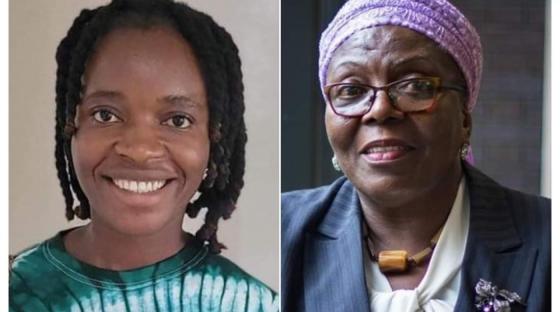
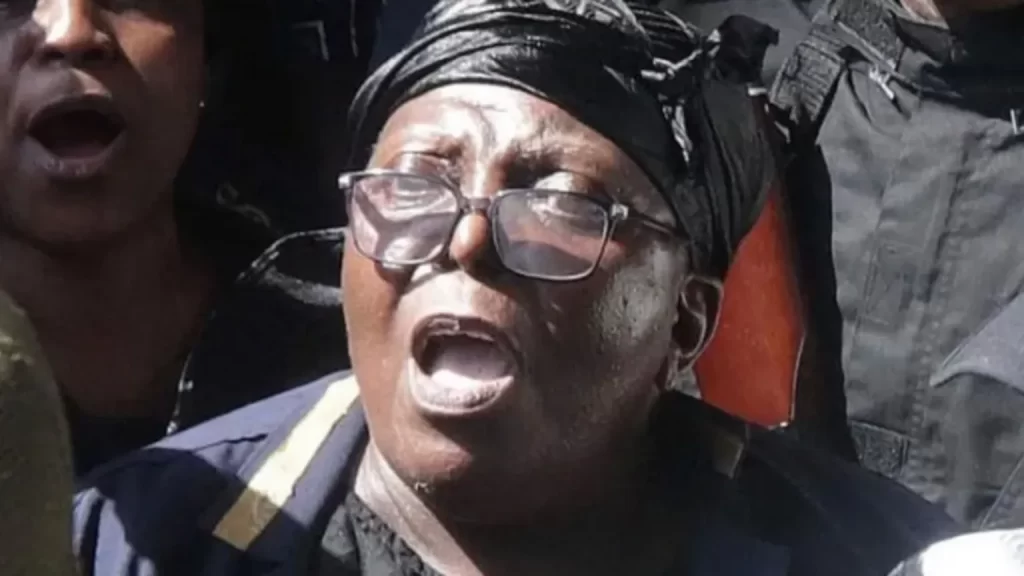
Liberia’s Supreme Court has acquitted former Chief Justice Gloria Maya Musu-Scott and three female relatives of the murder of her niece, overturning a lower court’s conviction that had sent shockwaves through the nation. The 70-year-old Musu-Scott, a prominent figure in Liberian law and politics, had been serving a life sentence for the brutal killing of 29-year-old Charlotte Musu in February 2023.

Chief Justice Sie-A-Nyene Yuoh, delivering the appeal verdict on Wednesday, ruled that there was insufficient evidence linking the former judge and her relatives to the crime. “The state did not meet the burden of proof to warrant the conviction of the defendants. Therefore, the defendants are hereby acquitted of the crimes of murder, criminal conspiracy… as charged in the indictment,” Justice Youh stated.

The case had captivated Liberia, given Musu-Scott’s status as one of the country’s most renowned judges and politicians. A champion of women’s rights, she had served as Liberia’s justice minister and later as chief justice of the Supreme Court until her retirement in 2003. At the time of her conviction, she had just won a significant case against the electoral commission as part of the then-opposition Unity Party’s legal team.

Musu-Scott and her co-defendants were greeted by a jubilant crowd upon their release after serving more than eight months in prison. Addressing supporters shortly after her release, Musu-Scott expressed gratitude for her acquittal but voiced concerns about the state of Liberia’s justice system. “There are a lot of innocent persons in jail in this republic. So I say thank you to the lawyers. But I say to them, there is still work to be done,” she remarked.

The original conviction, handed down by a lower court in December, found Musu-Scott and her relatives guilty of stabbing her niece, as well as conspiracy and making a false report to the police. Throughout the proceedings, the former chief justice maintained her innocence, claiming that Charlotte Musu had been killed by an “assassin” who had entered her home in Monrovia.

State prosecutors had acknowledged that the conviction was based on circumstantial evidence, a point that likely contributed to the Supreme Court’s decision to overturn the verdict. The top court noted that the evidence presented failed to identify the specific individual responsible for the murder.

The case has reignited discussions about the efficacy and fairness of Liberia’s justice system. Women’s rights groups, while welcoming the acquittal of the wrongly accused, have urged that Charlotte Musu not be forgotten. The Women Non-Governmental Organizations Secretariat Of Liberia (Wongosol) issued a statement saying the acquittal had “reopened wounds and ignited a sense of urgency to seek true justice” for the murdered woman.

Wongosol also highlighted the need for support for the acquitted women as they rebuild their lives. “While we acknowledge that the criminal justice system is designed to protect the innocent, we cannot ignore the fact that a grave injustice has been done. The individuals who were wrongfully accused and detained have endured immense suffering,” the group stated.

The case has broader implications for Liberia’s political landscape, as Musu-Scott remains a member of the Unity Party, whose leader Joseph Boakai became president in January. Her role in challenging the electoral commission’s practices and her subsequent legal ordeal have underscored the complex interplay between law, politics, and justice in the West African nation.

Nigeria Signs Landmark Aviation Maintenance Agreement with Boeing to Boost Airline Industry

0

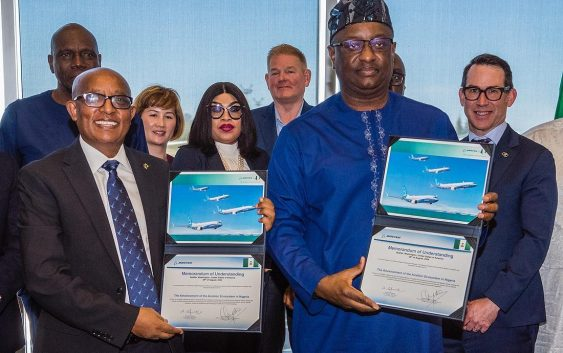
Nigeria has taken a significant step toward modernizing its aviation sector by signing a memorandum of understanding (MOU) with Boeing, the global aerospace giant. The agreement, announced on Thursday, is set to enhance Nigerian airlines’ capabilities in leasing new aircraft and accessing crucial maintenance and technical support.

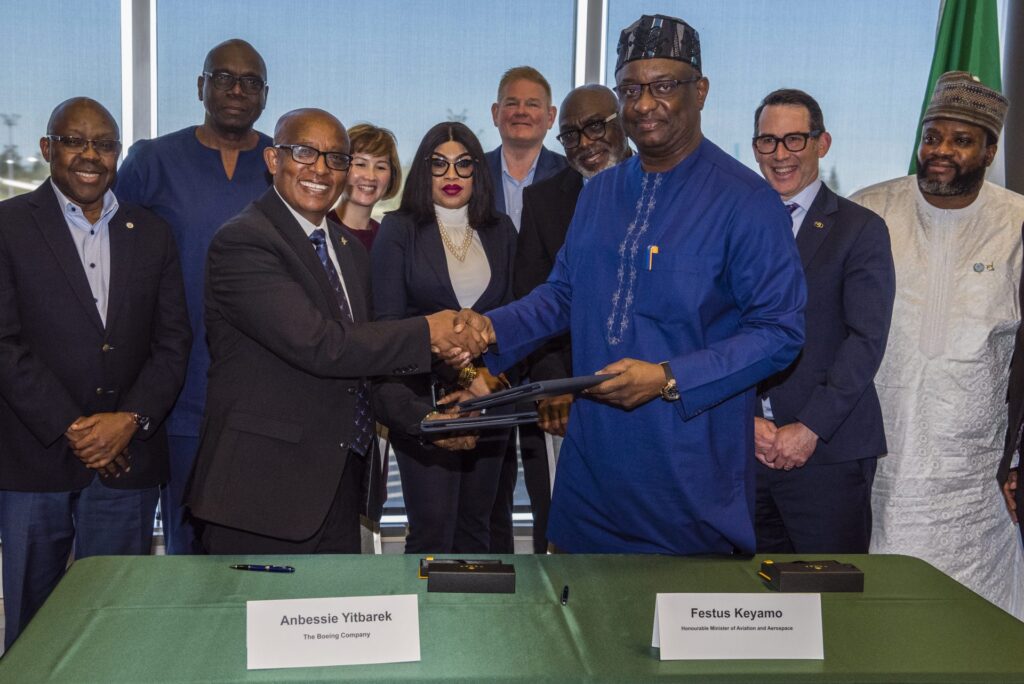
The MOU, signed in Seattle on Wednesday by Nigerian Aviation Minister Festus Keyamo and Boeing executives, comes at a pivotal time for Africa’s aviation market. Boeing projects that the continent will require 1,170 new airplanes over the next two decades, underscoring the potential for growth and the importance of such partnerships.

Under the terms of the agreement, Boeing will provide a comprehensive suite of services to Nigerian airline operators, including planning workshops, training programs, technical support, and assessments for airline operations.

Additionally, Boeing’s Airports Engineering team will offer consultation services to assist in opening or expanding airport capabilities across Nigeria. This aspect of the deal is crucial for developing the country’s aviation infrastructure to meet growing demand and international standards.

The MOU also includes provisions for Boeing to provide advisory services on the development of local aircraft maintenance facilities. This initiative aims to build domestic capacity for aircraft maintenance, reducing reliance on foreign facilities and potentially creating new job opportunities in the Nigerian aviation sector.

Festus Keyamo, Nigeria’s Aviation Minister, hailed the agreement as a milestone, stating, “This partnership with Boeing represents a significant step in our efforts to modernize and enhance the capabilities of Nigerian airlines.” The minister’s comments reflect the government’s commitment to upgrading the country’s aviation industry to meet global standards and compete effectively in the international market.

Anbessie Yitbarek, Boeing’s Vice President of Commercial Sales for Africa, emphasized the strategic importance of the agreement, describing it as “an important step in establishing a sustainable civil aviation ecosystem in Nigeria.” This statement underscores Boeing’s long-term view of the Nigerian and broader African aviation market.

The deal comes as Boeing continues to expand its presence in Africa, where it currently supplies 60 airlines with 500 airplanes across the continent. The company’s projection of 1,170 new airplanes needed in Africa over the next two decades highlights the significant growth potential in the region’s aviation sector.

For Nigeria, Africa’s largest economy and most populous nation, the agreement represents an opportunity to address long-standing challenges in its aviation sector, including aging fleets, maintenance issues, and limited access to modern aircraft. By partnering with Boeing, Nigerian airlines stand to benefit from world-class expertise and technology, potentially improving safety standards, operational efficiency, and passenger experience.

The MOU also aligns with Nigeria’s broader economic diversification efforts, as the government seeks to reduce its dependence on oil exports and develop other sectors of the economy. A robust and modern aviation sector could play a crucial role in facilitating trade, tourism, and economic growth across the country.

Egypt Delivers First Military Aid to Somalia in Decades, Heightening Regional Tensions

0

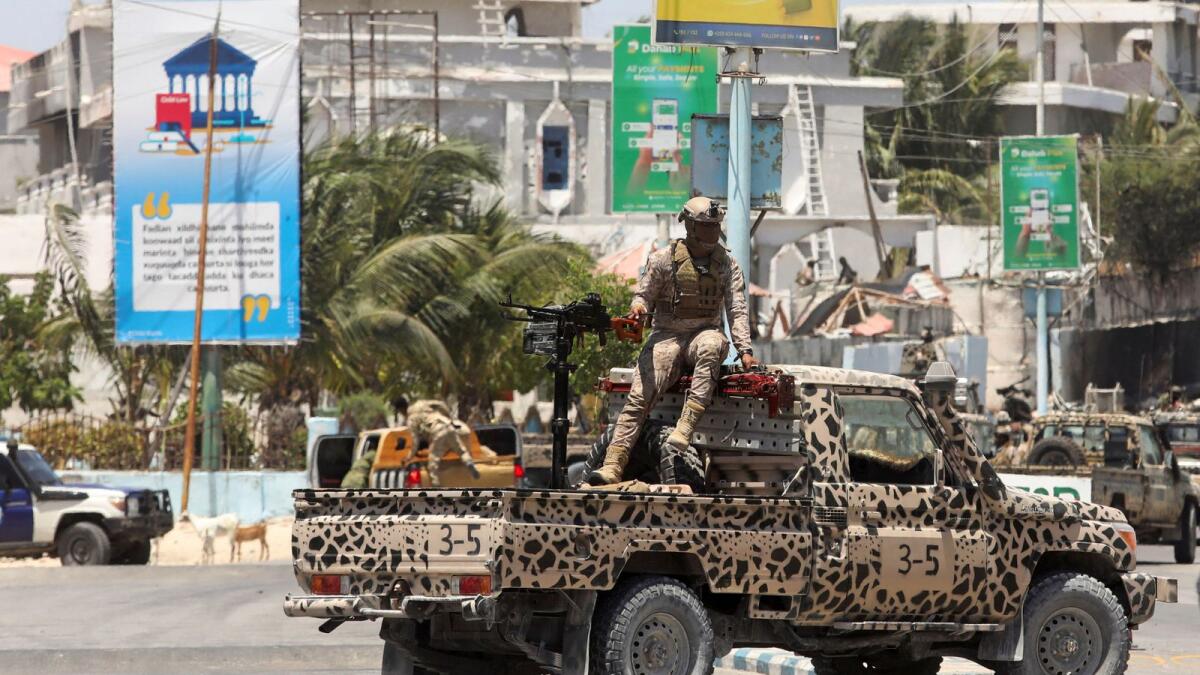
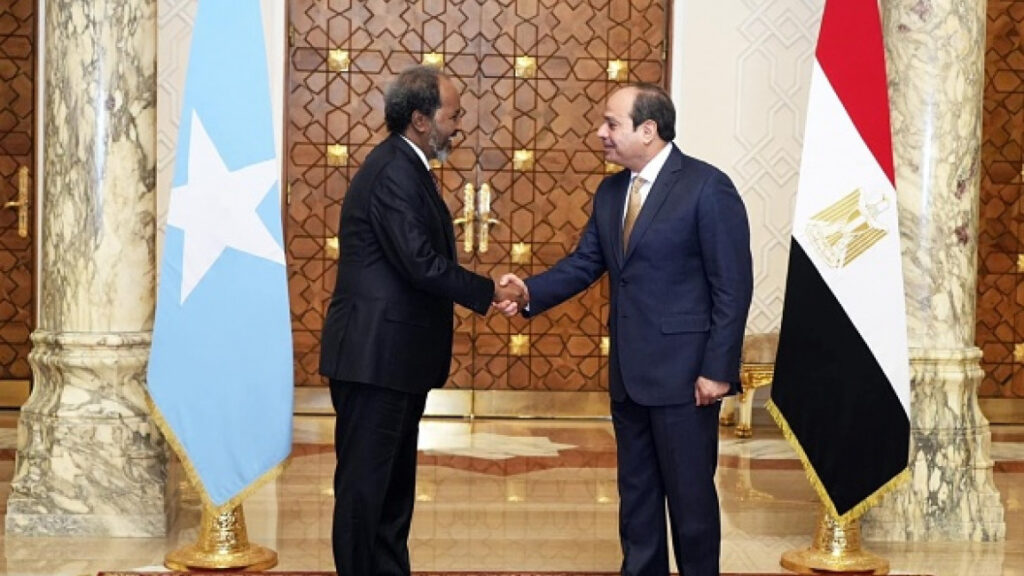
Egypt has delivered its first military aid to Somalia in more than four decades, a move that is likely to exacerbate tensions between the two countries and Ethiopia, according to diplomatic and Somali government sources. The delivery on Tuesday marks a significant shift in regional alliances and comes amid escalating disputes over territorial integrity and water resources.

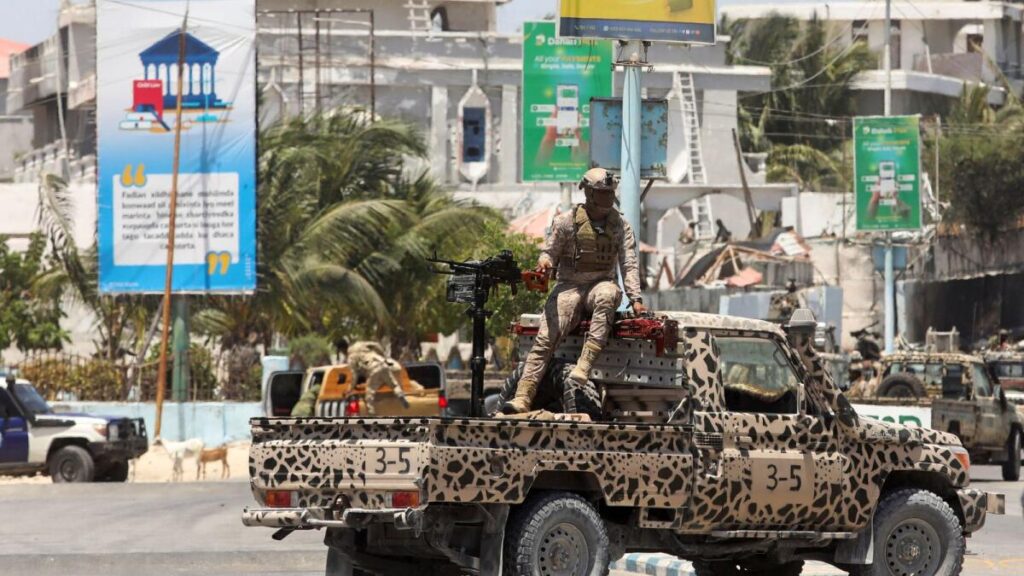
Two Egyptian military planes landed at Mogadishu airport on Tuesday morning, carrying weapons and ammunition, as confirmed by two diplomats and a senior Somali official speaking on condition of anonymity. The arrival of the planes was captured in a video shared on social media and verified by Reuters.

This military support follows a security pact signed between Egypt and Somalia earlier this month, a direct response to Ethiopia’s controversial deal with the breakaway region of Somaliland. The preliminary agreement between Ethiopia and Somaliland, which would lease coastal land to Ethiopia in exchange for possible recognition of Somaliland’s independence, has been condemned by the Somali government as an assault on its sovereignty.

The arms delivery is seen as a strategic move by Egypt, which has been at odds with Ethiopia for years over the construction of the Grand Ethiopian Renaissance Dam on the Blue Nile. Egypt, heavily dependent on the Nile for its water supply, views the dam as an existential threat.

Somalia’s increasingly close ties with Egypt come with significant risks. One diplomat warned that Somalia was “playing with fire” by importing Egyptian arms and antagonizing Ethiopia. The move could potentially lead to a confrontation between Egypt and Ethiopia, two of the region’s most powerful nations.

Rashid Abdi, an analyst with the Sahan Research think-tank, highlighted the potential for escalation: “If the Egyptians put boots on the ground and deploy troops along the border with Ethiopia, it could bring the two into direct confrontation. The threat of a direct shooting war is low, but a proxy conflict is possible.”

Ethiopia’s foreign affairs ministry responded to the developments with a statement expressing concern over actions that could destabilize the region. Without directly mentioning Egypt or the arms delivery, the ministry accused the Somali government of “colluding with external actors aiming to destabilise the region.”

The situation is further complicated by Somalia’s threat to expel up to 10,000 Ethiopian troops currently serving in the country as part of a peacekeeping mission and under bilateral agreements to combat al Shabaab militants. This threat is contingent on Ethiopia not canceling its deal with Somaliland.

Egypt has also offered to send troops to a new peacekeeping mission in Somalia set to launch next year, as announced in an African Union communique earlier this month. This offer, if realized, could further heighten tensions with Ethiopia.

The regional dynamics are in flux, with Turkey hosting two rounds of indirect talks since July between Somalia and Ethiopia over the Somaliland deal. A third round is expected next month, as landlocked Ethiopia continues to assert its need for sea access, while Somalia maintains that Somaliland, despite its 30 years of practical autonomy, remains an integral part of Somalia.

Reuters

Spanish YouTube Chef Sentenced to Life in Prison for Murder in Thailand

0

A Thai court on Thursday sentenced Daniel Sancho Bronchalo, a 30-year-old Spanish YouTube chef and son of prominent actors, to life in prison for the premeditated murder of Colombian plastic surgeon Edwin Arrieta Arteaga. The gruesome case, which involved the dismemberment of the victim, has captured international attention due to its lurid details and the defendant’s celebrity connections.

The Koh Samui Provincial Court initially handed down a death sentence but commuted it to life imprisonment in light of Sancho’s cooperation during the trial. Police Col. Paisan Sangthep, deputy commander of the Surat Thani Provincial Police, who attended the hearing, confirmed the court’s decision.

The murder took place in August 2023 on the Thai island of Koh Pha-ngan, famous for its monthly “Full Moon” beach parties that attract global travelers. Sancho and Arrieta, 44, were both vacationing on the island when the incident occurred.

Sancho, son of well-known Spanish actors Rodolfo Sancho Aguirre and Silvia Bronchalo, both 49, had pleaded not guilty to charges of premeditated murder. During the trial, he claimed that he got into a fight with Arrieta after the surgeon allegedly attempted to sexually assault him. Sancho stated that Arrieta fell during the scuffle, hit his head on a bathtub, lost consciousness, and subsequently died.

However, prosecutors presented evidence that they argued proved premeditation. This included surveillance video showing Sancho purchasing a knife, rubber gloves, garbage bags, and cleaning solutions at a convenience store before Arrieta’s death.

The case came to light when trash collectors discovered human remains, described by the Bangkok Post as a sawed-off pelvis and intestines weighing about 5 kilograms (11 pounds), in a fertilizer sack at a garbage dump. Sancho later reported Arrieta missing, leading police to gather evidence linking the two men.

In addition to the life sentence for murder, Sancho received a two-month prison term for concealing and damaging a body, reduced from four months due to his acknowledgment of the act. He was also sentenced to two years in prison for destroying Arrieta’s passport.

The court ordered Sancho to pay more than 4.2 million baht ($125,000) in compensation to the victim’s family, significantly less than the 30 million baht ($882,000) requested by lawyers representing the family.

Following the verdict, Sancho’s father, Rodolfo, told media that he intended “to always keep fighting, to keep fighting,” hinting at a potential appeal or further legal action.

The case has garnered extensive media coverage in Spain, with HBO producing a Spanish-language documentary on the events. The combination of a violent death on a holiday island, celebrity connections, and gruesome details has fueled intense public interest.

Under certain conditions, Sancho may be eligible for repatriation to serve the remainder of his sentence in Spain after several years of incarceration in Thailand, based on a treaty between the two countries.

This case adds to the handful of Spanish nationals currently in Thai prisons, including another man convicted of premeditated murder and dismemberment. Artur Segarra Princep, convicted in 2017 for the 2016 killing of fellow Spaniard David Bernat, had his death sentence commuted to life imprisonment in 2020 by Thailand’s King Maha Vajiralongkorn. As the legal proceedings conclude, the case continues to raise questions about international crime, justice systems across borders, and the impact of high-profile cases on diplomatic relations and public perception

apnews.com