Home Blog Page 760

Russia Launches Massive Attack on Ukraine’s Power Grid, Killing Seven

0

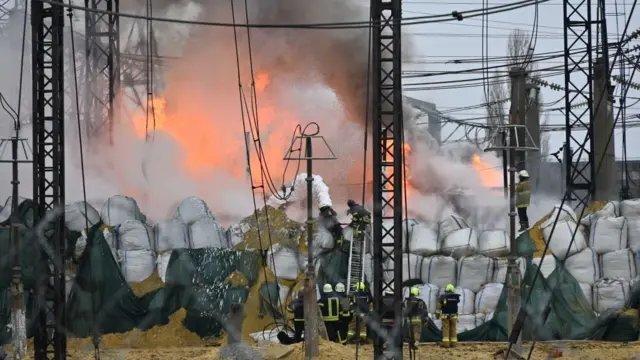
Russia launched its most extensive attack on Ukraine’s power infrastructure since the start of the war, firing more than 200 missiles and drones on Monday, Ukrainian officials reported. The assault killed at least seven people and caused widespread power outages across the country.

Ukrainian Air Force Commander Mykola Oleshchuk described the attack as “the most massive” of the 2-1/2-year-long war, stating that air defenses intercepted 102 out of 127 incoming missiles and 99 out of 109 drones. The barrage targeted power facilities and other critical infrastructure nationwide, including parts of the capital, Kyiv.

Prime Minister Denys Shmyhal said 15 regions sustained damage, while President Volodymyr Zelenskiy noted “a lot of damage in the energy sector.” The attack left many areas without power and water supply, as Russia appeared to intensify its efforts to degrade Ukraine’s power system ahead of next winter.

U.S. President Joe Biden condemned the strikes as “outrageous” and pledged continued support for Ukraine’s energy infrastructure repairs.

In a concerning development, neighboring Poland, a NATO member, reported that a drone had likely entered its airspace. Polish military spokesperson Jacek Goryszewski told Reuters, “Most likely it was a drone and we assume so, because the trajectory of the flight and the speed indicate that it was definitely not a missile.”
The Ukrainian air force also reported that two Russian drones crossed the border into Belarus.

Among the seven confirmed fatalities were a 69-year-old man in the Dnipropetrovsk region and a farmer in Zaporizhzhia. Others were reported in Kharkiv, Zhytomyr, and Volyn regions. At least 47 people were injured, including four children, according to emergency services.

The attack targeted various types of infrastructure across Ukraine. In the Kyiv region, a hydropower plant was reportedly struck. Video footage verified by Reuters showed damage to a dam and a fire at a power plant, as well as a missile hitting a water reservoir.

Russia’s defense ministry claimed its forces used high-precision weapons to strike important energy infrastructure supporting Ukraine’s military-industrial complex, including power substations, gas compressor stations, and aircraft weapons storage sites.

The massive assault comes as Ukraine claims new ground in a cross-border incursion into Russia’s western Kursk region, while Russian forces have made steady advances in eastern Ukraine, nearing the transport hub of Pokrovsk.

In response to the attack, President Zelenskiy reiterated his call for allies to join Ukraine in shooting down missiles and drones over Ukrainian airspace. He also mentioned that Ukraine had developed a new “drone missile” capable of striking targets deep inside Russia.

As Ukraine grapples with the aftermath of this devastating attack, the international community watches closely, with the incident highlighting the ongoing challenges in protecting civilian infrastructure during wartime and the potential for further escalation in the conflict.

Telegram Founder Pavel Durov Arrested in France Over Child Porn and Drug Trafficking Probe

0

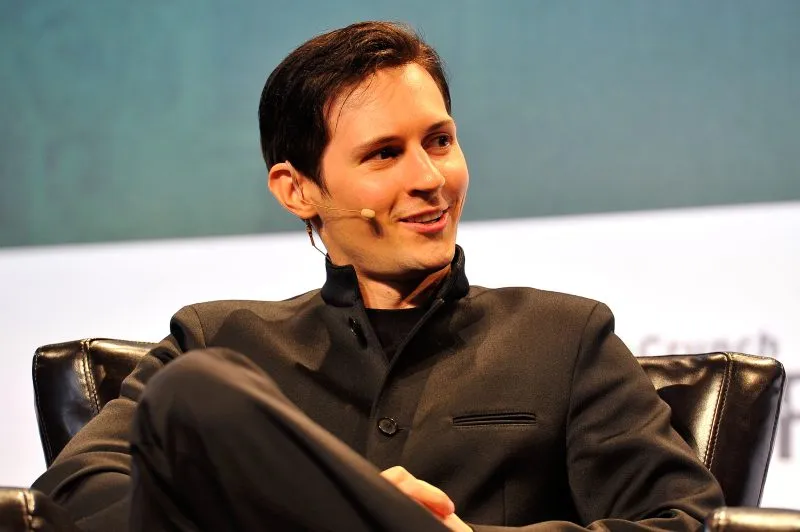
Pavel Durov, the Russian-born founder and CEO of messaging app Telegram, was arrested in France on Saturday as part of an investigation into crimes related to child pornography, drug trafficking, and fraudulent transactions allegedly facilitated through his platform, French prosecutors announced on Monday.

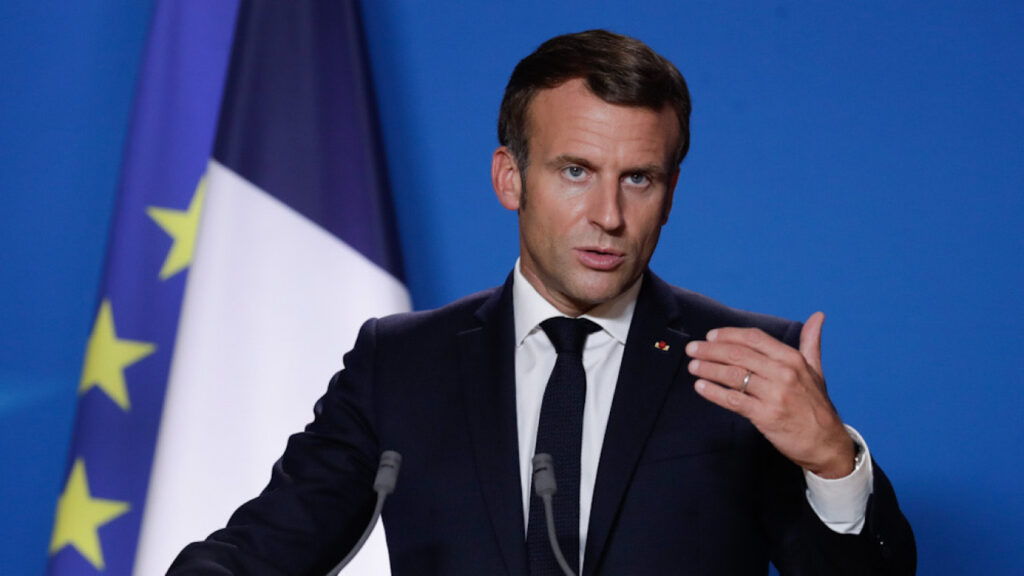
French President Emmanuel Macron, in a statement on social media platform X, made the first official confirmation of Durov’s arrest since his detention at Le Bourget airport outside Paris.

Macron emphasized that the arrest was not politically motivated, stating, “The arrest of the Telegram president on French territory took place as part of an ongoing judicial investigation. This is in no way a political decision. It is up to the judges to decide.”

Paris prosecutor Laure Beccuau provided further details, revealing that Durov’s arrest is linked to a probe launched by the office’s cybercrime unit on July 8.

The investigation centers on suspected complicity in various crimes, including operating an online platform that enables illicit transactions, the dissemination of child pornography, drug trafficking, and fraud. Additional charges include the refusal to communicate information to authorities, money laundering, and providing cryptographic services to criminals.

Durov, 39, who holds dual French and United Arab Emirates citizenship, can be held until Wednesday under French law. The UAE foreign ministry has submitted an urgent request to France “to provide him with all the necessary consular services.”

Telegram, an encrypted messaging and social media app with nearly 1 billion users, is particularly influential in Russia, Ukraine, and other former Soviet republics.

In response to the arrest, the company stated, “Telegram’s CEO Pavel Durov has nothing to hide and travels frequently in Europe. It is absurd to claim that a platform or its owner are responsible for abuse of that platform.”

The arrest has sparked international reactions. X owner Elon Musk criticized the move, claiming that free speech in Europe is under attack. Meanwhile, Moscow has called on French authorities to accord Durov his rights.

Durov obtained his French passport in 2021 through a rare, fast-track procedure for high-profile foreigners, exempting him from usual legal requirements such as having lived in the country for at least five years. This special naturalization process handles only 10-20 cases each year and requires high-level political support.

The Kremlin has taken a cautious stance, with spokesman Dmitry Peskov stating that Russia has yet to see any official French accusations against Durov. “We do not yet know what exactly Durov is accused of,” Peskov said at a news briefing.

As the legal proceedings unfold, the case highlights the ongoing challenges faced by governments in regulating global tech platforms and balancing user privacy with the prevention of criminal activities online. The international tech community and policymakers are closely watching the developments, recognizing the potential implications for the future of encrypted messaging apps and online content moderation.

Special Counsel Jack Smith Appeals Dismissal of Trump Classified Documents Case

0

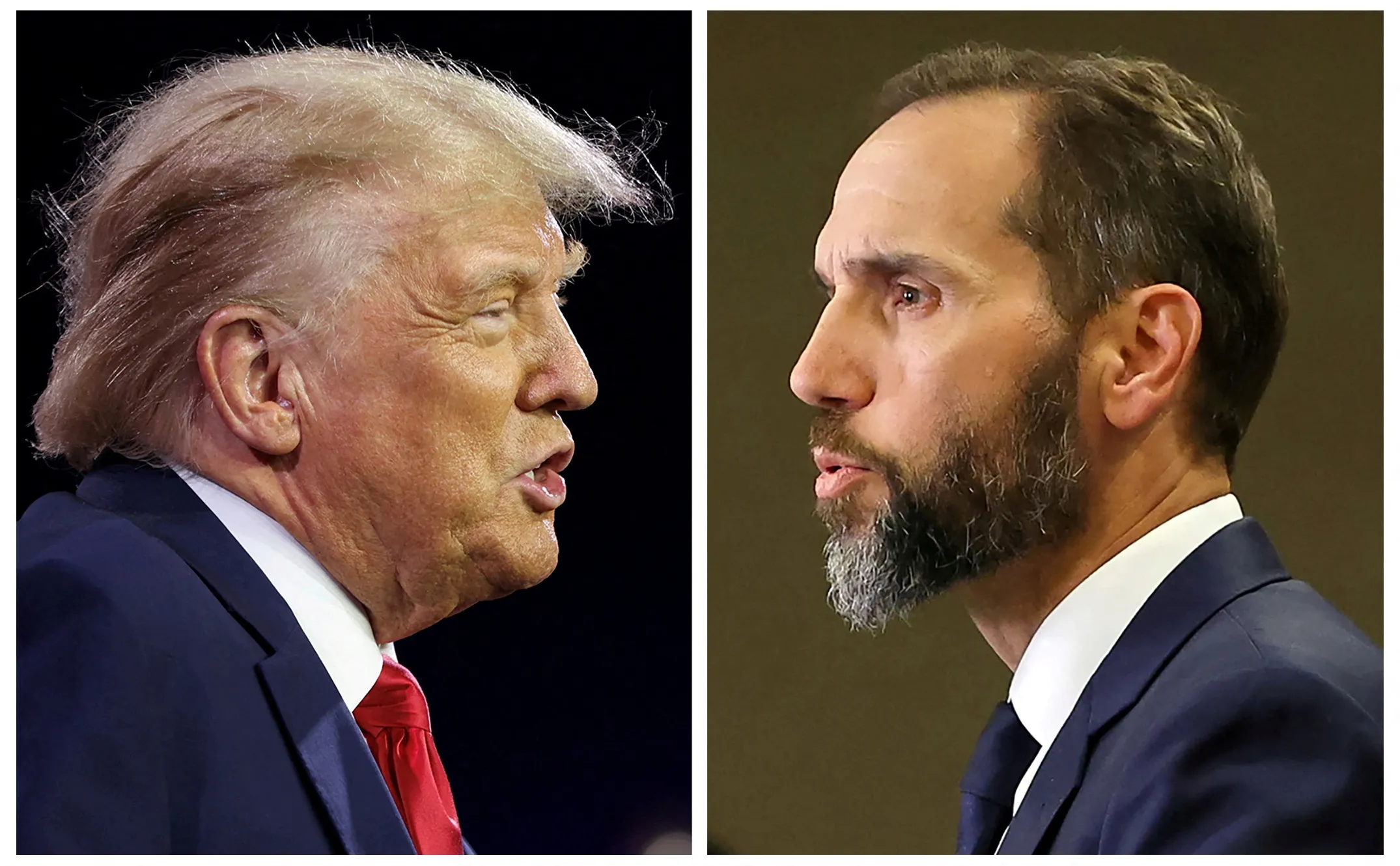
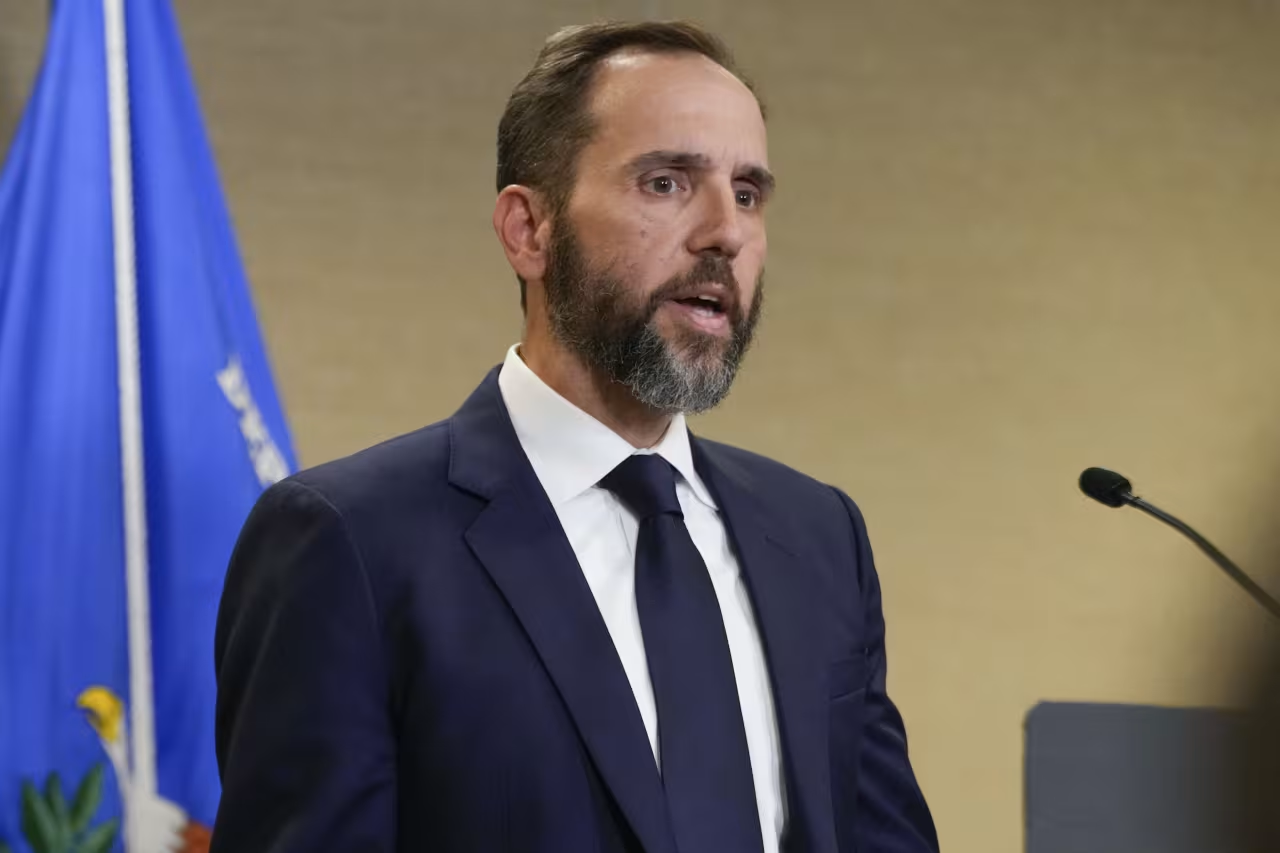
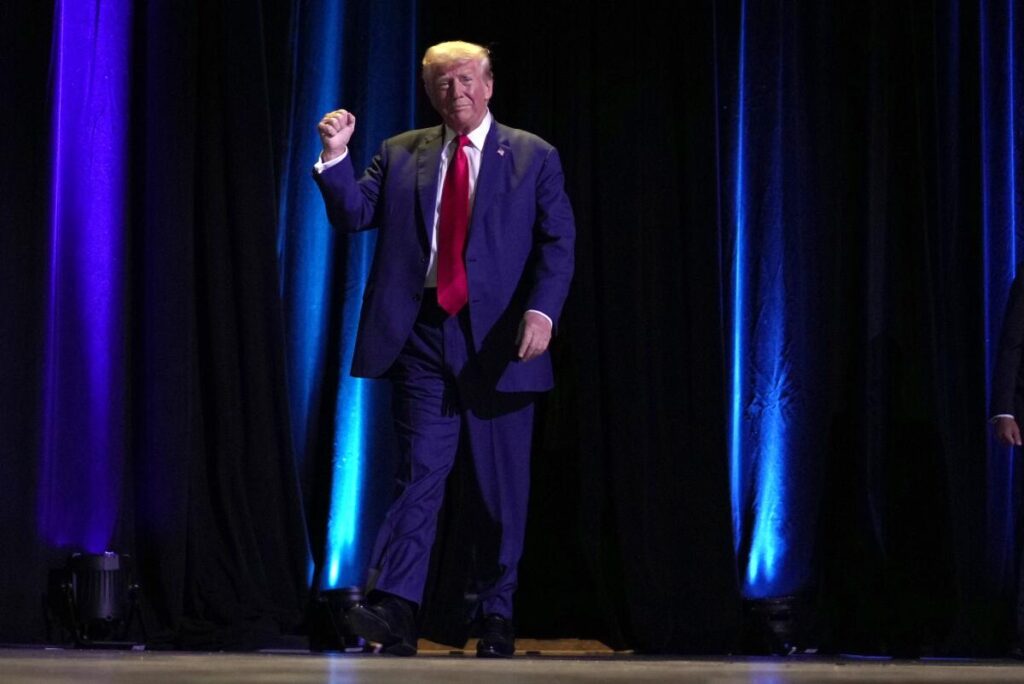
In a significant development in the ongoing legal saga surrounding former President Donald Trump, Special Counsel Jack Smith has filed an appeal to resurrect the dismissed case against Trump for allegedly mishandling classified government documents.

The appeal, submitted Monday to a federal appeals court in Atlanta, challenges the July ruling by Judge Aileen Cannon in Florida that dismissed the case on constitutional grounds.

Judge Cannon, a Trump appointee, had ruled that the very existence of special counsels violated the U.S. Constitution, a decision that sent shockwaves through the legal community. Smith’s appeal argues that this view “deviated” from established legal precedent and failed to adequately consider the historical context of legally-appointed special counsels.

In his filing, Smith staunchly defended the legitimacy of special counsel appointments, citing “Congress’s endorsement of that practice through appropriations and other legislation.” The appeal asserts, “The attorney general validly appointed the special counsel, who is also properly funded.”

The special counsel’s team emphasized the long-standing practice of such appointments, referencing the landmark 1974 case against former President Richard Nixon. They argued that this precedent “conclusively defeats the defendants’ challenge to the Special Counsel’s appointment, as every other court to have considered the issue has found.”

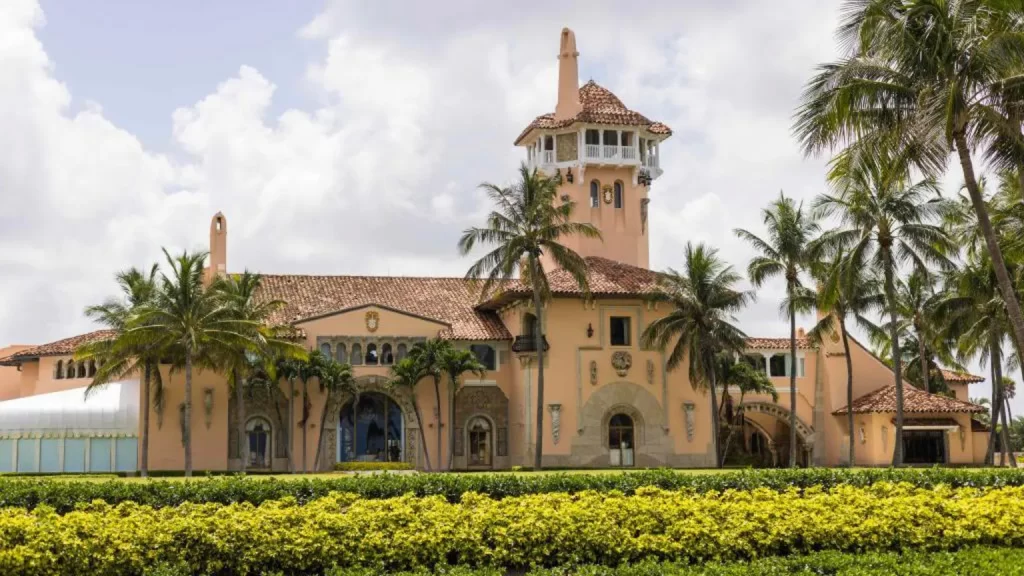
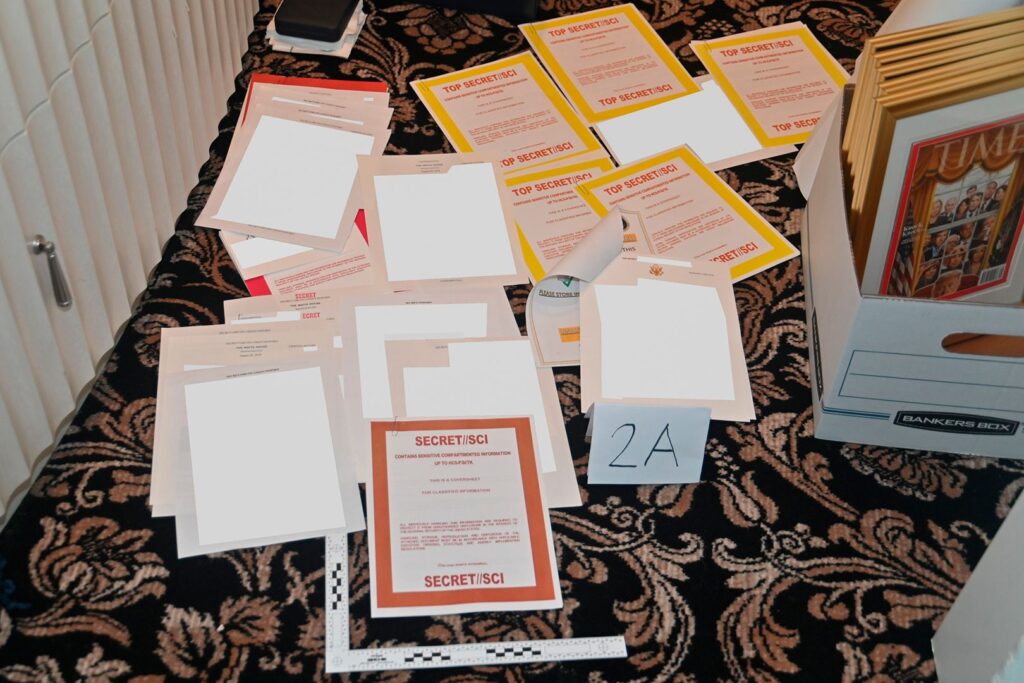
The now-dismissed case had charged Trump with several felony counts, including willful retention of national defense information. The 37-count indictment accused the former president of keeping classified files at his Mar-a-Lago estate in Florida and lying to investigators about their presence. It also alleged attempts to obstruct the investigation into his handling of these documents.

Trump, who had pleaded not guilty to all charges, was indicted alongside his aide Walt Nauta and former employee Carlos de Oliveira, both of whom had also entered not guilty pleas.

The appeal comes at a critical juncture in the legal proceedings against the former president. Trump’s legal team has until September 26 to respond to Smith’s arguments.

The case is one of four criminal trials Trump was facing, though experts note that regardless of how this appeal proceeds, it is highly unlikely that the classified documents case would go to trial before the November presidential election.

Smith’s filing also addressed the broader constitutional implications of special counsel appointments. “Congress has bestowed on the Attorney General, like the heads of many Executive Departments, broad authority to structure the agency he leads to carry out the responsibilities imposed on him by law,” the prosecutors wrote, underscoring the legal basis for such appointments.

The appeal highlights the ongoing debate over the role and authority of special counsels in the U.S. legal system. Special counsels, appointed by attorneys general to facilitate independent, impartial investigations, possess the powers of a U.S. attorney, including the ability to subpoena records and bring criminal charges. They operate with a degree of independence from day-to-day supervision by the Justice Department.

It’s worth noting that Trump is not the only high-profile figure currently under investigation by a special counsel. President Joe Biden’s son, Hunter, is being prosecuted for gun and tax crimes by a special counsel appointed by Attorney General Merrick Garland.

The outcome of this appeal could have far-reaching implications, not just for the Trump case but for the broader understanding of executive power and the role of special counsels in the American legal system. It comes in the wake of a recent Supreme Court ruling that presidents are legally immune from certain actions they take while in office, adding another layer of complexity to the legal landscape surrounding former presidents.

Libya’s Eastern Government Announces Oil Production Shutdown Amid Political Tensions

0

In a dramatic escalation of Libya’s ongoing political crisis, the government in eastern Libya announced on Monday that all oilfields under its control would be shut down, effectively halting production and exports from a significant portion of the country’s oil infrastructure. This unilateral decision highlights the deepening divide between Libya’s rival administrations and threatens to further destabilize the nation’s fragile economy.

The announcement from the eastern government, which is not internationally recognized, came without immediate confirmation from the National Oil Corporation (NOC) or the internationally backed government in Tripoli. The NOC, which oversees Libya’s oil resources, has remained silent on the matter, leaving many questions unanswered about the immediate impact of this decision.

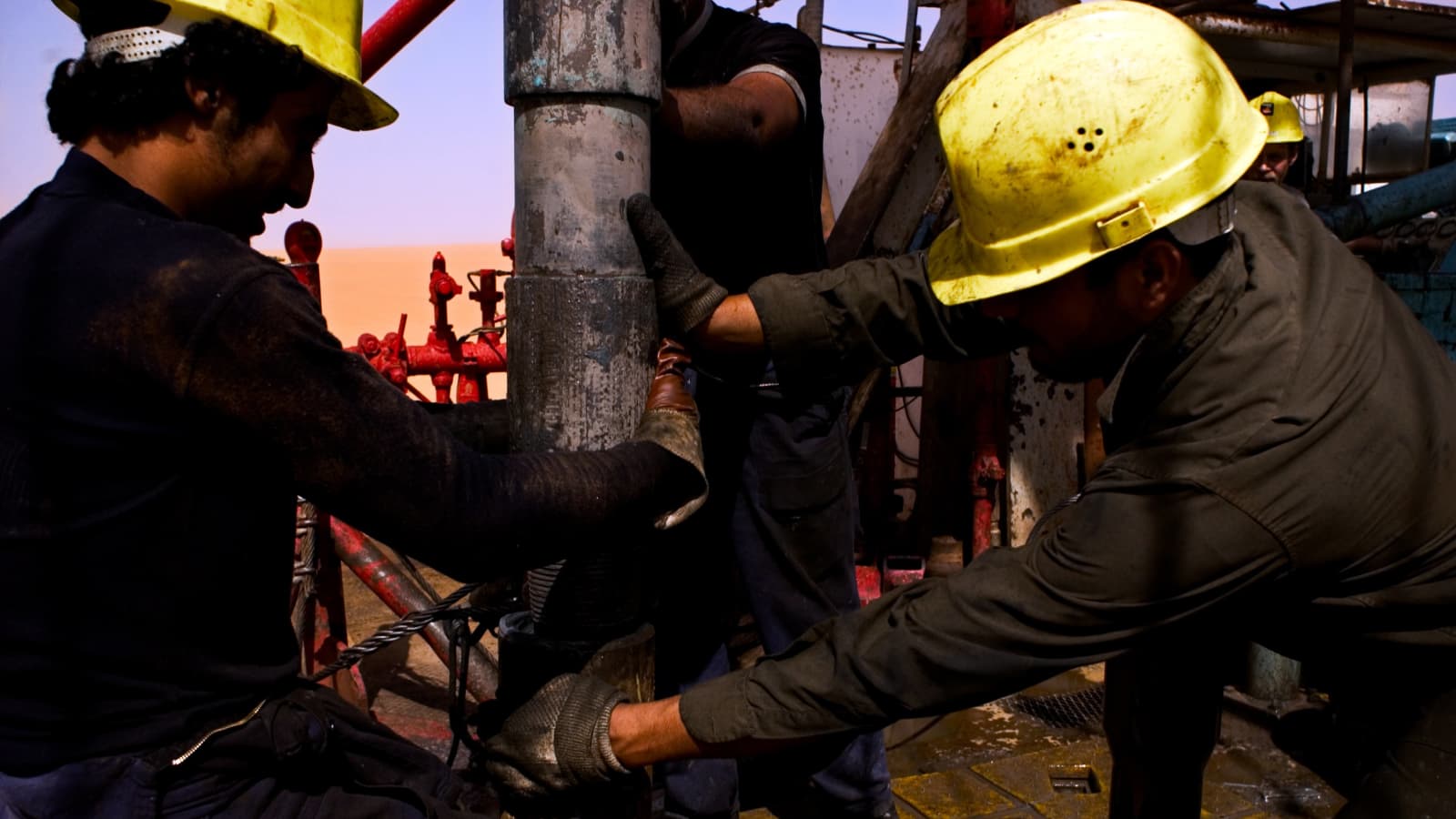
However, Waha Oil Company, a subsidiary of NOC, has reported plans to gradually reduce output, citing “protests and pressures.” Waha, which operates in partnership with international oil giants TotalEnergies and ConocoPhillips, has a substantial production capacity of approximately 300,000 barrels per day (bpd), primarily exported through the eastern port of Es Sider.

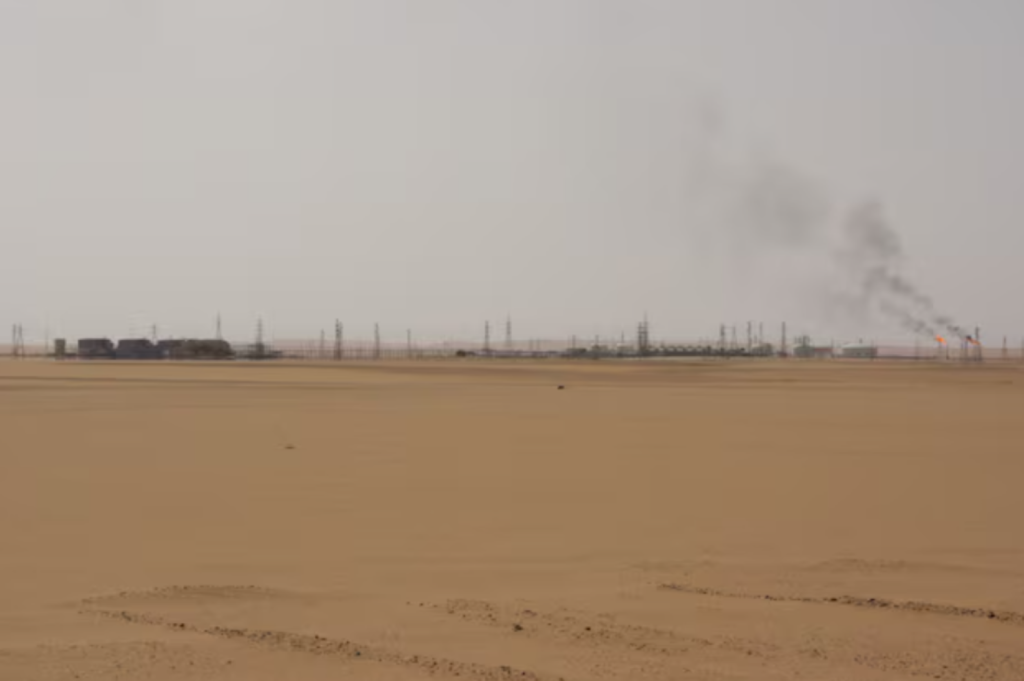
The company manages five major oilfields in southeastern Libya, including the Waha field, which alone produces over 100,000 bpd. Other significant fields under its operation include Gallo, Al-Fargh, Al-Samah, and Al-Dhahra. The potential closure of these fields would represent a significant blow to Libya’s oil production capabilities.

Most of Libya’s oilfields are located in the eastern part of the country, which is controlled by Khalifa Haftar’s Libyan National Army (LNA). The Benghazi-based government has not specified the duration of the proposed shutdown, adding to the uncertainty surrounding the situation.

Reports from the ground paint a mixed picture. Two engineers at the Messla and Abu Attifel oilfields told Reuters that production was continuing as usual, with no orders received to halt operations. This conflicting information underscores the complex and often opaque nature of Libya’s oil industry amidst political turmoil.

The announcement comes amid a broader power struggle between Libyan factions vying for control over the country’s central bank and oil revenues. Recent tensions have emerged following efforts by certain political groups to remove Sadiq al-Kabir, the head of the Central Bank of Libya (CBL). This has led to the mobilization of rival armed factions on both sides of the dispute.

In response to these “exceptional disturbances,” the Tripoli-based CBL announced on Monday the suspension of its services both domestically and internationally. As the sole internationally recognized depository for Libyan oil revenue, the CBL plays a crucial role in the country’s economic stability.

“The Central Bank of Libya hopes that its ongoing efforts in cooperation with all relevant authorities will allow it to resume its normal activity without further delay,” the bank stated. This suspension comes just days after a brief shutdown last week following the kidnapping of a senior bank official, who was subsequently released.

Libya, once a major oil producer, has struggled to maintain stability since the 2011 NATO-backed uprising that overthrew long-time leader Muammar Gaddafi. The country split in 2014, with eastern and western factions drawing support from Russia and Turkey, respectively.

The oil industry, Libya’s economic lifeline, has frequently been caught in the crossfire of these political disputes. Earlier this month, the NOC declared force majeure at the Sharara oilfield, one of the country’s largest with a capacity of 300,000 bpd, due to protests. Before this closure, Libya’s oil production stood at approximately 1.2 million bpd.

If the eastern government’s shutdown order is fully implemented, the El Feel oilfield in southwestern Libya, with a capacity of 130,000 bpd, could become the country’s only functioning major oil production facility.

Man Kills Siblings, Niece in Murder-Suicide Over Inheritance Fears

0

A horrific family tragedy unfolded in the quiet New York suburb of Syosset on Sunday when Joseph DeLucia Jr., 59, fatally shot his three siblings and niece before taking his own life on the front lawn of his childhood home. Nassau County Police revealed Monday that the killings were motivated by DeLucia’s fears of being disinherited and displaced following his mother’s recent death.

Detective Capt. Stephen Fitzpatrick, addressing reporters at a somber news conference, detailed the events that led to the devastating loss of five family members. The victims were identified as Joanne Kearns, 69; Frank DeLucia, 71; Tina Hammond, 64; and Hammond’s daughter, Victoria Hammond, 30. The shooter’s mother, Theresa DeLucia, had passed away on August 19 at the age of 95, with her funeral held just days before on August 23.

According to Fitzpatrick, the family had gathered at the matriarch’s Syosset home, located about 35 miles from Manhattan, to meet with a realtor and discuss selling the property. It was during this meeting that DeLucia’s fears apparently reached a breaking point.

Joe and the niece he killed too

“The gunman’s perception was that he was being cut out of the will and that he would be displaced with nowhere to go,” Fitzpatrick explained. This perception, whether accurate or not, drove DeLucia to retrieve a loaded 12-gauge Mossberg shotgun and approach his family members in the rear area of the house.

In a horrifying sequence of events, DeLucia fired 12 shots from the kitchen, striking all four victims multiple times. After the shooting, he moved to the front lawn, where he “shouted indiscriminately about what had happened” before turning the weapon on himself. A neighbor, hearing the commotion, alerted authorities around noon.

When police arrived at the scene, they found all five individuals deceased. “The entire family is now gone,” Fitzpatrick stated, underscoring the tragic finality of the incident.

Surviving relatives later informed investigators that contrary to DeLucia’s fears, he was not being completely cut off. Fitzpatrick noted, “He was being taken care of but he would have to relocate” from the home where he had lived his entire life. This impending change, at the age of 59, apparently triggered a panic in DeLucia.

The police captain described DeLucia, who worked as a mechanic for a car dealership, as a hoarder. The house was reportedly packed with tools, providing insight into DeLucia’s mindset as he faced the prospect of leaving his lifelong home.

While it has been reported to police that DeLucia had mental health issues, authorities have not yet confirmed these claims. Fitzpatrick revealed that police had conducted a wellness check on DeLucia in 2022, but at that time, he did not display behavior warranting involuntary action and was not deemed a danger to himself or others.

Nassau County Police Commissioner Patrick Ryder, visibly shaken, described the crime scene as among the worst he has encountered in his 41-year law enforcement career. Both Ryder and Fitzpatrick used the tragedy to implore the public to come forward if they suspect someone is struggling with mental health issues.

“We’re not saying this incident could’ve been averted, but maybe it could’ve,” Fitzpatrick emphasized, highlighting the importance of mental health awareness and intervention.

Authorities are still investigating the origins of the shotgun used in the killings, working to trace its serial number and purchase history.

This devastating event has sent shockwaves through the typically tranquil community of Syosset and serves as a stark reminder of the potential consequences of untreated mental health issues and family disputes. As the investigation continues, local residents and the wider public are left grappling with the senseless loss of life and the complex factors that can lead to such tragedies.

Mental health experts stress the importance of seeking help in times of crisis. The Suicide and Crisis Lifeline can be reached by calling or texting 988, or by visiting 988lifeline.org for live chat support. Additional resources are available at SpeakingOfSuicide.com/resources.

As the community mourns, this tragic incident underscores the need for increased awareness of mental health issues, family support systems, and the availability of resources for those facing major life changes or emotional distress.

Sean ‘Diddy’ Combs Moves to Dismiss Ex-Employee’s $30 Million Lawsuit, Alleging Extortion Attempt

0

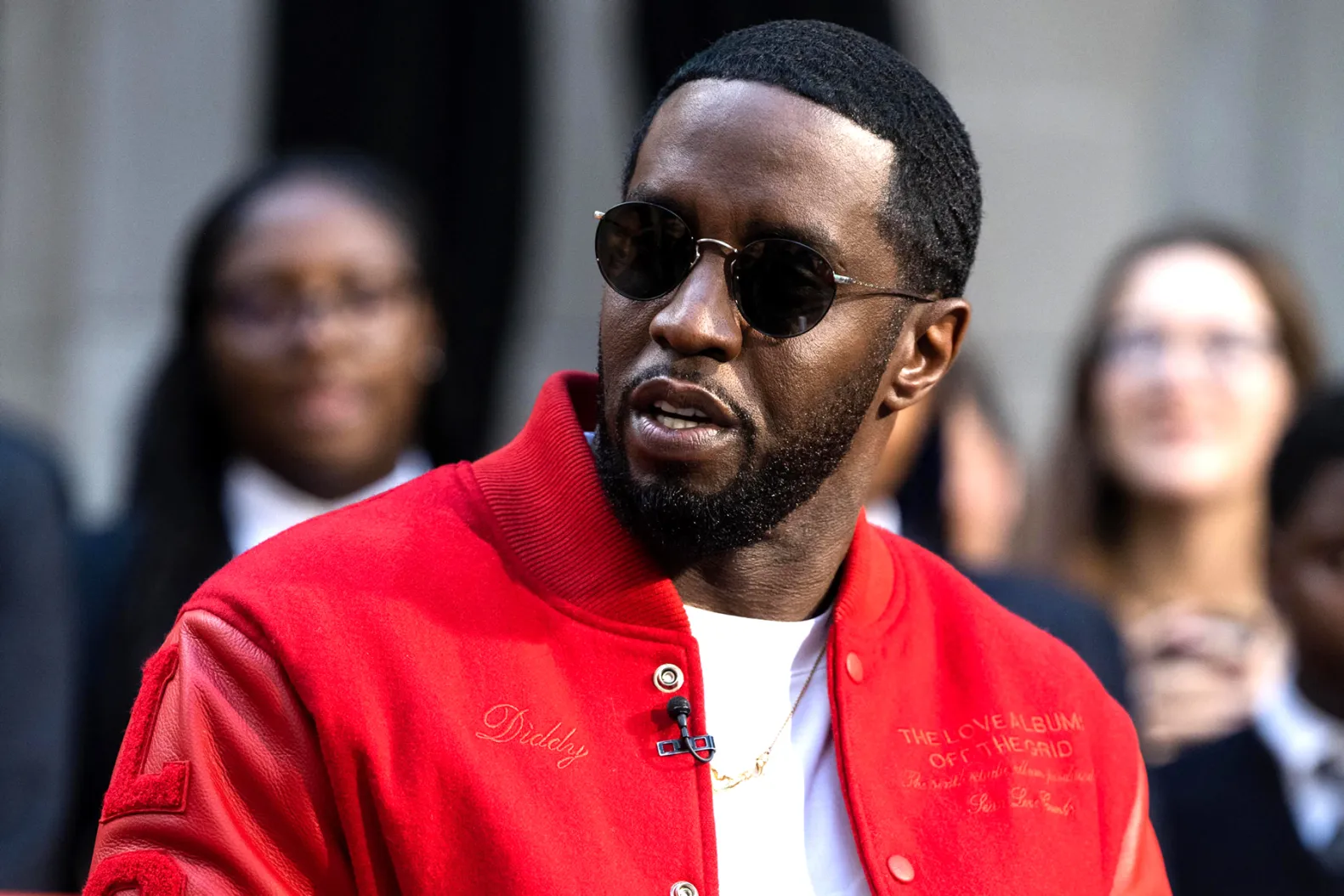
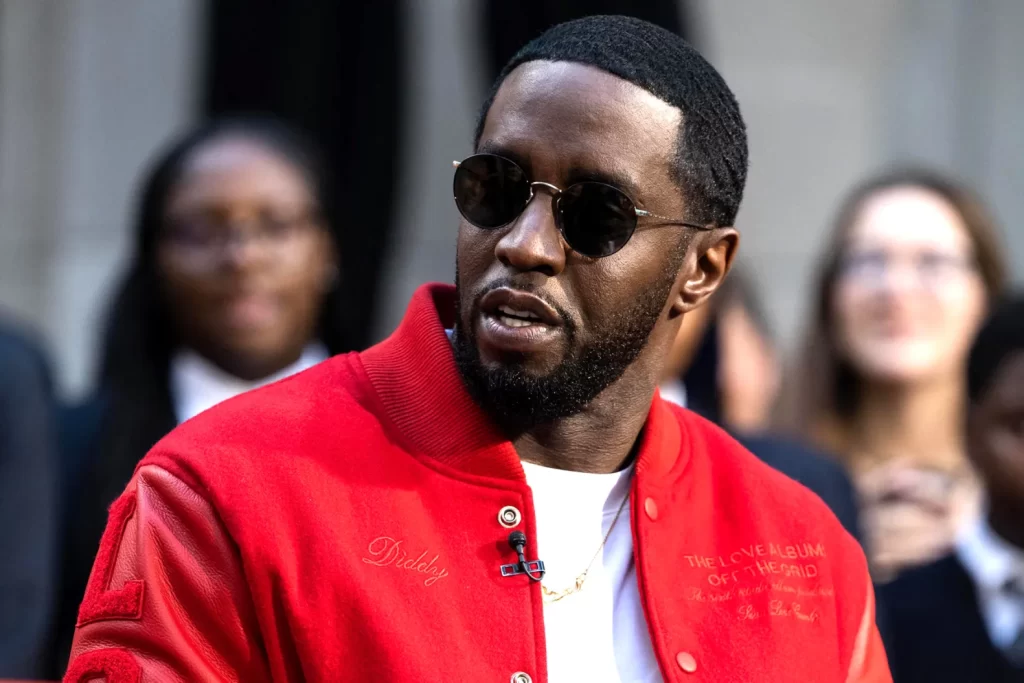
Sean “Diddy” Combs, the embattled music mogul, is taking a stand against a $30 million lawsuit filed by a former employee, alleging that the legal action is an attempt to extort him through salacious claims and media manipulation.

In a motion filed Monday in the U.S. District Court for the Southern District of New York, Combs’ legal team seeks to dismiss the lawsuit brought by music producer Rodney “Lil Rod” Jones, characterizing it as a “run-of-the-mill commercial disagreement” disguised as a sensational conspiracy.

The lawsuit, initially filed in February by attorney Tyrone Blackburn on behalf of Jones, accuses Combs of sexual harassment, drugging, and threats during Jones’ employment from September 2022 to November 2023.

An amended complaint in March further alleged Combs’ involvement in a “RICO enterprise” and a “sex trafficking venture,” invoking the Racketeer Influenced and Corrupt Organizations Act typically used to combat organized crime.

Combs’ motion, obtained by NBC News, argues that Jones’ complaint fails to establish the necessary criteria for a RICO case and lacks legal standing. The music mogul’s attorneys describe the lawsuit as a 100-page document filled with “countless tall tales, shameless celebrity namedrops, and irrelevant images,” asserting that it provides no specific dates or instances of the alleged sexual harassment.

Erica Wolff, Combs’ lawyer, stated, “Mr. Jones’s lawsuit is pure fiction — a shameless attempt to create media hype and extract a quick settlement. There was no RICO conspiracy and Mr. Jones was not threatened, groomed, assaulted, or trafficked.” Wolff expressed confidence in proving the claims are fabricated and securing a dismissal in court.

The motion filed by Combs’ team suggests that Jones’ “true purpose is to generate media hype and exploit it to extract a settlement.” It also points to a recent referral of Jones’ attorney, Tyrone Blackburn, to a grievance committee by U.S. District Judge Denise Cote. The referral came after what appeared to be a pattern of cases with jurisdiction issues, though unrelated to Combs.

Blackburn, responding to NBC News, denied the allegations in Combs’ motion, stating, “This is clearly a billing exercise by individuals who are late to the game and are attempting to fill their pockets before their client is indicted.” He defended his legal approach, saying, “If you don’t do salacious shit, I won’t have salacious things to file.”

This lawsuit is one of several legal challenges facing Combs. Blackburn has filed three other suits against the music mogul since last year, including allegations of sexual assault from decades ago.

One such case involves Liza Gardner, who claims Combs sexually assaulted her in 1990 or 1991 when she was 16 years old. Another lawsuit filed by Blackburn alleges Combs sexually assaulted April Lampros four times between 1994 and the early 2000s.

Combs is also named in a lawsuit involving his son, where he faces charges of premises liability and aiding and abetting an alleged sexual assault during a 2022 New Year’s Eve yacht party.

The music industry titan settled a high-profile lawsuit in November 2023 with former partner Cassandra “Cassie” Ventura, who accused him of rape, sex trafficking, and physical assault throughout their 11-year relationship. While Combs denied the abuse, surveillance video later emerged showing him violently assaulting Ventura in a Los Angeles hotel in 2016, prompting a public apology from Combs on Instagram.

Adding to his legal woes, Combs is currently the subject of a federal investigation by the Southern District of New York. In March, federal agents raided his homes in Los Angeles, Miami, and New York.

Sources familiar with the ongoing legal troubles confirmed to NBC News in July that a federal grand jury was hearing evidence as part of the investigation, though no criminal charges have been filed against Combs.

As the legal battle unfolds, the music industry and public alike are watching closely. The case highlights the complex intersections of power, celebrity, and accountability in the entertainment world, while also raising questions about the use of civil lawsuits and media attention as tools in high-profile disputes.

The outcome of this motion to dismiss and the broader legal challenges facing Combs could have significant implications not only for his career and legacy but also for how similar cases are approached in the future.

As the court weighs the merits of the allegations against the defense’s claims of extortion and fabrication, the case continues to captivate public attention and fuel discussions about misconduct and justice in the music industry.

Colorado Man Arrested for Threatening Trump Critics on Far-Right Platforms, Highlighting Concerns Over Election Security

0

In a case underscoring the growing concerns over threats to election integrity, the Federal Bureau of Investigation (FBI) has arrested a Colorado man for allegedly making violent threats against election officials, a judge, and federal law enforcement agents on far-right social media platforms. The arrest comes as the Department of Justice (DOJ) intensifies its efforts to combat intimidation targeting public servants involved in the electoral process.

Teak Brockbank, a 45-year-old resident of Cortez, Colorado, was taken into custody on Friday and charged with transmitting interstate threats. He is scheduled to make his initial court appearance on Monday, facing serious allegations that highlight the increasingly volatile political climate surrounding U.S. elections.

According to a redacted affidavit from an FBI special agent, investigators had been monitoring threats made on two right-wing social media websites — Rumble and Gab. They determined that Brockbank, operating under the username “Teakty4u,” had made numerous threatening posts against various officials. The names of Brockbank’s targets remain sealed at the government’s request, adding a layer of intrigue to the case.

Nicole M. Argentieri, head of the Justice Department’s Criminal Division, emphasized the gravity of the situation in a statement: “As alleged, Teak Brockbank threatened the lives of multiple public servants on social media. Among other threats, he allegedly claimed that it was ‘time’ to put two state election officials to death and that he was obligated to ‘put a bullet’ in the head of a Colorado state judge.” Argentieri reaffirmed the DOJ’s commitment to aggressively investigating and prosecuting those who target public officials with violent threats.

The case against Brockbank reveals a disturbing pattern of online behavior. In one Rumble post from July 2022, he allegedly wrote about his belief that people in Colorado and Arizona needed to be executed, stating, “The people have to take matters into their own hands.”

A Gab post from the same month contained even more explicit language: “We are gonna have to take care of these people ourselves. Our law-enforcement are incompetent our judges are incompetent George Soros paid for funded puppets are running our state. It’s time for the American people to take matters into their own hands start eliminating those that we know are guilty!! There is no other way! Mark my words. We have to go to war with these people right now!!”

Further investigation revealed that Brockbank had a history of illegally possessing firearms, despite being banned from owning them due to a prior conviction for attempted theft by receipt of stolen property. The FBI affidavit notes that he was blocked from purchasing a gun in August 2023 after failing a background check, with his appeal being denied the following month.

Of particular concern to authorities was Brockbank’s “continued interest in violence toward public officials as well as his ongoing and recent illegal possession of firearms.” A message he allegedly sent to his stepfather in December 2023 referenced the Colorado Supreme Court’s decision to remove former President Donald Trump from the state’s ballot: “Four judges in Colorado have removed President Trump from the ballot in Colorado. their names have been added to my list… their names have been moved to the front of my list.” The U.S. Supreme Court later ruled that states could not remove Trump’s name from the ballot.

The FBI affidavit also references slogans associated with the fringe QAnon movement, suggesting possible connections to broader conspiracy theories that have gained traction in certain online communities.

Macron Denies Political Motive in Telegram Founder Pavel Durov’s Arrest, Raising Questions About Tech Regulation

0

French President Emmanuel Macron on Monday strongly denied any political motivation behind the arrest of Telegram founder Pavel Durov, as the prominent tech entrepreneur spent a second day in French custody following his unexpected detention at a Paris airport.

The high-profile arrest has ignited a firestorm of speculation and raised pressing questions about the intersection of technology, free speech, and government regulation.

Durov, 39, who holds both Russian and French citizenship, was apprehended as part of an ongoing judicial investigation, according to sources close to the case.

The tech mogul is accused of failing to adequately curb the spread of illegal content on Telegram, a messaging platform boasting over 900 million users worldwide. Telegram has vehemently denied these allegations.

In an unusual move for a head of state commenting on an active legal case, President Macron took to the X social media platform to address what he termed “false information” surrounding Durov’s arrest. “It is in no way a political decision,” Macron asserted.

“It is up to the judges to rule on the matter.” The French leader’s statement underscores the sensitive nature of the case and its potential implications for France’s stance on tech regulation and international relations.

The circumstances of Durov’s arrest have raised eyebrows among observers. The tech entrepreneur, who has been primarily based in Dubai in recent years, arrived in Paris from Baku, Azerbaijan, reportedly planning to have dinner in the French capital.

His unexpected journey into France, despite likely awareness of pending legal issues, has puzzled many. “Perhaps he had a feeling of impunity,” suggested a source close to the case, speaking on condition of anonymity.

Durov’s legal troubles stem from accusations by France’s OFMIN, an office dedicated to preventing violence against minors. The agency issued an arrest warrant for Durov as part of a preliminary investigation into alleged offenses including fraud, drug trafficking, cyberbullying, organized crime, and promotion of terrorism.

Telegram, in response to the allegations, stated that “Durov has nothing to hide and travels frequently in Europe.” The company further asserted its compliance with EU laws, including the Digital Services Act, and maintained that its moderation practices align with industry standards.

“It is absurd to claim that a platform or its owner are responsible for abuse of that platform,” Telegram’s statement added, highlighting the ongoing debate over platform liability.

The arrest of Durov, whose current fortune Forbes estimates at $15.5 billion, has sent shockwaves through the tech industry and beyond. Born in Soviet-era Leningrad (now St. Petersburg) to a family of academics, Durov spent his childhood in Italy before founding Russia’s then-largest social network, VKontakte (VK), in his early 20s. He established Telegram after leaving Russia a decade ago, positioning it as a “neutral” alternative to U.S.-owned platforms.

Telegram’s role in global communication has been significant, particularly since Russia’s invasion of Ukraine, with the platform being actively used by politicians and commentators on both sides of the conflict. However, critics have long accused Telegram of hosting illegal content ranging from extreme sexual imagery to disinformation and narcotics services.
The case has drawn attention from other tech leaders, including Elon Musk, who leads Tesla and X (formerly Twitter). Musk posted the hashtag #FreePavel on his platform, commenting in French, “Liberte Liberte! Liberte?” (Freedom Freedom! Freedom?), signaling potential concern within the tech community about government intervention in digital platforms.

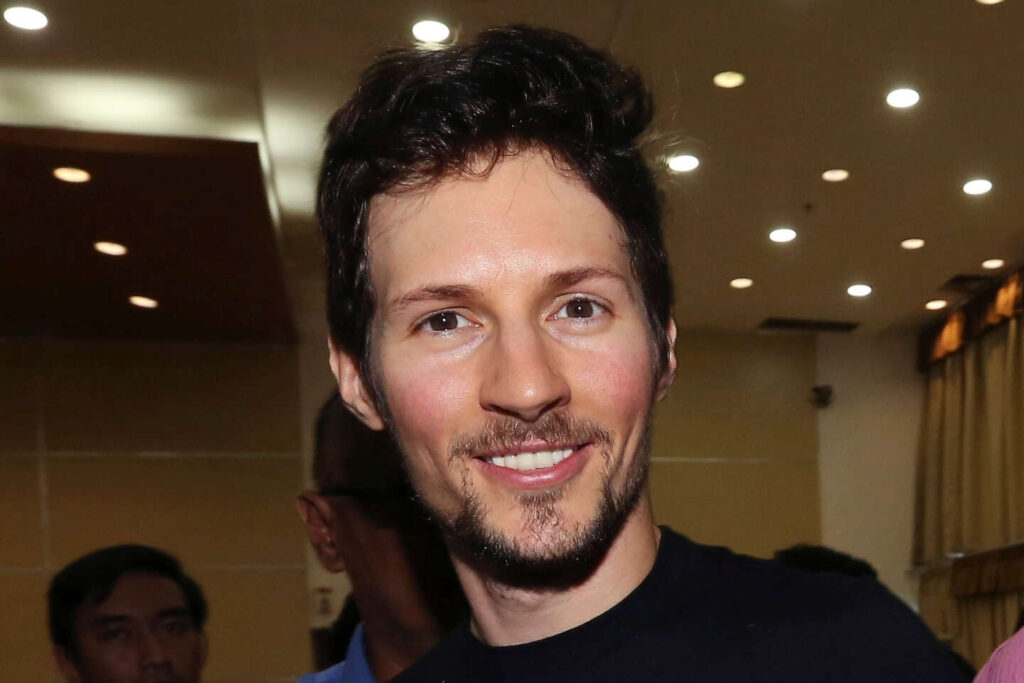
FILE – Telegram co-founder Pavel Durov, center, smiles following his meeting with Indonesian Communication and Information Minister Rudiantara in Jakarta, Indonesia on Aug. 1, 2017. (AP Photo/Tatan Syuflana, File)

President Macron, while emphasizing France’s commitment to freedom of expression and communication, stressed that such freedoms operate within a legal framework, “both on social media and in real life.” He reiterated that it is the judiciary’s role, in full independence, to enforce the law.

As Durov’s detention continues, with the possibility of charges being pressed or his release within a 96-hour window, the case has become a focal point for debates on digital regulation, platform responsibility, and the balance between free speech and content moderation.

The outcome may have far-reaching implications for how tech companies operate in France and potentially across the European Union.

The international community watches closely as this case unfolds, recognizing its potential to set precedents in the ongoing struggle to define the responsibilities of digital platforms in an increasingly interconnected world.

As governments grapple with the challenges posed by the digital age, the arrest of Pavel Durov serves as a stark reminder of the complex interplay between innovation, regulation, and the fundamental rights of free expression in the 21st century.

Fresh Fighting Erupts in Eastern DR Congo as M23 Rebels Clash with Army, Threatening Fragile Peace

0

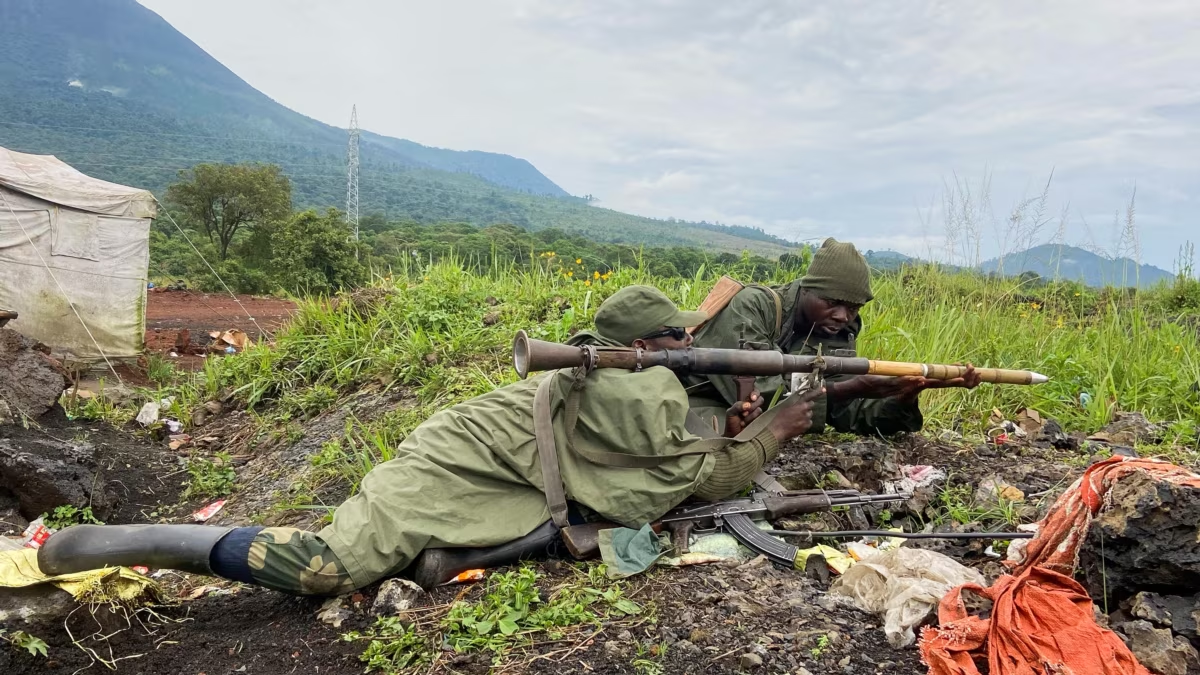
Intense fighting erupted on Sunday, August 25, in the eastern Democratic Republic of Congo (DRC) as M23 rebels clashed with government forces, shattering a fragile ceasefire and reigniting concerns about regional stability. The violence, centered in the strategic Lubero district of North Kivu province, threatens to unravel recent diplomatic efforts aimed at bringing peace to the troubled region.

Local media reported violent clashes near the Uganda border, with the fighting concentrated along the vital commercial axis connecting the economic hubs of Butembo and Beni. This escalation comes barely a month after Angola brokered a ceasefire agreement between the DRC and Rwanda on July 30, highlighting the tenuous nature of peace in the region.

Lieutenant-Colonel Ndjike Kaiko Guillaume, speaking for the Congolese army (FARDC), confirmed in a press statement on Monday that M23 rebels had launched attacks on army positions in Lubero. The FARDC spokesperson emphasized that Congolese authorities would be referring the matter to the Expanded Joint Verification Mechanism, a body comprising military experts from the International Conference on the Great Lakes Region Member States, South Africa, MONUSCO (the UN peacekeeping mission in DRC), and the African Union.

The resumption of hostilities casts a shadow over recent diplomatic initiatives, including the third meeting of foreign ministers from the DRC and Rwanda held in Luanda, Angola, on August 22. That meeting, part of the ongoing Luanda Process led by Angolan President João Lourenço, failed to achieve significant progress in resolving the conflict. A follow-up meeting is scheduled for September 9-10, though the recent outbreak of violence may complicate these talks.
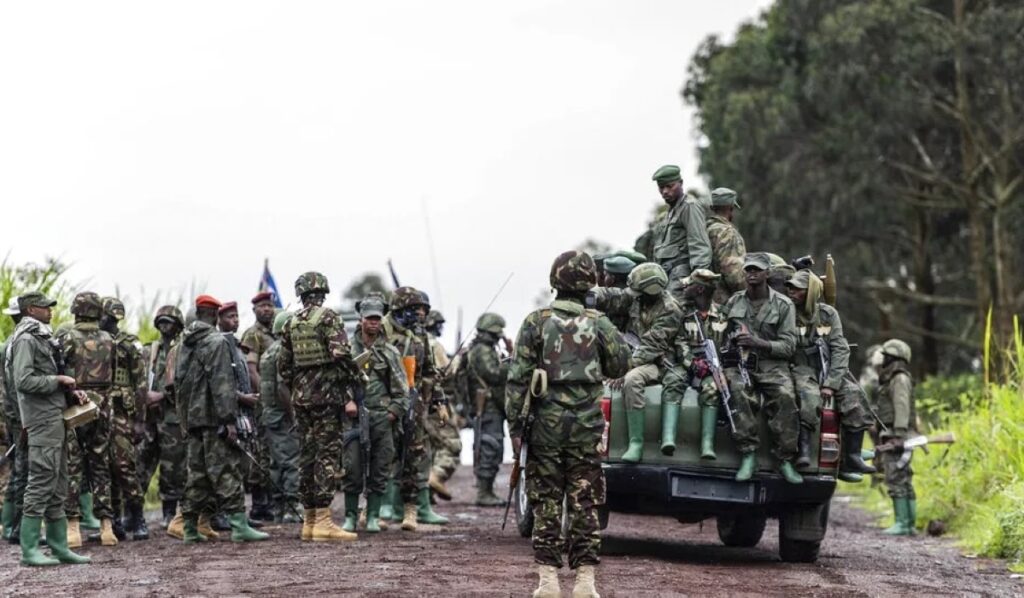
The March 23 Movement (M23), formed in 2012 by defectors from the Congolese army, has been a persistent source of instability in eastern DRC. The group began its current campaign in January 2021, managing to capture several towns and villages in North Kivu Province near the Rwandan border. The Congolese government has consistently accused Rwanda of supporting the rebels, a charge that Kigali vehemently denies.

This latest flare-up of violence underscores the complex web of regional tensions and historical grievances that continue to fuel conflict in the Great Lakes region. The DRC’s eastern provinces have long been a hotbed of ethnic strife and competition for control over the area’s vast mineral wealth, with neighboring countries often accused of meddling to further their interests.

International observers are closely monitoring the situation, with concerns that a prolonged conflict could lead to a humanitarian crisis and further destabilize the region. The United Nations, through its MONUSCO mission, has repeatedly called for all parties to adhere to the ceasefire and engage in meaningful dialogue to address the root causes of the conflict.
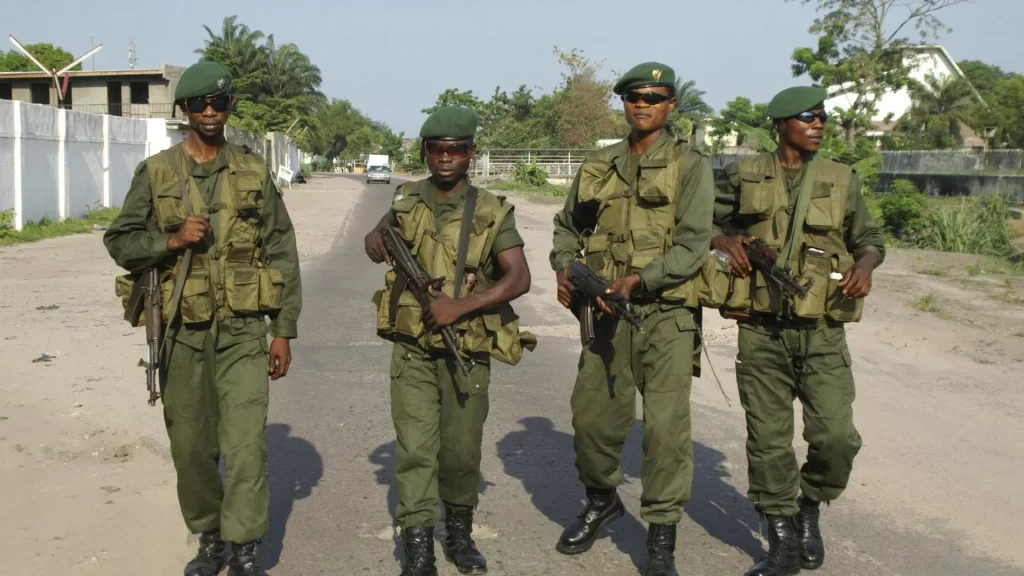
The failure of the recent ceasefire agreement, barely a month after its implementation, raises questions about the efficacy of current peacekeeping and diplomatic efforts in the region. It also highlights the challenges facing the DRC government in asserting control over its eastern territories and protecting civilian populations from armed groups.

As fighting continues, there are growing fears of potential civilian casualties and displacement. Humanitarian organizations operating in the area are on high alert, preparing for a possible influx of refugees fleeing the violence.

The international community now faces increased pressure to intervene more decisively to prevent a full-scale return to conflict. With another round of talks scheduled for early September, diplomats are racing against time to salvage the peace process and prevent further escalation of hostilities.

As the situation unfolds, all eyes remain on the responses from Kinshasa and Kigali, as well as regional mediators like Angola, whose efforts to broker peace are being severely tested by this latest outbreak of violence. The coming days will be crucial in determining whether diplomacy can prevail over the cycle of conflict that has long plagued this resource-rich but volatile corner of Africa.

Germany to Donate 100,000 Mpox Vaccine Doses to Combat African Outbreak

0

The German government announced on Monday its plan to donate 100,000 doses of the mpox vaccine from its military stockpile to help curb the outbreak in Africa, as the World Health Organization (WHO) declares the disease a global public health emergency.

A government spokesperson stated that Germany will provide the vaccines to assist in containing the short-term spread of mpox on the African continent. In addition to the vaccine donation, Germany has committed to offering flexible financial resources to the WHO through various instruments to combat the disease.

The donated doses will come from Germany’s supply of approximately 117,000 Jynneos vaccines, which were procured and stockpiled by the German army in 2022. A defense ministry spokesperson confirmed that Germany would retain a minimal stock for protecting traveling authorities and other essential personnel.

The decision to reorder vaccines will be made separately, as noted by the defense ministry spokesperson. This strategic approach allows Germany to maintain domestic preparedness while contributing significantly to international efforts to control the outbreak.

Germany’s foreign ministry is currently working to determine the most efficient method of delivering the vaccines to affected countries. The primary focus is on the Democratic Republic of Congo (DRC), where the outbreak originated, as well as Burundi and neighboring East African nations that have reported cases.

The urgency of Germany’s response is underscored by the WHO’s recent declaration of mpox as a global public health emergency. This decision came after the outbreak in the DRC spread to adjacent countries and the emergence of a new form of the virus, identified as clade Ib, raised concerns about accelerated transmission rates.

In addition to the vaccine donation, Germany plans to support its African partners through the GAVI vaccination alliance. This multifaceted approach demonstrates Germany’s commitment to global health security and its recognition of the interconnected nature of public health challenges in an increasingly globalized world.

The outbreak in Africa and the subsequent international response highlight the ongoing need for robust global health infrastructure and cooperation. As countries like Germany step up to provide resources and support, the international community watches closely to see how effectively these combined efforts can contain and ultimately overcome the mpox threat.

As the situation develops, health officials and policymakers worldwide are likely to draw lessons from this outbreak and the global response, potentially informing future strategies for managing emerging infectious diseases and strengthening international health security frameworks.