NKAWKAW, Ghana — A bus accident involving the Monack football club in Ghana’s Eastern region has left one person dead and 62 others in critical condition, local authorities reported on Saturday.
The incident occurred around 4:00 a.m. local time on the Atibie road in the Kwawu mountains, as the team was returning from a tournament in Obo. The bus, with registration number GE7652-15, was carrying players and staff of Monack FC when it crashed under circumstances that are still being investigated.
Nkawkaw Municipal Fire Commander, Division Officer II Samuel Mante, confirmed the incident to local media. “We received an alert early Saturday morning about a severe accident involving a football team,” Mante said. “Our teams responded promptly to provide rescue and support services.”
The injured victims are currently receiving treatment at two local medical facilities: Nkawkaw Holy Family Hospital and Kenop Care Hospital. Medical staff at both hospitals have been working around the clock to stabilize the patients, many of whom are reported to be in critical condition.
Eyewitnesses who assisted in the rescue operation praised the quick response of the Fire Service personnel. However, they also highlighted ongoing safety concerns on the Nkawkaw-Mpraeso road.
“This stretch of road has been a concern for night travelers,” said Kwesi Ampofo, a local driver who helped with the rescue. “We’ve been urging the government to install streetlights to improve visibility and reduce accidents, especially during night hours.”
The accident has reignited discussions about road safety in Ghana, particularly on mountainous routes and during night travel. The Ghana Road Safety Authority reported 2,924 fatalities from road accidents in 2023, emphasizing the urgent need for improved infrastructure and safety measures.
Local authorities have launched an investigation to determine the cause of the accident. Preliminary reports suggest that poor visibility and the challenging terrain of the Kwawu mountains may have been contributing factors.
The Ghana Football Association (GFA) expressed deep sorrow over the incident. “We are devastated by the news of this tragic accident involving Monack FC,” said GFA President Kurt Okraku in a statement. “Our thoughts are with the victims, their families, and the entire football community in the Eastern region.”
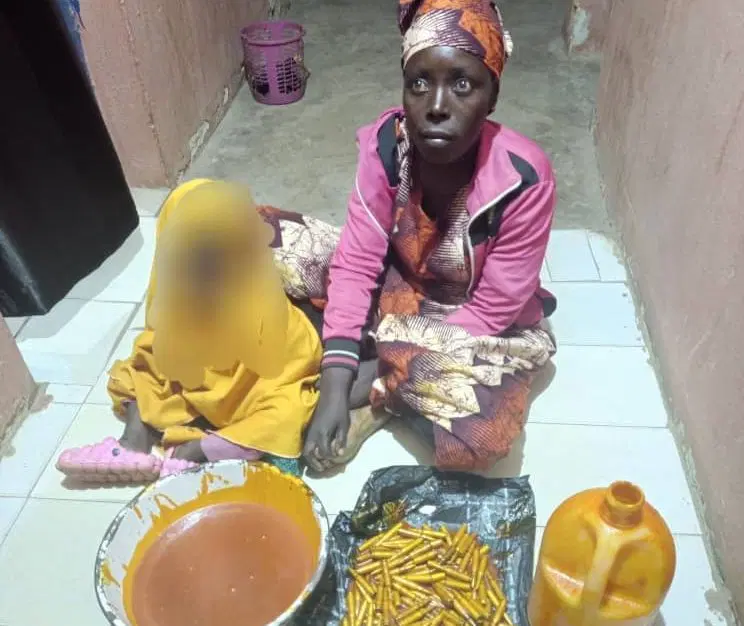
LAFIA, Nigeria — The Nasarawa State Police Command, Nigeria, has arrested a woman for allegedly transporting 124 rounds of anti-aircraft ammunition illegally, marking the second such incident in the state within two months.
Deputy Superintendent of Police Ramhan Nansel, the State Police Public Relations Officer, announced in a statement that Mrs. Hauwa Sani from Doro village in Katsina State was apprehended alongside a two-year-old child. The arrest took place in Rafin Sanyi village, Doma Local Government Area of Nasarawa State.
“Preliminary investigation revealed that the suspect was conveying the anti-aircraft ammunition concealed in a gallon of palm oil,” Nansel said. The ammunition was reportedly destined for Katsina State, a region that has faced significant security challenges in recent years.
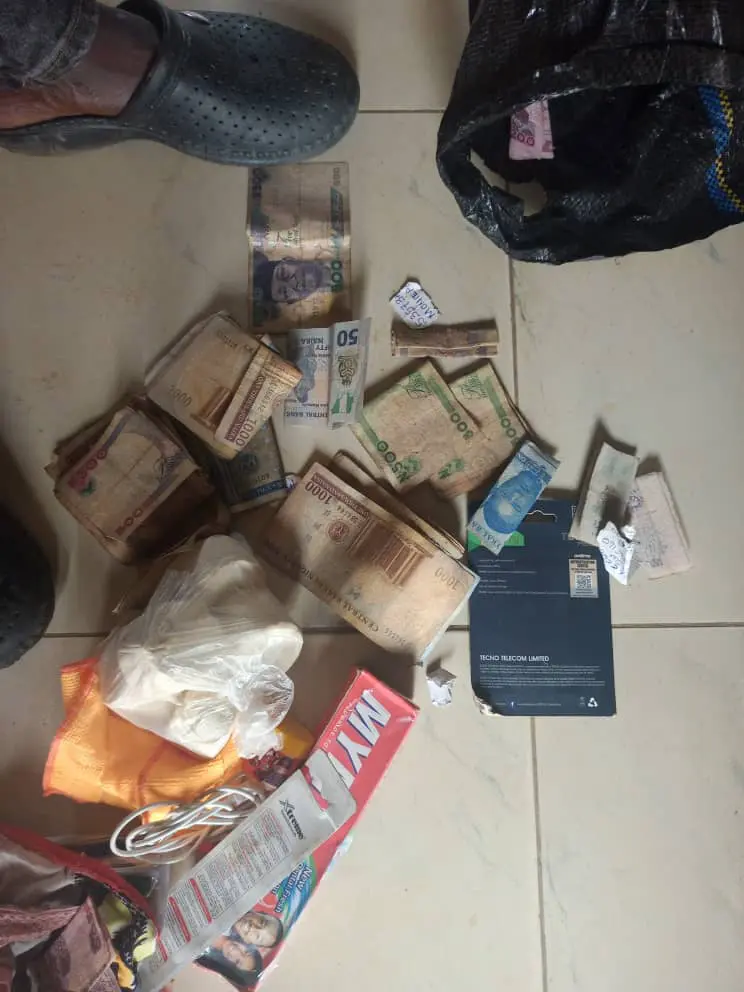
In addition to the ammunition, police recovered a mobile telephone and 78,500 Nigerian Naira (approximately $85 USD) in cash from the suspect.
The State Commissioner of Police, Mr. Umar Shehu Nadada, has ordered the transfer of both the suspect and the seized items to Force Headquarters in Abuja for further investigation. This move underscores the severity of the case and its potential national security implications.
This arrest comes amid growing concerns about arms trafficking in Nigeria, particularly in regions affected by insurgency and banditry. Anti-aircraft ammunition in civilian hands poses a significant threat to both military and civilian aircraft.
The incident bears striking similarities to an arrest made in Nasarawa State approximately two months ago, where another woman was caught transporting ammunition to Katsina State. These recurring cases suggest a pattern of arms trafficking that authorities are working to disrupt.
Security experts have long warned about the proliferation of heavy weapons in Nigeria, which they say fuels ongoing conflicts in various parts of the country. The use of women and children in arms trafficking operations is a tactic often employed by criminal networks to avoid detection.
The Nigerian government has been intensifying efforts to curb illegal arms trafficking, with increased border surveillance and inter-agency cooperation. However, the porous nature of Nigeria’s borders and the vast territory to be monitored present significant challenges to law enforcement agencies.
As investigations continue, questions remain about the source of the ammunition and the broader network involved in its distribution. The case highlights the ongoing security challenges facing Nigeria and the complex nature of arms trafficking in the region.
The Nasarawa State Police Command has urged the public to remain vigilant and report any suspicious activities to the authorities. The command emphasized that combating arms trafficking requires the cooperation of all citizens.
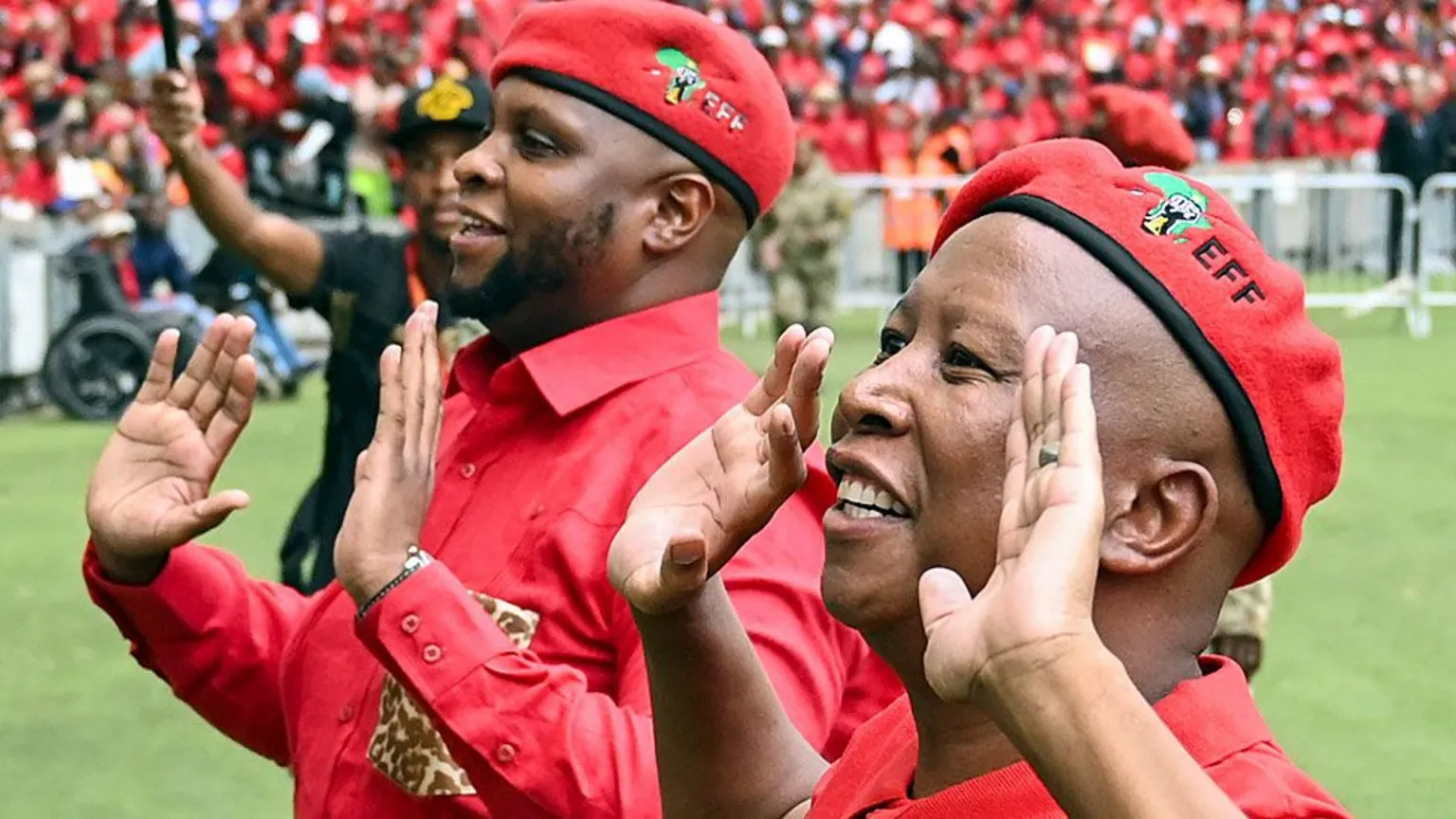
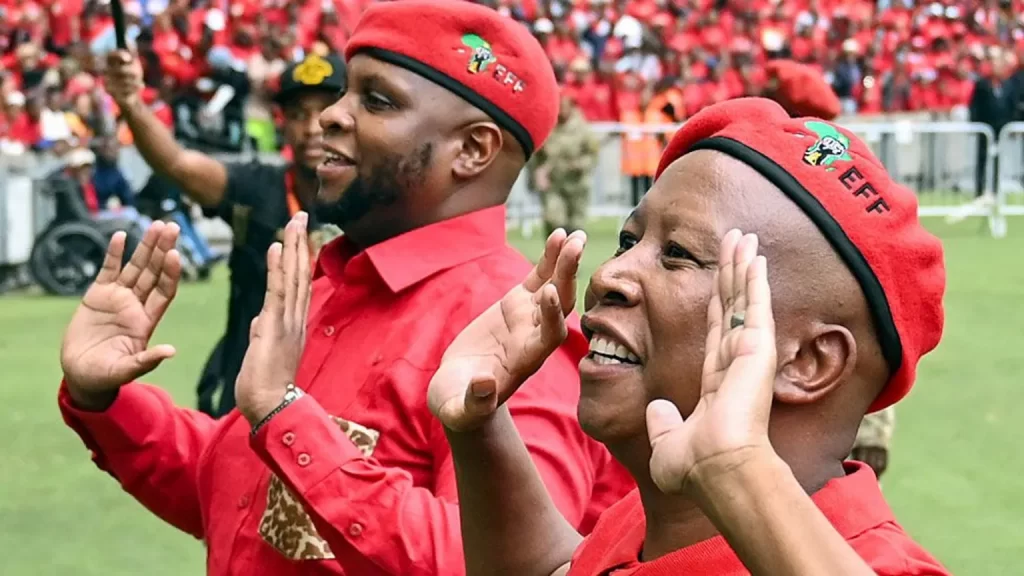
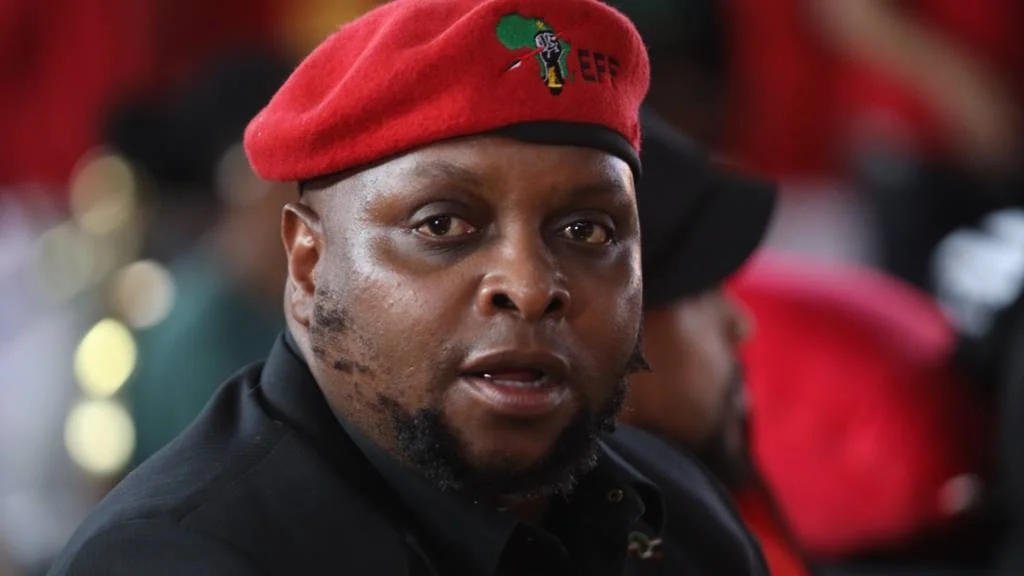
South Africa’s political landscape has been shaken by the defection of Floyd Shivambu, deputy leader of the Economic Freedom Fighters (EFF), to former President Jacob Zuma’s newly formed uMkhonto weSizwe (MK) party. This move has sent shockwaves through the EFF, a major political force for over a decade, and signals a significant shift in the country’s opposition dynamics.
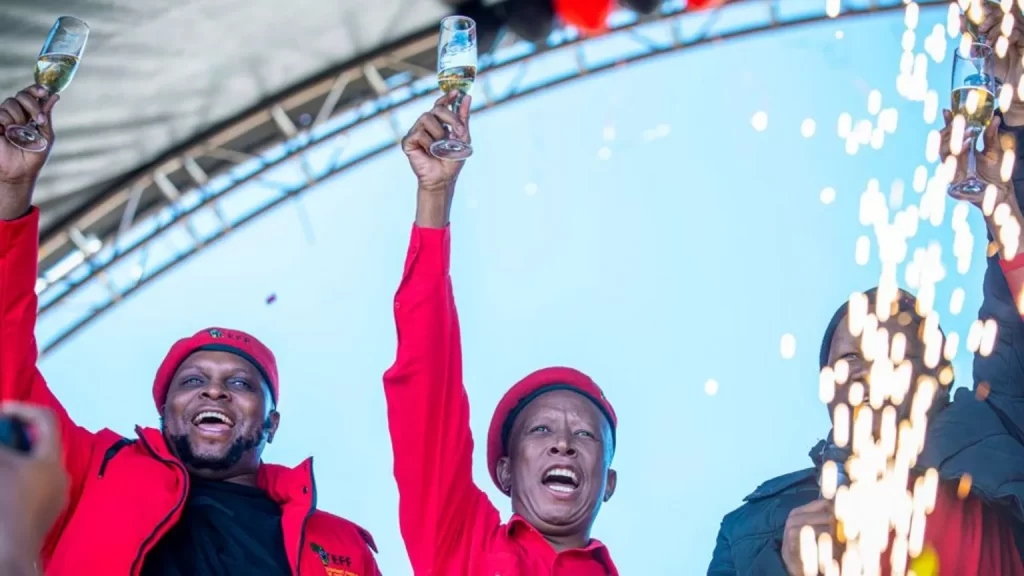
Shivambu, long considered the EFF’s ideological architect, has joined MK as its national organizer. His departure from the EFF, which he co-founded with Julius Malema in 2013, marks the most significant rupture in the party’s 11-year history.
The EFF, known for its radical leftist policies including calls for land expropriation and mine nationalization, has been a prominent voice in South African politics, particularly among young voters. However, the party suffered a setback in the May general election, dropping from third to fourth place as MK surged to third in its electoral debut.
William Gumede, an academic at Wits University’s School of Governance, told the Associated Press, “MK cannibalised the ANC and took votes from the EFF. It changed the course of South African politics, making the ANC lose its parliamentary majority for the first time since 1994.”
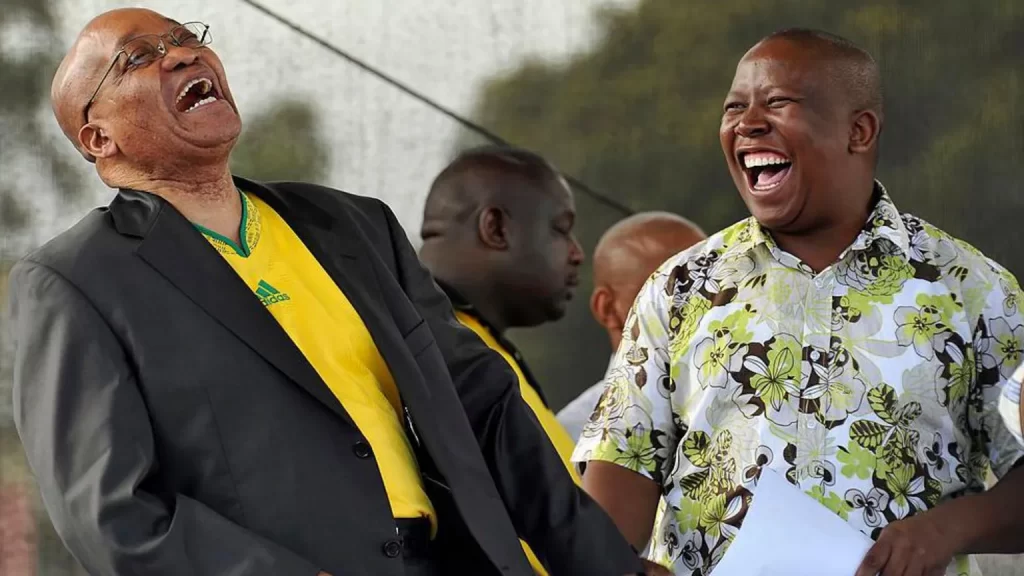
The EFF’s formation followed the expulsion of Malema and Shivambu from the African National Congress (ANC) during Zuma’s presidency. Ironically, they now find themselves on opposite sides again, with Shivambu aligning with Zuma’s new political venture.
Paddy Harper, a journalist with South Africa’s Mail & Guardian newspaper, highlighted the EFF’s historical impact: “The EFF took with it almost the entire youth wing of the ANC, and also came to dominate student politics at campuses across South Africa, such was the party’s appeal amongst young people.”
The Malema-Shivambu partnership was seen as a potent combination, with Malema’s charismatic leadership complemented by Shivambu’s intellectual depth. Their split is expected to have far-reaching consequences across South African politics, from university campuses to parliament.
However, political analyst Moeletsi Mbeki suggests the breakup might actually consolidate Malema’s power within the EFF. “The EFF is considered more of a cult, run by Malema. In such a system, the leader is the leader. Full stop. Anyone who appears to be close to the leader eventually becomes a casualty,” Mbeki told the Associated Press.
Tensions between Malema and Shivambu had been simmering. At a gala dinner last year, Malema praised Shivambu’s intellect but warned him against any leadership challenges, stating, “I’m ruthless against people who do such things to me, so never try that with me.”
Shivambu’s defection comes amid a corruption scandal involving both him and Malema. They are accused of receiving approximately 16 million rand ($9 million) in bribes from the boss of a now-liquidated bank. Both have denied wrongdoing, but the allegations persist.
The political landscape is further complicated by MK’s and the EFF’s similar economic policies, advocating for land expropriation and state ownership of key industries. Critics, including Mbeki and Gumede, argue these policies are outdated and out of touch with current economic realities.
The recent election results and subsequent by-elections suggest a shift in voter priorities. “Whether working class or middle class, older voters see the EFF as standing for chaos and confrontation. They want parties to co-operate to solve South Africa’s problems because we have an electricity and water crisis, and high unemployment and crime,” Gumede explained.
As South Africa grapples with these challenges, the political realignment represented by Shivambu’s defection could have significant implications for the country’s governance and policy direction. The EFF now faces the task of redefining its identity and strategy without one of its key founding members, while MK seeks to capitalize on its initial electoral success and new high-profile recruit.
The coming months will be crucial in determining whether these opposition movements can effectively challenge the ANC’s long-standing dominance and address the pressing issues facing South African society.
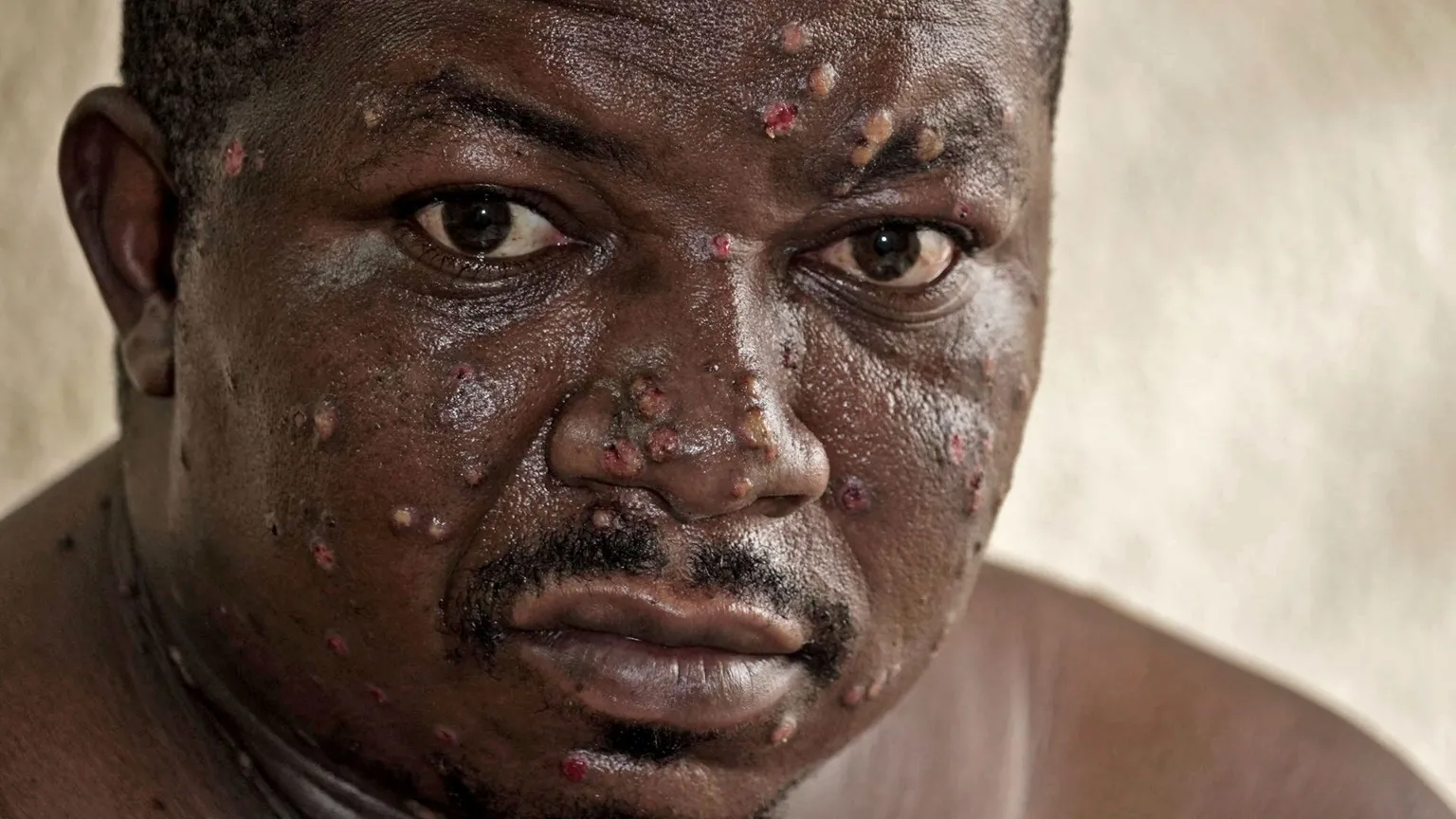
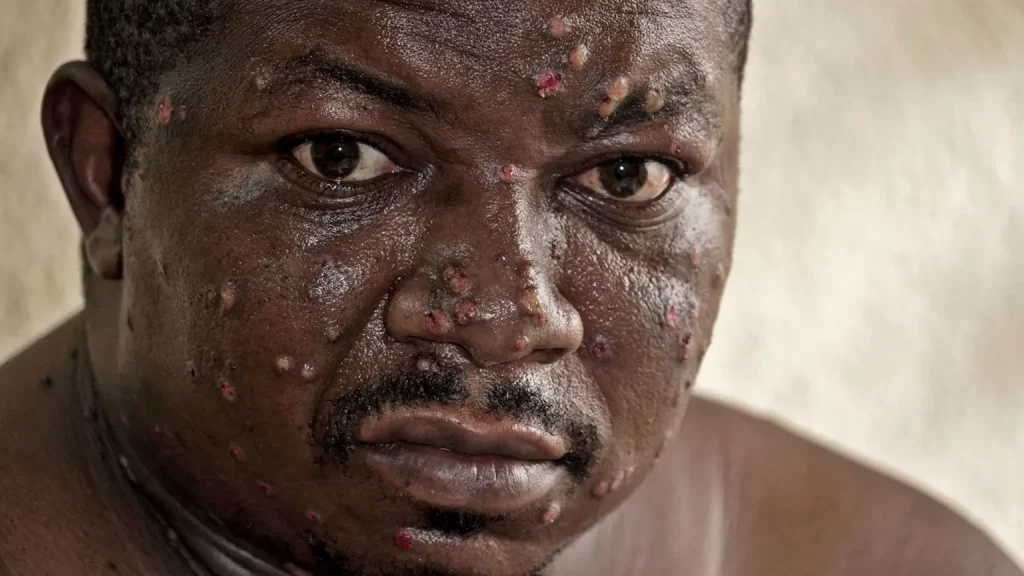
In a crowded treatment room at King Khaled University Hospital in Bujumbura, Egide Irambona, 40, sits bare-chested on his hospital bed, his face, chest, and arms covered in painful blisters. Irambona is one of more than 170 confirmed mpox cases in Burundi since last month, as the country grapples with a growing outbreak that has strained its limited healthcare resources.
“I had swollen lymph nodes in my throat. It was so painful I couldn’t sleep,” Irambona told the Associated Press, his voice weak. “Then the pain subsided there and it moved to my legs.” Irambona believes he contracted the virus from a friend who had similar symptoms, unaware at the time that it was mpox.
The outbreak in Burundi involves a new strain called Clade 1b, which the World Health Organization (WHO) has declared a global health emergency due to fears of rapid spread to previously unaffected areas. Burundi borders the Democratic Republic of Congo (DRC), where at least 450 mpox-related deaths and 14,000 suspected cases have been reported this year.
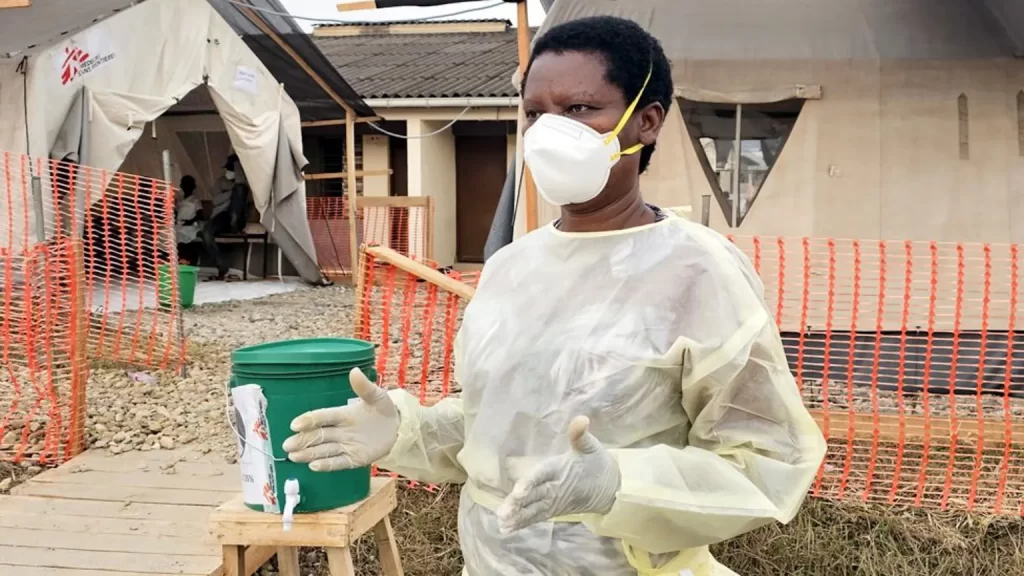
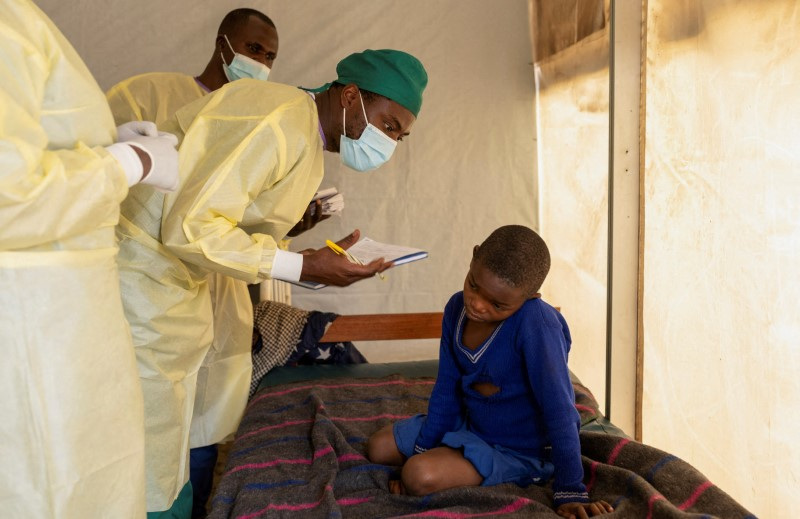
At King Khaled University Hospital, one of three mpox treatment centers in Bujumbura, the situation is dire. Dr. Odette Nsavyimana, the hospital’s lead physician, reports that 59 of the 61 available beds are occupied by infected patients. “We are now setting up tents outside,” she said, her voice muffled by a protective mask. “It is tough, especially when the babies come. They cannot stay alone, so I have to keep their mothers here as well.”
A third of the patients at the hospital are under 15 years old, aligning with WHO data indicating children as the most affected age group in Burundi. The hospital has implemented strict isolation measures, with red tape marking off restricted areas and visitors required to wear protective equipment.
Irambona’s wife, who he believes contracted the virus from him, is also being treated at the facility. “Thankfully our seven children have not shown any signs of having it,” he added, his voice trailing off.
Burundi’s healthcare system faces significant challenges in managing the outbreak. Dr. Liliane Nkengurutse, national director for the Centre for Public Health Emergency Operations, outlined the dire situation: “This is a real challenge. The fact that diagnosis is only done in one place delays detecting new cases. Health centers are calling the laboratory saying they have suspected cases, but it takes time for teams from the lab to deploy to where the suspected cases are to take samples.”
The country has only one laboratory capable of testing blood samples for the virus, insufficient testing kits, and no vaccines. Dr. Nkengurutse estimates that about $14 million is needed to enhance the country’s response to the outbreak.
Compounding these challenges is the limited access to basic resources like water in Bujumbura. People can be seen queuing at public taps, highlighting the difficulties in maintaining hygienic conditions crucial for controlling the spread of the virus.
Public awareness about mpox remains alarmingly low in Bujumbura, a hub for cross-border travel and trade with the DRC. The city buzzes with activity, with people continuing their daily routines seemingly unaware of the potential risks. Handshakes, hugs, and close contact remain the norm, and public transportation is often crowded.
“Many people do not understand the gravity of this issue. Even where there have been cases, people still just mingle,” Dr. Nkengurutse said, expressing concern about the potential for further spread.
Interviews with Bujumbura residents revealed a widespread lack of knowledge about mpox. “I have heard about this disease, but I have never seen someone who suffers from it. I have only seen it on social media,” one person said. Another added, “I know it affects babies and young people. I am scared of it, but that does not mean I will just stay at home. I have to work. My family has to eat.”
As health workers continue their efforts to treat patients, ensure recovery, and trace contacts to contain the virus’s spread, stories like Irambona’s underscore the urgent need for increased support and resources. The situation in Burundi serves as a stark reminder of the personal suffering caused by mpox and the challenges faced by healthcare systems in resource-limited settings during disease outbreaks.
With no immediate prospects for vaccines and limited testing capabilities, Burundi’s health officials are calling for international support to manage the outbreak effectively and prevent further spread within the country and to neighboring regions. stark reminder of the personal suffering caused by mpox and the challenges faced by healthcare systems in resource-limited settings during disease outbreaks.
MANCHESTER, England — Manchester City staged a rapid comeback against Ipswich Town, scoring three goals in a three-minute span to take a 3-1 lead within the first 16 minutes of their Premier League match on Saturday.
Ipswich Town opened the scoring in the 7th minute when Sammie Szmodics broke through the City defense and placed a precise shot into the bottom right corner.
The game’s momentum shifted dramatically starting in the 11th minute when referee Michael Salisbury awarded Manchester City a penalty after a VAR review. Erling Haaland converted the spot-kick in the 13th minute, sending the ball into the bottom left corner.
Just two minutes later, Kevin De Bruyne extended City’s lead with a low drive from outside the box, finding the middle of the goal.
City’s third goal came in the 16th minute, with De Bruyne providing an assist to Haaland, who finished from inside the box into the bottom left corner.
The match’s opening stages also saw early chances for City, with Bernardo Silva creating an opportunity in the 4th minute and Savinho attempting a cross in the 3rd minute.
Ipswich’s Liam Delap, a former Manchester City player, was cautioned for a tactical foul in the 5th minute.
This rapid turn of events puts Manchester City in a commanding position as they look to maintain their strong start to the Premier League season. Ipswich Town, newly promoted to the top flight, face an uphill battle to get back into the match.
The game continues with Manchester City looking to extend their lead further, while Ipswich aim to regroup and mount a comeback of their own.
BRIGHTON, England — Brighton & Hove Albion secured a dramatic 2-1 victory over Manchester United on Saturday, with Joao Pedro scoring a stoppage-time winner at the Amex Stadium.
The result marks Brighton’s second consecutive Premier League win under new manager Fabian Hurzeler, following their 3-0 victory at Everton last weekend.
Danny Welbeck opened the scoring for Brighton in the 32nd minute, tapping in from close range after Kaoru Mitoma knocked back Joao Pedro’s cross. The goal marked Welbeck’s 100th competitive senior goal.
Manchester United equalized on the hour mark through Amad Diallo, whose shot deflected off Jan Paul van Hecke and past Brighton goalkeeper Jason Steele.
The visitors thought they had taken the lead in the 70th minute when Alejandro Garnacho found the net, but the goal was disallowed due to Joshua Zirkzee being offside.
Joao Pedro sealed the win for Brighton in the 95th minute, heading in Simon Adingra’s cross to the back post.
The match saw other notable moments, including Brighton hitting the crossbar in the 58th minute from a Danny Welbeck header.
This defeat marks Manchester United’s fifth loss in six matches against Brighton, raising concerns for manager Erik ten Hag’s side early in the season.
Brighton now moves to six points from two matches, while Manchester United suffers their first defeat of the campaign.
The rainy conditions at the Amex Stadium added to the challenging nature of the match, with both teams battling for supremacy throughout.
As the Premier League season progresses, Brighton’s strong start under Hurzeler will be closely watched, while Manchester United will look to address defensive issues that have plagued them in recent encounters with the Seagulls.
The result continues Brighton’s impressive run against top-tier opposition and sets the stage for an intriguing season ahead for both clubs.
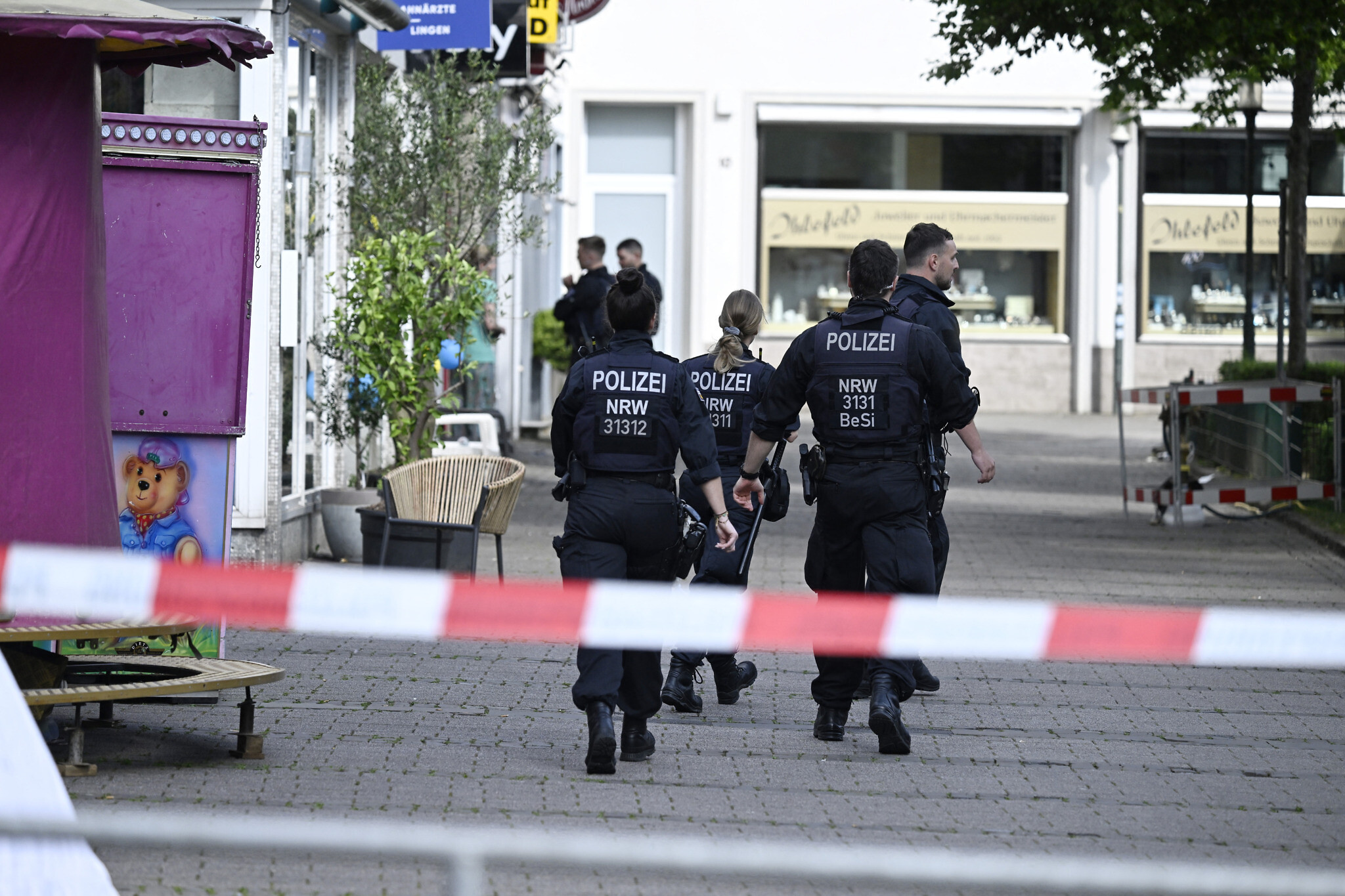
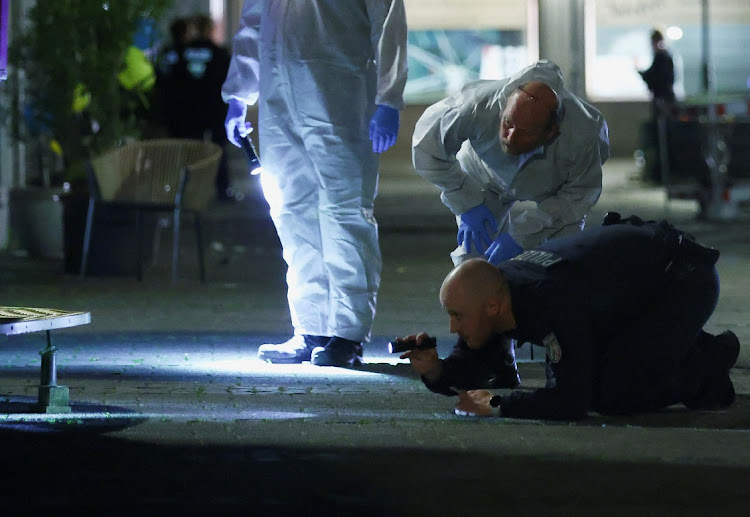
German police detained an individual on Saturday in connection with a knife attack at a festival in Solingen that left three people dead and eight wounded. The detention came hours after the Friday night assault, which occurred during celebrations marking the city’s 650th anniversary.
The attack took place around 9:40 p.m. local time on Friday at the Fronhof, a central square where live bands were performing. Police said the investigation and manhunt for possible additional perpetrators are ongoing, with the motive still unclear.
German Chancellor Olaf Scholz called for swift action in a social media post: “The perpetrator must be quickly caught and punished to the fullest extent of the law.”
Interior Minister Nancy Faeser stated that security authorities are working to apprehend the assailant and investigate the background of the attack. The festival, located in North Rhine-Westphalia near the Dutch border, was canceled for the remainder of the weekend.
Solingen Mayor Tim-Oliver Kurzbach expressed the city’s shock and grief at a press conference Saturday morning. The square remained cordoned off, with citizens placing candles and flowers outside the barricades.
A German musician performing under the name Topic reported on social media that he was asked to continue playing to avoid panic, only later being told to stop and take shelter as police helicopters circled overhead.
Initial reports suggested the attacker targeted victims’ throats, though police later declined to confirm this detail, deferring to an upcoming news conference.
The incident has reignited discussions about knife regulations in Germany. Earlier this month, the government proposed tightening rules on knife carrying in public by reducing the maximum allowed blade length.
North Rhine-Westphalia’s Interior Minister Herbert Reul, who visited the scene early Saturday, described the incident as a targeted attack on human life but refrained from speculating on motives.
Solingen, a city of approximately 165,000 residents known for its knife manufacturing industry, now grapples with the aftermath of this violent event. As the investigation unfolds, authorities are urging anyone with information to come forward.
The attack marks one of the most significant incidents of public violence in Germany in recent years, following a fatal stabbing of a police officer in Mannheim in June and a train attack in 2021.
ABUJA, Nigeria — Nigerian police authorities announced Saturday the release of twenty medical and dental students who were kidnapped last week in the north-central state of Benue.
The students were abducted by armed gunmen while traveling to a convention in the southeastern state of Enugu. Nigerian police spokesperson Olumuyiwa Adejobi confirmed their release in a statement posted on social media platform X.
“We confirm the release on Friday of our brothers and sisters and some other Nigerians who have been in captivity in Ntunkon forest, Benue state,” Adejobi said.
The police spokesperson stated that no ransom was paid for the students’ release, describing the operation as a “tactical and professional” rescue.
This incident is part of a broader pattern of kidnappings in northern Nigeria, where armed gangs have been abducting villagers, students, and motorists for ransom. Security forces have struggled to put an end to these practices.
The successful rescue operation comes as a relief to the victims’ families and highlights the ongoing security challenges faced by Nigerian authorities in combating kidnapping and other forms of organized crime.
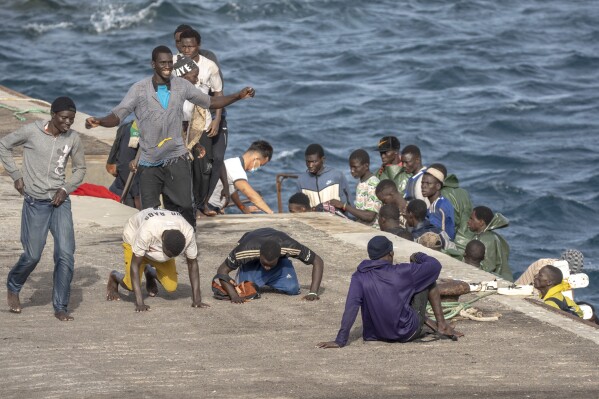
Spanish Prime Minister Pedro Sánchez met with Canary Islands’ President Fernando Clavijo on Friday to discuss irregular migration, as the archipelago grapples with caring for thousands of unaccompanied minors who have arrived on its shores.
The meeting on La Palma island precedes Sánchez’s upcoming visits to Mauritania, Senegal, and Gambia to address irregular migration from West Africa.
Ángel Victor Torres, Minister for Territorial Policy and Democratic Memory, announced a 50 million euro ($55.6 million) aid package for the archipelago, reinstating support previously provided but omitted this year.
The Canary Islands have become a primary entry point for irregular migrants into the European Union. While adult migrants often move to mainland Spain or other parts of Europe, unaccompanied minors remain under regional government care.
Canary Islands officials report caring for over 5,500 unaccompanied minors, far exceeding their stated capacity of 2,000. This overflow has led to overcrowded shelters and limited access to essential services for these children.
Torres stated that Sánchez and Clavijo agreed to pursue long-term solutions, which would require legislative changes to mandate solidarity from other Spanish regions. A recent proposal to distribute unaccompanied minors across Spain failed in parliament in July.
Spain’s Interior Ministry reports that more than 22,300 people have arrived in the Canary Islands from January to mid-August this year, a 126% increase from the same period last year.
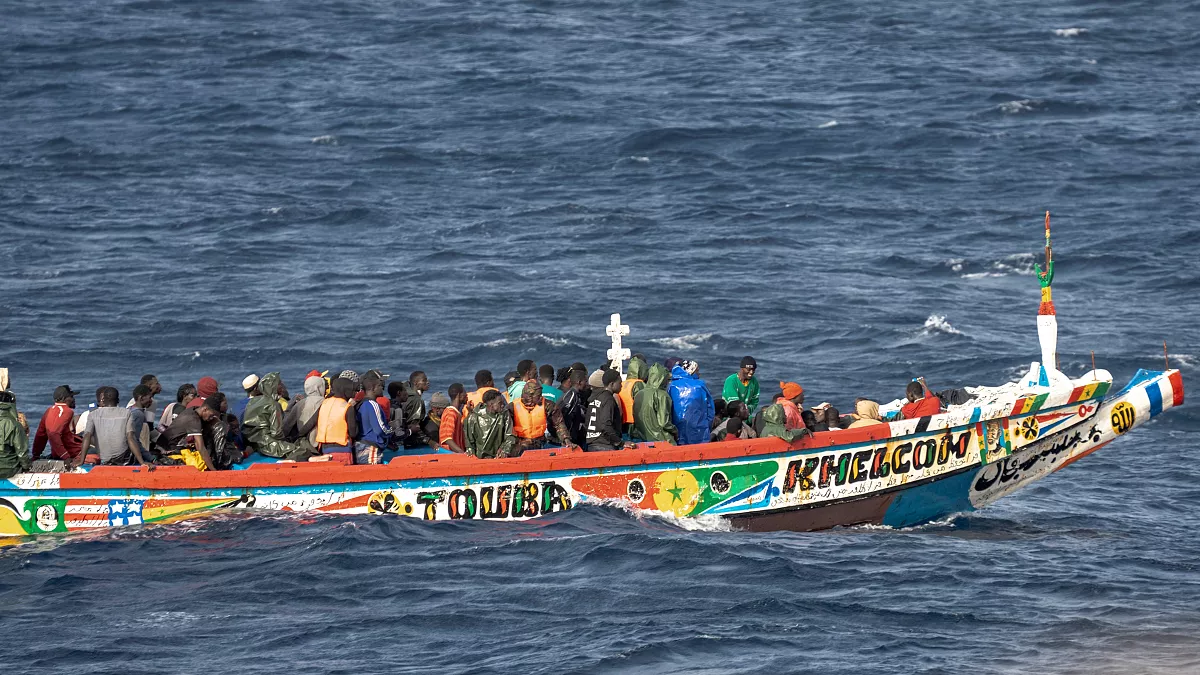
On Friday, Spain’s Maritime Rescue Service rescued 173 people, including six babies and eight women, from a boat near El Hierro island. Two bodies were also recovered.
The Atlantic route from West Africa to the Canary Islands is considered one of the world’s deadliest migration paths. Spanish migrant rights group Walking Borders estimates thousands of casualties, though exact figures are unavailable due to limited information on departures from West Africa.
Some migrant boats lost at sea have been found months later in the Caribbean and Latin America, carrying only human remains.
As migration pressures continue, Spanish authorities are working to balance humanitarian concerns with border control measures, while seeking cooperation from West African nations to address the root causes of migration.
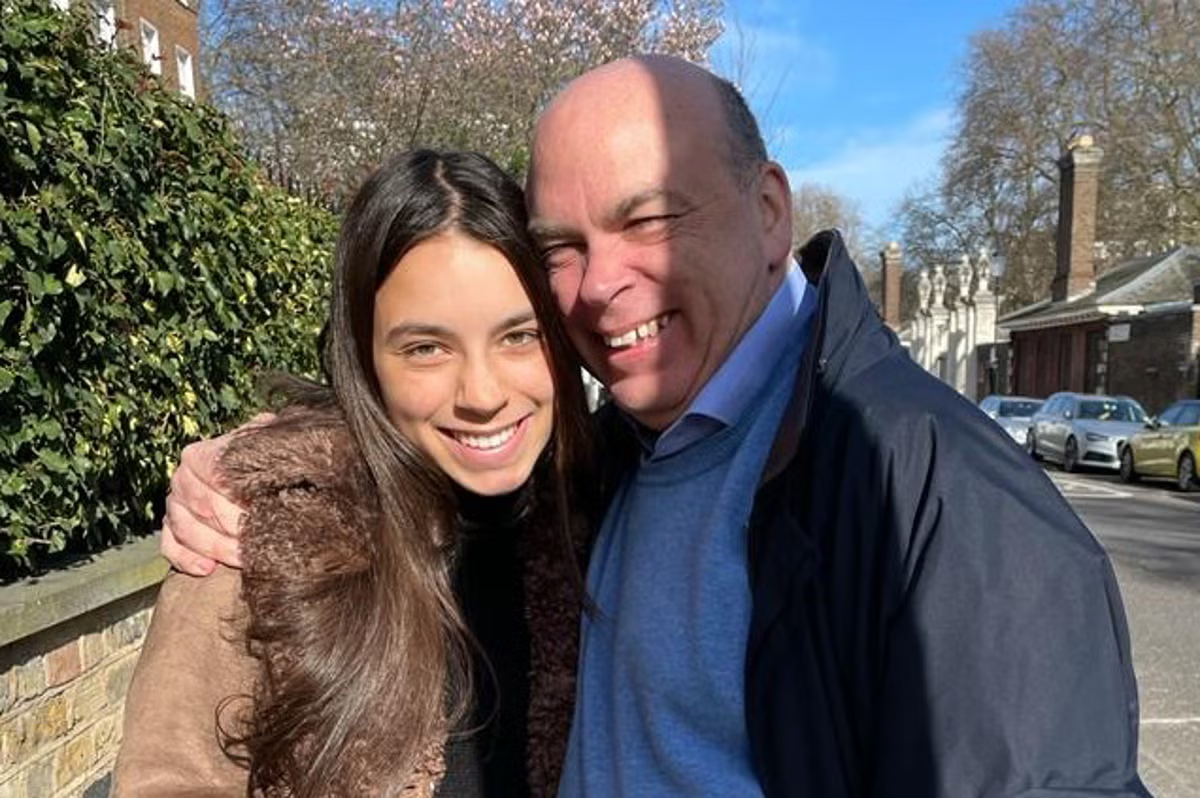
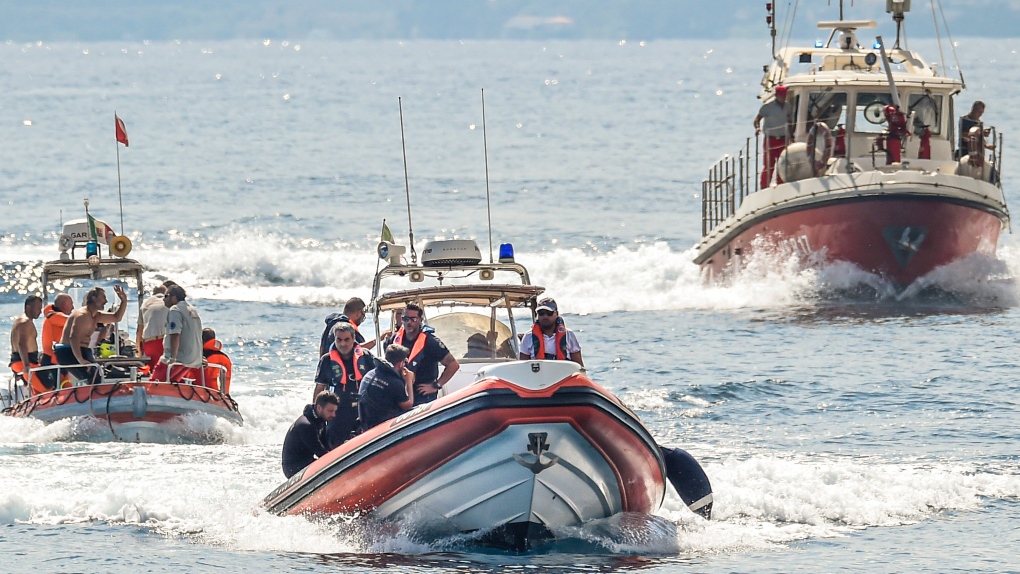
The public prosecutor’s office of Termini Imerese has opened a manslaughter investigation into the sinking of a luxury yacht off Sicily that claimed seven lives, including British tech magnate Mike Lynch and his daughter.
Prosecutor Ambrogio Cartosio announced the inquiry at a news conference, stating it is not currently aimed at any specific individual.
The fifty-six-meter (one hundred eighty-four-foot) yacht, Bayesian, capsized during a pre-dawn storm on Monday near Porticello, Palermo. Among the deceased were Lynch, fifty-nine, and his eighteen-year-old daughter, Hannah. Fifteen people survived, including Lynch’s wife and the yacht’s captain, James Cutfield.
Authorities have questioned Cutfield and other survivors. Prosecutor Raffaele Cammarano reported that Cutfield has been “extremely cooperative” during questioning.
Investigators are considering salvaging the Bayesian, which lies intact on its side at a depth of fifty meters (one hundred sixty-four feet). Cartosio stated that while there is no legal obligation for survivors to remain in Italy, authorities expect their continued cooperation.
The sinking has puzzled marine experts, who question how a vessel of the Bayesian’s caliber could succumb so quickly to the storm. Giovanni Costantino, CEO of The Italian Sea Group, which owns the yacht’s manufacturer Perini, told Reuters the incident resulted from “indescribable, unreasonable errors” by the crew, ruling out design or construction flaws.
Prosecutor Cammarano suggested passengers were likely asleep when the storm hit, explaining their failure to escape.
Divers recovered the last body, that of Hannah Lynch, on Friday. The other victims included Lynch’s lawyer Chris Morvillo and Morgan Stanley banker Jonathan Bloomer, who had testified as a character witness in Lynch’s recent U.S. fraud trial.
Lynch, one of the UK’s prominent tech entrepreneurs, had been celebrating his June acquittal in the fraud case when the tragedy occurred.
Authorities continue to investigate the circumstances surrounding the yacht’s sinking, with the potential salvage operation expected to provide crucial evidence.