Home Blog Page 775

44 Oil Marketing Companies in Ghana Disappear Owing Nearly GH₵60 Million in Levies

0

ACCRA, Ghana — Ghana’s national security agencies are pursuing the directors of 44 oil marketing companies (OMCs) that have disappeared, owing nearly 60 million Ghanaian cedis (approximately $4.7 million USD) in unpaid levies to the Bulk Oil Storage and Transportation company (BOST), recently rebranded as Bulk Energy Storage and Transportation Limited (BEST).

Dr. Edwin Provencal, Chief Executive Officer of BEST, confirmed that these companies collected levies and margins from the sale of petroleum products but failed to remit the funds to BOST as required by law. The Auditor General’s 2023 audited accounts corroborated this information.

“When petroleum products are purchased, the BOST margin is supposed to be collected by Oil Marketing Companies and remitted to the National Petroleum Authority for onward transmission to BOST,” Provencal explained. “However, these OMCs collected the funds and did not remit them.”

The situation has escalated to a point where the companies can no longer be traced, prompting government intervention. “As we speak, we are in court with about 26 of them for them to pay the money,” Provencal stated. “For the rest, the companies are dead. Hopefully, with the power of government, we can raise the veil and go after the directors.”

BEST has engaged multiple avenues to recover the funds, including involving the Economic and Organised Crime Office (EOCO) and hiring a debt collection company. Provencal emphasized the gravity of the situation, noting, “They set up companies, they rack up the BOST margin, they use it for their personal interest and they kill the company.”

The case highlights ongoing challenges in Ghana’s petroleum sector, particularly in the collection and remittance of government levies. It also underscores the difficulty in holding companies accountable when they dissolve or disappear after accruing significant debts.

Legal experts suggest that the government’s pursuit of company directors personally could set a precedent for future cases involving corporate debt to state entities. The concept of “lifting the corporate veil” to hold directors accountable for company debts is not new but is often challenging to implement.

The Ghana Revenue Authority and the Ministry of Finance have not yet commented on the potential impact of these unpaid levies on the national budget or fuel pricing strategies.

Industry analysts point out that such large-scale non-payment of levies could have ripple effects on Ghana’s energy sector, potentially affecting infrastructure maintenance and development funded by these levies.

As the case unfolds, it raises questions about regulatory oversight in Ghana’s oil marketing sector and the effectiveness of current systems for collecting and managing industry levies. The outcome of this pursuit and any resulting prosecutions could have significant implications for corporate governance and accountability in Ghana’s energy industry.

The Ghana Oil Company (GOIL), the country’s largest oil marketing company, has distanced itself from the controversy, stating that it consistently complies with all regulatory requirements and levy payments.

Credit: myjoyonline.com
Nigerians Outraged by President’s New Plane Amid Economic Crisis

0

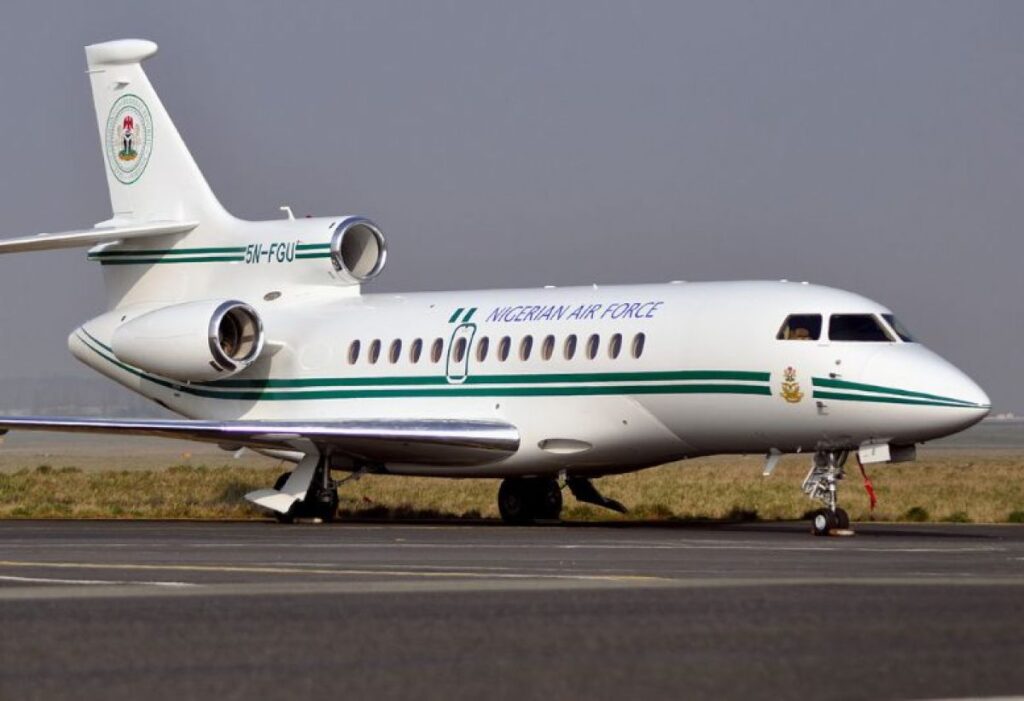
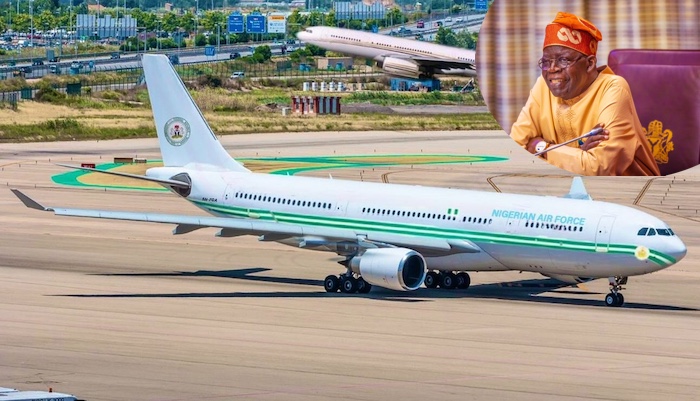
The Nigerian government’s purchase of a new presidential plane has ignited public outrage across the country, coming at a time when many Nigerians are grappling with the worst economic crisis in a generation.

President Bola Tinubu, elected last year to lead Africa’s most populous nation, departed for France on Monday aboard a newly acquired Airbus A330. The plane is the latest addition to a presidential fleet that already includes more than five aircraft.

The timing of the purchase has drawn sharp criticism, occurring less than two weeks after thousands of Nigerians took to the streets to protest rising hunger and soaring living costs. Inflation in the country currently exceeds 30%, a situation exacerbated by recent economic reforms including the removal of fuel subsidies.

Tinubu has defended these reforms as necessary measures to reduce government spending and stimulate long-term growth. In January, he announced a 60% reduction in the size of official travel delegations, including his own entourage, as part of cost-cutting measures.

The cost of the new aircraft has not been disclosed, nor has the reason for the president’s trip to France. This lack of transparency has further fueled public discontent.

Social media platforms have become a focal point for Nigerians expressing their frustration. One user on X (formerly Twitter), @Fdmlearn, commented, “Wait so despite the Tinubu led Government telling Nigerians to bear the economic hardship and wait for a better tomorrow, they were busy paying cash for a new private Jet to add to the presidential fleet that has over 6 aircraft’s already?”

Another user, @RealOlaudah, was more direct in their criticism: “Let’s tell ourselves the truth. Tinubu’s new Airbus presidential aircraft purchase for N150 billion at a time of penury, hunger, and want shows how wicked, selfish, self-indulgent, and insensitive to the plight of the average Nigerian he really is.”

However, some Nigerians have defended the purchase. User @Timi_The_Law argued, “Tinubu’s decision to buy a new plane is the right one. The plane belongs to the office of the president, and future presidents will enjoy it.”

The presidential office has attempted to justify the acquisition. Bayo Onanuga, President Tinubu’s media aide, stated on X that the new plane would actually save money: “The new plane, bought far below the market price, saves Nigeria huge maintenance and fuel costs, running into millions of dollars yearly.”

The 15-year-old Airbus A330, with a reported market value of $600 million, replaces a 19-year-old Boeing BBJ 737-700. It was recently released to the Nigerian government after being seized by a Chinese firm due to an investment dispute with Ogun state in southwest Nigeria.

In June, Nigerian lawmakers recommended the purchase of two new aircraft for the president and his deputy, citing safety concerns with the old fleet. Last month, a supplementary budget was passed, raising the 2024 budget from 28.7 trillion naira ($18 billion) to 35.06 trillion naira. It remains unclear if the plane purchase was included in this budget.

The controversy surrounding the new presidential aircraft underscores the delicate balance between government expenditure and public perception, especially during times of economic hardship. As Nigeria continues to navigate its economic challenges, the debate over government spending and priorities is likely to remain at the forefront of national discourse.

The BBC has reached out to the Senate President and the Office of the National Security Adviser for comment but has yet to receive a response.

A bbc.com report

Zimbabwe’s Ruling Party Announces Release of Detained Activists

0

HARARE, Zimbabwe — Zimbabwe’s ruling ZANU-PF party announced Wednesday that police will begin releasing activists detained during the recent Southern Africa Development Community (SADC) summit, following widespread criticism from human rights organizations and international observers.

Christopher Mutsvangwa, ZANU-PF spokesperson, confirmed in a press briefing that the release process would commence now that the regional meeting has concluded. “With the SADC summit successfully behind us, the authorities will start releasing those who were held to maintain order during this important event,” Mutsvangwa stated.

The announcement comes after Mutsvangwa’s controversial remarks on Tuesday, where he defended the detentions, referring to the activists as “deviants” who were “dealt with properly.” His comments, which included laughter, sparked outrage among human rights advocates.

Over 100 activists were detained in what the government described as a preventive measure against potential protests during the SADC summit. The move drew sharp criticism from local and international human rights groups, who viewed it as a suppression of civil liberties and political freedoms.

Roselyn Hanzi, director of Zimbabwe Lawyers for Human Rights, which represents many of the detained activists, cautiously welcomed the news of their impending release. “While we’re relieved to hear of their forthcoming release, we remain deeply concerned about the circumstances of their detention and the broader implications for human rights in Zimbabwe,” Hanzi told the Associated Press.

The organization plans to meet with the activists upon their release to document their experiences and consider potential legal actions regarding their detention.

Mary Lawlor, a U.N. special rapporteur on human rights, who had earlier called for the immediate release of the activists, reiterated her concerns about the treatment of detainees. “The release of these activists is a positive step, but it doesn’t erase the fact of their arbitrary detention or the allegations of mistreatment,” Lawlor stated.

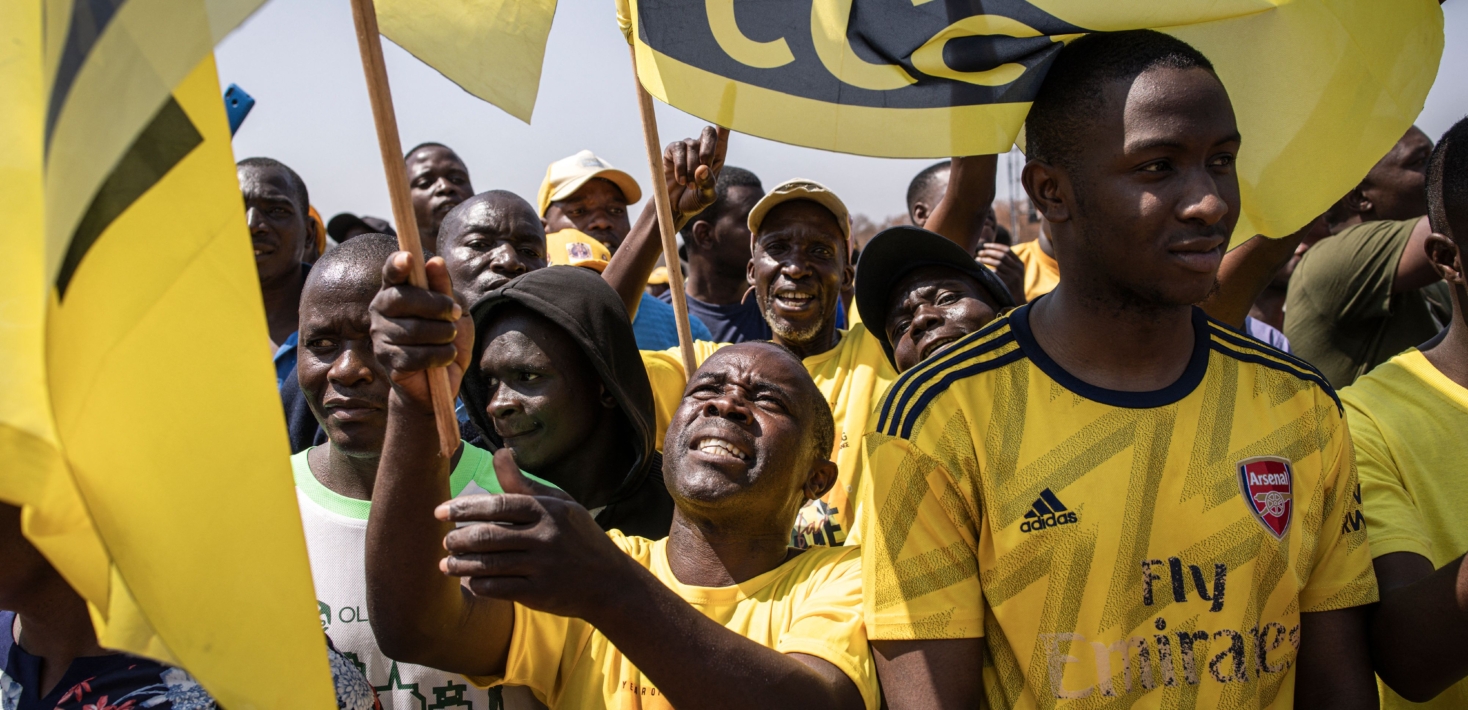
Zimbabwe’s main opposition party, the Citizens Coalition for Change, whose members were among those detained, remained critical of the government’s actions. Daniel Molokele, a rights lawyer and opposition legislator, said, “This release doesn’t change the fact that their detention was unlawful and a clear abuse of power. We demand accountability for this violation of citizens’ rights.”

The incident has raised questions about Zimbabwe’s commitment to democratic principles and the rule of law under President Emmerson Mnangagwa’s leadership. Since taking power in 2017, Mnangagwa has portrayed himself as a reformer, but critics argue that his government continues to use authoritarian tactics reminiscent of his predecessor, Robert Mugabe.

International observers, including diplomatic missions in Harare, have been closely monitoring the situation. A Western diplomat, speaking on condition of anonymity, noted, “The release of these activists is welcome, but it doesn’t address the underlying concerns about political freedoms and human rights in Zimbabwe.”

As the activists are released, attention turns to the potential legal and political ramifications of their detention. Human rights lawyers are considering challenging the legality of the detentions in court, while opposition leaders are calling for an independent inquiry into the matter.

The incident has cast a shadow over Zimbabwe’s hosting of the SADC summit, which was intended to showcase the country’s progress and stability. Instead, it has reignited debate about the state of democracy and civil liberties in the nation, potentially impacting Zimbabwe’s efforts to re-engage with the international community and attract foreign investment.

As the release process begins, many in Zimbabwe and beyond will be watching closely to see how the government handles the aftermath of this controversial episode and whether it will lead to any meaningful changes in the country’s approach to political dissent and civil rights.

West African Military Juntas Accuse Ukraine of Supporting Rebels in UN Letter

0
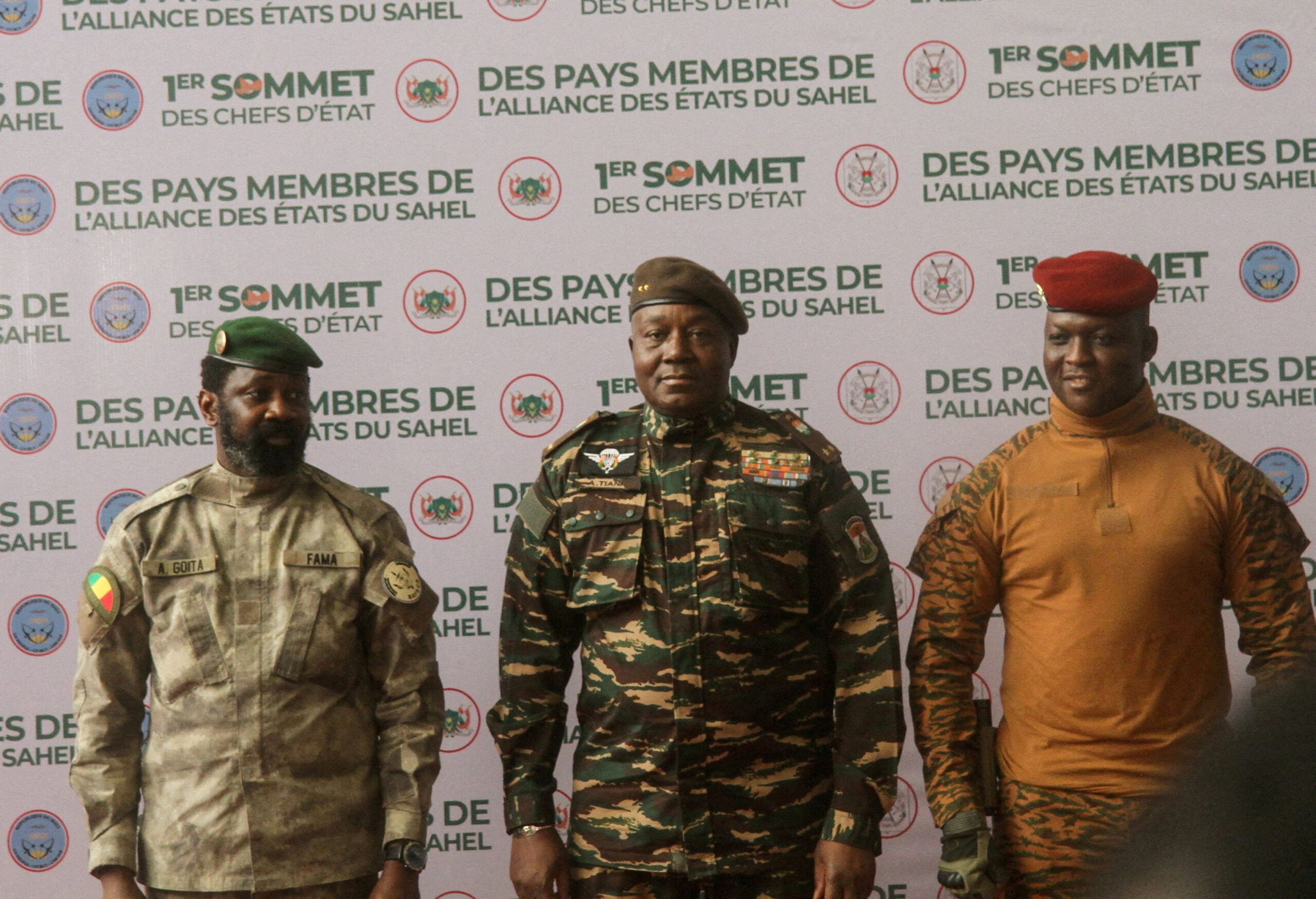
FILE PHOTO: Heads of state of Mali, Assimi Goita, Niger, General Abdourahamane Tiani and Burkina Faso, Captain Ibrahim Traore, pose for photographs during the first ordinary summit of heads of state and governments of the Alliance of Sahel States (AES) in Niamey, Niger July 6, 2024. REUTERS/Mahamadou Hamidou/File Photo

BAMAKO, Mali  — The military governments of Mali, Niger, and Burkina Faso have jointly addressed the United Nations Security Council, accusing Ukraine of supporting rebel groups in West Africa’s Sahel region, Mali’s foreign ministry announced Wednesday.

This diplomatic move follows Mali’s decision to sever ties with Ukraine in early August, a response to comments made by Andriy Yusov, a spokesperson for Ukraine’s military intelligence agency.

Yusov had stated that Malian “rebels” received necessary information “to conduct a successful military operation,” referring to fighting in northern Mali that resulted in casualties among Malian soldiers and Russian Wagner Group mercenaries in late July.

Mali and Niger interpreted Yusov’s remarks as an admission of Ukraine’s direct involvement in the regional conflict, leading to accusations of Ukraine supporting international terrorism. Niger cut diplomatic ties with Ukraine shortly after Mali, citing solidarity with its neighbor.

Ukraine has consistently denied these allegations, calling them groundless and untrue. The Ukrainian foreign ministry did not immediately respond to requests for comment on Wednesday. Ukraine remains embroiled in its own conflict, battling Russian forces more than two years after Moscow’s invasion.

In their letter to the Security Council, the foreign ministers of Mali, Niger, and Burkina Faso urged the body to “take responsibility” for Ukraine’s actions and prevent “subversive acts” that threaten regional and continental stability. The letter’s text was shared on the Malian foreign ministry’s social media accounts, and diplomats confirmed its circulation to the 15-member Security Council on Tuesday evening.

The situation is complicated by the presence of various armed groups in the region. A Tuareg rebel alliance has denied receiving any Ukrainian support. Both ethnic Tuareg separatists and jihadist insurgents operate in northern Mali. The Tuareg group claimed to have killed at least 84 Wagner mercenaries and 47 Malian soldiers during intense fighting in July. Separately, an al-Qaeda affiliate reported killing 50 Wagner mercenaries and 10 Malian soldiers in an ambush during the same period.

These accusations come amid a shifting geopolitical landscape in the Sahel. Burkina Faso, Mali, and Niger have distanced themselves from traditional Western and regional allies in favor of closer ties with Russia over the past four years, following military takeovers in each country.

The July attacks, occurring in Mali’s northern Kidal region near the Algerian border, potentially represent the heaviest losses for the Wagner Group since its involvement in Mali began two years ago to assist the junta in combating jihadist insurgents.

The Tuareg, a distinct ethnic group inhabiting the Sahara region, including parts of northern Mali, initiated a rebellion in 2012. This uprising was initially pushed back into Mali’s arid north before being co-opted by Islamist militant groups, further complicating the regional security situation.

Thailand Reports Mpox Case in Traveler from Africa, Awaits Strain Confirmation

0

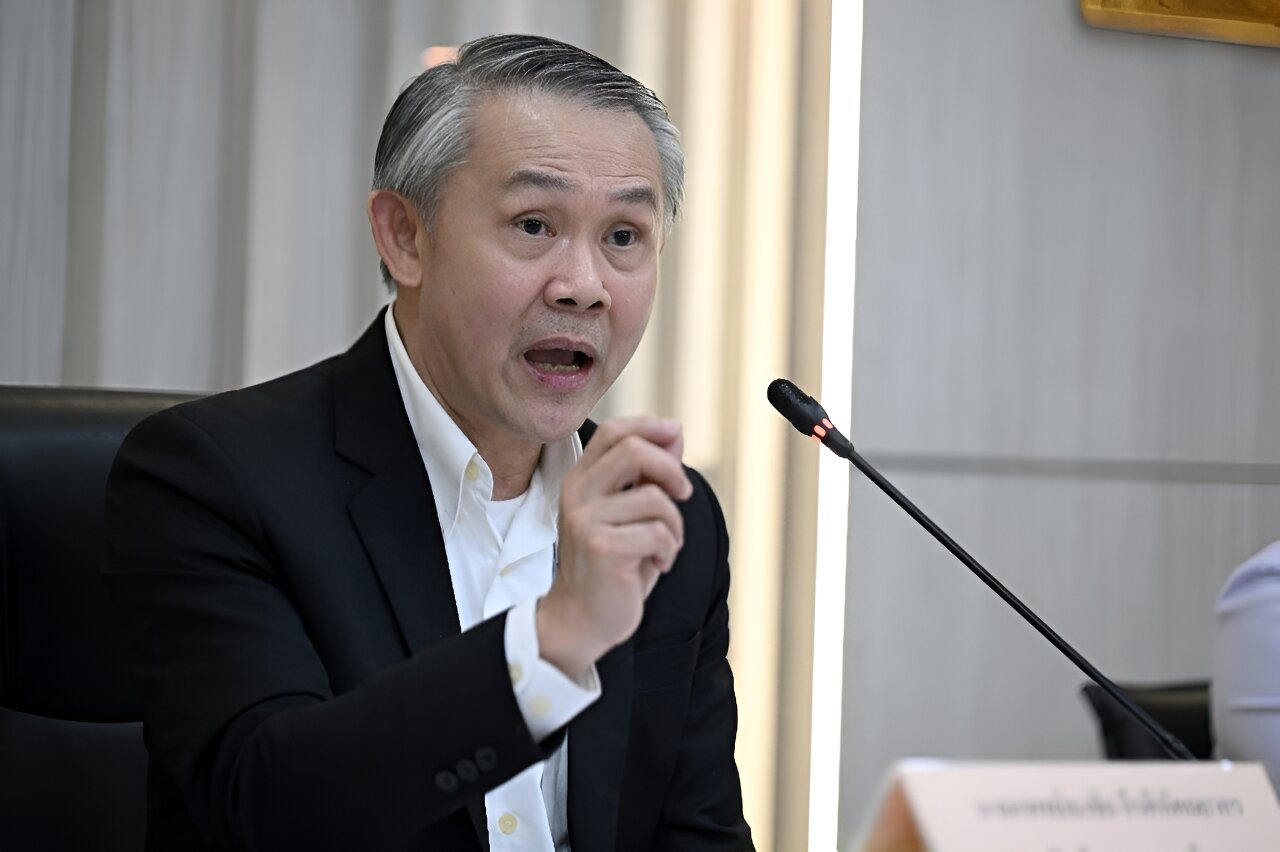
BANGKOK — Thai health authorities have detected a case of mpox in a European traveler who recently arrived from Africa, raising concerns about the potential introduction of a new strain to the country, a senior disease control official reported Wednesday.

Thongchai Keeratihattayakorn, director-general of the Department of Disease Control, told Reuters that the case involves a 66-year-old European man with residency in Thailand. The patient arrived on August 14 from an unspecified African country where mpox is currently spreading.

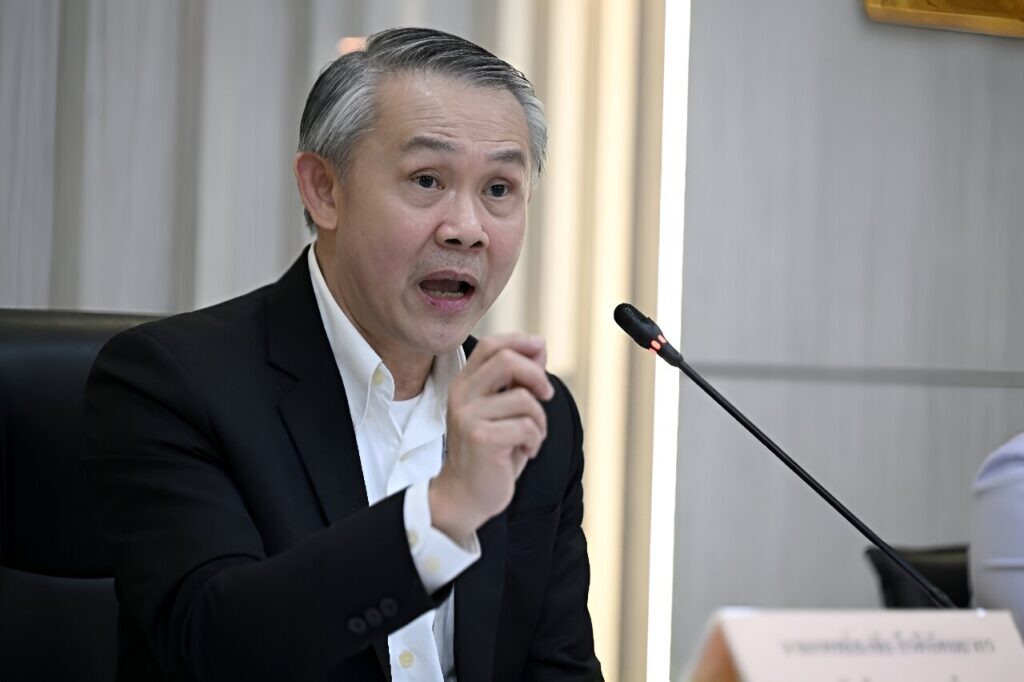
Thongchai Keeratihattayakorn, director-general of the Department of Disease Control

“We are treating this case as if it were the Clade 1 form of mpox,” Thongchai said, referring to a strain not previously detected in Thailand. The country has recorded 800 cases of mpox Clade 2 since 2022 but has yet to confirm any instances of Clade 1 or Clade 1b variants.

Thai authorities are awaiting test results, expected by Friday, to confirm the specific strain. The identification of the variant is crucial for tailoring public health responses and understanding potential transmission patterns.

Thongchai emphasized that the patient’s exposure to others was limited. “After he arrives from the flight, there is very little time frame where he came into contact with others,” he stated. “He arrives around 6 pm and on the next day, August 15, he went to see the doctor at the hospital.”

As a precautionary measure, health officials are monitoring 43 individuals in Thailand who may have come into contact with the patient. This surveillance is part of standard protocol to prevent potential spread of the virus.

The patient’s travel history includes a transit stop in an unnamed Middle Eastern country before arriving in Thailand, adding complexity to contact tracing efforts across international borders.

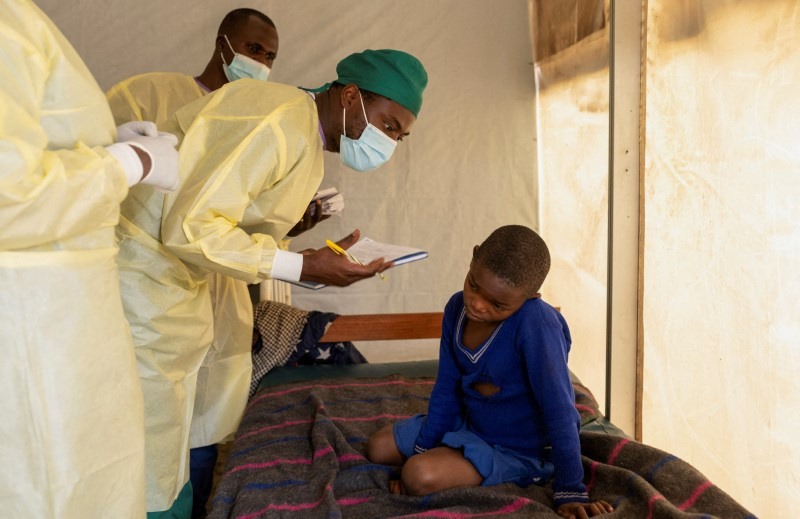
FILE PHOTO: Dr. Tresor Wakilongo, verifies the evolution of skin lesions on the ear of Innocent, suffering from Mpox – an infectious disease caused by the monkeypox virus that sparks off a painful rash, enlarged lymph nodes and fever; at the treatment centre in Munigi, following Mpox cases in Nyiragongo territory near Goma, North Kivu province, Democratic Republic of the Congo July 19, 2024. REUTERS/Arlette Bashizi/File Photo

Mpox, formerly known as monkeypox, is a viral infection that can cause flu-like symptoms and distinctive skin lesions. The global outbreak in 2022 led to increased awareness and monitoring of the disease worldwide.

Thailand’s vigilance in detecting and responding to this case demonstrates the ongoing challenges in managing infectious diseases in an era of global travel. The potential introduction of a new mpox strain underscores the importance of international cooperation in disease surveillance and control.

As health authorities await the test results, this case serves as a reminder of the need for continued public health measures, including thorough screening of international travelers and rapid response to potential outbreaks.

The Thai government has not announced any new travel restrictions or public health measures in response to this case. However, officials urge the public to remain vigilant and report any symptoms consistent with mpox to healthcare providers promptly.

This development comes as countries worldwide continue to grapple with various public health challenges, balancing the need for open borders and economic recovery with the imperative of protecting public health.

Reuters

Uganda Expands Oil Exploration to Two New Regions

0

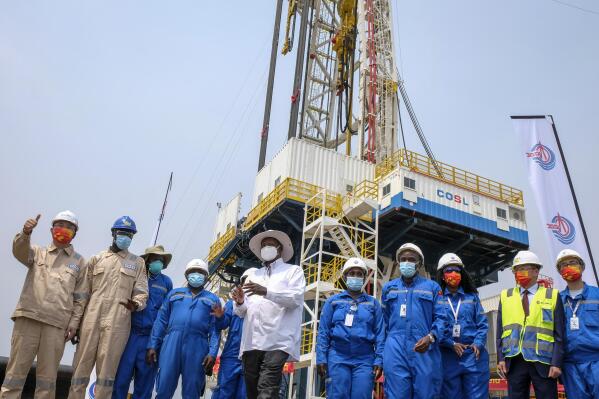
KAMPALA, Uganda  — Uganda is expanding its oil exploration efforts to two new regions, potentially increasing the East African nation’s proven reserves beyond the current 6.5 billion barrels, Energy Minister Ruth Nankabirwa announced Wednesday.

Speaking at a press conference in Kampala, Nankabirwa revealed that government geologists are conducting preliminary petroleum exploration studies in the Moroto-Kadam Basin in the north and the Kyoga Basin in the northeast.

“Early results suggest the potential for commercial oil and gas in the Moroto-Kadam Basin,” Nankabirwa said, indicating promising prospects for the country’s energy sector.

These exploration efforts come nearly two decades after the discovery of commercial quantities of crude oil in the Albertine Graben basin near the border with the Democratic Republic of Congo. Despite this long-standing discovery, production is not expected to begin until next year.

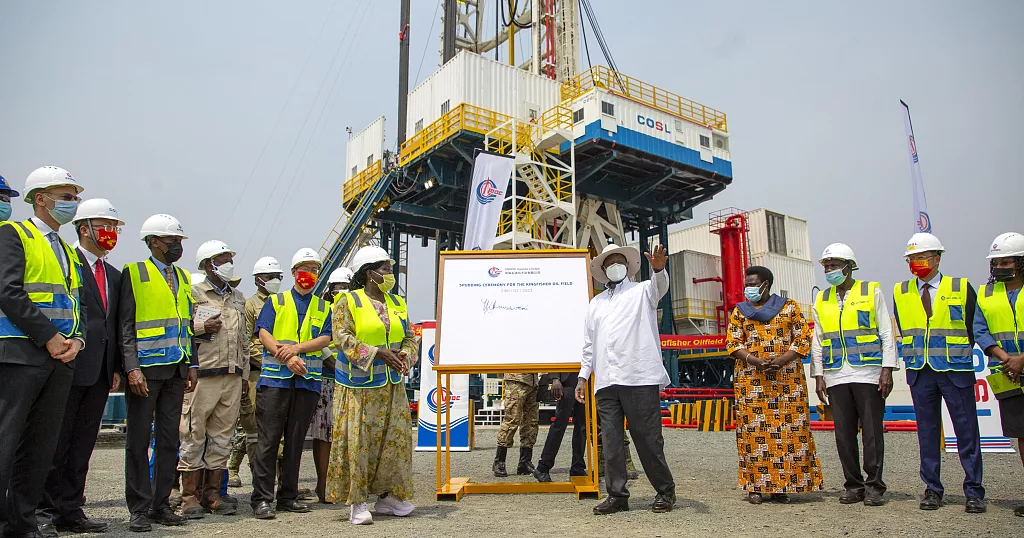
Uganda’s energy ministry reports that the country has five basins with suspected hydrocarbon potential, but only the Albertine basin has been successfully explored to date. The Albertine basin houses two major oil fields, Tilenga and Kingfisher, which are majority-owned by French energy giant TotalEnergies with a 56.7% stake. China’s CNOOC and the Uganda National Oil Company (UNOC) hold the remaining shares.

The path to commercial production has been fraught with delays, attributed to various factors including disagreements with oil firms over field development strategies and taxation, as well as infrastructure and funding challenges. Nankabirwa reported that only 72 of the planned 457 wells have been drilled in the Tilenga and Kingfisher oilfields.

In a move to diversify its energy portfolio, Nankabirwa announced that oil firms have submitted a plan for a liquefied petroleum gas (LPG) facility, for which the government intends to issue a license.

A critical component of Uganda’s oil export strategy is the East African Crude Oil Pipeline (EACOP), a 1,445-kilometer (895-mile) pipeline that will transport crude oil to Tanzania’s Indian Ocean coast. Nankabirwa stated that the government expects a decision next month from potential Chinese funders, including EXIM bank and SINOSURE, regarding credit for the EACOP project.

The expansion of oil exploration activities and the development of associated infrastructure underscore Uganda’s ambition to become a significant player in the global oil market. However, these efforts have raised concerns among environmental activists about the potential ecological impact, particularly on protected areas and water resources.

Ukraine Launches Major Drone Attack on Moscow, Russia Reports

0

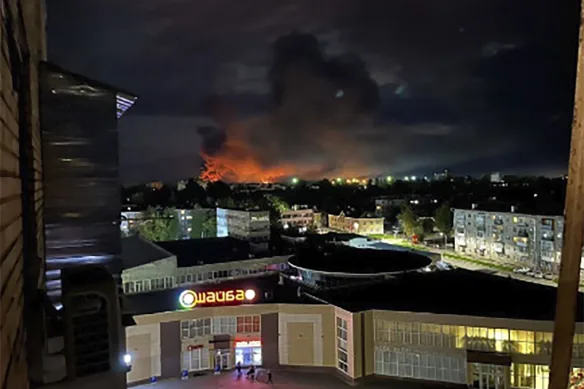
Ukrainian forces launched one of the largest drone attacks on Moscow since the beginning of the conflict, Russian officials reported Wednesday. The assault marks a significant escalation in the ongoing war between the two nations.

According to Russia’s defense ministry, a total of 45 drones were destroyed over Russian territory, with 11 intercepted over the Moscow region alone. Moscow Mayor Sergei Sobyanin described the incident as “one of the largest attempts to attack Moscow using drones ever.”

The attack prompted temporary closures of Moscow’s major airports — Vnukovo, Domodedovo, and Zhukovsky — for approximately four hours, disrupting air traffic in the capital region. Operations resumed at 0330 GMT, according to Russia’s aviation watchdog.

Sobyanin reported that some drones were destroyed over Podolsk, a city approximately 38 kilometers (24 miles) south of the Kremlin. Despite the scale of the attack, preliminary reports indicate no injuries or significant damage in the Moscow region.

The drone assault comes as the conflict in Ukraine continues to evolve. On August 6, Ukraine launched a significant incursion into Russia’s western Kursk region, marking the largest foreign attack on Russian soil since World War II. Russian war bloggers report ongoing intense battles along the front in Kursk, where Ukraine has reportedly captured at least 450 square kilometers (175 square miles) of territory.

In addition to the Moscow region, Russian officials reported intercepting drones in several other areas, including the Bryansk, Belgorod, Kaluga, and Kursk regions. The governor of the Rostov region in southwestern Russia also reported the destruction of a Ukraine-launched missile, though this was not confirmed in the defense ministry’s statement.

This attack represents a significant escalation in Ukraine’s drone warfare strategy, which has previously targeted Russian refineries and airfields. The assault on the Moscow region, home to over 21 million people, demonstrates Ukraine’s capacity to strike deep within Russian territory.

The conflict, which began in February 2022, has largely been characterized by artillery exchanges and drone warfare across eastern Ukraine. However, recent developments, including the Kursk incursion and this large-scale drone attack, suggest a potential shift in tactics.

Russian media circulated unverified footage showing drones flying over the Moscow region at dawn before being shot down by air defenses. The Russian military’s ability to intercept such a large number of drones highlights the sophistication of Moscow’s air defense systems.

As the conflict enters its 18th month, both sides continue to seek tactical advantages. Ukraine’s ability to launch such a significant attack on the Russian capital may have strategic implications, potentially affecting morale and demonstrating vulnerabilities in Russian defenses.

International observers and diplomats are closely monitoring these developments, as they may impact ongoing peace negotiations and the overall trajectory of the conflict. The attack on Moscow, coupled with Ukraine’s advances in Kursk, underscores the war’s potential to escalate and spread beyond the initial combat zones in eastern Ukraine.

Dutch Passenger Rescued, Two Missing After Plane Crashes into Lake Malawi

0

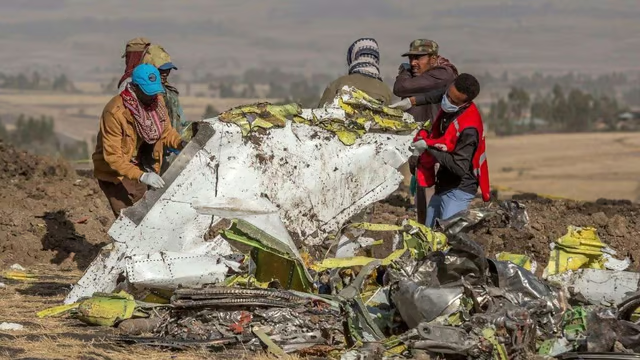
A small charter plane crashed into Lake Malawi on Tuesday, resulting in one rescued passenger and two missing individuals, Malawian officials reported. The incident has prompted a search and rescue operation in Africa’s third-largest lake.

Moses Kumkuyu, Malawi’s Information Minister, confirmed in a statement that the aircraft, a Cessna C210 operated by Nyasa Express charter airline, went down near the shoreline in shallow waters. The plane was en route from the central town of Nkhotakota to Liwonde in the south when the accident occurred.

“A female Dutch passenger has been rescued by local fishermen,” Kumkuyu said. “She sustained minor injuries and is currently receiving treatment at a nearby hospital.” The minister did not disclose the passenger’s age or identity.

The fate of the pilot and another passenger remains unknown, with rescue efforts ongoing. Authorities have located the aircraft and are coordinating a comprehensive search operation.

The Cessna C210 is a single-engine, six-seat aircraft commonly used for charter flights. Nyasa Express, the operator, is a local charter airline serving various destinations within Malawi. The company has not yet issued a statement regarding the incident.

Lake Malawi, spanning approximately 580 kilometers (360 miles) in length, covers more than half the length of the country. Its vast size presents challenges for search and rescue operations, particularly in remote areas.

This incident highlights the risks associated with small aircraft operations in the region. Malawi, like many African nations, relies heavily on small planes for domestic travel due to limited road infrastructure in rural areas.

The Malawian Department of Civil Aviation has not yet commented on potential causes of the crash. Typically, investigations into such incidents involve examining factors such as weather conditions, mechanical issues, and pilot error.

20 Dead, Hundreds Missing in Congo Boat Accident

0

KINSHASA, Congo  — A boat accident on the Lukeni river in western Congo has left at least 20 people dead and hundreds missing, local officials reported Tuesday. The incident, which occurred over the weekend, marks the latest in a series of deadly maritime accidents in the central African nation.

Jacques Nzenza Mongie, the Kutu territory administrator, told The Associated Press that the motorized wooden vessel was carrying approximately 300 passengers when it collided with a sunken barge while navigating at night. The crash resulted in at least 20 confirmed fatalities, with corpses recovered during Tuesday’s search efforts.

“We’ve rescued 46 people so far, but hundreds are still unaccounted for,” Mongie said during a news conference. The full extent of the casualties remains unclear as search and rescue operations continue.

The accident highlights persistent safety issues in Congo’s waterways. Overloading and night navigation, both illegal practices in the country, are often cited as contributing factors to such incidents. In June, a similar tragedy near the capital resulted in 80 deaths when an overloaded boat sank.

Lebon Nkoso Kevan, governor of Maï-Ndombe province where the accident occurred, announced that a provincial commission has been dispatched to the site to investigate the cause and determine responsibility. “Navigating by night is strictly prohibited in Congo,” Kevan emphasized, underscoring the gravity of the violation.

Congolese officials have repeatedly warned against overloading and pledged to penalize those who violate water transportation safety measures. However, enforcement remains a challenge in a country with vast waterways and limited resources for monitoring.

The frequency of such accidents points to broader issues in Congo’s transportation infrastructure. Many communities rely heavily on river transport due to poor road conditions and limited alternatives, often leading to overcrowding on available vessels.

Maritime experts suggest that improving safety standards, enhancing regulatory oversight, and investing in modern navigation equipment could help prevent future tragedies. However, implementing such measures across Congo’s extensive river network presents significant logistical and financial challenges.

Blinken Concludes Middle East Visit Without Ceasefire Deal, Urges Urgency

0

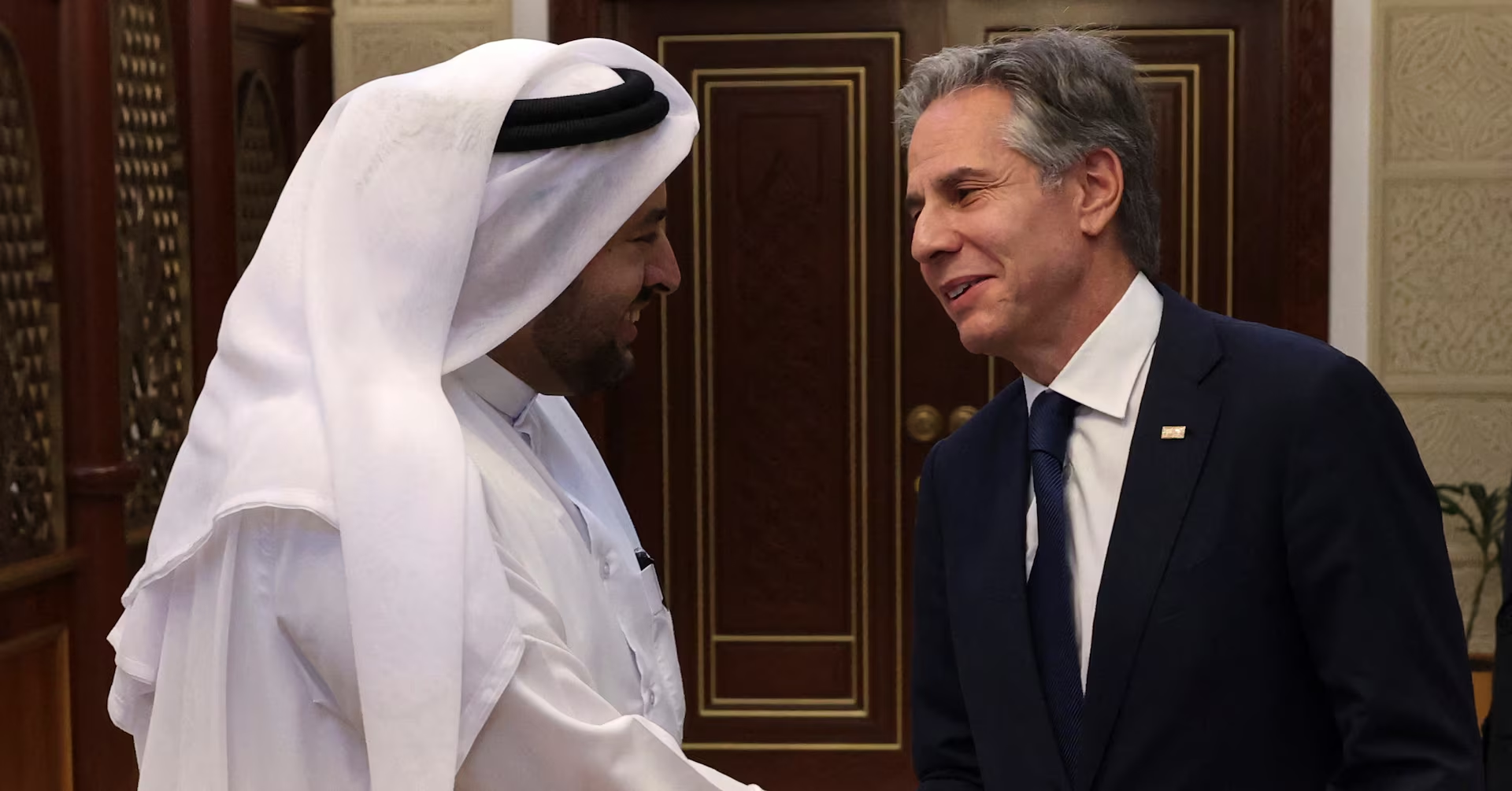
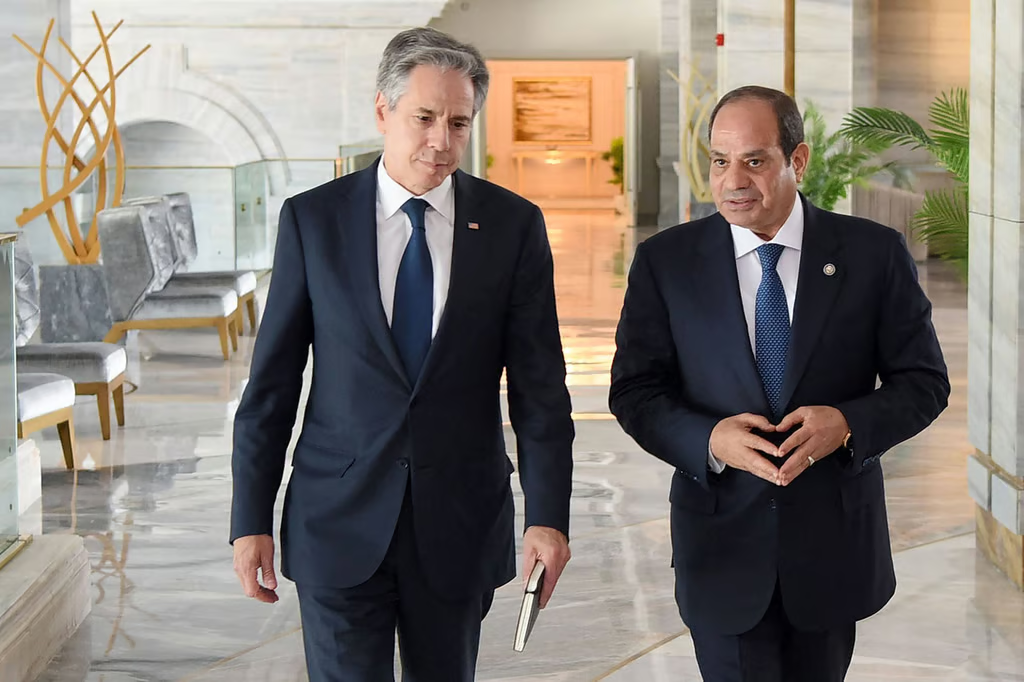
DOHA, Qatar — U.S. Secretary of State Antony Blinken concluded his ninth visit to the Middle East since the outbreak of the Israel-Hamas war on Tuesday, failing to secure a major breakthrough in ceasefire negotiations. Blinken emphasized the critical nature of the situation, stating that “time is of the essence” in reaching an agreement.

Following meetings with mediators in Egypt and Qatar, Blinken told reporters in Doha, “We need to get a ceasefire and hostage agreement over the finish line, and we need to do it now.” His comments reflect growing international concern over the prolonged conflict and its humanitarian consequences.

The urgency of Blinken’s mission has been underscored by recent developments, including the targeted killings of militant leaders of Hamas and Hezbollah in Iran and Lebanon, both attributed to Israel. These incidents have raised fears of a potential wider regional conflict.

Despite the lack of a breakthrough, Blinken reported that Israel has accepted a U.S.-backed proposal aimed at bridging gaps with Hamas. He stated that the focus now turns to securing Hamas’ agreement and ensuring both sides concur on key implementation details.

The so-called bridging proposal, put forth by the U.S., Egypt, and Qatar, reportedly provides clear guidelines on the schedule and locations of Israeli military withdrawals from Gaza. However, few specifics have been made public.

Hamas responded to the latest proposal with skepticism, characterizing it as a reversal of previously agreed terms and accusing the U.S. of acquiescing to new conditions from Israel. The U.S. has not immediately responded to these claims.

In Israel, Prime Minister Benjamin Netanyahu met with right-wing groups representing families of fallen soldiers and hostages in Gaza. These groups, which oppose a ceasefire deal, reported that Netanyahu assured them Israel would not abandon two strategic corridors in Gaza that have been obstacles in negotiations. Netanyahu’s office did not comment on this account.

The ongoing conflict has had devastating consequences. Israel’s military announced the recovery of bodies of six hostages taken in Hamas’ October 7 attack, bringing fresh grief to many Israelis. The war has resulted in over 40,000 Palestinian deaths, according to Gaza’s Health Ministry, and has caused widespread destruction and displacement in the territory.

Humanitarian conditions in Gaza continue to deteriorate, with aid groups warning of potential disease outbreaks. Recent Israeli airstrikes have resulted in further civilian casualties, including an attack on a school-turned-shelter in Gaza City that killed at least 12 people.