Home Blog Page 794

More Than 40,000 Killed in Gaza, Says Hamas-Run Health Ministry

0

More than 40,000 Palestinians have died as a result of Israeli military actions in Gaza since the October 7 Hamas-led attack on Israel, according to figures from the Hamas-run Gaza Health Ministry released on Thursday. The death toll—reported to be 40,095—represents roughly 1.7% of the 2.3 million people who live in the densely populated territory.
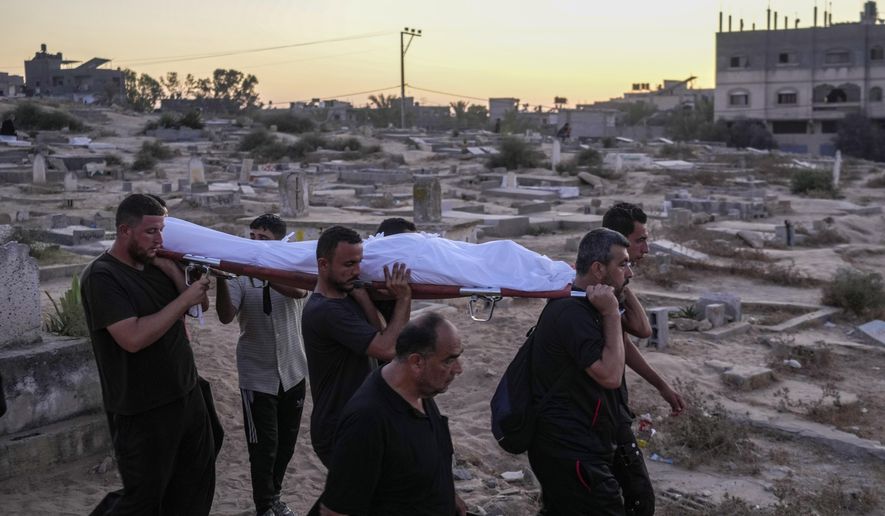
In addition to the staggering number of fatalities, satellite imagery analysis indicates that approximately 60% of the buildings in Gaza have either been damaged or completely destroyed since the beginning of the conflict.

The southern city of Rafah has been among the hardest hit by airstrikes and ground operations, suffering extensive damage, according to the imagery.

The Gaza Health Ministry’s report does not differentiate between civilians and combatants in its tally of the deceased. However, Israeli officials told the BBC that over 15,000 terrorists affiliated with Hamas have been killed during the ongoing war.

The figures provided by both sides, particularly by the Gaza Health Ministry, have historically been widely reported during periods of conflict and are frequently referenced by international bodies such as the United Nations.

The breakdown of the Gaza Health Ministry’s data reveals that a significant proportion of the dead are women, children, and elderly civilians, though no specific figures have been released to distinguish among these groups.

Journalistic access to Gaza has been severely restricted. Israel has barred international journalists, including those from the BBC and other major outlets, from entering the region, meaning they are unable to independently verify claims from either side.

Furthermore, data from Gaza is often difficult to cross-check due to the destruction of infrastructure, including damage to hospitals and severe limitations on internet access and communications.

In recent weeks, the Gaza Health Ministry’s ability to function has been further compromised by ongoing airstrikes and blockades, preventing it from properly operating in areas like mortuary services and medical data gathering.

Reports indicate that the Ministry has resorted to using ad-hoc systems in hospitals for counting and identifying the dead, as communication systems and internet services have been largely incapacitated.

The Gaza Ministry of Health’s Central Media Office (CMO) has begun publishing numbers and casualty figures online as conditions allow, though these figures are increasingly relying on “reliable media” sources due to the collapse of traditional reporting methods. These numbers may also include those who remain unaccounted for and presumed dead under the rubble of bombed-out buildings.

As of this month, figures are believed to be incomplete, as many bodies remain unidentified due to infrastructure failures across Gaza, including a lack of mortuary facilities and limited access to forensic services.

This has led to a growing number of missing persons being included in the total death count. The full extent of the devastation is unlikely to be known for some time due to the sheer scale of destruction and the ongoing military operations throughout the region.
Botswana, US Address Challenges Facing Women in Military

0

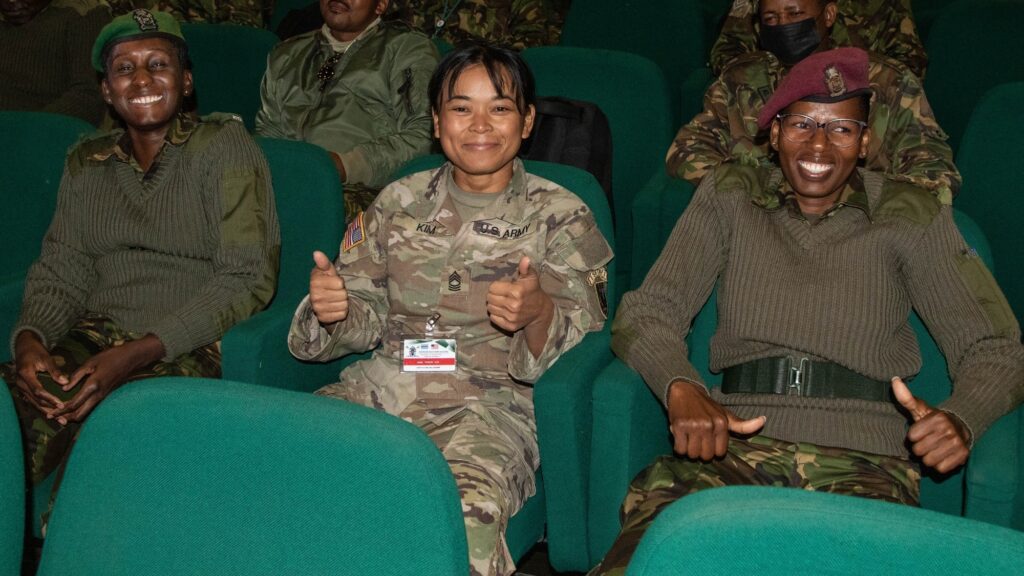
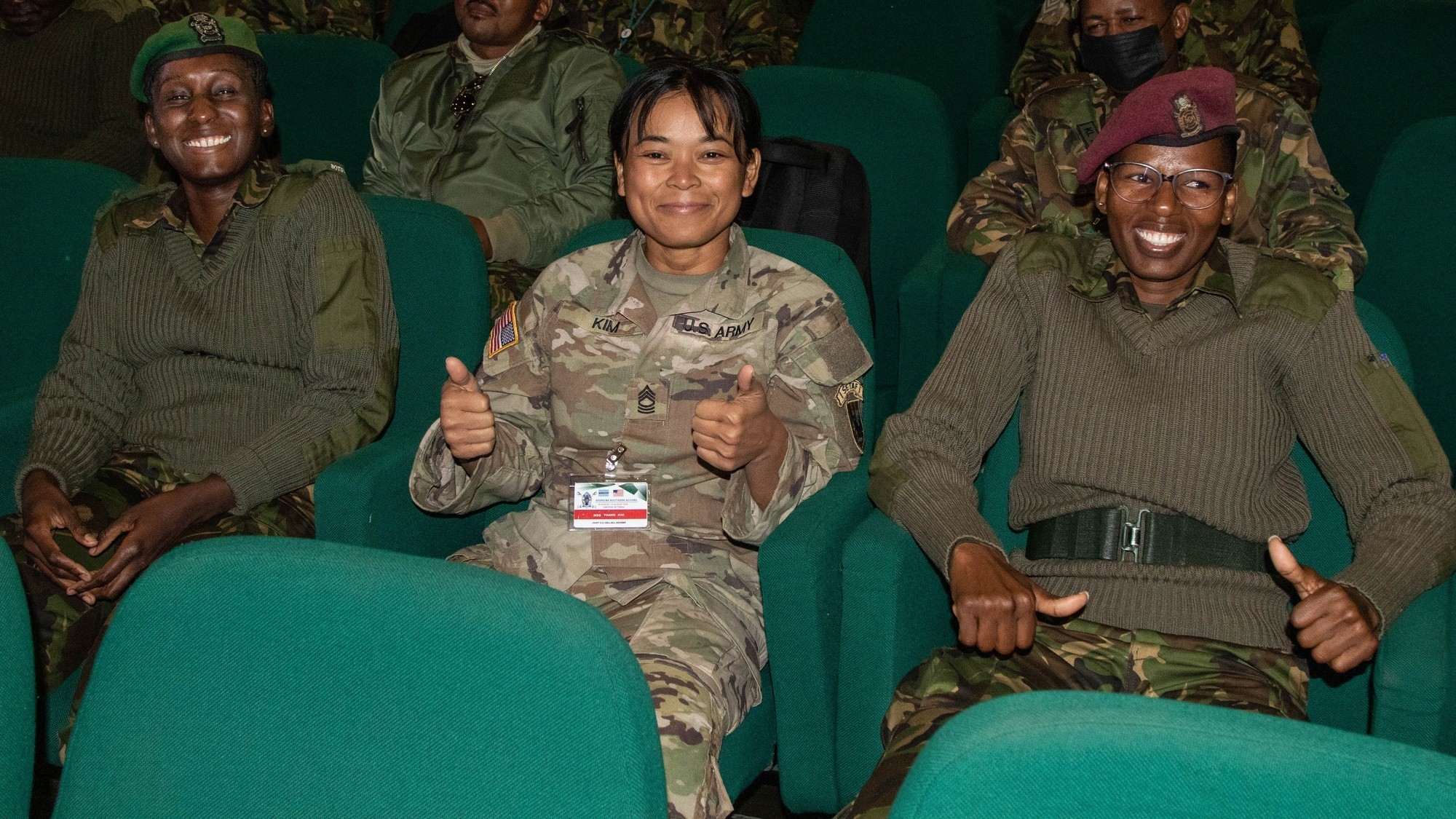
U.S. and Botswanan military personnel recently participated in a three-day workshop aimed at improving the integration of women into Botswana’s army. The event, part of the larger Southern Accord 2024 program concluding on Thursday, addressed key issues such as sexual harassment and the need for tailored equipment for female personnel.

Major Teisha Barnes, military operations officer of the U.S. Army Southern European Task Force, Africa (SETAF-AF), highlighted the challenges women face in military service. “One of the big challenges is not letting women broaden their horizons and putting them in a box,” Barnes stated, emphasizing that limited opportunities often prevent women from rising to higher ranks.

Barnes detailed recent changes in the U.S. military to accommodate women, including modifications to uniforms and equipment. “We have made several changes in the U.S. over the last 10 to 15 years to accommodate women based on body type and changes to uniform just to help women feel more comfortable within the military,” she explained. Specific issues addressed included ill-fitting protective vests that could cause injuries and boots that were difficult for some women to break in due to weight differences.

Botswana Defense Forces Major P. Sergio acknowledged ongoing challenges for women in Botswana’s military, citing cultural beliefs as a significant barrier. “In our culture, men believe that women cannot join the army because it is tough and we are soft, we are not masculine,” Sergio said, adding that changing such perceptions will take time.

U.S. Ambassador to Botswana Howard Van Vranken stressed the importance of equal opportunities for women in the military. “It is [a] kind of approach to problem solving that incorporates everyone’s strength and enables us to bring everyone into the equation on an equal basis,” he stated, emphasizing the need for diverse contributions in addressing 21st-century security challenges.

The workshop is part of Southern Accord 2024, a broader initiative aimed at strengthening bilateral military capabilities. Brigadier General John LeBlanc, SETAF-AF deputy commanding general, reported that this year’s exercise, involving 700 military personnel, has been successful.

This collaborative effort between the U.S. and Botswana militaries represents a significant step towards addressing gender equality and integration issues in armed forces.

By sharing experiences and best practices, both nations aim to create more inclusive and effective military environments that fully utilize the talents of all personnel, regardless of gender.

Namibia Relocates 7 Elephants to Angola’s Cuatir Nature Reserve

0

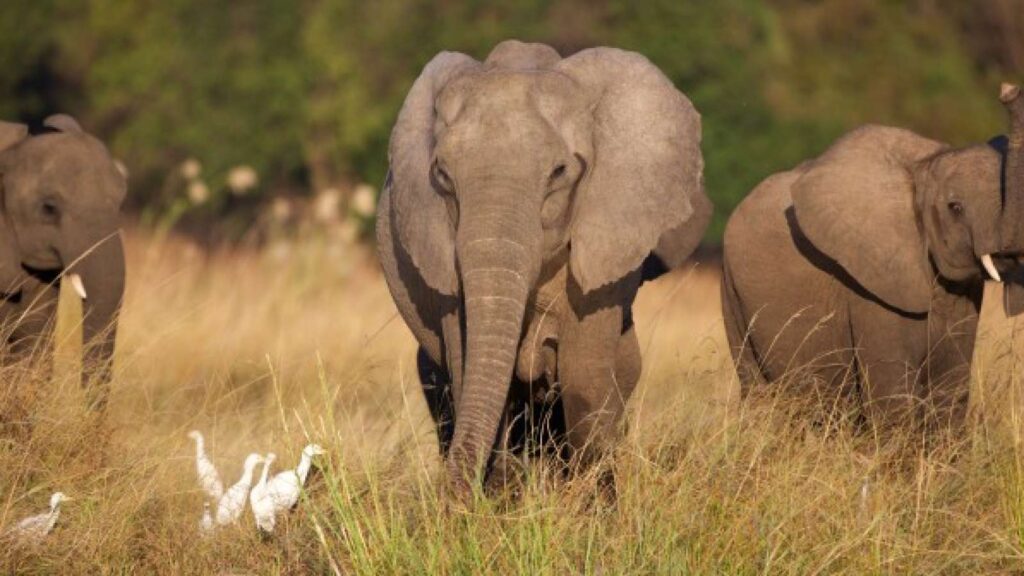
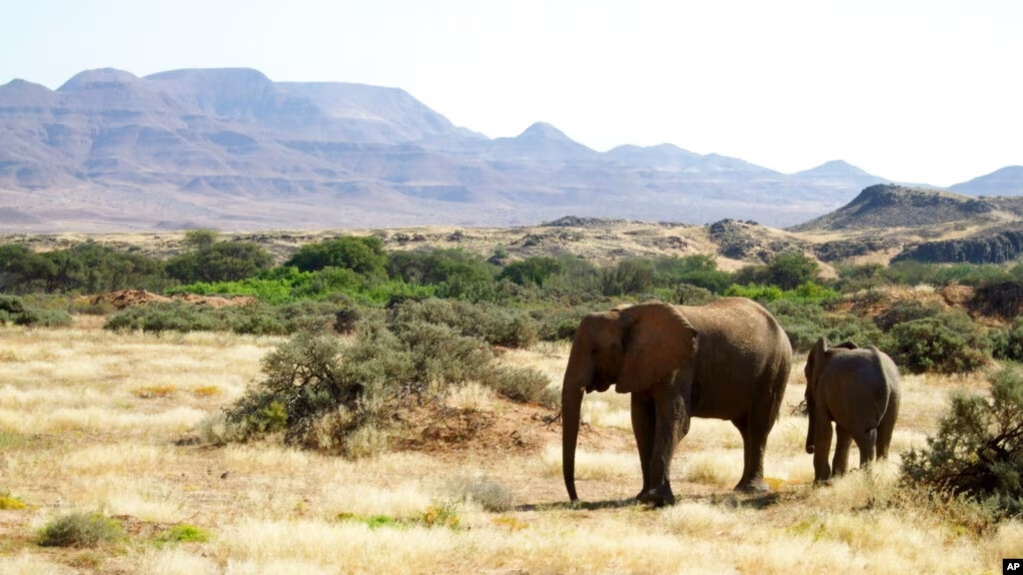
Seven elephants from Namibia have been successfully relocated to the Cuatir Nature Reserve in southeastern Angola. The move, completed between August 5-7, 2024, aims to provide the elephants with a new habitat and help repopulate an area that lost its elephant population during Angola’s 27-year civil war.

The elephants were transported from the Mount Etjo Safari Lodge in Namibia, where a persistent seven-year drought has reduced forage and grazing land for a herd of 50 elephants. The relocation involved a 700-kilometer (435-mile) journey that took 38 hours by road.

Stephen Van Wyk, owner of the Cuatir Nature Reserve, explained the historical context: “Elephants were taken out completely due to their value for meat to feed people and also the value of their tusks to pay for the war expenses.” The reserve, which spans 40,000 hectares, is now working to reintroduce elephants to the area.

Annette and Alex Oelefse, owners of the Mount Etjo Safari Lodge, plan to relocate an additional 14 to 16 elephants in the coming weeks. Annette Oelefse reported that the relocated group, which includes a mother and her young, is adapting well to their new environment. “She is the stability of a herd and also her young and so that forms a beautiful herd. She has gone with her family, her teenage calves and her little calf, so the structure is a very stable family,” Oelefse stated.

Wildlife veterinarian Ulf Tubbesing, who assisted in the relocation, described the new habitat as “paradise” compared to the drought-stricken conditions in Namibia. The elephants will be kept in an electrically fenced area within the Cuatir reserve.

Experts note that while elephant relocation is an expensive undertaking, it remains the best option to repopulate areas where these animals once roamed freely and to alleviate pressure in overpopulated areas. This relocation effort represents a significant step in wildlife conservation, addressing both the challenges of drought-affected regions and the restoration of elephant populations in previously inhabited areas.

A VOA story

Nigeria Inflation Falls for First Time in Over a Year, Offering Some Relief Amid Economic Challenges

0

ABUJA, NIGERIA – Nigeria’s headline inflation rate dropped in July for the first time in over a year, offering some relief to the country’s population amid ongoing economic challenges. The inflation rate fell to 33.40% in July on an annual basis, down from 34.19% in June, according to data released by the National Bureau of Statistics (NBS) on Thursday.

Analysts have suggested that June’s inflation reading could mark the peak of the inflationary cycle in Nigeria as the effects of the naira’s devaluation begin to stabilize. The slowdown in inflation is expected to provide some respite to Nigerians, many of whom have been grappling with high prices and economic reforms under President Bola Tinubu’s administration.

“This is a positive signal that the worst of the inflationary surge may be behind us,” said an economic analyst from Lagos. “However, challenges remain, and the road to recovery will be long.”

The drop in inflation is seen as a reflection of Nigeria’s attempts to manage the economic turmoil triggered by recent policy changes. President Tinubu’s administration has undertaken a series of reforms aimed at boosting economic growth and shoring up public finances. These reforms include removal of decades-old fuel subsidies, the devaluation of the naira, and hikes in electricity tariffs. However, these efforts have also exacerbated inflationary pressures, placing a strain on household incomes across Africa’s most populous nation.

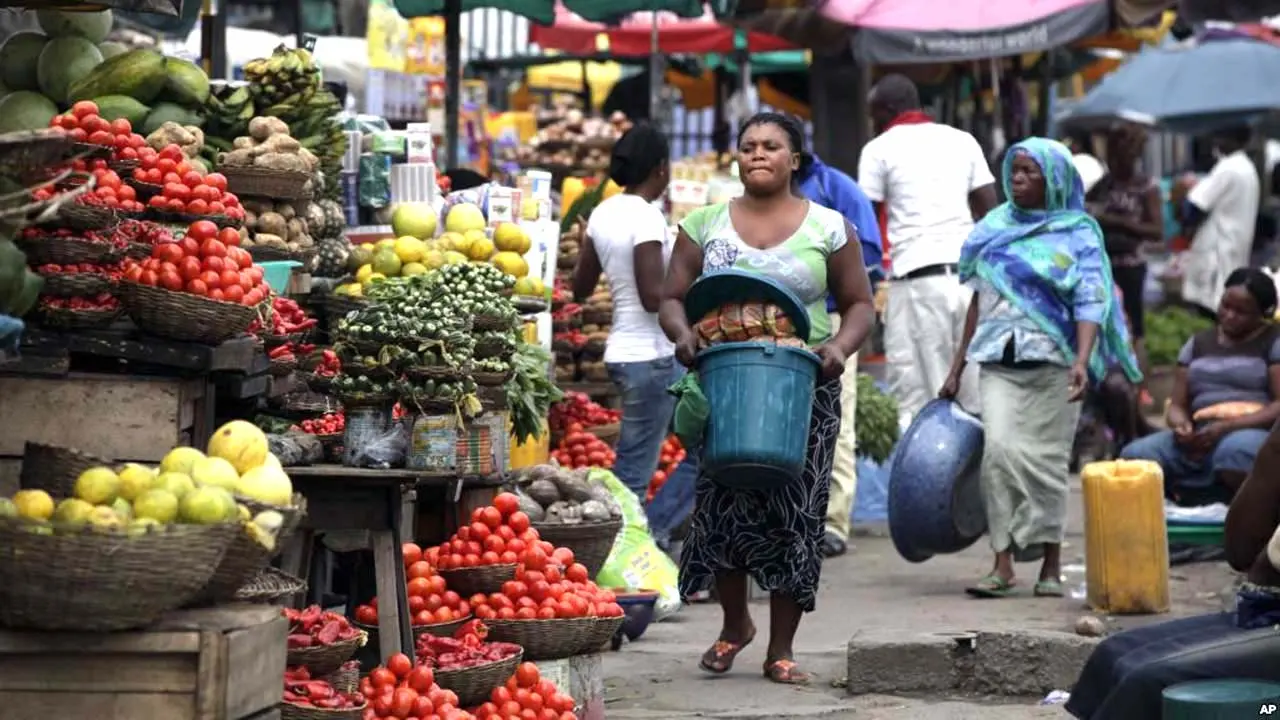
“Many Nigerians are feeling the pinch from these reforms. While the economy may benefit in the long run, the immediate impact on people’s daily lives has been difficult,” said a local market trader in Abuja. “Food prices are still high, and power bills have skyrocketed.”

The last time Nigeria saw annual inflation fall was in December 2022, making July’s decline a significant development for policymakers. Despite this, Nigeria remains one of the countries with the highest inflation rates in Africa.

The Central Bank of Nigeria (CBN) has raised interest rates four times in 2023 in an effort to rein in inflation, but the decision to ease in July has been welcomed by many as a sign that the worst may be over. However, some analysts remain cautious, warning that the impact of global factors and domestic challenges could still pose risks to Nigeria’s economic outlook.

“We’ve seen progress, but inflation is still at unsustainably high levels,” said a financial analyst in Lagos. “Further structural reforms will be necessary to maintain momentum and drive growth.”

The Central Bank of Nigeria’s next rate-setting meeting is scheduled for late September, where policymakers are expected to evaluate the success of recent reforms and decide on the next steps for managing inflation and promoting growth.

The National Bureau of Statistics (NBS) also reported that food and non-alcoholic beverages continued to be the biggest contributors to inflation in July. Food inflation eased slightly to 39.53% from 40.87% in June, but it remains a significant burden for most Nigerian households.

“Food prices have come down a bit, but they are still too high for many families to afford,” said a mother of three in Lagos. “We’re hoping that prices will fall even further in the coming months.”

Reuters

Death Toll from Uganda Garbage Landslide Rises to 26, with 39 Still Missing

0

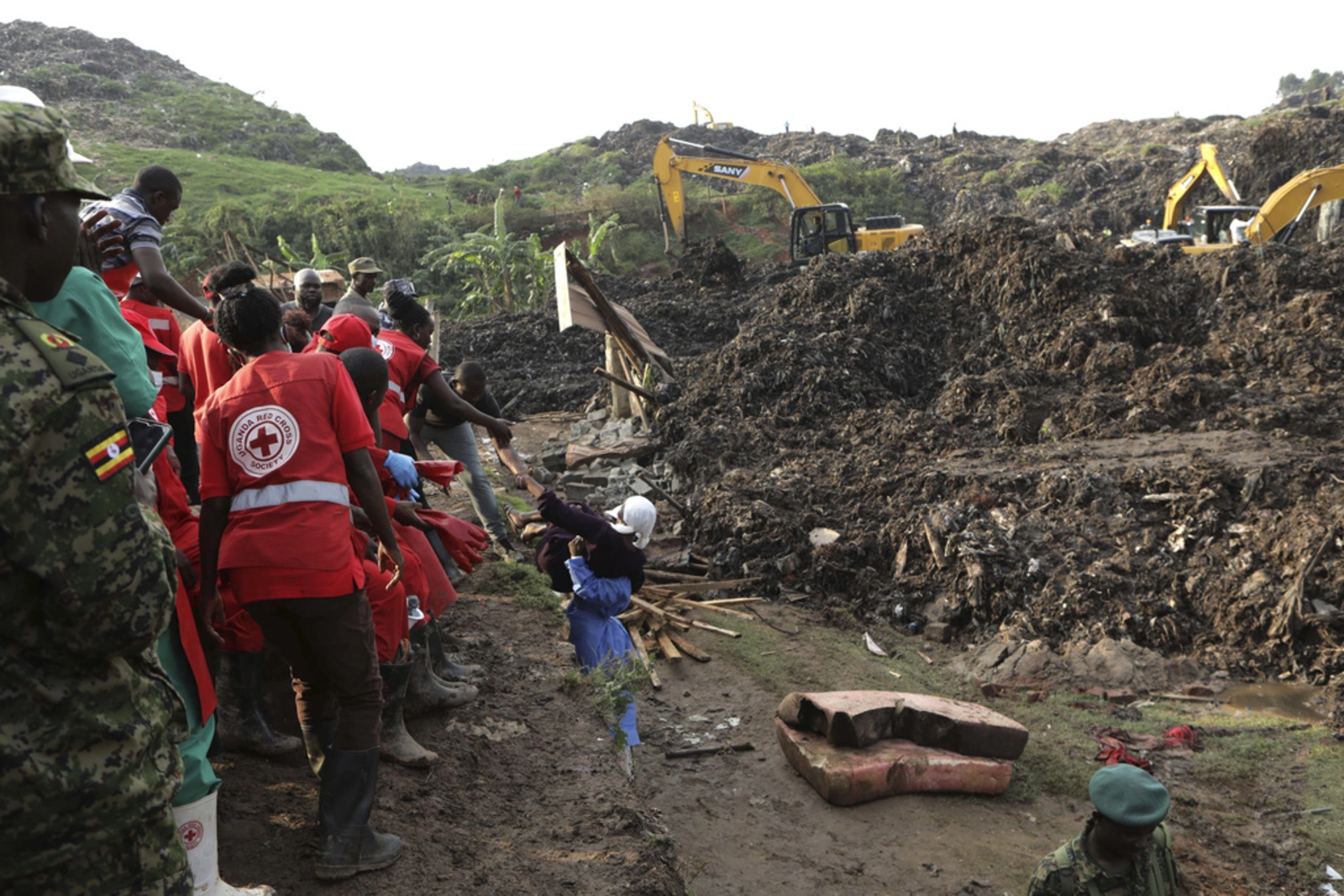
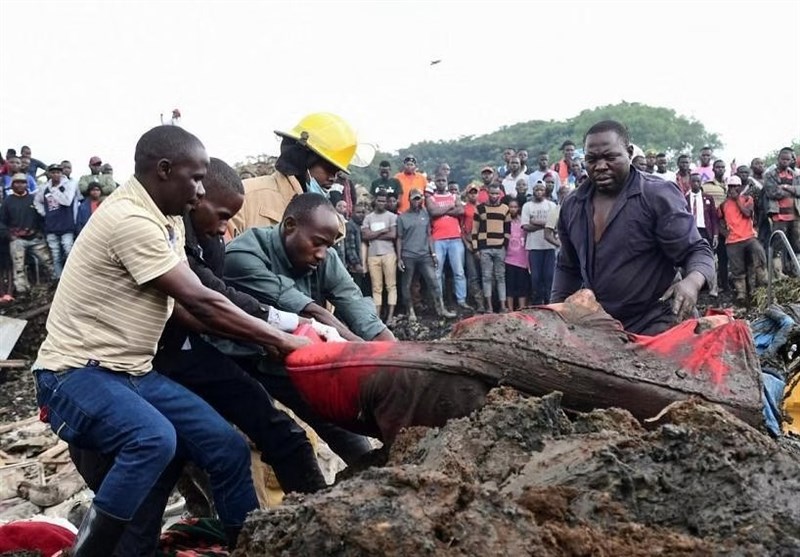
KAMPALA, UGANDA – The death toll from last week’s catastrophic garbage landslide at a vast landfill site on the outskirts of Uganda’s capital, Kampala, has increased to 26 as of Wednesday, according to local authorities. The search continues for 39 people still missing, as rescuers work tirelessly to recover those feared buried beneath the tons of garbage.

The disaster occurred late Friday night when a “mountain of garbage” collapsed at the landfill in the Kiteezi area, burying dozens of people as they slept. The collapse followed several days of torrential rainfall, which has plagued the region in recent weeks, triggering widespread flooding and damage across East Africa.

“We have now confirmed 26 dead, and unfortunately, the number could rise as we continue our recovery efforts,” said a police spokesperson at a press briefing. “We are still working to locate and retrieve the bodies of those who remain missing.”

As of Sunday, the death toll stood at 21. By midweek, rescuers had recovered more bodies from the site and were working with survivors to estimate the number of people still unaccounted for. Those missing include 35 residents from the local community who lived near the landfill and four workers who were at the dump site collecting garbage at the time of the collapse.

“The site is extremely dangerous, and we are using all available resources to excavate the area carefully. We are hoping to recover more of the missing, but the situation remains dire,” the police spokesperson added.

The collapse has drawn attention to the ongoing environmental and safety concerns surrounding Kampala’s landfill, which has long been criticized for poor management and hazardous conditions. Residents living near the landfill have frequently voiced complaints about the site, citing severe health risks and the buildup of hazardous waste.

“For years, this landfill has posed a significant threat to the surrounding community. The garbage has been piling up, and with the rains, it was a disaster waiting to happen,” said a local environmental activist.

The landfill has served as Kampala’s primary waste disposal site for decades and has become a focal point of the city’s ongoing waste management crisis. In addition to the recent flooding, authorities have been grappling with the environmental consequences of the sprawling landfill, which is overwhelmed by the waste produced by the city’s growing population.

The landslide in Kampala is reminiscent of previous disasters across Africa, where poorly managed garbage dumps and waste disposal sites have resulted in deadly incidents. In 2017, a garbage landslide in Addis Ababa, Ethiopia, claimed the lives of at least 115 people after a similar collapse occurred at the Koshe landfill.

In Kampala, the tragedy has highlighted the urgent need for improved waste management infrastructure and better environmental safeguards. Local authorities have pledged to investigate the cause of the landslide and take measures to prevent future disasters.

“This incident is a wake-up call. We must address the issue of waste management in Kampala and ensure that something like this never happens again,” said a government official during a visit to the site.

Rescue operations are ongoing, but authorities have warned that hopes of finding more survivors are dwindling as the search enters its seventh day. As the community mourns the loss of life, families of the missing continue to wait for news, praying that their loved ones will be recovered from the debris.

A Reuters story

WHO Declares Mpox a Global Public Health Emergency for the Second Time in Two Years Amid Worsening Outbreak in Central Africa

0

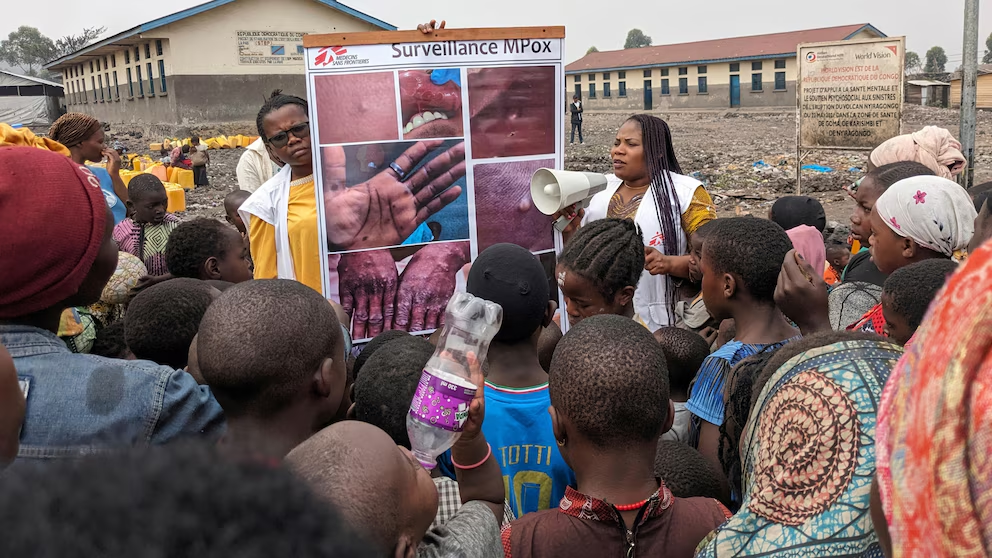
GENEVA – The World Health Organization (WHO) has declared Mpox a global public health emergency for the second time in two years, following an escalating outbreak of the viral infection in the Democratic Republic of Congo (DRC). The disease has already spread to several neighboring countries, prompting urgent international action.

An emergency committee convened on Wednesday to advise WHO Director-General Dr. Tedros Adhanom Ghebreyesus on whether the outbreak met the criteria for a “public health emergency of international concern,” or PHEIC. This designation is WHO’s highest level of alert, aimed at accelerating research efforts, funding, and global cooperation to contain the disease.

“It’s clear that a coordinated international response is essential to stop these outbreaks and save lives,” Tedros said in a press conference after the committee’s deliberations. He stressed the importance of global collaboration to prevent the spread of Mpox, noting that while the disease is usually mild, it can be fatal in rare cases.

Mpox, previously known as monkeypox, typically spreads through close contact. The current outbreak, which began in the DRC with the emergence of a new variant known as Clade Ib, appears to be more transmissible than previous strains, raising concerns among global health officials.

“This variant seems to spread more easily through routine close contact, including social interactions,” Tedros added.

The outbreak has already crossed borders into neighboring countries, including Burundi, Kenya, Rwanda, and Uganda, triggering the WHO’s decision to elevate the crisis to an international emergency.

“The detection and rapid spread of this new variant in eastern DRC, as well as its introduction to countries that have not previously reported Mpox, is deeply worrying,” Tedros emphasized.

Since the beginning of 2024, the DRC has reported more than 13,700 cases of Mpox, with at least 450 deaths linked to the virus. The most affected regions are those already grappling with limited healthcare infrastructure due to ongoing conflict, further complicating containment efforts.

“The potential for this outbreak to spread widely across Africa and beyond is very concerning,” said Tedros.

In response to the growing crisis, the WHO has allocated $1.5 million in emergency contingency funds and plans to release more resources in the coming days. The organization’s response plan aims to mobilize donor support and assist affected countries in their efforts to curb the outbreak. WHO has also announced plans to distribute vaccines and antiviral treatments to the affected regions.

Earlier in the day, Africa’s top public health body, the Africa Centres for Disease Control and Prevention (Africa CDC), declared a “public health emergency of continental security.” The organization warned that the outbreak was spreading rapidly, with more than 500 cases reported in neighboring countries in recent weeks.

As the WHO and African health authorities work to contain the outbreak, the global community is being urged to step up support for emergency response efforts. Tedros underscored the need for countries worldwide to prepare for possible Mpox cases and increase their vigilance for the disease.

“This is a critical moment. The world must act swiftly and decisively to bring this outbreak under control before it spreads further and causes more loss of life,” he said.

Reuters

UPDATED: UN Envoy Says South Sudan Is Not Ready for Its First Post-Independence Elections in December

0

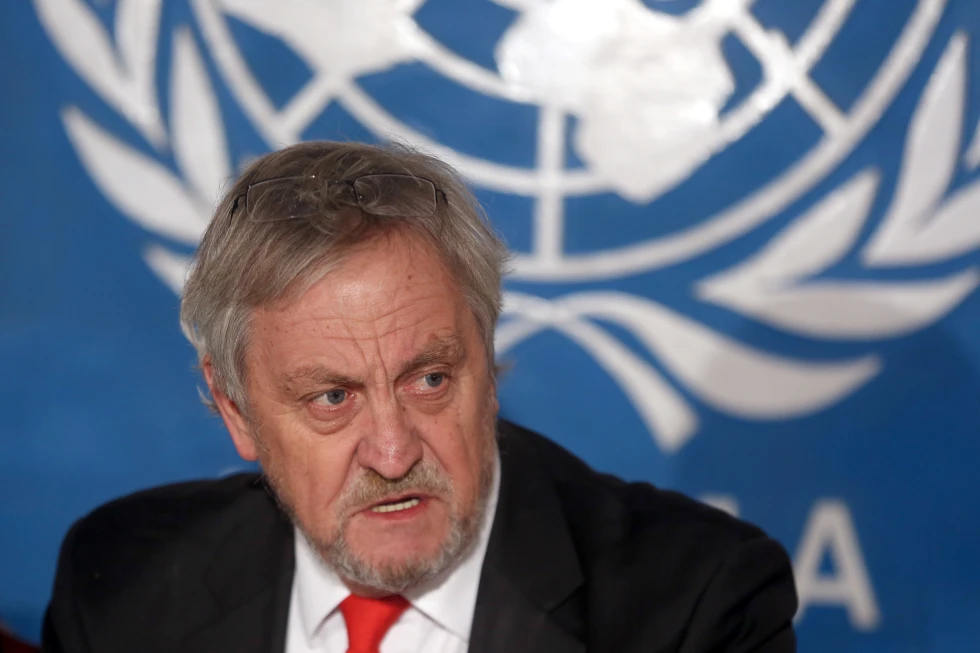
UNITED NATIONS – South Sudan is facing significant hurdles in its path to holding its first-ever post-independence elections in December 2024, according to the United Nations’ top envoy for the country. Nicholas Haysom, speaking to the U.N. Security Council on Wednesday, emphasized that the ongoing political consultations have made it difficult to treat the National Elections Commission’s recently announced date of December 22 as a fixed timeline.

Haysom described the December 22 election date as “a definitive trigger in isolation from other critical factors,” underscoring that political consensus has yet to be reached among South Sudan’s leadership. Political players are engaged in discussions about whether the vote can or should be held this year, with numerous obstacles still looming.

“South Sudan is simply not ready to hold its first post-independence elections in December,” Haysom warned. The vote, meant to be the culmination of a peace agreement signed in 2018, is intended to help South Sudan transition from years of civil war, driven largely by ethnic divisions, to a more stable political environment. However, the challenges remain daunting.

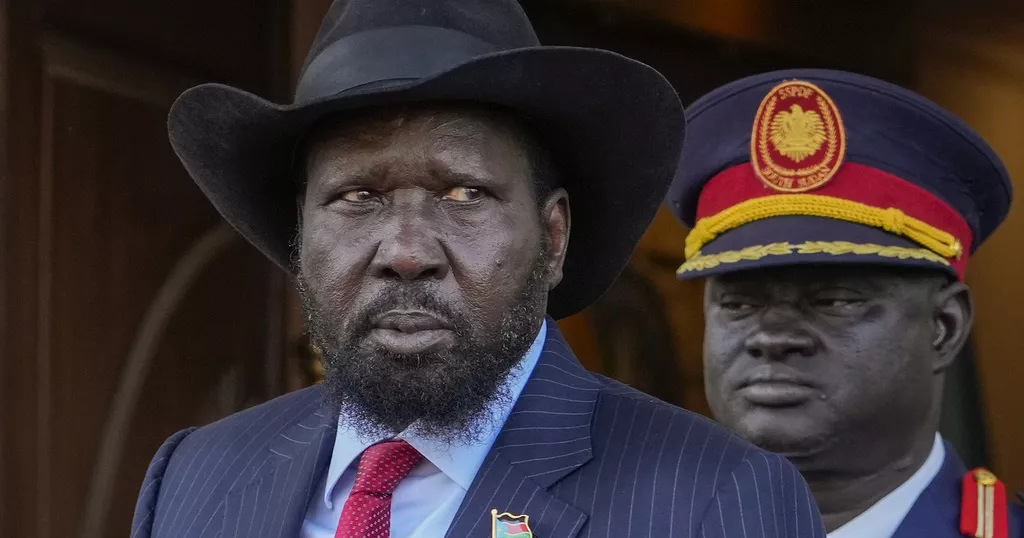
South Sudan, which became the world’s youngest nation after gaining independence from Sudan in 2011, has since been mired in conflict. The war, fought between forces loyal to President Salva Kiir and those supporting Vice President Riek Machar, has claimed the lives of around 400,000 people. The conflict has devastated the country, and peace remains fragile despite the peace agreement signed five years ago.

“The election is meant to help pull South Sudan out of a civil war, but the ongoing fighting and political fragmentation make it increasingly unlikely that elections can be held as planned,” Haysom told the Security Council.

Despite the grim outlook, there have been some positive developments. The National Elections Commission has begun the groundwork necessary for elections, including assessing “the ground-level infrastructure and facilities required for a conducive environment for conducting elections.” So far, 29 political parties have successfully registered to participate in the upcoming elections.

The UN peacekeeping mission in South Sudan remains committed to supporting the creation of an environment conducive to holding elections whenever they are deemed feasible. “The U.N. peacekeeping mission continues to support the creation of an enabling environment for elections in South Sudan whenever they are held,” Haysom added, stressing that the mission remains focused on protecting civilians and ensuring their safety in the run-up to the vote.

However, Haysom also raised concerns about the deteriorating political environment in the country. Widespread reports of civil society repression, including crackdowns on political activists, journalists, and members of the Human Rights Commission, have cast a shadow over the country’s preparations for elections. There are also concerns that a recently passed security law gives South Sudan’s National Security Service the authority to arrest individuals without a warrant, raising alarm among human rights groups and the international community.

While the country’s National Elections Commission continues to plan for December, the road ahead remains uncertain. For now, the fate of South Sudan’s first post-independence elections hangs in the balance as political instability and logistical challenges continue to threaten the country’s fragile peace.

APnews report

France Honors African Soldiers Who Helped Liberate the French Riviera from Nazi Occupation 80 Years Ago

0

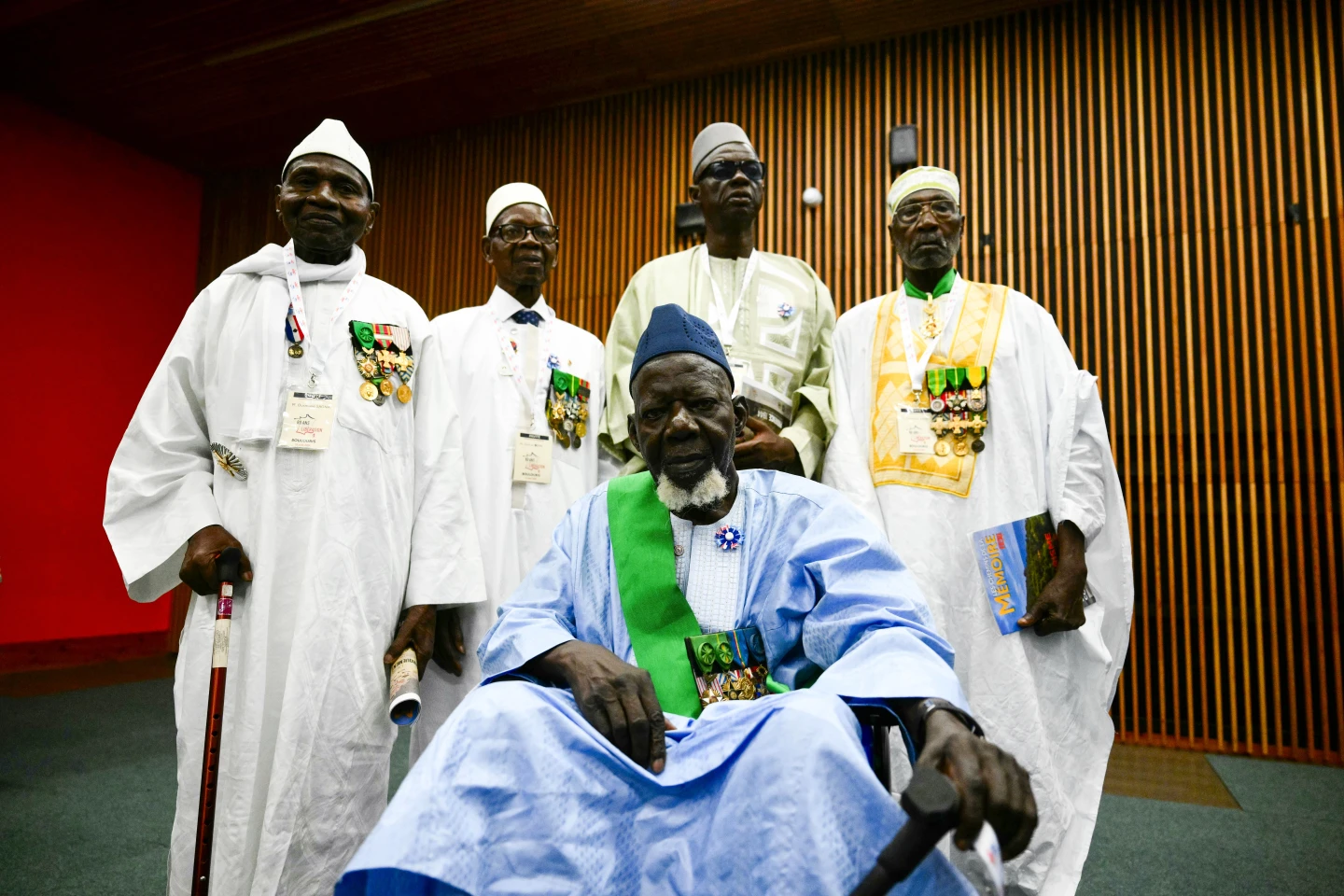
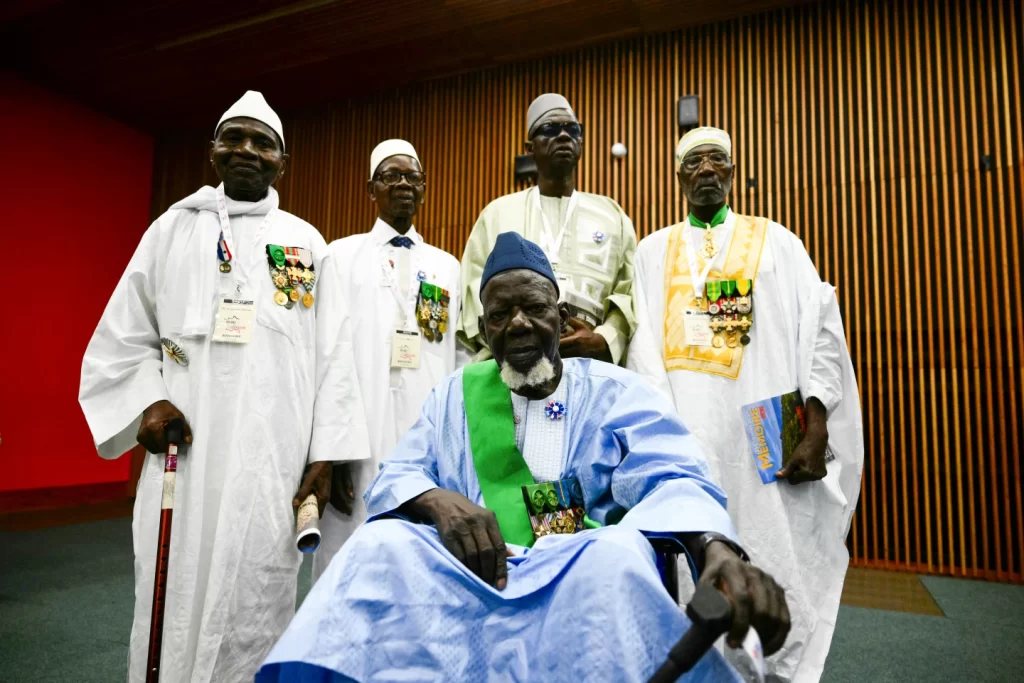
SAINT-RAPHAEL, France – On Thursday, France commemorated the 80th anniversary of the Allied invasion of the French Riviera during World War II, an operation that played a pivotal role in pushing back Nazi forces. The series of events paid special tribute to the many African soldiers from French colonies who took part in the campaign, often referred to as “the forgotten D-Day.”

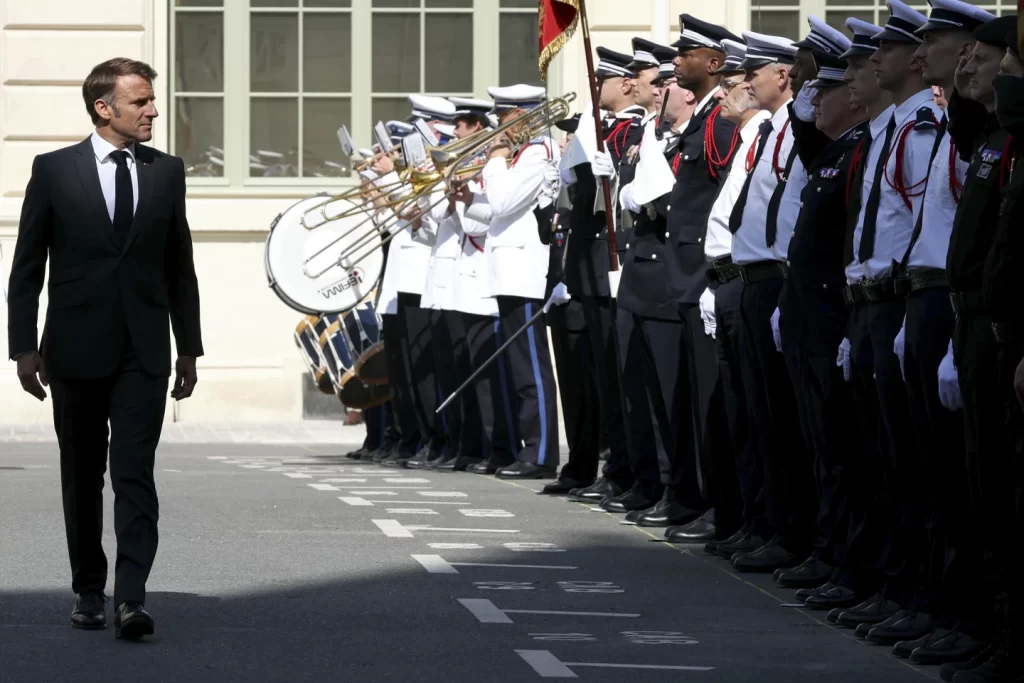
The ceremonies were presided over by French President Emmanuel Macron and attended by several international leaders, including Cameroonian President Paul Biya. Originally scheduled to include a seaborne segment along the Mediterranean coast, part of the commemoration was canceled due to storm warnings.

The centerpiece of the commemoration took place at the Boulouris National Cemetery in Saint-Raphael, where 464 French soldiers, who died during the fighting in August 1944, are buried. Numerous other African leaders also took part in the tribute, emphasizing the collective effort made by soldiers from France’s then-colonies to secure the liberation of the country.

Six surviving World War II veterans—five from France and one from another nation—were honored with the prestigious Legion of Honor, France’s highest award, in recognition of their bravery and contribution during the war. The event was followed by an aeronautic demonstration and a grand fireworks display.

“Starting August 15, 1944, hundreds of thousands of Allied troops descended on the Mediterranean coast for Operation Dragoon,” Macron said during his address. This operation, which involved a massive deployment of both American and French forces, aimed to push back Nazi occupiers in the southern region of France.

The operation, which unfolded just two months after the better-known D-Day invasion of Normandy, was initially intended to coincide with that earlier invasion. However, Operation Dragoon was delayed due to logistical challenges and a shortage of resources. Eventually, it proved to be an instrumental turning point in liberating southern France.

Operation Dragoon is noted for the significant participation of African soldiers, who accounted for nearly half of the French contingent. These soldiers hailed from French colonies that have since gained independence, including countries across North and West Africa. “These brave men from across Africa were integral to France’s liberation,” Macron said, acknowledging the often-overlooked contributions of African forces in the conflict.

The exact number of casualties remains uncertain, but French Defense Ministry records estimate that approximately 1,300 Allied soldiers, including a substantial number of Africans, lost their lives in the operation’s first two days alone.

Operation Dragoon’s success enabled the Allied forces to liberate much of southern France within four weeks. Troops from the Mediterranean landings eventually joined forces with those advancing from Normandy on September 12, 1944, in Burgundy, marking a major step toward the eventual defeat of Nazi Germany in France.

The event concluded with reflections on the sacrifices made by soldiers from Africa, many of whom never returned home but whose contributions have left a lasting legacy. “It is our duty to remember them,” Macron said, as the French president and dignitaries laid wreaths at the cemetery, honoring the African soldiers who fought for a free France.

apnews.com story

Former Argentine President Alberto Fernandez Charged with Domestic Violence

0

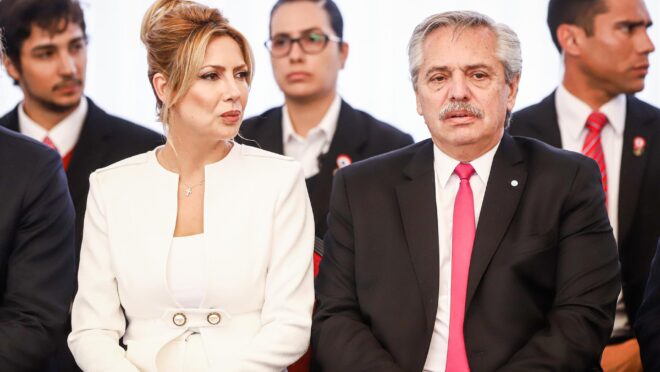
Former Argentine President Alberto Fernandez was formally charged on Wednesday with committing violence against former first lady Fabiola Yanez. Prosecutor Ramiro Gonzalez submitted documents to the court seeking charges for “minor and serious injuries” as well as “coercive threats.”

The prosecutor stated there was evidence Yanez had “suffered a relationship marked by harassment, psychological harassment and physical aggression in a context of gender and domestic violence.”

The domestic abuse allegations first emerged from text messages uncovered during a separate embezzlement investigation against Fernandez. Initially, Yanez chose not to press charges but later filed a criminal complaint.

Yanez’s lawyer reported that she contacted the investigating judge, stating, “I want to file a criminal complaint. I want to denounce him (Fernandez) for the blows I received from him and the threats I have been suffering.”

Recently, Argentine media published photos of Yanez showing bruises on her face and arm, adding visual evidence to the allegations.

Fernandez, who served as Argentina’s president from 2019 to 2023, has vehemently denied Yanez’s accusations. He has pledged to prove to the courts “what really happened.”

This case has sent shockwaves through Argentine politics, raising questions about accountability for high-profile figures and the issue of domestic violence in the country. As the legal process unfolds, it is likely to remain a focal point of national attention and debate.

Woman Arrested at Applebee’s for Violating ‘All You Can Eat’ Meal Rules

0

A Chicago woman, Shawneesha Cobbs, 28, was arrested at an Applebee’s in Portage, Indiana, following a dispute over the restaurant’s ‘all you can eat’ meal policy. The incident occurred on Friday, August 2, around 8:30 pm.

Applebee’s offers a special where customers can have unlimited amounts of one of three mains – boneless wings, shrimp, or riblets – and fries for $15.99. Cobbs allegedly purchased two of these specials but shared them with more than two friends at the table.

When the restaurant manager explained that each person would need to pay $15.99, an argument ensued over the bill. Police were called to the scene after dispatch reported hearing “multiple females screaming and threatening people,” according to Region News Source.

Despite the group’s claim that the policy wasn’t clear, officers found the rules clearly stated in bold print on the menu. Cobbs became disorderly, ignoring police orders to calm down, which led to her arrest. She was taken to Porter County Jail and charged with disorderly conduct.

Local news reports state that a member of the party later returned to pay the bill in full.

This incident occurs as Applebee’s and other fast-casual restaurants introduce value deals to compete with fast-food chains and attract inflation-weary customers. Similar strategies have been employed by Chili’s, Wendy’s, Burger King, Starbucks, Popeyes, and Taco Bell.

For instance, McDonald’s recently introduced a $5 meal deal, while Burger King offers a similar $5 Your Way Meal. Wendy’s has a $3 breakfast offer, and Jimmy John’s provides a $10 Total Package Meal.

These value offerings reflect the ongoing competition in the fast-food and fast-casual dining sectors as restaurants seek to attract budget-conscious consumers in a challenging economic climate.