Quincy Wilson is poised to make history as the youngest male to compete for the U.S. track team in the men’s 4×400 meter relay on Friday at the Paris Olympics. At just 16 years old, Wilson’s participation would mark a significant milestone in American track and field history.
Wilson announced his upcoming race on his Instagram page, posting a picture of himself with the reminder to “tune in at 5:05 a.m. Friday morning” (U.S. East Coast) for the men’s relay.
During the Olympic trials earlier this summer, Wilson broke the under-18 world record twice with impressive times of 44.66 and 44.59, securing his spot in the final of the 400 meters. Although he finished sixth in that event, his performances earned him a place in the U.S. relay pool for the Olympics.
“I’m 16 years old running grown-man times,” the Maryland native proudly stated at the trials.
According to Olympic historian Bill Mallon, the youngest U.S. male in Olympic track history is Arthur Newton, who ran the steeplechase in 1904 at age 17. Jim Ryun was also 17 when he qualified for his first Olympics in 1964, and Erriyon Knighton was 17 when he competed in Tokyo three years ago.
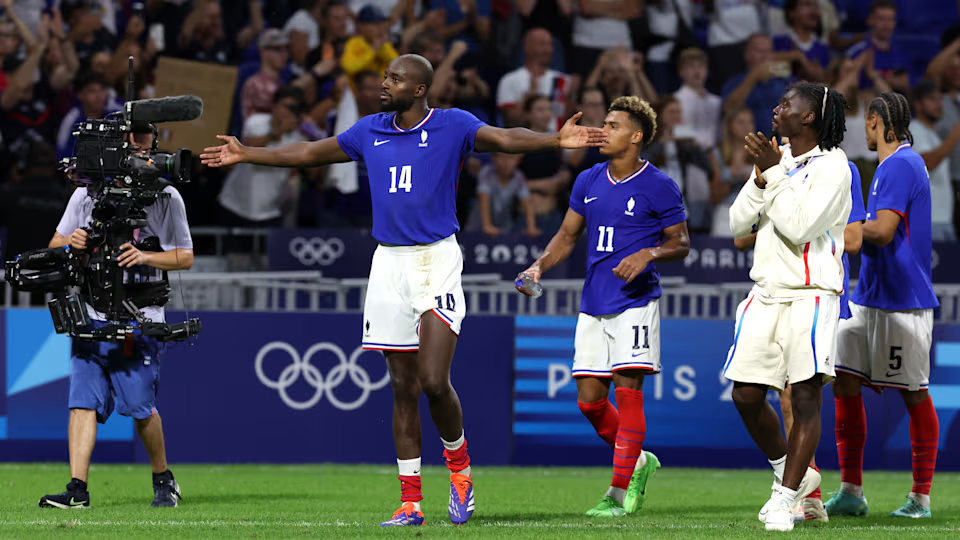
The 2024 Olympic men’s soccer tournament reaches its climax as host nation France squares off against Spain in Friday’s gold medal match. Set to air on USA Network, Peacock, and NBCOlympics.com at 12:00 p.m. ET, this high-stakes finale promises to be a thrilling encounter between two of Europe’s soccer powerhouses.
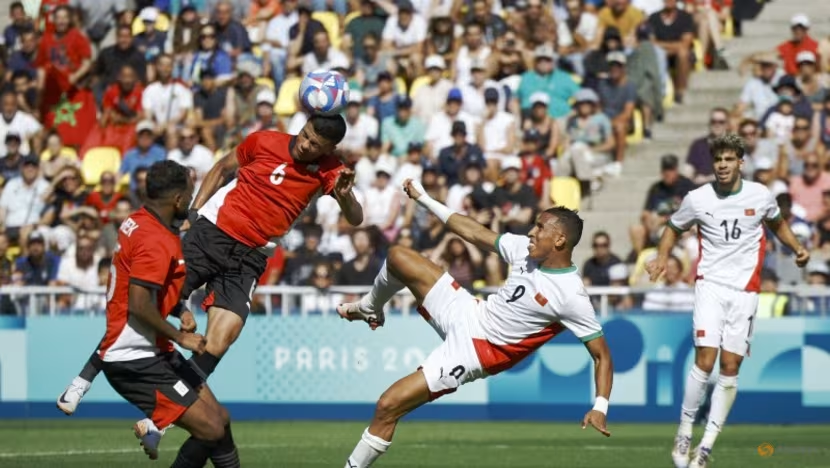
France secured their spot in the final with a commanding 3-1 victory over Egypt, while Spain edged past Morocco 2-1 in their respective semifinals. Both teams have showcased impressive form throughout the tournament, setting the stage for an epic showdown.
Path to the Final:
France’s journey has been near-flawless, maintaining a clean sheet until their semifinal clash. Their tournament highlights include:
DraftKings Sportsbook favors France slightly with odds at +145, while Spain stands at +230. The possibility of a draw after 90 minutes is set at +200.
Match Preview:
France enters the final as the tournament’s most complete team, boasting a stingy defense that didn’t concede a goal until the semifinals. Their ability to both maintain a lead and come from behind, as demonstrated against Egypt, makes them a formidable opponent.
Spain, known for their offensive prowess, has shown resilience throughout the tournament. Their comeback victory against Morocco in the semifinals highlights their mental strength and adaptability.
The historical context adds another layer of intrigue to this match. France hasn’t won Olympic gold since 1984, while Spain aims to avenge their loss to Brazil in the 2021 Tokyo Olympics final. Both teams have ample motivation to deliver their best performance.
While Spain’s offense poses a significant threat to France’s previously impenetrable defense, the home advantage cannot be overlooked. The French team, playing in front of a passionate home crowd, will be eager to cap off their impressive tournament run with gold.
Given their consistent performance throughout the Olympics and the home field advantage, France is favored to clinch the gold medal. However, Spain’s offensive capabilities and recent form ensure that this will be a closely contested and exciting finale to the men’s soccer tournament at the Paris 2024 Olympics.
Fans worldwide can tune in to what promises to be a memorable clash, showcasing the best of Olympic soccer and potentially writing a new chapter in these nations’ sporting histories.
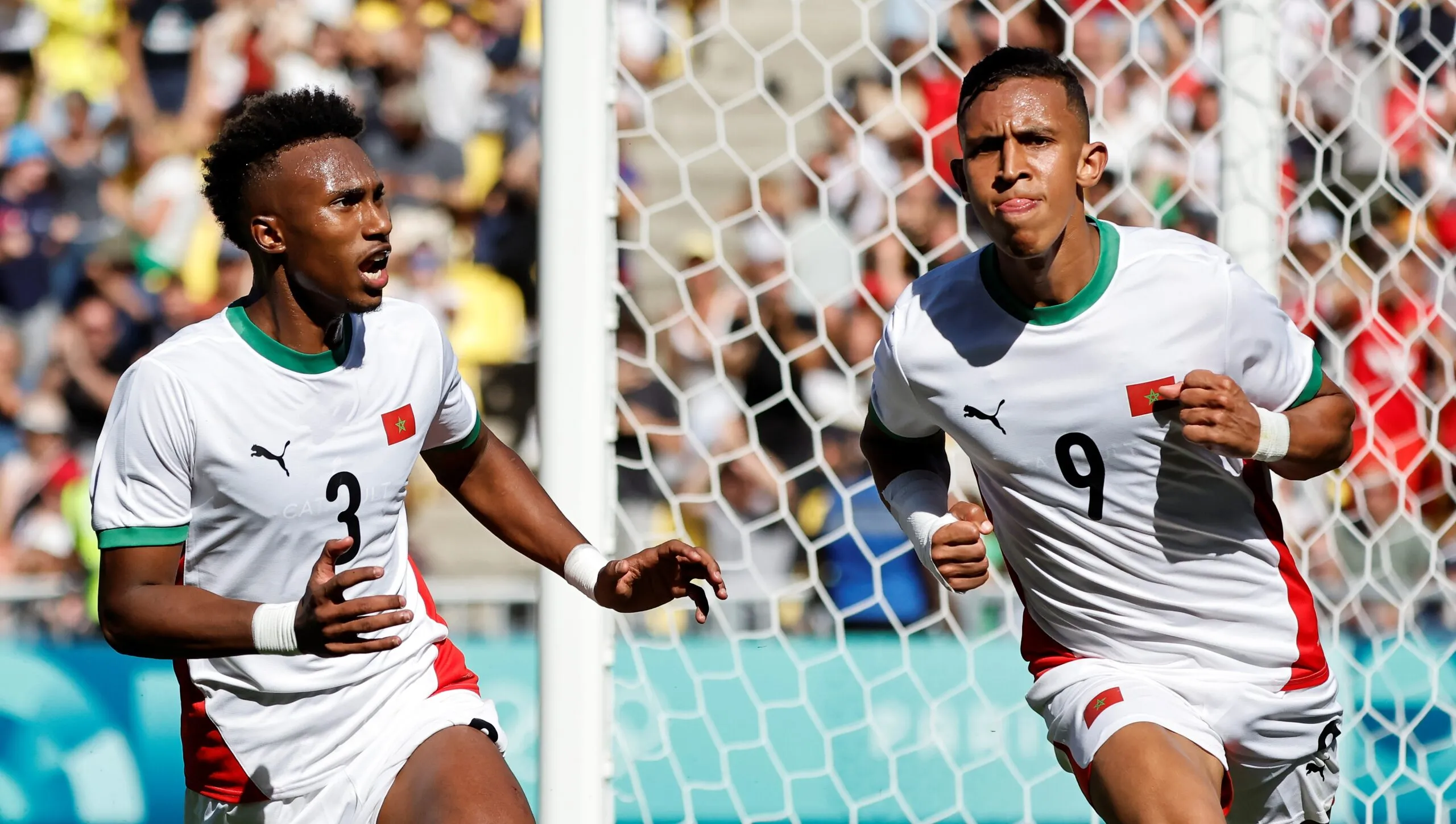
Morocco achieved a historic milestone by winning its first Olympic soccer medal, securing the bronze with a 6-0 victory over Egypt on Thursday. This marks the team’s first-ever podium finish at the Olympics.
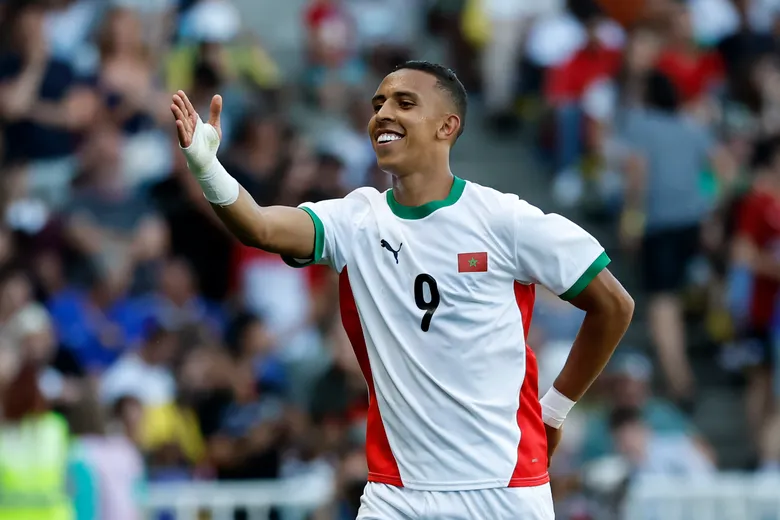
Soufiane Rahimi led the charge with two goals, while Abde Ezzalzouli, Bilal El Khannouss, Akram Nakach, and Achraf Hakimi also found the net for Morocco. The team went into halftime with a 2-0 lead, much to the delight of Moroccan fans at La Beaujoire Stadium.
Rahimi, one of the overage players permitted on the under-23 Olympic squads, was a standout throughout the tournament, scoring eight goals in France.
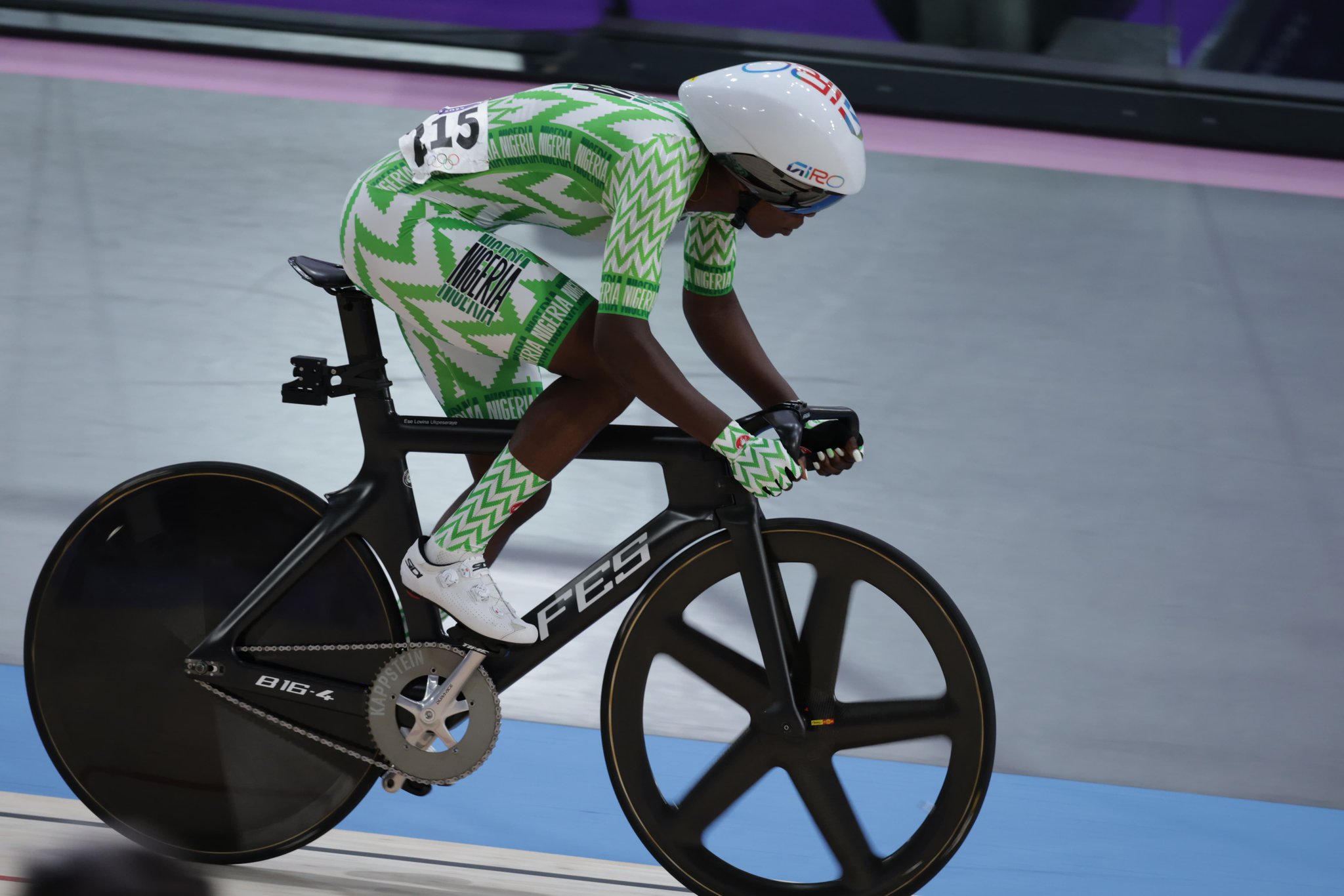
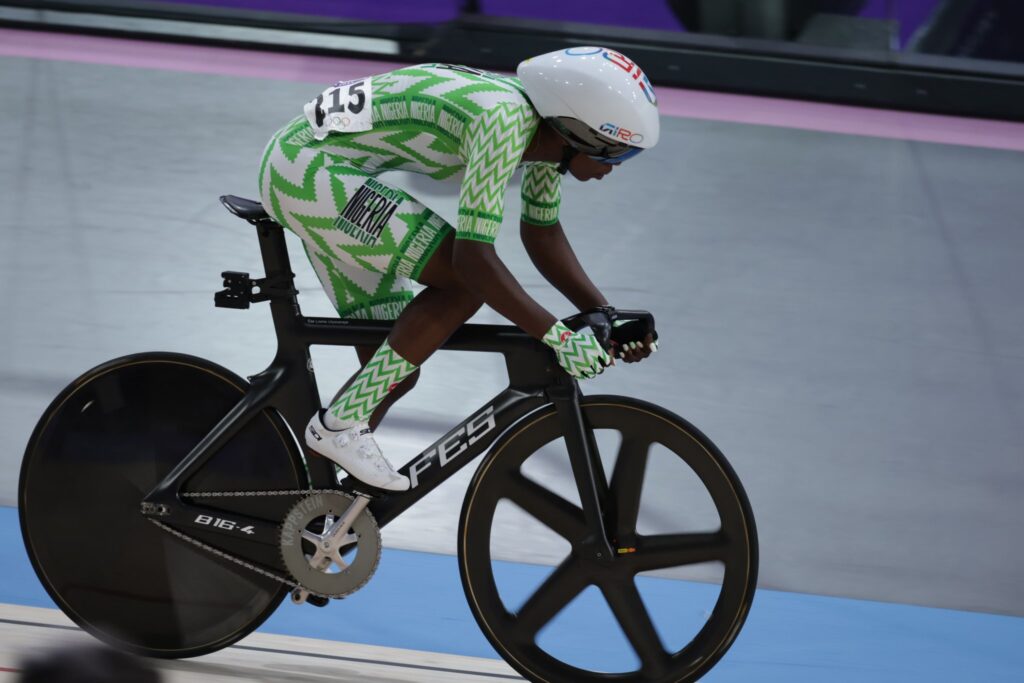
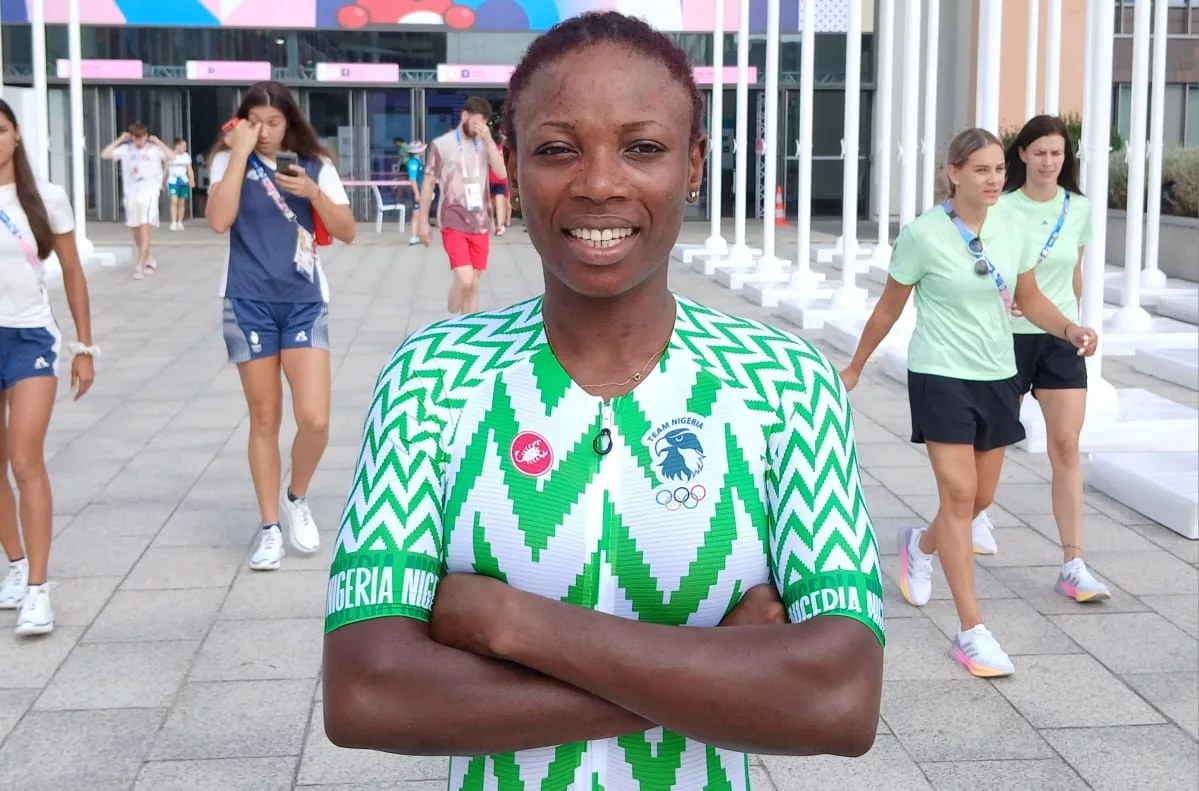
In a remarkable display of sportsmanship, Nigerian cyclist Ese Lovina Ukpeseraye received critical support from the German cycling team during the Paris Olympics.
Ukpeseraye, representing Team Nigeria, found herself in a difficult situation as she had no bicycle to compete in the keirin and sprint events due to the short notice of her participation.
“Due to the short notice of me competing at the keirin & sprint, #teamNigeria I had no bicycle to race with on the tracks,” Ukpeseraye explained in a post via her X handle on Thursday.
However, the German team, Bund Deutscher Radfahrer, intervened to assist the Nigerian athlete. “In the spirit of sportsmanship, the German team @bunddeutscherradfahrer came to my rescue by offering me a bicycle. Thank you,” Ukpeseraye added.
This gesture of goodwill from the German team exemplifies the Olympic spirit, where athletes from different nations come together to support one another, regardless of their competitive rivalries.
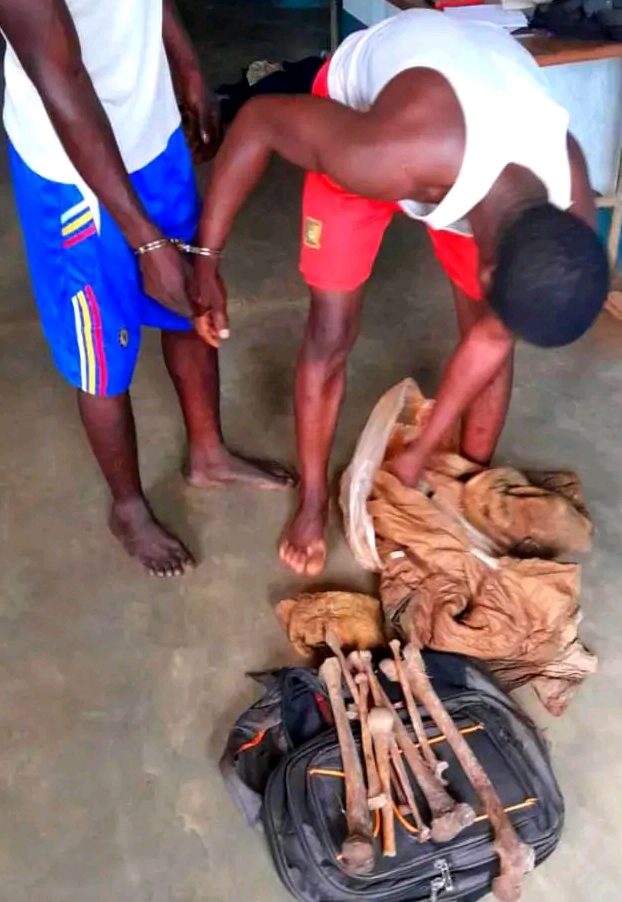
In a disturbing incident that has shocked the community, two men involved in the illegal trade of human bones have been arrested in Massangam, located in the Noun Division of Cameroon’s West Region.
The suspects, both of Bamoun origin, were apprehended by the local gendarmerie on Monday, August 5, 2024, following a thorough investigation. The arrests have unveiled the gruesome practice of grave desecration and the illicit trafficking of human remains. According to the gendarmerie, these individuals specialized in exhuming graves to obtain bones, which they then sold illegally. The scale of their activities prompted law enforcement to present the suspects and the evidence of their crimes to the press on Wednesday, August 7, 2024.
The two men have since been presented to the prosecutor at the Foumbot Court of First Instance and have been remanded to the secondary prison in Bafoussam.
In response to the arrests, local authorities are urging the public to remain vigilant and cooperate with security forces to ensure lasting safety in the region. The community is being called upon to help combat the persistent threat of organized crime in the Noun Division, where incidents of banditry have been a growing concern.
The swift action by the gendarmerie serves as a reminder of the ongoing efforts to curb criminal activities in the area, and the authorities are hopeful that continued public cooperation will lead to a reduction in such heinous acts.
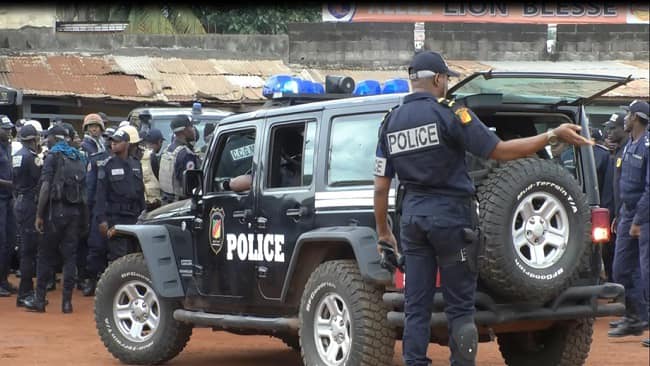
The city of Bamenda in Cameroon is grappling with a surge of violence that has left two police officers and a bike rider dead within the past 24 hours. The unrest began with a brutal attack on a commercial bank on Commercial Avenue and escalated into a tense encounter between police and a bike rider near the Grandstand area.
On the evening of August 7, separatist fighters launched a coordinated assault on a commercial bank located on Commercial Avenue, resulting in the deaths of two police officers on duty. The attack was claimed by the Ambazonian Defense Forces (ADF) and involved over ten heavily armed gunmen who arrived in two vehicles. Eyewitnesses reported several minutes of intense gunfire.
“I saw one of the attackers pull a police officer outside and slap him before shooting him,” recounted a kiosk owner near the bank to Star TV. The gunmen shattered windows and left bullet holes in the bank’s walls but did not steal any money. Nearby buildings and vehicles also sustained significant damage from the gunfire.
The ADF later released a video showing rifles taken from the slain officers, further instilling fear and tension among local law enforcement and residents.
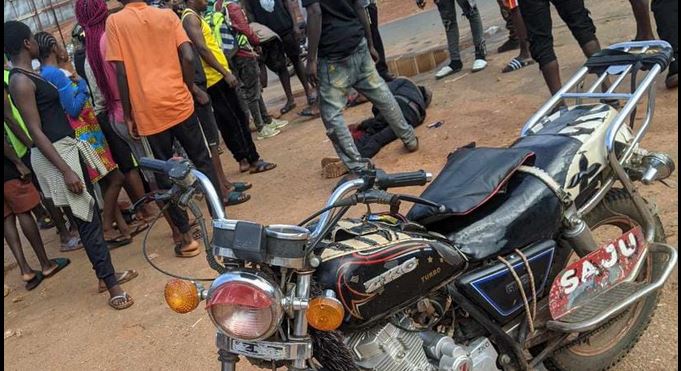
Following the bank attack, tensions escalated the next morning when police officers opened fire on a bike rider near the Grandstand area of Commercial Avenue. The rider was part of a group of bikers riding in memory of a colleague who had died in an accident the previous Friday.
According to reports, the bike rider ignored police orders to stop and approached the officers aggressively. This prompted the police to open fire, killing him on the spot. The incident has further fueled outrage and anxiety among the local population, already on edge from the previous night’s violence.
The people of Bamenda are now facing an increasingly perilous and demoralized atmosphere. The latest incidents have exacerbated residents’ dissatisfaction with their safety and the effectiveness of law enforcement in maintaining order.
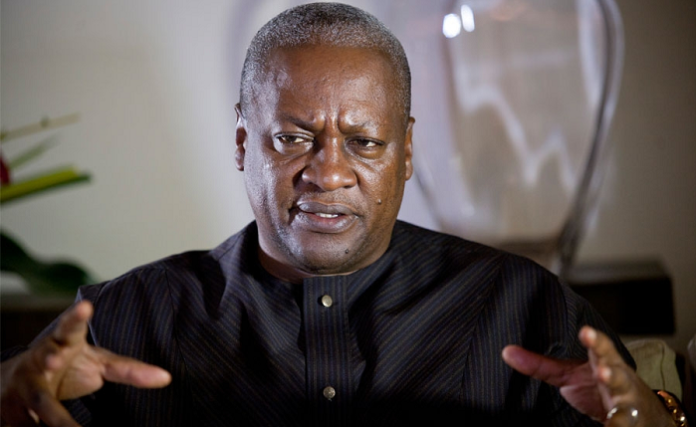
The Office of the Special Prosecutor (OSP) in Ghana has officially identified former President John Dramani Mahama as the individual referenced as ‘Government Official 1’ in the Airbus bribery scandal. However, Special Prosecutor Kissi Agyebeng has concluded that there is no evidence to suggest that Mahama accepted any bribes.
This conclusion follows a comprehensive four-year investigation by the OSP. Addressing the media in Accra, Agyebeng explained that revealing the identities involved in the scandal was essential due to significant public interest.
The individual described as Government Official One by the UK court and Individual One by the US court is John Dramani Mahama. He is a citizen of Ghana and served as Vice President from January 7, 2009, to 2012, and as President from 2012 to January 7, 2017. His tenure as Vice President coincided with the UK and US investigations into the first Airbus campaign involving the sale of C295 aircraft to Ghana,” Agyebeng stated.
Mahama’s presidency occurred during the investigation timeframe of the second Airbus campaign related to the sale of C295 aircraft. This revelation aligns with similar assertions made by Ghana’s first Special Prosecutor, Martin Amidu.
Ghana is one of five countries implicated in the European aviation giant Airbus’s bribery scandal, where the company was found to have paid millions of dollars in bribes to secure contracts. The scandal led to a record fine of £5 billion imposed on Airbus by a UK court. Through documents and hearings, Airbus admitted to five counts of failing to prevent bribery, utilizing a network of secret agents to pay large-scale bribes to secure contracts in foreign countries, including Ghana, to land high-value contracts.
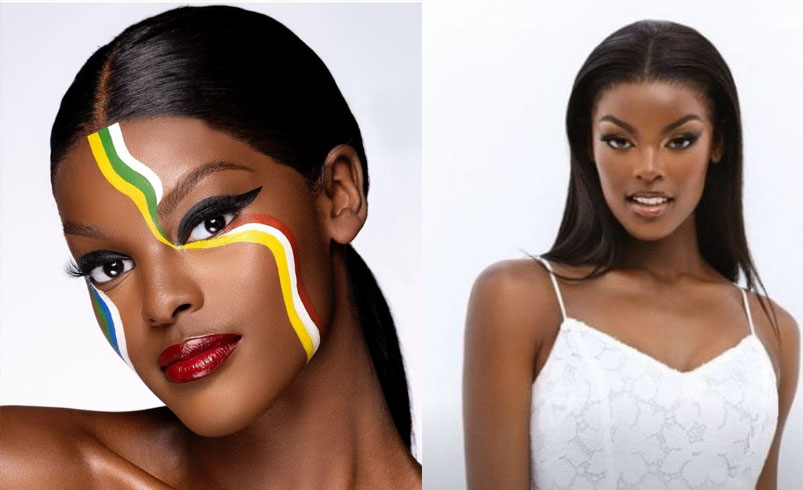
Chidimma Adetshina, a 23-year-old law student and Miss South Africa contestant, has withdrawn from the prestigious beauty pageant amid a heated controversy surrounding her nationality. The decision, announced via Instagram, comes in the wake of a preliminary investigation by the home affairs department that suggests potential “identity theft” by Adetshina’s mother to obtain South African citizenship.
Adetshina, who claims to have been born in Soweto and raised in Cape Town, cited concerns for her and her family’s safety and well-being as the primary reasons for her withdrawal. The contestant, whose father is Nigerian and mother reportedly of Mozambican descent, had been at the center of a social media storm questioning her South African roots.
The home affairs department’s initial findings, released on Wednesday, indicate that the identity of an “innocent” South African mother may have been stolen by Adetshina’s mother. However, the department clarified that Adetshina herself “could not have participated in the alleged unlawful actions of her mother as she was an infant at the time.”
As the controversy escalated, Miss South Africa pageant organizers had requested the investigation ahead of the event scheduled for Saturday. The home affairs department is now pursuing further investigations with the aim of pressing criminal charges and seeking legal advice on the implications for Adetshina’s citizenship status.
In her Instagram post announcing her withdrawal, Adetshina did not directly address the investigation’s findings but expressed gratitude for the support she had received and extended best wishes to the remaining contestants. Her statement, “Whoever wears the crown, represents us all,” reflects a graceful exit from a contentious situation.
This incident has sparked broader discussions about identity, nationality, and eligibility criteria in beauty pageants. It also highlights the complex issues surrounding citizenship and immigration in South Africa, a country with a diverse population and a history of cross-border movements.
As the Miss South Africa pageant approaches, the organization faces the challenge of addressing this controversy while maintaining the integrity of the competition. The incident may prompt a review of vetting processes for contestants and raise awareness about the nuanced nature of identity and citizenship in a multicultural society.
FILE PHOTO: Media members observe the stock quotation board at the Tokyo Stock Exchange in Tokyo, Japan, August 6, 2024. REUTERS/Willy Kurniawan/File Photo
Ethiopia’s securities exchange is slated to begin operations in October, according to the chief executive, as reported by state-affiliated media on Thursday. The establishment of the bourse is a key component of Prime Minister Abiy Ahmed’s broader strategy to liberalize the country’s economy, which has been heavily state-controlled, and attract private investment.
The CEO of the bourse, Tilahun Kassaul, confirmed to Fana Broadcasting that all necessary human resources and technological infrastructure will be ready by October.
In February, Abiy announced that the government was considering the sale of 10% of state-owned Ethio Telecom through the stock exchange. Ethio Telecom has historically held a monopoly until 2022 when a consortium led by Kenya’s Safaricom won the country’s first private telecoms license and began operations.
Ethiopia’s economy, long hindered by its command economy structure, has seen significant changes since Abiy’s administration began pushing for more private sector involvement and economic reforms in 2018. These reforms are considered more ambitious than previous attempts at opening up the economy.
In late July, Ethiopia floated its currency in preparation for securing International Monetary Fund (IMF) support, a crucial step for the country’s long-delayed debt restructuring efforts.
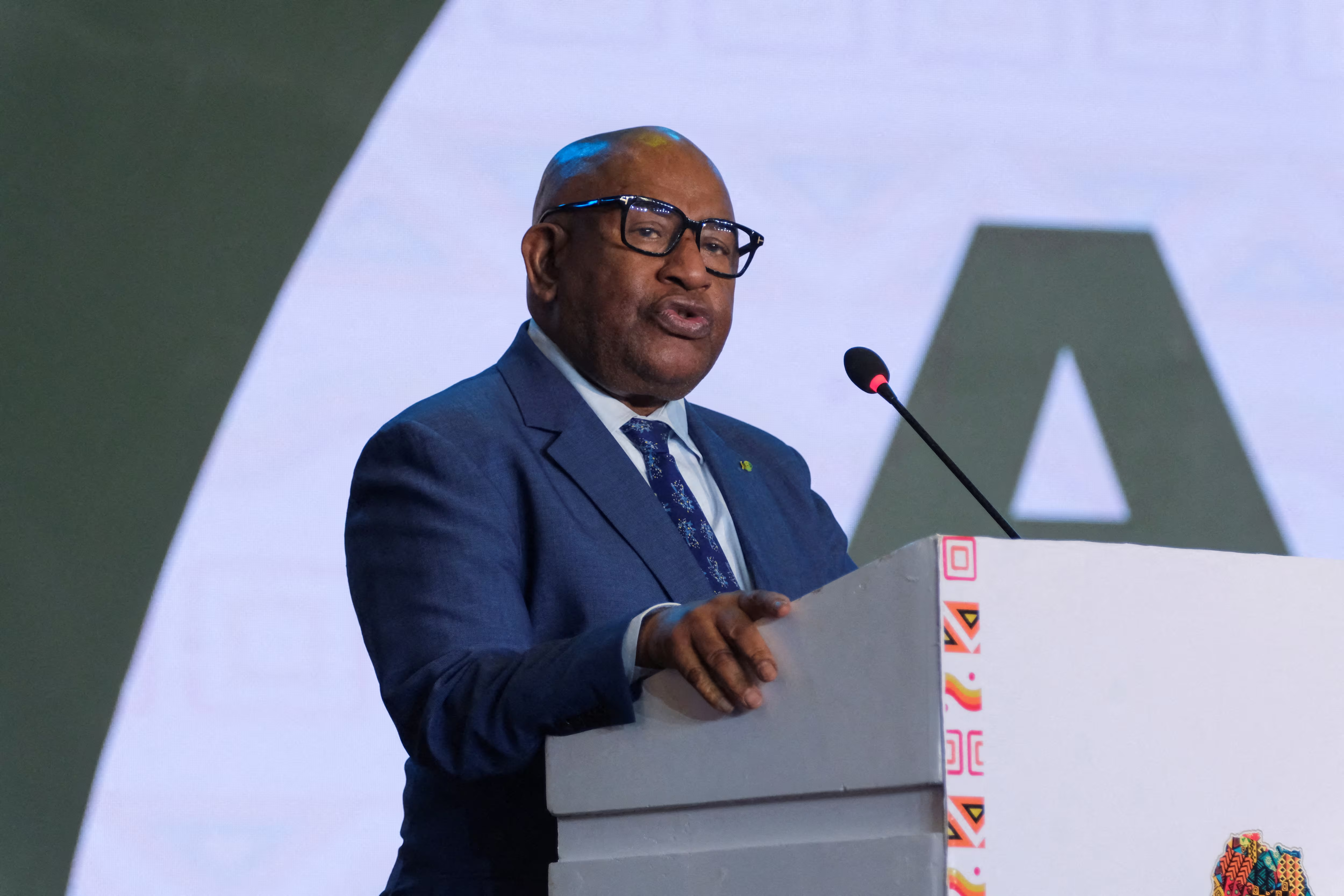
Comoros President Azali Assoumani has granted extensive new powers to his son, Nour El Fath, enabling him to intervene at all stages of government decision-making. This move comes after Nour El Fath was appointed to coordinate government affairs last month.
Assoumani, 65, who secured re-election in January amid allegations of voter fraud, faces accusations from opponents in the Indian Ocean nation of preparing his son to succeed him when his term ends in 2029. Assoumani has not publicly addressed these allegations.
Nour El Fath did not immediately respond to requests for comment.
“There is no doubt that Colonel Azali Assoumani, by granting presidential and constitutional prerogatives to his son, is preparing the latter to succeed him,” said Saïd Larifou, a Franco-Comorian lawyer and political commentator, in an interview with Reuters.
According to a presidential decree published on Tuesday, El Fath’s new responsibilities include evaluating ministers and intervening in the execution of government decisions at all levels.
Government spokesperson Fatima Hamada stated that the presidential decree clarified and formalized El Fath’s prerogatives as secretary-general.
Comoros, an archipelago off the coast of Mozambique with a population of around 800,000, has a turbulent political history marked by around 20 coups or attempted coups since gaining independence from France in 1975.
Assoumani first came to power in 1999 through a coup and has since won four presidential elections. A controversial referendum in 2018 extended the presidential term from five to ten years, allowing Assoumani to run again in 2019.