Home Blog Page 831

Second Controversial Transgender Female Boxer, Lin Yu-ting, Wins Olympic Boxing First Round

0

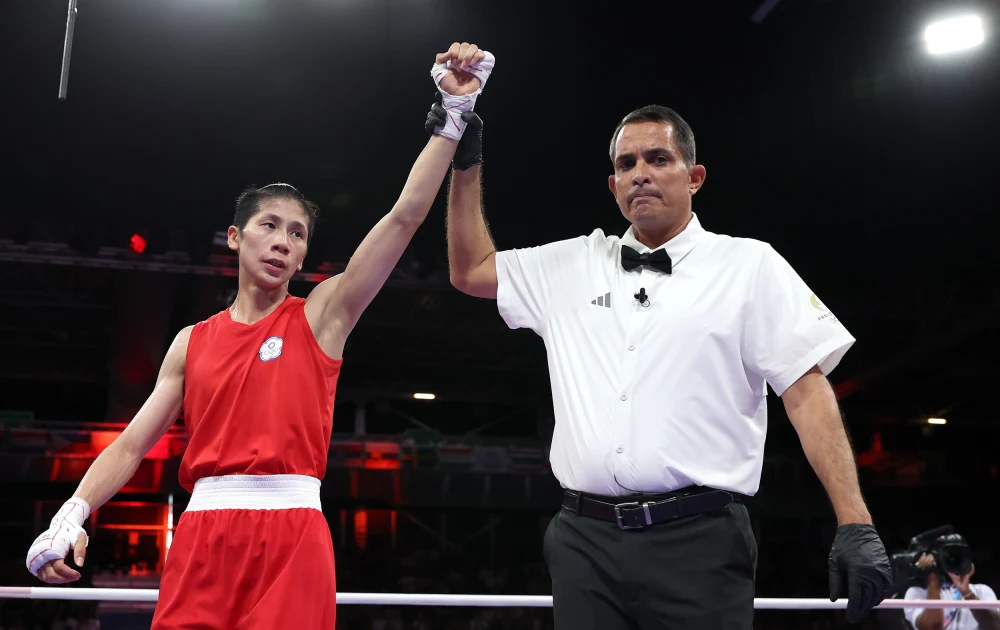
Lin Yu-ting of Taiwan secured a unanimous decision victory over Sitora Turdibekova of Uzbekistan in the 57 kg category at the Paris 2024 Olympics on Friday, advancing to the quarterfinals. This win comes amid an ongoing controversy surrounding the gender identities of both Lin and Algeria’s Imane Khelif, who won her match the previous day.
The participation of Lin and Khelif in Olympic women’s boxing has ignited debate following reports that both failed to meet gender eligibility tests at the 2023 Women’s World Boxing Championships. The International Boxing Association (IBA) had disqualified both boxers from that event, citing unspecified tests indicating male chromosomes.

The International Olympic Committee (IOC) determines Olympic eligibility based on passport gender markers, not the IBA’s tests. IOC spokesman Mark Adams questioned the validity of the IBA’s tests and called for an end to misinformation surrounding the athletes. Politicians from Taiwan and Algeria have publicly supported their respective athletes.

The controversy has drawn comments from prominent figures, including former U.S. President Donald Trump and author J.K. Rowling. LGBTQ athletes, such as Team USA’s Nikki Hiltz, have expressed concern about the impact of the controversy on LGBTQ Olympians participating in the Games.

Angela Carini of Italy, who quit her match against Khelif on Thursday, has since apologized, stating, “If the IOC said she can fight, I respect that decision.”

The situation continues to evolve, with Lin and Khelif set to compete in the quarterfinals this weekend. This ongoing debate highlights the complex issues surrounding gender identity in sports and the challenges faced by international sporting bodies in addressing these sensitive matters.

As the Paris Olympics progress, the boxing competitions remain under scrutiny, with the sporting world watching closely to see how this controversy unfolds and impacts the athletes involved.
Simone Biles Wins Gold Again, Makes it 10th Olympic Medal in Vault Final

0

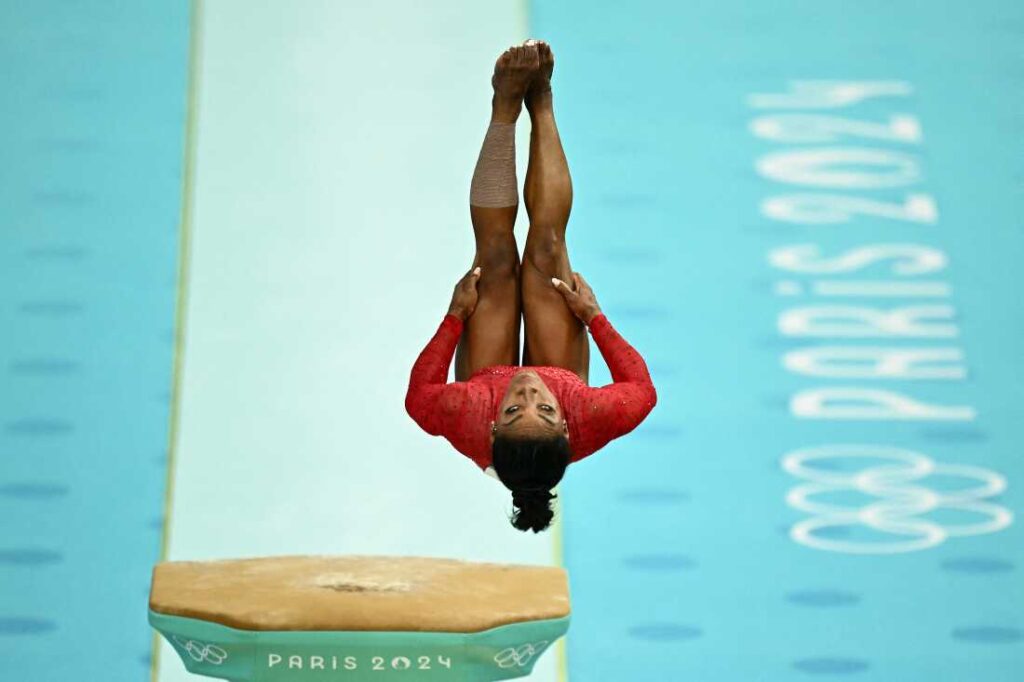
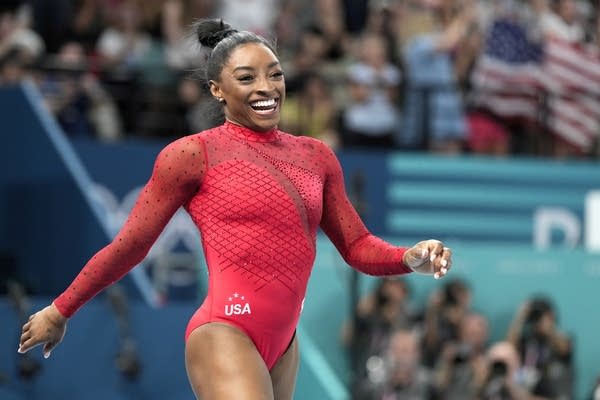
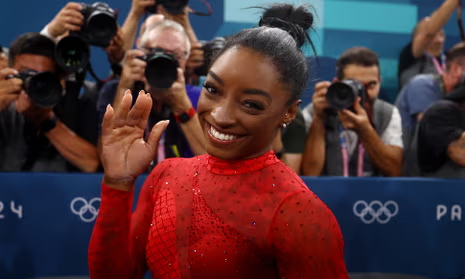
Simone Biles has added another gold medal to her illustrious Olympic career, winning the vault apparatus final at the Paris 2024 Games. This victory marks Biles’ 10th Olympic medal overall and her 7th gold, further cementing her status as one of the greatest gymnasts of all time.

Biles showcased her unparalleled skills by performing her iconic “Biles II” vault – a Yurchenko double pike – for the last time in Olympic competition. This vault, the most difficult in the women’s rulebook, earned her a score of 15.700, the highest of the Paris Games for this skill. Her second vault, a “Cheng,” scored 14.900, giving her an average of 15.300 across both attempts.

The American gymnast faced strong competition from Brazil’s Rebeca Andrade, the reigning world champion and Tokyo Olympic vault gold medalist. Andrade impressed with what many consider one of the best Cheng vaults ever seen in competition, scoring 15.100. However, her average of 14.966 across two vaults wasn’t enough to surpass Biles.

US’ Simone Biles competes in the artistic gymnastics women’s vault final during the Paris 2024 Olympic Games at the Bercy Arena in Paris, on August 3, 2024. (Photo by Loic VENANCE / AFP) (Photo by LOIC VENANCE/AFP via Getty Images)

Biles’ victory in the vault final adds to her gold medals in the team and individual all-around competitions earlier in the week. This win makes her the fourth U.S. woman to win at least seven Olympic gold medals and ties her with Czechoslovakia’s Vera Caslavska as the only women to win two vault gold medals in Olympic history.

The competition also featured speculation about Andrade potentially attempting a triple-twisting Yurchenko, a vault never successfully performed by a female gymnast in competition. However, Andrade opted for a 2.5 twist instead.

Ugandan Halimah Nakaayi Relies on Repechage for Olympic 800m Semifinal | Paris 2024

0

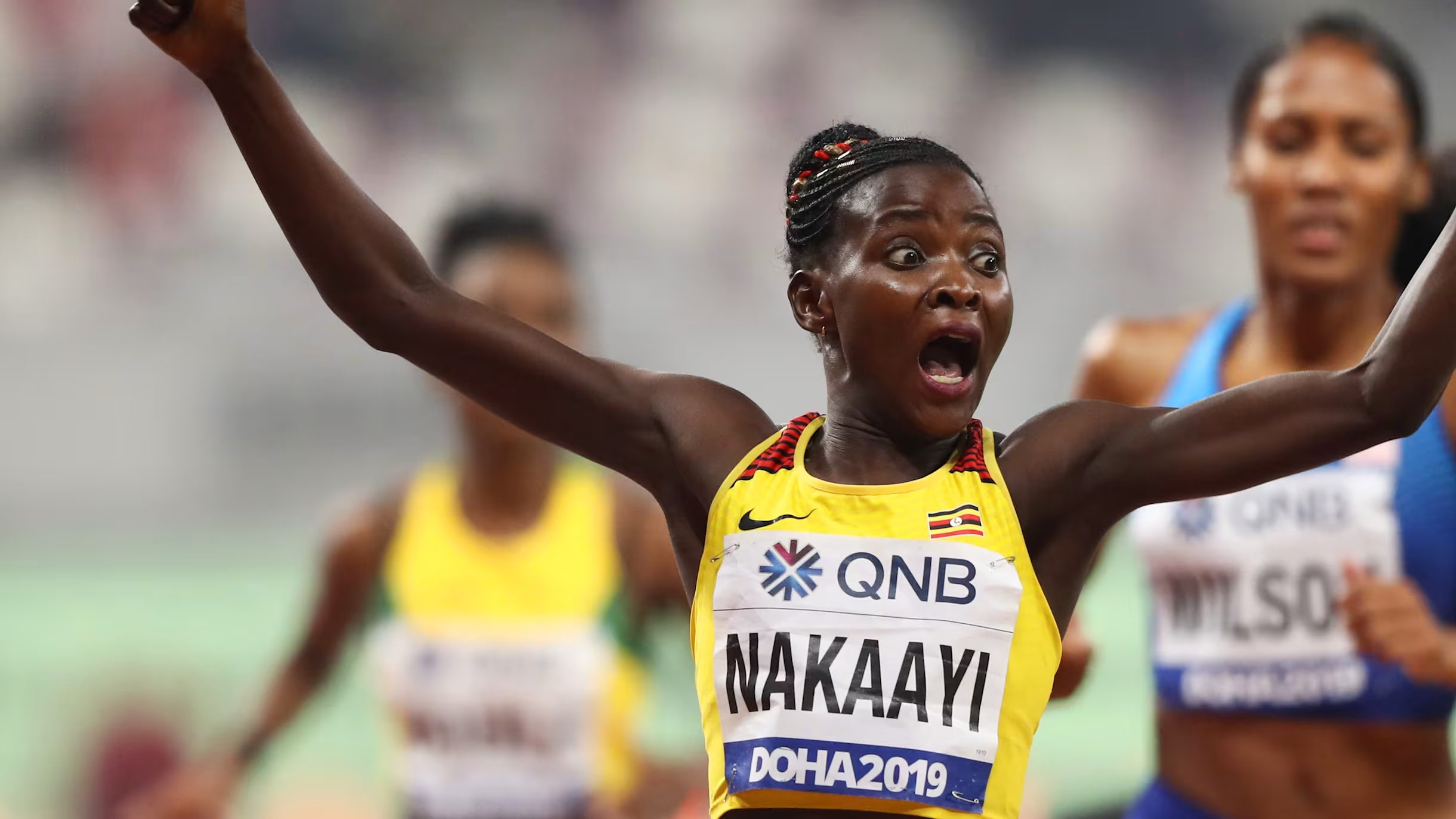
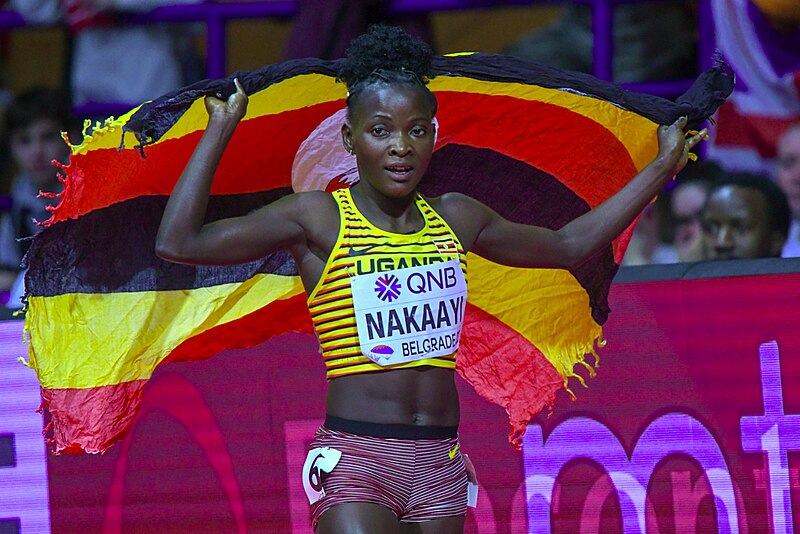
Former world champion Halimah Nakaayi of Uganda faces an unexpected challenge in her Olympic 800m campaign after failing to automatically qualify for the semifinals at the Paris 2024 Games. Nakaayi finished fourth in her heat with a time of 2:00.51, missing the automatic qualification spots reserved for the top three finishers.

Nakaayi’s hopes now rest on the newly introduced repechage round, a second chance for athletes to qualify for the semifinals. World Athletics implemented this system for the Paris Olympics in several track events, including the 800m, to replace the previous ‘fastest loser’ qualification method.

The 29-year-old Ugandan runner, who won the world title in Doha 2019, will compete in Heat 1 of the repechage. Her competitors include Brazil’s Flavia Maria de Lima, Lithuania’s Gabija Galvydyte, Italy’s Eloisa Coiro, and Australia’s Abbey Caldwell, among others.

Nakaayi’s performance came as a surprise, given her recent form. Just months ago, she set a national record of 1:57.26 in London and was considered a serious contender for the Olympic title, especially with the absence of USA’s Athing Mu.

In her initial heat, Nakaayi finished behind Switzerland’s Rachel Pellaud (2:00.06), with Cuban Daily Cooper Gaspar winning in 1:58.88 and South Africa’s Prudence Sekgodiso taking second in 1:59.84.

The repechage round offers Nakaayi a crucial second opportunity. She will start in lane six, a more favorable position than her wide lane nine draw in the first heat. The Ugandan athlete will need to summon her championship-winning form to progress to the semifinals.

As the Paris Olympics continue, Nakaayi’s performance in the repechage will be closely watched by athletics fans, particularly those in Uganda hoping to see their former world champion advance in the competition.

David De Pina Secures Cape Verde’s First Olympic Medal in Boxing | Paris 2024

0

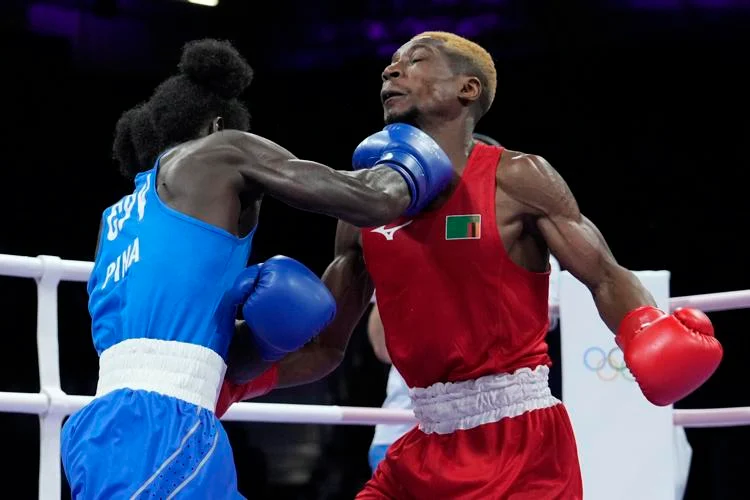
Cape Verde, a small island nation of about 600,000 people, has secured its first-ever Olympic medal through boxer David De Pina’s quarterfinal victory in the men’s 51-kilogram division at the Paris 2024 Games. This historic achievement comes after seven previous Olympic appearances without a medal for Cape Verde.

De Pina defeated Zambia’s Patrick Chinyemba in a closely contested match, showcasing a combination of athleticism and tactical intelligence. The Cape Verdean boxer’s victory not only guarantees him at least a bronze medal but also marks a monumental moment for sports in his country.

“I did it for my country because we deserve it,” De Pina said after his win. “We are a small country, a small island, and we never did this before. I’m the first one to write this story, ever!”

De Pina’s journey to this Olympic success has been challenging. He nearly gave up boxing before the Paris Olympic cycle due to financial struggles while training in Portugal. However, perseverance and new training under coach Bruno de Carvalho led to his qualification for the Games.

The boxer’s distinctive hairstyle, featuring two buns on the sides of his head, has become a symbol of his desire to stand out. His Cape Verdean supporters in the arena mimicked this style, creating a vibrant atmosphere during his bouts.

De Pina’s next challenge comes in the semifinals, where he will face Rio gold medalist Hasanboy Dusmatov of Uzbekistan. Regardless of the outcome, De Pina has already made history for Cape Verde.

This achievement resonates beyond sports, highlighting Cape Verde’s potential on the global stage. As De Pina stated, “I showed the world that we are small, but we are strong and we are talented.”

The boxer’s success story serves as an inspiration not only for Cape Verde but for small nations worldwide, demonstrating that Olympic glory is attainable regardless of a country’s size or resources.

apnews.com

Ghana’s Azamati and Saminu Reach 100m Semifinals, Yeboah Out of High Jump | Paris 2024

0

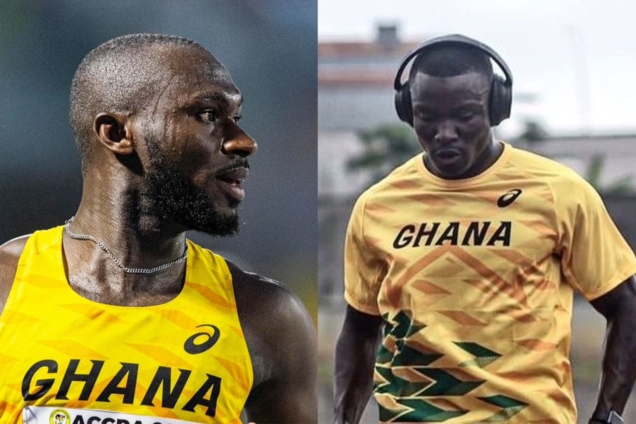
Ghanaian sprinters Benjamin Azamati and Abdul-Rasheed Saminu have successfully qualified for the semifinals of the men’s 100m at the Paris 2024 Olympics. This marks the first time both athletes have reached an Olympic semifinal.

Azamati, Ghana’s record holder in the event, finished second in Heat 1 with a time of 10.08 seconds, behind Jamaican Kishane Thompson. The heat was marked by controversy as Great Britain’s Jeremiah Azu was disqualified for a false start.

Saminu secured his semifinal spot by finishing third in Heat 7, clocking 10.06 seconds. He finished behind Nigeria’s Kayinsola Ajayi and reigning Olympic champion Marcell Jacobs.

The men’s 100m semifinals are scheduled for Sunday evening, where both Ghanaian sprinters will compete for a place in the final.

In contrast to the sprinters’ success, Ghana’s first-time Olympic high jumper, Rose Yeboah, saw her campaign come to an end in the women’s high jump competition on Friday. The 22-year-old two-time African champion successfully cleared 1.83m and 1.88m on her second and third attempts respectively but failed to clear 1.92m in three attempts.

Yeboah’s unsuccessful attempt at 1.92m, which is below her personal best of 1.97m, meant she did not progress to the final. Despite the disappointment, her Olympic debut represents a significant milestone in her career and for Ghanaian athletics.

Nigerian Sprinters Ajayi and Ashe Reach 100m Semifinals at Paris 2024 Olympics

0

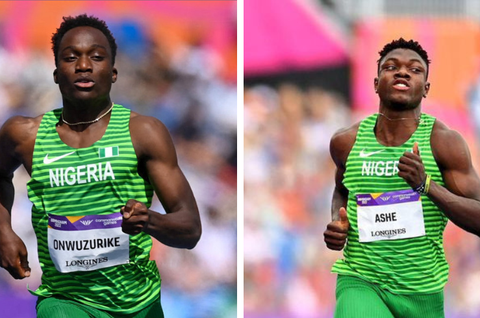
Nigerian sprinters Kanyinsola Ajayi and Favour Ashe have secured places in the men’s 100m semi-finals at the 2024 Olympic Games in Paris. Both athletes are making their Olympic debuts in this event.

Ajayi impressed with a victory in Heat 5, clocking 10.02 seconds and outpacing reigning Olympic champion Lamont Marcell Jacobs, who finished second with a time of 10.05 seconds. Ghana’s Abdul-Rasheed Saminu took third place in 10.06 seconds.

Ashe qualified for the semi-finals by finishing fourth in Heat 4. Despite not securing an automatic qualification spot, he advanced by claiming the last non-automatic qualifying position. Ashe finished behind Jamaica’s Oblique Seville, Japan’s Abdul Hakim Sani Brown, and Thailand’s Thurpool Bonboon in his heat.

In swimming events, 16-year-old Adaku Nwandu competed in the women’s 50m Freestyle. She finished second in Heat 6 behind Elizaveta Pecherskikh. Despite her strong performance in the heat, Nwandu did not qualify for the final.

These results represent a positive start for Nigeria’s track and field contingent at the Paris Olympics, with Ajayi and Ashe’s advancement to the semi-finals offering hope for potential medals in the highly competitive 100m event. The performances also highlight the emergence of new talent in Nigerian athletics on the global stage.

Nigeria’s Temitope Adeshina Exits Women’s High Jump at Paris 2024 Olympics

0

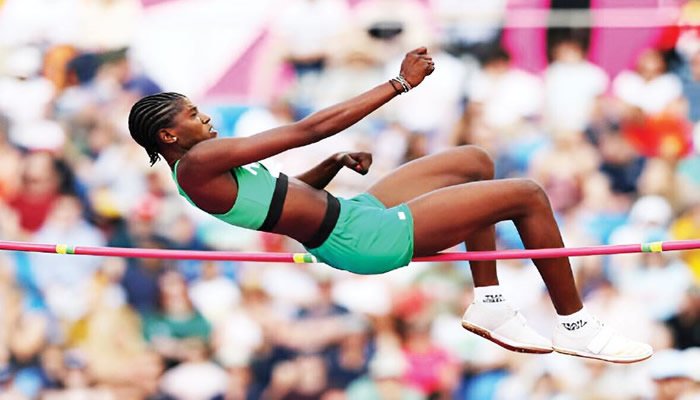
Nigeria’s Temitope Adeshina, a prominent figure in the women’s high jump and national record holder, has been eliminated from the Paris 2024 Olympics after failing to advance to the finals. The 25-year-old athlete finished 19th overall in the qualifying rounds, ending her Olympic debut.

Adeshina began her competition with a strong performance, easily clearing the 1.83-meter mark. However, her progress stalled at 1.88 meters, where she succeeded on her second attempt after a failed first attempt. At 1.92 meters, Adeshina struggled, missing all three attempts and thus failing to qualify for the final.

The high jumper, who has set both indoor and outdoor records for Nigeria, is the second Nigerian to compete in the women’s high jump at the Olympics. Doreen Amata represented Nigeria in the 2008 and 2016 Olympic Games.

Adeshina’s notable achievements include two silver medals at the African Championships (2022 and 2024) and two national titles. She also had a successful debut season in the U.S. National Collegiate Athletic Association (NCAA), where she finished third in the women’s high jump, establishing herself as one of the top athletes in her field.

Despite her exit from the Paris 2024 Games, Adeshina’s performance continues to highlight Nigeria’s growing presence in track and field events on the global stage.

#EndBadGovernanceInNigeria: Police Barricade Abuja Stadium, Protesters Invite Religious Leaders for Talks

0

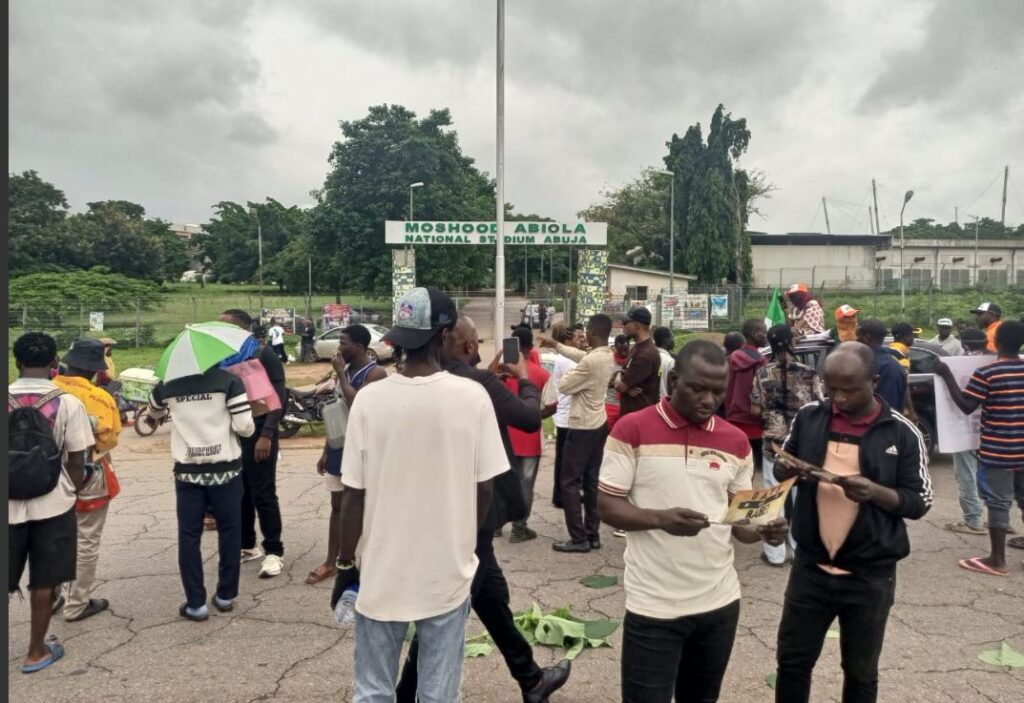
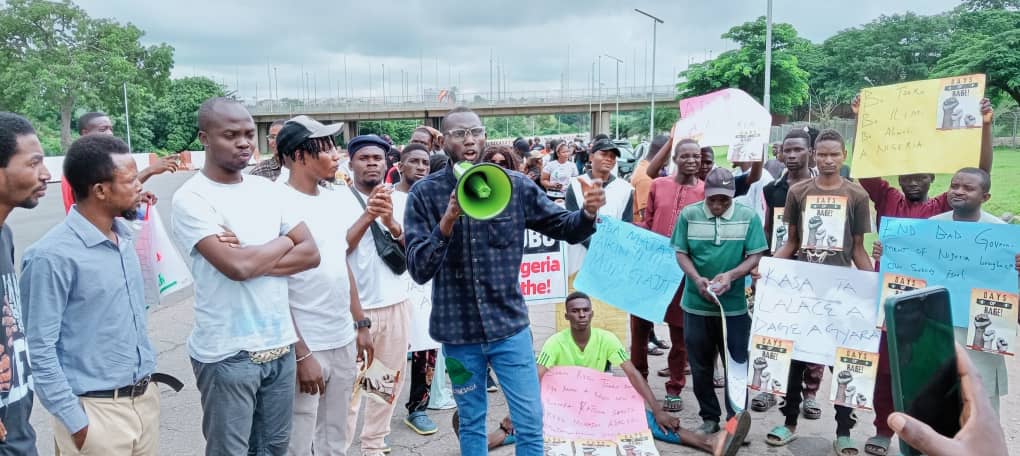
Security operatives in Abuja dispersed protesters demonstrating in front of the Moshood Abiola National Stadium on Saturday, escalating tensions in the ongoing #EndBadGovernanceInNigeria protests. The action came despite a court order secured by FCT Minister Nyesom Wike on Wednesday, which restricted protesters to the stadium.

When demonstrators refused to enter the stadium as directed, police fired tear gas to disperse the crowd. Subsequently, security forces blocked the stadium entrance using armored and patrol vehicles to prevent protesters from reconvening. Eyewitnesses reported that police aimed at both protesters and journalists, forcing them to flee for cover.

As the protests enter their third day, demonstrators have invited leaders from the Christian Association of Nigeria and the Islamic Movement of Nigeria for a “heart-to-heart” talk at the protest venue on Monday, August 4, 2024. Sydney Usman, representing the Take It Back Movement, addressed the crowd, thanking religious leaders for their media interventions while urging them to engage directly with protesters.

The demonstrators, who describe themselves as protesting against bad governance, have criticized police attacks since the protests began. They have stated their intention to remain at the stadium until the court order restricting their movement is vacated, which they expect to happen by Monday at the latest.

In a show of organization, the protesters are currently holding a congress at the site to “show the government how it is done,” according to sources on the ground.

This latest development in Abuja underscores the ongoing tensions between protesters and authorities as the #EndBadGovernanceInNigeria movement continues to challenge the status quo. The involvement of religious leaders and the protesters’ determination to maintain their presence despite police intervention highlight the complex dynamics at play in this unfolding situation.

Source: punchng.com

Gambia’s Struggle Against Female Genital Cutting Continues Amidst Cultural Clash

0

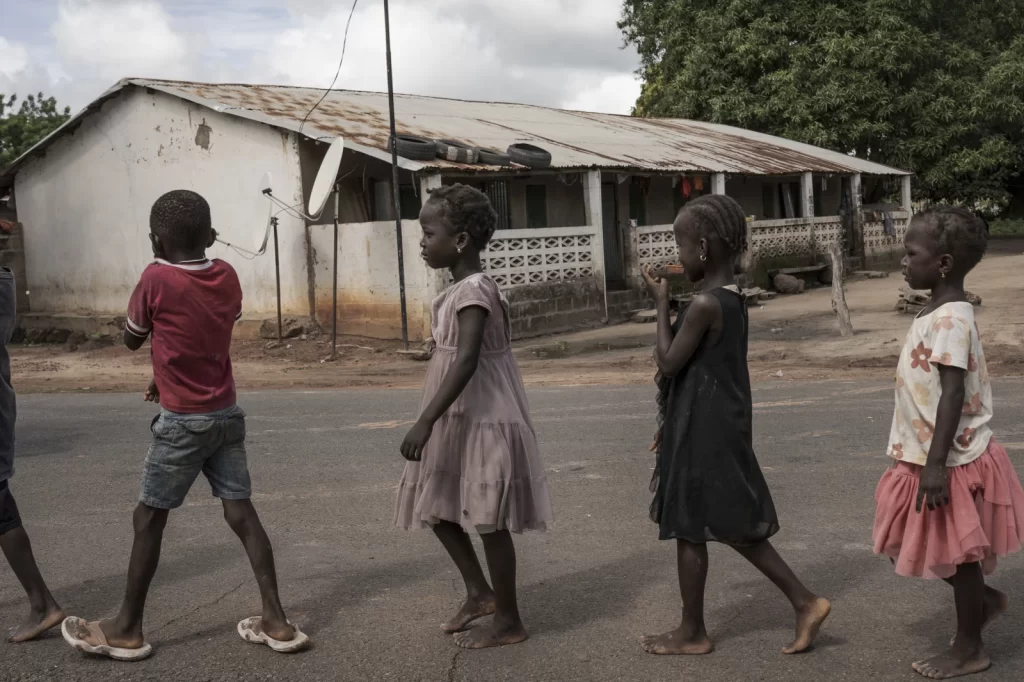
Gambia’s recent parliamentary decision to uphold its ban on female genital cutting (FGM) has been hailed as a victory by rights groups, but the real battle continues in the country’s rural areas. The debate over reversing the ban, which would have been a global first, brought the issue into public discourse for the first time in the West African nation of less than 3 million people.

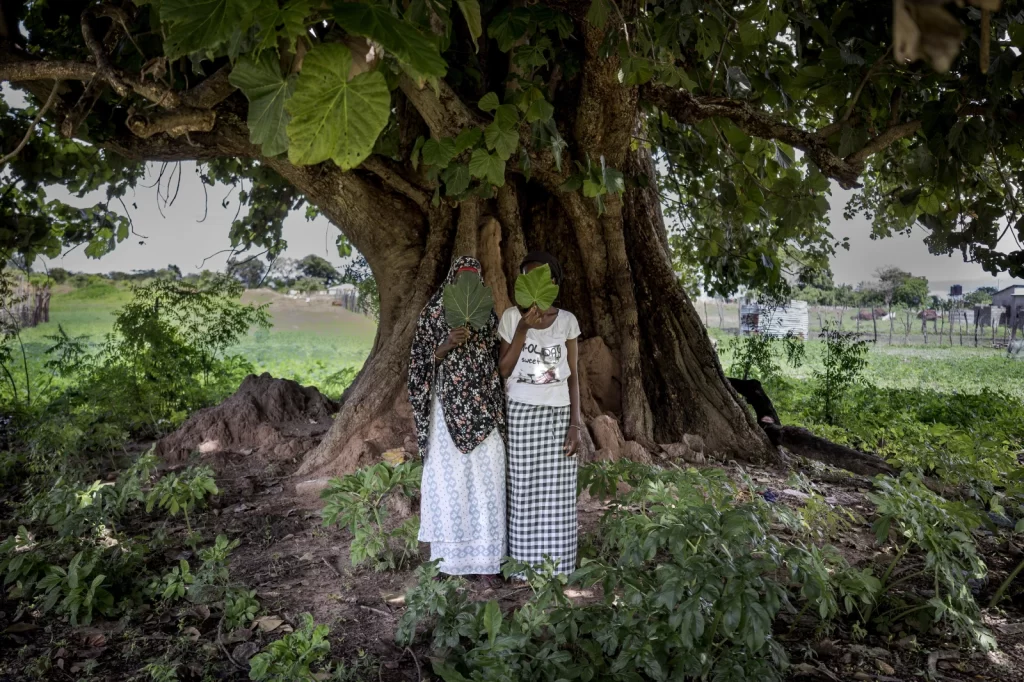
Women like Metta, a mother of six from rural Gambia, traveled to the capital Banjul to protest against reversing the ban. Despite the legislative victory, activists face significant challenges in changing deeply rooted cultural practices. The United Nations estimates that about 75% of women in Gambia have undergone FGM, a procedure the World Health Organization classifies as a form of torture.

Local activists are treading carefully, aware that their efforts could be jeopardized by too much attention. Women in rural areas are often reluctant to speak out against the practice, fearing backlash from their communities. Some activists have received hate messages for their stance against FGM.

The debate has revealed deep cultural divides. Supporters of FGM argue that it’s rooted in Gambian culture and Islamic teachings, while opponents see it as a violation of women’s rights. Habibou Tamba, a 37-year-old activist, received messages accusing him of serving Western interests after participating in anti-FGM protests.

Awareness meetings in rural areas reveal mixed reactions. While some women are shocked by the health complications associated with FGM, others defend it as a cultural and religious practice. The story of Rabietou, a 42-year-old mother of six, illustrates the generational impact of FGM and the potential for change. Cut as a child and married at 15, she now advocates against the practice for her youngest daughter.

Metta’s personal journey from undergoing FGM at age 8 to protecting her own daughters from the practice demonstrates the slow but significant shift in attitudes among some rural women. However, the prevalence of FGM and the sensitivity surrounding the topic indicate that the fight against this practice is far from over in Gambia.

AP

Algeria’s Youth Apathy in Presidential Election as Tebboune Seeks Second Term

0

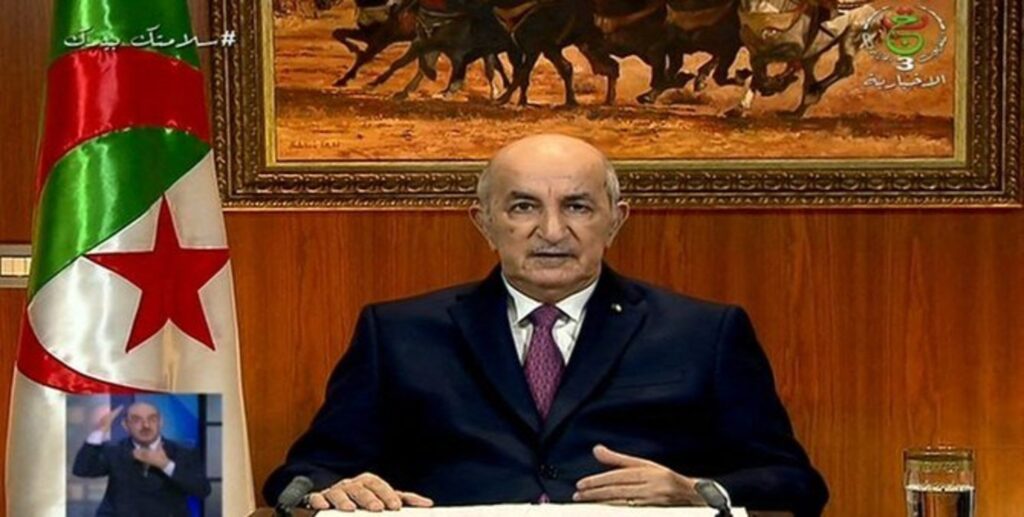
Algeria’s upcoming presidential election is highlighting a growing disconnect between the country’s aging political elite and its youthful population because its President, Abdelmadjid Tebboune, 78, is seeking a second term, describing himself as a “candidate of youth” despite facing widespread apathy among young voters.

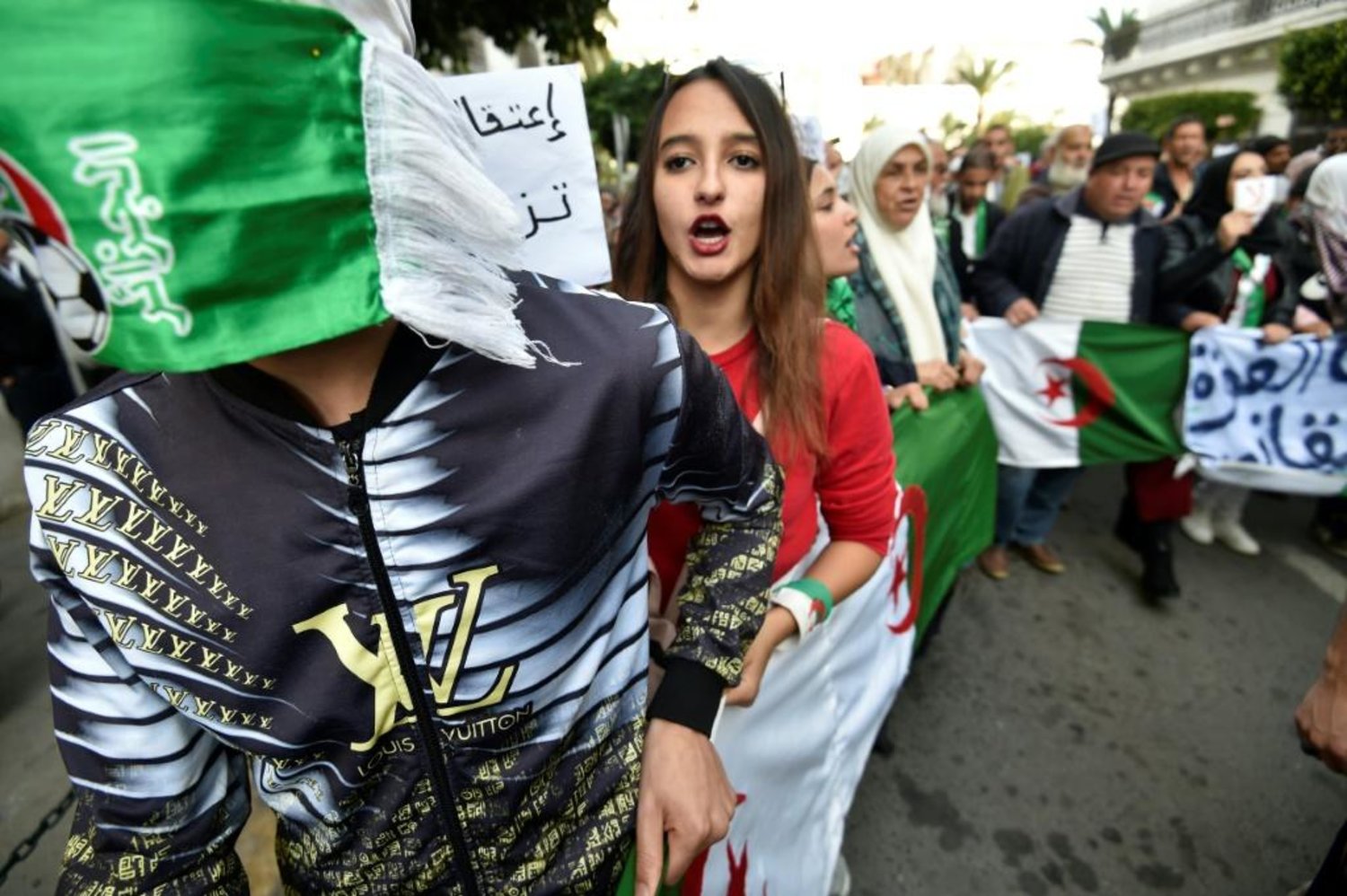
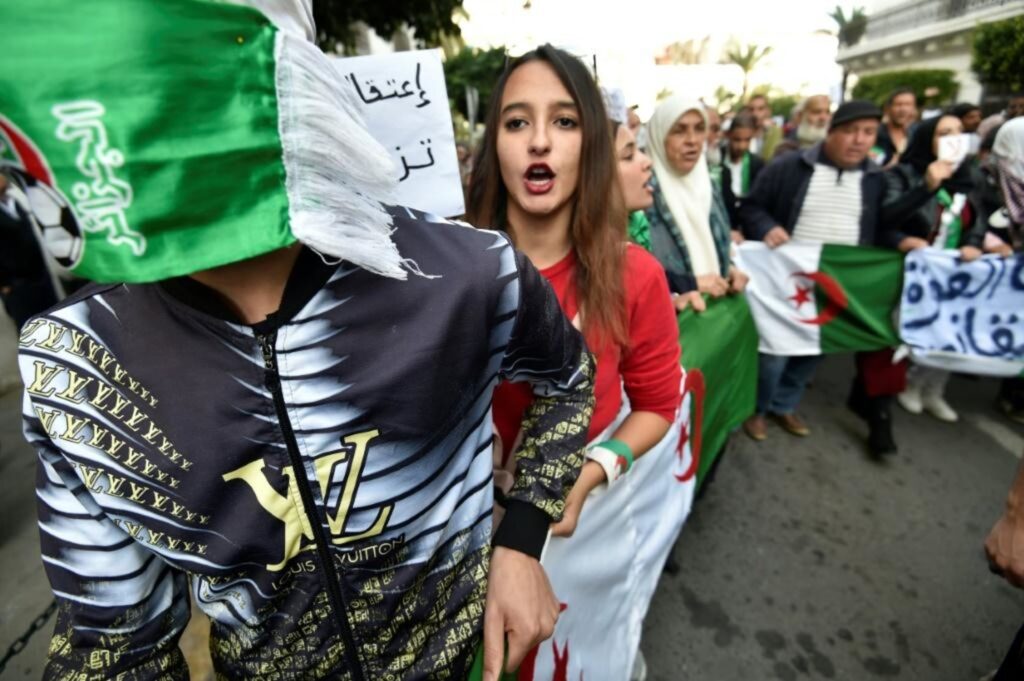
Kaci Taher, a 28-year-old from Kabylia, exemplifies the disenchantment felt by many young Algerians. A participant in the 2019 Hirak protests that ousted long-time President Abdelaziz Bouteflika, Taher now says he won’t vote, believing the election results are predetermined.

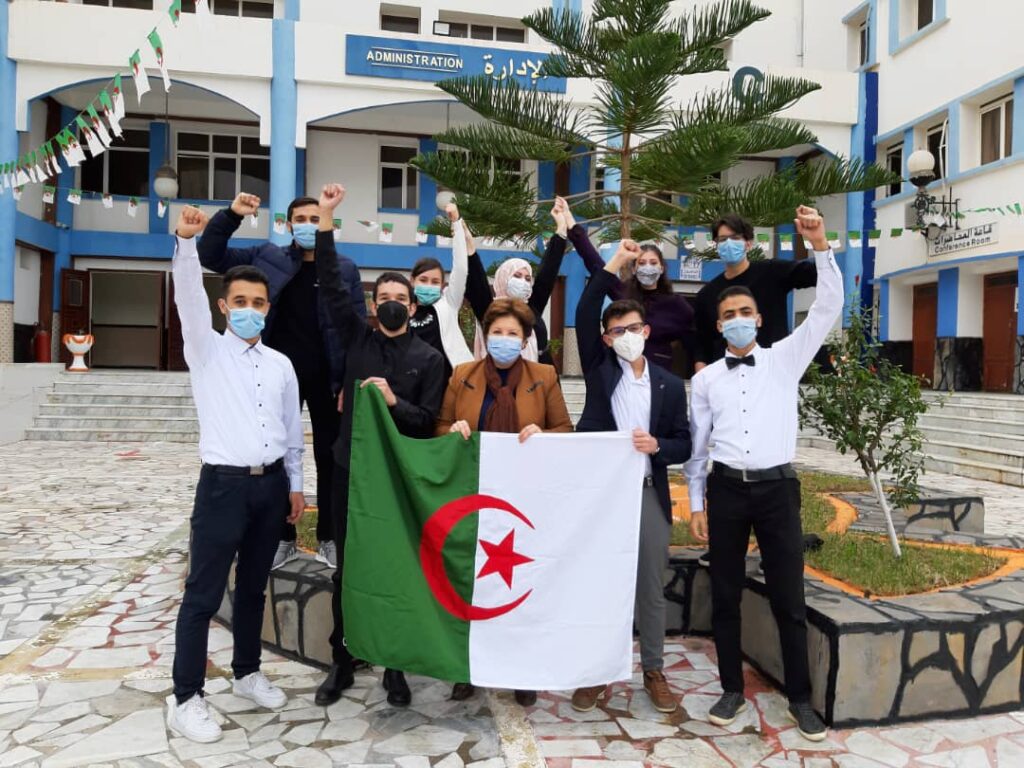
Youth disengagement is a significant concern in Algeria, where people under 30 make up 51% of the population. Voter turnout has historically been low, particularly among this demographic. Redouane Boudjema, a professor at the Algiers Institute of Journalism, attributes this to a “big gap between the new generation and the existing political structures.”

Tebboune’s presidency, which began in 2019 amid controversy over a rushed election timeline, has been marked by ongoing economic challenges and concerns over press freedom. Despite this, he continues to reference the Hirak movement in speeches, claiming to have addressed young people’s concerns.

The government has implemented measures aimed at youth engagement, including a national youth council and interest-free loans for tech start-ups. However, the effectiveness of these initiatives remains questionable.

The election also brings into focus the age disparity between Algeria’s leaders and its population, reflecting a trend seen in many countries classified as “not free.”

Concerns are rising about increased emigration, with over 100 makeshift boats crossing the Mediterranean to Spain this year. A viral video of young Algerians leaving the country has underscored these worries.

As the election approaches, the level of youth participation will be closely watched. A low turnout could cast doubt on the legitimacy of Tebboune’s expected victory and highlight the ongoing challenges in engaging Algeria’s young population in the political process.

The Associated Press report