Home Blog Page 840

Israel Admits Killing Hezbollah Official in Beirut Airstrike

0

Israel’s military has announced that it killed a Hezbollah official, Fuad Shukr, in an airstrike in Beirut, Lebanon on Tuesday. The Israel Defense Forces (IDF) blamed Shukr for a recent attack on the Israeli-controlled Golan Heights that killed 12 young people.
The IDF stated that Shukr “was the commander responsible for the murder of the 12 children in Majdal Shams in northern Israel on Saturday evening, as well as the killing of numerous Israelis and foreign nationals over the years.”

An Israeli official told NBC News that the strike targeted Shukr, also known as Hajj Mohsen, in a suburb of southern Beirut. Mohsen was a senior adviser to Hezbollah’s supreme leader, Hassan Nasrallah, and a member of the group’s military council, according to a U.S. government profile.

Israeli Defence Minister Yoav Gallant said, “Shukr has the blood of many Israelis on his hands. Tonight, we have shown that the blood of our people has a price, and that there is no place out of reach for our forces to this end.”

Hezbollah has denied responsibility for Saturday’s rocket attack on the Golan Heights, which struck a soccer field and killed at least 12 people, mostly children and teenagers from the minority Druze community.
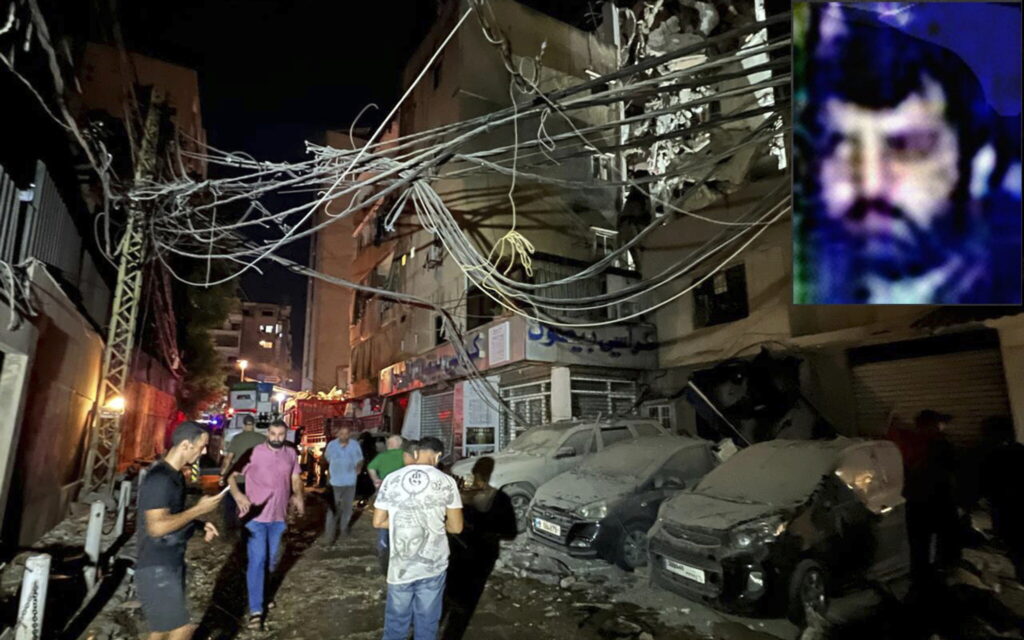
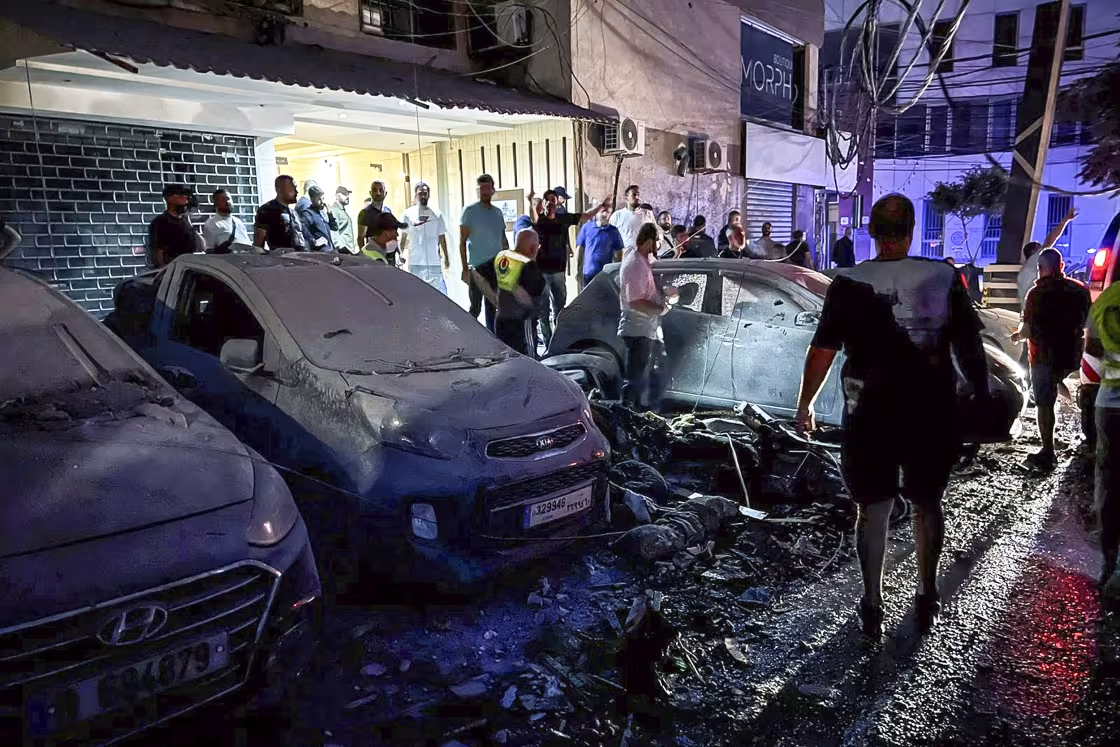
The Lebanese Health Ministry reported that the Israeli strike in Beirut killed a woman and injured up to 68 other people, with five in critical condition. Al Manar, a Hezbollah-run television station, reported that Israel “launched an aerial aggression that targeted the southern suburb of Beirut,” using a drone to fire three missiles in the Haret Hreik area, a Hezbollah stronghold.

This strike marks a significant escalation in the ongoing tensions between Israel and Hezbollah, which have been exchanging fire since Hamas’ October 7 attack on Israel and the subsequent war in Gaza. It is also the first time Israel has struck Beirut since January, when an airstrike killed Saleh Arouri, a top Hamas official.

The IDF claimed that Shukr joined Hezbollah in 1985 and was the head of the group’s Strategic Unit, responsible for weaponry including missiles, rockets, and drones.

A White House National Security Council spokesperson, when asked about the strike, stated that they defer to Israel “to speak to its own military operations” but support its right to defend itself. The spokesperson added, “Our commitment to Israel’s security is ironclad and unwavering against all Iran-backed threats, including Hezbollah, and we are working on a diplomatic solution that will allow citizens to safely return to their homes.”

The situation remains tense, with fears that the ongoing exchanges could escalate into a broader regional conflict.

Source: NBC News
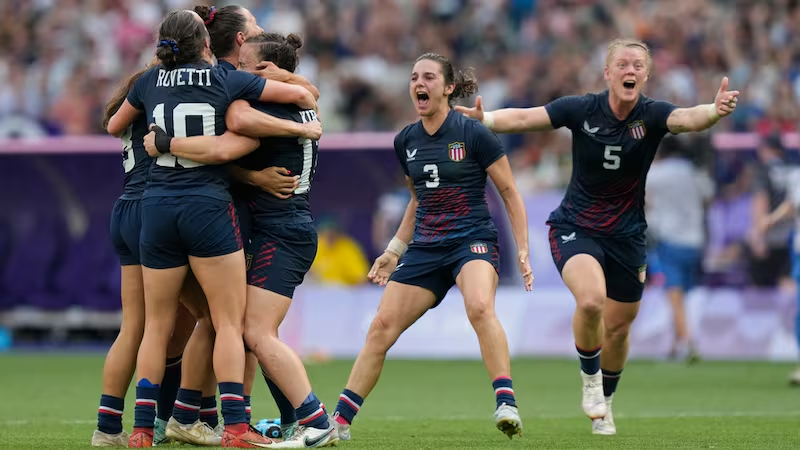
USA Women’s Rugby Team Wins Historic Olympic Bronze

0

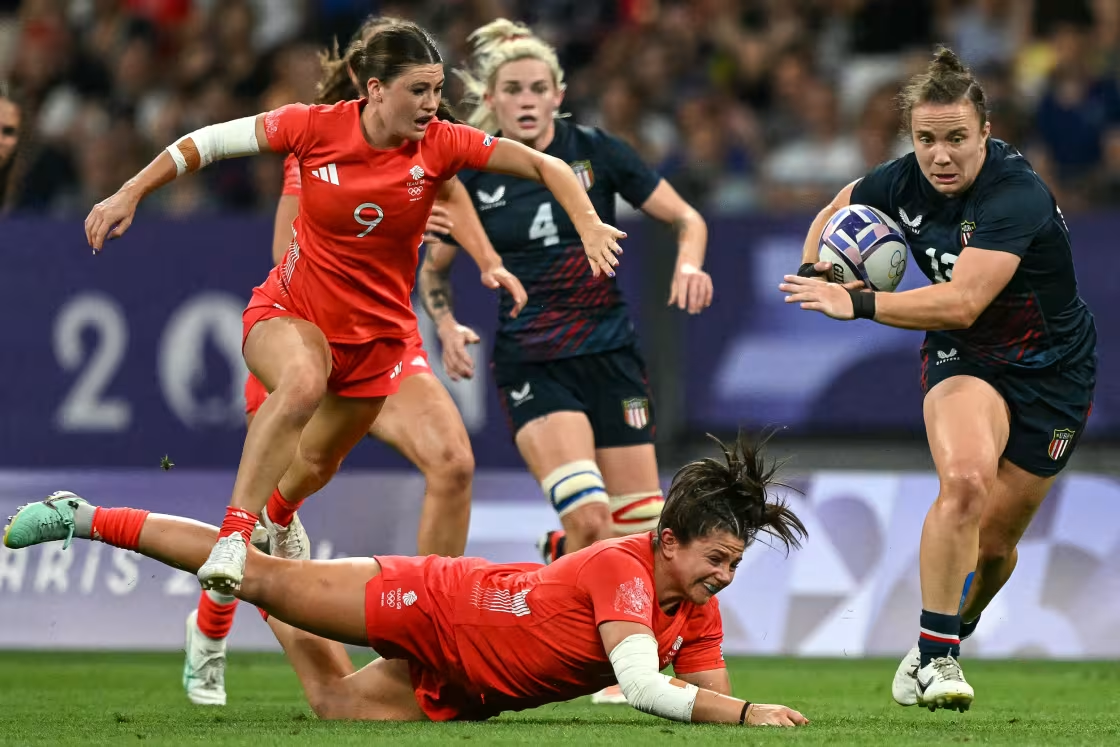
The U.S. women’s rugby sevens team has shocked the rugby world by winning a bronze medal at the Olympics, defeating 2016 gold medalists Australia in a dramatic 14-12 victory. This marks the first medal in the sport for U.S. women, achieved through a last-second play by Salt Lake City native Alex “Spiff” Sedrick.

Kristi Kirshe, a U.S. player, told NBC News on Wednesday, “Yeah it’s a little crazy, huh? It’s kind of still surreal. I don’t think it’s really fully sunk in yet. We’re all excited and kind of just feeling the gravity of it all.”

Unlike their competitors from rugby powerhouses like New Zealand and Australia, most of the U.S. team members came to the sport later in life. U.S. captain Naya Tapper, for instance, discovered rugby as a freshman at the University of North Carolina through a club team. Now, at 30, the former high school track standout wears an Olympic medal.

“Outrageous,” Tapper said, reflecting on the program’s rapid progress. “If I would have found it now, with how much the sport has grown, I wouldn’t have gotten on to the team. I’m very grateful for the way the timing worked out.”

The U.S. roster is filled with athletes who excelled in other sports before transitioning to rugby. Alev Kelter, 33, played hockey at Wisconsin. Stephanie Rovetti was an elite high school sprinter and played basketball for BYU. Kirshe, 29, was a Division III soccer standout and didn’t start rugby until she was 23.

Despite rugby not being a mainstream sport in the U.S. – it’s not played as an interscholastic championship sport in any state – Tapper believes the country can become a world player. She cited the combination of talent and intelligence in American athletes as key factors.

“With that combination, if we can teach somebody how to play a certain sport and give them a year or two to figure out the skills aspect, as you can see from our team of crossover athletes, you can get the success you want, at the same level with teams that can start when they’re very young,” Tapper said.

Kirshe hopes their success will inspire more young girls to consider rugby. “That’s something we talk about all the time,” she said. “It’s just like, bringing such an amazing sport to little girls around the country. Look at our team of all shapes and sizes and everyone has their role on the field. So I hope that little girls at home see all of us and say, ‘Hey, I want to be a powerful woman like that someday.'”

This unexpected Olympic success could mark a turning point for rugby in the United States, potentially attracting more athletes to the sport and raising its profile among American sports fans.

Source: NBC News

Nigerians Plan 10 Days of Protest Against Economic Hardships

0

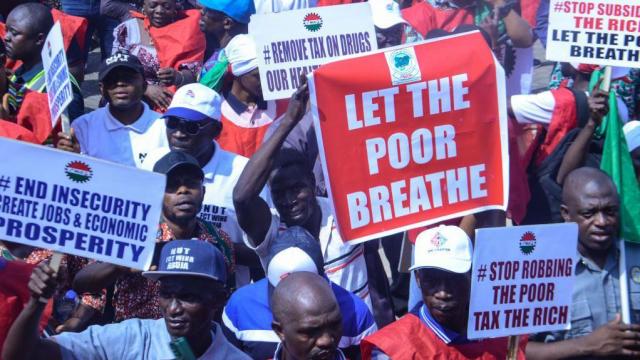
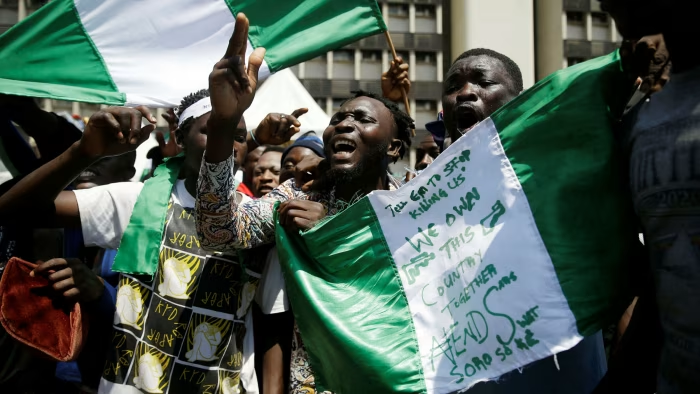
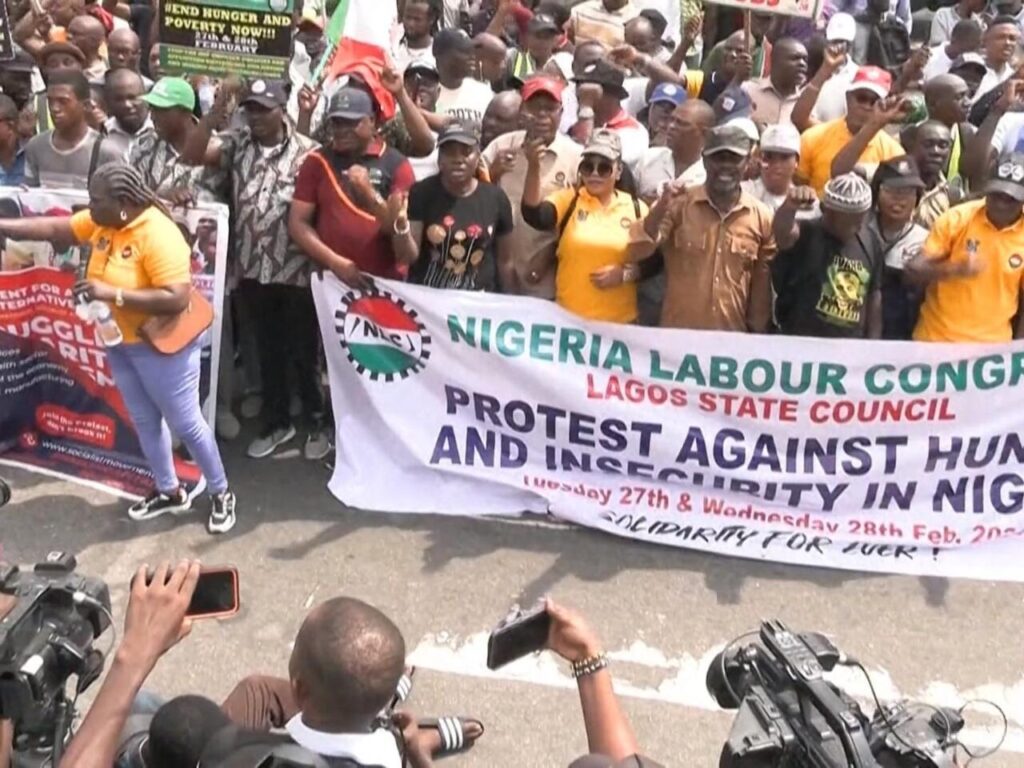
Nigerians are preparing for 10 days of protests starting Thursday, driven by mounting economic hardships and soaring inflation rates. The demonstrations, organized by groups such as the Take It Back Movement, come despite government pleas to stand down.

Banwo Olagokun, a 36-year-old activist with the Take It Back Movement, told the BBC, “We are protesting because we are hungry. We are protesting because the inflation rate has made us unable to afford the simple things of life – food, water, clothes, medicals.”

Nigeria is experiencing its worst economic crisis in a generation, with annual inflation at 34.19%, the highest in almost three decades. Food prices have risen even faster, with staples like yams costing nearly four times more than last year in Lagos, the commercial hub.

The Take It Back Movement is demanding that the government address the cost-of-living crisis and offer free education at all levels. Some of their more radical demands include scrapping the country’s 1999 constitution, allowing Nigerians living abroad to vote in elections, and releasing Biafran separatist leader Nnamdi Kanu from prison.

Juwon Sanyaolu, the 31-year-old national coordinator of the movement, says they have drawn inspiration from recent events in Kenya, where youth-initiated demonstrations forced President William Ruto to scrap a controversial tax-rise plan.

The planned protests have prompted a response from the Nigerian government. President Bola Tinubu, through Information Minister Mohammed Idris Malagi, has appealed to organizers to shelve their plans and urged patience. Several state governors have also spoken out, warning of potential violence.

In an apparent attempt to appease the public, the government has made various announcements, including reopening applications for youth financial support and advertising job opportunities at the state oil company.

However, protest organizers say these offers are insufficient. Sanyaolu states, “We have not put our boots on the ground and already the government is granting concessions and advertising jobs here and there. If young people insist and put their boots on the ground, we’ll get more.”

Nigeria’s economic difficulties stem from several factors, including the devaluation of the naira, removal of fuel subsidies, and ongoing security crises affecting supply chains.

The government insists the reforms were necessary to reduce public spending, a view shared by economist Muda Yusuf. However, Yusuf believes the implementation could have been better planned.

Some fear the demonstrations could lead to a repeat of the 2020 #EndSars protests, which ended in violence. Defence spokesman Maj Gen Edward Buba has warned that the military will intervene to prevent any violence, while police chief Kayode Egbetokun blamed “self-appointed crusaders and influencers” for organizing the protests.

Despite these warnings, organizers remain resolute. Sanyaolu declares, “I’m not a prophet, as I like to say, but one thing I can assure is Nigerians are resolute and we will protest.”

As Nigeria braces for potential unrest, the coming days will test the government’s ability to address the economic concerns of its citizens while maintaining public order.

Source: BBC

Sudan’s Gen Abdel Fattah al-Burhan Survives Assassination Attempt

0

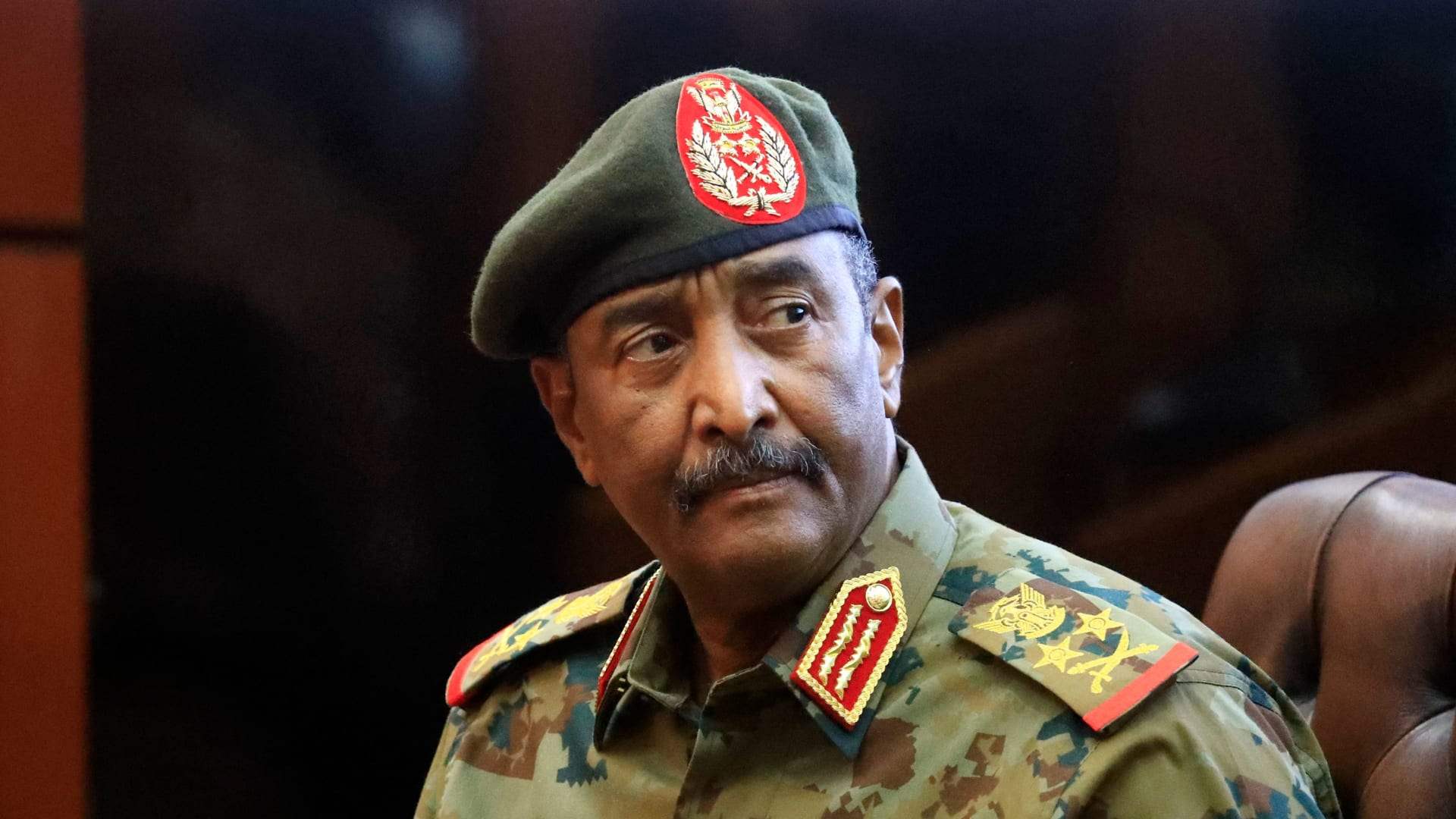
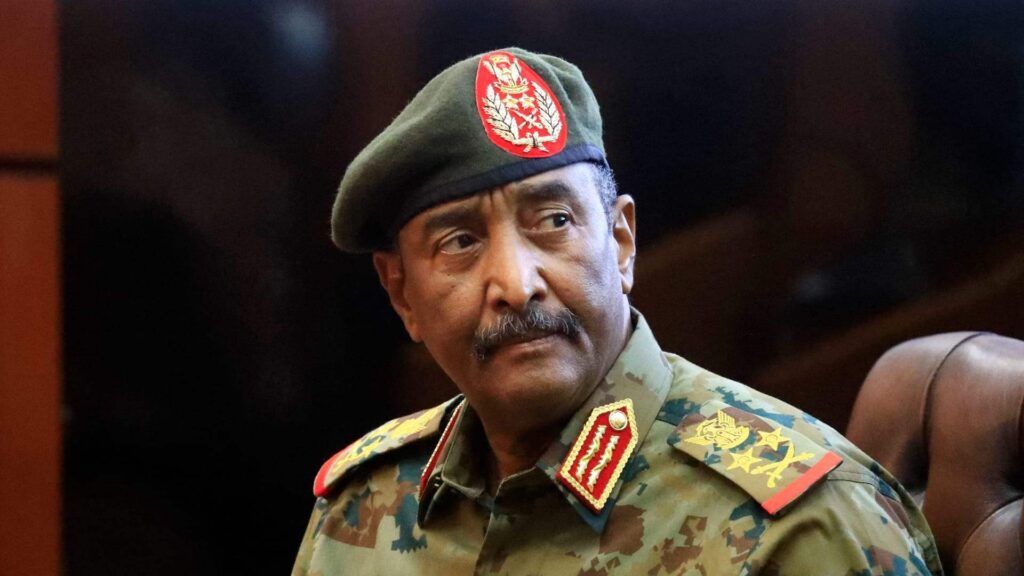
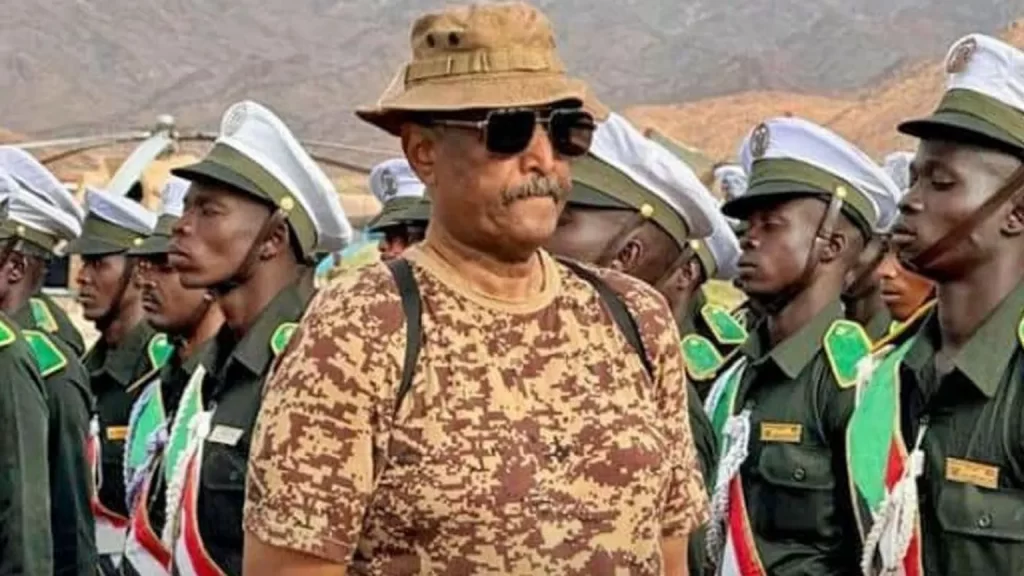
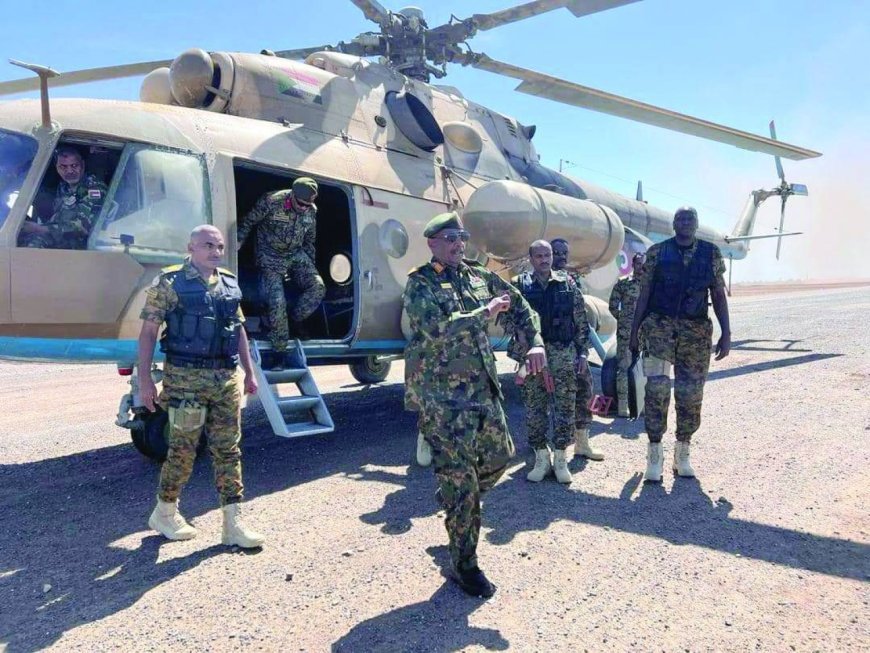
Sudan’s military leader Gen Abdel Fattah al-Burhan has survived an assassination attempt, according to army spokesman Nabil Abdallah in a statement to the BBC. The attack, blamed on the paramilitary Rapid Support Forces (RSF), involved two drones striking an army graduation ceremony at a base in Jabait in eastern Sudan.

The drone strikes killed five people at the ceremony, which took place in territory under military control. The RSF, which has been in conflict with the army for the last 16 months over control of the country, has not commented on the attack.

This incident comes after Gen Burhan’s government agreed to conditionally join the RSF at US-mediated peace talks next month. Previous attempts to end the conflict, which has created the world’s largest humanitarian crisis, have failed as both sides have refused to honor their commitments.

The ongoing conflict has forced more than 10 million people to flee their homes since the former allies fell out over an internationally backed political plan to move towards civilian rule.

Video footage from the ceremony shows military graduates marching in ceremonial dress before the sound of a strike is heard. Gen Abdallah told the BBC, “The only party that is hostile to the Sudanese people and targeting the Sudanese people is the rebel Rapid Support Forces.” He expressed gratitude that Gen Burhan and “all the commanders present are fine” and that there are not many major injuries.

The area where the attack occurred, between the mountains and the Red Sea coast, is home to the Beja people, who have historically had a tense relationship with those in power, often feeling ignored and marginalized. Despite some resentments about rising living costs in Port Sudan due to the influx of people fleeing Khartoum, these communities are generally supportive of Gen Burhan.

Both the army and RSF have access to drones, which have been widely used by both sides in the conflict. Some analysts have pointed to previous incidents of drone strikes targeting different factions within the military, while others suggest that the RSF has been increasingly using drones to target army-controlled areas.

According to Reuters, the RSF currently controls eight of Sudan’s 18 state capitals, including Khartoum, and is expanding further into the south-east of the country.

The Sudanese foreign affairs ministry has requested a meeting with US officials ahead of the peace talks scheduled to start in Geneva on August 14. The RSF had previously accepted the US invitation soon after it was proposed last week.

Source: bbc.com

Mali Launches Air Strikes on Rebels After Troop Losses

0

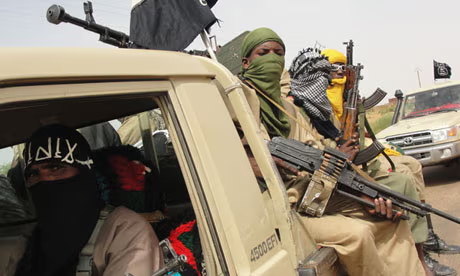
Mali has launched air strikes on insurgent targets in and around the town of Tinzaouaten, located in its northern desert region, following recent attacks by ethnic Tuareg rebels and Islamist fighters that resulted in significant casualties among Malian soldiers and their Russian allies.

Both the Malian army and the Russian private military company Wagner reported losses between July 22 and 27 in the Tinzaouaten area, near the Algerian border. This incident appears to be Wagner’s most severe setback on African soil since their deployment to Mali.

The Russian forces have been present in Mali since the military, which came to power through coups in 2020 and 2021, expelled French and U.N. troops that had been combating Islamist insurgents for a decade, replacing them with Wagner personnel.

On Tuesday, the Malian army announced that it had attacked what it termed a “coalition of terrorists” in the Tinzaouaten area, in a joint operation with forces from neighboring Burkina Faso, which is also governed by a pro-Russian military junta. The army stated that “specific high-value targets including caches, logistical positions and vehicles have been hit,” and urged civilians to avoid insurgent positions.

The Tuareg rebel group involved in the earlier fighting, known as the Permanent Strategic Framework (CSP), condemned the air strikes and claimed that a drone operated by Burkina Faso had killed dozens of civilians. According to the CSP, the victims were mostly African migrant workers from countries including Niger, Chad, and Sudan, employed in local artisanal gold mines.

Neither Mali nor Wagner have disclosed the exact number of troops lost in the recent clashes, though Wagner confirmed that the commander of its unit in the area, Sergei Shevchenko, was among the casualties. Russian military bloggers have estimated that 20 or more Wagner personnel may have been killed.

The CSP stated that it had killed and injured dozens of Malians and Russians, while an Islamist group affiliated with al Qaeda claimed to have killed 50 Russians and 10 Malian soldiers.

Mali, Burkina Faso, and Niger, all former Western allies that have shifted towards Russia following military takeovers, signed a mutual defense pact last year. Mali cited this agreement to explain Burkina Faso’s involvement in the air strikes.

The Tuareg people, who inhabit the Sahara desert including parts of northern Mali, have long complained of marginalization by the Malian government. Tuareg separatists initiated an insurgency against Mali in 2012, demanding an independent homeland called Azawad. Their struggle later became intertwined with an al Qaeda-aligned Islamist rebellion in the same region.

Reuters

Uganda: Man Held Under Anti-Gay Law Released on Bail

0

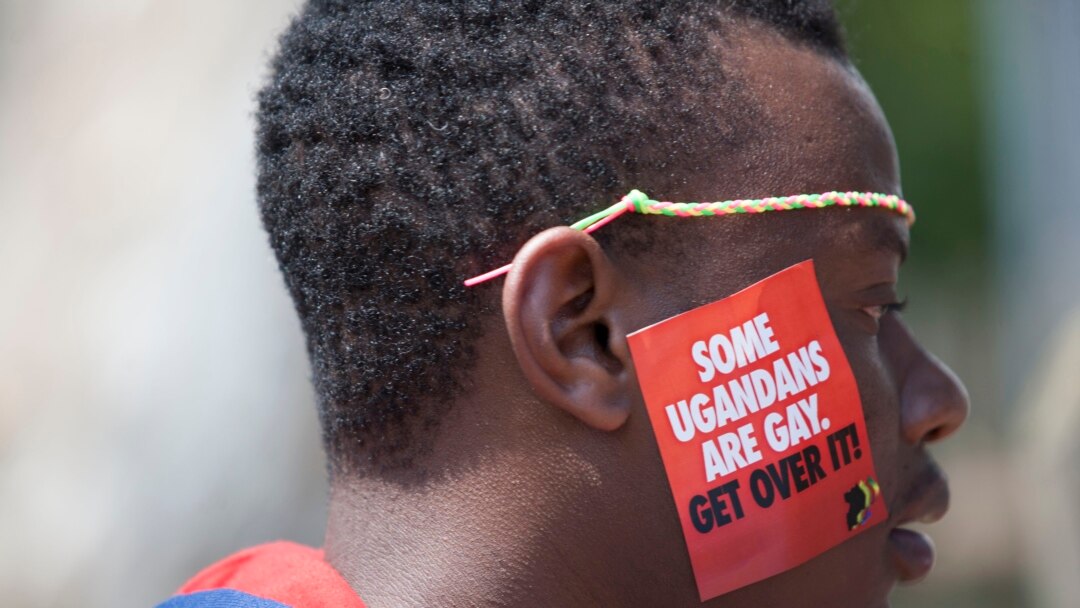
According to Reuters, a Ugandan man held in pre-trial detention for nearly a year under the country’s controversial anti-homosexuality laws has been freed on bail. The release comes amidst reports of growing rights violations against Uganda’s LGBTQ community following the enactment of the Anti-Homosexuality Act (AHA) last year.

Michael Opolot, 21, was detained on August 15 last year. Initially charged with aggravated homosexuality in a court in Soroti, northeastern Uganda, he was later faced with a lesser charge but had been repeatedly denied bail. Chapter Four Uganda, a human rights group representing Opolot, announced on the X platform late on Tuesday that “After 350 days on remand, the Soroti Chief Magistrate’s court finally granted (Opolot) … cash bail today.” The group described the long pre-trial detention as “unconscionable.”

Frank Mugisha, a prominent Ugandan LGBTQ rights campaigner, also reported the release on his X account. A Judiciary spokesperson did not immediately respond to a Reuters request for comment.

The Convening for Equality (CFE), a coalition of LGBTQ rights groups, stated earlier this month that Opolot had been subjected to forced anal examinations during his incarceration. A prisons spokesperson did not immediately respond to a Reuters phone call seeking comment on this allegation.

Uganda’s AHA, enacted last year, introduced severe penalties for homosexuality. The law includes the death penalty for “aggravated homosexuality” and life imprisonment for same-sex intercourse. Opolot faced a life sentence after his charge was amended to “having unnatural sex,” covered by an old anti-sodomy law from the British colonial era.

A June report by a rights groups coalition documented at least 1,000 LGBTQ rights violations in the previous nine months, including arrests, torture, beatings, evictions, banishment, blackmail, and loss of employment.

The AHA legislation has drawn international condemnation. The U.S. imposed sanctions and travel bans, while the World Bank halted all new lending to Uganda in response to the law.

Source: Reuters

Ghana High Court Blocks Protests Over Cost of Living

0

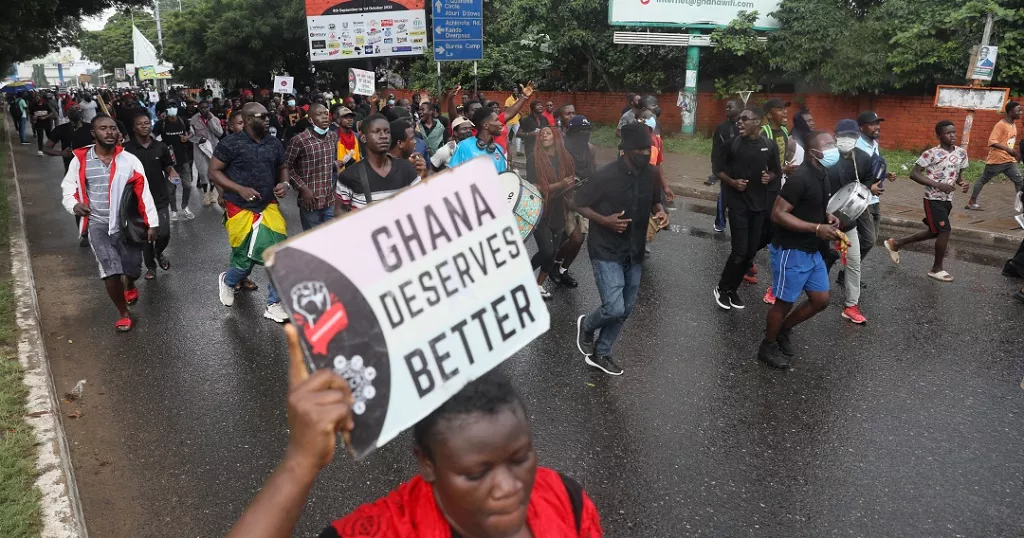
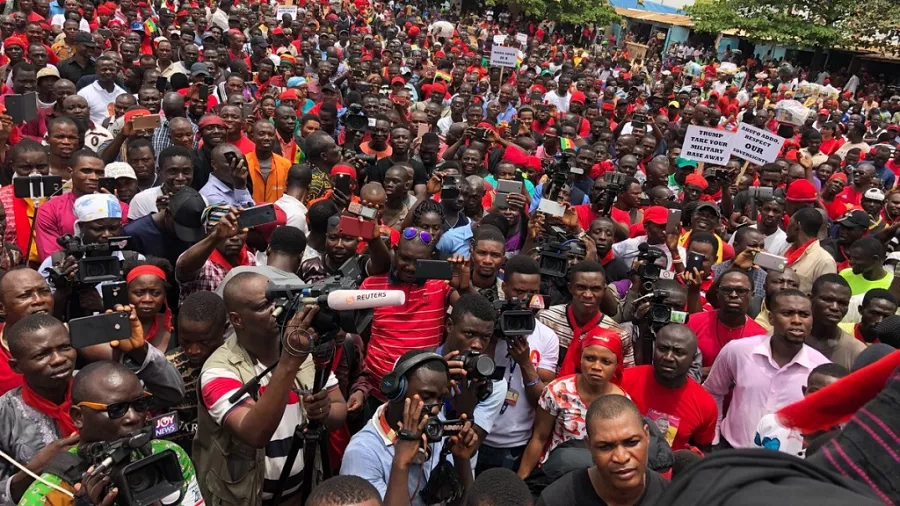
A high court in Ghana has issued a ban on planned protests in the capital city of Accra, according to one of the event organizers. The court’s decision aligns with actions taken by other African governments to quell youth-led demonstrations against the high cost of living.

Justice Abena Afia Serwaa of the high court approved a request from Ghana’s police to prohibit several organizations from conducting protests scheduled between July 31 and August 6. The police cited a lack of personnel to provide adequate security, as officers have been deployed to political rallies amid ongoing election campaigning.

Organizers had anticipated that over two million people would participate in the protests. Their demands included more action from President Nana Akufo-Addo on corruption and living conditions, as well as protests against delays in signing an anti-LGBT bill into law.

Mensah Thompson, one of the protest organizers, expressed concern over the court’s decision, stating that elections should not prevent citizens from exercising their right to demonstrate. He warned, “Young people are poised to demonstrate with or without the approval of the authorities.”

The ban in Ghana comes amidst a wave of youth demonstrations across several African countries in recent weeks:

– In Kenya, over 50 people have been killed and nearly 700 arrested during protests against tax increases proposed by President William Ruto.

– Uganda saw young people protesting against alleged corruption, resulting in police shutting down a march and arresting more than 70 individuals.

Nigeria offered incentives to its youth, including jobs in the state-oil company and grants, to discourage planned nationwide demonstrations.

Ghana’s economy has faced significant challenges, exacerbated by the COVID-19 pandemic, the impacts of the war in Ukraine, and higher global interest rates. The country is currently restructuring most of its $30 billion external debt to implement a $3 billion, three-year International Monetary Fund bailout program.

As Ghanaians prepare for legislative and presidential elections in December, the ban on protests adds another layer of complexity to the country’s political landscape.

Former Ghanaian President Mahama to Renegotiate IMF Terms and Boost Local Ownership if Re-elected

0

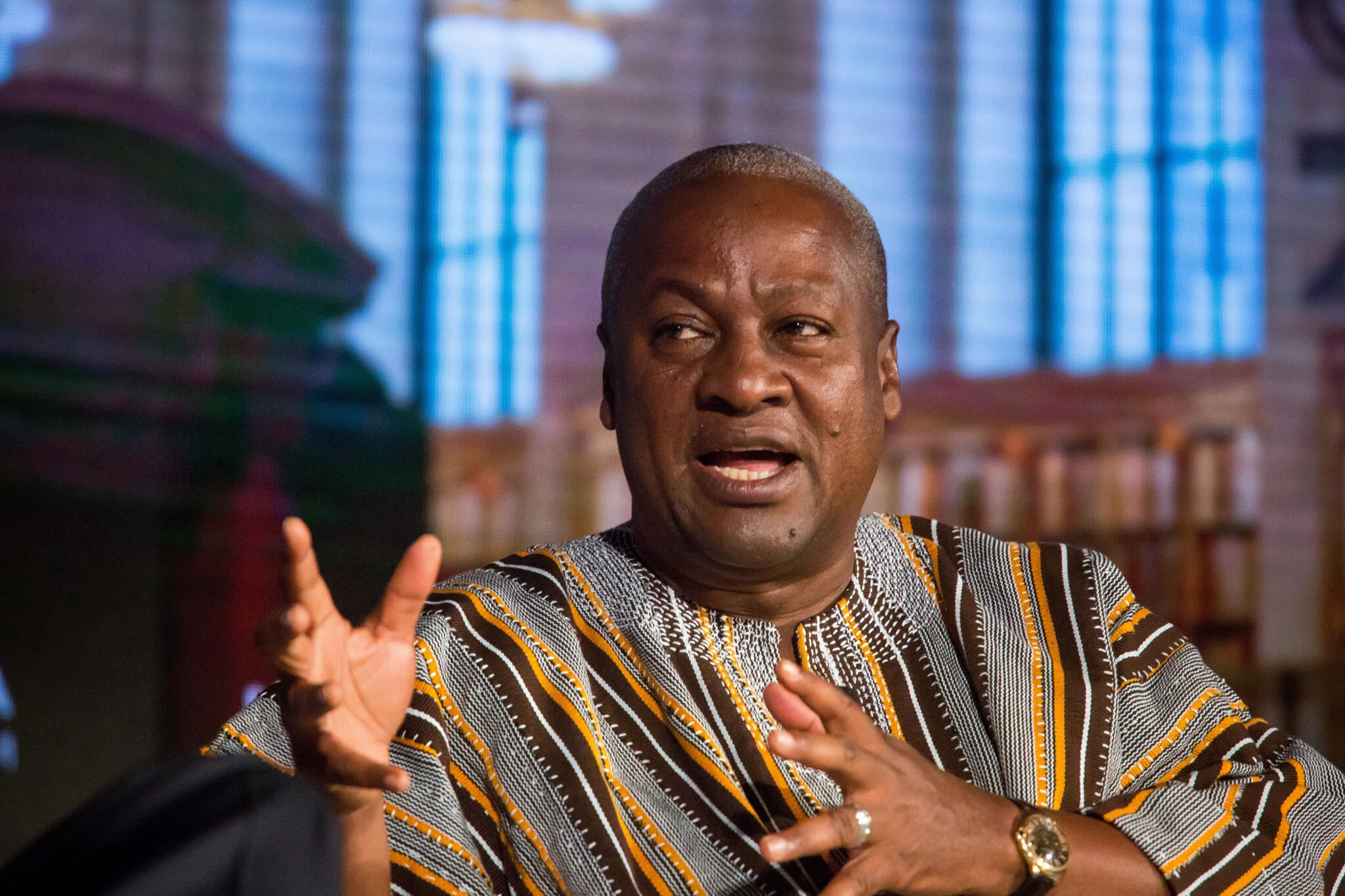
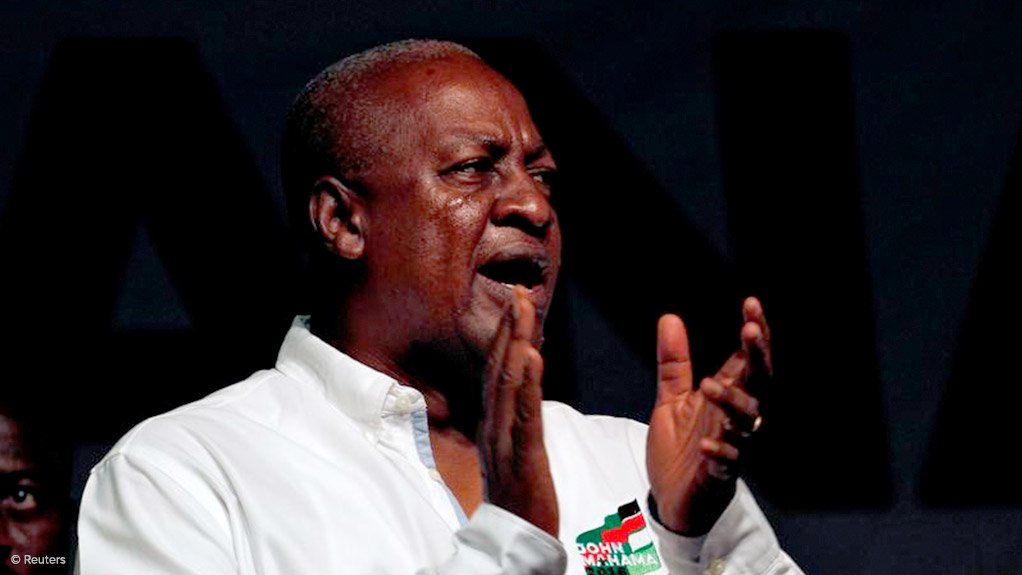
Former Ghanaian president John Dramani Mahama will try to renegotiate terms of an International Monetary Fund (IMF) bailout and boost local ownership of future oil and mining projects if he wins a new term in office in December, he told Reuters.

Mahama, who was in office from 2012-2016, will be the main challenger to the ruling party’s candidate, Vice President Mahamudu Bawumia, with a good chance to win given a severe economic crisis that has made the government unpopular.

“I’ve been in an IMF programme before, when I was president, and I know that the IMF is not averse to sitting and talking and renegotiating issues,” Mahama, 65, said in an interview.

Ghana defaulted on most of its $30 billion external debt in 2022 after the effects of years of overstretched borrowing were exacerbated by the COVID-19 pandemic, knock-on impacts of the war in Ukraine, and higher global interest rates.

The oil, gold, and cocoa producer secured a $3 billion IMF bailout in May 2023, and in June this year reached separate deals with bilateral and commercial creditors to restructure its debts and freeze repayments until 2025.

The IMF has already disbursed $1.56 billion with another $360 million due by December. But Mahama said he would seek additional IMF funds to help Ghana manage the debt repayments.

Mahama also said he would amend a public-finance management law to introduce a compulsory debt-to-GDP ceiling of 60-70% to prevent excessive borrowing.

Additionally, he emphasized he would respect existing production contracts with oil and mining companies and not seek to raise taxes, but rather aim for higher royalties.

“I might consider a super range of taxes on profit… But I do think that in some cases we could have negotiated higher stakes in the royalties is low.”

Mahama’s plans also include increasing government stakes in future projects via the Ghana Infrastructure Investment Fund, a sovereign wealth vehicle.

Reuters

Athletics Federation of Nigeria Mystified by Favour Ofili’s Missing Registration for Olympic 100m Event

0

The Athletics Federation of Nigeria (AFN) has expressed confusion over the omission of women’s 100m national champion, Favour Ofili, from the 100m event at the Paris Olympics. Despite claims that she was registered for the 100m, 200m, and the women’s 4x100m relay, Ofili’s name is absent from the 100m entry list.

Ofili raised the alarm on Tuesday night, accusing the Nigeria Olympic Committee (NOC) and the AFN of failing to register her. “It is with great regret that I have just been told I will not be competing in the 100 meters at this Olympic Games. I qualified, but those with the AFN and NOC failed to enter me. I have worked for 4 years to earn this opportunity. For what?” Ofili lamented.

Samuel Onikeku, the Technical Director of the AFN, expressed the federation’s shock at the development. “We registered Ofili for the 100m, 200m, and the 4x100m relay. We don’t know how her name got missing in the 100m. This is our stand as a federation,” Onikeku said via AFN Media.

However, a check on the entry list published by World Athletics shows that Ofili will be competing in the 200m and women’s 4x100m relay.

Ofili qualified for the women’s 100m during the AFN National Trials held at the Samuel Ogbemudia Stadium in Benin City in June. She achieved a new personal best of 11.06s to secure her first national title.

In May, she hit the Olympics 200m mark at the Tom Jones Memorial Classic with a time of 22.33s.

The situation has left both the athlete and the federation baffled, with the hope that an explanation and resolution can be found swiftly.

punchng.com

Nigerian Music Icon Onyeka Onwenu Dies at 72, Tributes Pour In

0

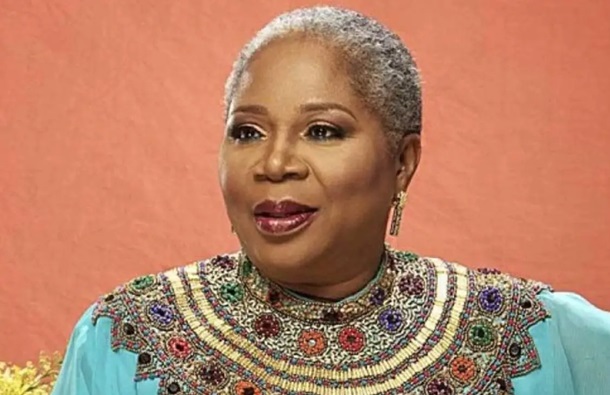
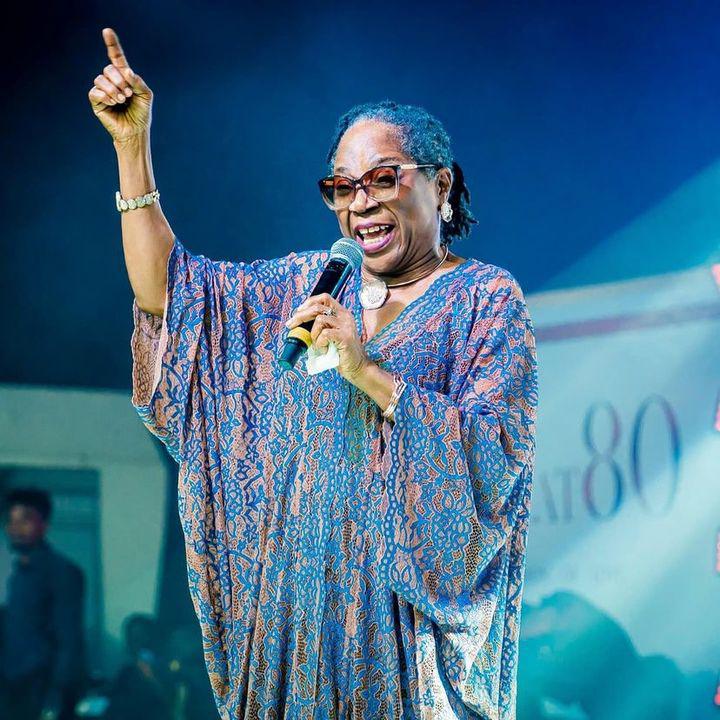
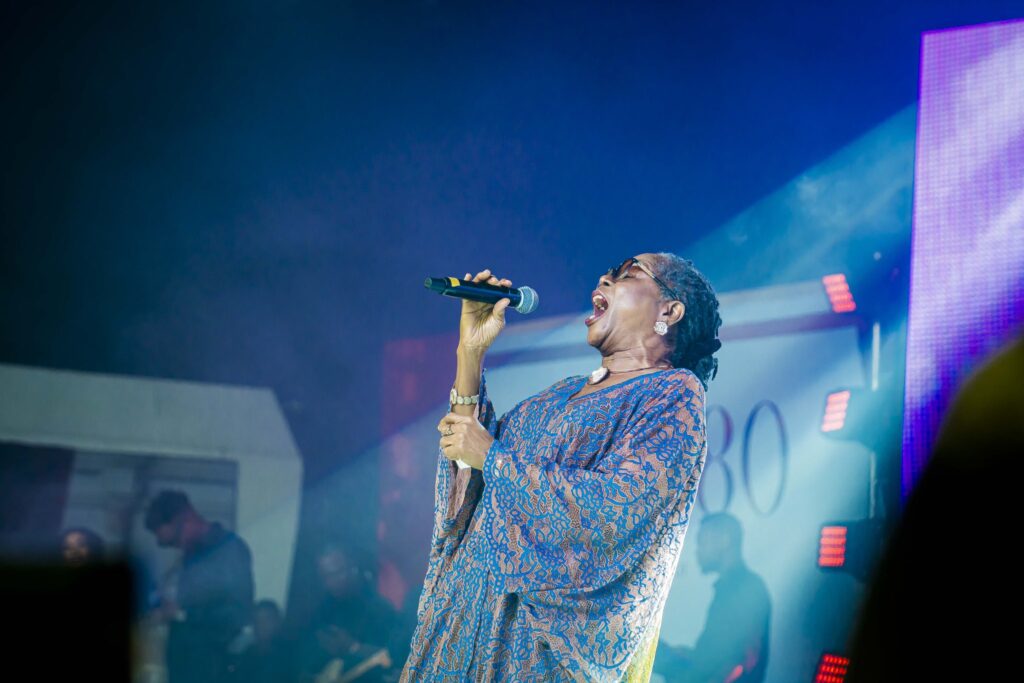
The Nigerian entertainment industry and fans worldwide are in mourning following the sudden death of legendary singer and actress Onyeka Onwenu. The iconic artist, known as the “Elegant Stallion,” passed away on Tuesday, July 30, 2024, at the age of 72, shortly after performing at a birthday celebration in Lagos.

According to sources close to the family, Onwenu collapsed moments after delivering a performance at the 80th birthday party of Stella Okoli, owner of Emzor Pharmaceuticals. She was rushed to Reddington Hospital in Lagos, where she was later pronounced dead. The exact cause of death has not yet been confirmed.

Born on May 31, 1952, Onyeka Onwenu’s career spanned over four decades, during which she made significant contributions to Nigerian music, film, journalism, and politics. Her debut album, “In The Morning Light,” released in 1984 with Polygram, marked the beginning of a stellar musical journey that produced timeless hits like “One Love,” “Iyogogo,” and “Ekwe.”

Onyeka on stage a few minutes before her death

As news of her passing spread, tributes began pouring in from across the entertainment industry and political sphere. Femi Anikulapo-Kuti, son of the legendary Fela Kuti, expressed his shock and sadness on social media platform X, stating, “Shocked, waking up to very sad news of the passing of Mrs Onyeka Onwenu. Rest in peace Ma. Your beautiful voice will live forever. Condolences to her family and loved ones.”

Former Minister of Education, Obiageli Ezekwesili, also shared her grief, describing Onwenu’s death as “shocking and extremely tragic.” In a heartfelt statement, Ezekwesili celebrated Onwenu’s multifaceted career:

“Our sister, Onyeka was as cerebral as she was gifted in the Arts and quite a captivating journalist in the 80s when she returned home and did her National Youth Service with NTA. Her newscasting skills were unmatched. Her epic BBC World documentary titled ‘A Squandering of Riches’ will remain one of the greatest narrations of the same issues that continue to ail Governance in Nigeria today.

Onyeka on stage a few minutes before her death

Ezekwesili also highlighted Onwenu’s political career, which followed in the footsteps of her father, D.K. Onwenu, and her touching tribute to her late mother, Dame Hope Onwenu, through the song “Ochie Dike Mama.”

A video of Onwenu’s final performance, showing her energetic and in good spirits, has been shared widely online, adding to the shock and sadness of her sudden passing. The footage serves as a poignant reminder of her enduring passion for music and her ability to captivate audiences until the very end.

Onyeka Onwenu’s legacy extends far beyond her musical achievements. She was a multifaceted artist who made significant contributions as an actress, journalist, and politician. Her passing leaves a void in the Nigerian cultural landscape, but her influence on music, arts, and society will undoubtedly continue to inspire future generations.