Home Blog Page 848

UPDATED-Morocco Secures 2-1 Victory Over Argentina After Late VAR Drama in Olympic Football Opener

In a dramatic Olympic men’s football opener, Morocco secured a 2-1 victory over Argentina at the Stade Geoffroy-Guichard in Saint Etienne, following a controversial VAR decision that overturned Argentina’s late equalizer. The Group B match was marked by intense action and a stunning turn of events in the final moments.

Morocco took control early, with Abde Rahimi scoring in the 45th and 50th minutes to give his team a 2-0 lead. Argentina showed resilience, with Giovanni Simeone pulling one back in the 67th minute. The South Americans thought they had equalized through Valentín Barco deep into stoppage time, but after an hour-long VAR review post-final whistle, the goal was disallowed for offside.

Key moments included:

– Rahimi’s brace, giving Morocco a commanding lead

– Simeone’s goal that sparked Argentina’s comeback attempt

– Two shots hitting the crossbar for Argentina in stoppage time

– The disallowed equalizer and subsequent VAR drama

The match featured high-profile players like Manchester City’s Julien Alvarez and former City defender Nicolas Otamendi for Argentina, while Morocco’s team included Paris Saint-Germain star Achraf Hakimi.

This result gives Morocco a strong start in Group B, while Argentina faces an uphill battle. The controversial ending highlights the impact of VAR in modern football and adds intrigue to the tournament’s progression.

As the Olympic football competition continues, this match sets a high bar for drama and intensity, promising more thrilling encounters in the days to come.

Kenyan Protesters Vow to Seize Main Airport as Deadly Unrest Continues into Sixth Week

NAIROBI, Kenya – Protesters in Kenya have announced plans for “a total shutdown” by seizing control of Nairobi’s main international airport on Tuesday. This move comes as anti-government demonstrations, now in their sixth week, escalate in intensity and violence.

The ongoing protests have resulted in at least 50 deaths and over 400 injuries, according to the Kenya National Commission on Human Rights. The unrest has seen violent confrontations between demonstrators and security forces, leading to widespread concern over the escalating situation.

Protest organizers have taken to social media, calling for supporters to block all access roads to Jomo Kenyatta International Airport. Widely circulated posts urge demonstrators to create a “total shutdown,” significantly disrupting the country’s main gateway for international travel and trade.

The protests have been fueled by public dissatisfaction with the government, particularly after President William Ruto fired his entire cabinet last month due to public pressure. On Friday, Ruto renominated six ministers, sparking renewed anger among the populace. The cabinet nominees still require parliamentary approval, but they are likely to be confirmed given Ruto’s party holds a majority.

On Sunday, President Ruto expressed frustration with the ongoing protests, declaring that “enough is enough” after previous attempts at dialogue failed. He stated, “Going forward, we will protect the nation. We will protect life, property, we will stop the looters, killers, mayhem and anarchy because Kenya is a democracy, and we want a peaceful, stable nation.”

The protestors’ actions and the government’s stern response underscore a growing divide in the country. As the situation develops, there are rising fears about the potential for further violence and economic disruption. The international community is closely monitoring the situation, with concerns about stability and human rights in Kenya.

Source: CNN

Land Dispute Threatens Namibia’s Energy Hub Plans-Reuters

LÜDERITZ, Namibia – A land access dispute in Namibia over diamond-rich areas around the town of Lüderitz is threatening to derail major energy projects. The conflict involves state and company officials as the government steps up efforts to resolve the issue, according to Reuters reports.

Any prolonged delays may deter investors at a critical time for Namibia, which is working to accelerate its first oil production following large offshore finds by TotalEnergies, Shell, and Galp. The energy sector is closely watching these developments as Namibia positions itself as a future energy hub.

The disputed area includes vast tracts of desert land surrounding Lüderitz and Elizabeth Bay, located 25 km south. This land is part of a mining license held by Sperrgebiet Diamond Mining (SDM) company, crucial for companies needing access for their projects.

A spokesperson for the mines and energy ministry stated, “At the moment, the ministry and license holder are in talks to find a best solution to address the issue [of land access].” The dispute has the potential to impact several significant projects, including Hyphen Energy’s $10 billion green hydrogen project, a proposed 800-megawatt gas-to-power plant, and two wind farms.

BW Energy’s plans to develop a site in the Kudu gas field to supply a gas-to-power plant and an onshore liquefied natural gas facility are also affected. BW Energy CEO Carl Arnet emphasized the need for clarity, saying, “It’s quite important for us to secure the appropriate land once we are in operation.”

Elizabeth Bay has postponed a final investment decision on its Kudu project, citing the land issue. Officials aim to resolve the mechanics of how land will be accessed for energy infrastructure.

Illicit Banknotes in Eastern Libya Contribute to Dinar Devaluation, Russia Involved

TRIPOLI, Libya – Unofficial Libyan banknotes, some printed by Russia, have been exchanged for real dollars, exacerbating the dinar’s devaluation, according to three sources familiar with the matter. Some of these notes were printed in Russia and exported to eastern Libya this year, while others were printed illicitly within Libya.

The new banknotes have been described as counterfeit by the Central Bank of Libya (CBL) in Tripoli but are being converted into hard currency on the black market or through local banks in Libya’s eastern regions. These activities have significantly impacted the Libyan economy, according to sources from Libya’s eastern government, a Libyan banking source, and a diplomatic source.

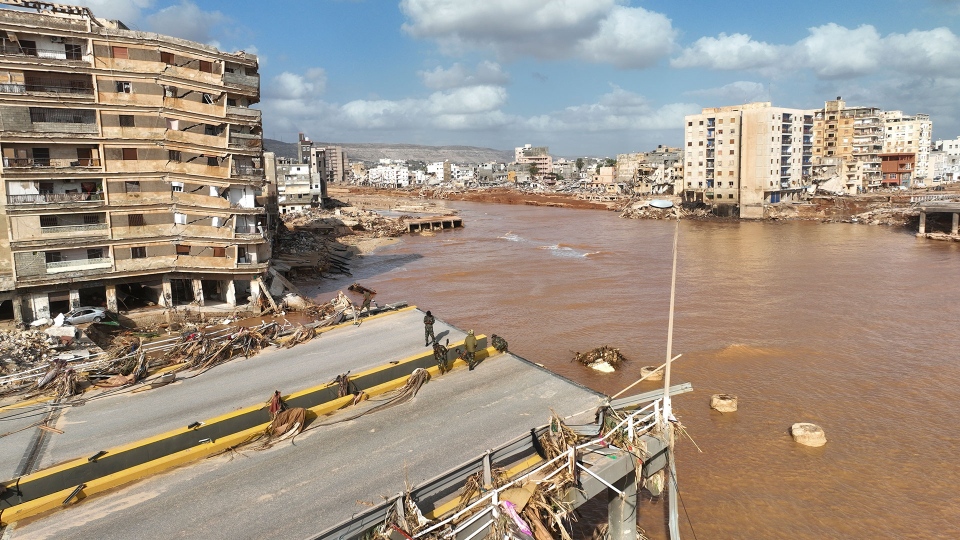
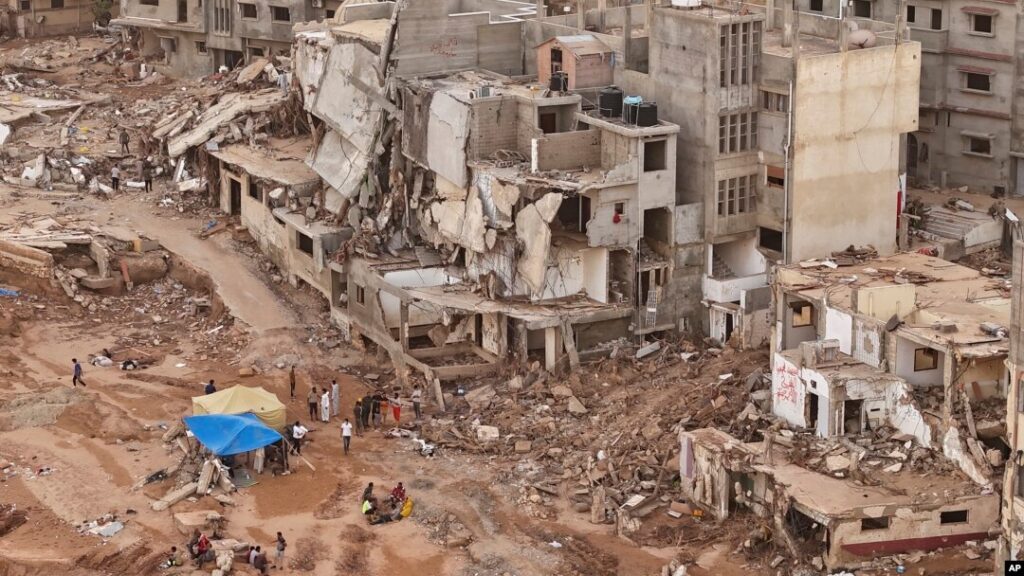
The illicit money is reportedly used to fund infrastructure projects in the east following last year’s devastating floods. Additionally, the funds may be used to finance Russian mercenary activity in Libya and the Sahel, the diplomatic source added. Russia’s involvement in introducing new banknotes into Libya was flagged to Reuters by The Sentry, an international investigative and policy group focused on corruption and war crimes.

Neither the Tripoli-based Central Bank of Libya nor its branch in Benghazi responded to Reuters’ requests for comment. There was also no immediate response from the Libyan National Army, which controls eastern Libya. The Russian state printer, Goznak, did not respond to a written request for comment.

Libya split in 2014 between warring eastern and western factions. Despite a 2020 ceasefire, a political solution has been elusive, with ongoing conflict. The U.S. sanctioned Goznak in 2019 for printing more than $1 billion in counterfeit Libyan currency without specifying when the notes were printed.

Credit: Reuters

Ugandan Court Charges 42 Youths Over Anti-Graft Protest

KAMPALA, Uganda – A Ugandan magistrate’s court has charged at least 42 youths for offenses allegedly committed during a banned anti-corruption protest on Tuesday. The court has remanded them in custody.

Protesters marched on different streets in the capital, Kampala, on Tuesday, shouting slogans and holding placards denouncing corruption by lawmakers. The youths were arrested during these demonstrations and appeared in court late on Tuesday, according to Bernard Oundo, president of the Uganda Law Society, who was leading a team of lawyers representing the suspects.

The court charged the protesters with various offenses, including being “idle and disorderly” and being a “common nuisance,” according to the charge sheet. They pleaded not guilty and were ordered to return to court on different dates between July 30 and August 6.

New York-based human rights group Human Rights Watch condemned the arrests, stating that they demonstrate the Ugandan government’s “lack of respect for people’s right to protest and express themselves.” Oryem Nyeko, senior Africa researcher at Human Rights Watch, said, “Instead of being arrested and blocked from protesting, those people should have been listened to.”

The police spokesperson did not answer repeated calls for comment. The opposition has long accused Ugandan authorities of enabling corruption and misusing public funds, alleging that President Yoweri Museveni protects senior officials who are politically loyal or related to him. Museveni has denied condoning corruption and stated that those found guilty, including lawmakers and even ministers, are punished.

Reuters’ Original Story

At Least 26 Villagers Killed in Latest Attack in Central Mali

At least 26 villagers were killed in a violent attack on Dembo village in central Mali, near the Burkina Faso border, according to local government official Moulaye Guindo. The assault, which occurred on Sunday evening, targeted villagers working in their farmlands, marking the latest in a series of violent incidents in the conflict-ridden region.

Guindo, the mayor of Bankass town where Dembo is located, reported that the assailants struck as most villagers were engaged in agricultural work. This attack follows a pattern of increasing violence in central Mali, as the country’s military junta struggles to contain unrest in both the central and northern regions.

While no group has claimed responsibility for the attack, suspicion has fallen on JNIM, an al-Qaida-linked extremist group known for similar assaults on villagers in the area. JNIM was blamed for a July attack on a wedding ceremony that left at least 21 people dead.

The violence in central and northern Mali has persisted for over a decade, with extremist rebels regrouping and launching attacks on remote villages and security forces after being initially forced from power in northern cities. The security crisis has been further exacerbated by the collapse of a 2015 peace deal with ethnic Tuareg rebels active in the north.

Death Toll Rises to 229 in Southern Ethiopia Mudslide, Search for Survivors Continues

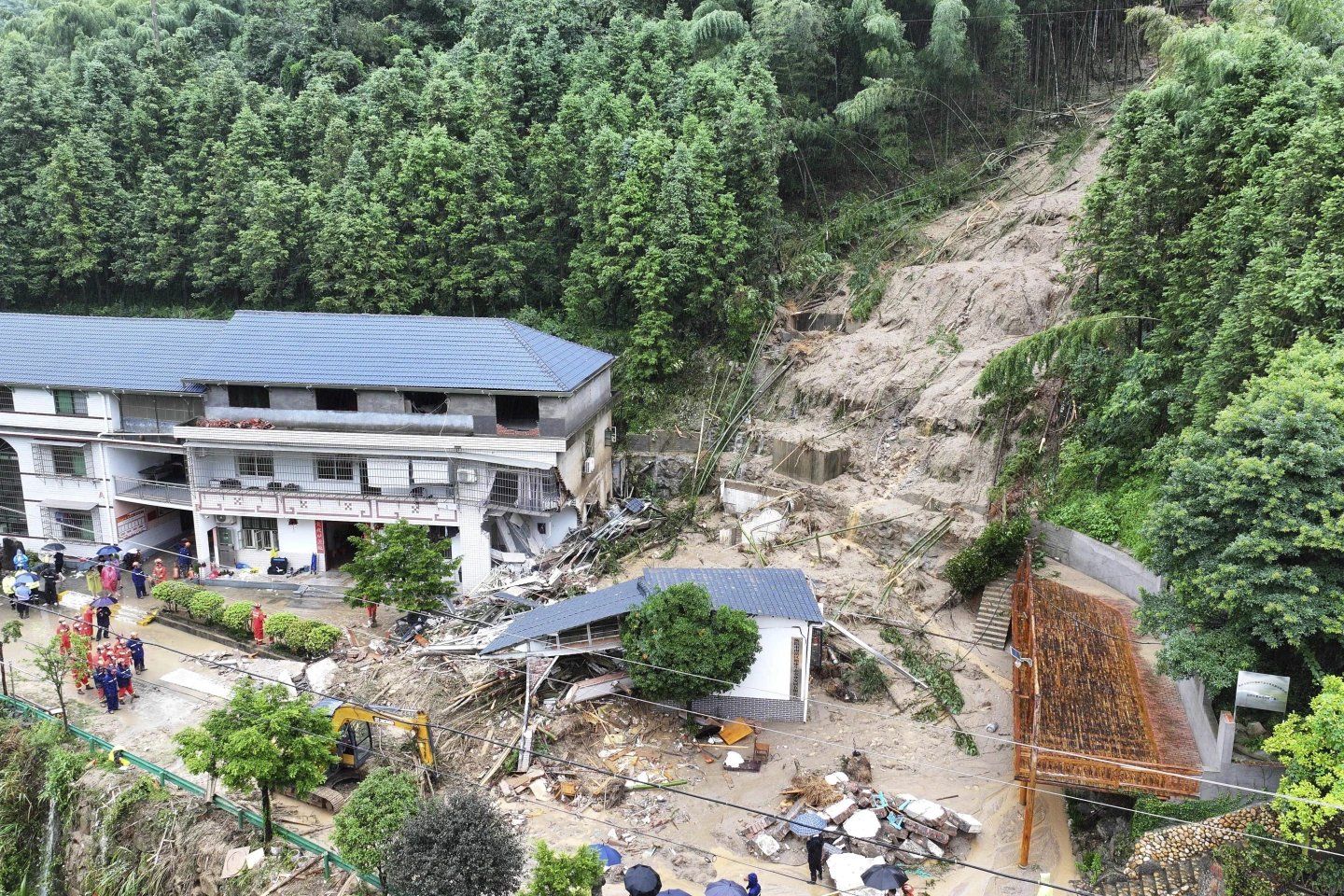
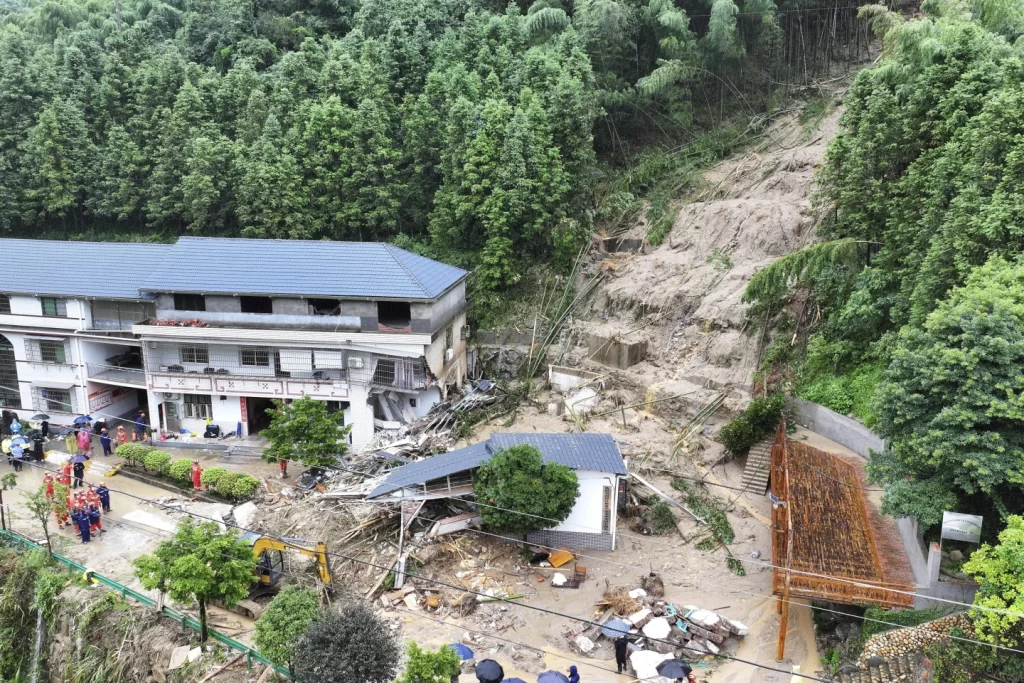
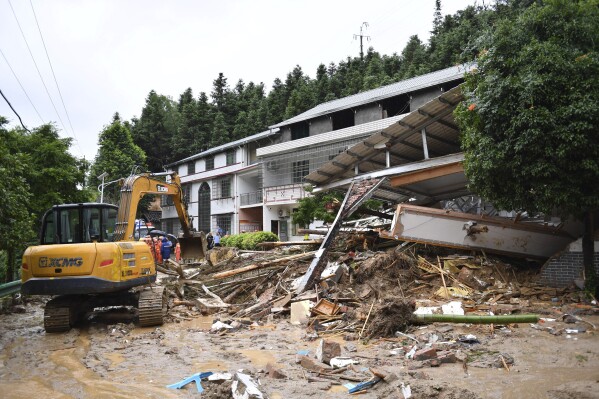
The search for survivors continues in Kencho Shacha Gozdi district, southern Ethiopia following a catastrophic mudslide that has claimed at least 229 lives. The death toll, which has risen dramatically from an initial count of 55, includes many who were attempting to rescue survivors, according to local authorities.

Dagmawi Ayele, a local administrator, reported that young children and pregnant women were among the victims. At least five people have been rescued alive, offering a glimmer of hope amidst the tragedy. The exact number of missing individuals remains unknown, complicating rescue efforts.

Ethiopia Prime Minister Abiy Ahmed expressed his condolences on Facebook and announced the activation of the federal disaster prevention task force to assist in search and rescue operations. The disaster, triggered by heavy rain, has devastated the remote district, challenging rescue teams working in rugged terrain.

On Monday, as victims were being laid to rest, rescue teams continued to comb the area for survivors. Markos Melese, director of the disaster response agency in Gofa Zone, reported that many rescuers are still unaccounted for, adding to the growing toll of this tragedy.

The ongoing rescue efforts are marked by emotional scenes, with women crying out as they watch rescuers using shovels to clear through thick mud. The challenging conditions have hampered rescue operations, but authorities remain committed to the search.

Landslides are a common occurrence during Ethiopia’s rainy season, which began in July and is expected to continue until mid-September. This disaster underscores the vulnerability of certain regions to such natural calamities and the need for improved disaster preparedness and response mechanisms.

As the community grapples with this immense loss, the focus remains on supporting survivors, continuing search efforts, and preventing further casualties in the affected areas. The tragedy has drawn national attention to the plight of remote communities and the urgent need for enhanced infrastructure and emergency response capabilities in vulnerable regions.

Family Calls for Release of Aid Worker Detained in Central African Republic

The family of Joseph Figueira Martin, a Portuguese-Belgian aid worker arrested in the Central African Republic (CAR), continues to assert his innocence and demand his immediate release. Martin, detained in a military center in Zemio, southeastern CAR, faces accusations of collaborating with armed groups to plan a coup, allegations his family vehemently denies.

Martin’s brother stated to The Associated Press that any communication with rebels was solely for safety and survival while working in dangerous regions. The aid worker, employed as a consultant for FHI 360 since 2023, began a hunger strike last week to protest his detention conditions.

CAR authorities claim to have evidence of Martin’s involvement in financing and coordinating armed groups, including money transfers, audio recordings, and alleged incitement to war crimes. This arrest marks a significant shift in the country’s approach to regulating foreign NGO activities in conflict zones, with authorities issuing warnings to aid workers about potential legal consequences for actions deemed threats to national security.

The conflict in CAR, ongoing since 2013, has seen reduced fighting following a 2019 peace deal, though tensions persist. The Russian mercenary group Wagner supports President Faustin-Archange Touadera’s government, adding complexity to the situation.

FHI 360 refutes the allegations against Martin, stating they contradict the facts of his visit and the organization’s work. The aid group says Martin was in CAR to support a project aimed at reducing poverty, creating economic opportunities, and preventing gender-based violence.

Russian-linked security forces control the nation

CAR government spokesperson Maxime Balalu expressed confidence in the judiciary’s handling of the case, while the UN Office of the High Commissioner has issued a report condemning human rights violations in the country’s detention facilities.

As tensions mount, Martin’s case highlights the challenges faced by humanitarian workers in conflict zones and the delicate balance between national security concerns and international aid efforts in fragile states like the Central African Republic.

Africanews.com

Five Parish Chiefs and SACCO Leaders Arrested for Extorting PDM Beneficiaries in Rubanda, Uganda

Five parish chiefs and Savings and Credit Cooperative Organization (SACCO) leaders in Rubanda district, Uganda have been arrested for allegedly extorting money from Parish Development Model (PDM) beneficiaries. The arrests, ordered by acting Resident District Commissioner (RDC) Eric Ssewandingi, took place in Ikumba sub-county and Nshanjare town council.

The suspects, identified as Lius Tumwesigye, Unique Atuheire, Gerald Tumwesigye, Elias Ahimbisibwe, and Justus Mwesigye, are accused of demanding between 50,000 and 100,000 Ugandan shillings from PDM beneficiaries. Ssewandingi reported that authorities recovered 2.5 million shillings from three of the suspects: Justus Tumwesigye, Ezera Arineitwe, and Gerald Tumwesigye.

The RDC explained that the arrests followed a tip-off from a whistleblower, leading to an intelligence operation that confirmed the extortion allegations. I summoned the committee which came this morning and after that they accepted and the money was recovered,” Ssewandingi stated.

Two of the accused, Elias Tumwesigye (chairperson) and Unique Atuheire (treasurer) of the Ikumba Parish Development Model SACCO, allegedly extorted between 50,000 to 100,000 shillings from over 15 PDM beneficiaries.

Ssewandingi has called on the public to report any cases of extortion, emphasizing that the PDM is a free service. He assured citizens that the district will continue monitoring all sub-counties and parishes to root out corruption within the program.

“I call upon the general public not to fear giving us information. They should give us information and we clean up,” Ssewandingi urged. He confirmed that the arrested individuals are in custody and that the recovered money is with the authorities.

This crackdown highlights ongoing challenges in implementing rural development programs in Uganda and underscores the government’s efforts to combat corruption at the local level. As the investigation continues, it serves as a warning to other officials and a call for increased vigilance among PDM beneficiaries.

Source: nilepost.co.ug