Home Blog Page 856

Paris Olympics Spark Controversy: Migrants and Homeless Cleared from City Streets

0

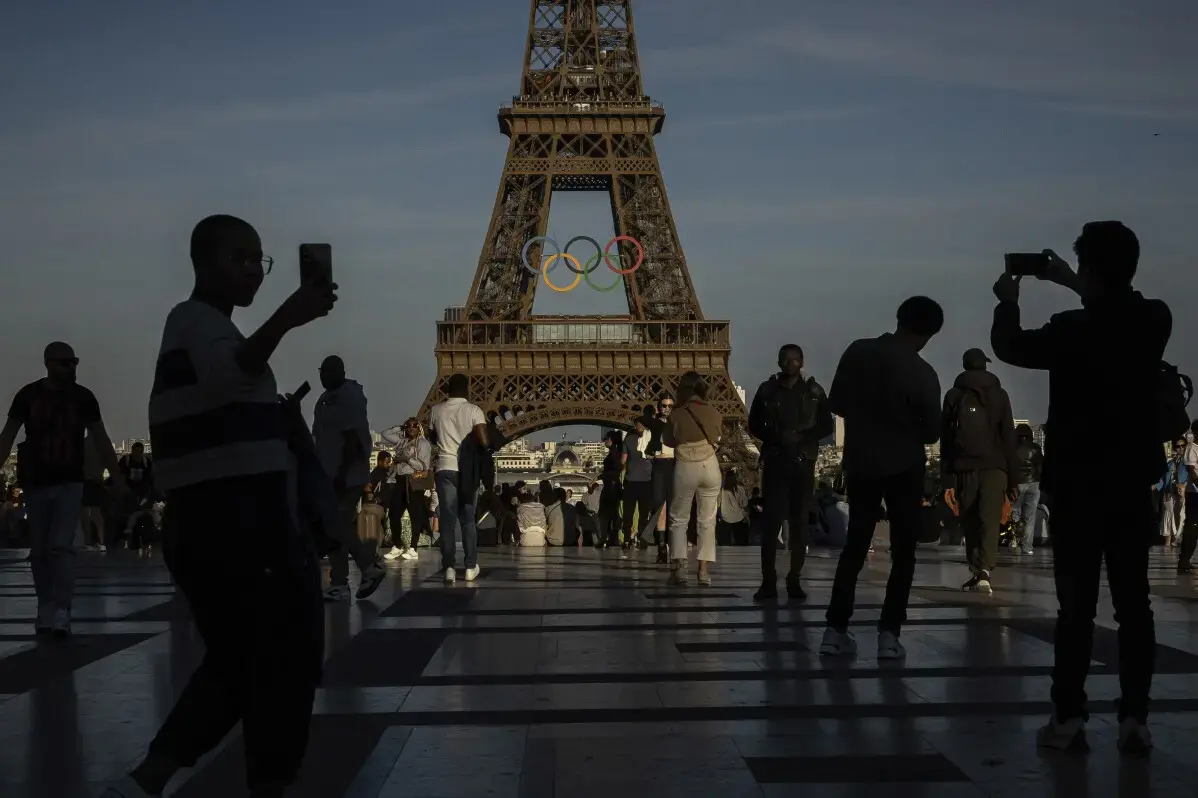
As the world turns its gaze towards Paris for the 2024 Olympic Games, a contentious urban policy has come to the forefront, sparking debate and protest. On Thursday, hundreds of migrants and homeless individuals, many carrying backpacks and small children, were escorted onto buses by armed police, marking the latest wave in a series of relocations from the city center to its outskirts.
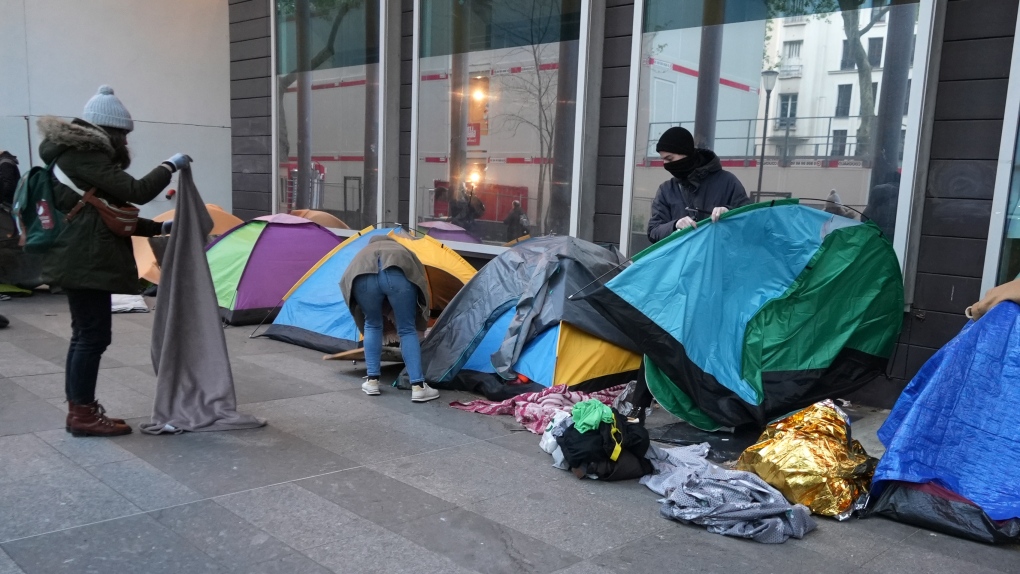
This mass movement, occurring just ahead of the Olympic opening ceremony, has ignited a fierce debate about the ethics of urban management during major international events. While French authorities frame these actions as part of ongoing efforts to provide shelter and support, critics denounce them as “social cleansing” aimed at presenting a sanitized version of Paris to the world.

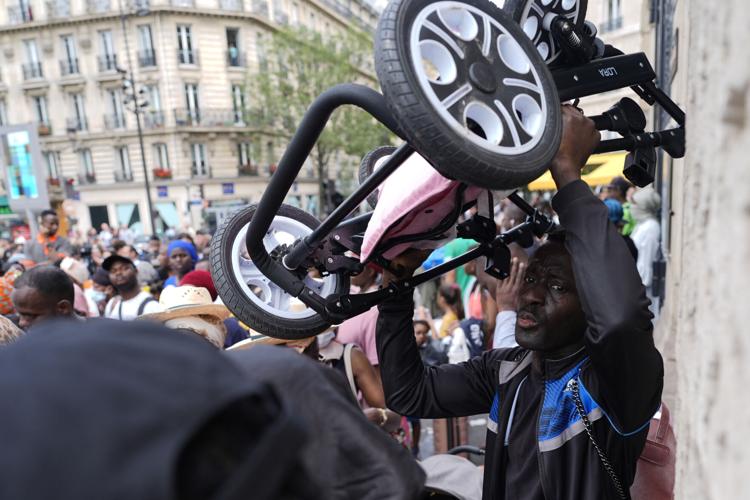
The relocations have predominantly affected African migrants, many from former French colonies such as Burkina Faso, Guinea, Ivory Coast, and Senegal. Natacha Louise Gbetie, a 36-year-old migrant from Burkina Faso, exemplifies the human face of this policy. Once an accountant in her home country, Gbetie now struggles to find employment and housing in France, a situation she says has worsened in the lead-up to the Olympics.
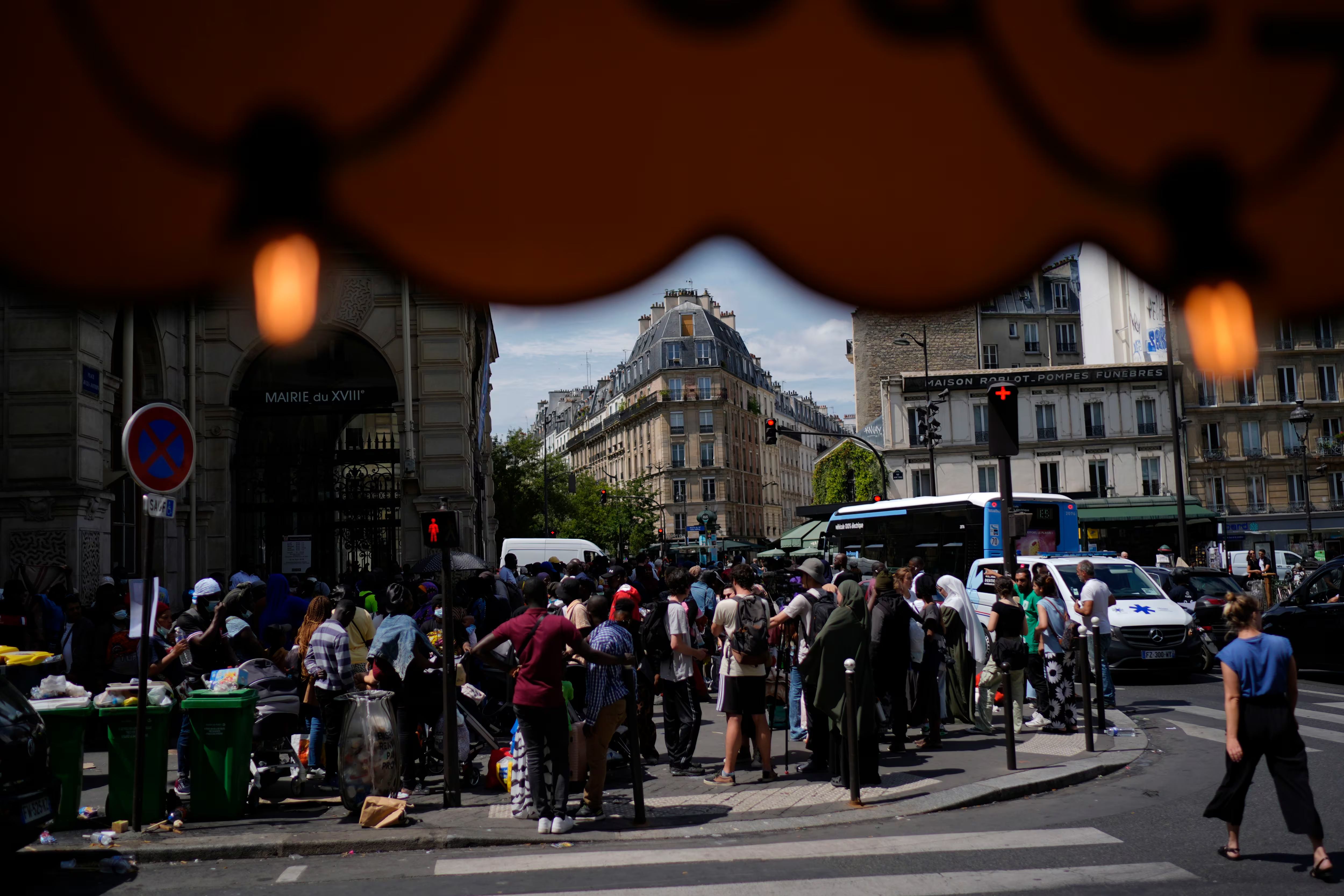
“I think France is saturated. They’re tired of migrants, they want us to leave their country,” Gbetie expressed, holding her 1-year-old son, Richard, who, despite being born in France, faces an uncertain future.

The government, represented by Christophe Noël Du Payrat, chief of staff of the Île-de-France regional government, vehemently denies accusations of social cleansing. “We are taking care of them,” he asserted, emphasizing that the relocation of migrants has been a long-standing practice, not merely an Olympic-driven initiative.

However, activist groups like Utopia 56 paint a different picture. Nathan Lequeux, an organizer for the group, argues that the Olympics have intensified what he calls a “policy of hunting” against migrants and homeless individuals. They want to clean the city for the Olympic Games, for the tourists,” Lequeux stated, highlighting the perceived prioritization of image over human welfare.
The controversy has not gone unnoticed by Parisians and various associations. On the eve of the opening ceremony, a “Counter Opening Ceremony” was organized at Place de la République, a popular square for protests. Demonstrators unfurled banners with slogans like “The Games of Exclusion, 12,500 evicted” and “France, champion of bad housing,” drawing attention to the social cost of hosting the Olympics.

Noah Fargeon, a spokesman for the anti-Olympics group Saccage 2024, described the Paris Olympics as “a monstrous waste of public funds” and criticized the transformation of Paris into a “Disneyland for tourists.” He argued that resources are being diverted from addressing housing issues to repressing vulnerable populations.
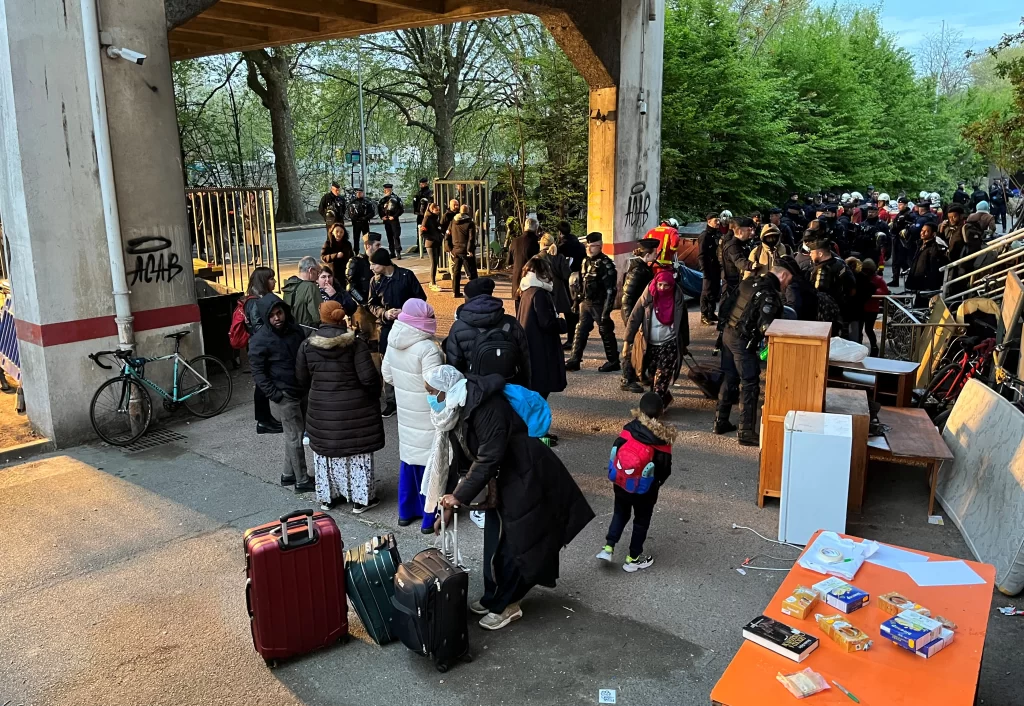
The situation in Paris echoes similar controversies in past Olympic host cities, such as Rio de Janeiro in 2016, where comparable displacement policies were implemented. It raises broader questions about the social impact of mega-events and the balance between showcasing a city’s best face and maintaining social equity.

As the Olympics approach, the fate of those relocated remains uncertain. Many, like Nikki, a 47-year-old homeless Parisian, face an unpredictable future. “It’s like poker. I don’t know where I will go, or how much time I will stay,” she said, encapsulating the anxiety felt by many in her situation.

The Paris Olympics, while promising to be a spectacular global event, have inadvertently shone a spotlight on the complex social issues facing the city. As athletes and tourists flood into the French capital, the treatment of its most vulnerable residents continues to be a subject of intense debate and scrutiny.
Morocco Grapples with Deadly Heatwave: Over 20 Lives Lost in Beni Mellal

0

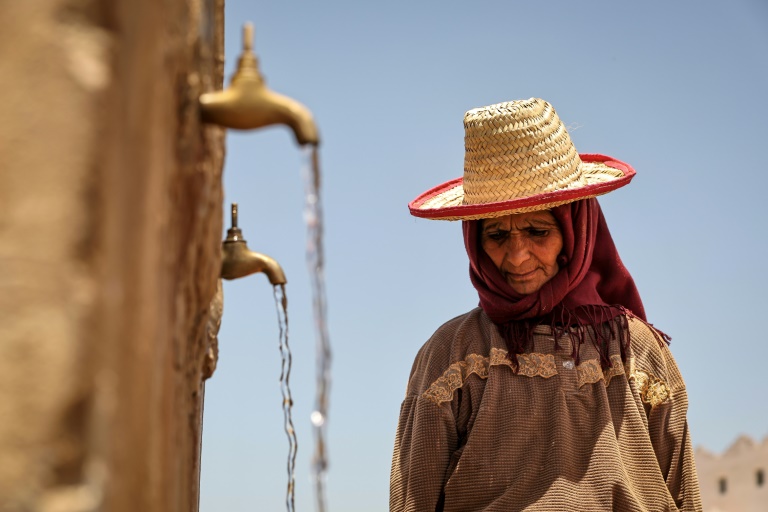
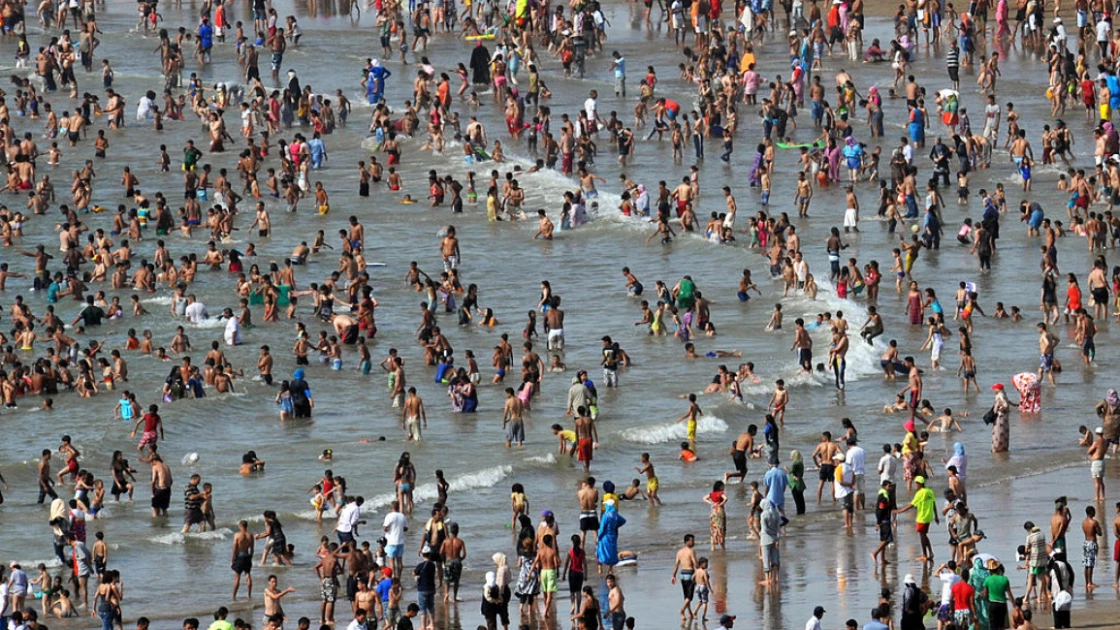
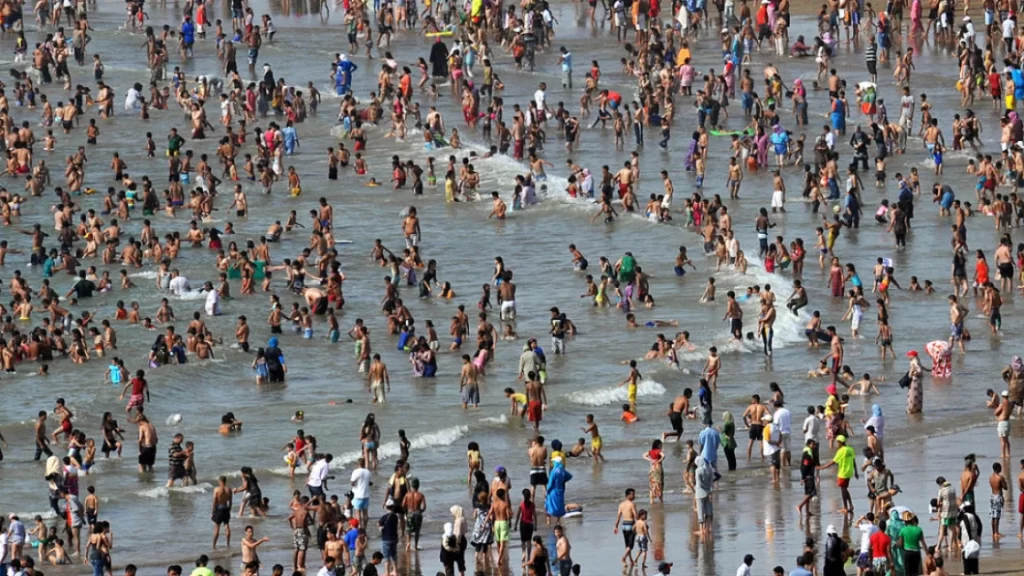
Morocco is currently in the grip of an intense heatwave that has claimed more than 20 lives in the past 24 hours in the central city of Beni Mellal, according to the country’s health ministry. This tragic toll underscores the severe impact of extreme weather conditions on vulnerable populations and highlights the urgent need for climate adaptation measures.

Meteorologists report that temperatures soared to a scorching 48 degrees Celsius in some areas of the country between Monday and Wednesday. The relentless heat has put immense strain on public health services and infrastructure, with the elderly and those with chronic illnesses being particularly at risk.

Officials have stated that the majority of the deceased were either elderly or suffering from pre-existing health conditions, with the extreme heat exacerbating their vulnerabilities. In response to this crisis, authorities have issued urgent advisories to the public, urging citizens to stay hydrated by drinking plenty of water and to avoid venturing outdoors during peak heat hours.

Beni Mellal, located more than 200 kilometers southeast of Casablanca, continues to experience dangerously high temperatures, with Thursday’s readings still reaching 43 degrees Celsius. However, there is a glimmer of hope as meteorologists predict a gradual easing of the heatwave across the country in the coming days. In the popular tourist destination of Marrakesh, temperatures are expected to drop by a significant 10 degrees by Sunday, offering some relief to residents and visitors alike.

This heatwave is not an isolated incident but part of a larger pattern of climate change affecting Morocco and the wider region. The country is currently enduring its sixth consecutive year of drought, with the past winter being the hottest since records began in 1940. These prolonged periods of extreme heat and lack of rainfall have had far-reaching consequences, particularly for Morocco’s vital agricultural sector.

The combination of rising temperatures and persistent drought has led to alarmingly low water levels in reservoirs across the country. This water scarcity poses a severe threat to Morocco’s farming industry, a crucial component of the national economy. The situation highlights the urgent need for sustainable water management practices and climate-resilient agricultural strategies.

The severity of Morocco’s heatwave is part of a global trend of record-breaking temperatures. The European Union’s Copernicus Earth observation programme recently announced that this past Monday was the hottest day ever recorded since measurements began. This sobering fact aligns with predictions that daily temperature records will continue to be broken throughout the summer in the Northern Hemisphere, a direct consequence of ongoing climate change.

As Morocco battles this heatwave, the incident serves as a stark reminder of the immediate and tangible impacts of climate change. The loss of life in Beni Mellal underscores the human cost of extreme weather events and the urgent need for robust climate adaptation and mitigation strategies.

Looking ahead, Morocco faces the dual challenge of addressing the immediate health crisis caused by the heatwave while also developing long-term solutions to combat the effects of climate change. This may include investing in heat-resistant infrastructure, improving early warning systems for extreme weather events, and implementing water conservation measures to mitigate the impact of prolonged droughts.

The situation in Morocco is a microcosm of the global climate crisis, demonstrating how rising temperatures can have devastating effects on human health, agriculture, and water security. As the world continues to grapple with the realities of climate change, the events unfolding in Morocco serve as a poignant reminder of the urgent need for collective action to address this global challenge.

Fire Devastates KNUST Student Hostel in Ghana: Students Left Stranded and Belongings Destroyed

0

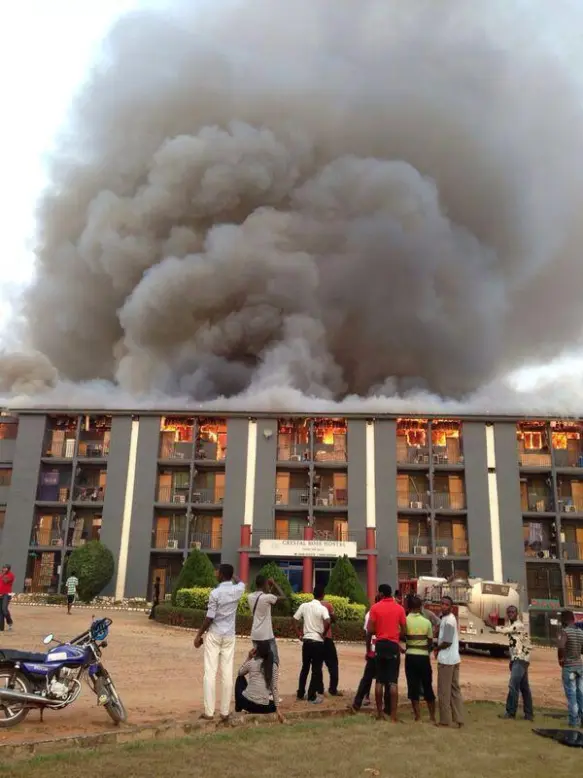
A fierce blaze engulfed a three-storey student accommodation facility known as “Father Hostel” at the Kwame Nkrumah University of Science and Technology (KNUST), Ghana on Thursday night. The fire, which rapidly spread through the building, has left students devastated and raised serious questions about fire safety measures on campus.

The inferno, whose cause remains undetermined, inflicted severe damage on the hostel structure. At least nine rooms were completely destroyed, reducing students’ living spaces and personal belongings to ashes. The incident has not only left the direct victims in distress but also instilled fear among students residing in adjacent buildings.

Eyewitness accounts paint a harrowing picture of the fire’s rapid progression. Students reported that the blaze originated in a single room before swiftly engulfing the entire building. The speed at which the fire spread left little time for occupants to salvage their possessions, with many losing everything they owned within minutes.

While the absence of casualties comes as a relief, the fire’s aftermath presents significant challenges. At least nine students now find themselves without accommodation or personal belongings, facing an uncertain immediate future. The remaining portions of the building have been deemed uninhabitable due to extensive structural damage, further exacerbating the accommodation crisis for affected students.

The incident has also brought to light concerns about emergency response capabilities on campus. Eyewitnesses reported a disturbing 30-minute delay in the arrival of firefighters, attributed to initial difficulties in reaching the KNUST Fire Department’s emergency number. This delay in response time potentially contributed to the fire’s extensive spread and the resulting damage.

In response to this crisis, the KNUST Students’ Representative Council (SRC) has taken swift action to support the affected students. Temporary accommodation has been arranged at the SRC hostel, providing immediate shelter for those displaced by the fire. This quick response highlights the student body’s solidarity in times of crisis.

The SRC has also seized this opportunity to emphasize the importance of fire safety awareness among the student population. In light of the incident, the council is urging all students to strictly adhere to safety protocols to prevent similar occurrences in the future. This call to action underscores the need for increased vigilance and improved safety measures across all student accommodations.

As investigations into the cause of the fire continue, questions are being raised about the overall fire safety infrastructure at KNUST and other institutions of learning in Ghana. The incident has sparked discussions about the need for regular fire drills, improved emergency communication systems, and potentially upgrading fire prevention measures in older buildings on campus.

The university administration faces the immediate challenge of providing long-term solutions for the displaced students. Beyond temporary accommodation, there’s a pressing need to address the loss of academic materials and personal belongings, which could significantly impact the affected students’ academic progress.

This devastating fire at KNUST serves as a stark reminder of the importance of fire safety in educational institutions. As the university community comes to terms with the incident, it’s clear that lessons must be learned to prevent future occurrences. Improved emergency response systems, enhanced fire safety measures, and ongoing education about fire prevention could all play crucial roles in safeguarding student welfare on campus.

Ghana’s Cedi Depreciates 19.5% Against Dollar, Driving National Debt to GH¢742bn in First Half of 2024

0

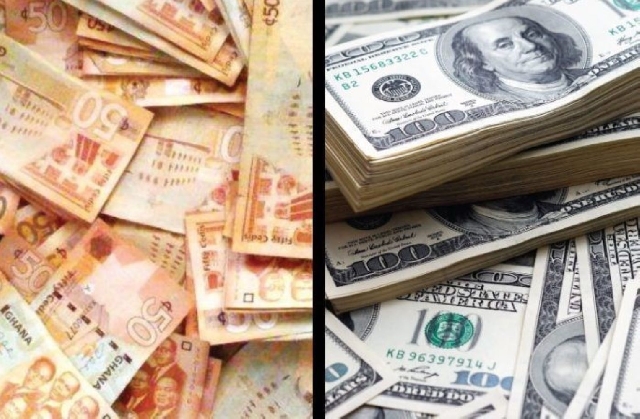
The Bank of Ghana has revealed a troubling trend in the country’s currency market, with the Ghana cedi depreciating by approximately 19.6% against the US dollar on the interbank forex market as of July 2024. This decline is slightly less severe than the 21% loss in value observed on the retail market, highlighting the ongoing challenges facing Ghana’s economy.

According to the Central Bank’s July 2024 Summary of Financial and Economic Data, the cedi’s depreciation against the dollar has been progressive throughout the year. March 2024 saw a 7.7% loss, followed by a 10.5% depreciation in April. The situation worsened in subsequent months, with June and July witnessing 15.9% and 18.6% depreciations respectively.

On the retail market, the cedi is trading at an average of GH¢15.60 against the dollar, while the Bank of Ghana quotes one dollar at GH¢14.78. The currency’s performance against other major currencies is equally concerning, with a 20.8% depreciation against the British pound (trading at GH¢19.10) and an 18.4% loss against the euro (selling at GH¢16.09).

Despite these challenging figures, there was a glimmer of hope last week as the Ghana cedi extended its rally against the US dollar amid rising corporate demand. The market’s anticipation of a potential rate cut by the US Federal Reserve contributed to a weakening American greenback, allowing the local currency to gain 0.29% week-on-week against the dollar, ending at a mid-rate of GH¢15.64/$ on the retail market. This marked the second consecutive week of gains for the cedi against the world’s most important currency.

However, the broader economic implications of this currency depreciation are significant. Finance Minister Dr Mohammed Amin Adam has disclosed that the cedi’s depreciation has led to a substantial increase in Ghana’s national debt. From an initial amount of GH¢608 billion in 2023, the debt has surged to GH¢742.0 billion in the first half of 2024, representing a 22% increase attributed to both the cedi’s depreciation and disbursements from creditors.

Dr Adam provided a breakdown of this debt during the mid-year budget review in parliament, as required by Section 28 of the Public Financial Management Act, 2016 (Act 921). The total debt stock comprises external debt of GH¢452 billion (60.9% of the total) and domestic debt of GH¢290 billion (39%). In terms of GDP, external and domestic debt account for 43.0% and 27.6% respectively.

The Finance Minister also outlined the government’s financing strategy, stating that domestic financing of the debt would amount to GH¢38.9 billion, representing 3.8% of the revised GDP and 71.9% of the total financing for 2024. He noted that a downward revision of GH¢7.9 billion in interest payments reflects the impact of external debt restructuring on external interest payments.

Looking forward, Dr Adam emphasized that the government would continue to build on the 2024 Medium Term Debt Strategy (MTDS) implemented in the first half of the year. This strategy focuses on achieving an appropriate financing mix aimed at supporting fiscal consolidation without compromising macroeconomic stability and debt sustainability.

As Ghana grapples with these economic challenges, the government’s ability to navigate the complex interplay between currency depreciation, debt management, and overall economic stability will be crucial. The coming months will be critical in determining whether the strategies outlined by the Finance Minister can effectively address these pressing financial issues and set Ghana on a path towards sustainable economic growth.

Zimbabwe’s Olympic Controversy: Oversized Delegation Sparks Debate Amid Economic Challenges

0

As the world’s attention turns to Paris for the 2024 Olympic Games, Zimbabwe finds itself embroiled in a controversy that threatens to overshadow its athletes’ performances. The southern African nation’s presence at the Olympics is making headlines not for sporting prowess, but for the surprising composition of its delegation and the lavish travel arrangements for its top officials.

The crux of the controversy lies in the stark contrast between the number of athletes and officials representing Zimbabwe. While a modest group of seven talented athletes will compete for their country, an astonishing 67 officials have made the journey to Paris. This disparity has ignited a fierce debate about the government’s priorities and resource allocation, particularly in light of Zimbabwe’s ongoing economic challenges.

Zimbabwe’s athletic contingent comprises a diverse group of competitors across various disciplines. The nation will be represented in sprinting by Makanakaishe Charamba and Tapiwanashe Makarawu, while Isaac Mpofu and Rutendo Nyahora will tackle the long-distance running events. In the pool, Denilson Cyprianos and Paige Van der Westuizen will showcase their swimming talents, and Stephen Cox will represent the country in rowing.

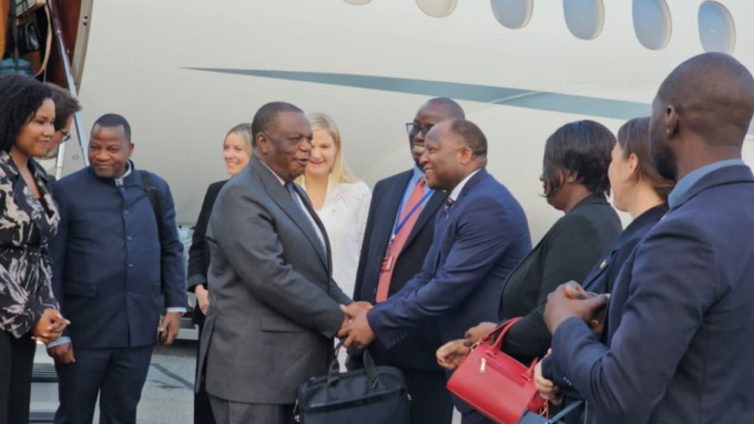
Adding fuel to the growing controversy is the presence of Vice President Constantino Chiwenga, who arrived in Paris on Wednesday aboard a luxurious Dassault Falcon X8 jet. The government-chartered aircraft, reportedly costing a staggering US$11,000 per hour to operate, has raised eyebrows and sparked outrage among critics. Chiwenga was accompanied by his wife, Colonel Miniyothabo Baloyi-Chiwenga, along with several senior government officials.

Upon their arrival at Paris Le Bourget Airport, the Vice President and his entourage were greeted by a welcoming party that included Minister of Sport, Arts, and Recreation Kirsty Coventry and Zimbabwe’s Charge d’Affaires in France, Emmanuel Zinyuke, among other dignitaries.

Government spokesperson Nick Mangwana attempted to justify the Vice President’s presence, stating on social media: “The Minister is a member of IOC (International Olympic Committee), so she is there in that role. The VP is there for the official opening and other business and is not part of the Olympics Delegation.” However, this explanation has done little to quell the growing criticism.

Prominent investigative journalist Hopewell Chin’ono voiced his concerns, stating: “The world media is once again having a laugh at the expense of Zimbabwe after it sent 67 officials to the Paris Olympics and only 7 athletes. The officials include the country’s Vice President, General Constantino Chiwenga, his wife, and the country’s sports minister, Kirsty Coventry.”

Chin’ono emphasized the irony of the situation, noting that Zimbabwe is currently seeking drought relief assistance from other countries, many of which have sent large teams of athletes with minimal officials. He suggested that the real motivation behind the large delegation might be financial, stating, “They use these trips to make money by throwing huge allowances.”

The controversy has also drawn criticism from former cabinet minister Jonathan Moyo, who lambasted the government for its handling of information regarding the country’s Olympic participation. Moyo pointed out the lack of official confirmation of the delegation’s composition and size, despite widespread reports. He also noted the silence from both the Zimbabwe Olympic Committee and Minister of Sports Kirsty Coventry on the matter.

The bottom line is that the communication, rather the non-communication or miscommunication, of the composition and size of Zimbabwe’s delegation to the 2024 Olympics in Paris has been grossly incompetent,” Moyo stated, questioning the effectiveness of public servants like Coventry in their roles.

As the 2024 Paris Olympic Games prepare to kick off, this controversy serves as a stark reminder of the complex interplay between sports, politics, and economics. The situation in Zimbabwe raises important questions about government accountability, resource allocation, and the true spirit of the Olympic Games.

While the world’s attention will soon turn to the athletic achievements in Paris, the debate surrounding Zimbabwe’s delegation is likely to continue long after the closing ceremony. It highlights the ongoing challenges faced by many developing nations in balancing international sporting participation with domestic economic realities and good governance.

As the Games begin, many will be watching not just Zimbabwe’s athletes, but also how its government responds to the growing criticism and whether this controversy will lead to any meaningful changes in how the country approaches future international sporting events. The coming days and weeks will undoubtedly shed more light on this complex and contentious issue, as Zimbabwe navigates the choppy waters of international scrutiny and domestic expectations.

Source: myjoyonline

95 Libyan Nationals Arrested in South Africa at Suspected Secret Military Training Camp

0

South African police arrested 95 Libyan nationals in a raid on a suspected secret military training camp on Friday. Authorities are investigating whether there are more illegal bases in other parts of the country.

The camp was discovered at a farm in White River in the Mpumalanga province, about 360 kilometers (220 miles) northeast of Johannesburg, police said.

National police spokesperson Athlenda Mathe stated on social media platform X that the Libyans had entered the country on study visas, purportedly to train as security guards. However, police investigations suggest that the group received military training instead.

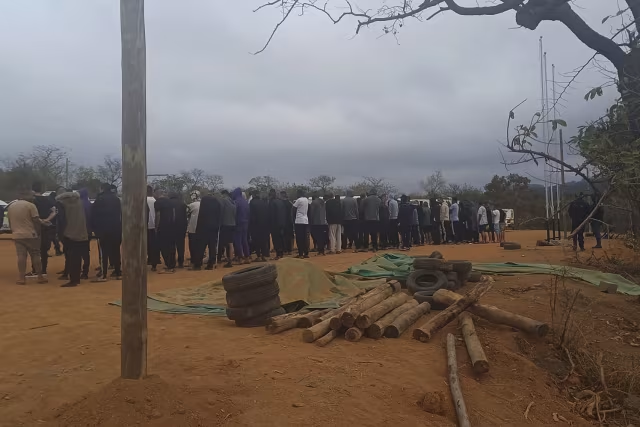
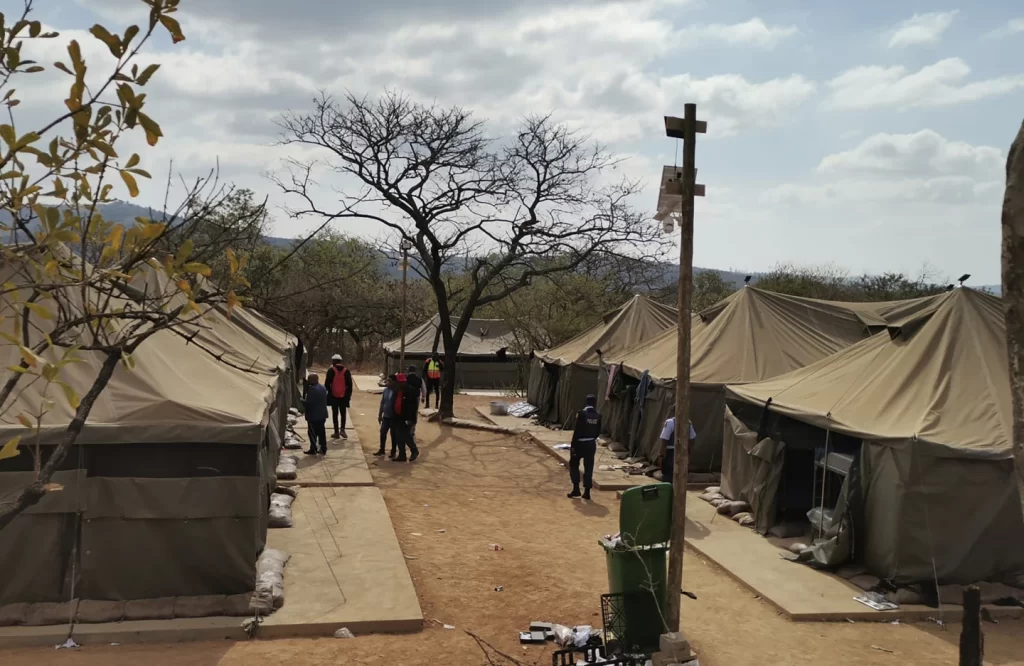
The Newzroom Afrika TV news channel broadcast pictures from the site of the arrests, showing a military-style camp with large green and khaki tents set up in a row. Dozens of men were seen lining up as they were being arrested, dressed in civilian clothing, suggesting attempts to conceal their true activities.

Local government official Jackie Macie commented on the ongoing investigations, indicating that the owner of the farm would be questioned. Macie revealed that authorities had received information about similar secret camps near two other towns in Mpumalanga province.

The Mpumalanga province borders Mozambique and Swaziland and is a focal area for South African authorities concerning illegal immigration. The proximity to these neighboring countries raises additional concerns about cross-border activities and the potential for further undiscovered camps.

Police have not yet disclosed the specific reasons behind the establishment of these camps or whether they are linked to a particular group or conflict. However, they are determined to understand why such training is taking place on South African soil.

The police operation to arrest the Libyans and dismantle the camp was described as decisive. Mathe noted that the arrested Libyan nationals had been in the country since at least 2023. Authorities will conduct thorough investigations to ascertain if there are other such camps in the region and to uncover the full scope and purpose of these activities.

Authorities are also focusing on the legality of the visas issued and the process through which the Libyan nationals entered South Africa, aiming to prevent future breaches. The farm owner and any local facilitators will face intense scrutiny as part of the broader investigation.

AP

Russian-Linked Cyber Campaigns Target France: Focus on the Olympics and Elections

0

Photos of blood-red hands on a Holocaust memorial. Caskets at the Eiffel Tower. A fake French military recruitment drive calling for soldiers in Ukraine. Major French news sites improbably registered in an obscure Pacific territory with a population of 15,000.

These disturbing images and events are all part of disinformation campaigns orchestrated out of Russia and aimed squarely at France. French officials and cybersecurity experts in Europe and the United States have linked these efforts to Russian state actors, who have ramped up their activities in response to significant events such as the Paris Olympics and France’s recent elections.

The disinformation campaigns have included a variety of tactics designed to sow discord and spread false information. For instance, in one instance, photos of blood-red hands smeared on a Holocaust memorial were circulated widely on social media. In another, images of caskets supposedly placed around the Eiffel Tower were shared, creating a sense of chaos and danger.

A particularly egregious case involved a fake French military recruitment drive, which called for volunteers to fight in Ukraine. This campaign not only sought to mislead but also aimed to exacerbate tensions related to the ongoing conflict.

Major French news websites were targeted as well, with domain registrations appearing in an obscure Pacific territory. This tactic was intended to undermine the credibility of these sites and confuse readers about their legitimacy.

More than a dozen reports published in the past year have documented an intensifying effort from Russia to undermine France. This push has been particularly focused on disrupting the upcoming Paris Olympics and destabilizing the French government, with President Emmanuel Macron being one of Ukraine’s most vocal supporters in Europe.

The story, supported by the Pulitzer Center for Crisis Reporting, is part of an Associated Press series covering threats to democracy in Europe.

The Russian campaigns sowing anti-French disinformation began online in early summer 2023 but became more tangible in October. During this period, more than 1,000 bots linked to Russia relayed photos of graffitied Stars of David in Paris and its suburbs, aiming to incite anti-Semitic sentiments and provoke public outrage.

A French intelligence report stated that the Russian intelligence agency FSB ordered the tagging, as well as subsequent vandalism of a memorial to those who helped rescue Jews from the Holocaust. This directive was part of a broader strategy to exploit historical sensitivities and deepen societal divides.

Photos from each of these events were amplified on social media by fake accounts linked to the Russian disinformation site RRN. These accounts spread the images widely, creating viral moments that were designed to disrupt and destabilize.

Despite mounting evidence, Russia has consistently denied any involvement in these campaigns. The French intelligence report asserts that RRN is a cover for an operation orchestrated by Sergei Kiriyenko, a high-ranking Kremlin official.

The targeted disinformation efforts have significant implications for France. The Paris Olympics are not just a national event but a global spectacle, and the attempts to undermine them threaten to damage France’s international reputation and disrupt the event’s smooth operation. Similarly, efforts to destabilize the political environment could have far-reaching consequences for French democracy and governance.

AP

France’s Basel-Mulhouse Airport Back in Action After Bomb Alert

0

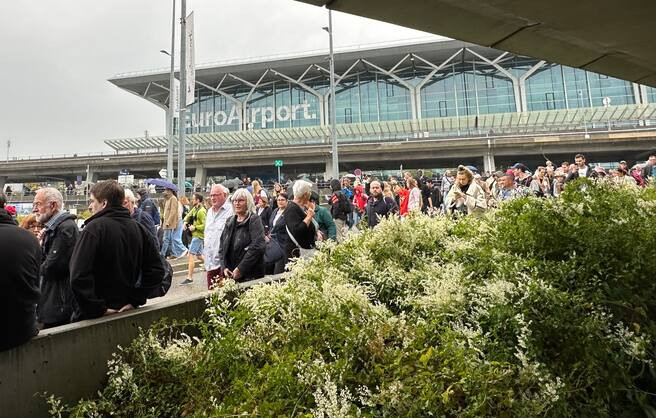
The Franco-Swiss Basel-Mulhouse airport resumed operations midday on Friday, after a bomb alert forced its evacuation earlier in the day following a routine safety protocol, the airport said.

The bomb alert was triggered early Friday morning, prompting immediate evacuation and thorough security checks. All incoming and outgoing flights were temporarily suspended, and passengers were directed to safe zones while security personnel swept the airport for potential threats.

After several hours of intensive search and verification, authorities declared the area safe, allowing airport operations to gradually resume. Flights began taking off and landing again by midday, and passengers were allowed to re-enter the terminal to continue their journeys.

Airport officials commended the swift response and coordination of security teams, ensuring the safety of all passengers and staff. They also thanked travelers for their patience and cooperation during the evacuation.

French Sports Minister Vows to Overcome Sabotage Attempts Amid Olympic Preparations

0

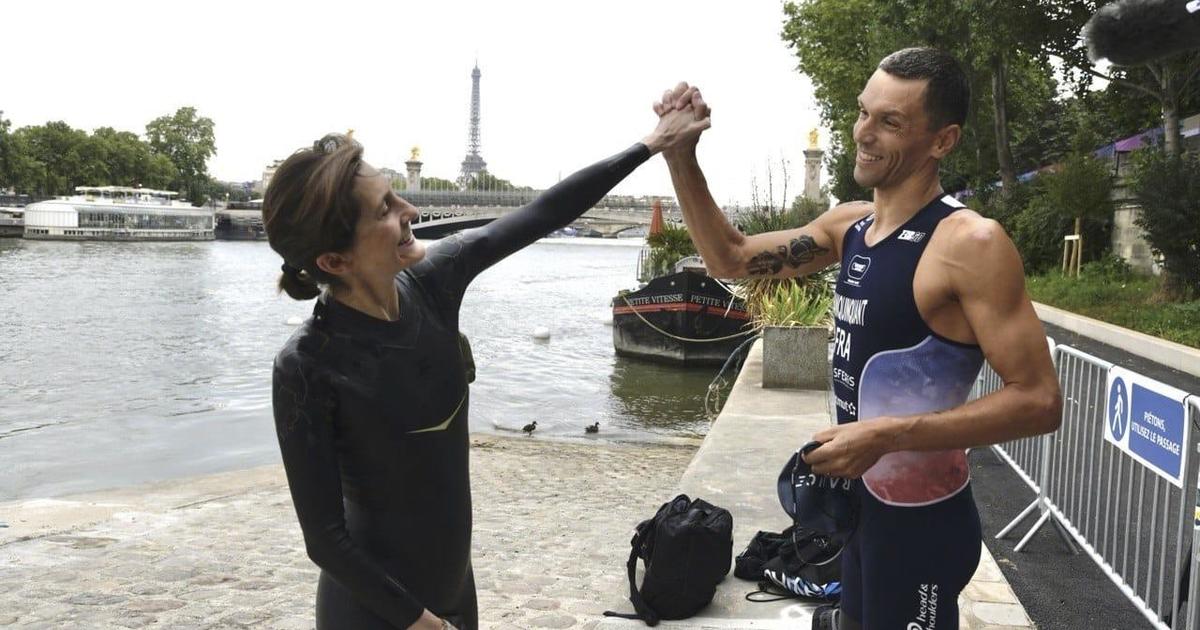
French Sports Minister Amélie Oudéa-Castéra addressed the media on Friday morning, emphatically stating that malicious acts of sabotage will not disrupt the ongoing preparations for the Olympics. This statement comes in response to the recent arson attacks that paralyzed France’s high-speed rail network just hours before the opening ceremony.

Speaking from the heart of the Olympic preparations, Minister Oudéa-Castéra described the recent events as deliberate attempts to destabilize the country. “What happened was merely the first, not the last of the difficulties we’ll face. This type of malicious, coordinated action is probably an act of sabotage. What remains to be established is the precise intent,” she explained.

Oudéa-Castéra reassured the public and the international community that France is fully prepared to handle such crises. “We’re not going to let ourselves be destabilized; we had anticipated all these scenarios. All these crisis scenarios have been thought through. We’re a French team behind the success of these games. You can see it in the way things have gone, in the continuity of communications. All this shows that we’re ready to handle crises.”

She strongly condemned the attacks, emphasizing their impact on athletes and young people worldwide. “They’re not going to spoil the party by doing this. I condemn in the strongest terms, when you do that, when you act against the Olympics, you act against athletes who have devoted their lives to these things. They’re damaging the dreams of young people who wanted to be inspired by all this.”

Highlighting the global significance of the Olympic Games, Oudéa-Castéra noted, “These Games are for a whole country, a whole world; we’ve got 206 delegations here, let’s not let them spoil the party. Tonight’s exceptional ceremony demonstrates the quality of all the security measures. We’re going to do everything we can today to ensure that repairs are carried out as quickly as possible.”

Coordinated Acts of Vandalism Severely Disrupt Travel to Paris Ahead of Olympic Opening Ceremony

0

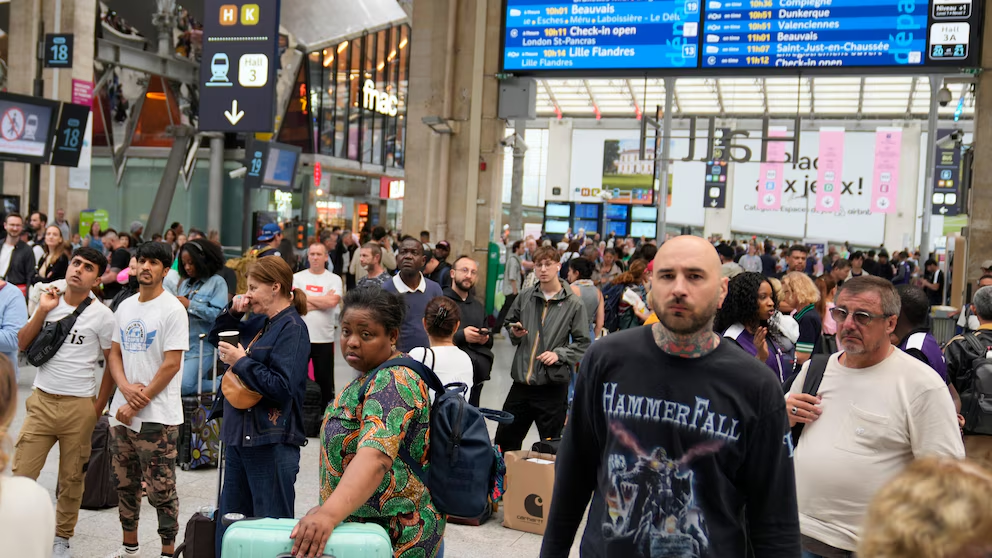
France’s high-speed rail network was severely disrupted on Friday by widespread and “criminal” acts of vandalism, including arson attacks. These coordinated attacks paralyzed travel to Paris from across France and Europe just hours before the grand opening ceremony of the Olympics.

French officials quickly condemned the attacks as “criminal actions” and emphasized the gravity of the situation, although they clarified there was no immediate evidence linking the incidents directly to the Olympic Games. Prosecutors in Paris have launched a national investigation, noting that those responsible for these crimes could face severe penalties, including prison sentences of 15 to 20 years.

As Paris authorities were making final preparations for a spectacular parade on and along the Seine River to celebrate the opening of the Olympics, three significant fires were reported near the tracks of the high-speed rail lines Atlantique, Nord, and Est. These fires led to widespread disruptions, causing chaos and delays for hundreds of thousands of travelers attempting to reach the French capital.

Among those affected were two German athletes specializing in showjumping who were traveling by train to Paris to participate in the opening ceremony. Due to the rail line closures and resulting delays, they were forced to turn back in Belgium, thereby missing the ceremony altogether. This incident was reported by the German news agency dpa.

French Prime Minister Gabriel Attal took to the social media platform X to address the nation, stating that France’s intelligence services have been mobilized to identify and apprehend the perpetrators behind these acts of sabotage. Attal described the actions as “prepared and coordinated,” highlighting the sophisticated nature of the attacks.

Authorities have intensified security measures and surveillance, especially around critical infrastructure and transportation hubs, to prevent further incidents. The French government is treating this situation with the utmost urgency, given its timing and potential implications for national security.

The high-speed rail lines targeted are vital arteries for both domestic and international travel. The Atlantique line connects Paris with the western regions of France, the Nord line links the capital with northern France and neighboring countries, and the Est line serves the eastern regions and beyond. The simultaneous attacks on these major lines indicate a high level of coordination and planning.

Investigators are currently examining all possible leads, including surveillance footage, eyewitness accounts, and any potential digital communication that might shed light on the culprits’ identities and motives. The public has been urged to report any suspicious activity that could be related to the attacks.

The timing of these attacks, just before the Olympic opening ceremony, raises concerns about the security of large-scale international events. The disruption caused by the arson attacks not only affects the logistics and schedules of the participants and spectators but also underscores the vulnerabilities in public infrastructure that can be exploited by malicious actors.