Home Blog Page 862

Man Arrested in Nashville for Vandalism and Making Death Threats Against Former President Donald Trump

0

A 58-year-old man was arrested after police said he was vandalizing a hotel in Nashville and making death threats to former President Donald Trump.

The man is facing trespassing, vandalism, and misdemeanor disorderly conduct charges in connection with the incident that occurred at a JW Marriott on Wednesday evening, WSMV reported.

Metro Nashville Police said a hotel employee notified an officer that the man was damaging the property, which led them to ask him to leave, according to the arrest report obtained by the news station. The employee claimed that after the man refused, he started tossing chairs.

Metro Nashville Police alerted the Secret Service of the suspect’s threats. Security footage reviewed by the officer revealed that the man allegedly threw chairs off the balcony, per WSMV. The arrest report claimed that he started to rant about politicians, particularly Trump, while being detained.

Police accused him of saying, “Trump needs to die because he was a liar,” according to the outlet.

USA TODAY reached out to the Metro Nashville Police for additional comment. The police officers informed the Secret Service about the threats. The move comes after the assassination attempt against the ex-president during a rally in Erie, Pennsylvania, on July 13. Authorities have been cracking down on people who make threats against political figures amid the escalation in violence against them.

Days after the attack against Trump, a 39-year-old Florida man was arrested for making threats against President Joe Biden.

The Secret Service stated the 39-year-old Florida man “engaged in sending threatening communications, making threats against the President of the United States and other U.S. Secret Service protected officials,” according to a news release.

The arrest of the man in Nashville underscores the heightened security measures and the serious approach authorities are taking towards threats against political figures. The increased vigilance follows a series of incidents that have targeted high-profile leaders.

Snoop Dogg Carries Olympic Torch Through Paris Suburbs Ahead of Opening Ceremony

0

Rap artist Snoop Dogg strut through the suburbs of Paris, proudly carrying the Olympic torch ahead of the opening ceremony on Friday.

The Grammy-nominated Snoop, who will provide commentary as a special correspondent throughout the Olympic Games, walked through the streets of Saint-Denis as the final torchbearer. French actress Laetitia Casta and French rapper MC Solaar also carried the torch in Saint-Denis.

“I look at this as a prestigious honor and something I truly respect. I would never have dreamed of nothing like this,” Snoop said earlier this week. “I’m going to be on my best behavior. I’m going to be on my best athleticism. I’ll be able to breathe slow to walk fast and hold the torch with a smile on my face, because I realize how prestigious this event is.”

Snoop, dressed in a white Olympic tracksuit and gold sneakers, held the torch aloft as it will be carried to the Olympic cauldron during the opening ceremony. This event is particularly notable as it will be the first time the cauldron is lit outside a stadium for the Summer Games.

The Olympic torch began its journey to France in May after spending 12 days in Greece. Florent Manaudou, who won a gold medal in the men’s 50-meter freestyle at the 2012 London Games, was the first person to receive the flame after it arrived in France.

Gunmen Attack Mosque in Nasarawa, Nigeria, Killing Five

0

Gunmen have killed five people sleeping inside a mosque in the Katakpa community in Toto Local Government Area of Nasarawa State, northern Nigeria.

A resident, Ibrahim Yakubu, confirmed the incident to Daily Trust, stating that the attack occurred around 2 a.m. on Wednesday, July 24, 2024. Yakubu mentioned that the shooting attracted soldiers who mobilized and engaged the gunmen, killing several of them.

Yakubu further explained that the gunmen parked their motorcycles in the bush before trekking into the community. The five victims were identified as people who had been displaced by attacks in neighboring communities.

The Chairman of Toto LGA, Alhaji Abdullahi Aliyu Tashas, confirmed the attack, expressing sorrow over the loss of lives.

In a similar development, gunmen suspected to be bandits killed a member of the Vigilante Group of Nigeria (VGN) in Toto LGA. The vigilante member, identified as Aminu Adamu, was shot dead at his duty post along Toto-Abaji road on Thursday, July 25.

A youth leader, Dubagari, who confirmed the incident, said one other person sustained injuries during the attack and was rushed to a hospital for medical treatment.

Nigeria Police in Abuja, Nigeria to Deploy 4,200 officers ahead of August 1 Hardship protest

0

In view of a planned nationwide protest in Nigeria by human rights activists and Nigerian youths against hunger and hardship, scheduled to begin on August 1, the Federal Capital Territory (FCT,), Abuja police command has proactively deployed both material and human resources across the nation’s capital.

A statement released today, July 26, by the spokesperson of the Abuja command, SP Josephine Adeh, indicated that the deployment of officers is a proactive measure aimed at preventing a breakdown of law and order before, during, and after the protest.

“The proactive deployment aims to ensure public safety, protect protesters, and prevent protests from being hijacked by non-state actors,” Adeh stated.

The deployment plan includes visibility policing and the deployment of explosive ordnance device (EOD) experts and personnel at various strategic locations.

Additionally, operatives will conduct raids on identified black spots, uncompleted buildings, and shanties. They will also engage in stop-and-search operations, vehicular and foot patrols, and maintain synergy with sister security agencies.

The Commissioner of Police FCT, CP Benneth Igwe, while acknowledging the residents’ right to protest, advised that protests should remain peaceful.

“Igweh said the CP has vowed to resist all forms of violent protest and lawlessness, as the police will not be stampeded into allowing the destruction of public and private properties or loss of lives,” Adeh conveyed.

Call for Vigilance

Residents are also urged to be vigilant and report suspicious activities via the following Police emergency lines: 08032003913, 08028940883, 08061581938, 07057337653. PCB: 09022222352 CRU: 08107314192.

Source: lindaikejisblog.com

The Fight Against Corruption Is in My Hands – Uganda President Museveni

0

President Yoweri Museveni has expressed his commitment to ending corruption in Uganda, emphasizing that the fight remains firmly in his hands. This statement comes in response to anti-corruption protests led by youths and activists on Tuesday.

President Museveni announced that he would discuss the protests in detail next week and assured Ugandans that he would take action whenever there is evidence of corruption.

“Next week, I will make a broadcast and discuss more on the issue. I praise the Lord that there was no bloodshed on Tuesday. The fight against corruption is in my hands. I just need evidence and action will be taken,” Museveni said on Thursday.

Museveni also condemned the holding of anti-corruption demonstrations in heavily crowded areas of Kampala, suggesting that protesters should have chosen less congested areas and times.

“In particular, the heavily populated suburbs of our cities – Kawempe, Bwaise, etc. – should never be used for demonstration because they will damage the little wealth creation that our people are painstakingly building up,” Museveni said.

In a proactive measure, the President tasked the Head of the State House Investors Protection Unit (SHIPU), Col. Edith Nakalema, to organize a peaceful anti-corruption march to Kololo ceremonial grounds once maintenance work on the grounds is completed.

“That part of Kampala is, besides, lightly populated except during the day-light hours. Nakalema can coordinate with the genuine anti-corruption fighters for a similar effort, especially on a Sunday,” he said.

“Kololo ceremonial grounds are being repaired now. When the work is finished, Nakalema should organize us. I will be there,” he added.

The Tuesday anti-corruption protests saw several detainees and others summoned over what police say is involvement in illegal proceedings. The President’s response underscores the government’s stance on maintaining order while addressing the concerns of citizens.

Norwegian Flag Lowered at Embassy in Uganda Marking Closure of Diplomatic Mission

0

In a symbolic and emotional ceremony, the Norwegian flag was lowered for the last time at the Norwegian Embassy in Uganda, marking the official closure of the diplomatic mission.

The event, which took place earlier this week, was attended by embassy staff, local officials, and members of the diplomatic community. The atmosphere was one of mixed emotions as those present reflected on the significance of the moment.

“It is with mixed emotions that we lower the Norwegian flag for the last time,” the embassy said through their X handle. “The Embassy is now closed, but Norway remains committed to its partnership and friendship with Uganda.”

The closure of the embassy does not signify an end to the relations between Norway and Uganda, as emphasized by the ambassador. “This is not a goodbye,” he assured. “Norway remains present in Uganda through various programs and initiatives, continuing our shared work in development, education, and health.”

The closure of the embassy is part of Norway’s broader diplomatic restructuring, aimed at optimizing its global diplomatic presence. The embassy’s functions will now be managed through regional offices and partnerships. This strategic move is intended to enhance the efficiency and effectiveness of Norway’s diplomatic efforts worldwide.

As the Norwegian flag was ceremonially lowered, attendees reflected on the historical ties and the enduring bonds between the two nations. The ceremony served as a poignant reminder of the strong relationship that has been built over the years, and the continued commitment to collaboration and mutual support.

Paris Olympics Spark Controversy: Migrants and Homeless Cleared from City Streets

0

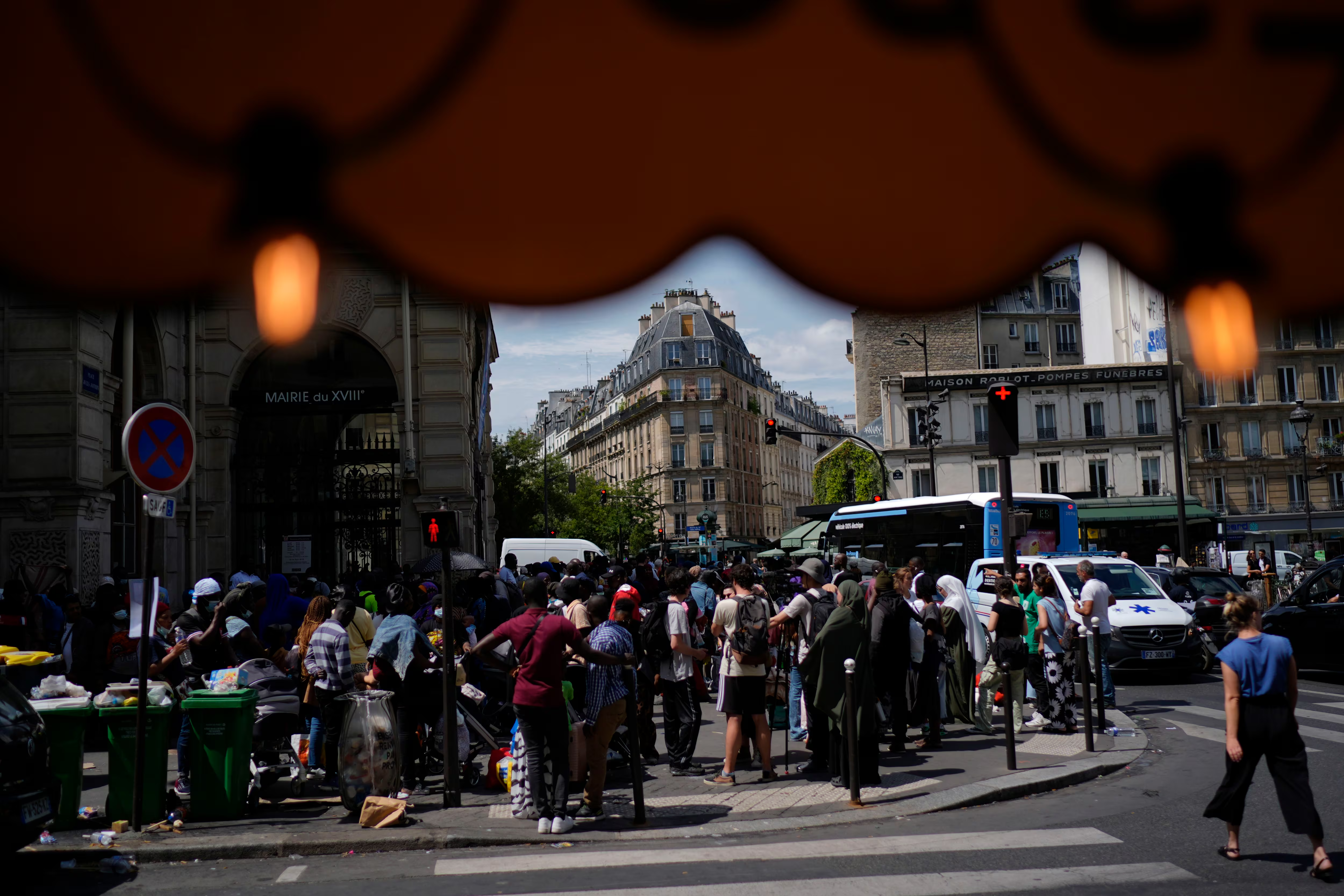
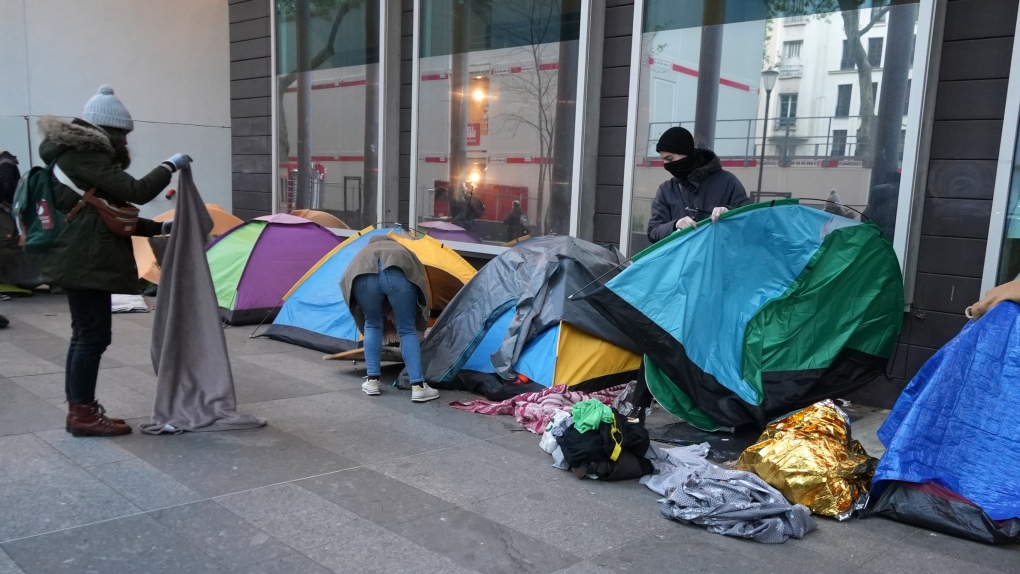
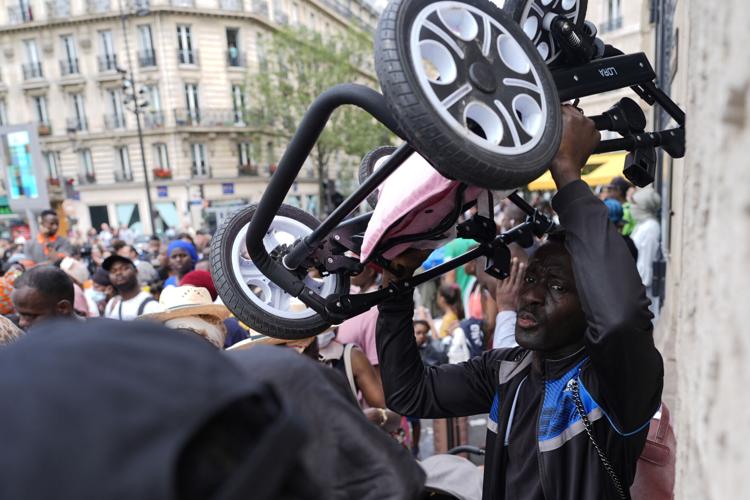
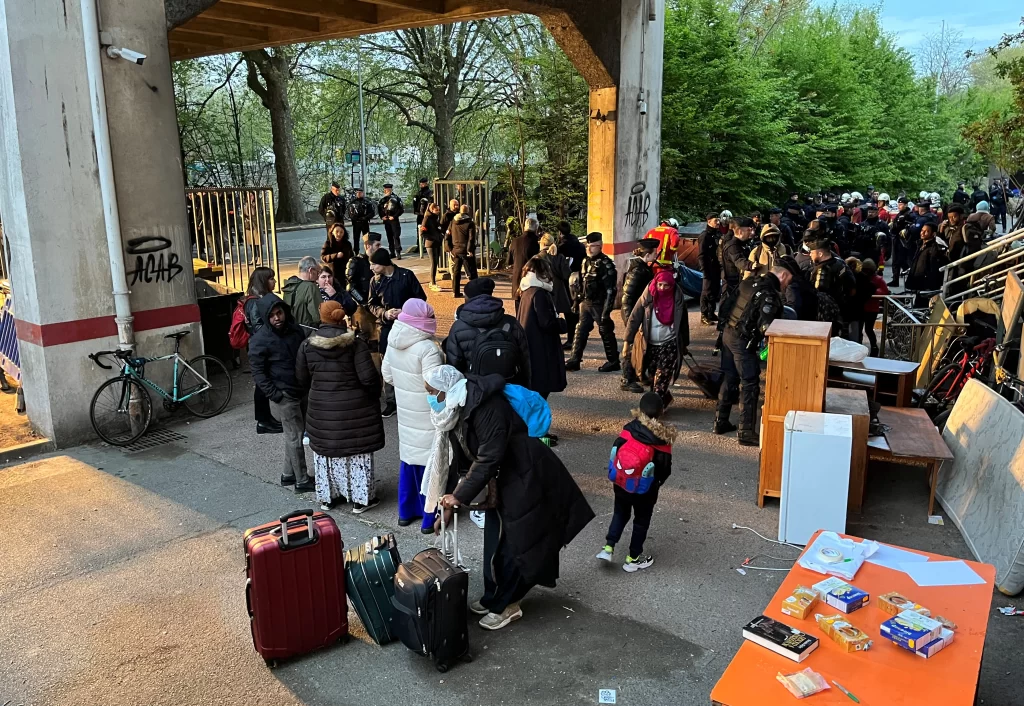
As the world turns its gaze towards Paris for the 2024 Olympic Games, a contentious urban policy has come to the forefront, sparking debate and protest. On Thursday, hundreds of migrants and homeless individuals, many carrying backpacks and small children, were escorted onto buses by armed police, marking the latest wave in a series of relocations from the city center to its outskirts.

This mass movement, occurring just ahead of the Olympic opening ceremony, has ignited a fierce debate about the ethics of urban management during major international events. While French authorities frame these actions as part of ongoing efforts to provide shelter and support, critics denounce them as “social cleansing” aimed at presenting a sanitized version of Paris to the world.

The relocations have predominantly affected African migrants, many from former French colonies such as Burkina Faso, Guinea, Ivory Coast, and Senegal. Natacha Louise Gbetie, a 36-year-old migrant from Burkina Faso, exemplifies the human face of this policy. Once an accountant in her home country, Gbetie now struggles to find employment and housing in France, a situation she says has worsened in the lead-up to the Olympics.

“I think France is saturated. They’re tired of migrants, they want us to leave their country,” Gbetie expressed, holding her 1-year-old son, Richard, who, despite being born in France, faces an uncertain future.

The government, represented by Christophe Noël Du Payrat, chief of staff of the Île-de-France regional government, vehemently denies accusations of social cleansing. “We are taking care of them,” he asserted, emphasizing that the relocation of migrants has been a long-standing practice, not merely an Olympic-driven initiative.

However, activist groups like Utopia 56 paint a different picture. Nathan Lequeux, an organizer for the group, argues that the Olympics have intensified what he calls a “policy of hunting” against migrants and homeless individuals. They want to clean the city for the Olympic Games, for the tourists,” Lequeux stated, highlighting the perceived prioritization of image over human welfare.

The controversy has not gone unnoticed by Parisians and various associations. On the eve of the opening ceremony, a “Counter Opening Ceremony” was organized at Place de la République, a popular square for protests. Demonstrators unfurled banners with slogans like “The Games of Exclusion, 12,500 evicted” and “France, champion of bad housing,” drawing attention to the social cost of hosting the Olympics.

Noah Fargeon, a spokesman for the anti-Olympics group Saccage 2024, described the Paris Olympics as “a monstrous waste of public funds” and criticized the transformation of Paris into a “Disneyland for tourists.” He argued that resources are being diverted from addressing housing issues to repressing vulnerable populations.

The situation in Paris echoes similar controversies in past Olympic host cities, such as Rio de Janeiro in 2016, where comparable displacement policies were implemented. It raises broader questions about the social impact of mega-events and the balance between showcasing a city’s best face and maintaining social equity.

As the Olympics approach, the fate of those relocated remains uncertain. Many, like Nikki, a 47-year-old homeless Parisian, face an unpredictable future. “It’s like poker. I don’t know where I will go, or how much time I will stay,” she said, encapsulating the anxiety felt by many in her situation.

The Paris Olympics, while promising to be a spectacular global event, have inadvertently shone a spotlight on the complex social issues facing the city. As athletes and tourists flood into the French capital, the treatment of its most vulnerable residents continues to be a subject of intense debate and scrutiny.

Morocco Grapples with Deadly Heatwave: Over 20 Lives Lost in Beni Mellal

0

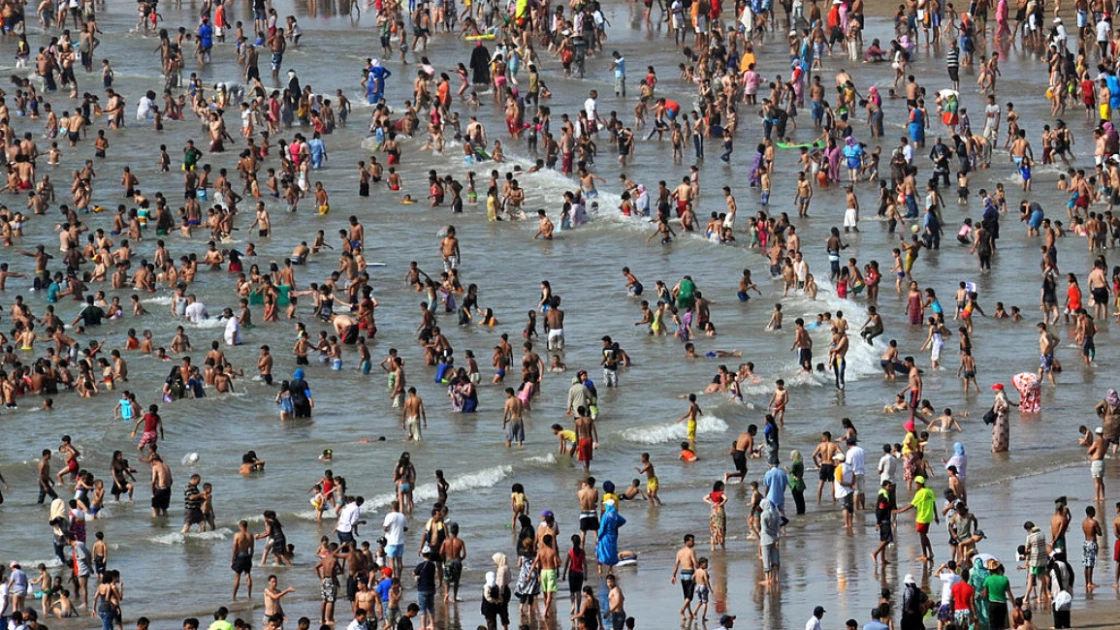
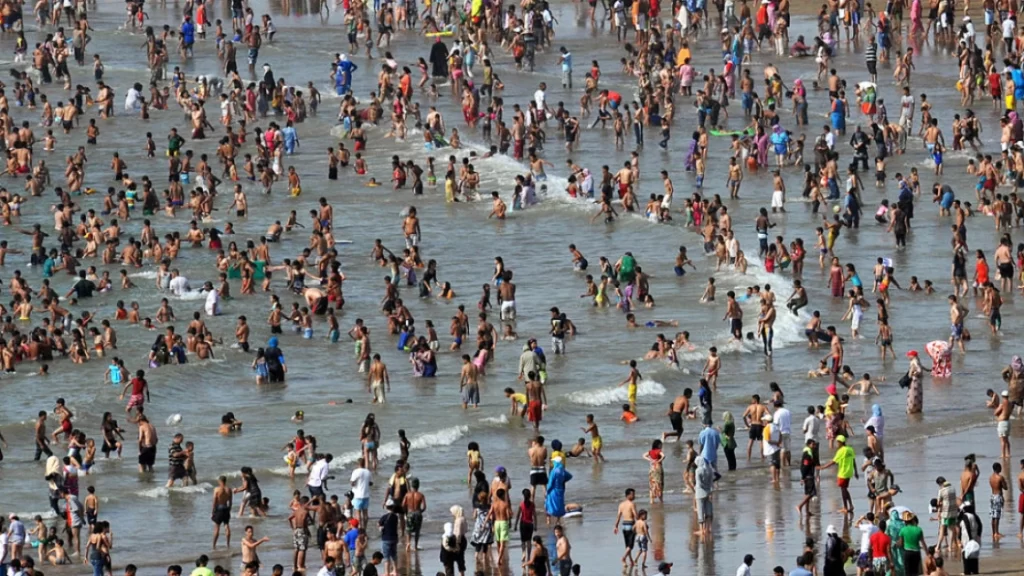
Morocco is currently in the grip of an intense heatwave that has claimed more than 20 lives in the past 24 hours in the central city of Beni Mellal, according to the country’s health ministry. This tragic toll underscores the severe impact of extreme weather conditions on vulnerable populations and highlights the urgent need for climate adaptation measures.

Meteorologists report that temperatures soared to a scorching 48 degrees Celsius in some areas of the country between Monday and Wednesday. The relentless heat has put immense strain on public health services and infrastructure, with the elderly and those with chronic illnesses being particularly at risk.

Officials have stated that the majority of the deceased were either elderly or suffering from pre-existing health conditions, with the extreme heat exacerbating their vulnerabilities. In response to this crisis, authorities have issued urgent advisories to the public, urging citizens to stay hydrated by drinking plenty of water and to avoid venturing outdoors during peak heat hours.

Beni Mellal, located more than 200 kilometers southeast of Casablanca, continues to experience dangerously high temperatures, with Thursday’s readings still reaching 43 degrees Celsius. However, there is a glimmer of hope as meteorologists predict a gradual easing of the heatwave across the country in the coming days. In the popular tourist destination of Marrakesh, temperatures are expected to drop by a significant 10 degrees by Sunday, offering some relief to residents and visitors alike.

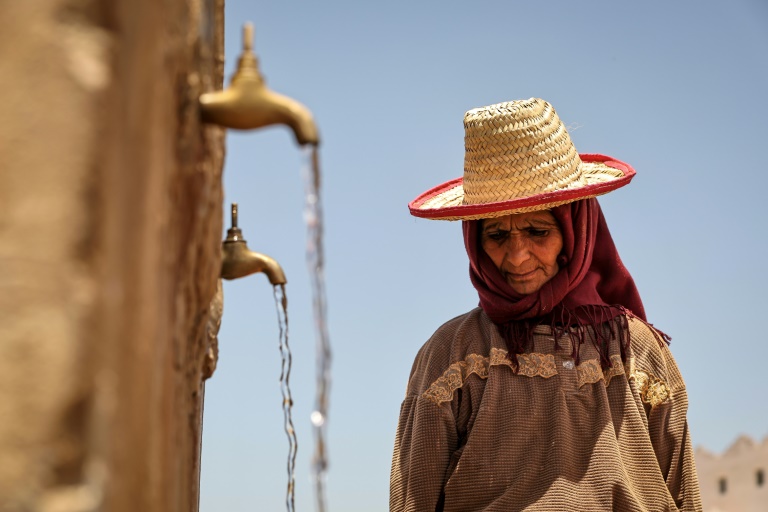
This heatwave is not an isolated incident but part of a larger pattern of climate change affecting Morocco and the wider region. The country is currently enduring its sixth consecutive year of drought, with the past winter being the hottest since records began in 1940. These prolonged periods of extreme heat and lack of rainfall have had far-reaching consequences, particularly for Morocco’s vital agricultural sector.

The combination of rising temperatures and persistent drought has led to alarmingly low water levels in reservoirs across the country. This water scarcity poses a severe threat to Morocco’s farming industry, a crucial component of the national economy. The situation highlights the urgent need for sustainable water management practices and climate-resilient agricultural strategies.

The severity of Morocco’s heatwave is part of a global trend of record-breaking temperatures. The European Union’s Copernicus Earth observation programme recently announced that this past Monday was the hottest day ever recorded since measurements began. This sobering fact aligns with predictions that daily temperature records will continue to be broken throughout the summer in the Northern Hemisphere, a direct consequence of ongoing climate change.

As Morocco battles this heatwave, the incident serves as a stark reminder of the immediate and tangible impacts of climate change. The loss of life in Beni Mellal underscores the human cost of extreme weather events and the urgent need for robust climate adaptation and mitigation strategies.

Looking ahead, Morocco faces the dual challenge of addressing the immediate health crisis caused by the heatwave while also developing long-term solutions to combat the effects of climate change. This may include investing in heat-resistant infrastructure, improving early warning systems for extreme weather events, and implementing water conservation measures to mitigate the impact of prolonged droughts.

The situation in Morocco is a microcosm of the global climate crisis, demonstrating how rising temperatures can have devastating effects on human health, agriculture, and water security. As the world continues to grapple with the realities of climate change, the events unfolding in Morocco serve as a poignant reminder of the urgent need for collective action to address this global challenge.

Fire Devastates KNUST Student Hostel in Ghana: Students Left Stranded and Belongings Destroyed

0

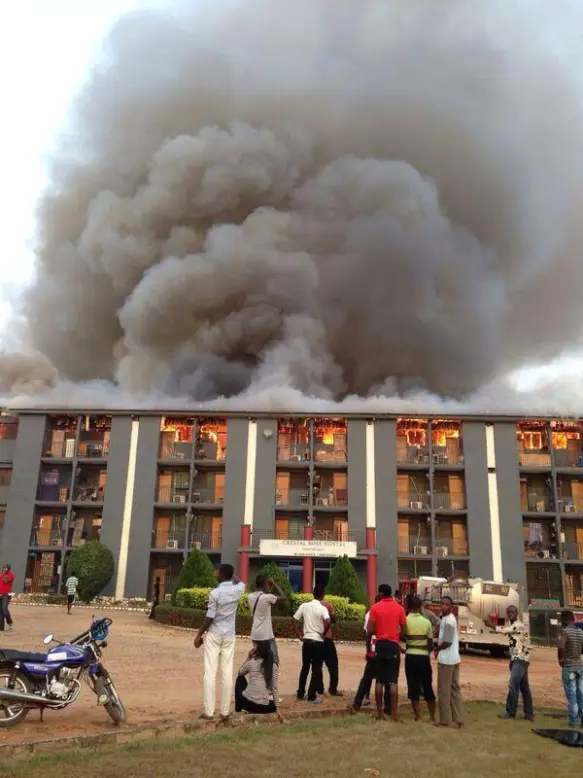
A fierce blaze engulfed a three-storey student accommodation facility known as “Father Hostel” at the Kwame Nkrumah University of Science and Technology (KNUST), Ghana on Thursday night. The fire, which rapidly spread through the building, has left students devastated and raised serious questions about fire safety measures on campus.

The inferno, whose cause remains undetermined, inflicted severe damage on the hostel structure. At least nine rooms were completely destroyed, reducing students’ living spaces and personal belongings to ashes. The incident has not only left the direct victims in distress but also instilled fear among students residing in adjacent buildings.

Eyewitness accounts paint a harrowing picture of the fire’s rapid progression. Students reported that the blaze originated in a single room before swiftly engulfing the entire building. The speed at which the fire spread left little time for occupants to salvage their possessions, with many losing everything they owned within minutes.

While the absence of casualties comes as a relief, the fire’s aftermath presents significant challenges. At least nine students now find themselves without accommodation or personal belongings, facing an uncertain immediate future. The remaining portions of the building have been deemed uninhabitable due to extensive structural damage, further exacerbating the accommodation crisis for affected students.

The incident has also brought to light concerns about emergency response capabilities on campus. Eyewitnesses reported a disturbing 30-minute delay in the arrival of firefighters, attributed to initial difficulties in reaching the KNUST Fire Department’s emergency number. This delay in response time potentially contributed to the fire’s extensive spread and the resulting damage.

In response to this crisis, the KNUST Students’ Representative Council (SRC) has taken swift action to support the affected students. Temporary accommodation has been arranged at the SRC hostel, providing immediate shelter for those displaced by the fire. This quick response highlights the student body’s solidarity in times of crisis.

The SRC has also seized this opportunity to emphasize the importance of fire safety awareness among the student population. In light of the incident, the council is urging all students to strictly adhere to safety protocols to prevent similar occurrences in the future. This call to action underscores the need for increased vigilance and improved safety measures across all student accommodations.

As investigations into the cause of the fire continue, questions are being raised about the overall fire safety infrastructure at KNUST and other institutions of learning in Ghana. The incident has sparked discussions about the need for regular fire drills, improved emergency communication systems, and potentially upgrading fire prevention measures in older buildings on campus.

The university administration faces the immediate challenge of providing long-term solutions for the displaced students. Beyond temporary accommodation, there’s a pressing need to address the loss of academic materials and personal belongings, which could significantly impact the affected students’ academic progress.

This devastating fire at KNUST serves as a stark reminder of the importance of fire safety in educational institutions. As the university community comes to terms with the incident, it’s clear that lessons must be learned to prevent future occurrences. Improved emergency response systems, enhanced fire safety measures, and ongoing education about fire prevention could all play crucial roles in safeguarding student welfare on campus.

Ghana’s Cedi Depreciates 19.5% Against Dollar, Driving National Debt to GH¢742bn in First Half of 2024

0

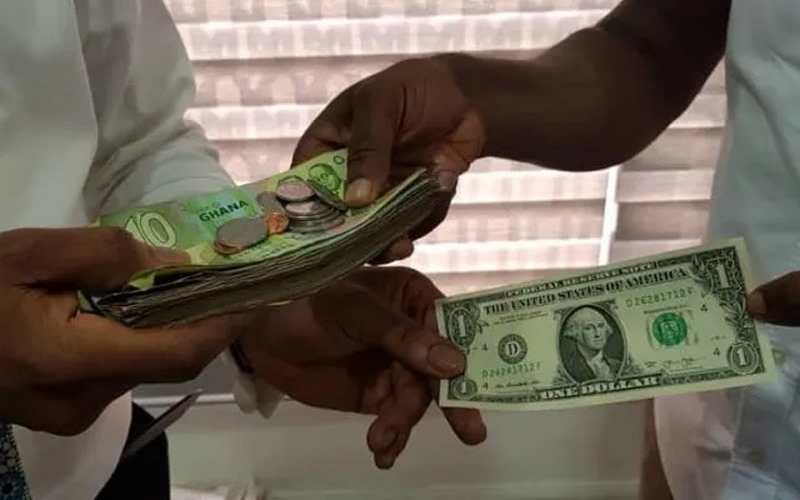
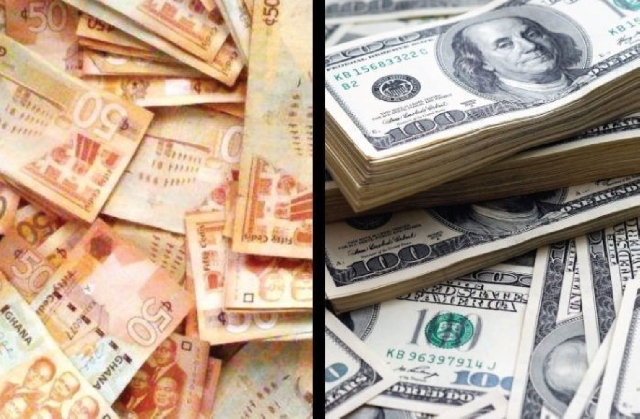
The Bank of Ghana has revealed a troubling trend in the country’s currency market, with the Ghana cedi depreciating by approximately 19.6% against the US dollar on the interbank forex market as of July 2024. This decline is slightly less severe than the 21% loss in value observed on the retail market, highlighting the ongoing challenges facing Ghana’s economy.

According to the Central Bank’s July 2024 Summary of Financial and Economic Data, the cedi’s depreciation against the dollar has been progressive throughout the year. March 2024 saw a 7.7% loss, followed by a 10.5% depreciation in April. The situation worsened in subsequent months, with June and July witnessing 15.9% and 18.6% depreciations respectively.

On the retail market, the cedi is trading at an average of GH¢15.60 against the dollar, while the Bank of Ghana quotes one dollar at GH¢14.78. The currency’s performance against other major currencies is equally concerning, with a 20.8% depreciation against the British pound (trading at GH¢19.10) and an 18.4% loss against the euro (selling at GH¢16.09).

Despite these challenging figures, there was a glimmer of hope last week as the Ghana cedi extended its rally against the US dollar amid rising corporate demand. The market’s anticipation of a potential rate cut by the US Federal Reserve contributed to a weakening American greenback, allowing the local currency to gain 0.29% week-on-week against the dollar, ending at a mid-rate of GH¢15.64/$ on the retail market. This marked the second consecutive week of gains for the cedi against the world’s most important currency.

However, the broader economic implications of this currency depreciation are significant. Finance Minister Dr Mohammed Amin Adam has disclosed that the cedi’s depreciation has led to a substantial increase in Ghana’s national debt. From an initial amount of GH¢608 billion in 2023, the debt has surged to GH¢742.0 billion in the first half of 2024, representing a 22% increase attributed to both the cedi’s depreciation and disbursements from creditors.

Dr Adam provided a breakdown of this debt during the mid-year budget review in parliament, as required by Section 28 of the Public Financial Management Act, 2016 (Act 921). The total debt stock comprises external debt of GH¢452 billion (60.9% of the total) and domestic debt of GH¢290 billion (39%). In terms of GDP, external and domestic debt account for 43.0% and 27.6% respectively.

The Finance Minister also outlined the government’s financing strategy, stating that domestic financing of the debt would amount to GH¢38.9 billion, representing 3.8% of the revised GDP and 71.9% of the total financing for 2024. He noted that a downward revision of GH¢7.9 billion in interest payments reflects the impact of external debt restructuring on external interest payments.

Looking forward, Dr Adam emphasized that the government would continue to build on the 2024 Medium Term Debt Strategy (MTDS) implemented in the first half of the year. This strategy focuses on achieving an appropriate financing mix aimed at supporting fiscal consolidation without compromising macroeconomic stability and debt sustainability.

As Ghana grapples with these economic challenges, the government’s ability to navigate the complex interplay between currency depreciation, debt management, and overall economic stability will be crucial. The coming months will be critical in determining whether the strategies outlined by the Finance Minister can effectively address these pressing financial issues and set Ghana on a path towards sustainable economic growth.