Nigeria – Lagos State police have launched an investigation into the tragic death of a 19-year-old boy, allegedly beaten to death by his father. The incident has raised significant concerns about domestic violence in Nigeria.
According to SP Benjamin Hundeyin, the Lagos Police Public Relations Officer, the incident occurred on Tuesday. The Alagbado Police Division received a report that a father, identified as Olumide, had inflicted a deep cut on his son, Adeyemi, with a shovel. The altercation reportedly occurred around 12:00 p.m. on July 5 and escalated by 2:00 p.m.
Hundeyin detailed that the young man sustained severe injuries from the shovel attack. “The young man was immediately rushed to the hospital for treatment. However, when the injury became severe, he was transferred to the General Hospital Ikeja, where he unfortunately succumbed to a tetanus infection, as confirmed by the attending doctor,” Hundeyin explained.
Police detectives have since visited the scene of the crime, but the father, Olumide, remains at large. The case is currently under thorough investigation by the Lagos police.
This incident highlights the urgent need for addressing domestic violence and improving the reporting and intervention mechanisms to prevent such tragedies in the future. The Lagos State police are calling for any information that may assist in the apprehension of the suspect to ensure justice for the deceased.
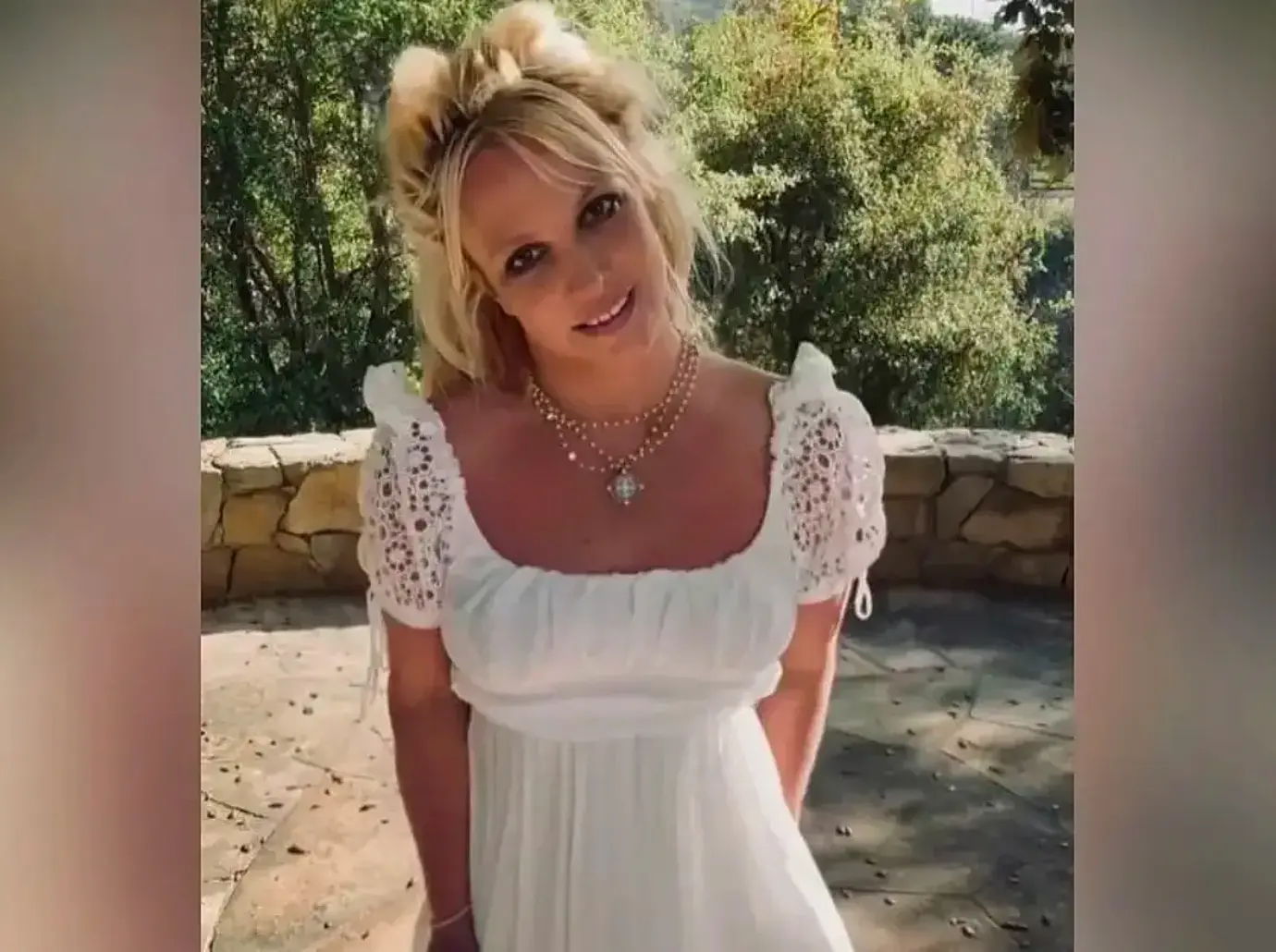
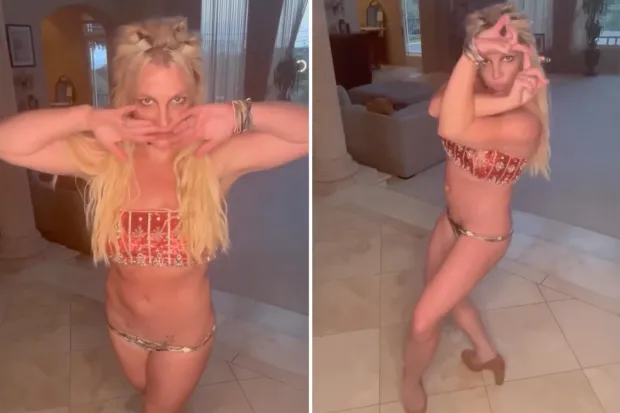
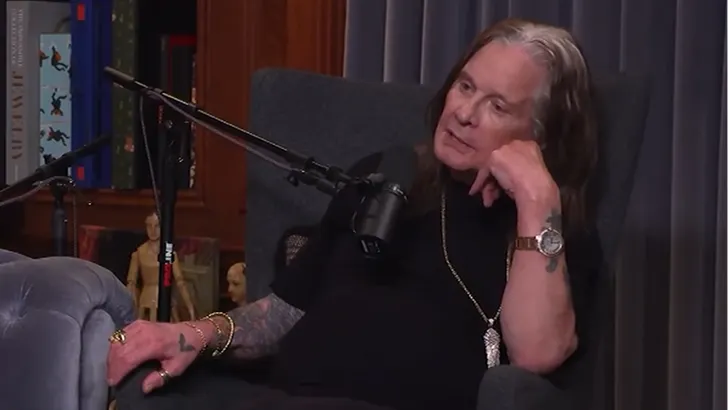
Pop icon Britney Spears has fired back at rock legend Ozzy Osbourne following his recent criticism of her dance videos, while simultaneously defending actress Kate Beckinsale against ageist comments on social media. This latest celebrity clash highlights ongoing debates about self-expression and age-appropriate content in the digital age.
In a strongly worded social media post, Spears addressed Osbourne’s recent podcast comments where he described her dance videos as “nauseating.” The pop star didn’t hold back, stating, “I’m gonna do a photoshoot with Kate and tell the Osbourne family who is the most boring family known to mankind to kindly f*** off!!!”
Spears began her post by expressing admiration for Kate Beckinsale, particularly praising her British heritage. She condemned the “incredibly cruel” comments Beckinsale has received about her Instagram content being inappropriate for her age. Spears appreciated Beckinsale’s signature bow emoji and her defiant attitude towards critics.
Addressing the criticism of her own content, Spears explained her passion for dancing, stating, “I’m good at it, and I love it.” She defended her free-spirited dance videos, which often feature her in minimal clothing, as a form of self-expression and joy.
This incident is part of a broader conversation about celebrity behavior on social media, ageism, and the public’s expectations of female celebrities. Spears, who has faced intense scrutiny throughout her career, seems to be aligning herself with other celebrities who face similar criticism.
Intriguingly, Spears hinted at a possible collaboration with Beckinsale, suggesting a joint photoshoot. This proposed alliance between the two stars could be seen as a statement against their critics and a celebration of their right to self-expression.
As this celebrity feud unfolds, it raises important questions about artistic freedom, the impact of social media on public figures, and the ongoing challenges faced by women in the entertainment industry. Spears’ robust defense of herself and Beckinsale underscores her commitment to authenticity and her rejection of age-based limitations on self-expression.
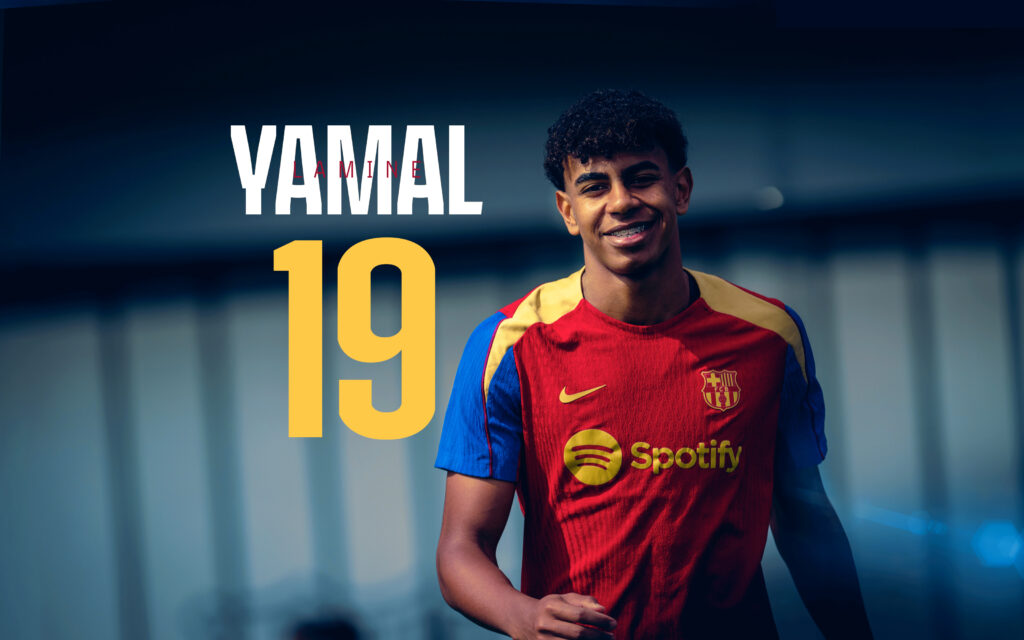
Barcelona’s rising star Lamine Yamal has been officially promoted to the first team, marking a significant milestone in the 17-year-old’s burgeoning career. As part of this transition, the club has announced that Yamal will don the prestigious number 19 shirt for the upcoming season, a number steeped in Barcelona’s rich history.
First-Team Status and Number Change
Despite featuring prominently for Barcelona throughout the 2023/24 season, Yamal was not officially registered as a first-team player – a distinction that holds particular importance in Spanish football. Following his stellar performances at Euro 2024 and his consistent displays for the club, Barcelona has now formalized his status within the senior squad.
This promotion necessitated a change in Yamal’s shirt number. In Spain, first-team numbers are restricted to 1-25, and Yamal had previously worn number 27. The club has now confirmed that he will wear number 19, the same number he sported for Spain during Euro 2024.
Historical Significance of Number 19
The number 19 shirt at Barcelona carries a special legacy. It was notably worn by Lionel Messi early in his career after his promotion from La Masia to the first team in 2005. Messi wore this number until 2008 when he inherited the iconic number 10 following Ronaldinho’s departure.
Other notable players who have worn the number 19 for Barcelona include Patrick Kluivert, Sergio Aguero, and Martin Braithwaite, among others. Yamal’s assignment to this number underscores the club’s faith in his potential and their expectations for his future contributions.
Implications for the Squad
Yamal’s new number also has implications for other players in the squad. Vitor Roque, who wore number 19 after his January 2024 arrival from Athletico Paranaense, will need to be reassigned. The Brazilian forward has struggled to make an impact since his transfer and has been linked with a potential move to Saudi Arabia.
Looking Ahead
As Lamine Yamal prepares to embark on his first full season as an official first-team player, expectations are high. His performances in the previous season and at Euro 2024 have already established him as one of the most exciting young talents in world football.
Barcelona’s decision to promote Yamal and assign him the historically significant number 19 shirt reflects their commitment to nurturing homegrown talent and their belief in the youngster’s ability to play a crucial role in the team’s future success.
As the new season approaches, all eyes will be on Yamal to see how he handles the increased responsibility and expectations that come with his new status and iconic shirt number.
Bianca Censori donned another daring outfit for lunch with her husband, Kanye West, at the historic Chateau Marmont in Los Angeles. The Australian architect, 29, opted for an incredibly clingy top, minus the trousers, for their outing on Wednesday.
Bianca, known for her bold fashion choices, wore thong underwear and completed her minimal yet jaw-dropping look with a tan cap and a pair of classic black heels. In contrast, Kanye was covered up with a black hooded sweatshirt and coordinating trousers, following closely behind Bianca as they entered the establishment.
While still revealing, Bianca’s latest outfit was a tad more modest compared to her recent daring ensembles. The look she sported at the Chateau was notably more covered up than the one she wore on Monday, where she bared it all in a jaw-dropping appearance while heading to a tanning salon in Los Angeles.
On that day, Bianca exposed her breasts in a completely see-through netted top, opting not to wear a bra. She paired the barely-there top with tiny beige underwear and heels, shielding her short brunette hair with a camouflage print hat. This revealing look pushed boundaries and raised questions about indecent exposure under California law. According to California Penal Code Section 314(1), intentionally exposing one’s genitals or naked body in public can result in a misdemeanor, with penalties including up to six months in county jail, a fine of up to $1,000, and mandatory registration as a sex offender for at least ten years.
Following these bold fashion statements, restaurateurs have vowed to ban the controversial couple from their establishments. Censori shocked onlookers when she dined out in Los Angeles with Kanye, wearing a barely-there bra top that left little to the imagination.
“If I am the owner of any establishment that these two intend to enter, I will tell them due to respect for my customers, you are not allowed to enter,” one restaurateur wrote. “I wouldn’t have them in my restaurant. Totally inappropriate and not a good role model for young children to see this out and about. What is wrong with them?” another agreed.
Many echoed similar sentiments, questioning how any decent restaurant could accept a customer dressed in such revealing attire. Some pointed out that even supermarkets enforce dress codes for hygiene purposes, and Bianca’s outfits were seen as crossing the line of decency.
Despite the backlash, Bianca and Kanye continue to make headlines with their bold fashion choices, sparking discussions on public decency and fashion boundaries in modern society.
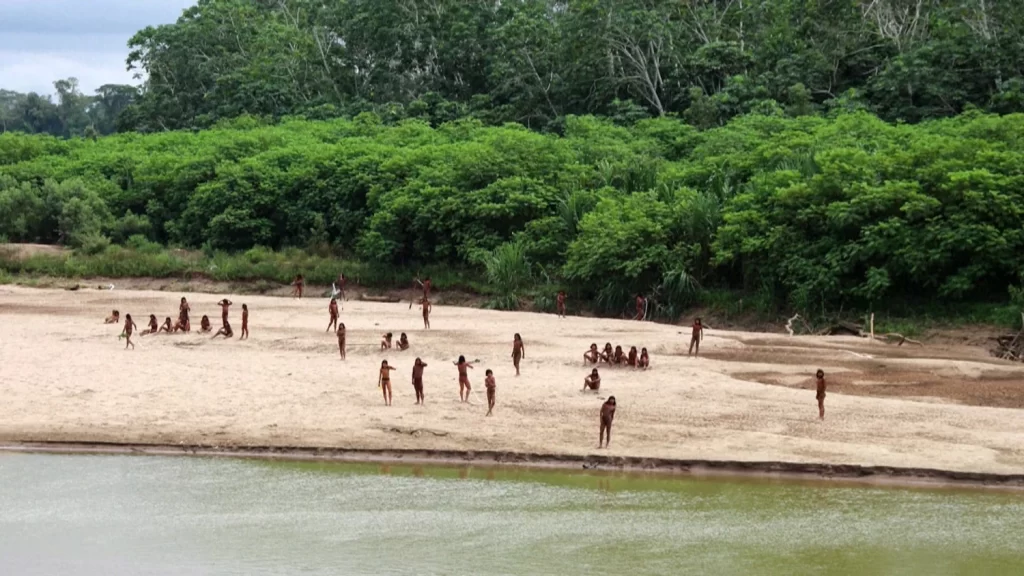
More than 50 members of the uncontacted Mashco Piro tribe have been photographed on a riverbank in the remote Peruvian Amazon. This area is notably close to regions where logging companies have been granted concessions by the Peruvian government, sparking controversy and raising concerns among indigenous rights advocates.
The large group from the Mashco Piro appeared recently near the southeastern village of Monte Salvado, which is inhabited by the Yine people. Another smaller group of 17 was observed near a neighboring village. The Yine, who speak a language related to that of the Mashco Piro, have previously expressed anger about the presence of loggers on their land. According to the indigenous rights group Survival International, the Mashco Piro tribe has been increasingly disturbed by logging activities in their territory.
“This is irrefutable evidence that many Mashco Piro live in this area, which the government has not only failed to protect but actually sold off to logging companies,” stated Alfredo Vargas Pio, president of the local Indigenous rights group FENAMAD, in a statement to Survival International. This situation underscores the ongoing struggle between indigenous communities and industrial interests in the Amazon.
NBC News has reached out to the Peruvian government for a comment on this matter. FENAMAD has also reported sightings of the secluded tribe leaving the rainforest more often in recent weeks in search of food and to avoid loggers, according to Reuters. The tribe’s increasing visibility is a cause for concern, highlighting the impact of external pressures on their traditional way of life.
This is not the first time the Mashco Piro tribe has reacted to logging activities. Just over a decade ago, there were instances where the tribe attempted to make contact with the outside world, likely driven by the encroachment of logging operations on their land. The repeated disturbances caused by these activities have continually threatened the tribe’s isolation and safety.
The recent photographs and sightings serve as a stark reminder of the delicate balance between protecting indigenous communities and managing industrial activities in the Amazon. The Mashco Piro tribe’s plight underscores the urgent need for stronger environmental and indigenous rights protections to ensure their survival and preserve their way of life.
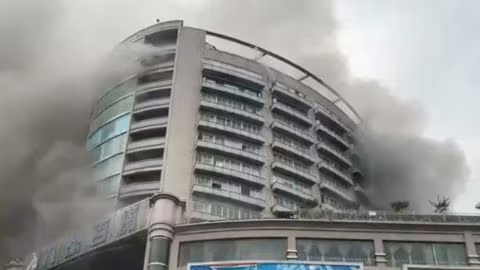
A devastating fire erupted at a shopping mall in Zigong, a city in southwestern China, resulting in the tragic deaths of 16 people on Wednesday. The incident took place at a 14-story commercial building that includes a department store, offices, restaurants, and a movie theater, according to state media reports.
Firefighters and rescuers responded promptly to the emergency call just after 6 p.m., successfully rescuing 75 people from the blaze, as reported by the official news agency Xinhua. Ongoing rescue efforts aim to locate and assist any remaining individuals within the building. The cause of the fire is yet to be determined, and authorities have not confirmed how many people were present in the building when the fire broke out.
Videos circulating on social media captured the harrowing scenes of thick black smoke pouring out from the building’s lower levels, engulfing the entire structure. The footage showed massive flames as firefighters battled the inferno with water sprays. Local media sources confirmed that firefighters also utilized several drones to aid in the rescue operations.
Fire hazards remain a significant concern in China. Li Wanfen, a spokesperson for the National Fire and Rescue Administration, stated that China recorded 947 fire-related fatalities in the first several months of this year, ending on May 20. This figure marks a 19% increase compared to the same period last year. Li highlighted that the most common causes of fires in public places, such as hotels and restaurants, are electrical or gas line malfunctions and general negligence.
In January, another tragic fire incident occurred in a commercial building in Jiangxi province’s southeastern region, killing 39 people. The fire was attributed to unauthorized welding in the basement. Additionally, in February, a residential building fire in Nanjing, eastern China, claimed the lives of 15 people after an attached parking lot for electric bikes caught fire.
These incidents underscore the urgent need for stricter fire safety measures and regulations in China to prevent such devastating events. The recent fire in Zigong highlights the critical importance of improving fire safety standards to protect lives and property from similar tragedies in the future.
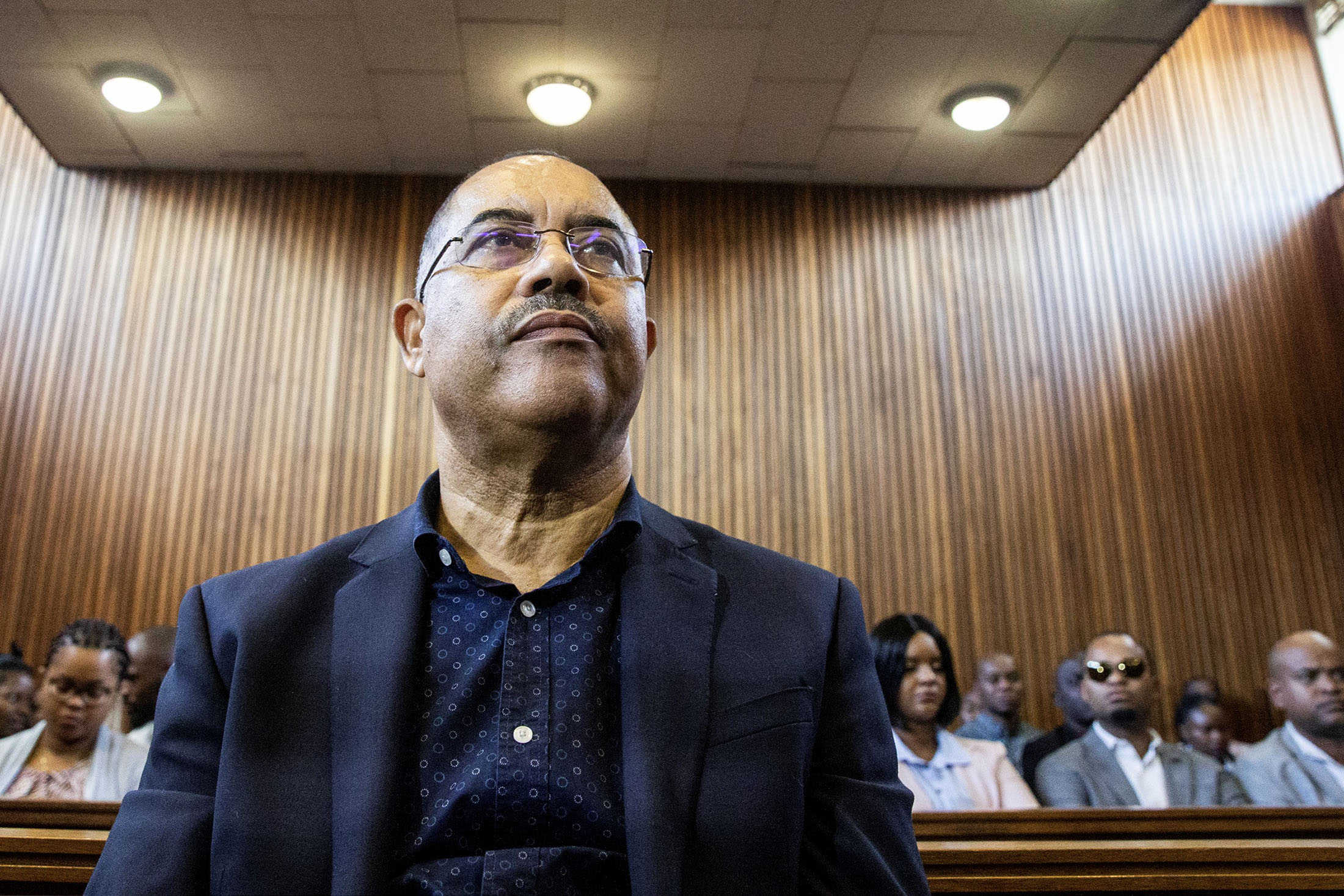
Manuel Chang, former finance minister of Mozambique, appears at the Kempton Park Magistrates court to fight extradition to the United states on January 8 2019 in Kempton Park, South Africa. - Chang has received an indictment from the US department of justice detailing charges linked to three loans to Mozambican state companies, lawyer Rudi Krause said. (Photo by Wikus DE WET / AFP) (Photo credit should read WIKUS DE WET/AFP via Getty Images)
The “tuna bond” scandal, which has severely impacted Mozambique’s economy, has reached a U.S. court where former Mozambican finance minister Manuel Chang is facing charges. Chang is accused of accepting bribes to commit his country to massive loans, which prosecutors allege were looted to finance lavish lifestyles rather than public projects.
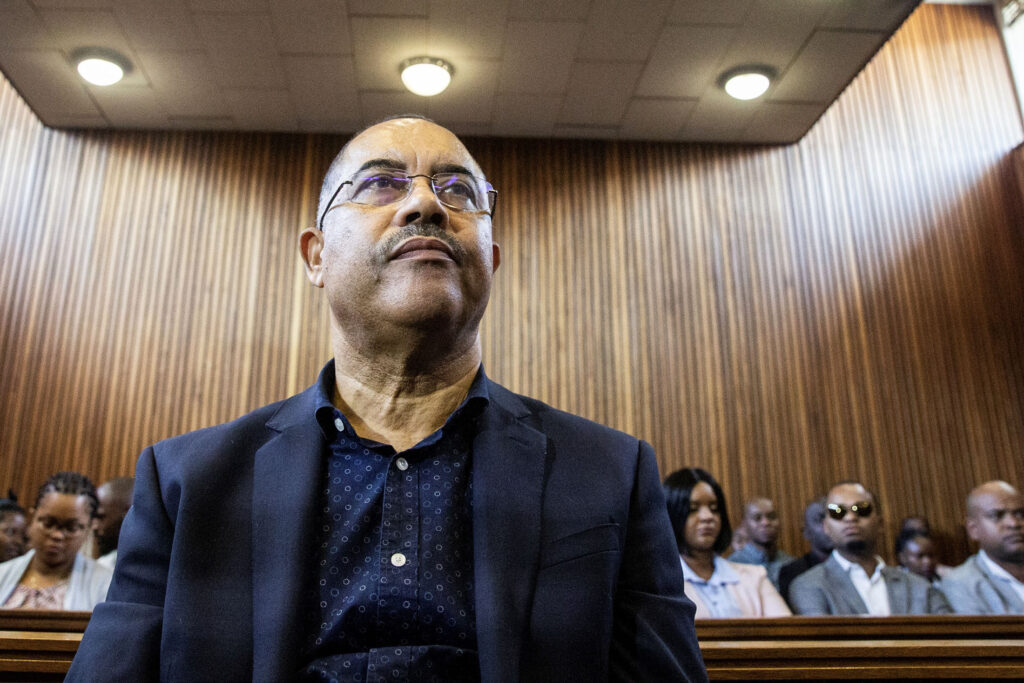
Former Mozambican finance minister, Manuel Chang, is seen in court in Kempton Park, Johannesburg, South Africa, Jan. 8, 2019.
The loans, which were supposed to fund tuna fishing ships, failed to serve their intended purpose. When the government’s $2 billion “hidden debt” came to light in 2016, it triggered a financial crisis in Mozambique, one of the world’s poorest countries, leading to significant economic repercussions.
This week, jurors began hearing the case against Chang in a federal court in Brooklyn. He served as Mozambique’s top financial official from 2005 to 2015. Prosecutors argue that Chang “abused his authority to enrich himself through bribery, fraud, and money laundering,” stated Assistant U.S. Attorney Peter Cooch during the opening statements.
The indictment reveals that Chang is known to have funneled the loan money through elaborate schemes involving international banks and shell companies. The money, intended for public infrastructure and development, was allegedly misappropriated to support luxury expenditures, including lavish homes and yachts.
Manuel Chang, former finance minister of Mozambique, appears at the Kempton Park Magistrates court to fight extradition to the United States on January 8 2019 in Kempton Park, South Africa.
Chang, who has pleaded not guilty to conspiracy charges, is defended by lawyer Adam Ford. Ford argued to jurors that there is no concrete evidence proving Chang accepted any payoffs or received money for having Mozambique guarantee the loans’ repayment. “Minister Chang signed these guarantees because that’s what his government wanted him to do,” Ford stated on Tuesday.
The trial continued on Wednesday, with Chang attentively following proceedings through a Portuguese language interpreter.
Between 2013 and 2016, three Mozambique government-controlled companies borrowed $2 billion from major overseas banks. These loans, guaranteed by Chang’s signature, assured the creditors of repayment. However, the intended projects, including tuna fishing ships, a shipyard, and Coast Guard patrol boats to protect natural gas fields off the country’s Indian Ocean coast, were never completed.
The scandal has drawn international attention due to its scale and the severe economic impact on Mozambique. The fraudulent activities were uncovered following an investigation that revealed discrepancies in the loan agreements and mismanagement of funds.
Initial autopsy results have revealed traces of cyanide in the blood of six Vietnamese and American guests who died at a luxury hotel in central Bangkok. One of the guests is believed to have poisoned the others over a bad investment, Thai authorities announced on Wednesday.
Police make preliminary report
The bodies were found on Tuesday in the Grand Hyatt Erawan Bangkok, a landmark located at a central intersection in the capital, surrounded by malls, government buildings, and public transit.
The six guests were last seen alive when food was delivered to their room on Monday afternoon. The staff observed one woman receiving the food, and security video showed the rest arriving one by one shortly after. There were no other visitors, and no one was seen leaving. The door was locked from the inside. A maid found them on Tuesday afternoon when they failed to check out.
Thai Prime Minster
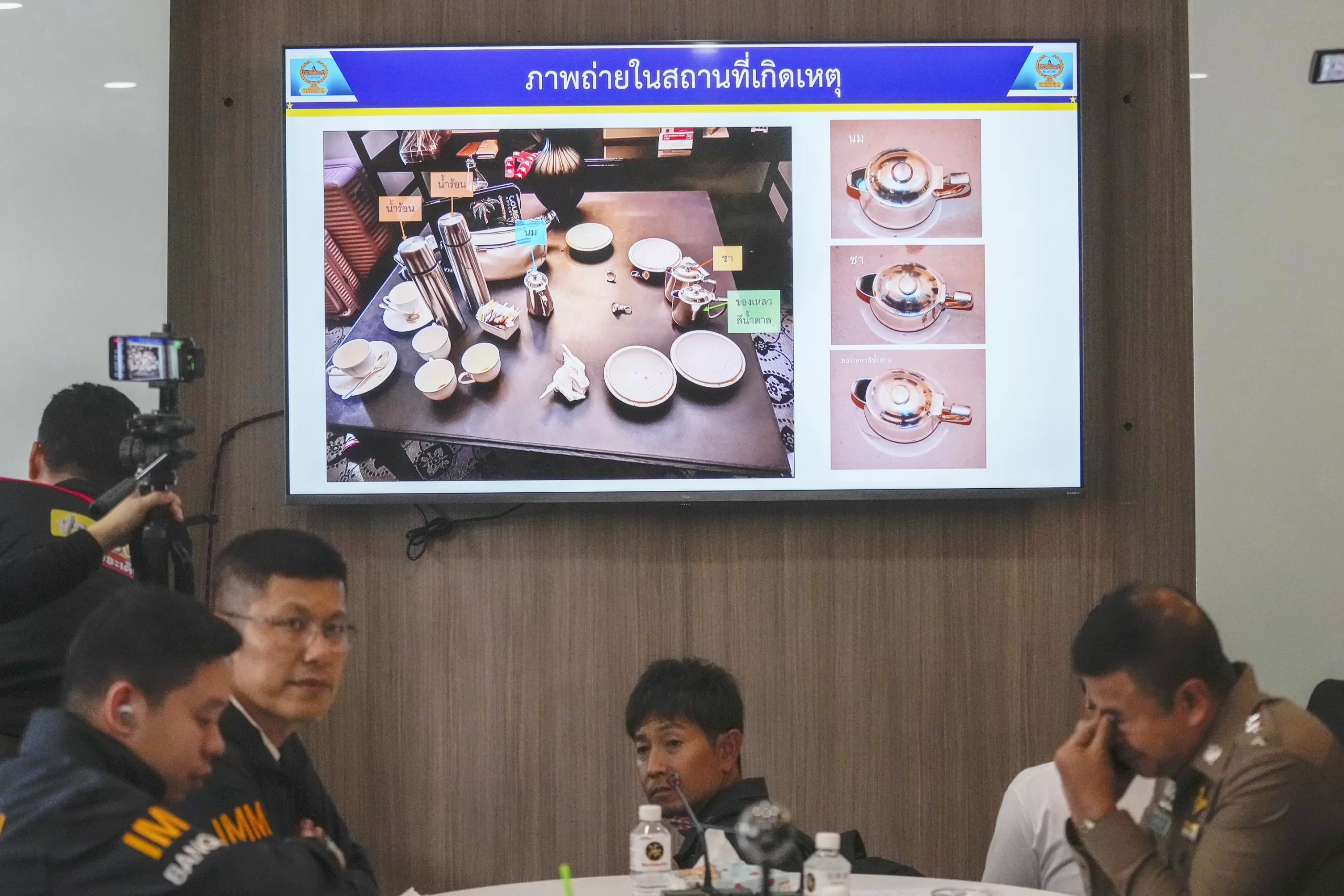
Upon entering the room, hotel staff found that the food ordered the previous day was left untouched, with some servings of fried rice still under plastic wrap. While the food was untouched, several used teacups were on a nearby table, next to two thermos bottles.
Lt. Gen. Trairong Pipwan, chief of the Thai police force’s forensic division, confirmed the presence of cyanide in the cups and bottles. Initial results from autopsies of the six bodies, performed at Bangkok’s Chulalongkorn Hospital, were shared on Wednesday. Kornkiat Wongbansarinsin, head of the forensic medicine department at Chulalongkorn University’s medical school, stated at a news conference that cyanide was found in the blood of all six victims. A CAT scan showed signs of blunt force trauma, reinforcing the hypothesis that they had been poisoned.
Hotel where it all happened
The hotel’s head of security, Chanchai Sittipunt, mentioned that the team knew the guests and attempted to determine if cyanide was the likely cause of death.
The Thai police chief, Gen. Tith Sangswang, identified the dead as two Vietnamese men and four American women. He indicated that the victims had likely ingested the cyanide-laced tea, which is considered to be the cause of death.
A celebratory moment for Argentina’s national soccer team has turned into a controversy, as calls mount for team captain Lionel Messi to apologize for racist chants made by players following their Copa America victory. The incident has sparked international outrage and prompted responses from government officials, soccer clubs, and FIFA.
The Controversial Chant
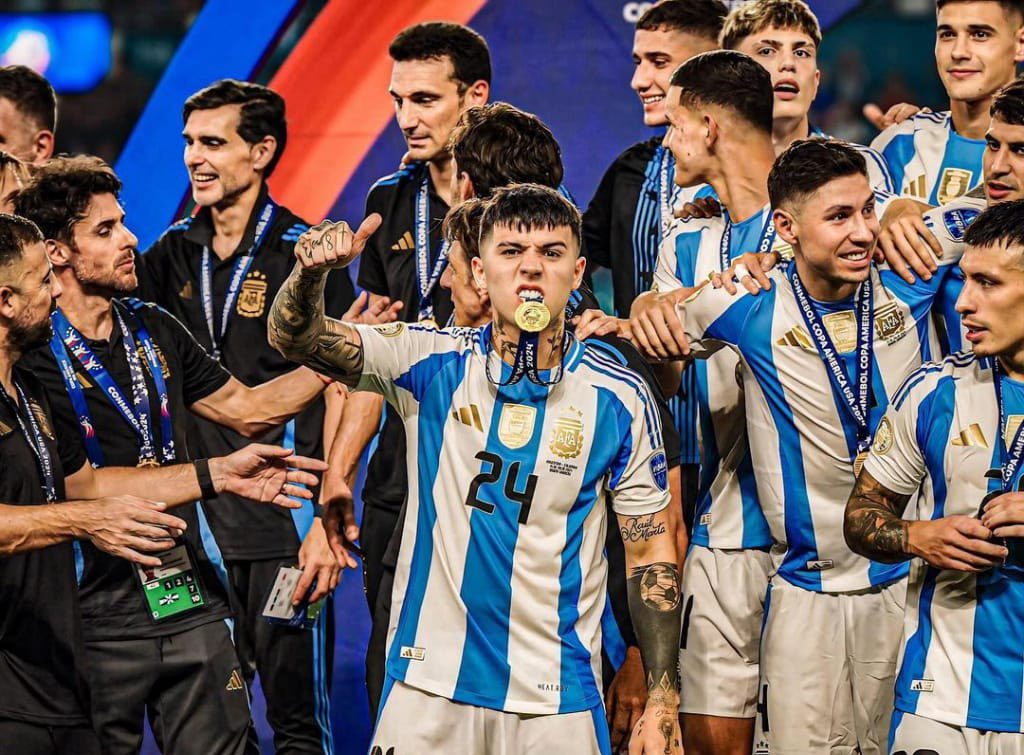
Following Argentina’s 1-0 victory over Colombia in the Copa America final on Sunday in Miami Gardens, Florida, a video surfaced on social media showing members of the triumphant squad singing a racist chant targeting French players of African heritage. The chant, which had previously emerged among some Argentina fans before the 2022 World Cup final against France, singles out French players with African roots.
Calls for Apology
Julio Garro, Argentina’s sports sub-secretary, has called on Messi and Claudio Tapia, president of the Argentina Football Association (AFA), to issue apologies. “The national team captain must also come out to apologize for this case. The same AFA president,” Garro stated in radio interviews. “I think it is appropriate. It leaves us as a country in a bad position, with so much glory.”
While it’s unclear from the video whether Messi participated in the chant, his status as team captain and global soccer icon has put him at the center of the controversy.
Enzo Fernandez’s Apology and Chelsea’s Response
Chelsea midfielder Enzo Fernandez, who was visible in the video, has issued a public apology on Instagram. “I am truly sorry,” Fernandez stated, adding, “That video, that moment, those words, do not reflect my beliefs or my character.”
In response, Chelsea FC has initiated internal disciplinary proceedings against Fernandez. The club released a statement saying, “We are proud to be a diverse, inclusive club where people from all cultures, communities and identities feel welcome. We acknowledge and appreciate our player’s public apology and will use this as an opportunity to educate.”
FIFA Investigation
FIFA, soccer’s world governing body, has announced it is looking into the incident. “FIFA is aware of a video circulating on social media and the incident is being looked into,” the organization stated. “FIFA strongly condemns any form of discrimination by anyone including players, fans and officials.”
The French soccer federation has pledged to file a complaint with FIFA over the “racist and discriminatory remarks.”
Broader Implications
This incident highlights ongoing issues of racism in soccer and raises questions about the responsibility of high-profile players and organizations in combating discrimination. FIFA President Gianni Infantino has previously committed to relaunching a task force to monitor racist incidents, emphasizing a zero-tolerance approach to racism in the sport.
The controversy also underscores the power of social media in amplifying such incidents and the need for swift, decisive action from clubs, national associations, and governing bodies.
As the soccer world awaits further developments, including potential disciplinary actions from FIFA and the AFA, the incident serves as a reminder of the ongoing struggle against racism in sports and the importance of promoting inclusivity and respect both on and off the field.
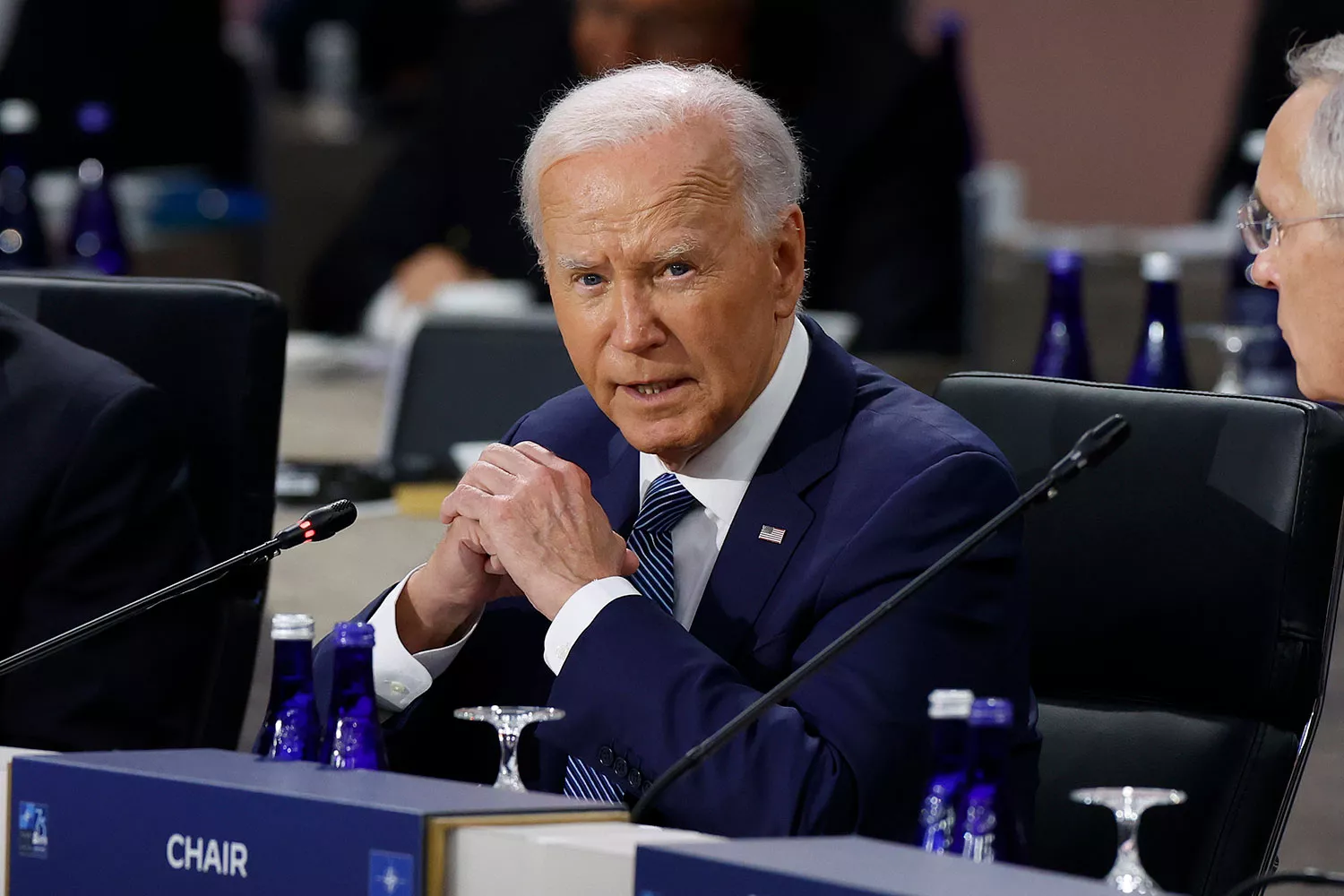
President Joe Biden has tested positive for COVID-19 following an event in Las Vegas, the White House announced on Wednesday, July 17.
“He is vaccinated and boosted and he is experiencing mild symptoms,” stated White House Press Secretary Karine Jean-Pierre. “He will be returning to Delaware where he will self-isolate and will continue to carry out all of his duties fully during that time. The White House will provide regular updates on the President’s status as he continues to carry out the full duties of the office while in isolation.
The White House also released a statement from the president’s doctor, who reported that Biden’s symptoms include “upper respiratory symptoms, to include rhinorrhea (runny nose) and non-productive cough, with general malaise.”
“He felt okay for his first event of the day, but given that he was not feeling better, point of care testing for COVID-19 was conducted, and the results were positive for the COVID-19 virus. Given this, the President will be self-isolating in accordance with CDC guidance for symptomatic individuals,” the doctor’s statement read.
“PCR confirmation testing will be pending,” the statement continued. “The President has received his first dose of Paxlovid. He will be self-isolating at his home in Rehoboth.”