Home Blog Page 9

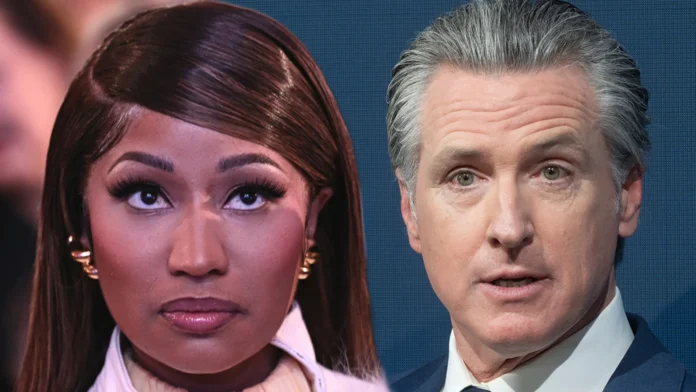
Rapper Nicki Minaj accuses Governor Newsom of treating Black people like children

0

ATLANTA (BN24) — Rapper and entrepreneur Nicki Minaj sharply criticized California Gov. Gavin Newsom this week after a speaking engagement in Georgia, contending that his remarks to attendees were patronizing and disrespectful toward Black voters.
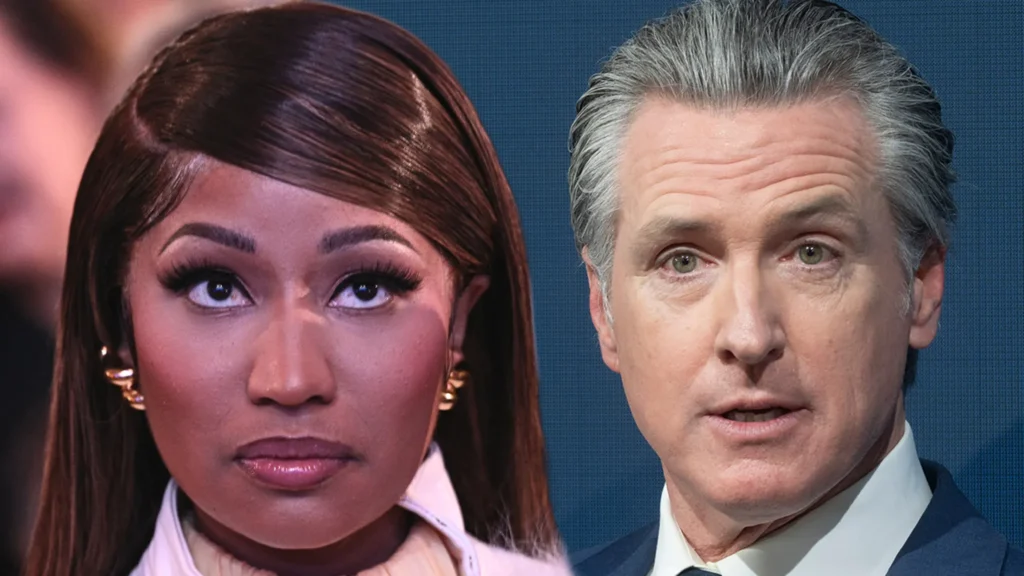
In a series of posts on X, the artist known for chart-topping hits including “Super Bass” took aim at Newsom’s tone during the event, arguing that his attempt to connect with the audience came across as condescending.

“His way of bonding with black ppl is to tell them how stupid he is & that he can’t read,” Minaj wrote in one post shared with her millions of followers.

She followed with another message intensifying her criticism: “He’s not just TELLING them that they’re probably stupid & probably can’t read, he’s LITERALLY SLOW-ING-DOWN-HIS-SPEECH to make them understand the words that are coming out of his mouth!!!!”

The exchange unfolded after Newsom appeared at an event in Georgia to promote his memoir, Young Man in a Hurry, which chronicles his upbringing, political trajectory and his experience living with dyslexia. During a discussion moderated by Atlanta Mayor Andre Dickens, Newsom reflected on academic struggles tied to the learning disability.

Addressing a question about how he navigated dyslexia, Newsom cited his standardized test performance as an example of overcoming adversity. “I’m like you. I’m no better than you,” he said, referencing a low SAT score as part of his personal story.

The comment drew mixed reactions online, with some social media users echoing Minaj’s assessment, while others defended the governor’s remarks as self-deprecating and intended to build rapport.

Video circulating from the venue showed a line of attendees waiting to enter the event. The footage appeared to depict a racially diverse crowd, countering some social media assertions that the audience was exclusively or predominantly Black. The clip Minaj shared, however, featured only Newsom and Dickens on stage and did not show audience members.

Newsom’s office did not immediately issue a response to Minaj’s criticism.

The California governor, widely viewed as a prominent Democratic figure, has increasingly made appearances outside his home state as speculation swirls about his national political ambitions. His memoir tour has taken him to multiple cities, where he has spoken about policy, leadership and personal resilience.

Minaj, a Grammy-nominated performer with a substantial global following, has periodically waded into political discourse. Her social media presence often blends commentary on culture, governance and public figures, drawing both praise and scrutiny.

The online clash underscores the delicate terrain political leaders navigate when addressing diverse audiences, particularly on issues of race and identity. Public figures frequently use personal anecdotes to humanize themselves and foster relatability. However, tone and delivery can become flashpoints, especially when filtered through short video clips shared widely on social media.

Political communication experts note that modern campaigns and public appearances operate in an environment where moments are rapidly dissected and reframed online. A gesture intended as humility can be interpreted by critics as diminishment, depending on context and audience perception.

In this instance, Newsom’s reference to his academic challenges appears rooted in his long-standing openness about dyslexia. He has previously described the learning disability as formative in shaping his work ethic and leadership approach. Yet Minaj’s reaction highlights how rhetorical framing particularly when referencing intelligence or literacy can carry broader cultural weight.

The debate also reflects the evolving relationship between celebrities and political leaders. Artists with massive digital platforms now function as influential commentators capable of shaping narratives beyond traditional media channels. Minaj’s posts quickly gained traction, fueling discussion across social media platforms and cable news segments.

At the same time, analysts caution against drawing sweeping conclusions from short video excerpts absent full context. The event’s moderator, Mayor Andre Dickens, who is Black, engaged Newsom in a broader conversation about education, resilience and public service. Without a complete transcript of the exchange, interpretations may hinge on selective clips.

Beyond the immediate controversy, the episode surfaces broader questions about how elected officials communicate about shared struggle. Efforts to convey solidarity often rely on parallels “I’m like you” but such phrasing can be interpreted in varying ways depending on the audience’s lived experience.

For Newsom, whose national profile has expanded in recent years, scrutiny of his messaging is likely to intensify. As political figures engage audiences across regional and cultural lines, sensitivity to nuance becomes increasingly central to maintaining trust.

For Minaj, the moment reinforces her role as a high-profile cultural voice unafraid to challenge political figures publicly. Whether the dispute has lasting political ramifications remains uncertain. However, it illustrates the power of celebrity commentary to shape public debate, particularly when questions of race and respect intersect with political ambition.

The governor’s memoir tour continues amid heightened attention, while online reaction to the exchange remains active. Neither Newsom nor Minaj signaled further engagement on the matter as of Tuesday.

The friction between Minaj and Newsom reveals a deeper tension in American political discourse: authenticity versus optics. Politicians often attempt to bridge divides by sharing personal vulnerabilities. Yet in an era dominated by viral video, tone can overshadow intent.

Moreover, discussions about literacy and intelligence intersect with historical stereotypes that have disproportionately affected Black communities. Even when unintended, rhetoric that touches on those themes can trigger strong responses. Minaj’s interpretation that slowing speech implied diminished intelligence speaks to long-standing sensitivities about how Black audiences are addressed by those in power.

The incident also underscores the strategic importance of digital literacy for public officials. Messaging once confined to a ballroom now reverberates globally within minutes. A single phrase can define coverage for days, especially when amplified by a celebrity with tens of millions of followers.

As the 2026 political landscape begins to take shape, figures like Newsom will likely face heightened examination of both policy positions and interpersonal communication. For high-profile entertainers like Minaj, weighing in on such moments can energize supporters while shaping broader cultural narratives.

In an age when politics and pop culture increasingly overlap, episodes like this demonstrate that influence flows in multiple directions from podium to platform and back again.

Alleged genocide: US Congress panel submits Nigeria report to Trump

0

WASHINGTON (BN24) — Two key U.S. House committees on Monday formally delivered a report to the White House outlining findings and policy proposals concerning what lawmakers describe as the persecution of Christian communities in Nigeria and the broader security crisis facing Africa’s most populous nation.

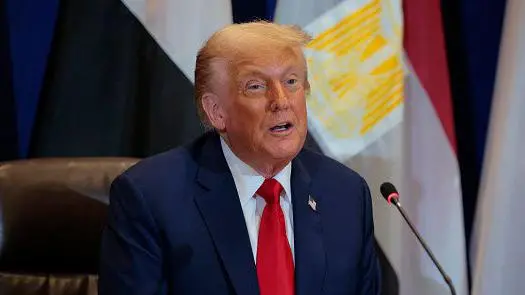
The report, prepared by members of the House Committees on Appropriations and Foreign Affairs, was presented following a congressional investigation ordered after President Donald Trump redesignated Nigeria as a Country of Particular Concern, a designation reserved under U.S. law for governments accused of severe violations of religious freedom.

Trump directed Rep. Riley Moore of West Virginia and House Appropriations Committee Chairman Tom Cole of Oklahoma to spearhead a comprehensive review of violence targeting Christians and the wider instability linked to extremist groups operating in Nigeria.

Moore announced the submission Monday evening on his social media account, writing that lawmakers had met at the White House to hand over what he characterized as a “comprehensive report outlining concrete actions to end the persecution of Christians in Nigeria and counter growing extremist violence in the region.”

According to Moore, the document draws on months of inquiry, including hearings featuring expert testimony, consultations with religious leaders, meetings with displaced civilians and discussions with senior Nigerian officials. The investigative effort also included bipartisan congressional delegations traveling to Nigeria for on-the-ground assessments.

During one such trip, Moore and other lawmakers visited Internally Displaced Persons camps in Benue state, met individuals affected by extremist violence and held talks with Nigerian officials led by National Security Adviser Nuhu Ribadu.

Moore said the inquiry provided U.S. lawmakers with what he described as a clearer understanding of the threats facing Christian communities and the structural challenges confronting Nigerian security forces.

“It is in the interest of both our great nations,” Moore wrote, urging Nigeria’s government to strengthen cooperation with Washington. “Together, we must address these pressing security challenges and bring an end to violence against Christians.”

The report outlines a series of recommendations aimed at increasing accountability and deepening bilateral security coordination. Among them: negotiating a formal U.S.–Nigeria security agreement focused on protecting vulnerable Christian populations and dismantling jihadist networks; conditioning certain U.S. financial assistance on measurable progress by Nigeria in curbing religiously motivated violence; and imposing sanctions and visa restrictions on individuals or groups deemed responsible for or complicit in persecution.

Lawmakers also propose technical assistance to address violence attributed to armed Fulani militias, advocating for enhanced counterterrorism support and intelligence-sharing. Additional recommendations include pressing Nigeria to repeal Sharia-based and blasphemy statutes viewed by some U.S. officials as discriminatory, and coordinating efforts with international partners such as France, Hungary and the United Kingdom.

In a statement shared publicly, Moore thanked Trump for restoring Nigeria’s Country of Particular Concern designation and credited House Appropriations Committee Chairman Tom Cole, Vice Chair Mario Diaz-Balart, Foreign Affairs Committee Chairman Brian Mast and Rep. Chris Smith for their roles in producing and transmitting the report.

“I traveled on a bipartisan delegation to Nigeria and saw with my own eyes the horrific atrocities Christians face and the instability the Nigerian government must combat,” Moore said.

Nigeria has long grappled with complex security threats, including insurgent campaigns by Boko Haram and Islamic State-affiliated groups in the northeast, communal violence in the Middle Belt and banditry in the northwest. Nigerian officials have frequently rejected assertions that the conflict amounts to systematic religious persecution, instead characterizing much of the violence as rooted in competition over land, resources and political grievances that cut across faith lines.

The Country of Particular Concern designation carries potential diplomatic and economic consequences, though administrations have discretion in applying sanctions or waivers. Nigeria was previously designated during Trump’s first term, removed from the list under President Joe Biden and redesignated this year.

The White House did not immediately release details on next steps following receipt of the congressional report. Nigeria’s government has not publicly responded to the latest congressional findings.

The report’s submission arrives at a delicate moment in U.S.–Nigeria relations. Nigeria is a strategic partner in West Africa, serving as a regional economic anchor and counterterrorism ally. Any move to condition aid or impose targeted sanctions could recalibrate diplomatic ties at a time when Washington is seeking to counter expanding Russian and Chinese influence across the continent.

Security cooperation between the two countries has historically focused on intelligence-sharing, military training and logistical support in combating Boko Haram and related groups. A formal bilateral security agreement, as proposed in the report, would signal a deeper alignment but could also face resistance within Nigeria if perceived as external pressure on domestic legal or religious frameworks.

The recommendation to demand repeal of Sharia and blasphemy laws is particularly sensitive. In Nigeria, criminal law varies by state, and several northern states operate Sharia-based legal systems alongside federal courts. Altering those statutes would require complex political negotiations and could inflame domestic tensions.

Furthermore, analysts caution that framing Nigeria’s violence strictly through a religious lens may oversimplify a multifaceted conflict. Clashes between herders and farmers, for example, often involve disputes over grazing routes, desertification and local governance, even as religious identity intersects with those disputes.

At the same time, human rights advocates argue that failure to confront religiously motivated attacks risks normalizing impunity. The congressional report’s emphasis on accountability measures reflects growing frustration among some U.S. lawmakers who believe previous diplomatic engagement has yielded limited progress.

For the Trump administration, the redesignation of Nigeria as a Country of Particular Concern and the acceptance of the House report underscore a renewed prioritization of religious freedom in foreign policy rhetoric. Whether that translates into concrete sanctions or reshaped aid packages remains to be seen.

The broader implication is that Nigeria’s internal security challenges are once again central to U.S. political debate. As Congress presses for firmer action, Nigerian leaders may face increased scrutiny over how effectively they address extremist violence and protect vulnerable communities.

How both governments navigate the next phase — balancing sovereignty, security cooperation and human rights concerns — will shape the trajectory of one of Africa’s most consequential bilateral relationships.

Student allegedly pours boiling water on lodge mate following sexual assault allegation, in Nigeria

0

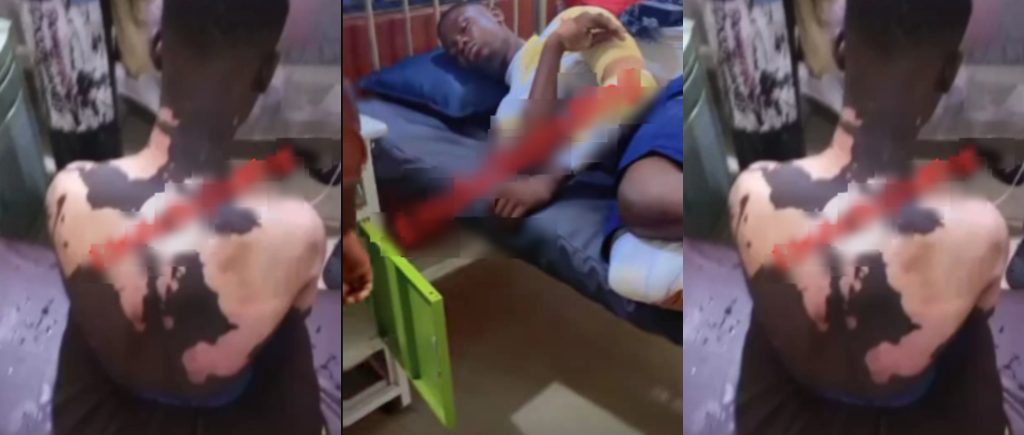
AWKA, Nigeria (BN24) — A male student at Nnamdi Azikiwe University, widely known as UNIZIK, is receiving hospital treatment for burns after a female lodge mate allegedly poured boiling water on him during an early morning confrontation over an alleged sexual assault.

The incident unfolded around 2 a.m. on Feb. 21 at an off-campus residence housing several students of the Akwa-based institution, according to multiple students who described the episode

Students living in the lodge recounted that they were jolted awake by shouts echoing through the building. When they rushed from their rooms, they encountered a heated dispute between a female student and a male student identified by peers as John, said to be a third-year undergraduate.

According to accounts shared, the female student alleged that she had been repeatedly molested in her sleep by an unknown person who entered her room at night. She maintained that on the night in question, she awoke to someone touching her body. Upon regaining consciousness, she said she saw a figure wearing only shorts flee her room.

After stepping into the corridor, the student reportedly questioned her roommate, who had been outside due to the heat, about whether she had touched her. The roommate denied any involvement, according to witnesses.

Moments later, the female student encountered John sitting on a staircase within the lodge. He was shirtless and dressed in shorts, which other residents said was common attire given the sweltering conditions. She confronted him, accusing him of entering her room and assaulting her while she slept.

John, according to students present during the exchange, rejected the accusation and expressed frustration, insisting he had done nothing wrong. Witnesses said he told her it was not the first time she had leveled serious allegations against him.

What began as a verbal confrontation soon drew other residents, who gathered as the argument intensified. Eventually, the female student withdrew to her room, and the atmosphere appeared to settle, according to those at the lodge.

That calm was short-lived.      

Roughly an hour later, residents said they heard anguished screams from downstairs. One female student, who asked not to be identified, described the alarm as so piercing that she initially feared an armed robbery was underway.

When students rushed toward the source of the noise, they found John writhing in pain. Witnesses told Linda Ikeji Blog that the female student had allegedly boiled water and poured it on him during the confrontation’s aftermath.

Another resident recounted that the dispute had seemed resolved before the scalding occurred. “Everywhere was already calm,” the student was quoted as saying by Linda Ikeji Blog. “She could not wait till the next day to report to Presido or something.”

A video circulated and later obtained by Linda Ikeji Blog shows a young man lying in a hospital bed with visible bandages covering his chest, abdomen, back, shoulders, arms and parts of his legs. The extent of his injuries has not been independently verified, and university authorities have not publicly detailed his medical condition.

Officials at Nnamdi Azikiwe University have yet to release a formal statement addressing the incident. It remains unclear whether campus security or local law enforcement has launched an investigation. Efforts to obtain official comment were not immediately successful.

The episode has stirred debate among students about safety, due process and how allegations of sexual misconduct are handled in off-campus settings.

While universities across Nigeria have established disciplinary frameworks for addressing claims of harassment and assault, many students reside in private lodges beyond direct campus oversight. That arrangement can complicate enforcement and delay intervention, particularly in situations unfolding in the middle of the night.

Sexual assault allegations on Nigerian campuses have in recent years prompted heightened scrutiny, with advocacy groups calling for clearer reporting mechanisms and stronger institutional safeguards. At the same time, legal experts caution that accusations must be carefully investigated to protect the rights of both complainants and the accused.

In this case, no official finding has been announced regarding the underlying allegation that preceded the scalding. The female student’s claim that someone had repeatedly entered her room to touch her while she slept raises concerns about security lapses within the lodge, including whether doors were properly secured or whether other residents had access.

Original analysis indicates that the confrontation highlights broader tensions in campus communities where trust, privacy and safety intersect. Experts in conflict resolution note that when allegations of misconduct surface without immediate institutional mediation, emotions can escalate rapidly, sometimes culminating in acts of vigilante retaliation.

If substantiated, pouring boiling water on another individual could carry serious criminal consequences under Nigerian law, potentially amounting to assault causing grievous harm. Legal proceedings would depend on police findings and prosecutorial review.

The situation also underscores the psychological toll that unresolved fears can inflict. Students who believe they are being targeted may experience heightened anxiety, sleep disturbances and hypervigilance. Without accessible reporting channels and prompt investigative responses, those fears can intensify, increasing the risk of impulsive decisions.

Conversely, unverified accusations can irreparably damage reputations and strain communal living arrangements, particularly in densely populated student lodges. Balancing swift protective measures with fair inquiry remains a persistent challenge for institutions.

As of Tuesday, neither the injured student nor the female accuser had issued public statements beyond the accounts relayed to Linda Ikeji Blog. It remains uncertain whether mediation efforts are underway or whether disciplinary or legal steps will follow.

For now, the incident has left many at the Akwa university community shaken, raising urgent questions about campus security, conflict management and the safeguards in place for students living beyond university walls.

Nigeria’s President Tinubu Relieves Police Chief Egbetokun of Duties Amid Leadership Shake up

0

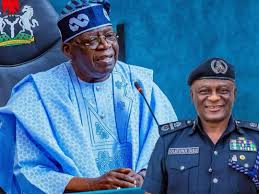
ABUJA, Nigeria (BN24) —President Bola Tinubu has relieved Kayode Egbetokun of his duties as Inspector-General of Police, signaling a significant shift in the leadership of Nigeria’s law enforcement establishment.

Senior presidential aides, speaking privately because they were not authorized to discuss the decision publicly, indicated Tuesday that Tinubu asked Egbetokun to step aside during a meeting at the Presidential Villa in Abuja on Monday. A formal announcement was being finalized, one aide said, adding that an official communication would be issued shortly.

The Presidency had not released a written statement as of press time. Calls and messages directed to the Force Public Relations Officer, Benjamin Hundeyin, went unanswered. Presidential spokesperson Bayo Onanuga also did not immediately respond to inquiries seeking clarification.

Officials within the upper ranks of the Nigeria Police Force suggested that a successor may already have been identified, though no public confirmation had been made. One senior officer, who requested anonymity due to the sensitivity of the matter, indicated that Tunji Disu had been approached in connection with the position. The officer characterized the outreach as preliminary, noting that the force was awaiting a formal declaration from the Presidency.

Egbetokun’s tenure began on June 19, 2023, following his appointment by Tinubu shortly after the president assumed office. His leadership period was marked by internal reforms, high-profile security operations and public scrutiny surrounding the enforcement of public order across several states.

Controversy intensified in 2024 when Egbetokun attained the statutory retirement age of 60 on Sept. 4. His continued service beyond that date drew criticism from civil society organizations and some legal analysts who questioned whether the extension aligned with established service rules. The debate subsided after amendments to the Police Act provided the legal basis for his extended stay in office.

The precise reasons for his removal were not immediately disclosed. However, the development comes amid mounting public pressure over security challenges, including violent crime, banditry in parts of northern Nigeria and persistent concerns about police accountability.

Security analysts say leadership transitions within the Nigeria Police Force often carry broader political and institutional implications. The Inspector-General oversees nationwide policing operations and plays a central role in coordinating internal security policy alongside the military and intelligence services. Any change at that level can signal recalibration within the administration’s security architecture.

While the Presidency has yet to outline the rationale behind the move, shifts in top security positions are not uncommon during the early and mid-stages of an administration. Observers note that presidents frequently seek alignment between their strategic security priorities and the operational leadership of key agencies.

Egbetokun, a career police officer, rose through the ranks over decades of service. His appointment in 2023 was viewed as part of Tinubu’s broader effort to consolidate his security team at the outset of his administration. During his tenure, the police undertook operations targeting organized criminal networks and sought to modernize certain aspects of internal command structures.

Still, public confidence in the force remained mixed. Advocacy groups repeatedly called for deeper structural reforms, including improved welfare for officers, better training and stronger accountability mechanisms to address allegations of misconduct.

The mention of Tunji Disu as a potential successor has fueled speculation about the direction of future reforms. Disu, known within policing circles for his operational roles in Lagos and other jurisdictions, is widely regarded as experienced in urban security management. If confirmed, his appointment could suggest an emphasis on tactical enforcement and rapid-response coordination.

The removal of Egbetokun arrives at a politically sensitive moment for the Tinubu administration. Nigeria continues to grapple with multifaceted security threats, ranging from insurgency in the northeast to organized kidnapping rings and communal violence in other regions. Leadership at the helm of the police force is often perceived as both symbolic and practical symbolic in terms of public trust, and practical in shaping operational outcomes.

Extending Egbetokun’s tenure beyond retirement age through legislative amendment may have resolved a legal question, but it did not fully quell debate over institutional norms. Critics argued that continuity must be balanced against transparency and adherence to established frameworks governing public service. Supporters countered that experience and stability were vital during periods of heightened insecurity.

By initiating a change now, Tinubu may be attempting to reset public perception and reinforce accountability within the security sector. Leadership transitions can serve as signals to both domestic and international observers that performance benchmarks are being reassessed.

There are also potential internal implications. Morale within the police force often fluctuates during periods of leadership uncertainty. Clear communication from the Presidency and swift confirmation of a successor could help stabilize the command structure and prevent operational disruptions.

The development underscores the broader challenge confronting Nigerian authorities: reforming policing institutions while addressing immediate security threats. Structural reforms such as improved recruitment standards, enhanced training in community policing and better resource allocation require sustained political will beyond individual appointments.

As the nation awaits formal confirmation of Egbetokun’s departure and the naming of a new Inspector-General, attention will turn to whether the change marks a substantive policy shift or a routine administrative transition.

For now, the Presidency’s forthcoming statement is expected to clarify the timeline for succession and outline the administration’s priorities for the next phase of policing leadership.

Russia Alleges UK, France Plot to Arm Ukraine with Nuclear Device as War Enters Fourth Year

0
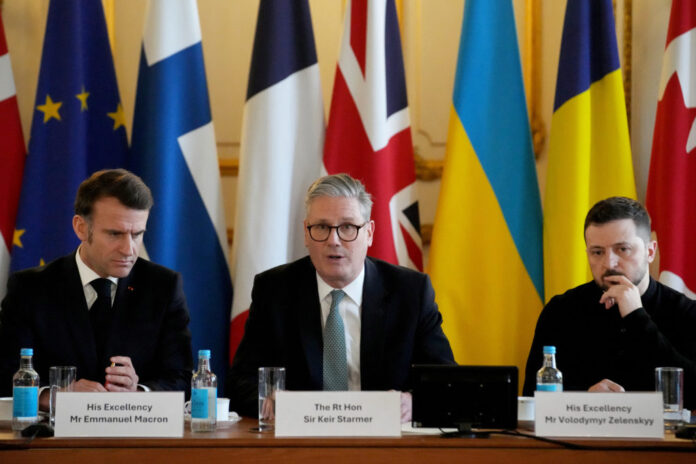
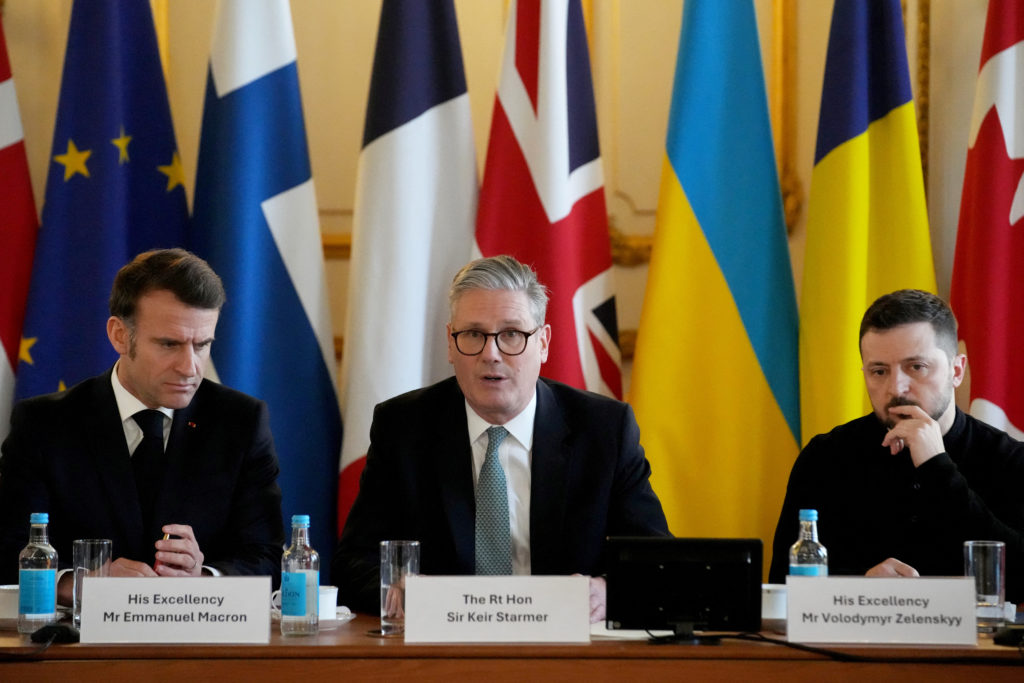
French President Emmanuel Macron, British Prime Minister Keir Starmer and Ukraine’s President Volodymyr Zelenskyy attend a meeting of leaders during a summit on Ukraine at Lancaster House in London, Britain, March 2, 2025. Christophe Ena/Pool via REUTERS

MOSCOW (BN24) — Russia on Monday alleged that Britain and France are considering transferring a nuclear device to Ukraine, escalating rhetoric as the conflict enters its fourth year.

The accusation was issued by Russia’s Foreign Intelligence Service, known as the SVR, which asserted it had obtained intelligence suggesting that London and Paris are exploring ways to equip Kyiv with what it described as a “wunderwaffe,” or wonder weapon. The agency contended that Ukrainian authorities believe possession of a nuclear bomb or at minimum a so-called “dirty bomb” would strengthen their hand in eventual negotiations to end hostilities.

The SVR maintained that Germany declined involvement in the purported initiative, portraying Berlin’s stance as a rejection of what it characterized as a perilous course of action. The Russian intelligence body framed the alleged discussions as evidence that Western governments recognize Ukraine faces diminishing prospects of achieving outright victory on the battlefield.

British officials swiftly rejected the claims. A spokesperson for Downing Street dismissed the allegations as baseless and characterized them as an effort by Russian President Vladimir Putin to divert attention from Moscow’s own military campaign. The spokesperson pointed to the prime minister’s recent remarks honoring Ukrainian resilience and highlighted Britain’s continued military, humanitarian and reconstruction assistance to Kyiv as proof of London’s sustained support.

French authorities also repudiated the assertion. In a message posted on the social media platform X, France’s Foreign Ministry mocked the allegation, suggesting Moscow was attempting to redirect scrutiny away from its protracted military operation in Ukraine.

The SVR further alleged that any such transfer would be concealed to appear as a domestically developed Ukrainian weapons program. Kremlin spokesperson Dmitry Peskov warned that, if substantiated, the move would constitute what he described as a coordinated attack on Russia and urged international scrutiny. Dmitry Medvedev, deputy chairman of Russia’s Security Council and a former president, escalated the rhetoric further, cautioning that such an action could prompt Moscow to consider nuclear retaliation not only against Ukraine but potentially against countries it deemed complicit.

Ukraine has not indicated any pursuit of nuclear arms. Following the dissolution of the Soviet Union in 1991, Ukraine inherited the world’s third-largest nuclear arsenal. In 1994, Kyiv agreed to relinquish those weapons under the Budapest Memorandum, securing assurances from Russia, the United States and the United Kingdom that its sovereignty and territorial integrity would be respected.

In October 2024, Ukrainian President Volodymyr Zelensky publicly reflected on that decision, suggesting it appeared questionable in hindsight given Russia’s invasion. However, he clarified that Ukraine’s preferred long-term security guarantee would be NATO membership rather than reacquiring nuclear capability.

Throughout the war, Russian officials have repeatedly invoked nuclear doctrine in public remarks. In September 2022, Medvedev declared that Russia reserved the right to employ nuclear weapons if its territorial integrity were threatened, emphasizing that such warnings were not a bluff. In 2024, President Vladimir Putin reiterated that Moscow would contemplate nuclear retaliation in response to certain conventional attacks.

Ukrainian officials have consistently portrayed Moscow’s nuclear references as coercive tactics designed to intimidate both Kyiv and its Western backers.

While no evidence has emerged to substantiate Moscow’s latest accusation, the timing is notable. The claim coincides with the fourth anniversary of Russia’s full-scale invasion of Ukraine, a milestone that has prompted renewed pledges of support for Kyiv from European capitals.

Analysts say nuclear rhetoric has become a recurring feature of the conflict, often surfacing during periods of intensified Western military assistance or battlefield setbacks. By raising the specter of nuclear escalation, Moscow may be attempting to sow divisions within NATO and deter additional arms shipments.

The reference to Germany’s purported refusal to participate could also reflect longstanding Kremlin efforts to highlight differences among European allies. Berlin has at times approached military aid decisions with caution, particularly regarding advanced weapons systems, though it remains one of Ukraine’s largest supporters.

There is also a strategic communications dimension. Accusations involving nuclear weapons tend to command global attention and can shift media focus away from developments on the ground. Western officials have frequently accused Moscow of deploying disinformation narratives to complicate diplomatic efforts and weaken international backing for Kyiv.

From a geopolitical standpoint, any verified move by a nuclear-armed NATO state to transfer such capabilities would represent an extraordinary departure from established nonproliferation norms. Britain and France are signatories to the Nuclear Non-Proliferation Treaty, which aims to prevent the spread of nuclear weapons. Providing a nuclear device to a non-nuclear state would carry profound legal and strategic consequences.

Security experts note that Ukraine’s longstanding pursuit of NATO membership reflects a preference for collective defense guarantees rather than independent nuclear deterrence. Zelensky’s public comments underscoring NATO accession as the favored path reinforce that strategic orientation.

As the war grinds on, rhetoric surrounding nuclear weapons remains one of the most volatile aspects of the conflict. While Western governments continue to supply advanced conventional arms to Ukraine, they have repeatedly stated they are not seeking direct confrontation with Russia.

The renewed exchange of nuclear accusations highlights the fragile balance underpinning the war: sustained Western support for Ukraine alongside careful avoidance of actions that could trigger direct NATO-Russia conflict. Whether Moscow’s latest claim gains traction internationally may depend less on evidence and more on the broader information struggle that has accompanied the fighting since 2022.

For now, Britain and France have dismissed the allegation outright, and no independent confirmation has emerged to support Russia’s assertion. The episode nonetheless illustrates how nuclear signaling continues to shape both the narrative and strategic calculations surrounding Europe’s most consequential conflict in decades.

UCL: Atlético progress to last 16 after 4-1 win over Club Brugge

0

MADRID (BN24) — Atlético Madrid surged into the UEFA Champions League Round of 16 on Tuesday after a commanding 4-1 victory over Club Brugge, sealing a 7-4 aggregate triumph in their knockout play-off.

Alexander Sørloth delivered a clinical performance, striking three times to guide the Spanish side through a tie that at times threatened to tilt in Brugge’s favor. The Norwegian forward’s composure in front of goal ensured Atlético’s European campaign remains firmly on course.

The hosts carved out the first significant opening when Giuliano Simeone met a cross inside the penalty area. A video review examined contact involving Brugge goalkeeper Simon Mignolet, but play continued without a penalty decision.

Atlético broke through midway through the first half. Sørloth muscled past defender Brandon Mechele before driving a low effort beyond Mignolet to ignite the home crowd and restore momentum in the tie.

Brugge answered before halftime. From a corner delivery, Mechele redirected the ball into the path of Joel Ordóñez, who converted from close range to pull the Belgian side level on aggregate once more. The visitors nearly compounded Atlético’s anxiety moments later, but goalkeeper Jan Oblak reacted sharply to deny Hugo Vetlesen and preserve parity heading into the interval.

Atlético reasserted control shortly after the restart. Johnny Cardoso unleashed a strike from distance that evaded Mignolet’s reach, restoring the Spanish club’s aggregate advantage and shifting the pressure back onto Brugge.

Despite the setback, Brugge continued to push forward. Oblak remained decisive, handling successive efforts, including a long-range attempt from Christos Tzolis, as Atlético absorbed pressure while seeking opportunities to counter.

Sørloth struck again following a fluid move that featured contributions from substitutes Ademola Lookman and Antoine Griezmann. The Norwegian completed his hat trick late in the contest, rising highest from a corner to deliver the decisive blow and extinguish any lingering doubt over Atlético’s advancement.

The result extends Atlético’s remarkable resilience in Europe. The club is now unbeaten in regulation time across its last 20 Champions League knockout fixtures, compiling 13 victories and seven draws during that span.

With progression secured, Atlético will meet either Liverpool or Tottenham Hotspur in the Round of 16. The draw is set for Friday.

Atlético’s latest European display underscores a familiar pattern under Diego Simeone: tactical discipline, defensive resilience and ruthless efficiency in decisive moments. While Brugge demonstrated composure and ambition, particularly during stretches when Atlético appeared vulnerable, the Spanish side’s experience ultimately proved decisive.

Sørloth’s emergence as a reliable attacking outlet may represent a significant development for Atlético’s continental ambitions. In previous campaigns, the club often relied heavily on established stars such as Antoine Griezmann for inspiration. On this occasion, Sørloth provided both physical presence and clinical finishing, offering Simeone a dynamic focal point capable of unsettling organized defenses.

The performance also highlighted Atlético’s defensive backbone. Oblak’s interventions, particularly when Brugge threatened to seize control, reinforced why he remains central to the team’s European identity. Knockout football frequently hinges on narrow margins, and decisive goalkeeping often shapes outcomes as much as attacking brilliance.

From a broader competitive standpoint, Atlético’s unbeaten streak in regulation time across 20 knockout matches signals consistency at the highest level. Maintaining such composure over multiple campaigns suggests institutional maturity rather than isolated success. It reflects a squad accustomed to managing pressure situations a trait that becomes increasingly valuable as the tournament narrows.

Should Atlético face Liverpool, the tie would test their defensive organization against one of Europe’s most aggressive pressing units. A matchup with Tottenham, meanwhile, could evolve into a tactical contest defined by transitions and midfield control. Either scenario will demand heightened sharpness compared to the fluctuating rhythm of the Brugge encounter.

For Brugge, the defeat may still serve as affirmation of their capacity to challenge established powers. Their ability to level the aggregate score and sustain attacking pressure illustrated competitive growth, even if defensive lapses ultimately proved costly.

Atlético’s progression reinforces Spain’s continued presence among Europe’s elite. In a competition increasingly defined by financial disparities and squad depth, the club’s structured approach demonstrates that collective cohesion remains a powerful counterweight.

As the tournament advances, the emphasis will shift from survival to ambition. Atlético has navigated the immediate hurdle with authority. The question now is whether Sloth’s scoring surge and the squad’s enduring defensive solidity can propel the club beyond the Round of 16 and into genuine contention for continental silverware. For now, Atlético moves forward with confidence — battle-tested, tactically disciplined and buoyed by a striker whose timing could prove pivotal in the decisive weeks ahead

Mexican president insists no risk to World Cup fans after cartel violence

0

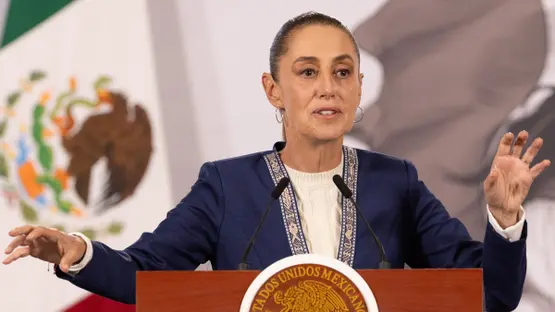
MEXICO CITY (BN24) — Claudia Sheinbaum on Tuesday pledged comprehensive security measures for football supporters expected in Guadalajara for upcoming World Cup fixtures, asserting there is “no risk” to visitors despite recent cartel-linked violence in the region.

Her assurances followed a surge of unrest triggered by the killing of alleged drug kingpin Nemesio “El Mencho” Oseguera, identified by authorities as the head of the Jalisco New Generation Cartel. The military operation that led to his death occurred roughly 130 kilometers (80 miles) from Guadalajara, the capital of Jalisco state.

In the aftermath, cartel gunmen engaged security forces in a series of confrontations that left dozens dead, including members of the armed forces and suspected cartel operatives. The violence sent residents and visitors scrambling for safety and temporarily disrupted daily life across parts of western Mexico.

Sheinbaum emphasized that federal and state authorities have stabilized the situation and are coordinating efforts to ensure the safety of international guests attending matches in June. Guadalajara is scheduled to stage four games during the expanded 2026 World Cup tournament, co-hosted by Mexico, the United States and Canada.

“There is no risk,” Sheinbaum said in public remarks, adding that her administration is committed to providing full guarantees for fans traveling to the city.

FIFA, football’s global governing authority, declined to address questions regarding the recent violence.

Local officials indicated that businesses in Jalisco were set to reopen Tuesday as calm gradually returned. Schools were slated to resume classes Wednesday, signaling what authorities described as a return to normalcy.

Guadalajara is one of three Mexican host cities selected for the 2026 tournament, alongside Mexico City and Monterrey. The World Cup will mark Mexico’s third time hosting matches in the competition’s history, reinforcing the country’s longstanding role in global football.

While Sheinbaum’s security assurances are consistent with the government’s effort to project stability ahead of the World Cup, the episode underscores the persistent tension between Mexico’s international image and its domestic security challenges.

The killing of Oseguera — widely regarded as one of Mexico’s most powerful cartel figures — represents a significant tactical victory for security forces. However, history suggests that removing cartel leaders can produce short-term spikes in violence as factions compete for control. The rapid and coordinated response by gunmen following the operation illustrates the operational capacity that such groups continue to wield.

For Guadalajara, the stakes extend beyond immediate public safety. The World Cup is expected to deliver substantial economic benefits, including tourism revenue, infrastructure investment and global exposure. Any perception of instability could affect travel decisions and commercial partnerships tied to the tournament.

Mexico’s federal government has increasingly relied on the armed forces to address organized crime. Critics argue that militarization has not produced lasting reductions in violence, while supporters maintain it remains necessary against heavily armed criminal networks. The clashes near Guadalajara may renew debate over the long-term effectiveness of that strategy.

From an international perspective, tournament security will likely involve layered coordination among municipal, state and federal agencies, as well as collaboration with U.S. and Canadian counterparts given the tri-nation format of the 2026 event. Large-scale sporting events often include intelligence-sharing, crowd management planning and contingency protocols designed to mitigate both criminal and terrorist threats.

FIFA’s decision not to comment publicly aligns with its typical approach of deferring to host governments on security matters. However, behind the scenes, governing bodies routinely conduct risk assessments and maintain direct communication with local organizing committees. Ensuring fan confidence will be essential as ticket sales and travel plans accelerate.

The broader context is also political. Sheinbaum, as president, faces the dual imperative of confronting organized crime while safeguarding Mexico’s economic and diplomatic interests. The World Cup represents a showcase moment, and maintaining order in host cities will carry symbolic weight beyond the matches themselves.

For residents of Guadalajara, the swift reopening of businesses and schools may signal resilience. Yet episodes like this can leave lingering concerns about long-term stability. Whether the recent violence proves to be an isolated flare-up or part of a wider pattern will likely shape both domestic debate and international perception in the months leading up to the tournament.

As preparations intensify, authorities will aim to demonstrate that security frameworks are robust enough to protect millions of visitors. The coming weeks will test not only operational readiness but also the government’s ability to reassure a global audience that Mexico can host one of the world’s largest sporting spectacles without disruption.

Senegal Moves to Raise Minimum Prison Term for Homosexuality to 5 Years Under New Bill

0

(AP) — Senegal’s prime minister on Tuesday introduced legislation that would increase the minimum prison sentence for homosexuality from one year to five years, advancing a proposal that could further tighten restrictions in the socially conservative West African nation.

Prime Minister Ousmane Sonko presented the measure to parliament, seeking to amend existing statutes that criminalize same-sex relations. Under current law, homosexuality is punishable by imprisonment, with a minimum term of one year. The proposed bill would raise that baseline penalty to at least five years while expanding the legal definition of what constitutes “unnatural acts.”

The legislation would not reclassify the offense as a more serious category of crime, Sonko told lawmakers.

“We can achieve the intended objectives without going so far as to elevate the acts” to a higher criminal classification, Sonko said during remarks introducing the proposal.

Homosexuality has been outlawed in Senegal since the country gained independence from France in 1960. The existing legal framework treats same-sex relations as a criminal offense, and convictions can carry prison sentences and fines.

The new bill would broaden the scope of behavior subject to prosecution, though specific language detailing the expanded definition was not immediately made public. Government officials have framed the measure as an effort to clarify and strengthen enforcement without altering the offense’s misdemeanor status.

The proposal now heads to the National Assembly, where Sonko’s political party, PASTEF, holds a controlling majority. Lawmakers are expected to debate the bill in the coming weeks. If approved, it would represent one of the most significant revisions to Senegal’s laws on same-sex relations in decades.

Human rights organizations within Senegal and abroad have expressed concern over the direction of the country’s policies toward LGBTQ individuals. Advocacy groups say conditions for gay and lesbian people have worsened in recent years.

Local activists maintain that arrests tied to allegations of homosexuality have increased, with at least a dozen people detained in recent weeks. Rights groups argue that tougher penalties could embolden vigilantism and deepen social stigma in a country where public attitudes toward same-sex relationships remain largely negative.

The proposed legislation fulfills a campaign pledge made by Sonko, who took office after emphasizing socially conservative priorities during his political ascent. By advancing the bill, the government signals its intent to follow through on promises that resonated with segments of the electorate.

Senegal has long been regarded as ‘relatively stable’ compared with some neighboring states, but debates over social policy have increasingly become flashpoints in domestic politics. Religious leaders and influential civic groups have frequently called for stricter enforcement of laws governing morality, while civil society advocates have urged greater protections for minority groups.

International human rights organizations warn that expanding criminal penalties for consensual same-sex relations could place Senegal at odds with broader global trends toward decriminalization. Across Africa, laws criminalizing homosexuality remain in place in more than 30 countries, though enforcement varies widely. In some nations, recent legislative efforts have introduced harsher penalties, sparking diplomatic tensions and international condemnation.

Senegal’s government has historically defended its legal framework by citing cultural and religious values. The country’s population is predominantly Muslim, and public discourse around LGBTQ issues often reflects conservative interpretations of social norms.

Legal scholars note that increasing minimum sentences could have practical consequences beyond symbolic signaling. Higher mandatory minimums may limit judicial discretion, reduce opportunities for alternative sentencing and contribute to overcrowding in prisons. They also caution that broader statutory language could invite expansive interpretations by prosecutors.

Supporters of the measure contend that it aligns the penal code more closely with prevailing societal expectations. Opponents counter that it risks exacerbating discrimination and undermining fundamental rights.

The National Assembly’s deliberations are expected to draw significant attention both domestically and internationally. While Sonko’s party controls the chamber, debate could still illuminate divisions within Senegalese society over the balance between tradition, law and individual rights.

Should the bill pass, it would mark a substantial tightening of penalties in a country where homosexuality has already been subject to criminal sanction for more than six decades. Observers say the outcome may also influence discussions in other West African nations grappling with similar legislative pressures.

For now, the measure remains at the proposal stage, but its introduction underscores how questions of social policy continue to shape Senegal’s political landscape.

Florida Set to Carry Out Second Execution of 2026 as Man Convicted of 1986 Grocery Store Killing Faces Lethal Injection

0

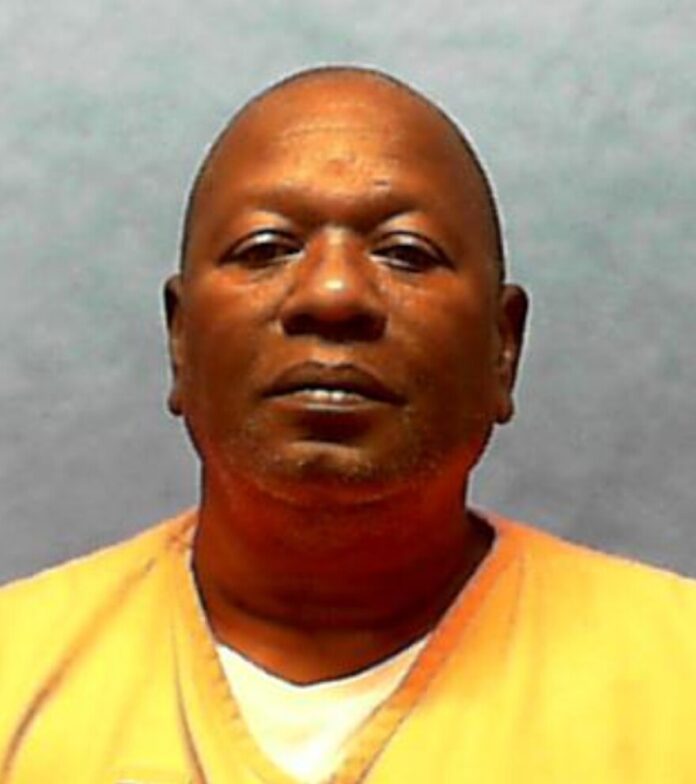
A 65-year-old man convicted of fatally stabbing and strangling a Florida grocery store owner nearly four decades ago is scheduled to be executed Tuesday evening, marking the state’s second execution of the year.

Melvin Trotter is set to receive a three-drug lethal injection at 6 p.m. at Florida State Prison near Starke. He was convicted in the 1986 killing of Virgie Langford, who was attacked inside her grocery store in Palmetto.

Trotter was originally sentenced to death in 1987. However, the Florida Supreme Court ordered a new sentencing proceeding in 1993 after concluding that errors had occurred in the way aggravating factors were weighed during the initial penalty phase. Following the new hearing, a jury again recommended the death penalty, and a judge reimposed the sentence.

According to court findings, Trotter strangled and stabbed Langford during the attack at her store. A truck driver later found her alive but gravely wounded. Before she died at a hospital, Langford described her assailant to authorities.

In addition to detailing his physical appearance, Langford told investigators that the attacker wore a Tropicana employee badge bearing the name “Melvin.” Court documents indicate that detectives later recovered a T-shirt with Langford’s blood type at Trotter’s residence and identified his handprint on a meat cooler inside the store.

Last week, the Florida Supreme Court rejected Trotter’s most recent appeals. His attorneys had contended that state corrections officials failed to properly follow execution protocols. They also asserted that Trotter’s age — 65 — should shield him from execution.

As of Tuesday morning, emergency appeals remained pending before the U.S. Supreme Court.

If carried out, the execution would follow 19 executions in Florida last year, the highest number in the state in decades. Gov. Ron DeSantis signed more death warrants in 2023 than any Florida governor since the U.S. Supreme Court reinstated the death penalty in 1976. That total surpassed the previous modern-era high of eight executions in 2014.

Nationally, 47 people were executed in the United States in 2025. Florida led the country in executions last year, while Alabama, South Carolina and Texas each carried out five. So far in 2026, Texas, Oklahoma and Florida have each conducted one execution.

On Feb. 10, Florida executed Ronald Palmer Heath, 64, who had been convicted of first-degree murder and other charges in the 1989 killing of Michael Sheridan, a traveling salesman he and his brother met at a bar.

Two additional executions are already scheduled in Florida next month. Billy Leon Kearse, 53, is slated for execution March 3, followed by Michael Lee King, 54, on March 17.

Florida carries out executions using a three-drug protocol administered intravenously, beginning with a sedative, followed by a paralytic agent and a drug that stops the heart, according to the Florida Department of Corrections.

Trotter’s case traces back to a time when Florida’s capital sentencing framework was undergoing significant legal scrutiny. In the years since his original conviction, the state’s death penalty statute has been reshaped repeatedly by court rulings addressing jury recommendations, aggravating factors and constitutional standards.

Supporters of capital punishment argue that executions provide justice for victims and their families, particularly in cases involving violent crimes. Critics counter that prolonged legal proceedings, evolving standards and questions about fairness in sentencing underscore systemic concerns within the death penalty system.

Trotter’s attorneys have not disputed the jury’s findings regarding his involvement in Langford’s killing but have focused recent challenges on procedural issues and his age. While the U.S. Supreme Court has barred executions of individuals with intellectual disabilities and those who were under 18 at the time of their crimes, it has not established an age-based exemption for older inmates.

Legal analysts note that age-related arguments in capital cases often center on declining health or humanitarian considerations rather than categorical constitutional protections. Courts, however, have generally declined to adopt age alone as grounds to halt an execution.

The case also reflects Florida’s renewed pace in carrying out death sentences after periods of lower activity tied to legal challenges and policy shifts. The state currently houses one of the nation’s largest death rows, and the recent increase in signed death warrants signals an assertive approach by state leadership.

For Langford’s surviving relatives, the scheduled execution represents the culmination of a case that has moved through Florida’s courts for nearly 40 years. For Trotter, it marks the final stage of a legal process that has spanned multiple appeals, resentencing proceedings and constitutional review.

Absent intervention from the U.S. Supreme Court, Florida prison officials are expected to proceed Tuesday evening with the execution at the state’s death chamber in Starke.

The Independent

Car Slams Into Crowd Outside Redlands Bar After Fight, 4 Seriously Injured; Gunfire Erupts Moments Later

0

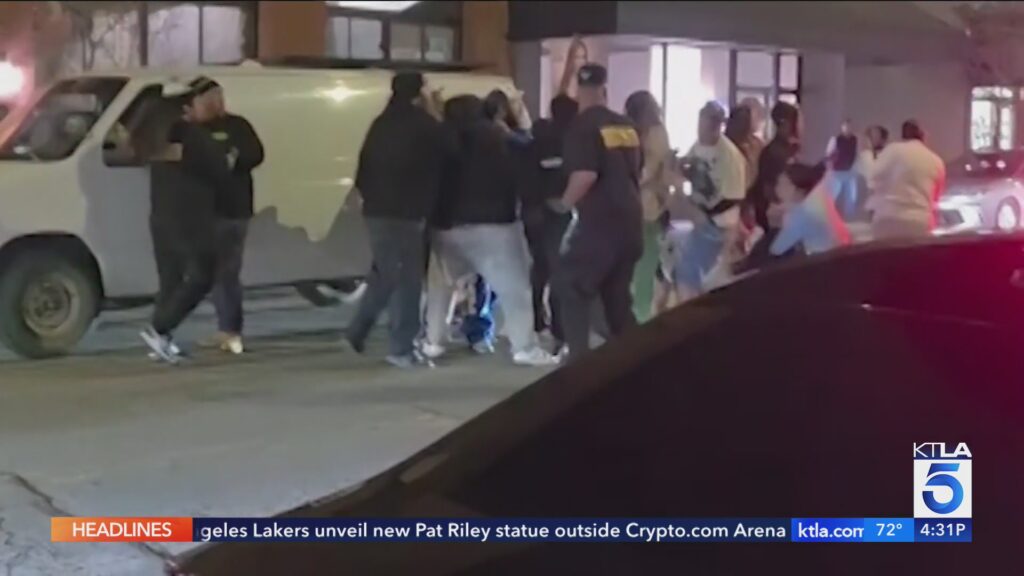
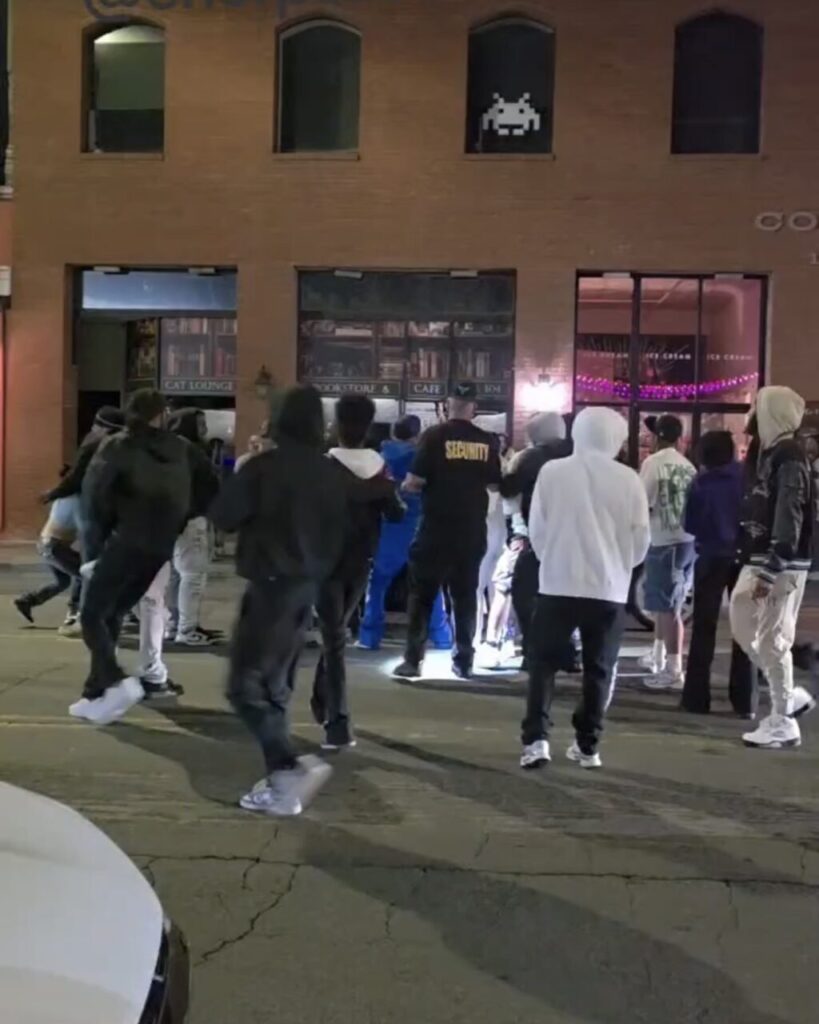
 (ktla) — A confrontation outside a downtown Redlands bar spiraled into violence early Saturday when a driver allegedly returned to the scene in a car and struck four people standing on the street, authorities said. Gunfire erupted moments later, sending bystanders scrambling for cover.

The incident unfolded just before 1:30 a.m. along East Citrus Avenue in front of the Redlands Underground Restaurant and Bar, located at 19 E. Citrus Ave., police said.

Investigators with the Redlands Police Department said an altercation broke out among several individuals outside the business. During the dispute, one of those involved left the area in a 2022 Tesla. Minutes later, the vehicle reappeared and accelerated into a group gathered in the street, striking four people.

Police indicated the force of the collision caused the driver to lose control and crash into a curb before fleeing westbound on Citrus Avenue. Authorities said the vehicle left behind a trail of leaking fluids as it sped away.

The four victims were transported to local hospitals with major injuries. Their identities and current conditions have not been publicly released.

As the crash unfolded, an unidentified individual opened fire. Officers said several rounds were discharged, damaging the window of one business and the door of another nearby storefront. No gunshot victims were located.

Television station KTLA cited witnesses who described a chaotic scene that escalated rapidly from a street argument into a violent crash and gunfire.

Crystal Cherpin, who recorded part of the episode on her cellphone, said she and friends were returning to their vehicles after a night of karaoke at a nearby venue when they heard raised voices along the street.

“There was a large crowd out there,” Cherpin said in footage shared publicly. “From one second to another, just chaos.”

Video captured by Cherpin shows people scattering as a vehicle drives into the crowd. Moments later, multiple gunshots can be heard as individuals rush to take cover.

Cherpin said she had initially taken out her phone lightheartedly after overhearing the dispute. “I just pulled out my cellphone — I’m like, I’m going to get some tea, share it with my friends,” she said. “I had no idea that’s what I was going to catch.”

She described the emotional aftermath as disorienting. After returning home, she said she feared she may have been shot amid the confusion.

“I woke up my husband, and I think I got shot,” Cherpin recounted. “We did a body check, everything was fine. I think it was just the stiffness of driving home, the shock, the adrenaline dump.”

The disturbance marked the latest episode of violence tied to the city’s nightlife district, local business owners said.

Bruno Bianchi, whose Performance Fitness Studio sits adjacent to the bar, said weekend disturbances have become a recurring concern. He described prior incidents that resulted in property damage, including a fight that sent a person crashing through a window at his business.

“The city, I think they should take this seriously,” Bianchi said. “I don’t know what’s the level of escalation we need to get to be heard.”

Screenshot

Authorities have not disclosed whether the driver and the individual who fired the shots are the same person. Investigators are working to determine the sequence of events and identify all suspects involved.

Detectives urged anyone with information about the crash or shooting to contact Detective Thomas Williams at (909) 557-6814 or by email at tw*******@re************.org .

No arrests had been announced as of Monday.

The episode has renewed scrutiny of late-night activity in the downtown corridor, where a cluster of bars and restaurants attracts large crowds on weekends. While the area remains a popular destination, residents and business operators have increasingly voiced concerns over altercations spilling into public streets.

Public safety experts note that incidents involving vehicles driven into crowds often carry the potential for mass casualties, even when not premeditated as acts of terrorism. In many such cases nationwide, confrontations or impulsive actions escalate into life-threatening events within seconds.

The presence of gunfire compounded the risk in Redlands, creating multiple overlapping hazards for bystanders. Though no one was struck by bullets in this case, investigators will likely examine whether the shots were fired in response to the crash or represented a separate act of violence.

City officials have not yet announced whether additional patrols or enforcement measures will be implemented in response to the incident.

For now, the focus remains on locating the driver and identifying the shooter. The investigation continues as police review surveillance footage and eyewitness accounts to piece together the sequence that transformed a street argument into a scene of shattered storefronts, injured victims and lingering fear along Citrus Avenue.

DON'T MISS ANY OF OUR UPDATE