Home Blog Page 917

Nicki Minaj Cancels Romania Concert Due to Safety Concerns Amid Protests

0

Nicki Minaj has abruptly canceled her scheduled concert in Bucharest, Romania, citing safety concerns related to planned protests in the area. The renowned singer-songwriter announced the decision on her X (formerly Twitter) account, explaining that her security team advised against performing due to potential violence stemming from local demonstrations.
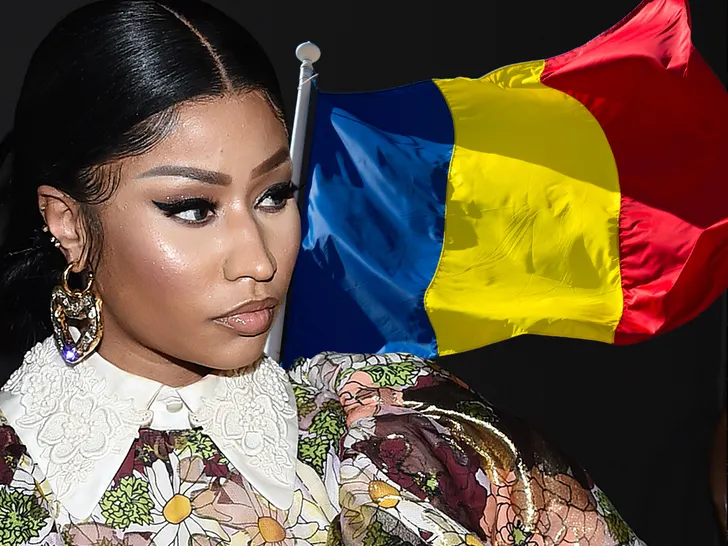
Minaj emphasized her role as a mother in making this decision, stating that she needs to prioritize her safety for the sake of her son and her traveling team members. The cancellation comes as Romanian activists plan to march on Bucharest’s town center to protest the state’s fiscal policies, although it’s unclear why Minaj’s team specifically anticipates the possibility of violence.

The announcement has elicited mixed reactions from fans and social media users. While many supporters have expressed understanding and sent messages of love, others have questioned the decision. Some fans claim that the protests in Bucharest are relatively small and suggest that Minaj might have other reasons for not wanting to perform in the city.

This isn’t the first time Minaj has had to cancel a show at the last minute. In late May, she missed a performance in Manchester due to an arrest at the Amsterdam airport, which caused a delay in her travel plans. These incidents highlight the unpredictable nature of international touring and the challenges artists face in maintaining their schedules.

Despite the cancellation in Romania, Minaj assured fans that her “Pink Friday 2” tour will continue, with her next performance scheduled in London later in the week. She expressed her love for her Romanian fans and hoped for their understanding regarding the situation.

The incident raises questions about the impact of local social and political unrest on international music tours. It also underscores the complex decisions artists and their teams must make when balancing performance commitments with safety concerns.

As the situation develops, it remains to be seen how this cancellation will affect Minaj’s relationship with her Romanian fanbase and whether she will reschedule the concert in the future. The incident serves as a reminder of the volatile nature of international touring and the importance of flexibility in the face of unexpected challenges.

Costco’s Amish Horse and Buggy Parking Space Sparks Online Debate

0

A Costco store in Lancaster County, Pennsylvania, has sparked an online debate by providing dedicated parking spaces for Amish horses and buggies. This unique feature, designed to accommodate the area’s significant Amish population, has drawn both praise and criticism on social media platforms.
Lancaster County is home to the oldest and largest Amish community in Pennsylvania Dutch Country, making the provision of horse and buggy parking a practical solution for many local shoppers. The designated area includes spaced-out, covered stalls for the animals, complete with shovels and hoses for owners to clean up after their horses.

David Schwartz, a writer familiar with the area, explained to Business Insider that Costco’s popularity among the Amish community stems from its discount prices and bulk-buying options. “They have large families, and they’re looking for ways to save money, and they’re looking for quality goods,” Schwartz noted. “Costco provides a very convenient way for buying large quantities for large Amish families.”

The Amish, known for their traditional lifestyle, typically avoid driving cars and instead rely on horse-drawn carriages or walking. This cultural practice has led many retailers in the Lancaster area, including Target, Lowe’s, banks, and local grocery stores, to offer similar parking accommodations.

However, the Costco parking arrangement has not been universally welcomed. Some customers have taken to social media platforms like Reddit to express their dissatisfaction. One user complained about the prime location of the horse parking, suggesting it should be moved to a lower lot to avoid unpleasant sights and smells. Others have described the overall parking situation at this Costco location as “horrific.”

In contrast, many social media users have defended the store’s decision. Supporters argue that it’s a natural and considerate accommodation for a significant portion of the local community. One Reddit user pointed out, “It’s totally normal for any place that has Amish or any other community that has buggies.”

The debate highlights the challenges businesses face when trying to serve diverse communities with different needs and cultural practices. While some view the horse and buggy parking as an inconvenience, others see it as an essential service that respects and includes all members of the local community.

As the discussion continues online, it raises broader questions about inclusivity in retail spaces and how businesses can balance the needs of different customer groups. The Costco in Lancaster stands as an example of how retailers might adapt to serve unique local demographics, even if such adaptations occasionally spark controversy.

This story underscores the ongoing negotiation between modern retail practices and traditional ways of life, particularly in areas with significant Amish populations. As communities evolve and diversify, such accommodations may become more common, challenging both businesses and customers to reconsider their expectations and adapt to changing societal needs.

Daily MailOnline

British Airways Flight Struck by Lightning Near Heathrow, Diverts to Gatwick

0

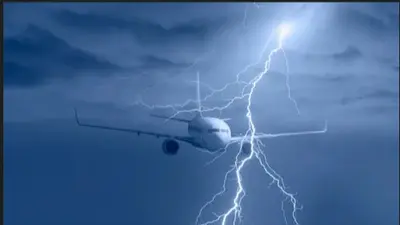
A British Airways flight experienced a dramatic incident today when it was struck by lightning while approaching London’s Heathrow Airport. Flight BA919, originating from Stuttgart, Germany, was forced to make an urgent diversion to Gatwick Airport due to the severe weather conditions.

The flight departed Stuttgart just after 1pm local time (12pm BST) and was scheduled to land at Heathrow at 1:40pm. However, the unexpected lightning strike led to a change in plans, with the aircraft touching down at Gatwick around 2pm. Passengers were subsequently transported by road to their original destination, Heathrow.

One passenger, identified only as Jeco, shared their experience with The Sun, praising the crew’s handling of the situation: “The crew were amazing when our flight got struck by lightning on the approach to Heathrow. It was shocking. The flight had to divert to Gatwick.” This sentiment highlights the professionalism of the British Airways staff in managing a potentially dangerous situation.

Another traveler, whose son and grandson were on board, described it as the “flight from hell.” The journey had already been marred by delays in Stuttgart due to overheated brakes before the lightning incident and subsequent diversion in the UK.

A British Airways spokesperson confirmed the event, stating: “BA919 diverted to Gatwick earlier this afternoon due to weather-related conditions in the region. The flight landed just before 2pm. Customers were driven from Gatwick to Heathrow.”

Interestingly, this was not the only flight affected by lightning in the area. A passenger on a different flight to Heathrow shared their experience on social media platform X: “Just got struck by lightning on the approach into Heathrow. It entered just underneath the flight deck and left the tail – we saw it shoot through the cabin. I’d heard of lighting travelling through the cabin before but it was my first time seeing it in real life.”

This incident underscores the potential hazards of flying in severe weather conditions and the importance of pilots and air traffic controllers making swift decisions to ensure passenger safety. It also highlights the resilience of modern aircraft, which are designed to withstand lightning strikes.

The event is likely to prompt discussions about aviation safety protocols during extreme weather and may lead to reviews of procedures for flights approaching major airports in stormy conditions. It also serves as a reminder of the unpredictable nature of air travel and the need for passengers to remain flexible in the face of unexpected diversions or delays.

As investigations into the incident continue, aviation authorities and British Airways will likely analyze the event to determine if any additional safety measures or precautions are necessary for future flights operating in similar weather conditions.

About Copa America 2028: Dates, Host Country Candidates, and What We Know So Far

0

When will the Copa America 2028 be played?

While CONMEBOL has not officially announced the schedule for Copa America 2028, the tournament is expected to follow its traditional timing. Based on previous editions, the competition will likely take place between June and July 2028. This timeframe aligns with the international football calendar and allows for optimal player availability from both South American and potentially invited teams.

The exact duration of the tournament may depend on the final format and number of participating teams. Recent Copa America tournaments have typically lasted around three to four weeks, but this could be subject to change based on CONMEBOL’s decisions regarding the competition’s structure.

Where will the Copa America 2028 be played?

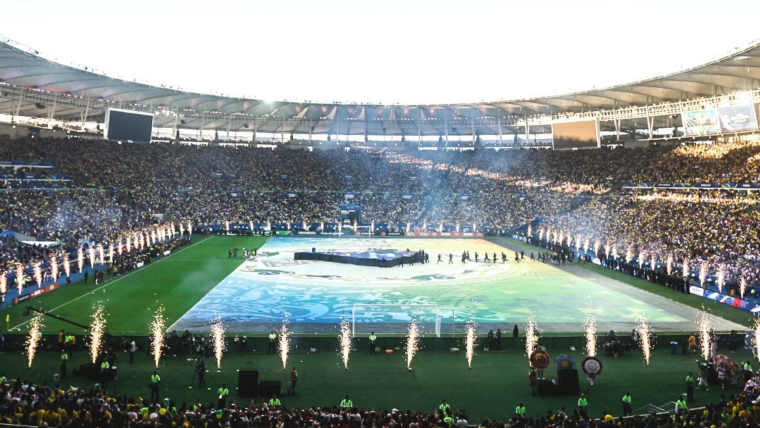
The host country (or countries) for Copa America 2028 remains undecided as of early 2024. However, several intriguing possibilities have emerged:

1. Ecuador’s Bid: On February 22, 2024, Ecuador became the first country to officially express interest in hosting the 2028 edition. President Daniel Noboa announced the bid via his X (formerly Twitter) account, signaling the country’s ambition to host its second Copa America, following the 1993 tournament.

Pictures are fictional

2. Potential Joint Bid – Uruguay, Argentina, and Paraguay: Ignacio Alonso, president of the Uruguayan Football Association, revealed discussions about a potential joint bid with Argentina and Paraguay. This tri-nation hosting concept could serve as a pilot for the 2030 FIFA World Cup, which the three countries are jointly bidding to host along with Chile.

3. Other Candidates: While no other countries have formally announced their intentions, several South American nations with strong football traditions could potentially enter the bidding process in the coming months.

The decision on the host will likely consider factors such as infrastructure, stadium quality, transportation networks, and each country’s ability to organize a major international tournament.

Candidates to host the Copa America 2028:

As of early 2024, the confirmed interested parties for hosting Copa America 2028 are:

1. Ecuador: The first country to officially announce its bid, Ecuador aims to showcase its ability to host a major tournament 35 years after its previous Copa America hosting experience.

2. Uruguay, Argentina, and Paraguay (potential joint bid): While not a formal bid yet, the possibility of these three countries co-hosting the tournament has been discussed at high levels within their respective football associations.

The bidding process is expected to intensify in the coming months, with more countries likely to express interest. CONMEBOL will evaluate each bid based on various criteria, including financial viability, infrastructure readiness, and the overall vision for the tournament.

Pictures are fictional

Future Considerations:

The format of Copa America 2028 remains uncertain. The success of the 2024 edition in the United States, which included CONCACAF teams, may influence CONMEBOL’s decisions regarding future tournaments. There’s a possibility that the expanded format could continue, potentially impacting the selection of the host nation due to the increased logistical demands.

As the bidding process unfolds, football fans across South America and beyond will eagerly anticipate announcements from CONMEBOL regarding the host, format, and participating teams for Copa America 2028. This tournament will not only crown the continental champion but also serve as a crucial preparation ground for the 2030 FIFA World Cup.

Source: sportingnews.com

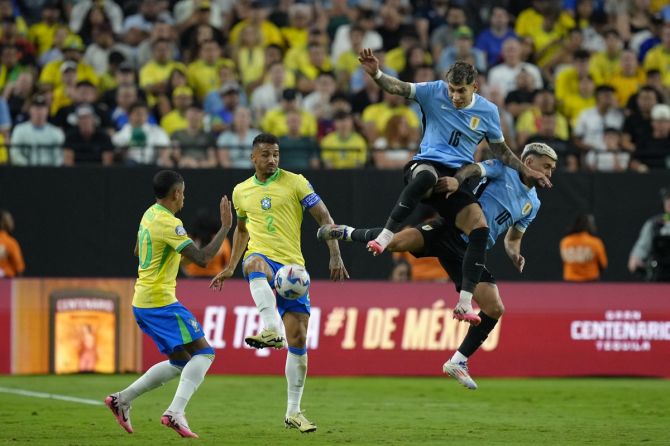
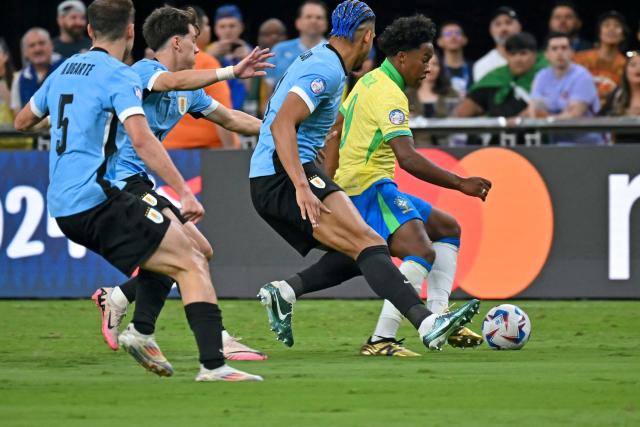
It Was Uruguay’s Brutality That Buries Brazil in Copa América Quarterfinals

0

They finished with 26 fouls, 10 men and one shot on target.

They doled out physical beatings minute after minute, all across Allegiant Stadium’s claustrophobic field.

They, Uruguay, turned the last of four Copa América quarterfinals into the soccer equivalent of a bloodbath. And Brazil, mighty Brazil, drowned in it.

Brazil — population 216 million, World Cup titles five, talent infinite — limped out of the tournament Saturday, defeated 0-0 (4-2 on penalties).

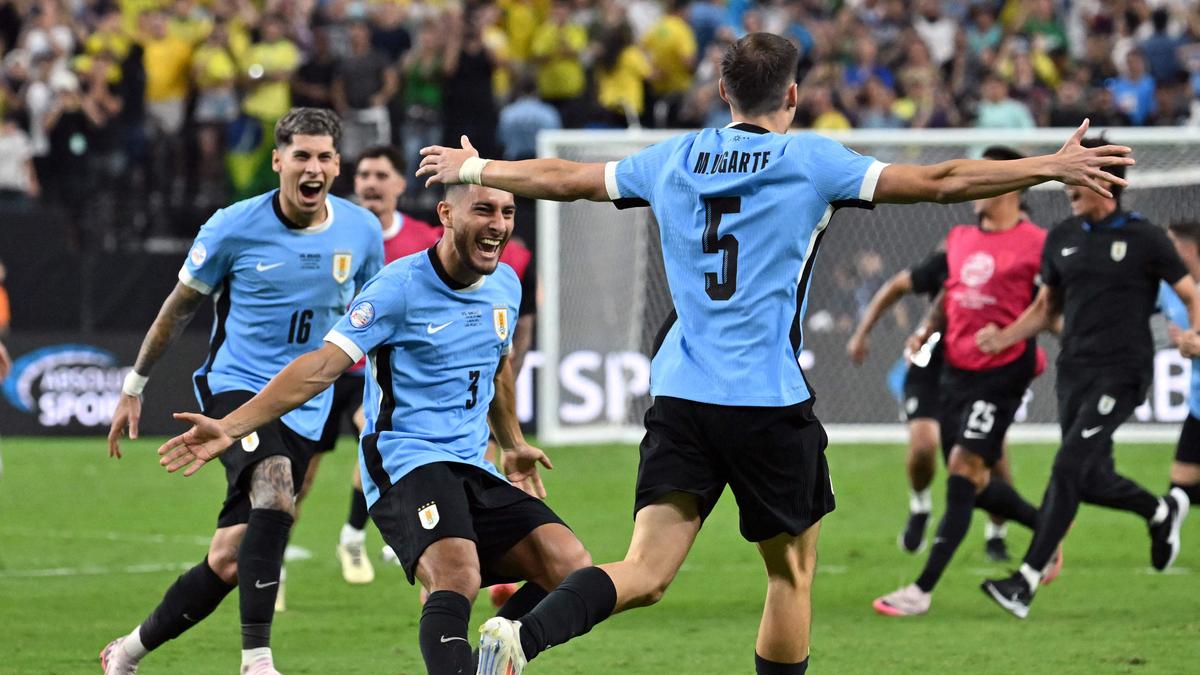
Uruguay — population 3.4 million — erupted in delight. Sky blue-clad players streamed onto the field, victorious. Brazilians, devastated, could only watch.

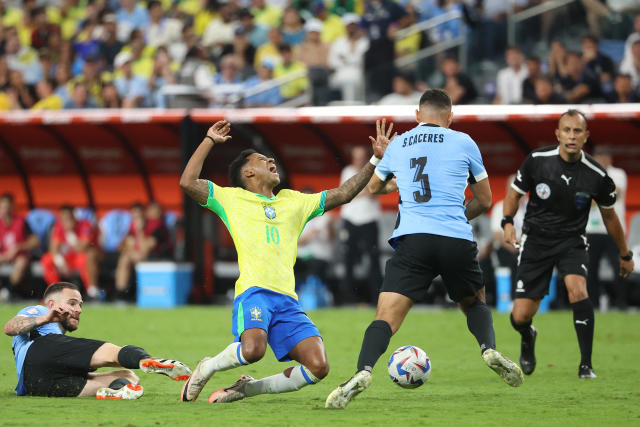
But the story of the night was the brutality they endured, the brutality that reduced joga bonito to something resembling a street fight.

These two South American neighbors dueled for 90 minutes in Las Vegas. And Uruguay, the oft-overshadowed neighbor, simply never backed down.

On paper, there was no contest; “if you take it name by name,” as Brazil’s Andreas Pereira said earlier this week, “we have a team that they dream of having.”

But on the pitch, there was madness. There was Uruguay manager Marcelo Bielsa’s legendary man-to-man press, which strangled Brazil in its own half. There were collisions, it seemed, every three seconds.

Within six minutes, players were practically swinging at each other.

Nicolás de la Cruz careened into Éder Militão, and crunched Militão’s lower leg. Minutes later, with the ball out of play, Ronald Araújo snuck behind Endrick and threw a shoulder into the Brazilian wunderkind’s back.

Somehow, there were no yellow cards until the 39th minute. There were dozens of challenges that would have been fouls in 98% of soccer games around the world, but not here. There were Brazilians howling at referee Dario Herrera, leaping up off their bench and gesticulating frantically to express their fury.

Finally, midway through the second half, they got their call.

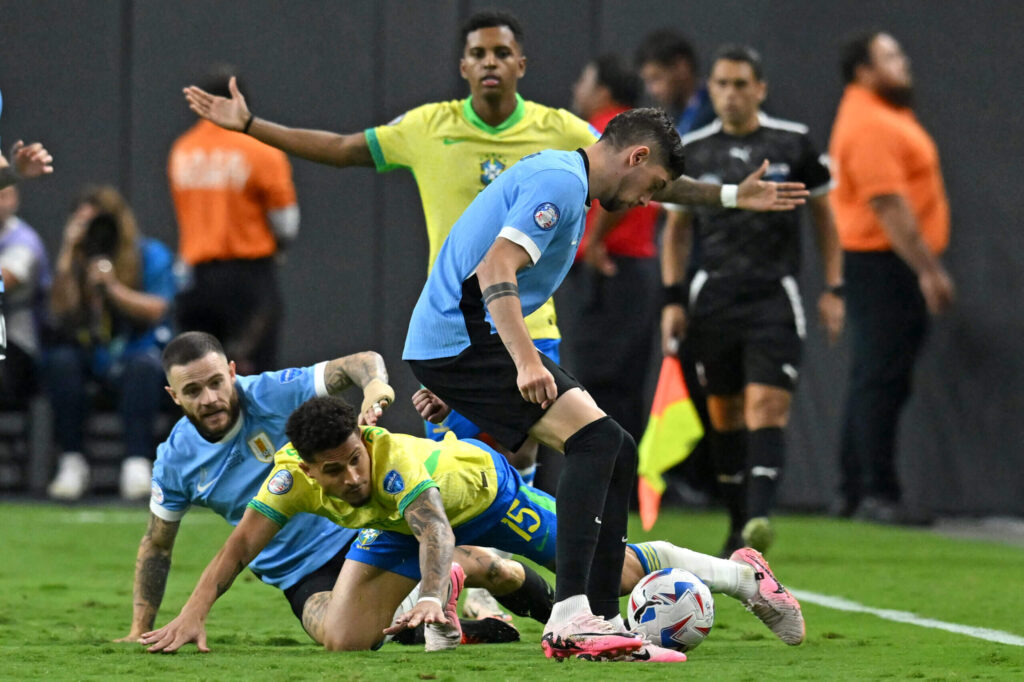
Eventually, one of the many flying Uruguayan tackles, from Nahitan Nández, caught Rodrygo flush above the ankle. After a video review, Herrera sent Nández off.

But through it all, even with 10 men for the final 20 minutes, the Uruguayans stayed stable and, in a weird way, calm.

They played with fire, like warriors, with customary Garra Charrúa, with no regard for fatigue nor for their own physical health. They contested every progressive Brazil pass. They hurled themselves into physical duels, occasionally cleaning out teammates, who became necessary casualties.

In the shadow of their own penalty box, they rallied to the ball like a ferocious NFL defense.

They limited Endrick — who started in placed of the suspended Vinicius Junior — to just one completed pass on five attempts. One!

They tumbled or sent Brazilians tumbling so often that Herrera couldn’t possibly blow his whistle every time a player got floored — so the bar for a foul rose to remarkable heights.

And yet there were still 41 fouls in the match. It opened up briefly toward the end of the first half, then got choppy in the second. There were very few sustained possessions. Neither team completed 80% of its passes. Bielsa, up off his sideline water cooler, could be heard over pitch-side microphones imploring his team to keep going, keep pressing: “Vamos! Vamos!”

So they kept going, kept pressing, kept battling. They threw forearms into Brazilian grills. They grabbed yellow jerseys with their hands. They held Brazil to 0.6 expected goals, despite playing the latter stages at a 10-v-11 disadvantage, against a country with 64 times as many people and 27 times as much money.

And of course, they outraged some fans, who felt they were sullying the beautiful game.

But they didn’t care; they made this specific game exactly what they wanted it to be, and sent it to a shootout.

Even between the final whistle and the shootout, there was a minor scuffle near midfield. But then there were penalties that epitomized the duality of Uruguayan soccer. It is brutal, intense, unwavering — and simultaneously skilled.

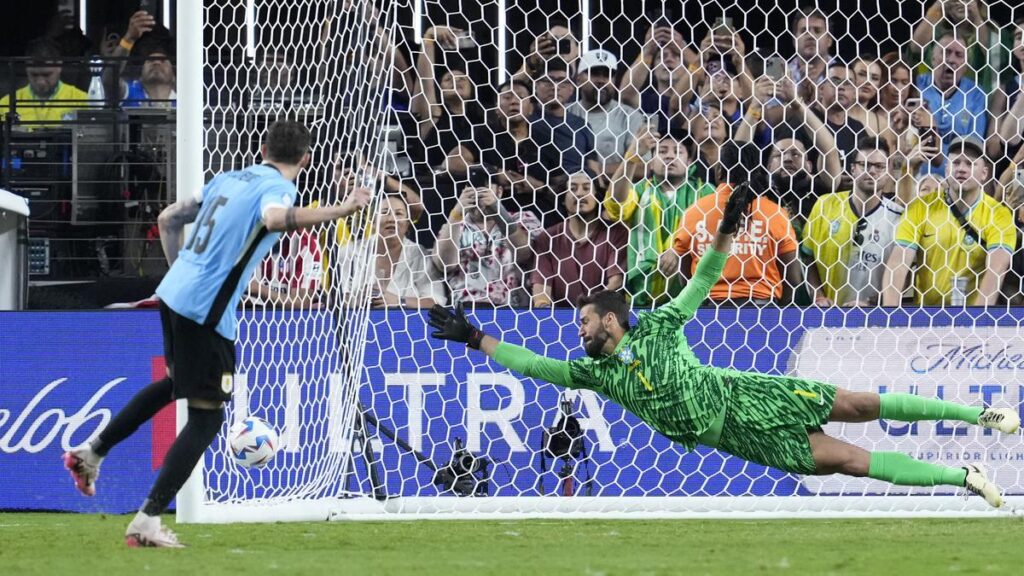
Federico Valverde slammed his opening attempt into the side netting. Rodrigo Bentancur and Giorgian de Arrascaeta, two typically delightful midfielders, stayed cool. Two Brazilians missed, leaving Uruguay with a sizable shootout lead.

And with the final kick of the night, Manuel Ugarte sealed the deal, lifting Uruguay to a Wednesday semifinal against Colombia, and burying South American soccer’s truest giant.

 Original: Yahoo/Sports

Asia’s Richest Man, Mukesh Ambani’s Son’s Grand Wedding: A Spectacle of Wealth and Influence

0
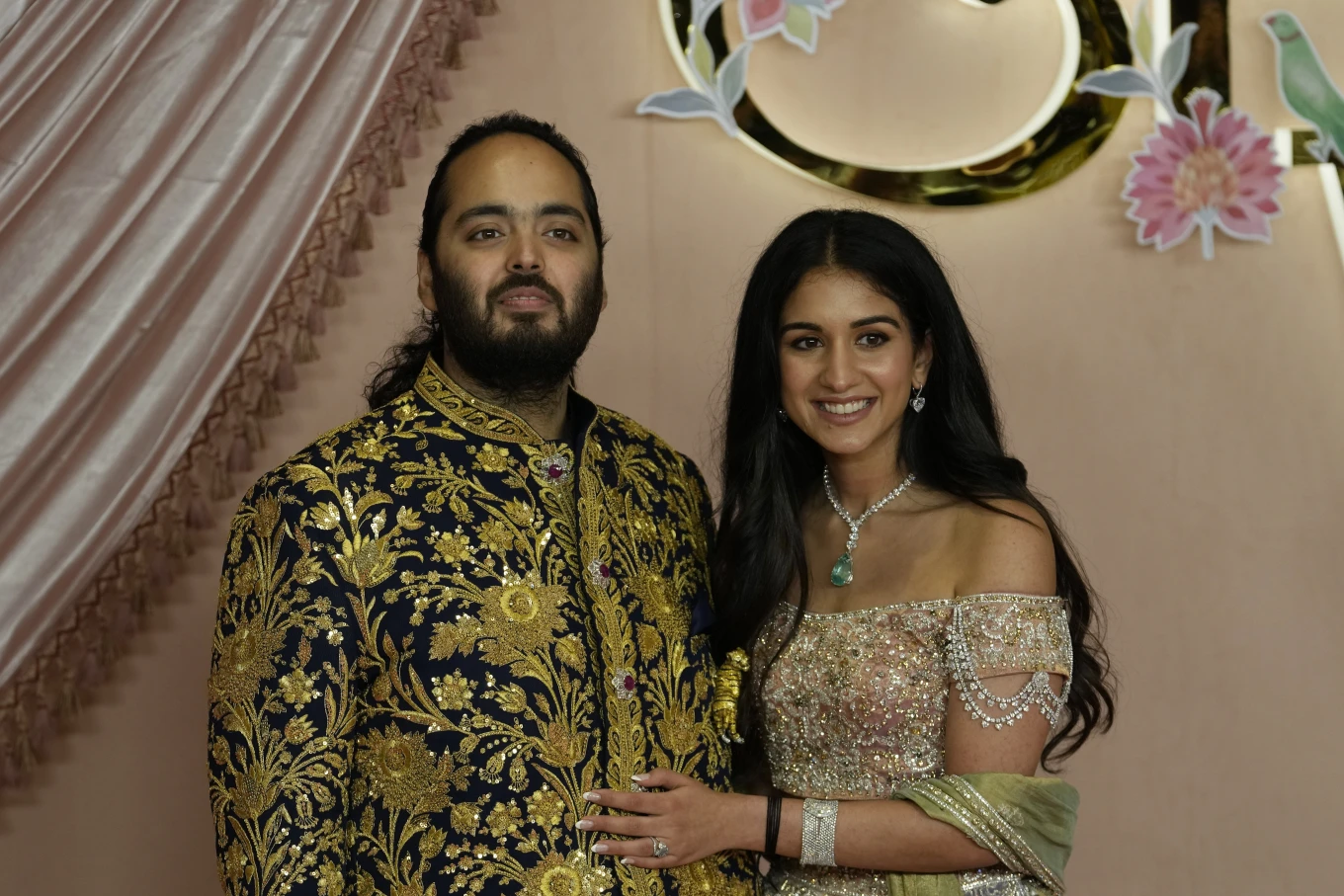
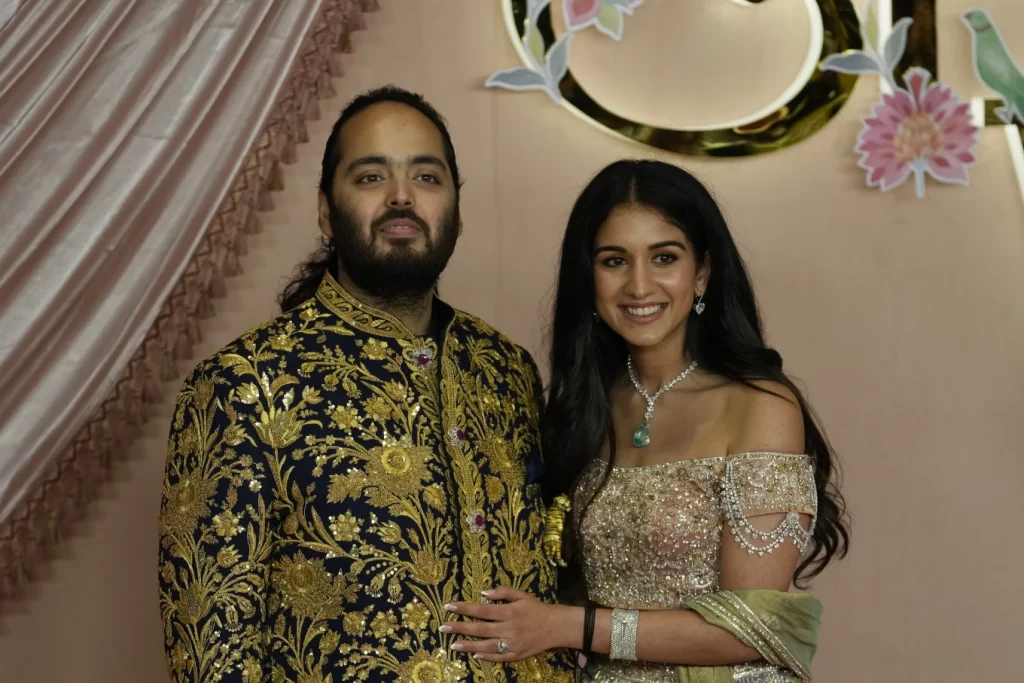
Anant Ambani, left, and Radhika Merchant pose for photographers during their pre-wedding ceremony in Mumbai, India, Friday, July 5, 2024. (AP Photo/Rajanish Kakade, File)

Who are the Ambanis?

The Ambani family, led by patriarch Mukesh Ambani, stands at the pinnacle of India’s business elite. Mukesh Ambani, 66, currently ranks as the world’s 9th richest man with a staggering net worth of $116 billion, according to Forbes. His position as Asia’s wealthiest individual underscores the family’s immense influence in the region’s economic landscape.

At the heart of the Ambani fortune lies Reliance Industries, a sprawling conglomerate that reported over $100 billion in annual revenue last year. The company’s interests span a diverse range of sectors, including petrochemicals, oil and gas, telecommunications, and retail. This diversification has been key to the Ambanis’ sustained wealth and influence.

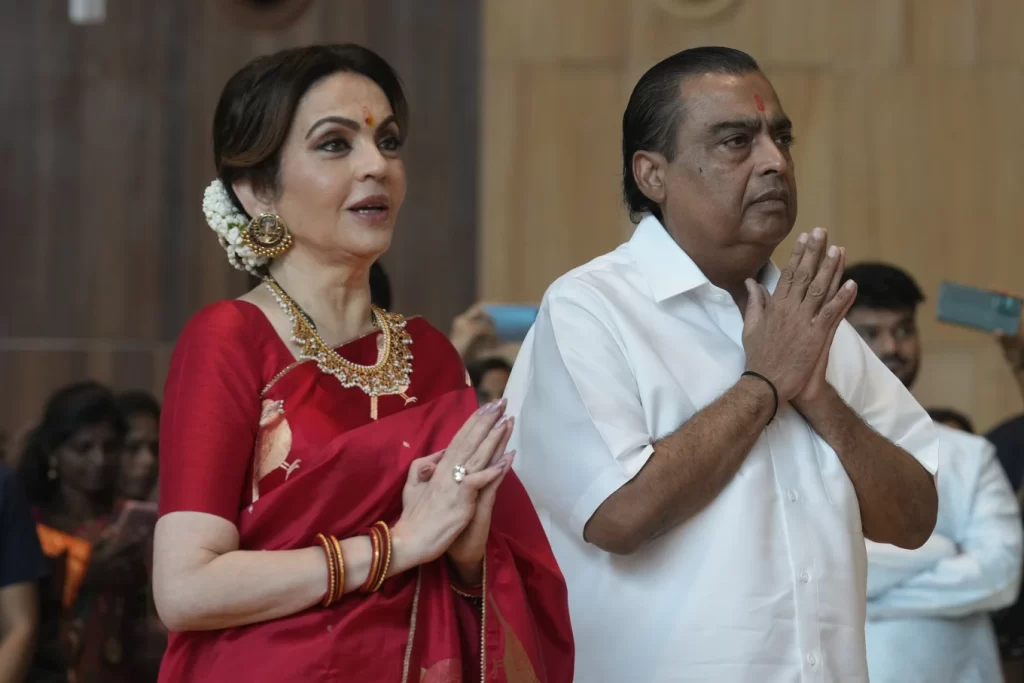
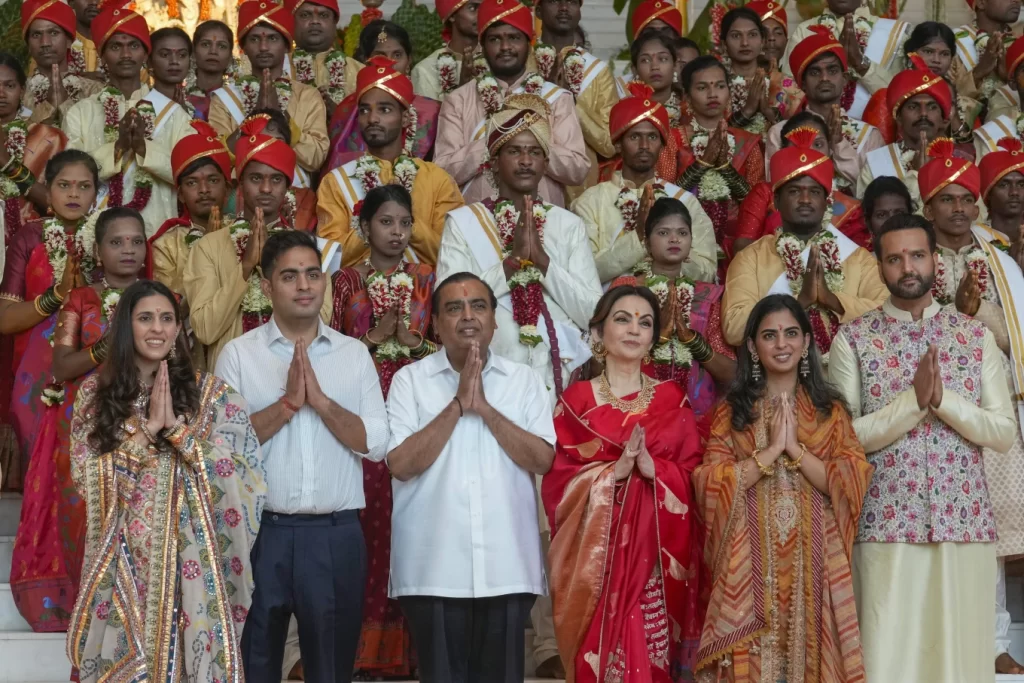
Chairman of Reliance Industries Limited Mukesh Ambani, right, along with his wife Nita Ambani, greets underprivileged couples during a mass wedding organized by them as the part of pre-wedding celebrations of their youngest son, Anant Ambani in Navi Mumbai, India. (AP Photo/Rafiq Maqbool)

The family’s opulent lifestyle is perhaps best exemplified by their Mumbai residence, Antila. This 27-story private apartment building, valued at $1 billion, boasts amenities that read like a list of luxury hotel features: three helipads, a 160-car garage, a private movie theater, a swimming pool, and a state-of-the-art fitness center. Such extravagance has made the Ambanis a subject of both admiration and criticism in India.

Critics of the family argue that Reliance Industries’ success is largely due to political connections, particularly during the Congress governments of the 1970s and 80s, and more recently under Prime Minister Narendra Modi’s administration since 2014. They point to this as an example of “crony capitalism” in India, where certain corporations thrive due to their political affiliations rather than market forces alone.

In recent years, Mukesh Ambani has begun the process of succession planning. His eldest son, Akash Ambani, now chairs Reliance Jio, the family’s telecommunications business. Daughter Isha oversees the retail division, while the groom-to-be, Anant, the youngest, has been inducted into the new energy business. This distribution of responsibilities among the next generation signals the family’s intention to maintain their business empire for decades to come.

Who are the bride and groom?

Anant Ambani, left, and Radhika Merchant pose for photographers during their pre-wedding ceremony in Mumbai, India, Friday, July 5, 2024. (AP Photo/Rajanish Kakade)

Anant Ambani, 29, the youngest scion of the Ambani family, is poised to play a crucial role in Reliance Industries’ future. Armed with a bachelor’s degree from Brown University, Anant oversees the conglomerate’s ambitious renewable and green energy expansion. This positioning aligns with global shifts towards sustainable energy solutions and demonstrates the Ambanis’ foresight in adapting to changing market demands.

Beyond his corporate responsibilities, Anant has shown a passion for wildlife conservation. He runs Vantara, a sprawling 3,000-acre animal rescue center in Jamnagar, Gujarat – the Ambani family’s hometown. This venture not only showcases Anant’s personal interests but also aligns with the growing emphasis on corporate social responsibility among India’s business elite.

The bride, Radhika Merchant, also 29, brings her own impressive credentials to the union. As the daughter of pharmaceutical tycoon Viren Merchant, Radhika has grown up in India’s business world. She currently serves as the marketing director for her father’s company, Encore Healthcare, demonstrating her own business acumen and drive.

In an interview with Vogue, Radhika shared the story of how she and Anant met through mutual friends in 2017. “That first meeting just sparked something special between us, and it wasn’t long before we started dating,” she revealed, adding a touch of romance to what many see as a union of two powerful business families.

When’s the wedding and what’s expected?

The main wedding ceremony is set for July 12, with a grand reception to follow on July 14. In keeping with Hindu tradition, these dates were reportedly chosen based on the couple’s birth charts, deemed auspicious for their union. The celebrations are expected to be split between two iconic venues: the Ambanis’ Jio World Convention Center in Mumbai and their family home, likely the famous Antila.

True to Indian wedding customs, the main ceremony will be preceded by days of traditional events and rituals. The sangeet, a pre-wedding celebration featuring music and dance performances by both families, has already made headlines. Held on Friday, it showcased performances by Bollywood stars like Alia Bhatt, Ranveer Singh, and Salman Khan. In a surprising twist, international pop star Justin Bieber also flew to Mumbai to perform at the event, underscoring the global reach and appeal of the Ambani family.

Chairman of Reliance Industries Limited Mukesh Ambani, third left, poses with his family members and underprivileged couples during a mass wedding organized by him as the part of pre-wedding celebrations of his youngest son, Anant Ambani, in Mumbai, India, Tuesday, July 2, 2024. (AP Photo/Rafiq Maqbool)

In a gesture that balances their lavish celebrations with social responsibility, the Ambanis organized a mass wedding for more than 50 underprivileged couples last week as part of the pre-wedding festivities. This act of philanthropy aligns with Indian traditions of giving back to the community during times of celebration.

The guest list for the main wedding events is expected to be a who’s who of global elites, mirroring the star-studded attendees of the pre-wedding bash in March. That event saw tech titans like Bill Gates and Mark Zuckerberg rubbing shoulders with Bollywood royalty such as Shah Rukh Khan and Deepika Padukone. International music sensations Rihanna and Akon also graced the stage, along with Punjabi singer Diljit Dosanjh, fresh from his Coachella fame.

Underprivileged couples take part in a mass wedding organised by Chairman of Reliance Industries Limited Mukesh Ambani as the part of pre- wedding celebrations of his youngest son, Anant Ambani in Navi Mumbai, India, Tuesday, July 2, 2024. (AP Photo/Rafiq Maqbool)

Given the Ambanis’ penchant for grandeur, as evidenced by past family weddings, next week’s events are anticipated to be nothing short of spectacular. The 2018 wedding of Anant’s sister, Isha Ambani, set a high bar with pre-wedding performances by Beyoncé and attendees including former U.S. Secretaries of State Hillary Clinton and John Kerry.

As the wedding week approaches, all eyes are on Mumbai, eager to witness what promises to be not just the wedding of the year, but a testament to the Ambani family’s status as one of the most influential and wealthy dynasties in the world. The union of Anant Ambani and Radhika Merchant is more than just a personal milestone; it’s a spectacle that intertwines business, politics, entertainment, and tradition, offering a unique glimpse into the uppermost echelons of Indian society.

(Source: AP)

Jordan Bardella: The 28-Year-Old Poised to Become France’s Youngest Far-Right Prime Minister

0

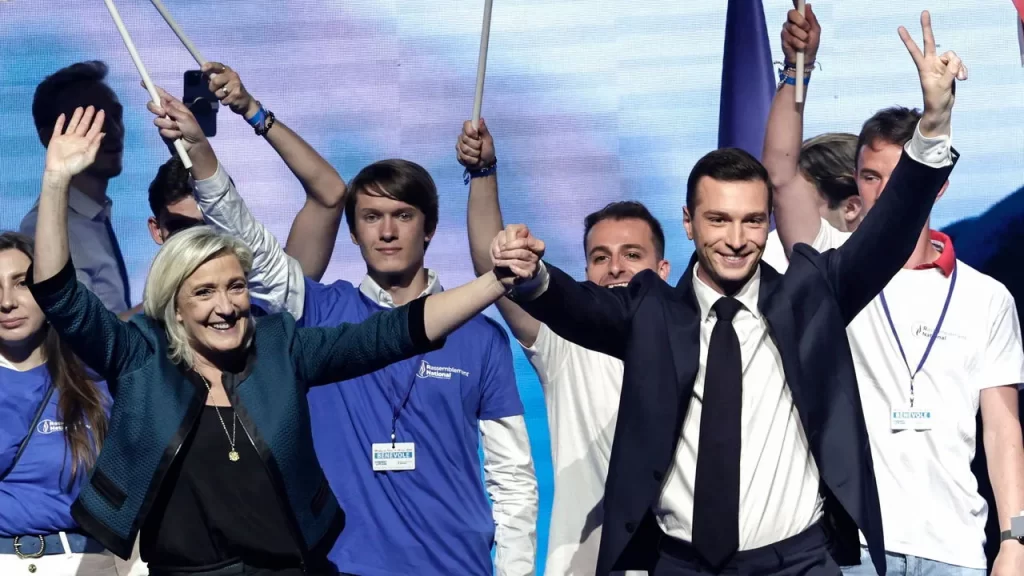
Jordan Bardella, at just 28 years old, stands at the precipice of French political history. As the National Rally party surges in the polls following the first round of snap legislative elections, Bardella could become France’s youngest prime minister, leading a far-right government. This development marks a seismic shift in French politics and potentially in the European landscape.

Who is the National Rally president?

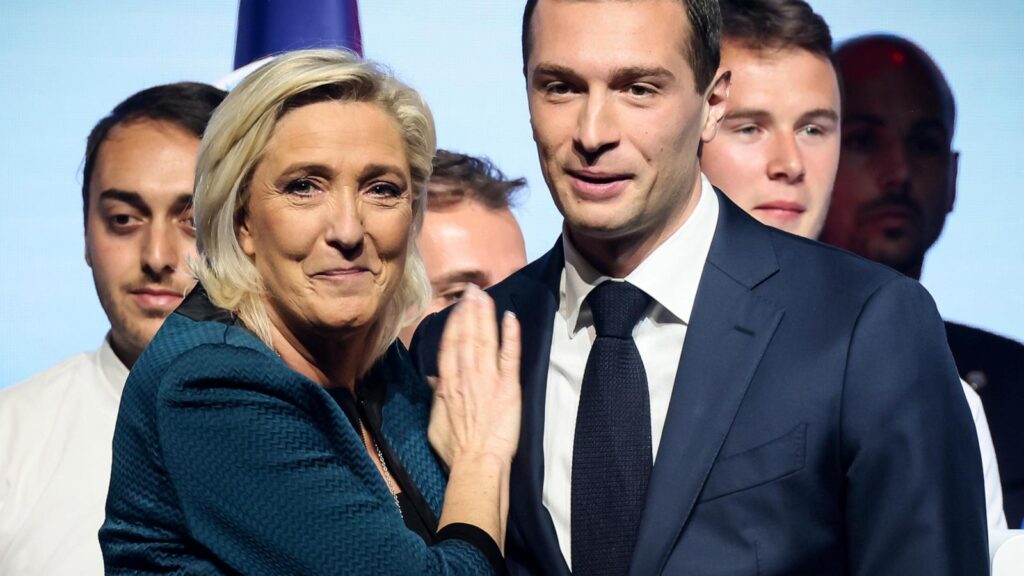
Jordan Bardella assumed leadership of the National Rally from Marine Le Pen in 2022, marking a significant transition for the party. As the first non-Le Pen family member to lead the party in its 50-year history, his appointment symbolizes the party’s concerted efforts to rebrand and distance itself from its controversial past.

Bardella’s rise within the party has been meteoric. Joining at 17, he quickly ascended through the ranks, serving as party spokesperson and president of its youth wing. In 2019, he became the second-youngest member of the European Parliament in history. His leadership style is seen as a continuation of Marine Le Pen’s efforts to modernize the party’s image while maintaining its core nationalist principles.

How did he become the movement’s poster child?

Born in 1995 in the north Parisian suburb of Seine-Saint-Denis to parents of Italian origin, Bardella’s background sets him apart from traditional far-right politicians. His mixed heritage and upbringing in a diverse, working-class area have been leveraged to soften the party’s image on immigration and integration issues.

Bardella has masterfully used social media to connect with young voters, amassing over 1.7 million followers on TikTok and 750,000 on Instagram. His content ranges from campaign material to videos mocking political opponents and seemingly candid glimpses into his personal life. This digital savvy has helped the National Rally appeal to a younger demographic traditionally skeptical of far-right politics.

His polished image and rhetoric on hot-button issues like immigration have resonated with a new generation of supporters. Bardella’s tagline, “France is disappearing,” encapsulates the party’s nationalist message while avoiding the more explicit xenophobia of its past.

What is he proposing for France?

Bardella’s platform for France includes a mix of traditional far-right policies and more moderate proposals aimed at broadening the party’s appeal:

1. Immigration: Stricter controls on migration and restricting certain social benefits to French citizens only.

2. Economy: Tax cuts on fuel, gas, and electricity, and a rollback of Macron’s pension reforms.

3. Law and Order: Increased focus on security, including extending the ban on cellphones to high schools.

4. International Relations: Supporting Ukraine with weaponry but opposing direct French military involvement. Distancing the party from its previously pro-Russia stance.

5. European Union: While softening the party’s Eurosceptic stance, Bardella still advocates for greater French sovereignty within the EU framework.

6. Citizenship: Proposing restrictions on dual citizens in key government roles, particularly in defense and security.

Bardella’s appeal lies in offering radical change to voters feeling left behind by globalization and the Parisian elite. His lack of political baggage and his ability to articulate the frustrations of many French citizens have made him a formidable political force.

Critics argue his policies could damage the French economy, violate human rights, and isolate France on the international stage. However, for many voters disillusioned with traditional politics, Bardella represents a fresh alternative.

As France heads to the decisive round of voting, Bardella’s potential rise to power represents a significant shift in the country’s political landscape. His success or failure could have far-reaching implications not just for France, but for the future of right-wing populism in Europe and beyond. The coming days will determine whether this young political maverick will indeed make history as France’s youngest and most controversial prime minister.

(Source: AP)

France’s Pivotal Election: Macron’s Gamble and the Far-Right’s Surge

0

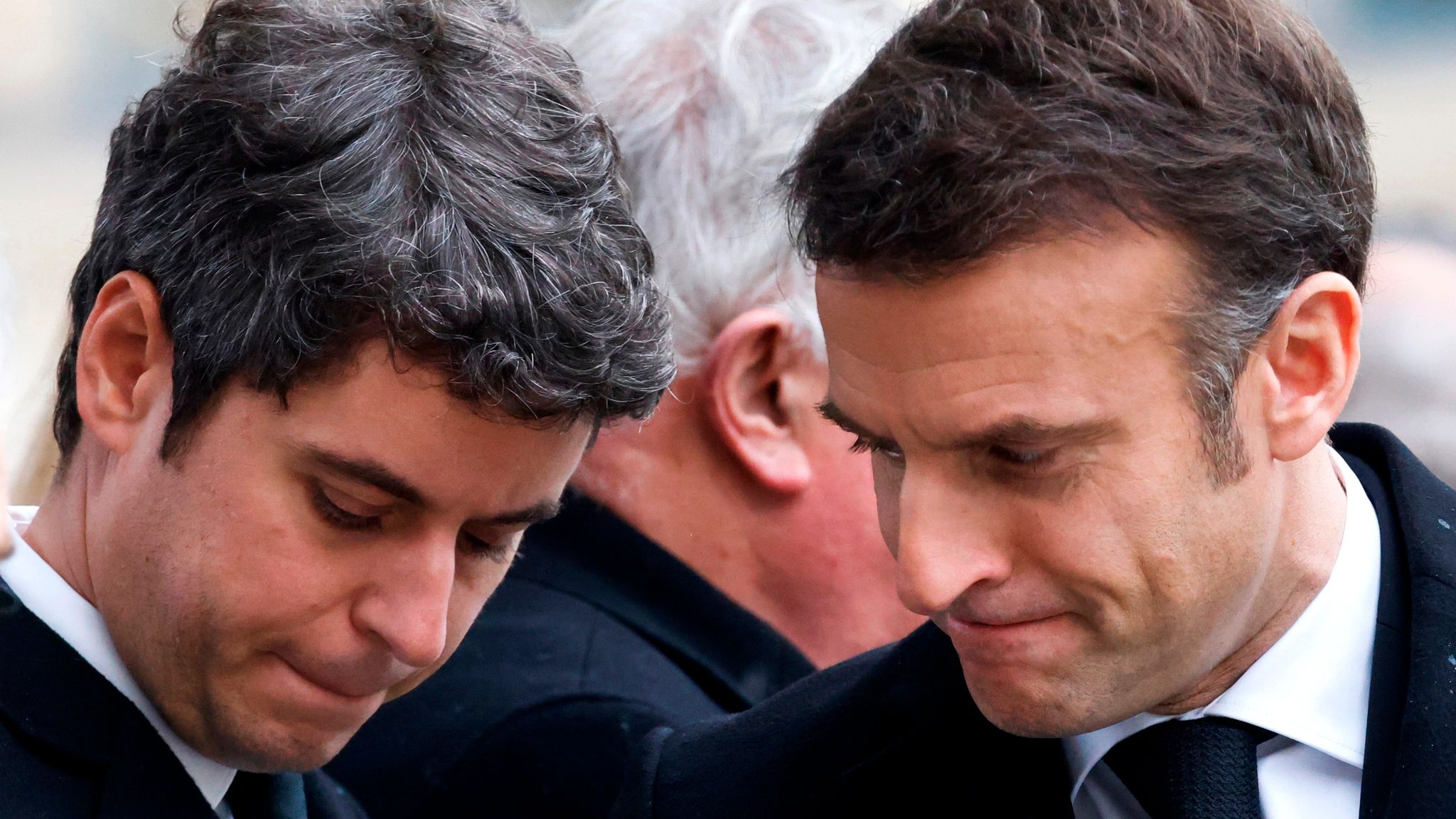
France is at a political crossroads as voters head to the polls for a pivotal runoff election that could dramatically alter the country’s political landscape. President Emmanuel Macron’s decision to dissolve parliament and call for snap elections following his party’s poor performance in European elections has set the stage for a high-stakes showdown with Marine Le Pen’s far-right National Rally.

The election, which will determine the composition of the 577-member National Assembly, has drawn over 49 million registered voters. The first round on June 30 saw unprecedented gains for the National Rally, sending shockwaves through the French political establishment and raising the possibility of France’s first far-right government since World War II.

As of noon on election day, voter turnout stood at 26.63%, slightly higher than the first round. The initial round saw a 67% turnout, the highest since 1997, indicating a renewed engagement with politics among the French electorate after decades of growing apathy.

The campaign has been marred by incidents of racism, antisemitism, and physical attacks on candidates – unusual occurrences in French politics. In response, the government has deployed 30,000 police officers to ensure security on voting day. Reports of Russian cybercampaigns have added another layer of complexity to an already tense electoral atmosphere.

The potential outcomes of this election are varied and consequential. If the National Rally secures an outright majority, it would mark a seismic shift in French politics, potentially installing 28-year-old Jordan Bardella as prime minister. A hung parliament is another possibility, which could lead to complex coalition negotiations or the appointment of a technocratic government. In any scenario, Macron’s centrist camp will be forced to share power, a stark contrast to the majority he enjoyed after his initial election in 2017.

The implications of this election extend far beyond France’s borders. As a nuclear-armed nation and a key player in the European Union, the outcome will influence the war in Ukraine, global diplomacy, and Europe’s economic stability. It will also likely impact Macron’s ability to implement his pro-business, pro-EU policies for the remainder of his term.

Voters at polling stations across France expressed a mix of concern and hope. Thomas Bertrand, a 45-year-old voter in Paris, emphasized that “individual freedoms, tolerance and respect for others is what’s at stake today.” Pierre Lubin, another voter, voiced concerns about the potential for political deadlock, wondering whether the result would produce an effective government or a fractious coalition.

The election is taking place against the backdrop of a momentous summer for France. The country is preparing to host the Olympic Games in Paris, its national soccer team has reached the Euro 2024 semifinals, and the Tour de France is underway alongside the Olympic torch relay. These events add to the sense of national significance surrounding the vote.

Polls are set to close at 8 p.m. local time in mainland France and Corsica, with initial projections expected Sunday night and official results to follow. Regardless of the outcome, Macron has stated his intention to remain president until his term ends in 2027, setting the stage for potential political confrontations if forced to work with a hostile parliament.

This election serves as a litmus test for the strength of traditional centrism against the rising tide of far-right sentiment in France. It reflects growing frustration with perceived elitism in Paris and economic struggles in rural areas, issues the National Rally has capitalized on. The results will have far-reaching consequences for France’s domestic policies and its role on the international stage, making it one of the most consequential elections in recent French history.

Associated Press

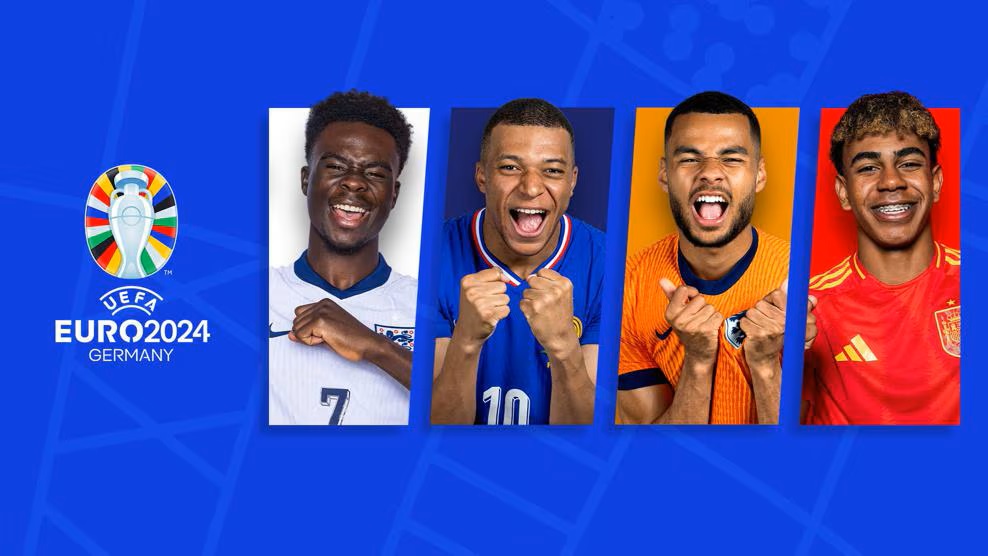
EURO 2024 Semi-Finals Preview: England, France, Netherlands, and Spain Battle for Glory

0

Euro 2024 Semi-Finalists: The Final Four

England

Path to Semi-Finals:

– Topped Group C

– Beat Slovakia 2-1 in Round of 16

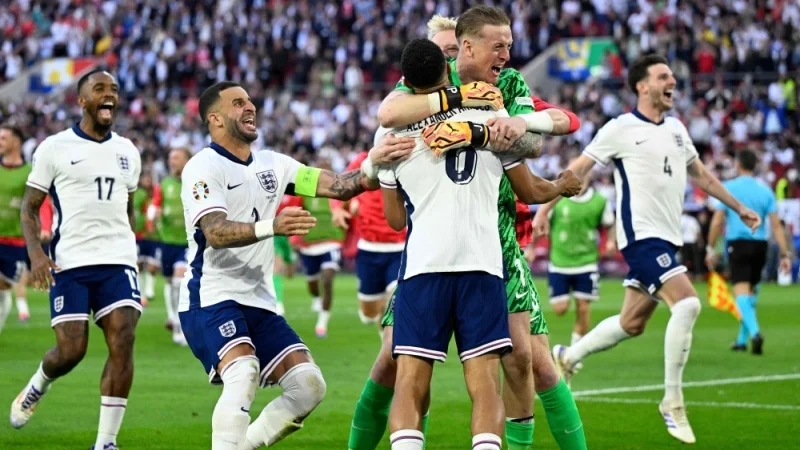
– Defeated Switzerland on penalties in Quarter-Finals

Key Player: Harry Kane

One to Watch: Cole Palmer

Coach: Gareth Southgate

France

Path to Semi-Finals:

– Finished second in Group D

– Edged Belgium 1-0 in Round of 16

– Overcame Portugal on penalties in Quarter-Finals

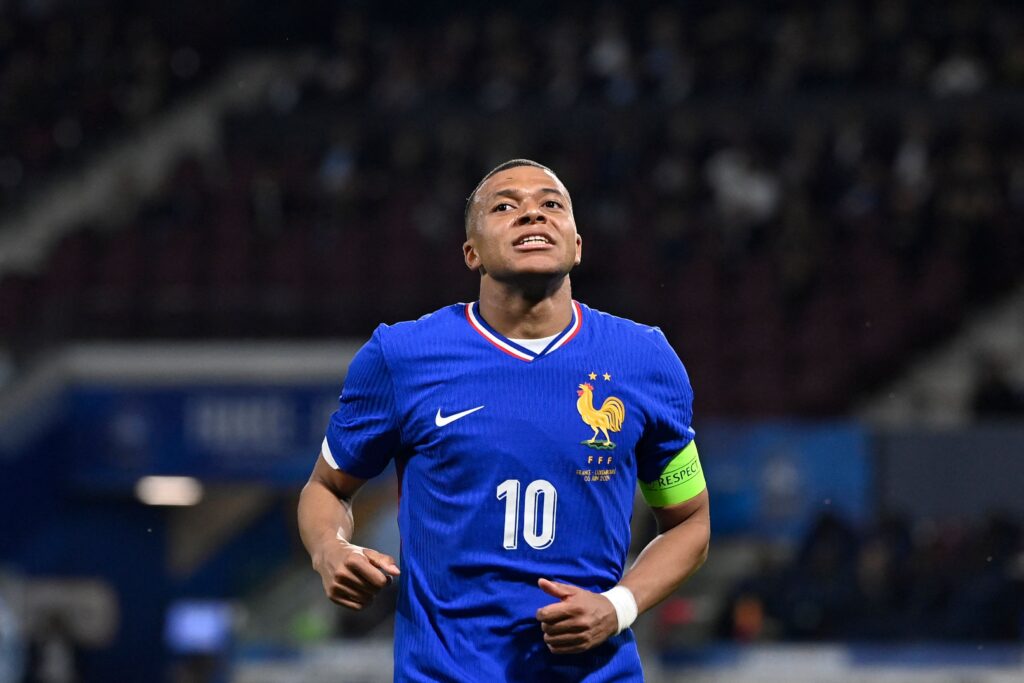
Key Player: Kylian Mbappé

One to Watch: Bradley Barcola

Coach: Didier Deschamps

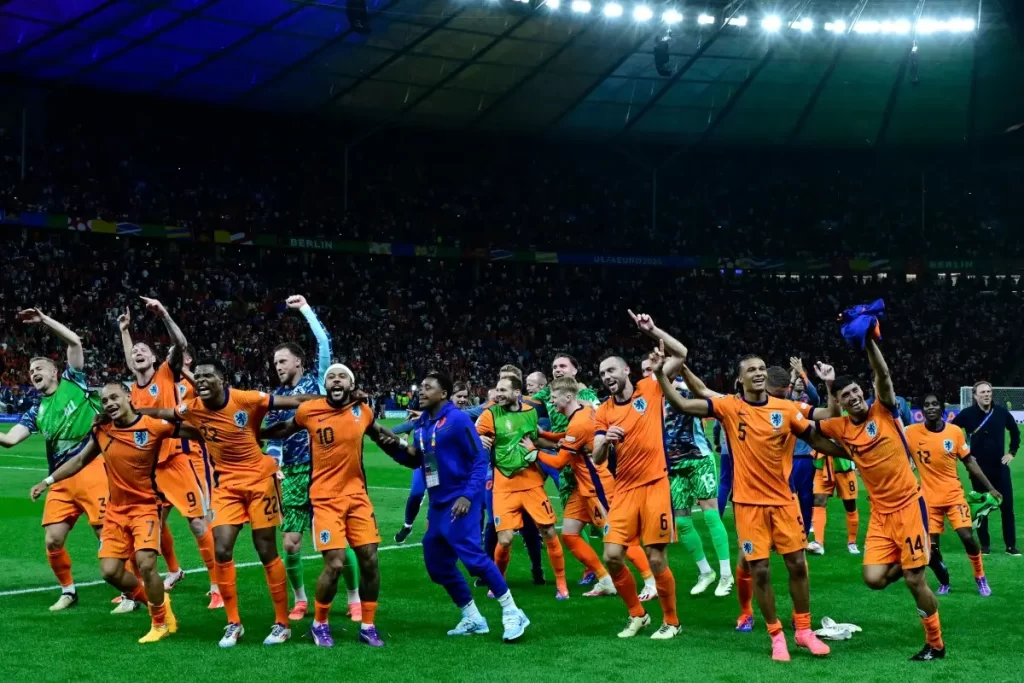
Netherlands

Path to Semi-Finals:

– Qualified as one of best third-placed teams

– Thrashed Romania 3-0 in Round of 16

– Beat Türkiye 2-1 in Quarter-Finals

Key Player: Memphis Depay

One to Watch: Xavi Simons

Coach: Ronald Koeman

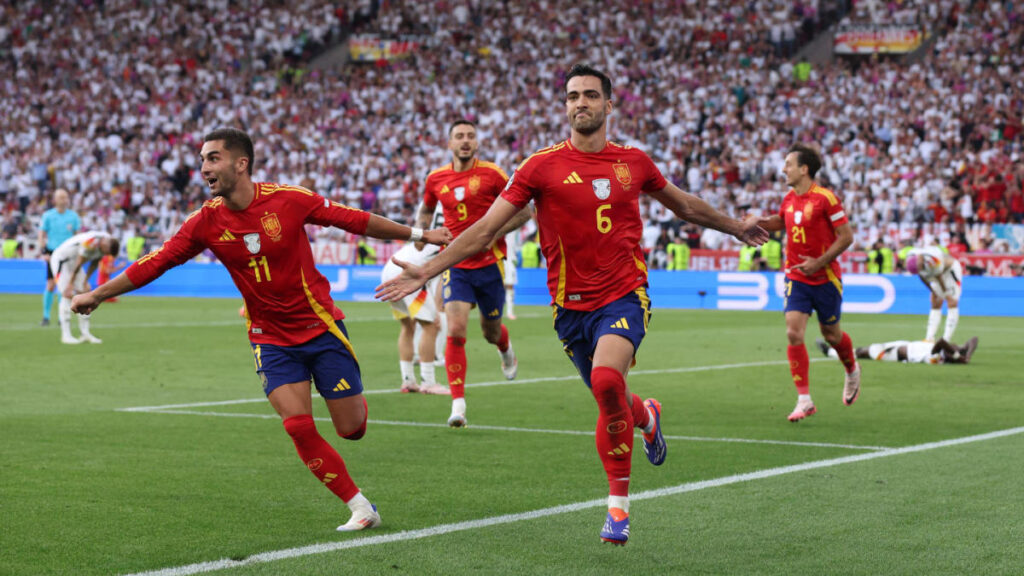
Spain

Path to Semi-Finals:

– Won Group B with perfect record

– Dominated Georgia 4-1 in Round of 16

– Defeated hosts Germany 2-1 in Quarter-Finals

Key Player: Rodri

One to Watch: Lamine Yamal

Coach: Luis de la Fuente

Semi-Final Matchups:

– Spain vs France (Munich, 9 July, 21:00)

– England vs Netherlands (Dortmund, 10 July, 21:00)

Each team brings a unique blend of experience and young talent. England aims for their second consecutive EURO final. France seeks redemption after their early exit in 2020. The Netherlands returns to the semis for the first time since 2004. Spain looks to extend their record with a potential fourth EURO title.

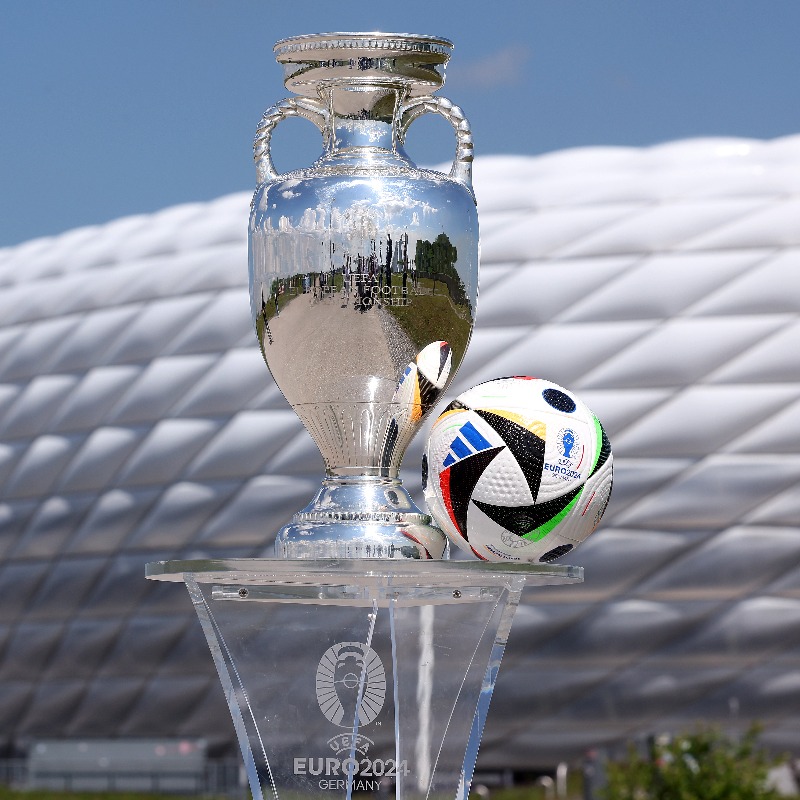
The semi-finals promise high-stakes football. Key battles will unfold between world-class players. Tactical decisions by experienced coaches will be crucial. The winners will face off in Berlin on July 14 for the Henri Delaunay Cup.

This EURO 2024 has already delivered thrilling moments. The semi-finals are set to provide even more drama as Europe’s best compete for continental glory.

Uefa.com

Uruguay Knock Out Brazil 4-2 on Penalties to Reach Copa America 2024 Semifinal

0

In a thrilling Copa America 2024 quarter-final, Uruguay knocked out tournament favorites Brazil with a 4-2 victory on penalties after a tense 0-0 draw in regulation time. The match, held at Allegiant Stadium in Las Vegas, saw Uruguay’s resilience and tactical discipline triumph over Brazil’s star-studded lineup.

The penalty shootout proved decisive, with Uruguay goalkeeper Sergio Rochet emerging as a hero by saving Eder Militao’s attempt. Federico Valverde, Rodrigo Bentancur, Giorgian de Arrascaeta, and Manuel Ugarte successfully converted their penalties for Uruguay, while Brazil’s Douglas Luiz hit the post in a crucial moment.

Key events from the match included:

1. A closely fought tactical battle throughout regulation time

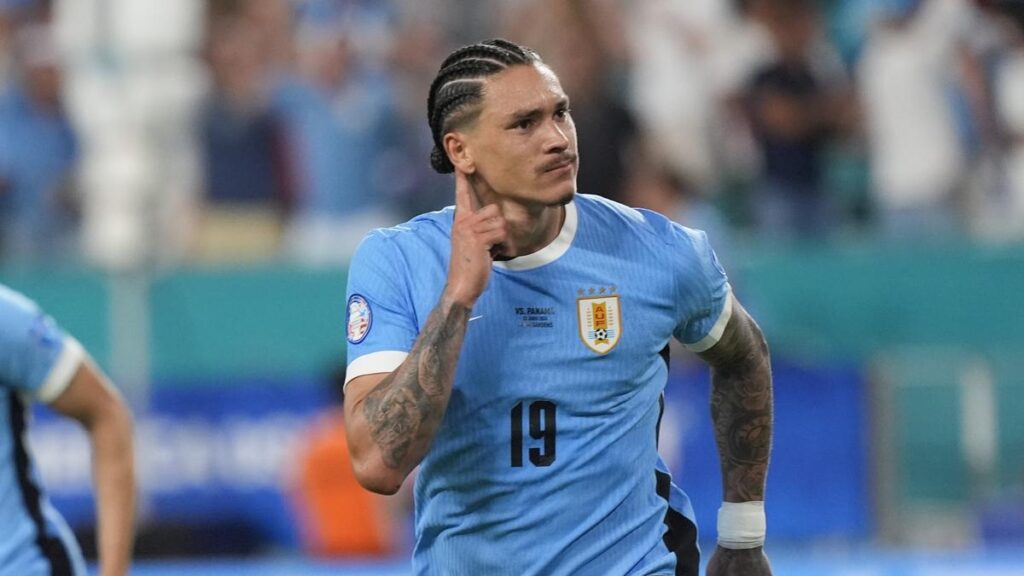
2. Missed opportunities by Brazil’s Endrick and Uruguay’s Darwin Núñez

3. A red card for Uruguay’s Nahitan Nández in the 74th minute, reducing them to 10 men

4. Stellar defensive performances from both sides, particularly Uruguay’s backline

Uruguay’s victory, despite playing with 10 men for the final stages of the match, showcased their tournament pedigree and ability to perform under pressure. The result sends shockwaves through the competition, eliminating one of the pre-tournament favorites and asserting Uruguay’s credentials as serious contenders for the title.

For Brazil, the defeat marks a disappointing end to their Copa America campaign, raising questions about their ability to perform in high-stakes knockout matches. The loss will likely prompt soul-searching within Brazilian football, particularly given their wealth of attacking talent that failed to break down Uruguay’s resolute defense.

Uruguay now advances to face Colombia in the semifinals, carrying the momentum of this significant upset. Their performance against Brazil, combining defensive solidity with composure in the penalty shootout, makes them a formidable opponent for any team left in the tournament.

This quarter-final upset adds another chapter to the storied rivalry between Uruguay and Brazil, reinforcing Uruguay’s reputation as giant-killers in South American football. As the Copa America 2024 progresses to its final stages, Uruguay’s triumph over Brazil will be remembered as one of the tournament’s defining moments.