

Iranian officials called on civilians to form human chains around power plants Tuesday as airstrikes struck the capital and tensions surged ahead of President Donald Trump’s deadline for Tehran to reopen a critical global shipping route or face sweeping U.S. attacks on infrastructure.
Explosions echoed across Tehran and other cities as strikes hit residential neighborhoods and strategic sites, leaving at least several dozen people dead, including civilians, officials said. The escalating violence comes hours before Trump’s 8 p.m. Eastern deadline, which he has described as final after extending previous ultimatums.
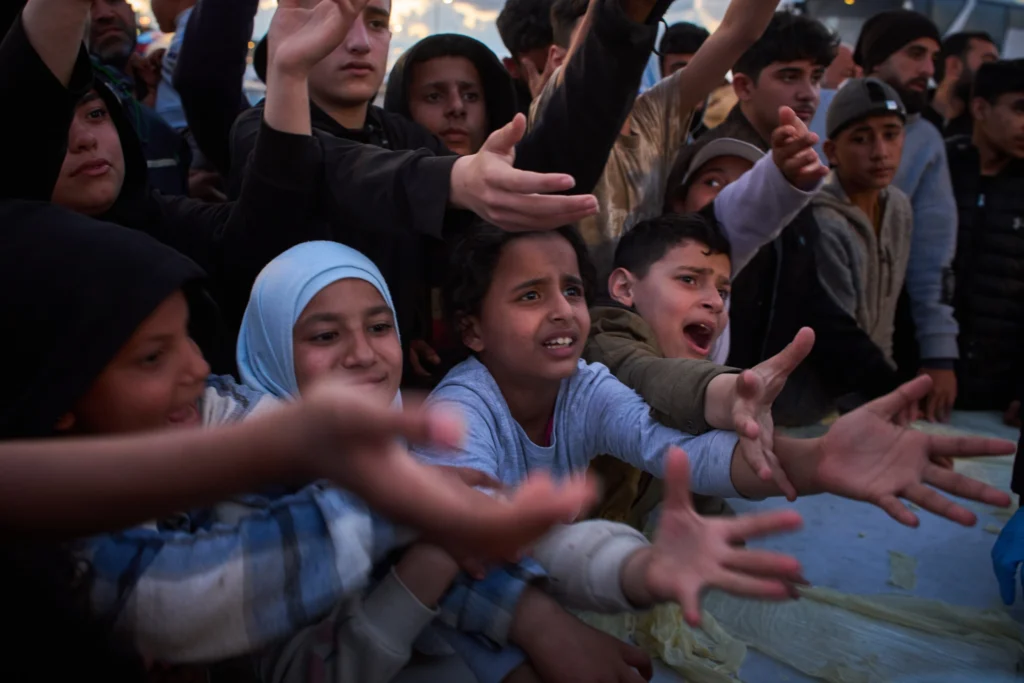
Iranian authorities urged widespread public mobilization to protect key facilities. State television broadcast a message from Alireza Rahimi, identified as secretary of the country’s youth council, calling on young people, students, athletes and academics to gather around power plants.
“Power plants that are our national assets and capital,” Rahimi said, urging participation in what he framed as a national effort to safeguard critical infrastructure.
President Masoud Pezeshkian said millions had responded to calls for volunteers, stating in a social media post that 14 million people had signed up to support the country. He added that he was personally prepared to defend Iran if necessary.
The appeals recalled past moments of heightened tensions when civilians gathered at sensitive sites, though the current call drew concern from observers about the risks of placing noncombatants near potential military targets.
The intensifying rhetoric followed stark warnings from Trump, who said the United States could destroy Iran’s bridges and power plants within hours if Tehran does not comply with demands to reopen the Strait of Hormuz. The narrow waterway is a vital route for global oil shipments, carrying roughly one-fifth of the world’s supply.
“The entire country can be taken out in one night,” Trump said Monday, adding that key infrastructure would be “burning, exploding and never to be used again.”
Trump also dismissed concerns about potential violations of international law, saying he was not worried about accusations related to war crimes.
Iranian officials condemned the threats, warning they would respond with similar measures if infrastructure is targeted. A government spokesperson described the statements as dangerous and said Tehran would not yield under pressure or deadlines.
International reaction has grown increasingly urgent. France’s foreign minister said attacks on civilian and energy infrastructure are prohibited under the laws of war and warned such actions could trigger broader escalation with severe economic consequences. The United Nations secretary-general also cautioned that strikes on civilian facilities would violate international law, according to his office.
Meanwhile, military activity intensified across the region. A series of airstrikes hit Tehran and other cities, including reported strikes on industrial sites and transportation infrastructure. An attack in a province northwest of the capital killed at least 18 people, while additional strikes in nearby cities left more casualties, Iranian media said.
Israel’s military said it targeted a petrochemical facility in southern Iran, marking the second consecutive day such sites were hit. Additional strikes were reported near an airport in western Iran and in areas surrounding the capital.
Iran responded with missile launches targeting Israel and Saudi Arabia. Authorities in Saudi Arabia said intercepted projectiles caused debris to fall near energy facilities, prompting safety assessments and temporary disruptions. A major bridge linking Saudi Arabia and Bahrain was briefly closed following the attacks.
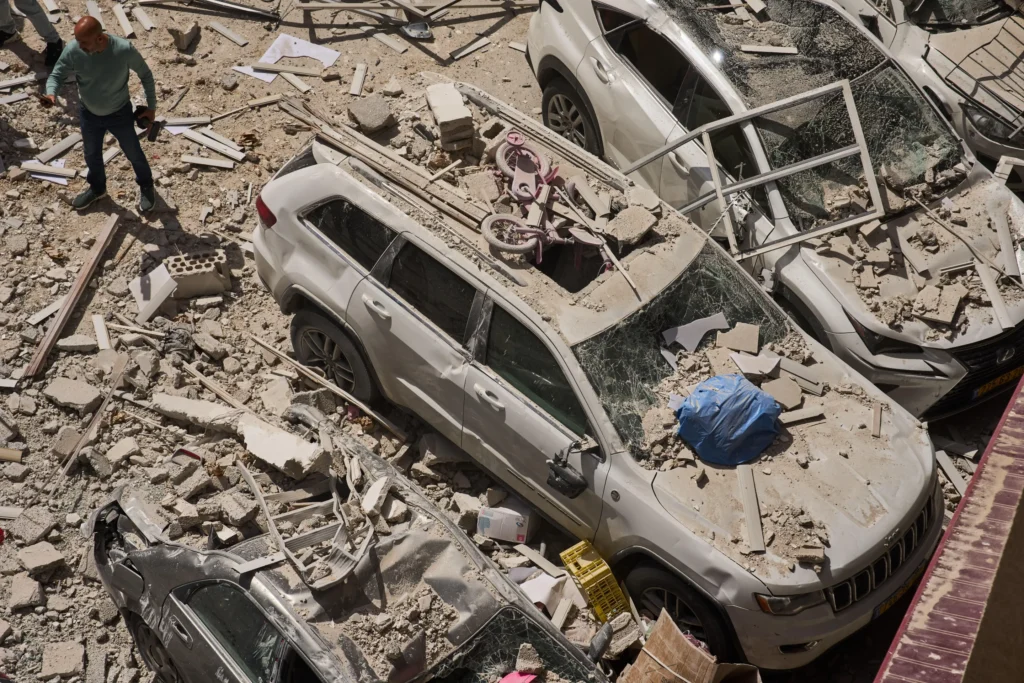
Air raid sirens sounded in multiple Israeli cities as incoming missiles were detected, with emergency crews responding to reported damage and injuries.
The conflict has taken a heavy toll across the region. More than 1,900 people have been reported killed in Iran since the fighting began, though officials have not updated the figure in recent days. In Lebanon, where clashes involving armed groups aligned with Iran have intensified, more than 1,400 people have died and more than one million people have been displaced. Casualties have also been reported in Israel, Gulf countries and among U.S. forces.
At the center of the crisis remains the Strait of Hormuz, where shipping has been severely disrupted since the conflict began. Iran’s restrictions on passage, combined with attacks on regional energy infrastructure, have driven global oil prices sharply higher, affecting fuel and food costs worldwide. Brent crude prices have climbed significantly since the war started, reflecting market fears of prolonged disruption.
Diplomatic efforts continue behind the scenes. Officials involved in negotiations said indirect communication between Washington and Tehran remains active, with mediators from Pakistan, Egypt and Turkey working to broker a compromise. However, Iran has rejected a temporary ceasefire proposal, insisting on a permanent end to hostilities and guarantees against future attacks.
An official familiar with the talks told The Associated Press that discussions are ongoing but face major obstacles, including disagreements over sanctions relief and conditions for reopening the shipping route.
Iran’s call for civilians to form protective chains around power plants marks a significant escalation not just in military terms but also in the broader strategy of the conflict. By mobilizing ordinary citizens, the government is signaling both defiance and vulnerability, attempting to deter strikes while reinforcing national unity.
However, the tactic carries serious risks. Placing civilians near potential targets could increase casualties if attacks proceed and may raise further legal and ethical concerns internationally. It also underscores the imbalance in military capabilities, as Iran seeks alternative ways to counter the technological superiority of U.S. and Israeli forces.
President Donald Trump’s firm deadline reflects mounting pressure to resolve the standoff quickly, particularly as global economic impacts deepen. The disruption of the Strait of Hormuz has already sent shockwaves through energy markets, making the crisis not just a regional conflict but a global economic issue.
Rising oil prices and supply uncertainty are likely to influence political decisions in Washington and allied capitals, where leaders must weigh military action against potential economic fallout.
Diplomatic channels remain open, but the gap between the two sides appears wide. Iran’s insistence on long-term guarantees and sanctions relief contrasts with the immediate demands set by the United States. Without a breakthrough, the risk of large-scale strikes and a broader regional war continues to grow.
The coming hours, as the deadline approaches, could prove decisive in determining whether the conflict moves toward escalation or a fragile path to negotiation.
AP/Nypost





