

South Sudan’s controversial security legislation, which permits the arrest of individuals without warrants, has officially become law despite the absence of President Salva Kiir’s signature. Parliament spokesperson Oliver Mori confirmed on Thursday, August 17, 2024, that the bill automatically became law in accordance with the constitution after a 30-day period elapsed since its presentation to President Kiir on July 12.
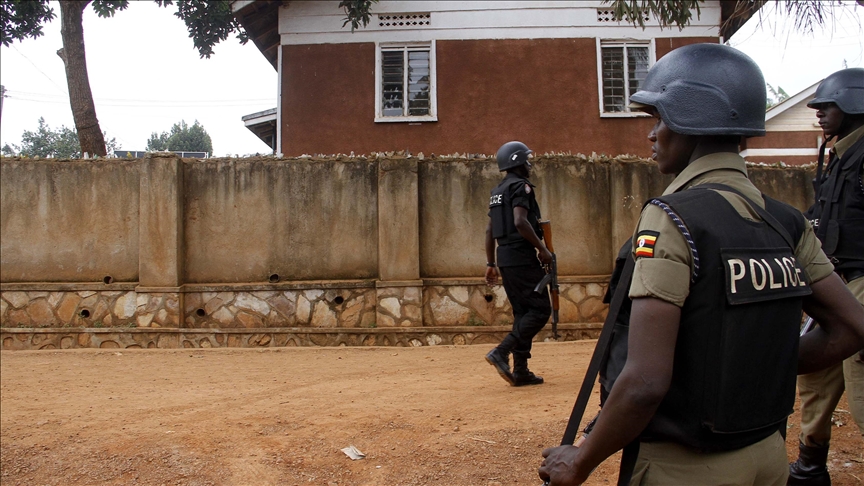
The new law has faced criticism from human rights activists and several nations. In July, nine Western envoys, including representatives from the United States and Britain, expressed concerns that the law could infringe on South Sudanese citizens’ rights to participate freely in political and civic expression without fear of arbitrary arrest or intimidation by security personnel.
The legislation’s enactment comes at a critical time for South Sudan, which is scheduled to hold its first election on December 22, 2024, under the transitional government established after the 2018 peace agreement that ended a five-year civil war.
Yasmin Sooka, chair of the UN Commission on Human Rights in South Sudan, warned that the new law would empower security agencies to conduct “more arbitrary detentions and enforced disappearances.” Sooka urged the president and parliament to review the law to align with democratic processes and build credibility and legitimacy.
Local human rights organizations have also voiced their opposition. Ter Manyang Gatwech, executive director of the Center for Peace and Advocacy, announced plans to challenge the law in court, stating that it poses “a direct threat to the nation.”
The law has become a contentious issue in talks between the government and opposition groups not included in the 2018 peace agreement. Its implementation may impact the upcoming elections and South Sudan’s efforts to establish a stable democratic process.
U.S. State Department spokesperson Mathew Miller emphasized last month the need for South Sudan’s transitional government to create an environment where people can express their views openly and without fear.
As South Sudan approaches its crucial election period, the international community continues to monitor the situation closely, with particular focus on how this new law may affect political freedoms and human rights in the country.
AP





