

Donald Trump removed an artificial intelligence-generated image of himself looking like Christ Jesus from his social media platform after it triggered sharp criticism, including from some of his own supporters.
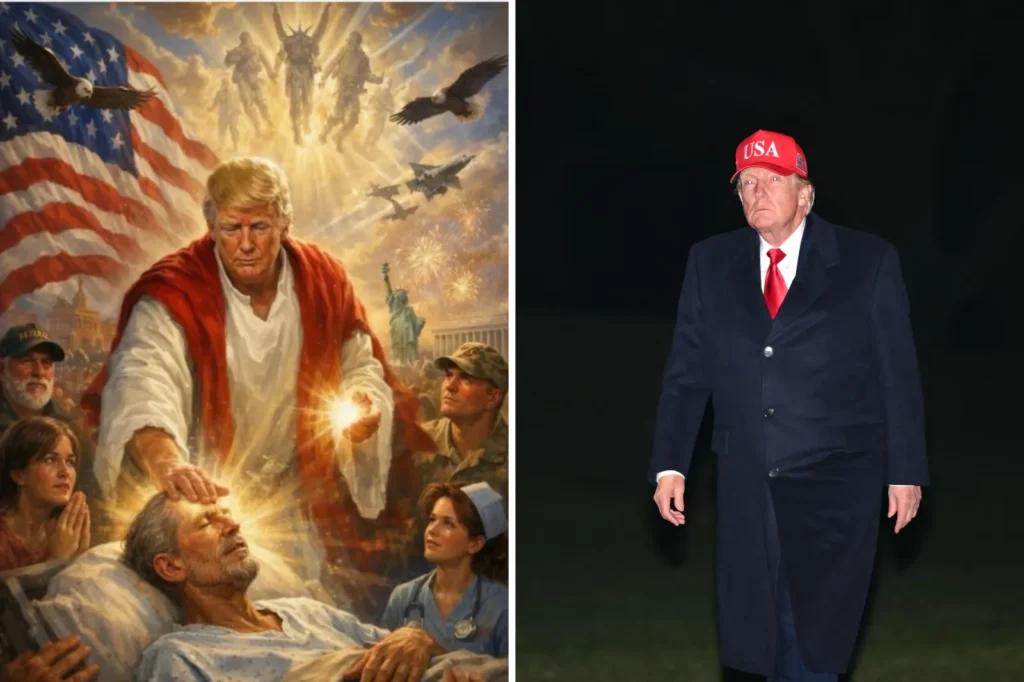
The image, posted late Sunday on Truth Social, depicted Trump in religious-style robes appearing to heal a man lying in a hospital bed. The scene included figures resembling a nurse, a soldier, and others in poses of reverence, with symbolic imagery such as eagles and a glowing backdrop.
The post, which appeared without explanation, drew immediate backlash across political and religious circles. Critics described the portrayal as inappropriate and offensive, with several conservative commentators openly rebuking the imagery.
Outlets including The Daily Beast, New York Post and Newsweek highlighted the wave of criticism, noting that some supporters viewed the depiction as crossing a line by invoking religious symbolism in a political context. The image was later removed without public comment from the president or the White House.
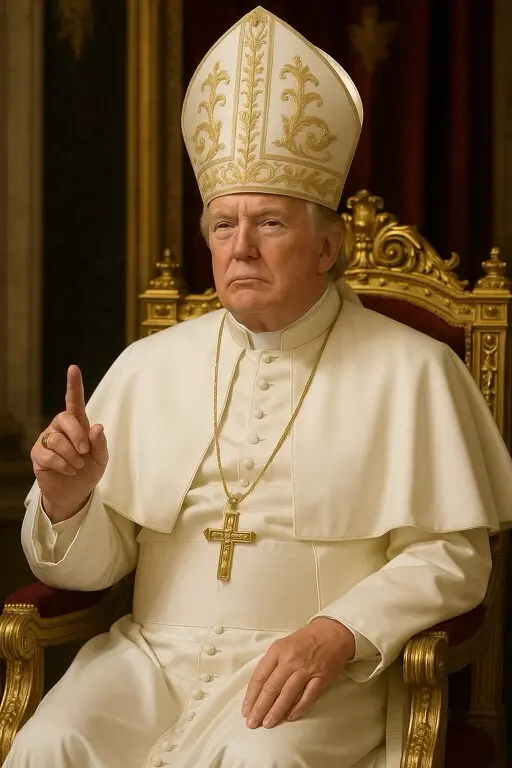
The controversy emerged alongside an intensifying dispute between Trump and Pope Leo XIV, who has recently spoken out against ongoing conflicts abroad. Trump had earlier criticized the pope’s stance on foreign policy and security issues in posts on the same platform.
Public reaction to the image spread rapidly online, with several conservative voices expressing concern about the tone and implications of the post. Some questioned whether the image was intended as satire or carried a more serious message, while others urged restraint and respect for religious imagery.
The White House did not respond to requests for comment from multiple media organizations following the deletion.
From a broader perspective, the incident underscores the growing role of artificial intelligence in political messaging and the risks associated with its use. As digital tools make it easier to create highly stylized or symbolic content, public figures face increasing scrutiny over how such imagery is perceived, particularly when it intersects with religion or deeply held beliefs.
The episode also reflects ongoing tensions within political coalitions, where messaging that energizes one segment of supporters can alienate another. In this case, criticism from within Trump’s own base highlights the sensitivity surrounding religious symbolism in public discourse.
As AI-generated content becomes more common in political communication, similar controversies are likely to emerge, raising questions about boundaries, intent, and accountability in the digital age.
NYPost/Newsweek





