

(AP)-The United States and Iran ended face-to-face talks on Sunday without an agreement to end the war, leaving a fragile two-week ceasefire in doubt as both nations blamed each other for the negotiations’ collapse and provided no clarity about what happens when the truce expires April 22.
U.S. officials characterized the negotiations’ breakdown as resulting from what they described as Iran’s refusal to commit to abandoning its nuclear program, while Iranian officials blamed the United States for the talks’ failure without specifying precise sticking points. Neither side indicated what will occur after the 14-day ceasefire expires Tuesday, though Pakistani mediators urged all parties to maintain the pause in hostilities.
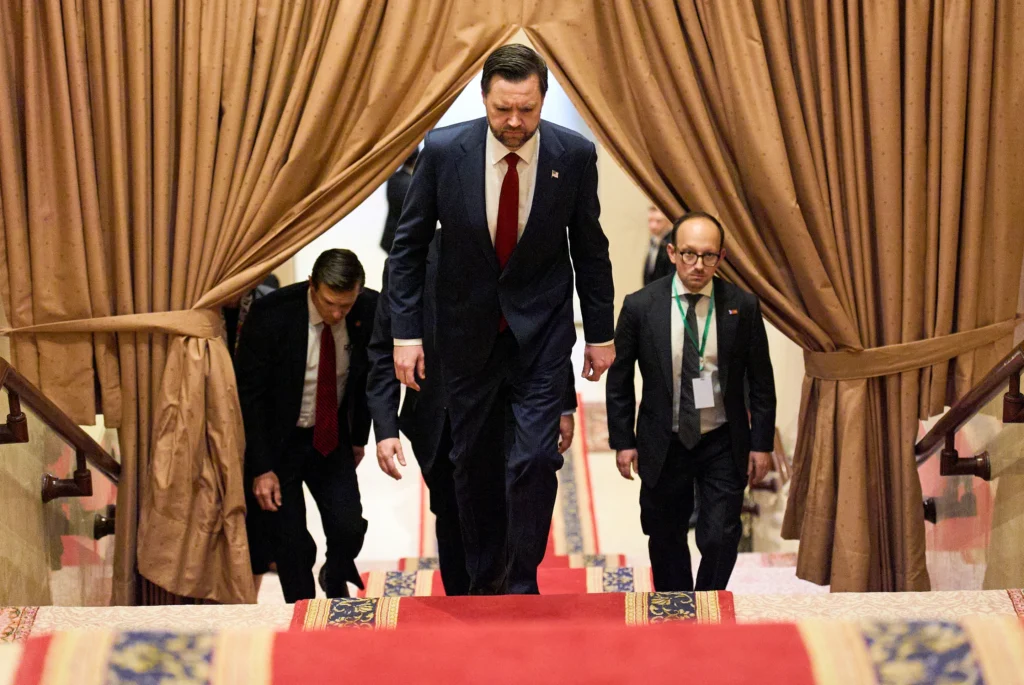
Both nations declared their positions were clear and placed responsibility on the other side, underscoring how little the gap had narrowed throughout the marathon talks that stretched 21 hours. The failure suggests that six weeks of warfare killing thousands and devastating regional economies produced no meaningful shift in either party’s fundamental demands.
“We need to see an affirmative commitment that they will not seek a nuclear weapon, and they will not seek the tools that would enable them to quickly achieve a nuclear weapon,” Vice President JD Vance disclosed after the prolonged negotiations, articulating American demands that Iran abandon enrichment capabilities even for civilian purposes.
Iran’s parliament speaker Mohammad Bagher Qalibaf, who led Iran’s delegation in the negotiations, declared it was time for the United States “to decide whether it can gain our trust or not”—language suggesting Tehran views American credibility as the fundamental obstacle rather than substantive policy disagreements.
Qalibaf did not mention the core disputes in a series of social media posts, though Iranian officials earlier indicated the talks fell apart over two or three key issues, blaming what they characterized as U.S. overreach. The vagueness about specific disagreements may reflect internal Iranian debates about how much to disclose publicly or desire to preserve diplomatic flexibility for potential future negotiations.
Iran has long denied seeking nuclear weapons but has insisted on its right to a civilian nuclear program under the Nuclear Non-Proliferation Treaty. Experts confirm its stockpile of enriched uranium, though not weapons-grade, is only a short technical step away from levels required for nuclear weapons—a “breakout time” measured in weeks rather than months or years.
Since the United States and Israel launched the war on February 28, it has killed at least 3,000 people in Iran, 2,020 in Lebanon, 23 in Israel, and more than a dozen in Gulf Arab states, while causing lasting damage to infrastructure in half a dozen Middle Eastern countries. The casualty figures illustrate how the conflict has spread far beyond the original combatants to engulf the entire region.
Iran’s grip on the Strait of Hormuz has largely severed the Persian Gulf and its oil and gas exports from the global economy, sending energy prices soaring to levels that threaten recession in petroleum-importing nations. The strait’s closure represents Iran’s most effective leverage in negotiations, demonstrating that despite massive military disadvantages versus American forces, Tehran possesses asymmetric capabilities to inflict economic pain globally.
Pakistani Foreign Minister Ishaq Dar announced his country will attempt to facilitate new dialogue between Iran and the United States in coming days despite the breakdown. “It is imperative that the parties continue to uphold their commitment to cease fire,” Dar emphasized, though he provided no indication either nation had agreed to extend the truce beyond Tuesday.
The deadlock—and Vance’s take-it-or-leave-it proposal that Iran terminate its nuclear program—mirrored February’s nuclear talks in Switzerland that preceded the war. Though President Donald Trump has claimed the subsequent military campaign was designed to compel Iran’s leaders to abandon nuclear ambitions, each side’s positions appeared unchanged in negotiations following six weeks of fighting that killed thousands and devastated regional infrastructure.
There was no confirmation whether negotiations would resume, though Iran indicated openness to continuing dialogue, Iran’s state-run IRNA news agency documented. The willingness to keep talking suggests neither side views complete diplomatic rupture as beneficial despite inability to reach agreement on fundamental issues.
“We have never sought war. But if they try to win what they failed to win on the battlefield through talks, that’s absolutely unacceptable,” 60-year-old Mohammad Bagher Karami declared in downtown Tehran, expressing widespread Iranian sentiment that military pressure should not force concessions that diplomacy alone could not achieve.
The United States and Iran entered talks with sharply different proposals and contrasting assumptions about their leverage to end the war. Before negotiations commenced, the ceasefire was already threatened by deep disagreements and Israel’s continued attacks against Iranian-backed Hezbollah in Lebanon—operations that undermined claims about genuine commitment to peace.
Iran’s 10-point proposal ahead of the talks called for guaranteed war termination and sought control over the Strait of Hormuz. It included ending fighting against Iran’s “regional allies,” explicitly demanding a halt to Israeli strikes on Hezbollah—conditions the United States and Israel rejected as rewarding Iranian regional influence.
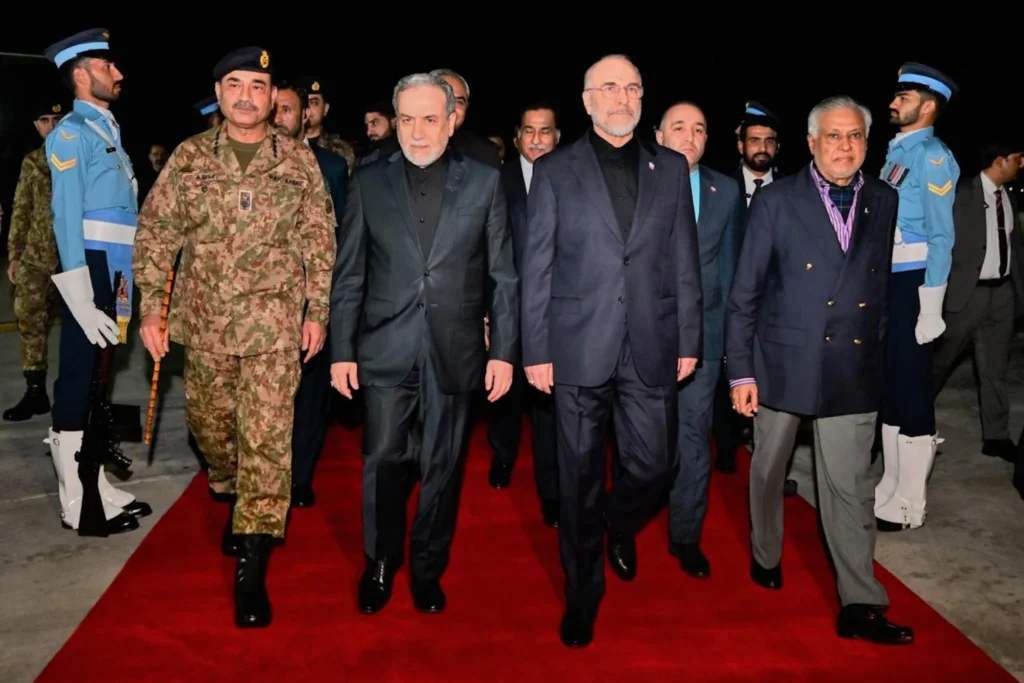
Pakistani officials told The Associated Press in March that the U.S. 15-point proposal included monitoring mechanisms and rollback of Iran’s nuclear program. Speaking on condition of anonymity because they lacked authorization to discuss details, they disclosed it also covered reopening the Strait of Hormuz—the economic pressure point causing most global concern.
Indeed, Iran’s closure of the strait has proved its biggest strategic advantage in the war. Around one-fifth of the world’s traded oil typically passed through on over 100 ships daily before Iran deployed mines and threatened attacks that virtually halted commercial traffic.
During the talks, the U.S. military announced two destroyers transited the critical waterway ahead of mine-clearing work—a first since the war began and signal that America intends reopening the strait regardless of Iranian consent. Iran’s state media, however, denied the country’s joint military command acknowledged the transit, suggesting either the U.S. announcement was false or Iran was concealing American operations.
“We’re sweeping the strait. Whether we make a deal or not makes no difference to me,” Trump declared as talks extended into early Sunday morning, employing language suggesting he views military solutions as equally acceptable as diplomatic agreements.
The impasse raises new questions about fighting in Lebanon that has continued despite ceasefire announcements. Israel pressed ahead with strikes after the truce was declared, maintaining the agreement did not apply to Lebanese operations. Iran and Pakistan claimed otherwise, creating fundamental disagreement about the ceasefire’s scope that doomed it from inception.
Lebanon’s state-run National News Agency confirmed six people were killed Sunday morning in an Israeli strike in Maaroub, a village near the southern coastal city of Tyre. Though Israel’s strikes over Beirut have calmed in recent days, its attacks on southern Lebanon have intensified alongside a ground invasion it renewed after Hezbollah launched rockets toward Israel in the opening days of the Iran war.
Negotiations between Israel and Lebanon are expected to begin Tuesday in Washington, Lebanese President Joseph Aoun’s office disclosed, after Israel’s surprise announcement authorizing talks despite the lack of official relations between the countries. Protests erupted in Beirut Saturday over the planned negotiations that many Lebanese view as capitulation to Israeli demands.
Israel wants Lebanon’s government to assume responsibility for disarming Hezbollah, much like was envisaged in a November 2024 ceasefire that Hezbollah violated within weeks. But the militant group has survived efforts to curb its strength for decades, maintaining popular support among Lebanese Shiite communities and parliamentary representation that makes any government unable to confront it militarily.
The day the Iran ceasefire deal was announced, Israel pounded Beirut with airstrikes, killing more than 300 people in the deadliest day in Lebanon since the war began, according to the country’s Health Ministry. The massive strikes demonstrated Israeli determination to degrade Hezbollah regardless of diplomatic efforts to end the broader regional conflict.
As the April 22 ceasefire deadline approaches, fundamental questions remain about whether either side will resume military operations, whether Pakistan or other mediators can broker renewed negotiations, or whether the conflict will simply continue indefinitely with periodic pauses that neither side genuinely respects.
For civilians across Iran, Lebanon, and Israel who have endured six weeks of bombardment, displacement, and economic hardship, the talks’ failure represents another disappointment in a conflict where diplomatic solutions appear as distant as when fighting commenced. The mounting death toll—exceeding 5,000 across multiple countries—illustrates the human cost of intractable disputes about nuclear programs, regional influence, and strategic waterways that nations prove willing to fight over indefinitely rather than compromise.
The economic consequences extend far beyond the immediate war zone as global oil prices remain elevated, threatening recession in energy-dependent economies and creating political pressures on governments worldwide to either broker peace or accept prolonged disruption to petroleum markets. Whether those economic incentives will eventually force concessions that military pressure cannot remains uncertain.
As Sunday’s failed talks concluded and delegations departed Islamabad without agreement or even clarity about next steps, the most likely outcome appeared to be resumed warfare once the ceasefire expires Tuesday—returning the region to violence that has proven easier to initiate than conclude through either military victory or diplomatic settlement.





