

NEW ORLEANS — The skulls of 19 Black Americans, severed from their bodies in 1872 and sent to Germany for so-called scientific study, have finally been returned to New Orleans for a long-overdue memorial. On Saturday, the city will hold a sacred ceremony to honor the lives and dignity of those individuals, more than a century after they were stripped of both.
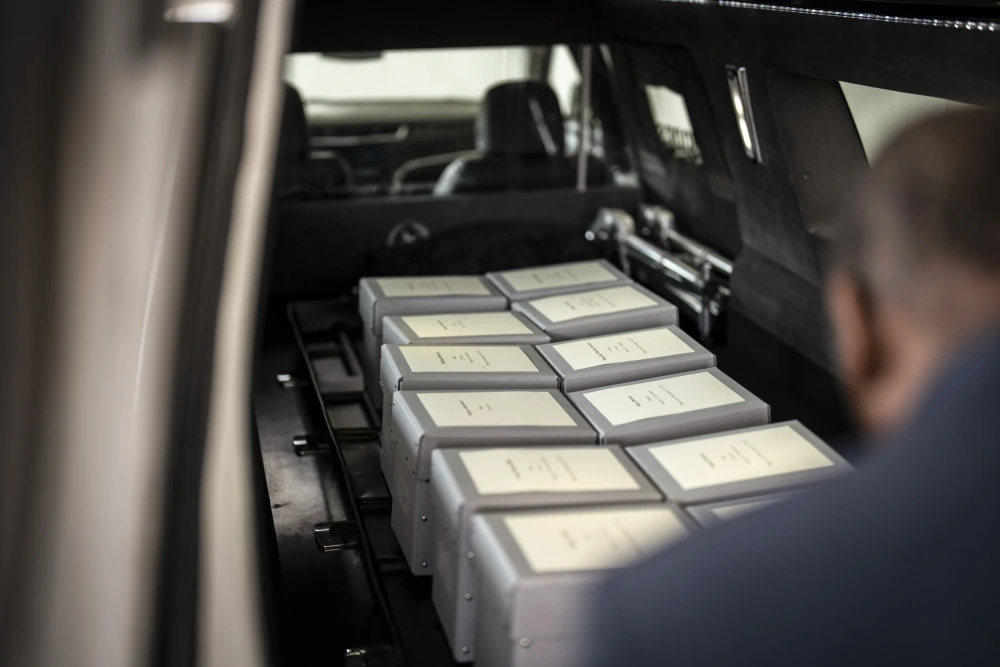
The remains — which were kept for over 150 years at Leipzig University in Germany — were used in 19th-century racial pseudoscience that falsely claimed Black people had smaller brains and were therefore inferior. Their return, facilitated by an international repatriation effort, culminates in a moment of reckoning for New Orleans, its academic institutions, and the nation.
At a news conference Wednesday, Dillard University President Monique Guillory called the event “a confrontation with a dark chapter in medical and scientific history,” saying it represents “a path of justice, honor, and remembrance.”
“These were people with names, stories, and histories,” Guillory said. “They were not specimens. They were not numbers. They were human beings — mothers, fathers, daughters, sons.”
The individuals died in Charity Hospital in 1872 and were later mutilated and shipped overseas. The remains were housed at Leipzig University, which is now engaged in efforts to repatriate human skulls collected during colonial and racist scientific pursuits.
According to Eva Baham, a retired Dillard professor and chair of the Cultural Repatriation Committee, Leipzig contacted the city in 2023 about the skulls. The outreach triggered a two-year journey culminating in their return to New Orleans just last week.
A public visitation and memorial service will be held Saturday at Lawless Memorial Chapel on the Dillard University campus. The remains will then be laid to rest at the Hurricane Katrina Memorial.
Those to be memorialized include Adam Grant, Isaak Bell, Hiram Smith, William Pierson, Henry Williams, John Brown, Hiram Malone, William Roberts, Alice Brown, Prescilla Hatchet, Marie Louise, Mahala, Samuel Prince, John Tolman, Henry Allen, Moses Willis, and Henry Anderson. Two additional sets of remains could not be identified.
Baham said that, while no descendants could be located, researchers did find their names listed in municipal death records, often noted in close succession. “Some had only been in New Orleans for hours, days, or weeks,” she said, emphasizing that each life mattered.
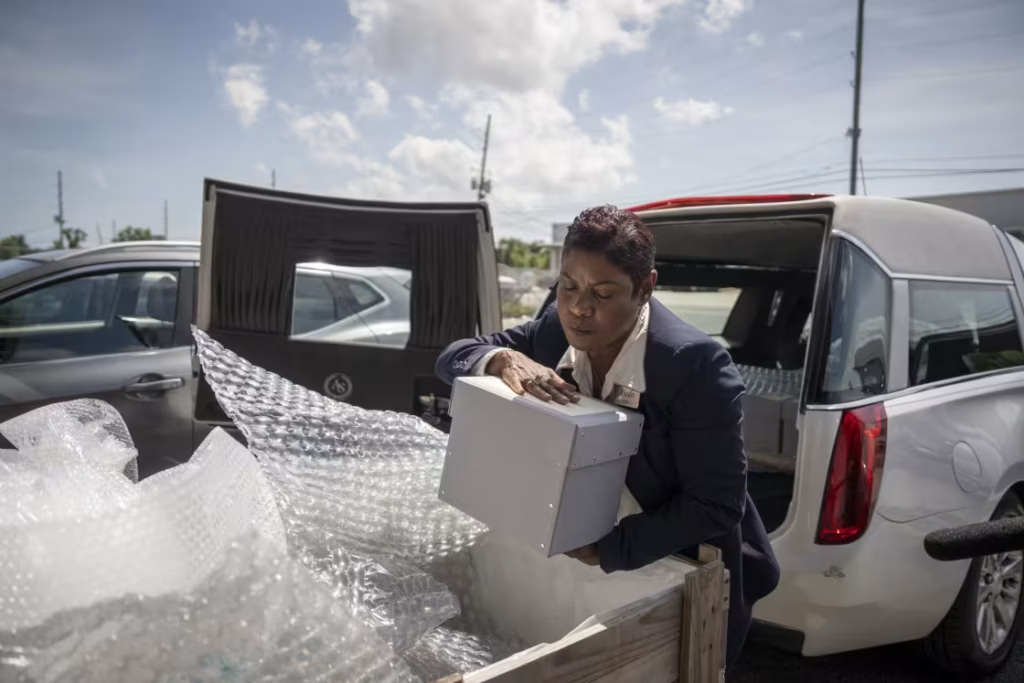
The service will reflect New Orleans’ deeply spiritual and cultural relationship with death, Guillory said. “We will honor them in the most sacred way we know — in true New Orleans fashion — with a jazz funeral that shows the world these people mattered,” she told NBC News. “Now they are home.”
The idea of bringing the skulls back raised complex and sensitive questions, Guillory admitted, including whether it was appropriate to return the remains and who should take responsibility. But for Dillard, University Medical Center New Orleans, and city officials, the answer was clear.
“There was uncertainty, yes — but also a deep moral clarity,” Guillory said. “We knew this was the right thing to do.”
Guillory emphasized that the memorial is about more than remembrance. It’s a call for historical accountability. “We want that day to be not only one of remembrance,” she said, “but of reckoning and renewal. May we never forget them.”
The return and interment of these skulls mark a symbolic, yet tangible effort to restore dignity to the victims of scientific racism, and highlight the ongoing need for racial justice in historical and academic institutions.





