

BORGU, Nigeria — At least eight people were killed early Monday when an improvised explosive device detonated along a key rural roadway in Niger State, Nigeria, destroying a bridge and striking a passing vehicle in what authorities describe as a suspected terrorist attack.
The explosion occurred around 2 a.m. along Luma Road in Borgu Local Government Area, a strategic route linking the communities of Luma, Babana and Agwara. The blast not only severed a vital transport corridor but also claimed the lives of all occupants in a vehicle traveling through the area at the time.
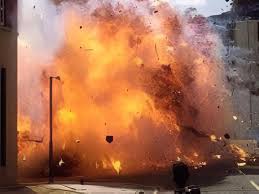
Officials said the victims were en route between Nuku and Woro when their vehicle triggered the explosive device. All seven passengers and the driver were killed instantly in the blast, according to information confirmed by local authorities and reported by PUNCH Online and The Sun Online.
The destroyed bridge is considered a critical link for residents, traders and cross-border commerce, particularly for those traveling to the Babana market, a major trading hub that operates weekly and draws traffic from surrounding regions.
Sources familiar with the area indicated that the explosive device was deliberately planted to damage the bridge and disrupt movement. The incident is believed to be part of a broader pattern of attacks targeting infrastructure in remote areas, where armed groups have increasingly sought to isolate communities and hinder economic activity.
The blast left the bridge severely damaged, effectively cutting off access between several communities and complicating emergency response efforts.
The spokesperson for the Niger State Police Command, Wasiu Abiodun, confirmed the attack and said security forces have begun clearance operations in the affected area.
He said authorities received reports of the explosion later in the morning, though it had occurred several hours earlier.
“On March 23, 2026, at about 6:30 a.m., information received indicated that earlier at about 2 a.m., suspected terrorists operating within forested areas deployed an explosive device that destroyed a bridge along Luma Road in Borgu Local Government Area,” Abiodun said.
He added that security teams have since intensified monitoring and clearance efforts to secure the area and prevent further incidents.
“Monitoring continues, and clearance operations have been strengthened,” he said.
The attack underscores growing concerns about insecurity in parts of Niger State and other regions of Nigeria, where armed groups have increasingly turned to the use of improvised explosive devices.
Such tactics, once relatively rare in the area, have become more frequent as attackers target transportation networks, markets and rural infrastructure. By striking bridges and roads, these groups can disrupt trade, limit access to essential services and create fear among residents.
The targeting of a vehicle in transit also highlights the indiscriminate nature of the attack, with civilians bearing the brunt of the violence.
The destruction of the bridge is expected to have immediate economic consequences for surrounding communities. The route serves as a lifeline for traders transporting goods to and from the Babana border market, and its loss could disrupt supply chains and increase costs for already vulnerable populations.
Residents in the area now face longer travel times and reduced access to markets, healthcare and other essential services. The psychological impact is also significant, as communities grapple with the fear of further attacks.
The bombing in Borgu reflects a broader shift in tactics among armed groups operating in Nigeria’s rural regions. By targeting infrastructure rather than solely engaging in direct confrontations, these groups can achieve multiple objectives: disrupting economic activity, stretching security resources and amplifying the visibility of their actions.
The use of improvised explosive devices suggests a level of planning and technical capability that raises concerns for security agencies. Unlike spontaneous attacks, IED incidents often involve reconnaissance, timing and knowledge of local movement patterns, indicating a more organized approach.
The location of the attack is also significant. Border regions and rural corridors are often less heavily policed, making them attractive targets for groups seeking to operate with relative freedom. At the same time, these areas are critical for local economies, meaning that any disruption has outsized effects on livelihoods.
The incident may prompt increased military and police presence in the region, but such measures come with challenges. Expanding security coverage across vast rural areas requires significant resources, and maintaining long-term stability often depends on addressing underlying issues such as poverty, governance gaps and limited infrastructure.
Ultimately, the attack highlights the evolving nature of insecurity in Nigeria and the need for a comprehensive response that combines immediate security measures with longer-term strategies aimed at strengthening resilience in affected communities.
Punchng/TheSunng





