

Ukrainian drones struck Russia’s major Baltic Sea port of Ust-Luga again early Tuesday, hitting oil infrastructure and adding to mounting disruptions in the country’s crude export network, according to regional officials and industry sources cited by Reuters.
The latest attack marks the fifth strike on the port in just 10 days, underscoring an intensified campaign by Ukraine targeting Russia’s energy sector more than four years into the war.
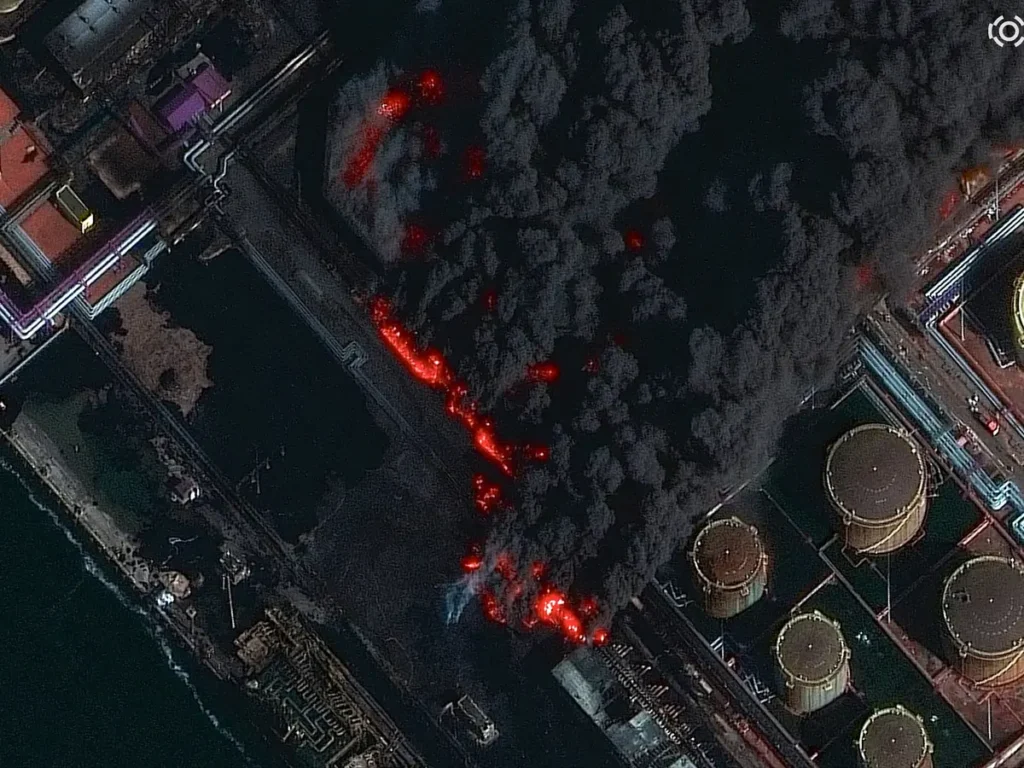
Industry sources familiar with the situation told Reuters that the strike damaged crude oil loading facilities operated by Transneft, Russia’s state pipeline operator. The company did not immediately respond to requests for comment.
Regional Governor Alexander Drozdenko said three people, including two children, received medical treatment for injuries following the overnight attack. Several buildings were also damaged, he said, though he did not provide details on the condition of the port facilities.
In a message posted early Tuesday, Drozdenko said air raid alerts in the region had been lifted.
Ust-Luga, located on the southeastern coast of the Gulf of Finland, is one of Russia’s most important export hubs for oil and petroleum products. The port handles large volumes of crude shipments and serves as a critical outlet for energy supplies to global markets.
Data cited by Reuters shows the port exported about 32.9 million metric tons of oil products last year and typically processes around 700,000 barrels of crude oil per day.
Repeated attacks on the facility have forced temporary suspensions of operations in recent days. Authorities said the port was targeted multiple times over the past week, including strikes on March 22, 25, 27, 29 and 31.
The ongoing disruptions come amid a broader escalation in Ukraine’s long-range drone campaign aimed at weakening Russia’s ability to sustain energy exports. Kyiv has increasingly focused on oil infrastructure, including ports, refineries and pipelines, as part of its strategy.
Reuters calculations based on market data indicate that as much as 40 percent of Russia’s oil export capacity has been affected by a combination of drone strikes, a separate incident involving a major pipeline and the seizure of oil tankers. The estimate remains subject to verification.
Ukrainian President Volodymyr Zelenskyy said Monday that some allied nations have signaled concern over the scale of attacks on Russia’s energy sector, particularly as global oil prices have risen sharply. He indicated that partners have raised the possibility of limiting such strikes, though no policy changes have been announced.
The strikes on Ust-Luga and other Baltic ports, including Primorsk, represent some of the most sustained attacks on Russian energy infrastructure since the conflict began. Analysts say the campaign is designed to disrupt supply chains, reduce revenue and increase pressure on Moscow.
Despite the repeated strikes, Russian authorities have continued efforts to maintain operations and restore damaged facilities. However, the frequency of attacks has raised concerns about the resilience of key export hubs.
The repeated targeting of Ust-Luga highlights the strategic importance of energy infrastructure in modern warfare. By focusing on oil export facilities, Ukraine is seeking to undermine one of Russia’s most critical economic lifelines without engaging directly on traditional battlefields.
Such strikes carry broader implications beyond the immediate conflict. Russia remains a major supplier of oil to global markets, and disruptions to its export capacity can have ripple effects on energy prices worldwide. The recent surge in oil prices suggests that markets are already reacting to the increased risk.
At the same time, the attacks place Ukraine in a delicate position with its allies. While weakening Russia’s energy sector may offer strategic advantages, prolonged disruptions can contribute to global economic instability, potentially straining support from countries affected by rising fuel costs.
The pattern of repeated strikes also raises questions about defensive capabilities at key infrastructure sites. If attacks continue at the current pace, Russia may face increasing challenges in maintaining consistent export levels.
In the longer term, the escalation of strikes on energy facilities could set a precedent for targeting critical economic infrastructure in conflicts, blurring the line between military and economic warfare. This shift may have lasting consequences for how future conflicts are conducted and how nations protect vital industries.
Reuters





