

Iran shot down a United States fighter jet on Friday, marking the first confirmed loss of a U.S. warplane in the five-week conflict and sharply raising tensions between the two sides, officials said.
According to a U.S. source, one crew member ejected and was rescued, while a second remains missing. The aircraft was identified by analysts as a two-seat F-15E Strike Eagle, based on images circulating online.
The incident highlights the continuing risks facing U.S. and Israeli aircraft operating over Iran, despite claims by President Donald Trump and Defense Secretary Pete Hegseth that their forces have achieved full control of the airspace.
In a separate incident, a second U.S. Air Force aircraft crashed in the Gulf region on the same day, with its pilot safely recovered, according to a report citing U.S. officials.
Iranian state media reported that local residents fired at U.S. helicopters involved in search and rescue efforts following the downing of the jet. Iran’s elite military force said it was searching the area where the aircraft came down in the southwest of the country, while a regional official promised rewards for capturing or killing what were described as enemy personnel.
The Pentagon and U.S. Central Command did not immediately comment on the reports.
The downing of the aircraft adds urgency to a conflict that shows no signs of easing. The possibility that a U.S. service member may still be on the ground inside Iran increases pressure on Washington, particularly as the war continues with limited public support at home.
Diplomatic efforts to end the fighting appear stalled. Iran has reportedly told mediators it will not engage in upcoming talks, and attempts to secure a ceasefire have reached an impasse.
The war began on Feb. 28 with a wave of U.S. and Israeli strikes and has since expanded across the region. Thousands have been killed, and the conflict has begun to strain the global economy.
The United States has reported 13 military deaths and more than 300 wounded since the fighting began. Iran has launched repeated missile and drone attacks on Israel and has also targeted countries in the Gulf aligned with the United States, though those nations have largely avoided direct involvement.
Security concerns are growing beyond the immediate battlefield. The U.S. Embassy in Lebanon issued an alert warning that Iran and allied armed groups could target civilian locations, urging American citizens to leave while commercial flights remain available.
Meanwhile, Israel has intensified operations in Lebanon against an armed group aligned with Iran, further widening the conflict.
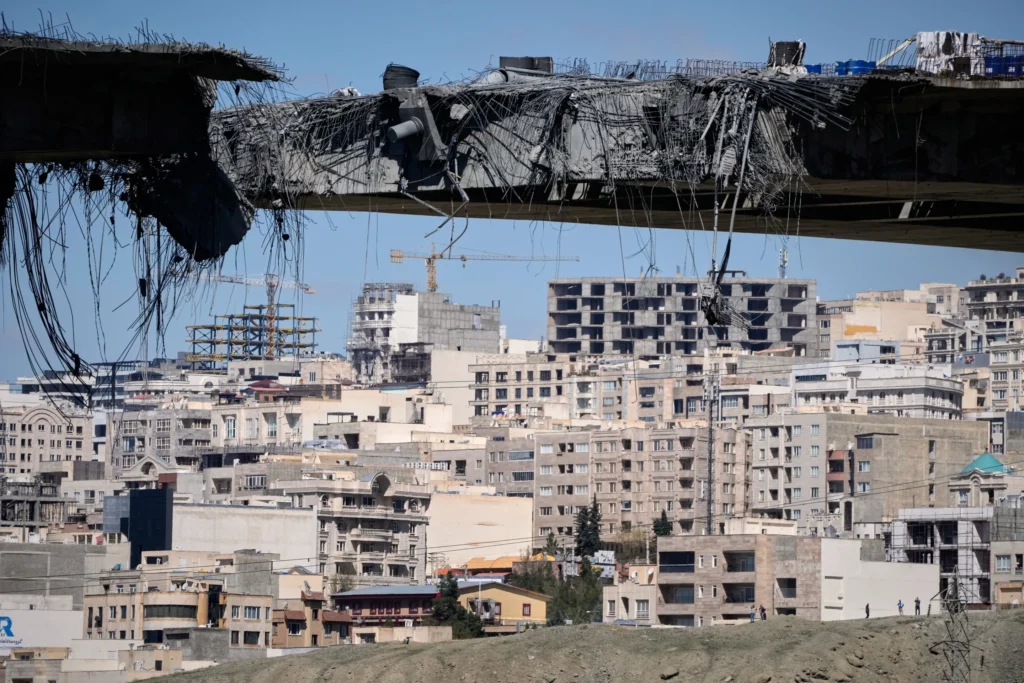
President Trump on Friday threatened additional strikes on Iranian infrastructure, including bridges and power plants. Iran responded by targeting critical facilities in the region, including a power and water site in Kuwait, highlighting the vulnerability of infrastructure in Gulf countries.
Drone strikes also hit an aid warehouse in southern Iran, while attacks were reported or intercepted in Saudi Arabia and the United Arab Emirates. In Israel, missile debris landed near a major port city that houses key energy facilities.
Global markets reacted to the escalating conflict, with oil prices rising sharply amid concerns about prolonged instability and disruptions to supply.
The downing of a U.S. fighter jet marks a significant escalation in the conflict, demonstrating that Iran retains the capability to challenge advanced military aircraft. This development undermines claims of complete air superiority and introduces new risks for ongoing operations.
The possibility of a missing U.S. service member inside Iran adds a sensitive dimension, as recovery efforts could further intensify military activity or complicate diplomatic options.
At the same time, the conflict continues to expand geographically, drawing in additional countries and increasing the risk of a broader regional war. Attacks on infrastructure, particularly energy and water facilities, signal a shift toward targeting systems critical to civilian life and economic stability.
With diplomatic efforts stalled and both sides signaling continued military action, the likelihood of a near-term resolution appears low. The situation remains highly volatile, with potential consequences for global security and economic stability.
AP/Reuters





