

A coalition led by the United Kingdom and involving about 40 countries has pledged to take action to restore shipping through a critical global oil route after Iran effectively shut it down during the ongoing war with the United States and Israel.
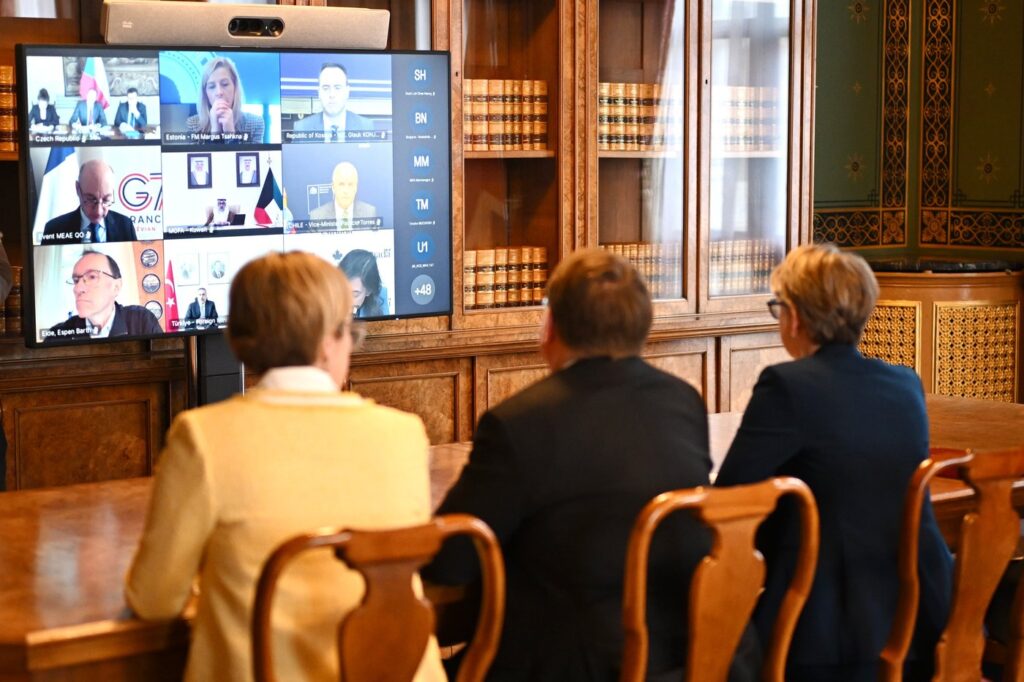
British Foreign Secretary Yvette Cooper accused Iran of blocking the passage and disrupting the global economy, saying the move has put international trade at risk. Speaking at a virtual meeting Thursday, she said Iran had “seized control of a vital shipping route to pressure the global economy.”
The narrow waterway, which connects oil-producing states to international markets, has seen traffic nearly come to a halt following repeated attacks on commercial vessels and growing security threats. Before the conflict began, about one-fifth of the world’s traded oil moved through the route.
The meeting brought together major economies including the United Kingdom, France, Germany, Italy, Canada and Japan, along with several Gulf nations. Participants signed a joint statement calling on Iran to stop interfering with shipping and committing to efforts to ensure safe passage for vessels.
The United States did not take part in the talks. President Donald Trump has said that securing the route should not be the responsibility of the United States alone, urging other nations that rely on the shipments to take the lead.
Despite the strong language, officials indicated that any response would focus on diplomacy and coordination rather than military action while fighting continues. British Prime Minister Keir Starmer has made clear that his government does not intend to enter the conflict directly.
Military planners from several countries are expected to meet in the coming days to discuss how to protect shipping once hostilities end. Possible measures include clearing hazards from the water and providing security assurances to commercial operators.
French President Emmanuel Macron said a military effort to force the route open during the conflict would not be practical, warning that ships would face significant risks from coastal defenses and advanced weapons systems.
The disruption has already had major economic consequences. Oil prices have surged sharply, with global benchmarks rising significantly since the start of the conflict. The increase has raised concerns about inflation, higher fuel costs and broader impacts on global supply chains.
Shipping data shows that attacks on vessels have effectively stopped most traffic through the route. Several countries have begun exploring alternative ways to move energy supplies, including pipelines and land transport, though these options are limited.
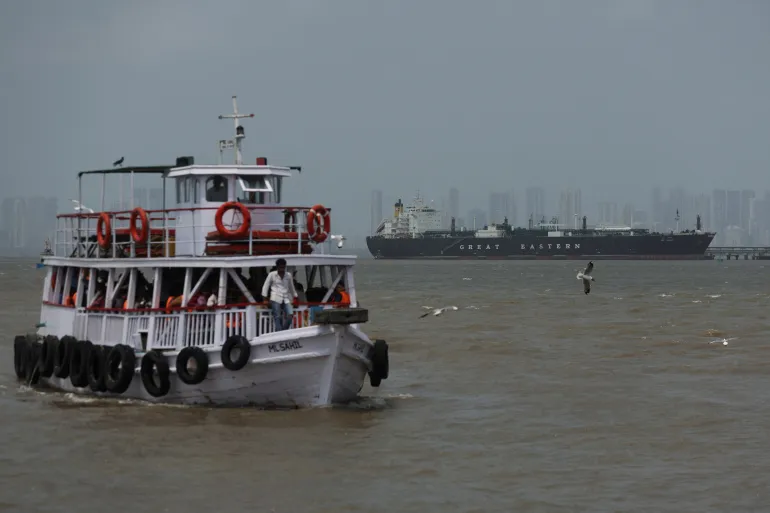
Iran has indicated that some ships may still pass under certain conditions but has warned that vessels linked to countries involved in the conflict could be targeted. Officials in Tehran have also proposed new rules that would require ships to obtain permission before entering the waterway, a move that has drawn criticism from European leaders who say it would violate international law.
European Union officials have rejected any system that would require payments or special approval for passage, arguing that the route must remain open to all under existing global agreements.
The conflict, which began in late February, has expanded across the region and continues to drive instability in financial markets. Stock prices have fluctuated, and energy costs have climbed, increasing pressure on governments to find a resolution.
The formation of a broad international coalition reflects growing concern over the vulnerability of global energy supply routes. The disruption of a single passage has had an outsized impact on markets, highlighting how dependent the global economy remains on a small number of critical transit points.
At the same time, the reluctance to use military force underscores the risks of further escalation. Any direct intervention could widen the conflict and expose shipping and infrastructure to even greater danger.
The situation also reveals shifting dynamics in global security. With the United States stepping back from a leading role in securing the route, other nations are being pushed to take greater responsibility, though their willingness and capability to do so remain uncertain.
If the route remains restricted, the long-term effects could include sustained high energy prices, supply shortages and increased pressure on economies worldwide. The crisis may also accelerate efforts to diversify energy transport routes and reduce reliance on vulnerable chokepoints.
Aljazeera/Reuters





