

(AP/Reuters) — The United States has taken control of a large oil tanker tied to Iran in international waters, intensifying pressure on Tehran just as a fragile ceasefire approaches its expiration and uncertainty surrounds possible last-minute negotiations.
U.S. military officials indicated Tuesday that forces boarded the vessel, identified as the Tifani, without resistance. The tanker, capable of carrying roughly 2 million barrels of crude oil, was located in the Indian Ocean near Sri Lanka based on ship-tracking data. It had been nearing full capacity and had signaled Singapore as its intended destination.
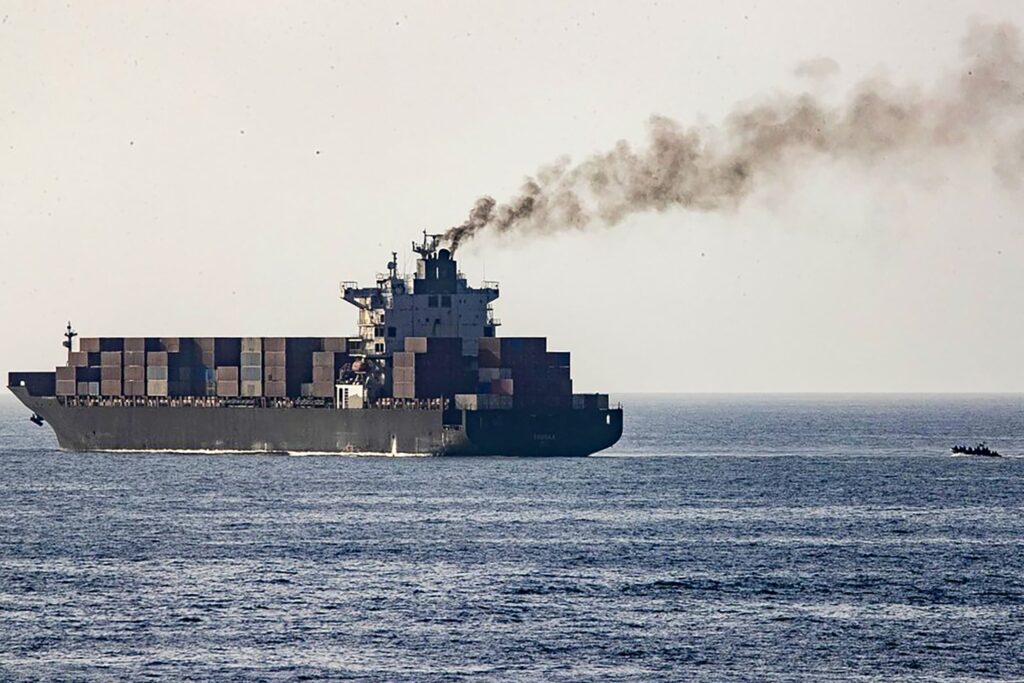
In a statement, U.S. Central Command emphasized that the operation was part of broader efforts to disrupt networks accused of supporting Iran’s oil trade under sanctions. Officials stressed that such enforcement actions would continue globally, regardless of where vessels operate.
President Donald Trump, posting on social media, accused Iran of repeatedly breaching the ceasefire agreement, though he did not elaborate on specific incidents. The seizure marks the latest escalation in a standoff that has increasingly centered on maritime routes and energy supply chains.
Iranian authorities did not immediately issue an official response to the boarding. However, previous statements from Tehran have characterized similar actions as violations of international law and the ceasefire terms, raising concerns that the latest move could further complicate diplomatic efforts.
The tanker seizure comes as the clock runs down on a two-week ceasefire between the United States and Iran, with only hours remaining before its expected expiration. Diplomatic channels remain active but uncertain.
Washington has expressed optimism that a new round of negotiations will take place in Islamabad, Pakistan. A senior Iranian official signaled that Tehran is weighing participation, though no final decision has been publicly confirmed.
Sources familiar with the discussions told Reuters that Iranian officials are reviewing whether conditions for talks have been met, including recognition of Iran’s right to maintain aspects of its nuclear program. At the same time, Pakistani officials indicated that delegations may not arrive until the final day of the ceasefire, leaving little time for meaningful progress.
According to The Associated Press, regional officials have suggested that both sides are preparing for negotiations, with senior representatives expected to travel to Pakistan’s capital. However, neither government has formally confirmed the timing.
Vice President JD Vance is expected to lead the U.S. delegation, alongside senior envoys, as part of Washington’s push to secure an agreement before the truce collapses.
The confrontation has already sent ripples through global markets. Oil prices rose sharply earlier in the week amid uncertainty over the talks and concerns about supply disruptions. Although prices later stabilized slightly, analysts warn that volatility is likely to continue.
The Strait of Hormuz, a critical passage for global energy shipments, remains a focal point. Iran has imposed restrictions on maritime traffic through the waterway, effectively limiting access for many vessels. Roughly one-fifth of the world’s oil supply typically moves through the strait, making any disruption a major concern for global energy markets.
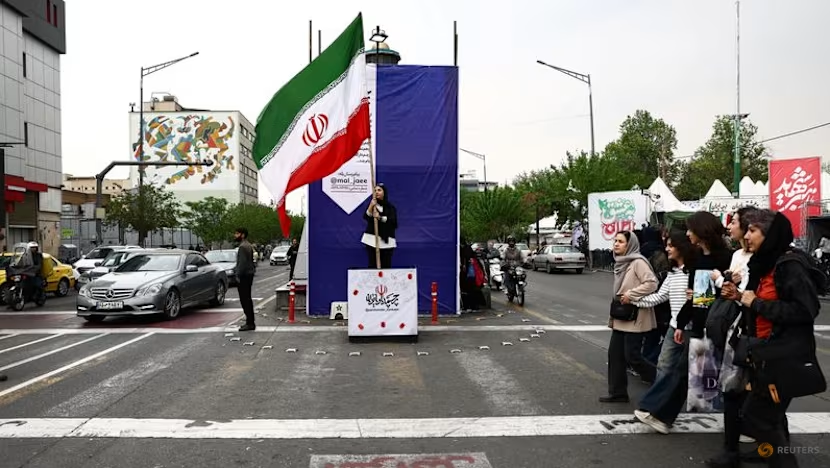
U.S. officials view the blockade as a key pressure point against Iran, while Tehran sees its control of the strait as leverage in negotiations. Both sides have accused each other of violating the ceasefire, further eroding trust.
At the center of the dispute remains Iran’s nuclear program. President Donald Trump has insisted that any agreement must prevent Tehran from developing nuclear weapons, including demands that Iran relinquish highly enriched uranium stockpiles.
Iran, meanwhile, maintains that its nuclear activities are for peaceful purposes and has sought relief from sanctions that have strained its economy. The standoff reflects deeper strategic divisions that extend beyond the immediate ceasefire.
The conflict, now in its eighth week, has already resulted in thousands of deaths across the region following joint military actions by the United States and Israel and retaliatory strikes by Iran. The humanitarian and economic consequences have drawn increasing concern from global leaders.
The seizure of the tanker underscores a calculated escalation by Washington at a moment when diplomacy remains fragile. By targeting maritime supply lines, the United States is applying direct economic pressure on Iran’s oil exports, a critical revenue source. However, such actions risk provoking retaliation that could derail negotiations entirely.
Iran’s potential participation in talks appears to hinge on whether it can secure concessions, particularly regarding its nuclear program and economic sanctions. Without those assurances, Tehran may see little incentive to engage, especially under continued military and economic pressure.
The timing is also significant. With the ceasefire nearing expiration, both sides are operating under tight deadlines that reduce the likelihood of a comprehensive agreement. Instead, any outcome may be limited to temporary measures aimed at preventing immediate escalation.
For global markets, the uncertainty surrounding the Strait of Hormuz remains a central concern. Even short-term disruptions can drive significant price fluctuations, affecting economies worldwide. The situation illustrates how regional conflicts can quickly translate into global economic risks.
Ultimately, the tanker seizure highlights the fragile balance between enforcement and diplomacy. While the United States seeks to strengthen its negotiating position, the move may harden Iran’s stance, making a lasting resolution more difficult to achieve.





