

Public transport operators in Kenya have agreed to suspend a nationwide strike for one week, opening the door for negotiations with the government after days of disruption fueled by rising fuel costs.
The decision followed emergency talks in Nairobi between government officials and leaders of the transport sector, including operators of the privately run minibus system that forms the backbone of daily commuting across the country.
Interior Secretary Kipchumba Murkomen said the temporary suspension would allow both sides to pursue consultations aimed at resolving the dispute.
“The strike is suspended for one week to allow structured engagement between the government and stakeholders,” Murkomen said during a briefing, standing alongside transport industry representatives.
Transport leaders confirmed that operations would resume immediately but warned that industrial action could restart if progress is not made within the agreed timeline.
Edwin Mukabane, head of the Federation of Public Transport Sector, said operators were willing to give dialogue a chance but stressed that the outcome must address their concerns.
“If the issues are not treated with urgency, the strike will return after the seven days,” he said.
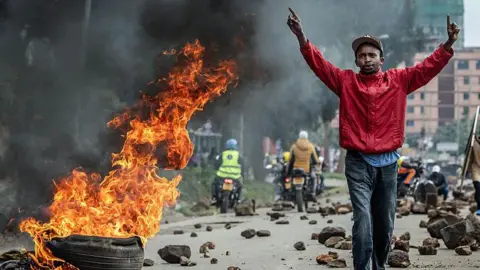
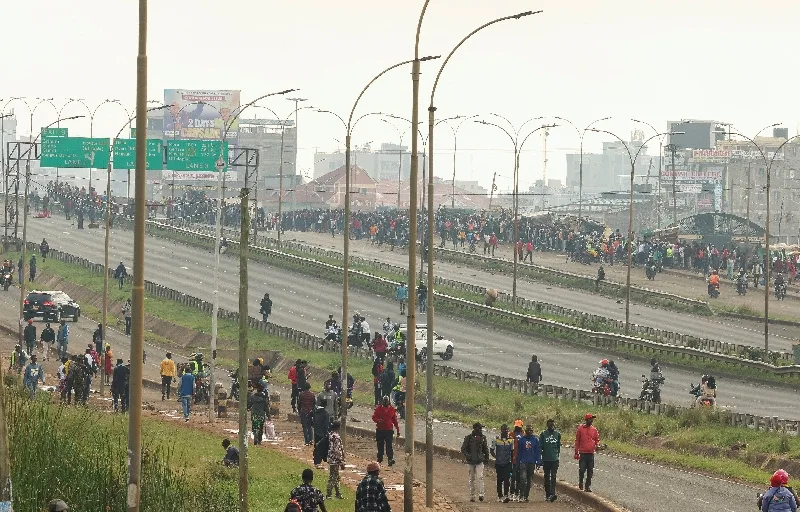
The stoppage had brought widespread disruption to major urban centers, with blocked roads, halted services and thousands of commuters forced to walk long distances. The unrest turned deadly, with at least four people killed during protests led by transport operators, according to reporting by the Financial Times citing Bloomberg.
The strike reflects mounting pressure on Kenya’s economy as global fuel prices surge, driven in part by instability in the Middle East that has disrupted oil shipments through key maritime routes.
Higher fuel costs have hit Kenya particularly hard due to its reliance on imports. The International Monetary Fund has already flagged the country as being at high risk of debt distress, amplifying concerns about its economic resilience.
In response, the government has introduced several measures, including cutting value-added tax on fuel and drawing from a stabilization fund to cushion consumers. Energy Secretary Opiyo Wandayi said billions of shillings have been used to subsidize prices.
Regulators also announced a reduction in diesel prices following pressure from transport operators, though industry groups say taxes and levies still account for a significant portion of pump costs.
Business organizations, including the Kenya National Chamber of Commerce and Industry, have criticized the heavy tax burden on fuel, arguing it is driving up transport costs and straining businesses and households alike.
Governor Johnson Sakaja is expected to play a mediating role in the talks, urging operators to return to work while negotiations continue. Transport leaders have also called on financial institutions to show leniency toward operators facing mounting debts.
The temporary halt to the strike offers short-term relief but underscores deeper economic vulnerabilities facing Kenya and other import-dependent economies across Africa.
Rising global fuel prices are feeding into inflation, weakening currencies and increasing the cost of living. In Kenya, inflation has already climbed to its highest level in two years, placing additional strain on households and businesses.
Analysts say the unrest may signal broader risks across the continent if energy costs remain elevated. Countries with limited fiscal space may struggle to sustain subsidies or tax reductions, raising the likelihood of further protests.
The situation also highlights the delicate balance governments must maintain between stabilizing prices and protecting public finances. While subsidies can ease immediate pressure, they often come at a significant cost to national budgets.
For Kenya, the coming week of negotiations will be critical. A lasting resolution could restore stability to the transport sector, but failure to reach an agreement risks renewed disruptions that could ripple across the economy.
Kenyans.co





