

A court in Kenya has temporarily stopped a United States backed plan to establish an Ebola quarantine facility, following a legal challenge that raised concerns over public safety and constitutional rights.
The High Court in Nairobi issued the order late Thursday, barring authorities from admitting any individuals exposed to or infected with the virus under the proposed arrangement until the case is heard. Judge Patricia Nyaundi scheduled the next hearing for June 2.
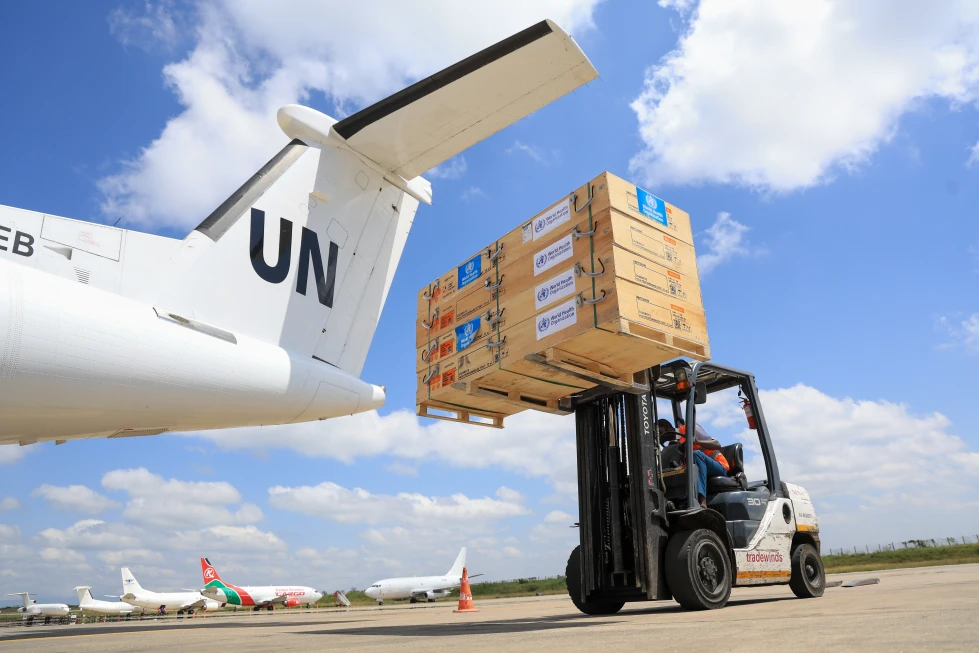
The plan had outlined a 50 bed quarantine unit at a military installation in central Kenya, intended to house Americans who may have been exposed to Ebola while abroad but were not yet showing symptoms. US officials indicated the facility would be staffed by members of the Public Health Service and could begin operations within days.
Under the proposal, patients who later developed symptoms would be transferred to treatment centers outside the United States. The initiative followed a policy stance by President Donald Trump that Ebola cases would not be treated on US soil.
The project quickly triggered resistance from civil society groups, health professionals and sections of the public. The Katiba Institute, a legal advocacy organization, filed the lawsuit, arguing that the arrangement raised serious constitutional questions related to the right to health, public participation and government accountability.
The Kenya Law Society also challenged the proposal, warning that the country lacks the high containment infrastructure required to safely manage such a facility.
Medical workers signaled possible industrial action, with a national doctors union issuing a 48 hour ultimatum demanding full disclosure of the agreement. Union officials argued that Kenya should not assume risks that wealthier nations are unwilling to take on.
Public reaction has been equally strong, with many citizens questioning why potentially infected individuals would be brought into the country. Interviews cited by The Associated Press reflected widespread unease, with residents describing the plan as dangerous and poorly explained.
US officials, however, have defended the strategy, saying it would allow faster access to controlled monitoring while reducing the risk of domestic spread. The State Department pledged 13.5 million dollars to support Kenya’s Ebola preparedness efforts as part of the arrangement.
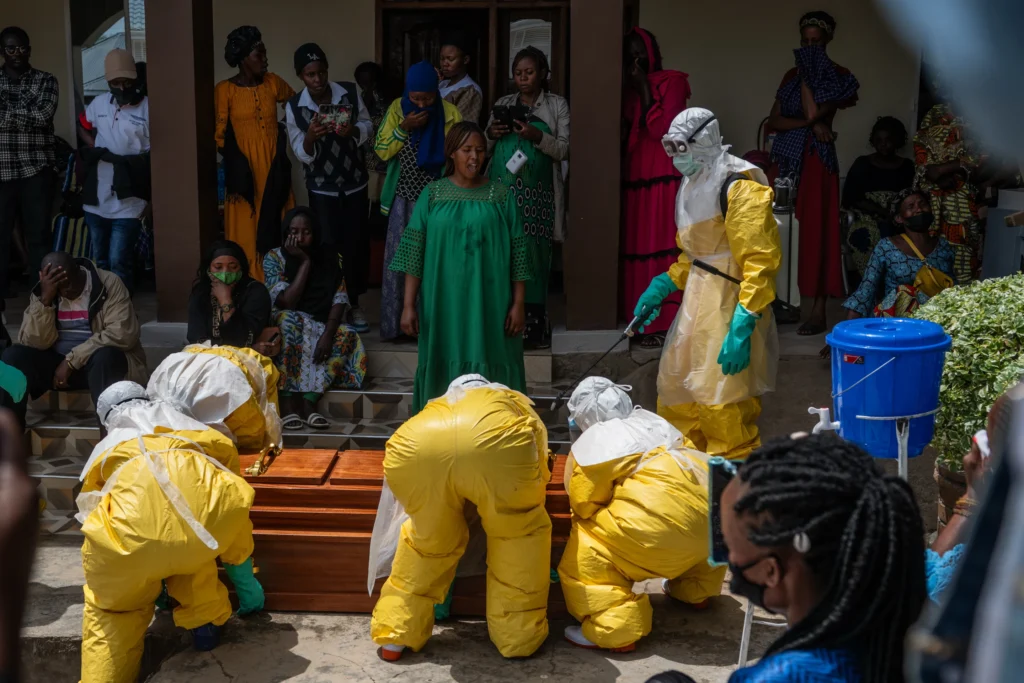
The outbreak prompting the plan has spread across parts of Democratic Republic of the Congo and neighboring Uganda. Data from the World Health Organization indicates more than 1000 suspected and confirmed cases and over 200 deaths since mid May, though health experts believe the true scale may be significantly higher due to delayed detection and ongoing conflict in affected regions.
Recent developments have also included cases involving international aid workers. One US citizen infected while working in Congo was transferred to Germany for treatment, alongside others who had been exposed.
The court’s intervention highlights a growing tension between global health cooperation and national sovereignty. While cross border strategies are often essential in managing infectious disease outbreaks, the Kenyan case shows how quickly such plans can become politically sensitive when local communities feel excluded from decision making.
The backlash also reflects a deeper issue of trust. Critics argue that relocating potentially exposed individuals to countries with fewer resources raises ethical concerns, particularly when those same risks are deemed unacceptable in more developed health systems.
For Kenya, the situation places the government in a delicate position. Accepting international assistance can strengthen preparedness, but public resistance may force officials to reconsider how such partnerships are structured and communicated.
At a broader level, the dispute underscores the challenges facing global health governance. As outbreaks become more complex and interconnected, balancing rapid response with transparency and local consent will remain a critical test for both governments and international partners.
AP/Reuters





