

A truck transporting Afghan families returning from Pakistan overturned in eastern Afghanistan on Saturday, leaving at least 18 people dead, including children, and dozens injured, local officials said.
The crash occurred along a key highway linking the capital, Kabul, to the eastern city of Jalalabad, in Laghman Province. Abdul Malik Niazai, spokesperson for the provincial governor, said the victims included 10 children, five women and three men.
At least 29 others were hurt in the accident and were taken to nearby medical facilities for treatment, he added.
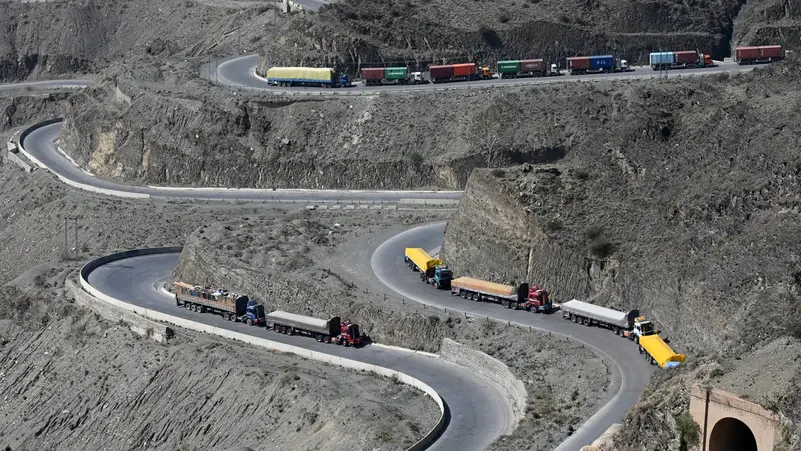
Accounts from The Associated Press and Agence France Presse indicate the vehicle was carrying families who had recently crossed back into Afghanistan amid increasing pressure on Afghan migrants living in Pakistan. Authorities there have intensified enforcement measures in recent months, prompting a surge of returns often involving entire households traveling with their belongings.
Figures from the United Nations High Commissioner for Refugees and the International Organization for Migration show that more than 447,000 Afghans have returned from Pakistan since the beginning of the year.
Zabihullah Mujahid, spokesperson for the Taliban administration, expressed condolences to the victims’ families and described the incident as a tragedy.
Traffic accidents remain frequent across Afghanistan, where road conditions are often poor after decades of conflict and enforcement of safety standards is limited. Overloaded vehicles and long distance travel under difficult conditions further increase the risks.
A previous major crash highlighted the dangers. Reporting by Al Arabiya noted that a bus collision in western Afghanistan last year involving returning migrants killed 78 people, including children.
The latest crash underscores the growing humanitarian strain linked to the mass return of Afghan migrants from neighboring countries. Many families are traveling under difficult conditions, often using overcrowded or poorly maintained vehicles, increasing the likelihood of deadly accidents.
The surge in returns is reshaping communities across Afghanistan, where infrastructure and public services remain fragile. Roads connecting major cities such as Kabul and Jalalabad are critical lifelines but are not designed to handle the sudden increase in heavy transport traffic.
Beyond immediate safety concerns, the trend points to broader regional tensions over migration. Pakistan’s tightening policies, combined with similar moves by Iran, have accelerated a reverse flow that Afghanistan is struggling to absorb. Many returnees face uncertain futures, limited economic opportunities and inadequate access to housing and healthcare.
Experts warn that without coordinated international support, the combination of mass displacement and weak infrastructure could lead to more tragedies, both on the roads and within already strained communities.
EnglishAlarabiyi/AP





