

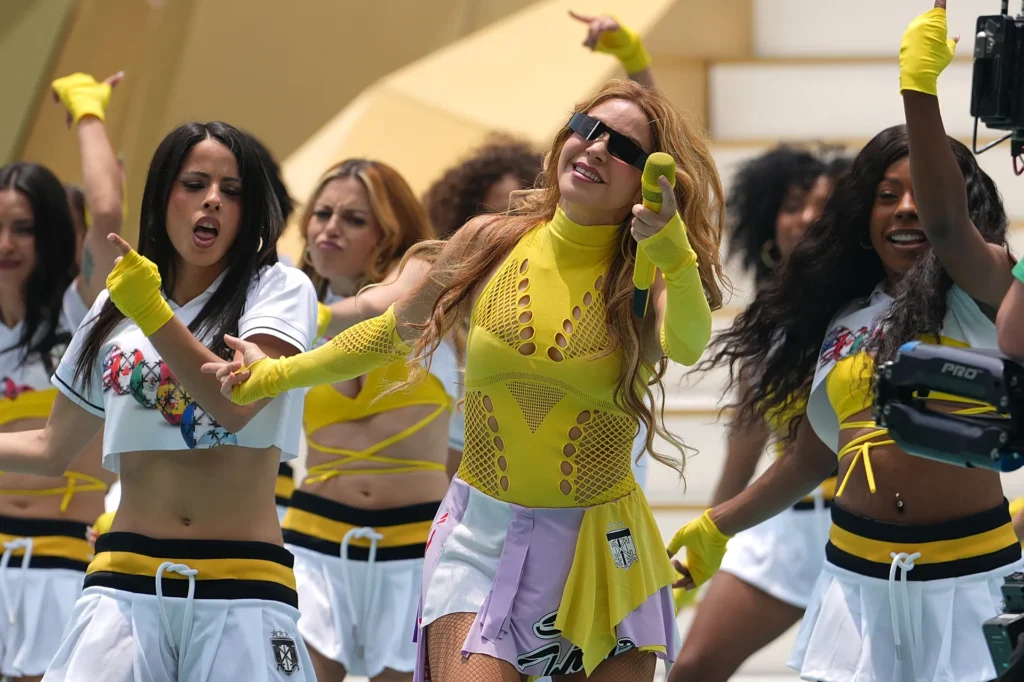
Global music star Shakira lit up the opening ceremony of the 2026 FIFA World Cup on Thursday, setting the stage for a tournament expected to redefine the scale and economics of international football.
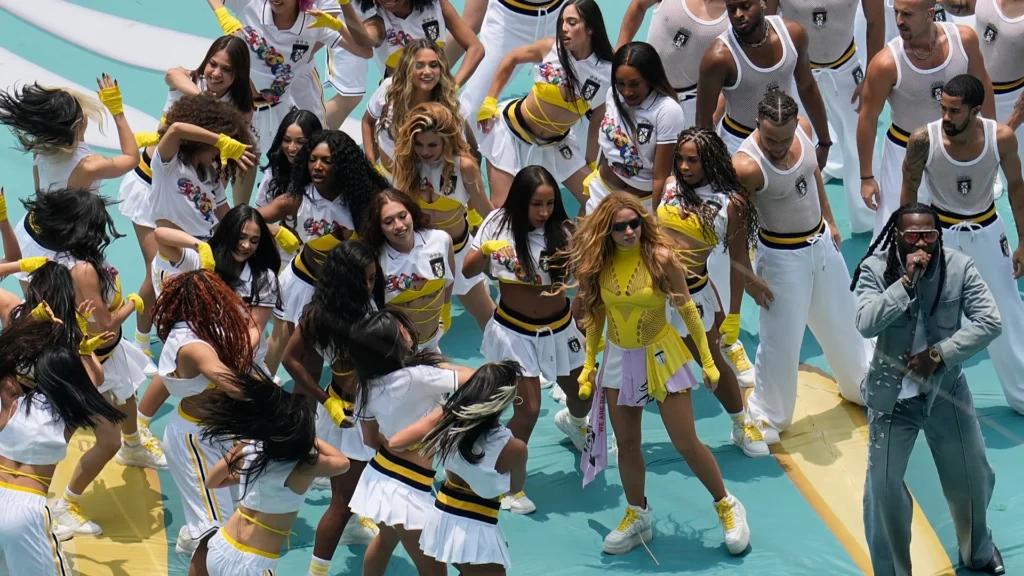
The performance at Estadio Azteca in Mexico City marked the start of the largest World Cup ever, jointly hosted by the United States, Mexico and Canada, with an expanded 48 team format and a final scheduled for July 19 in New Jersey.
Fans packed the historic stadium as Shakira performed alongside Burna Boy, delivering the tournament’s official anthem. The ceremony also featured acclaimed tenor Andrea Bocelli and K pop performer EJAE, creating a cross cultural spectacle designed to reflect the global reach of the competition.
What we know so far
The opening ceremony preceded Mexico’s 2 to 0 victory over South Africa, with early momentum provided by Julián Quiñones, who scored within the first 10 minutes. Veteran striker Raúl Jiménez later added a second goal to secure the result.
Tournament organizers project the competition will generate approximately 13 billion dollars in revenue, making it the most commercially successful World Cup to date.
Despite the celebratory atmosphere, the build up to the tournament has been marked by controversy. Ticket prices for some matches have reached tens of thousands of dollars, prompting criticism from fans and advocacy groups.
In addition, immigration restrictions linked to policies under President Donald Trump have affected travel for some officials and supporters, including a referee who was denied entry to the United States.
FIFA President Gianni Infantino defended the organization of the tournament, stating that pricing reflects market demand while noting that lower cost tickets were made available.
Infantino also addressed concerns over visa complications, acknowledging challenges but emphasizing that many factors fall outside FIFA’s direct control.
European football governing body UEFA later named the affected referee, Omar Artan, to officiate a major club match, a move seen as a gesture of support following the incident.
President Trump, who has maintained a close working relationship with FIFA leadership, praised the scale of the event and indicated he plans to attend matches during the tournament.
The 2026 World Cup represents a turning point in how global sporting events are staged and monetized. The expansion to 48 teams significantly increases participation and viewership, but also raises logistical and competitive challenges.
The tournament’s scale underscores football’s growing commercial power, with broadcasting rights, sponsorship deals and tourism expected to reach unprecedented levels.
At the same time, controversies surrounding ticket affordability and access highlight ongoing tensions between commercial success and fan inclusivity.
Market analysis and economic impact
The projected 13 billion dollar revenue reflects a combination of ticket sales, media rights and corporate sponsorships, positioning the World Cup as one of the most lucrative events in global sports.
Host cities across North America are expected to benefit from increased tourism, hospitality demand and infrastructure investment. However, high ticket costs may limit local attendance and shift audience demographics toward higher income groups and corporate clients.
The event also serves as a platform for global brands, with sponsors leveraging the tournament’s reach to expand market share across regions.
Competitive landscape and global outlook
Traditional football powers including Spain, France and England enter the tournament as strong contenders, while defending champions Argentina will rely on veteran leadership from Lionel Messi.
Mexico, led by coach Javier Aguirre, aims to capitalize on home advantage, though expectations remain cautious given past tournament performances.
The expanded format introduces new dynamics, offering opportunities for emerging teams while increasing the physical and tactical demands on established contenders.
What happens next
Group stage matches will continue across multiple host cities, with early results shaping the path to the knockout rounds.
Off the field, organizers will face continued scrutiny over ticket pricing, logistics and fan access, particularly as international travel and security concerns remain in focus.
Diplomatic and operational coordination among host nations will also be tested as the tournament progresses.
The opening ceremony delivered a powerful blend of sport and spectacle, signaling the start of a World Cup that is as much about global influence as it is about competition. As matches unfold, the success of the tournament will be measured not only by results on the field but also by its ability to balance scale, accessibility and global appeal.
Euronews





