

The Trump administration is considering imposing a $100,000 fee on international students who want to work in the United States after graduating from American universities, a move that would erect one of the highest financial barriers ever proposed for legal immigration and could significantly reduce the appeal of American higher education for overseas students.
The proposal targets Optional Practical Training visas, which currently allow foreign graduates on F-1 student visas to remain in the country and work in their field of study for one to three years after completing their degrees, the Wall Street Journal first reported.
What We Know So Far
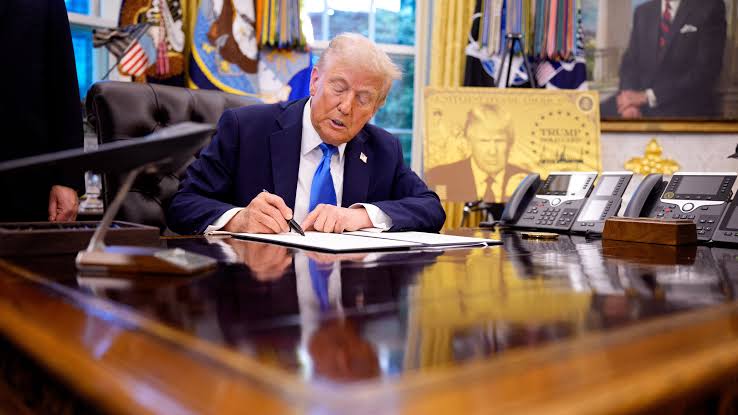
The Department of Homeland Security is considering the fee, though no final decision has been made. Officials have not yet determined whether the cost would fall on the student or the employer, India Today confirmed.
A DHS spokesperson confirmed internal discussions were underway without confirming specific proposals.
“No policies should be considered final until formally announced. At DHS, we are always having conversations about how to use all tools in our arsenal to protect the integrity of our legal immigration system,” the spokesperson said.
The spokesperson added that under Trump and DHS Secretary Markwayne Mullin, the immigration system was being reformed to serve American citizens, workers, and families rather than to “rapidly import foreigners who take American jobs.”
A White House official separately told The Independent that no imminent policy announcement on Optional Practical Training visas was planned.
If enacted, the fee would mirror the $100,000 fee the Trump administration imposed on H-1B visas for skilled foreign workers last year. That proposal was struck down by a federal judge last month, who ruled the fee constituted a tax that only Congress could authorize.
The administration is also finalizing a separate rule that would end the longstanding “duration of status” system under which international students could remain in the United States for as long as they were enrolled as full-time students. Under the new regulation, most international students would receive a fixed four-year authorization. Those whose programs extend beyond that would need to apply to the Department of Homeland Security for an extension before their authorized stay expires. The new rule still requires congressional approval before taking effect, India Today confirmed.
Around 419,000 international graduates were working under the Optional Practical Training program in 2024.
Why This Matters
The Optional Practical Training program is widely regarded as one of the principal reasons international students choose American universities over competitors in the United Kingdom, Canada, and Australia. For many families, particularly those from India, China, and Southeast Asia who invest substantial sums in American degrees, the ability to work in the country after graduation and recoup part of that investment is a central part of the calculation.
A $100,000 fee would fundamentally alter that calculation. If the cost falls on employers, companies may simply choose American graduates rather than pay the premium. If it falls on students, many would be unable to afford it. Either outcome reduces demand for American university places among international applicants, the Wall Street Journal confirmed.
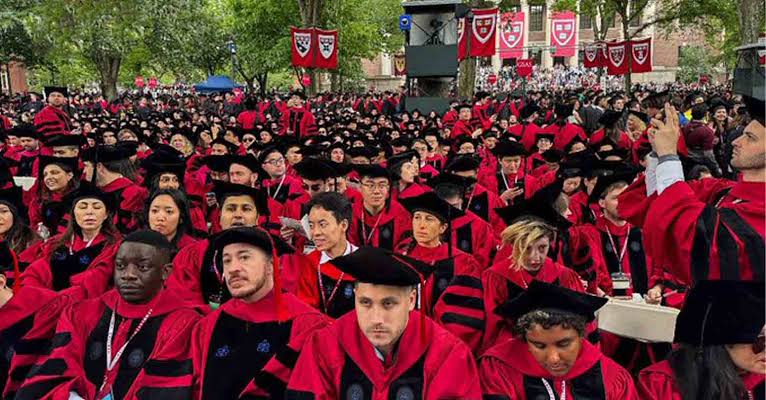
Universities rely heavily on international students as a revenue source. Foreign students typically pay full tuition without accessing financial aid, generating income that cross-subsidizes domestic students and university operations. A significant drop in international enrollment would create financial pressure across American higher education, particularly at institutions with large international student populations.
The technology sector faces a separate but related risk. Silicon Valley and Wall Street firms disproportionately hire international graduates from American universities to fill technical and quantitative roles. Restricting or pricing out that talent pipeline would affect companies at the moment when American technology firms are competing globally for engineering and data science expertise.
India Today noted that Indian students represent one of the largest international student populations in the United States, with more than 330,000 currently enrolled. For that community, the direction of American immigration policy is becoming increasingly costly and unpredictable.
The broader pattern of the Trump administration’s immigration approach is visible in the Optional Practical Training proposal. The $100,000 H-1B fee, the Trump Gold Card offering permanent residency for a $1 million investment, stricter student visa checks, and now the proposed Optional Practical Training fee all reflect a consistent strategy of using financial barriers rather than numerical caps to reduce legal immigration flows.
What Happens Next
The Optional Practical Training fee remains a proposal under internal DHS discussion. No formal announcement has been made and no timeline has been indicated.
The four-year duration of status rule, also under consideration, must pass through congressional approval before it takes effect.
The administration has signaled that additional changes to the Optional Practical Training program are expected later this year, suggesting the current proposals are part of a broader and ongoing review of international student visa rules.
For students currently in the United States on F-1 visas or planning to come, the immediate practical guidance is that neither policy is yet in effect. But the direction of travel is clear enough that prospective international students and the universities that recruit them are likely to begin adjusting their plans before any formal announcement arrives.
Sources: India Today; The Independent





