

Iran on Monday rejected President Donald Trump’s assertion that fresh negotiations with the United States were set to begin, saying no diplomatic meetings with Washington are planned despite the president’s announcement that discussions would resume.
The conflicting statements underscored the uncertainty surrounding efforts to ease months of military tensions that have centered on Iran’s nuclear program and the strategically vital Strait of Hormuz.
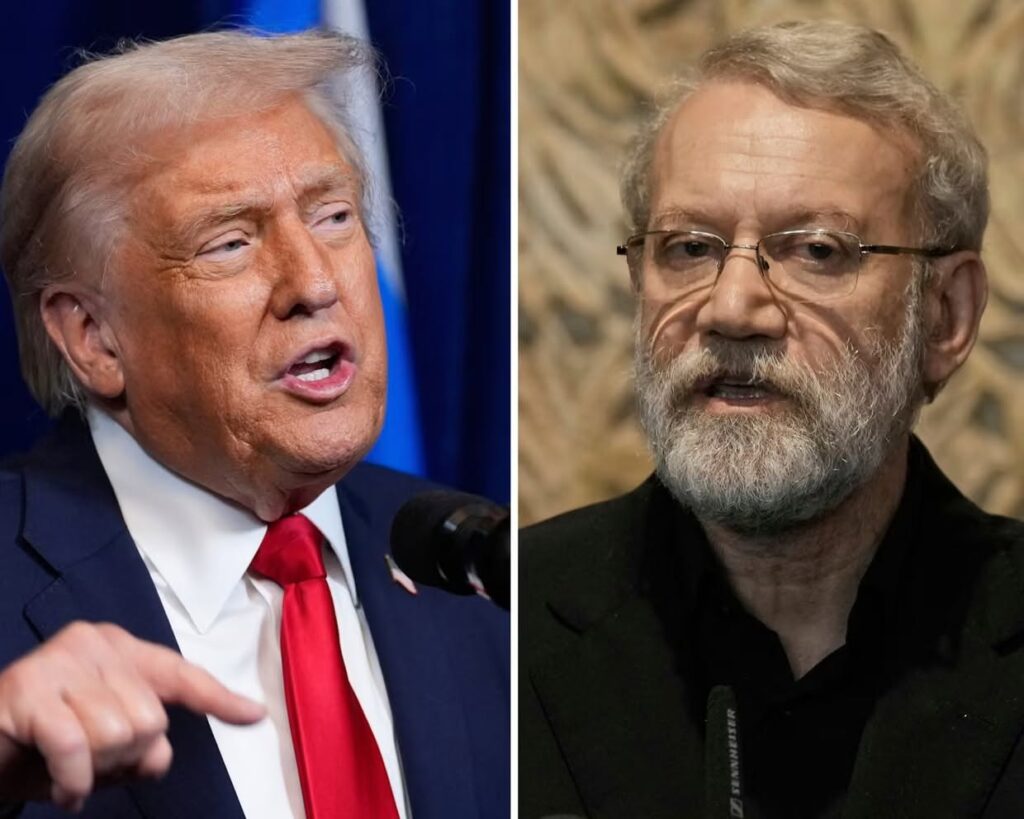
Speaking during his weekly news briefing, Iranian Foreign Ministry spokesman Esmaeil Baghaei said Tehran has neither scheduled talks with Washington nor intends to receive or send negotiating teams in the coming days.
Instead, he said Iran is focused on separate discussions with Oman over shipping arrangements through the Strait of Hormuz.
“We currently do not have negotiations with America,” Baghaei said.
He added that negotiations with Oman seek a navigation route acceptable to both countries while preserving Iran’s sovereignty, national interests and security.
Trump offered a sharply different account while returning to Washington aboard Air Force One on Sunday.
The president said he had postponed what he described as a massive military strike after Gulf allies urged the United States to give diplomacy another opportunity.
Trump said Saudi Arabia, Qatar and the United Arab Emirates favored renewed negotiations over another military escalation.
“I said to the crown prince, ‘What would you rather do?'” Trump told reporters. “They said we would much prefer a deal as opposed to an attack.”
He also claimed negotiations with Iran would begin Monday afternoon, although he offered no additional details.
A senior Iranian official separately told Reuters that no discussions with the United States are planned and noted that Foreign Minister Abbas Araghchi is currently in Iraq on a religious pilgrimage, making negotiations unlikely before the end of the week.
The contradictory statements arrive after several months of rapidly shifting diplomacy and military threats between Washington and Tehran.
Trump has repeatedly warned of possible military action before announcing temporary pauses, often citing diplomatic progress or conversations with regional partners.
Iran, however, has consistently maintained that direct negotiations with Washington remain suspended after earlier diplomatic efforts collapsed.
The latest disagreement also comes as tensions over the Strait of Hormuz continue to dominate regional diplomacy.
The narrow waterway handles a significant share of global oil exports, making any disruption a major concern for international energy markets.
Iran insists it retains authority over navigation through the passage, while Washington argues commercial shipping must remain free from political restrictions.
The dispute has become one of the central obstacles preventing broader diplomatic progress between the two countries.
Meanwhile, United States Ambassador to Lebanon Michel Issa said negotiations aimed at preserving stability along the Israel Lebanon frontier remain active.
Issa said technical discussions continue in Rome and cautioned against rushing implementation before security arrangements are fully established.
“We believe it is better to take the time needed to get this right the first time,” Issa said.
Officials from both sides continue working through complex security issues before any broader agreement can be implemented.
What We Know So Far
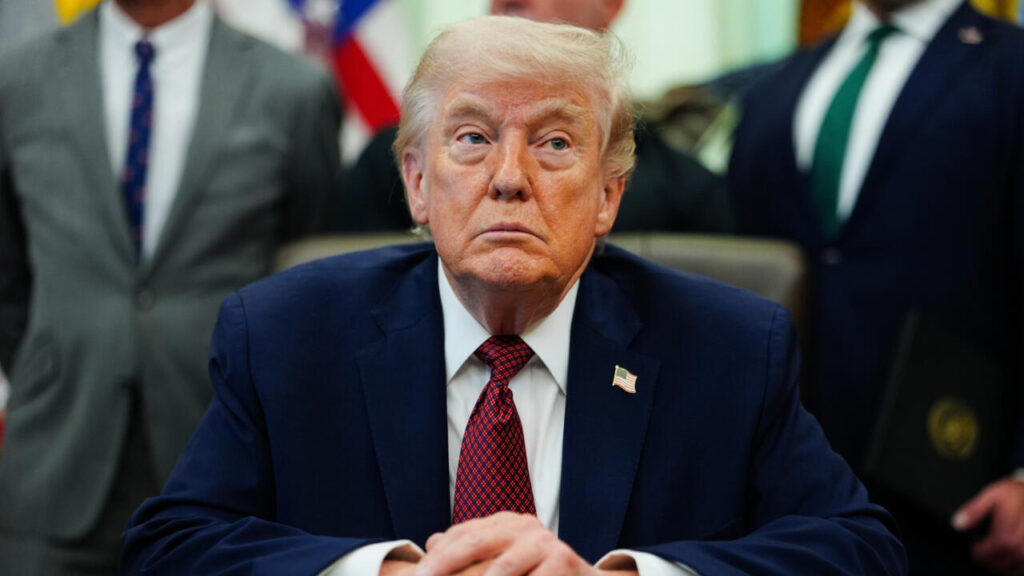
The dispute over renewed diplomacy comes after months of military confrontation between the United States and Iran, with repeated exchanges of threats followed by temporary pauses in hostilities.
Trump said he suspended a planned military operation because Gulf partners believed negotiations offered the best path to avoid another escalation. He described the cancelled operation as potentially the largest American strike in decades, while stressing that military options remain available.
Iran immediately disputed that account.
Baghaei said Tehran has not agreed to new negotiations with Washington and has no plans to receive American officials or send representatives abroad.
Instead, Iranian officials said their immediate diplomatic priority remains talks with Oman over maritime traffic through the Strait of Hormuz.
The narrow shipping lane remains one of the world’s most important energy corridors, carrying a substantial share of global crude oil exports.
Washington has sought unrestricted commercial navigation through the waterway, while Tehran insists its sovereignty over the strategic passage must be respected.
A senior Iranian source also told Reuters that Foreign Minister Abbas Araghchi is unavailable for talks while on a religious visit to Iraq, further undermining Trump’s claim that negotiations were about to begin.
The disagreement reflects a broader pattern that has characterized relations between Washington and Tehran throughout the current crisis.
Trump has repeatedly announced possible military action before later highlighting diplomatic contacts as the preferred alternative.
Iran has consistently maintained that meaningful negotiations cannot resume under military pressure.
The latest developments also coincide with continued diplomatic activity elsewhere in the Middle East.
United States Ambassador to Lebanon Michel Issa said discussions aimed at stabilizing the Israel Lebanon border remain active in Rome.
Issa cautioned against rushing implementation before security mechanisms are fully established.
“There is a meaningful difference between drafting an agreement on paper and implementing it responsibly,” Issa said.
He added that both parties must agree on practical procedures before moving forward with any wider peace framework.
Meanwhile, CNN reported that officials within the United States Central Command circulated an internal request seeking “creative and unconventional” options to increase pressure on Iran before Trump announced he was delaying additional military action.
The report has not been publicly addressed by the Pentagon.
Meanwhile, the United States State Department has continued advising American citizens throughout the Middle East to remain alert to deteriorating security conditions, warning that regional tensions could still affect travel and commercial aviation.
The conflicting public statements from Washington and Tehran leave uncertainty over whether diplomacy is advancing behind closed doors or whether both governments remain fundamentally divided over the next stage of the crisis.
Why This Matters
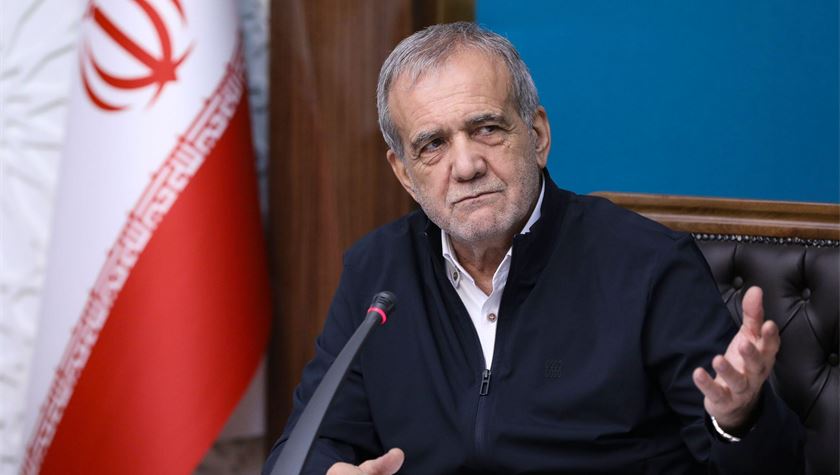
The latest exchange highlights the fragile and unpredictable nature of diplomacy between Washington and Tehran after months of military confrontation and stalled negotiations.
While President Trump continues to argue that diplomatic channels remain open, Iran’s public rejection illustrates the deep trust deficit separating the two governments. Even if informal contacts are occurring through intermediaries, the conflicting public messages make any breakthrough more difficult.
The Strait of Hormuz remains the central issue.
Roughly one fifth of the world’s seaborne oil passes through the narrow waterway, making any disruption an immediate concern for global energy markets. Even limited military activity in the area can affect shipping costs, insurance rates and fuel prices worldwide.
Recent tensions have already demonstrated how quickly markets react to developments in the Gulf. Oil prices rose sharply after renewed military threats before easing when Trump announced he was postponing further strikes.
Diplomatic progress would likely stabilize energy markets, while another military escalation could trigger renewed volatility across global trade.
The latest developments also reflect the growing role of Gulf states as regional mediators.
Saudi Arabia, Qatar and the United Arab Emirates have increasingly sought to prevent a wider conflict that could threaten their own security and economic interests. Their reported efforts to encourage diplomacy underscore a broader regional preference for negotiated solutions rather than prolonged military confrontation.
Meanwhile, Oman continues to serve as one of the few trusted intermediaries capable of facilitating communication between Tehran and Western governments.
The sultanate has played a similar role during previous nuclear negotiations and remains central to discussions involving the Strait of Hormuz.
What Happens Next
Attention will now turn to whether any indirect negotiations emerge despite Iran’s public denial.
Diplomatic contacts could continue through intermediaries even without formal meetings between American and Iranian officials.
Regional governments are also expected to maintain pressure for dialogue while seeking to prevent further military escalation that could disrupt international shipping.
Washington continues to insist that freedom of navigation through the Strait of Hormuz remains a strategic priority.
Tehran maintains that any long term arrangement must recognize its sovereign rights over the waterway.
Whether those positions can be reconciled will likely determine if the current pause develops into meaningful diplomacy or gives way to another round of military confrontation.
For now, both governments appear to be pursuing parallel strategies, combining public pressure with behind the scenes diplomatic engagement while keeping military options available.
Story Sources: Reuters, NBC News, The Guardian, New York Post.





