A bombing inside a mosque during Friday prayers in the central Syrian city of Homs killed at least eight people and wounded 18 others, Syrian authorities said, underscoring the persistent instability gripping the country despite the end of large-scale fighting.
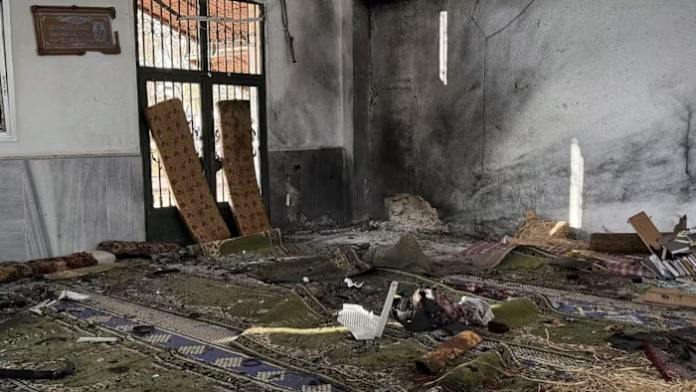
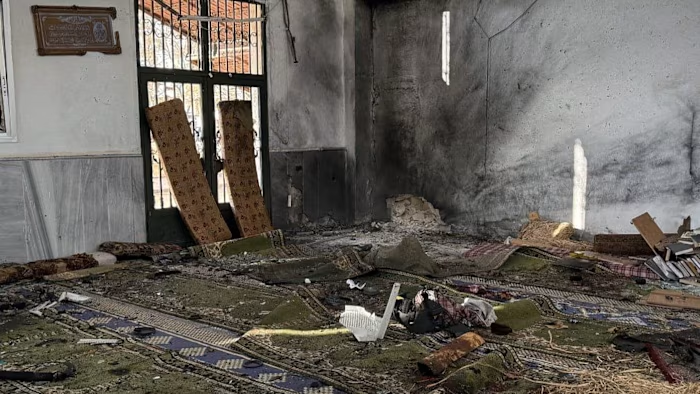
The explosion struck the Imam Ali ibn Abi Talib Mosque in the Wadi al-Dhahab neighborhood, an area largely inhabited by members of Syria’s Alawite minority, in the nation’s third-largest city. Images released by Syria’s state-run Arab News Agency showed bloodstained carpets, shattered windows, blast-scarred walls and fire damage inside the prayer hall.
SANA, citing a security source, said initial findings indicate that explosive devices had been planted inside the mosque. Security forces sealed off the area as investigators searched for those responsible, Syria’s Interior Ministry said.
Local officials condemned the attack, describing it as part of what they called repeated attempts to destabilize the country and inflame sectarian tensions. Syria’s Ministry of Foreign Affairs said in a statement that the government remains committed to combating terrorism “in all its forms and manifestations.”
The bombing comes at a volatile moment for Syria, where deep-seated sectarian, ethnic and political divisions have re-emerged since the fall of President Bashar al-Assad last year. Assad, an Alawite, fled to Russia, and members of his sect have since faced reprisals and heightened scrutiny in several parts of the country.
In March, an ambush by Assad loyalists against security forces set off days of retaliatory violence that killed hundreds of people, most of them Alawites, according to Syrian officials and monitoring groups.
The Syrian information minister said in a post on X that remnants of the former regime, ISIS militants and their collaborators were seeking to undermine the country’s fragile transition. “They share one objective: threatening civil peace and obstructing the path of the new state,” he said.
Regional governments also denounced the attack. Lebanon’s President Joseph Aoun said in a statement that Beirut stands with Syria in its fight against terrorism, while Saudi Arabia, Jordan and other neighboring countries issued similar condemnations.
Friday’s bombing followed renewed clashes earlier this week between Syrian government forces and Kurdish-led Syrian Democratic Forces in mixed neighborhoods of the northern city of Aleppo. Those confrontations forced temporary closures of schools and public institutions before a ceasefire was announced late in the day.
The attack in Homs also adds to a broader pattern of violence across the country. In February, a car bomb exploded on the outskirts of Manbij in northern Syria, killing at least 20 people and wounding more than a dozen, many of them women, local officials and emergency responders said. Mohammad Ahmad, a nurse at the local hospital, told The Associated Press that at least 18 women were among the dead.
Manbij has seen repeated bombings in recent months, including a separate car blast that killed four civilians and wounded nine, SANA reported, citing civil defense officials. Munir Mustafa, deputy director of Syria’s civil defense, warned that the attacks threaten postwar security and economic recovery efforts.
Analysts say the violence reflects the challenges facing Syria’s interim authorities as they try to assert control over a fragmented country still hosting multiple armed factions and foreign-backed forces. The continued presence of ISIS cells, unresolved sectarian grievances and rival power centers have made civilian targets — including places of worship — especially vulnerable.
Syria’s presidency said in a statement that those responsible for the Homs bombing would face the “harshest penalties,” vowing that attacks on civilians would not derail efforts to restore stability.
A drone strike hit a Chadian military position near the Sudanese border before dawn Friday, killing two soldiers and seriously wounding another, Chadian local authorities and security officials said, raising new concerns about the spillover of Sudan’s war into neighboring countries.
The attack struck a military camp in the border town of Tine, a key transit point for refugees fleeing Sudan’s conflict. Hamit Hassan, the prefect overseeing the department that includes Tine, confirmed the deaths and injury but said authorities had not yet identified who carried out the strike.
A Chadian military intelligence officer, speaking to Reuters on condition of anonymity because he was not authorized to comment publicly, said preliminary assessments suggested the drone crossed into Chad from Sudan. However, the officer said it remained unclear whether the aircraft was operated by Sudan’s national army or the paramilitary Rapid Support Force, known as the RSF.
“We are still in the process of confirming the origin of this drone,” the officer told Reuters. “If it is a Sudanese military drone, we will exercise our right to retaliate.”
The officer said Chad’s air force base in the eastern city of Abeche had been placed on high alert and that additional ground forces had already been deployed to Tine in response to the attack.
Sudan’s army and the RSF did not immediately respond to requests for comment.
The strike underscores the growing regional risks posed by Sudan’s civil war, which has increasingly affected border areas and strained relations with neighboring states. Chad has sought to maintain a delicate neutrality since fighting erupted between Sudan’s rival military factions, even as violence and armed activity creep closer to its territory.
Tine plays a critical humanitarian role as a first stop for Sudanese refugees crossing into Chad. Refugees are typically moved onward to camps farther from the border, but humanitarian groups say funding shortfalls have slowed relocations. Aid agencies cite shortages of water, sanitation facilities and shelter at inland sites as major obstacles.
More than 12 million people have been displaced by the conflict in Sudan, according to the International Rescue Committee, making it one of the world’s largest displacement crises. Analysts say the presence of refugees, combined with cross-border military incidents, heightens the risk that Chad could be drawn more directly into the conflict.
Security experts note that the reported use of drones near an international border marks a dangerous escalation, particularly if responsibility is traced to one of Sudan’s warring parties. Any confirmed violation of Chadian airspace could force N’Djamena to reassess its security posture and regional diplomacy, potentially complicating efforts to keep the conflict contained.
For now, Chadian authorities say investigations are continuing, with officials focusing on identifying the drone’s origin while reinforcing defenses along the volatile eastern frontier.
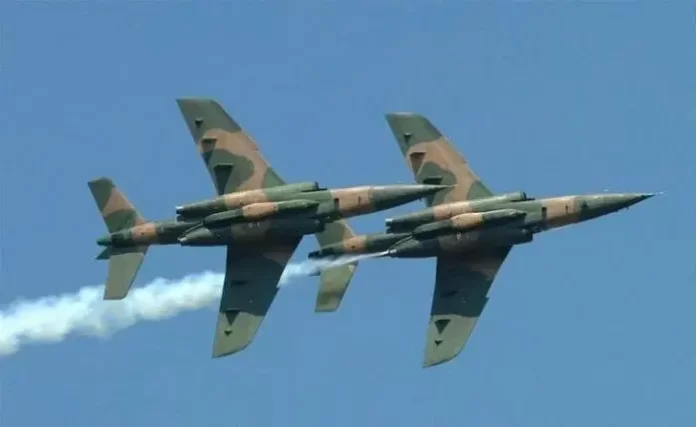
Nigerian and U.S. security officials coordinated closely ahead of American airstrikes that hit Islamic State-linked targets in northwest Nigeria, according to Nigerian government and U.S. statements released following the operation.
A senior Nigerian government source told Sahara Reporters that the strikes carried out under President Donald Trump were coordinated largely through the Office of the National Security Adviser, headed by Nuhu Ribadu. The source said intelligence units within the adviser’s office worked with the U.S. military, including U.S. Africa Command, to identify militant positions tied to ISIS affiliates operating in the region.
The source said the cooperation focused on locating and neutralizing what were described as high-value terrorist targets, though officials have not disclosed how many sites were struck or whether senior militant figures were killed.
Reports from local sources indicated an explosion occurred on the outskirts of Jibo village in Tambuwal Local Government Area of Sokoto State. Sahara Reporters said it was unable to independently confirm casualty figures or assess damage as of the time of publication.
U.S. Africa Command later confirmed on social media that it had conducted strikes against terrorist enclaves in northwest Nigeria. In its initial statement, AFRICOM misspelled Sokoto as “Soboto,” an error that was subsequently corrected. AFRICOM did not provide further operational details.
Nigeria’s federal government later publicly acknowledged the cooperation. Punchng reported that authorities confirmed ongoing intelligence and security collaboration between Abuja and Washington following the airstrikes.
In a statement issued Friday, the Ministry of Foreign Affairs said Nigeriaiga maintains “structured security cooperation with international partners, including the United States of America,” aimed at countering terrorism and violent extremism. The statement, signed by ministry spokesperson Kimiebi Ebienfa, said the partnership involves intelligence sharing, strategic coordination and operational support conducted in line with international law and respect for Nigeria’s sovereignty.
“This has led to precision hits on terrorist targets in Nigeria by air strikes in the North West,” the ministry said.
The ministry stressed that counterterrorism operations prioritize civilian protection and national cohesion. “Nigeria reiterates that all counter-terrorism efforts are guided by the primacy of protecting civilian lives, safeguarding national unity, and upholding the rights and dignity of all citizens, irrespective of faith or ethnicity,” the statement said.
It added that terrorist violence, “whether directed at Christians, Muslims, or other communities, remains an affront to Nigeria’s values and to international peace and security.”
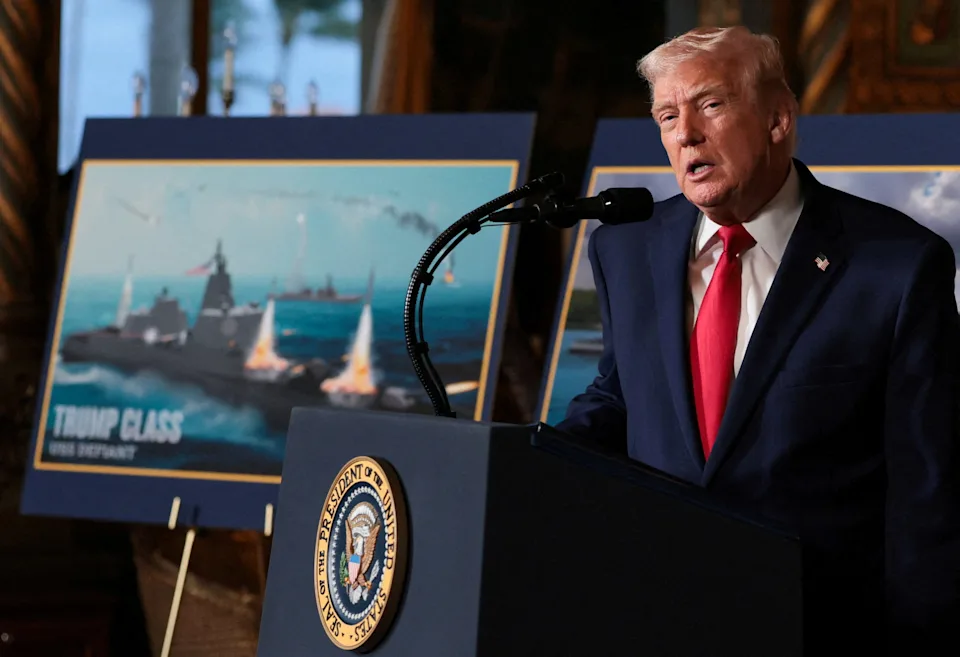
The confirmation followed remarks by President Donald Trump, who said Thursday that U.S. forces had launched what he described as “powerful and deadly” strikes against ISIS militants in northwest Nigeria. Writing on his Truth Social platform, Trump accused the group of carrying out mass killings, “primarily, innocent Christians,” and warned that further action would follow if the violence continued.
“The Department of War executed numerous perfect strikes, as only the United States is capable of doing,” Trump wrote.
In a separate social media post, U.S. Defense Secretary Pete Hegseth said the operation was conducted with Nigerian cooperation, thanking the Nigerian government for its support and adding that the Pentagon was “always ready.”
The strikes came amid heightened concern over militant violence in northern Nigeria. They were carried out a day after a bomb attack on a mosque in Maiduguri, Borno State, killed five people and wounded dozens in what authorities suspect was a suicide bombing, underscoring the persistent threat posed by jihadist groups in the region.
Security analysts say the public acknowledgment of coordination marks a significant moment in U.S.–Nigeria relations, as Abuja has often been cautious about foreign military operations on its territory. By emphasizing sovereignty, civilian protection and shared intelligence frameworks, Nigerian officials appear to be seeking to balance domestic sensitivities with the need for external military support.
The Ministry of Foreign Affairs said Nigeria would continue to work through established diplomatic and security channels to weaken terrorist networks, disrupt financing and logistics, and prevent cross-border threats, adding that updates would be released through official channels as appropriate.
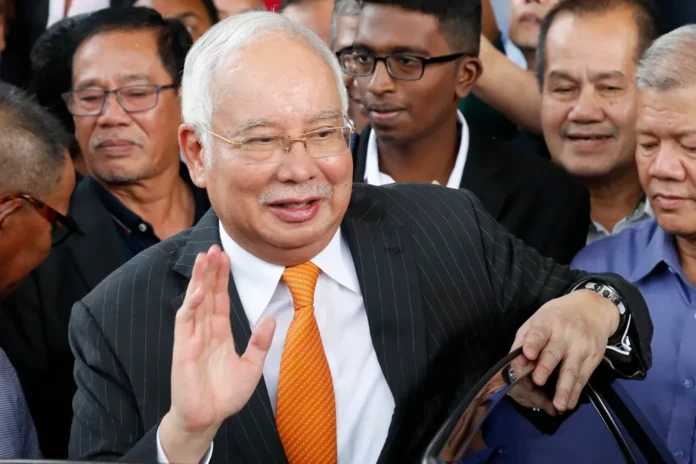
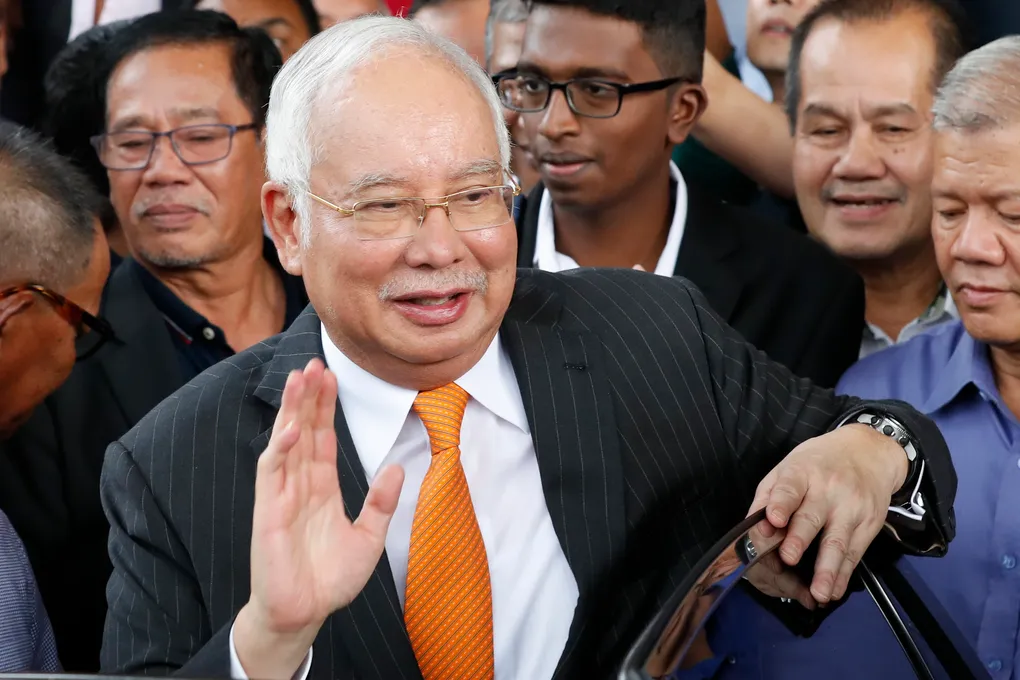
A Malaysian court convicted imprisoned former Prime Minister Najib Razak on Friday on 25 corruption charges related to more than $700 million channeled from the scandal-plagued 1MDB state investment fund into his personal bank accounts, marking a major milestone in one of history’s largest financial fraud cases.
The High Court found Najib, 72, guilty on four counts of abuse of power and 21 charges of money laundering following a trial directly linking him to the multibillion-dollar looting that triggered investigations across multiple continents and ultimately toppled his government in 2018.
Justice Collin Lawrence Sequerah spent five hours delivering the ruling, systematically dismantling Najib’s defense that the funds represented a political donation from Saudi Arabia and that he had been deceived by rogue financiers led by Low Taek Jho. Low, believed to be the scandal’s architect, remains at large despite international arrest warrants.
“The accused was no country bumpkin,” Sequerah stated. “Any attempt to paint the accused as an ignoramus who was hopelessly unaware of the misdeeds going around him must therefore, fail miserably.”
The judge characterized Najib’s claim of a Saudi donation as “incapable of belief.” Four letters purportedly from the Saudi donor were forged, and evidence conclusively demonstrated the funds originated from 1MDB, he stated.
Sequerah rejected defense arguments portraying Najib as an unwitting victim duped by former 1MDB officials and Low. Witness testimonies revealed an “unmistakable bond” between Najib and Low, who played a pivotal role in the scandal and operated as “the proxy, the conduit, the intermediary and the facilitator” for Najib regarding 1MDB matters, the judge said.
The judge noted that Najib failed to verify the origin of the massive funds or take action against Low. Instead, Najib utilized the money despite its suspicious origins and took steps to protect his position, including removing the attorney general and anti-corruption chief investigating the case, Sequerah stated.
Dressed in a blue suit, Najib appeared composed throughout the lengthy ruling and occasionally wrote in his notebook. His defense team was expected to present mitigation arguments before sentencing later Friday.
Najib, who served as prime minister from 2009 to 2018, currently is serving a prison sentence after conviction in an earlier case linked to the 1MDB scandal. He was sentenced to 12 years in prison in 2020 for abuse of power, criminal breach of trust and money laundering involving 42 million ringgit ($10.3 million) channeled into his accounts from SRC International, a former 1MDB unit.
He began serving that sentence in August 2022 after exhausting appeals, becoming Malaysia’s first former leader imprisoned. The Pardons Board, which advises rulers on granting clemency, halved his sentence and sharply reduced his financial penalty in 2024. He is scheduled for release in August 2028 under the reduced sentence.
Najib established the 1Malaysia Development Berhad fund shortly after assuming office in 2009. He chaired 1MDB’s advisory board and wielded veto power as finance minister while simultaneously serving as prime minister, creating conflicts of interest that facilitated the massive fraud.
Between 2009 and 2014, top executives and associates of Najib looted over $4.5 billion from the fund, laundering proceeds through countries including the United States, Singapore and Switzerland, according to the U.S. Justice Department. Authorities alleged the stolen funds financed Hollywood films and extravagant purchases including hotels, a luxury yacht, artwork and jewelry. Then-U.S. Attorney General Jeff Sessions characterized the scheme as “kleptocracy at its worst.”
The scandal’s tentacles reached Wall Street, where Goldman Sachs faced billions in fines for its role raising money for 1MDB. The investment bank’s involvement in bond offerings for the fund drew scrutiny after evidence emerged suggesting Goldman officials knew or should have known about the fraudulent nature of the transactions.
The scion of a prominent political family, Najib was long perceived as untouchable until public fury over 1MDB contributed to the historic 2018 election defeat of his ruling United Malays National Organization, which had governed Malaysia since independence from Britain in 1957.
Friday’s conviction followed a Monday High Court ruling rejecting Najib’s bid to serve his remaining sentence under house arrest. The court determined that a purported royal order issued by the nation’s former king was invalid because it wasn’t made according to constitutional requirements.
Judge Alice Loke ruled Monday that while the addendum order’s existence was undisputed, the house arrest option wasn’t raised or discussed at the January 29, 2024 Pardons Board meeting chaired by then-King Sultan Abdullah Sultan Ahmad Shah. The king’s clemency prerogative must be exercised based on Pardons Board advice under the constitution and cannot be made independently, as that would “invite arbitrary decision,” she stated.
Najib displayed minimal emotion during Monday’s ruling. His lawyer, Muhammad Shafee Abdullah, described the decision as “shocking” and indicated plans to appeal, arguing the ruling had diluted royal powers.
The conviction carries severe potential penalties. Najib faces up to 20 years imprisonment for each abuse of power count and up to five years for each money laundering charge, potentially adding decades to his current sentence if the court imposes consecutive rather than concurrent terms.
The ruling represents vindication for Malaysian citizens who demanded accountability for the massive theft of public funds. The 1MDB scandal dominated Malaysian politics for years, exposing systemic corruption at the highest levels of government and demonstrating how political elites could exploit state institutions for personal enrichment.
For international observers, the conviction affirms that even powerful political figures can face consequences for corruption, though the lengthy legal process—with trials beginning in 2019 and continuing through 2024—illustrates the challenges of prosecuting complex white-collar crimes involving sophisticated money laundering schemes across multiple jurisdictions.
The scandal’s international dimensions highlighted vulnerabilities in global financial systems that enabled massive sums to move across borders with insufficient scrutiny. Money laundering through luxury real estate purchases, art acquisitions and entertainment industry investments demonstrated how criminals exploit legitimate business sectors to disguise illicit proceeds.
Najib’s wife, Rosmah Mansor, was sentenced to 10 years in prison and assessed a substantial fine in 2022 in a separate corruption case. She has been released on bail pending appeal, adding another dimension to the legal saga surrounding Malaysia’s former first family.
Despite his conviction and imprisonment, Najib retains influence within the United Malays National Organization, which currently participates in Prime Minister Anwar Ibrahim’s unity government formed after 2022 elections. This continued political relevance complicates efforts to fully reckon with the 1MDB scandal’s legacy and raises questions about whether Malaysian politics has truly moved beyond the culture of corruption the case exposed.
The trial also spotlighted the role of Low Taek Jho, the fugitive financier known as Jho Low, whose whereabouts remain unknown despite international efforts to locate him. Low’s continued freedom frustrates investigators and victims who view him as the scandal’s primary architect. Reports have placed him variously in China, Macau and other locations, though none have been confirmed.
As sentencing proceedings continue, attention will focus on whether the court imposes penalties severe enough to serve as meaningful deterrent to future corruption while acknowledging Najib’s age and existing prison term. The judge’s remarks during the conviction—particularly characterizing Najib as sophisticated and aware rather than deceived—suggest skepticism toward lenient sentencing arguments.
The 1MDB scandal’s resolution through Malaysian courts, while incomplete given Low’s continued absence and ongoing asset recovery efforts, demonstrates that even in countries with corruption challenges, judicial systems can ultimately hold powerful figures accountable when public pressure, international cooperation and dedicated prosecutors align to pursue justice despite political obstacles and elite resistance.
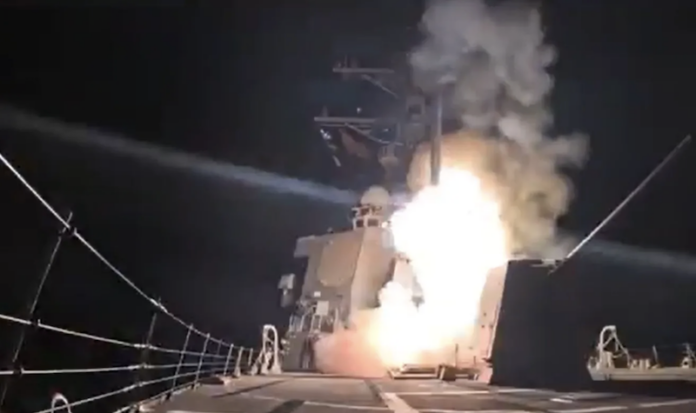
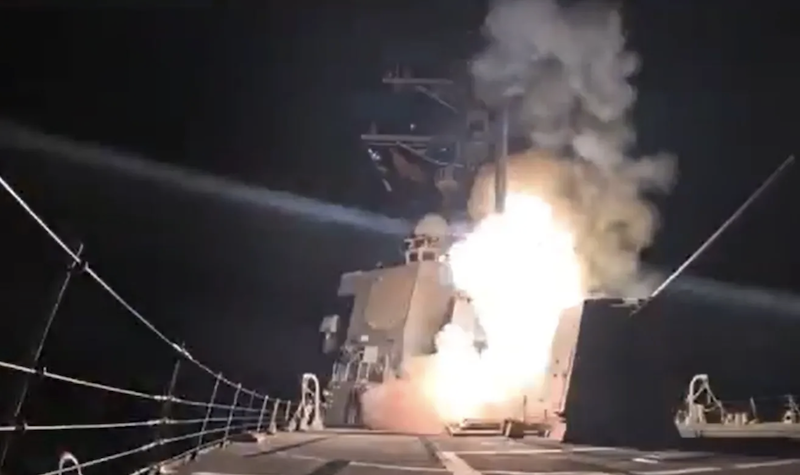
President Donald Trump said the United States military carried out airstrikes against Islamic State targets in Nigeria, describing the operation as a decisive response to extremist violence that he said has disproportionately targeted Christian communities.
In a Christmas Day post on his Truth Social platform, Trump said he ordered what he called a “powerful and deadly strike” against ISIS militants operating in northwest Nigeria. He said the Pentagon executed “numerous” strikes aimed at degrading the group’s capabilities in the region.
Trump said the operation followed repeated warnings to extremists whom he accused of carrying out mass killings. “I have previously warned these terrorists that if they did not stop the slaughtering of Christians, there would be hell to pay,” he wrote, adding that the strikes were carried out under his direction as commander in chief.
U.S. officials have not released independent confirmation or operational details of the strikes, including targets hit or assessments of casualties. The Pentagon did not immediately respond to requests for comment.
The announcement came days after U.S. forces carried out airstrikes against ISIS positions in Syria on Dec. 19, following the deaths of two U.S. service members and a civilian interpreter, underscoring what the administration portrays as a broader campaign against Islamic State affiliates across multiple regions.
Trump’s remarks also followed weeks of escalating rhetoric toward Nigeria. On Nov. 1, he accused the Nigerian government of failing to protect Christians and said he had instructed what he called the “Department of War” to prepare for possible action. In that post, Trump said the United States could suspend aid to Nigeria and warned of potential military intervention if violence continued.
Those comments coincided with his administration’s decision on Oct. 31 to designate Nigeria a “Country of Particular Concern” under the International Religious Freedom Act, citing what officials described as evidence of “systematic, ongoing and egregious violations of religious freedom,” as reported by CNN and The Associated Press.
Nigeria’s government has strongly rejected that characterization. President Bola Ahmed Tinubu said Nigeria is a secular country with constitutional protections for all faiths and does not condone religious persecution. In a Nov. 1 post on X, Tinubu said the designation did not reflect Nigeria’s reality or the government’s efforts to safeguard religious freedom.
“Religious freedom and tolerance have been a core tenet of our collective identity and shall always remain so,” Tinubu wrote, adding that his administration remains committed to cooperation with the United States and the international community.
Bayo Onanuga, Tinubu’s press secretary, also pushed back against U.S. criticism after Secretary of State Marco Rubio condemned what he described as the “slaughter of thousands of Christians.” Onanuga called that description “a gross exaggeration,” saying violence in Nigeria affects Christians, Muslims, churches and mosques alike. He said Nigeria needs military support to combat extremist groups, not punitive designations.
The violence in Nigeria has been driven by a complex mix of factors, including jihadist insurgencies linked to Islamic State and Boko Haram, criminal banditry, land and resource disputes, and long-running tensions between farming and herding communities. Security analysts say religious identity is often intertwined with broader political and economic grievances, complicating efforts to assign singular motives to attacks.
Trump’s decision to publicly frame the strikes around the protection of Christians signals a sharper linkage between U.S. counterterrorism policy and religious freedom advocacy. Supporters say such messaging sends a strong deterrent signal to extremist groups, while critics warn it risks oversimplifying Nigeria’s conflict dynamics and straining diplomatic ties with a key regional partner.
As of Thursday, Nigerian authorities had not publicly commented on Trump’s claim that U.S. forces carried out strikes on Nigerian territory, and it remained unclear whether the operation was coordinated with Abuja.
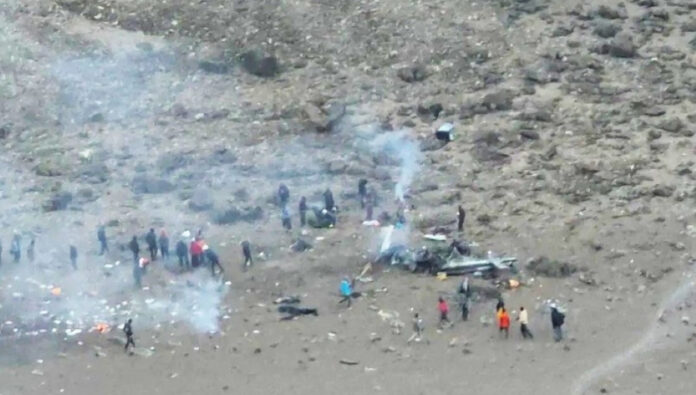
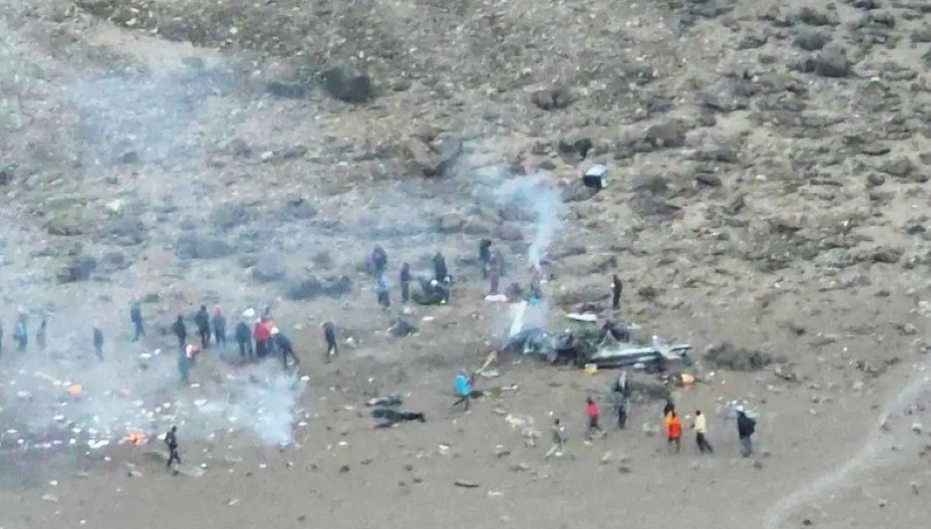
Five people died when a helicopter crashed on Mount Kilimanjaro during a medical rescue mission, Tanzanian authorities said Thursday, marking a rare aviation tragedy on Africa’s highest peak.
The victims were identified as two Czech tourists, a Zimbabwean pilot, a Tanzanian doctor, and a Tanzanian guide, Tanzania National Parks said in a statement, as Reuters reported.
The helicopter crashed near the mountain’s Barafu Camp on Wednesday evening, the Tanzania Civil Aviation Authority said. The accident occurred at an altitude between 4,670 and 4,700 meters (15,322 to 15,420 feet), according to the Mwananchi newspaper.
Kilimanjaro Regional Police Commander Simon Maigwa told journalists the aircraft belonged to Kilimanjaro Aviation company, which has not yet commented on the accident. The Mwananchi newspaper and East Africa TV, citing the region’s head of police, reported the helicopter was conducting a medical rescue mission, Al Jazeera stated.
Two foreigners who police said had been picked up in a medical evacuation were among those killed in the crash between Barafu Camp and Kibo Summit, authorities said.
The Tanzania Civil Aviation Authority said Thursday that investigations had commenced in line with international safety regulations “to determine the circumstances and probable cause” of the accident.
Mount Kilimanjaro, Africa’s highest peak, rises nearly 6,000 meters (20,000 feet) above sea level. Around 50,000 tourists climb Kilimanjaro annually, making it one of the continent’s most popular mountaineering destinations.
Aircraft accidents on Mount Kilimanjaro are rare. The last recorded incident occurred in November 2008 when four people died.
While the ascent of Kilimanjaro is not technically difficult compared to other major peaks, altitude sickness remains a significant problem for many climbers attempting the summit.
The crash highlights dangers inherent in high-altitude rescue operations where thin air, unpredictable weather, and challenging terrain create hazardous conditions for aviation. Helicopters operating at extreme altitudes face reduced engine performance due to lower air density, making flights more demanding and leaving less margin for error.
Medical evacuations from Kilimanjaro’s upper reaches typically occur when climbers suffer severe altitude sickness, injuries from falls, or sudden medical emergencies that cannot be adequately treated at mountain camps. The speed helicopters provide in transporting critically ill patients to lower altitudes or medical facilities can mean the difference between life and death, making such rescue missions essential despite risks.
Barafu Camp, where the helicopter crashed, sits at approximately 4,673 meters and serves as the final staging point for climbers attempting Kilimanjaro’s Uhuru Peak via the popular Machame and Umbwe routes. The camp’s high altitude and exposure to weather make it a challenging environment even under normal circumstances.
The accident’s location between Barafu Camp and Kibo Summit places it in one of Kilimanjaro’s most demanding zones, where oxygen levels are roughly 50 percent of those at sea level. Pilots operating in such conditions must contend with decreased helicopter performance, potential disorientation, and rapidly changing weather that can obscure visibility within minutes.
The involvement of two Czech tourists being evacuated suggests they may have experienced medical emergencies requiring urgent descent—a common occurrence on Kilimanjaro where altitude-related illnesses affect climbers regardless of fitness level. That they died in the crash attempting to save their lives adds tragic irony to an incident that began as a rescue mission.
The Zimbabwean pilot’s death represents the loss of specialized expertise, as pilots qualified and experienced in high-altitude mountain rescue operations are relatively rare. Such pilots require specific training to handle the unique challenges of operating helicopters in thin air near mountain peaks where downdrafts, turbulence, and limited landing zones create constant hazards.
The Tanzanian doctor and guide who perished were likely accompanying the evacuation to provide medical care during transport and assist with patient handling. Their deaths underscore how mountain rescue operations put first responders at risk while attempting to save others.
Kilimanjaro Aviation’s silence following the accident is not unusual in the immediate aftermath of aviation incidents, as companies typically await investigation findings before making public statements. However, the company will face scrutiny about aircraft maintenance, pilot qualifications, weather assessment procedures, and decision-making protocols for conducting high-altitude rescue missions.
The Tanzania Civil Aviation Authority’s investigation will examine multiple factors including mechanical failure, weather conditions, pilot error, and operational procedures. Investigators will analyze flight data if available, inspect wreckage, interview witnesses, and review the company’s safety records and maintenance logs.
The rarity of Kilimanjaro aviation accidents—with the previous incident occurring 17 years ago—suggests generally strong safety standards for mountain operations in Tanzania. However, this crash may prompt reviews of rescue mission protocols, altitude operation limits, and equipment requirements for helicopters conducting medical evacuations.
For the families of the five victims, the tragedy transforms what should have been either professional duties (for the crew) or adventure travel experiences (for the tourists) into fatal outcomes. The Czech tourists’ families face the devastating reality that their relatives died not from climbing dangers but in the rescue helicopter meant to save them.
The accident may also affect insurance considerations and rescue operation policies for Kilimanjaro climbs. Tour operators and aviation companies may reassess risk factors, weather thresholds for launching rescues, and whether certain conditions warrant attempting evacuations versus treating patients at altitude until conditions improve.
As investigators work to determine what caused the helicopter to crash in one of Africa’s most challenging aviation environments, the incident serves as sobering reminder that mountain rescue operations involve extraordinary risks for both those being rescued and those conducting rescues. The 50,000 annual Kilimanjaro climbers rely on such rescue capabilities, making helicopter evacuation services essential despite inherent dangers of high-altitude flight operations.
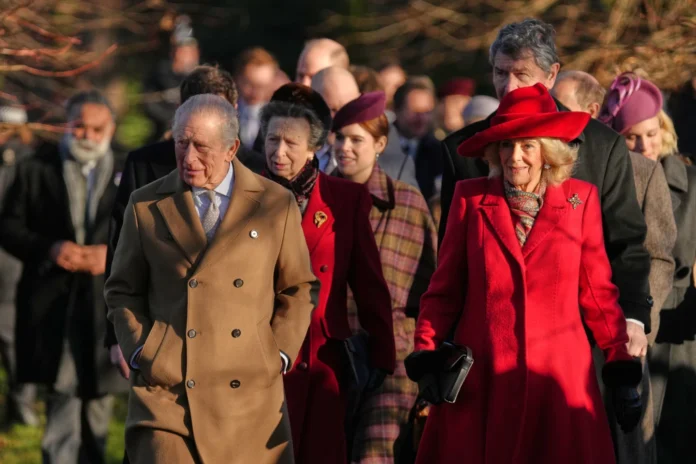
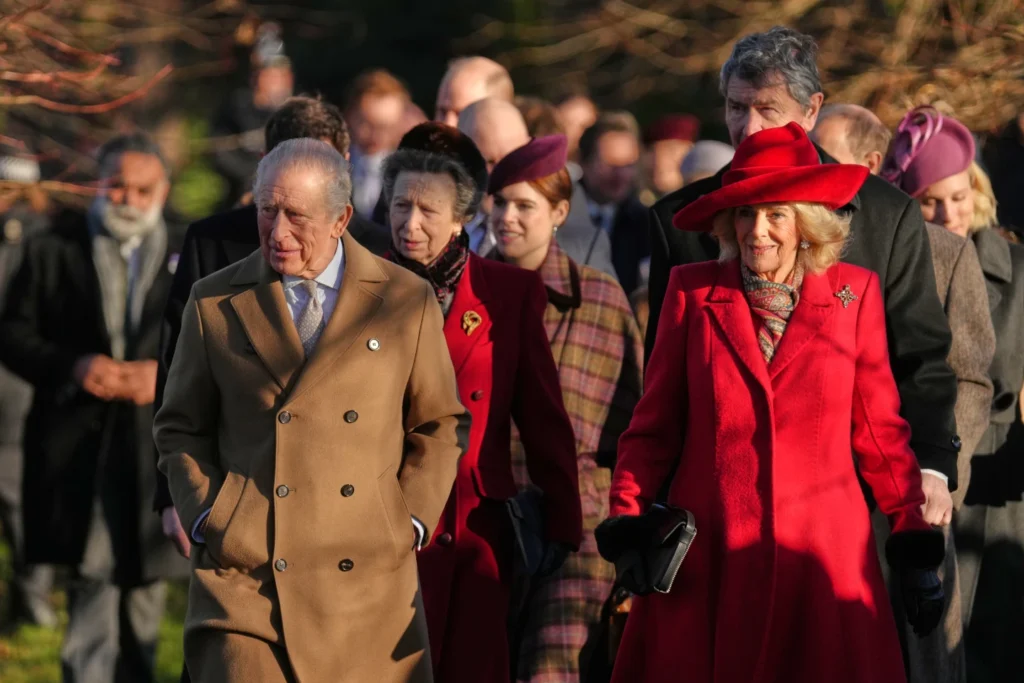
SANDRINGHAM, England — King Charles III led members of the royal family on foot to church Thursday morning, hours before his annual Christmas Day address to the United Kingdom and Commonwealth was scheduled to focus on themes of pilgrimage.
Charles and Queen Camilla, accompanied by the Prince and Princess of Wales, William and Kate, along with their children Princes George and Louis and Princess Charlotte, walked to St. Mary Magdalene Church on the monarch’s private Sandringham Estate. Extended family members also joined the Christmas morning procession.
The estate sits approximately 100 miles north of London, where Charles recorded his address from Westminster Abbey, the landmark renowned for hosting lavish coronations and royal weddings for more than a millennium.
The abbey serves as the focus of an annual pilgrimage to the tomb of Edward the Confessor, which lies at the church’s heart. Edward, a monk-like monarch, was canonized as a saint in 1161.
The monarch’s annual holiday message reaches millions of viewers across the U.K. and throughout the Commonwealth, a voluntary association of 56 independent nations, most with historic ties to Britain. The prerecorded speech airs at 3 p.m., when many families are enjoying their traditional Christmas lunch.
The address represents one of the rare occasions when Charles, 77, can voice his own views without seeking government guidance. It typically features a strong religious framework, reflects current issues, and sometimes draws on the monarch’s personal experiences.
This year’s speech comes just two weeks after Charles made a deeply personal television appearance in which he said “good news” from his doctors meant he would be able to reduce his cancer treatment in the new year.
The king was diagnosed with a still undisclosed form of cancer in early 2024. Buckingham Palace says his treatment is now transitioning to a “precautionary phase” and his condition will be monitored to ensure continued recovery.
Charles recorded last year’s speech at Fitzrovia Chapel, once part of the now demolished Middlesex Hospital. During that address, he honored care workers nationwide and offered special thanks to doctors and nurses who supported him following his cancer diagnosis.
This year’s Christmas speech marks the fourth since Charles ascended to the throne after his mother, Queen Elizabeth II, died in September 2022.
The royal family’s Christmas morning church walk represents a cherished tradition that allows the public glimpses of the monarch and relatives in informal settings. The procession to St. Mary Magdalene Church, a small parish church dating to the 16th century, has become an annual ritual documented by photographers and well-wishers who gather outside the estate gates.
The inclusion of Prince William’s three children—George, 11, Charlotte, 9, and Louis, 6—continues the practice of introducing younger generations to royal duties and public life gradually. Their presence at the Christmas service marks another step in their preparation for future roles, with George as second in line to the throne after his father.
Kate’s participation in the Christmas festivities carries particular significance following her completion of chemotherapy treatment earlier this year. The Princess of Wales revealed in March that she had been diagnosed with cancer following abdominal surgery, announcing in September that she had completed treatment. Her appearance at the Christmas service signals continued recovery and return to public engagements.
The choice of Westminster Abbey for recording this year’s address holds symbolic weight beyond its architectural grandeur. The abbey’s role as pilgrimage destination connects to the speech’s reported theme while emphasizing the monarchy’s deep intertwining with the Church of England, of which the sovereign serves as Supreme Governor.
Edward the Confessor’s tomb at the abbey’s heart represents a focal point for Christian pilgrimage in England. The Anglo-Saxon king, who reigned from 1042 to 1066, commissioned the first stone church on the Westminster site. His reputation for piety and the miracles attributed to him led to his canonization, making him one of England’s few royal saints.
The pilgrimage theme resonates with Charles’s own journey through a challenging year marked by his cancer diagnosis, treatment, and gradual return to full duties. The metaphor of pilgrimage—a spiritual journey involving hardship and ultimate transformation—aligns with the King’s experience navigating serious illness while maintaining ceremonial and constitutional responsibilities.
Charles’s ability to voice personal views in the Christmas address, unbound by ministerial advice that constrains his other public statements, allows him to speak more directly to subjects’ lives and concerns. This freedom makes the annual speech particularly valuable as a window into the monarch’s thinking and values.
The religious framework Charles typically employs reflects both constitutional duty as Church of England’s head and his long-held interest in interfaith dialogue and environmental stewardship. His speeches often weave spiritual principles with contemporary challenges, seeking common ground across diverse beliefs.
The 3 p.m. broadcast time slots the address into the rhythm of Christmas Day celebrations when families gather around television sets after or during traditional meals. This scheduling ensures maximum viewership while making the monarch’s message part of the holiday experience for millions.
The Commonwealth audience extends the speech’s reach far beyond Britain to nations spanning six continents. While many Commonwealth countries have moved toward republican systems or reduced royal ceremonial roles, the Christmas message maintains tradition of shared identity among diverse nations united by historical and cultural ties.
As Charles delivers his fourth Christmas address as monarch, he continues establishing his reign’s character distinct from his mother’s 70-year tenure. Elizabeth’s Christmas speeches became beloved institutions, and Charles faces the challenge of honoring that legacy while imprinting his own personality and concerns on the annual tradition.
The cancer diagnosis and treatment that dominated much of Charles’s first full year as king inevitably shapes how he approaches the role and what messages he chooses to emphasize. His focus on healthcare workers in last year’s speech and this year’s pilgrimage theme suggest a monarch drawing on adversity to connect with subjects facing their own health challenges and life journeys.
As the royal family emerged from St. Mary Magdalene Church after the Christmas morning service and returned to Sandringham House for private celebrations, the images transmitted worldwide reinforced continuity and stability the monarchy represents—an institution adapting to contemporary challenges while maintaining centuries-old traditions.
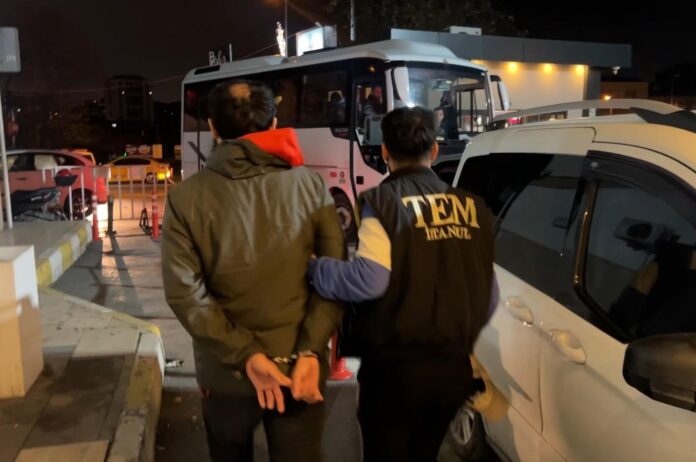
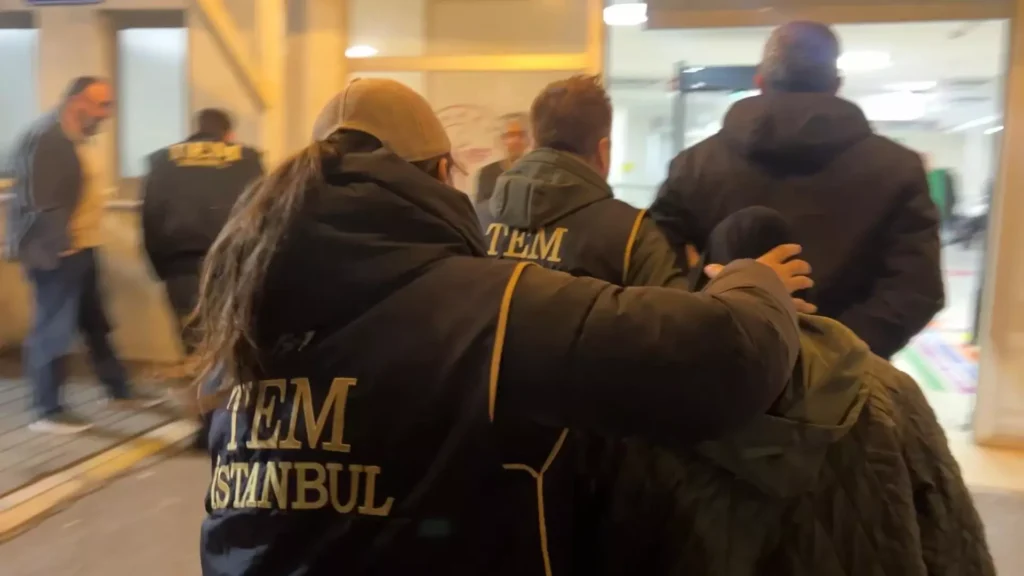
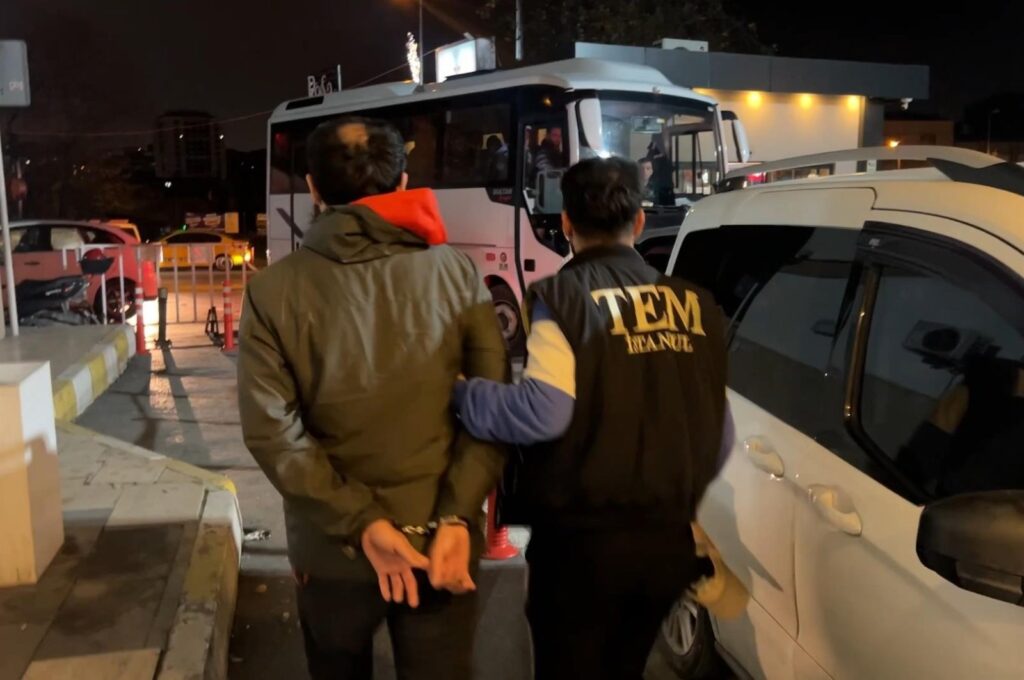
ISTANBUL — Turkish security forces detained 115 suspects affiliated with the Islamic State terrorist organization following intelligence indicating planned attacks on Christmas and New Year celebrations targeting non-Muslim individuals in Istanbul, security sources announced Wednesday.
Prosecutors and police in Istanbul stated that intelligence revealed ISIS members were planning assaults coinciding with Christmas and New Year’s events, specifically targeting non-Muslim residents and visitors in Turkey. Authorities issued arrest warrants for 137 suspects believed connected to ISIS conflict zones, with some already wanted on terrorism charges at national and international levels.
Simultaneous raids conducted at 124 locations across Istanbul resulted in the seizure of numerous firearms, ammunition and organizational documents, according to the Istanbul Chief Prosecutor’s Office announcement Thursday. A total of 115 suspects were taken into custody, with operations continuing to apprehend remaining suspects.
The December 25 operation followed days after a major intelligence-led operation along the Afghanistan-Pakistan border, where Turkey’s National Intelligence Organization captured a Turkish national accused of serving in a senior ISIS role. The suspect, identified as Mehmet Gören, allegedly helped plan suicide attacks targeting civilians in Turkey, Afghanistan, Pakistan and Europe, security sources stated Monday.
Intelligence officials determined that Gören had traveled from Turkey to the Afghanistan-Pakistan region, where he operated in ISIS camps and ascended through the group’s hierarchy. The suspect, operating under the code name “Yahya,” had been assigned by the terrorist organization to conduct suicide operations, according to National Intelligence Organization findings.
Investigations revealed that Gören worked alongside Özgür Altun, code-named “Abu Yasir al-Turki,” who previously played an active role transferring ISIS elements from Turkey to the Afghanistan-Pakistan region before being captured, returned to Turkey and arrested. Intelligence findings indicated Gören had agreed to carry out suicide attacks targeting civilians living in Afghanistan, Pakistan, Turkey and Europe.
Assessments showed Gören survived airstrikes targeting ISIS elements in Pakistan, Daily Sabah reported. The National Intelligence Organization identified him as a senior figure within ISIS-Khorasan after extensive intelligence work along the Afghanistan-Pakistan border.
On Wednesday, security forces in central Turkey’s Kırşehir province captured 10 suspects in an operation against ISIS, including a suspect identified as a relative of slain ISIS leader Abu Bakr al-Baghdadi, according to reports.
Turkish authorities maintain heightened alert status against potential ISIS attacks during Christmas and New Year celebrations, reflecting lessons learned from previous terrorist incidents. On January 1, 2017, an ISIS gunman stormed a popular Bosporus nightclub and killed 39 people during New Year’s celebrations. This followed the October 2015 suicide bombings at an Ankara train station that killed more than 100 people.
In January 2024, two gunmen attacked a Catholic church in Istanbul, killing one man during Sunday Mass. The incident reinforced concerns about targeting of religious minorities and non-Muslim communities within Turkey.
Turkey has intensified intelligence and counterterrorism operations in recent years against ISIS networks operating both domestically and internationally. The comprehensive approach reflects recognition that preventing attacks requires disrupting terrorist infrastructure, intercepting operatives before they strike, and maintaining robust intelligence sharing with international partners.
The Istanbul operation demonstrates several key elements of Turkey’s counterterrorism strategy. First, the reliance on actionable intelligence to identify specific threats and potential perpetrators before attacks materialize. Second, the coordination between different security agencies including police, prosecutors and the National Intelligence Organization. Third, the willingness to conduct large-scale simultaneous operations across multiple locations to maximize suspect apprehension while minimizing escape opportunities.
The timing of the arrests—immediately before major holiday celebrations when large crowds gather in public spaces—reflects both the heightened threat period and security forces’ efforts to preempt attacks when they appear most likely. ISIS and similar extremist groups have historically targeted holiday celebrations, viewing them as opportunities to maximize casualties, generate media attention and terrorize populations through attacks on moments of gathering and celebration.
The specific focus on protecting non-Muslim individuals highlights a concerning aspect of ISIS ideology and targeting priorities. While the group has killed Muslims in far greater numbers globally, its propaganda and operational guidance have emphasized attacks on Christians, Jews and other religious minorities. In Turkey’s context as a Muslim-majority nation that hosts significant Christian communities and attracts Christian tourists, this targeting poses particular security challenges.
The seizure of organizational documents during the raids may provide valuable intelligence beyond the immediate operation. Such materials can reveal communication methods, command structures, financing mechanisms, recruitment strategies and connections to ISIS networks in other countries. This intelligence can inform subsequent operations and help map the broader terrorist infrastructure operating within Turkey.
The international dimensions of the threat—with suspects connected to ISIS conflict zones and operations spanning multiple countries—underscore the transnational nature of contemporary terrorism. ISIS-Khorasan, the organization’s Afghanistan-Pakistan affiliate to which Gören allegedly belonged, has demonstrated capacity to recruit, train and deploy operatives across borders. Turkey’s geographic position as a bridge between Europe, the Middle East and Central Asia makes it both a target and a transit point for terrorist movements.
The arrest warrants for 137 suspects with only 115 detained indicates that 22 individuals remain at large. These outstanding suspects pose ongoing security concerns, particularly as holiday celebrations approach. Turkish security services must balance public safety imperatives with operational security, deciding how much threat information to share publicly without compromising investigative equities or alerting suspects still being sought.
The operations also raise questions about how ISIS maintains operational capacity despite years of military defeats in Iraq and Syria, loss of territorial control and targeted elimination of leadership. The group’s persistence suggests successful adaptation to pressure through decentralization, reliance on self-directed cells inspired by central ideology rather than directly controlled by leadership, and exploitation of ungoverned spaces in countries like Afghanistan and Pakistan.
For Turkey’s non-Muslim communities, the threat revelations likely generate anxiety about safety during religious celebrations that should be joyous occasions. Turkish authorities face the challenge of providing adequate security without creating an atmosphere of fear that achieves terrorists’ psychological objectives. Visible security measures can reassure but also serve as reminders of threats, while invisible security efforts leave communities uncertain about their protection.
The successful interdiction of these plots, if confirmed, represents a significant counterterrorism achievement. Preventing attacks is inherently more difficult than responding to them after they occur, requiring proactive intelligence collection, analysis capability to identify genuine threats amid vast information streams, and operational capacity to act decisively once threats are identified. The challenge for security services is that they must succeed every time to prevent attacks, while terrorists need succeed only occasionally to achieve their objectives.
As holiday celebrations proceed in Istanbul and across Turkey, heightened security measures will likely remain visible. For residents and visitors, the balance between maintaining normal life and acknowledging genuine security threats requires both vigilance and refusal to allow terrorism to dictate behavior. For Turkish security forces, the operations continue as they work to apprehend remaining suspects and identify any additional threats that intelligence may have missed.
The broader strategic question concerns whether these arrests represent disruption of isolated cells or whether ISIS retains deeper organizational capacity within Turkey. The answer will emerge through continued intelligence work, interrogations of detained suspects and monitoring of any subsequent attack attempts that might indicate the scope of terrorist infrastructure that remains operational despite these significant arrests.
WASHINGTON — The Justice Department disclosed Christmas Eve that investigators have uncovered more than one million additional documents potentially connected to the Jeffrey Epstein case, acknowledging that reviewing and releasing the massive trove could require several more weeks despite congressional demands for immediate disclosure.
The department stated on social media Wednesday that the U.S. Attorney for the Southern District of New York and the FBI informed officials “that they have uncovered over a million more documents potentially related to the Jeffrey Epstein case.”
“We have lawyers working around the clock to review and make the legally required redactions to protect victims, and we will release the documents as soon as possible,” the statement said. “Due to the mass volume of material, this process may take a few more weeks.”
The department pledged to “continue to fully comply with federal law and President Trump’s direction to release the files,” though the statement did not specify when officials learned of the newly discovered materials.
The announcement intensifies pressure on the Trump administration, which faces mounting criticism over its partial release of files by the December 19 deadline established by Congress. Democratic Representative Ro Khanna, among the lawmakers who championed legislation mandating the disclosure, vowed to maintain pressure on the administration following the update.
“After we said we are bringing contempt, the DOJ is now finding millions more documents to release,” Khanna stated on X. “They need to release the 302 FBI statements & the emails on Epstein’s computer. The Epstein class must go.”
Khanna and other congressional members have suggested Attorney General Pam Bondi could face contempt charges for failing to meet the deadline. The possibility of contempt proceedings against the nation’s top law enforcement official represents an extraordinary escalation in the standoff between Congress and the Justice Department.
Approximately 750,000 documents in the convicted sex offender’s case have been reviewed and released by a team of 200 personnel, a Trump administration official told Axios. The outlet reported a “palpable sense of exasperation” within the department over the crisis unfolding behind closed doors.
Before the December 24 announcement, an estimated 700,000 files in the Epstein case still required review and release, Axios reported. The discovery of more than one million additional documents effectively triples the remaining workload, raising questions about how long complete disclosure might actually require.
Justice Department leadership sent an “emergency request” asking career prosecutors in Florida to volunteer over the Christmas holiday to assist with redacting the files, CNN reported. The unusual holiday appeal underscores the department’s scramble to address the document crisis.
“We need AUSAs to do remote document review and redactions related to the Epstein files,” stated an email from a supervising prosecutor in the Southern District of Florida’s U.S. Attorney’s Office, according to CNN. “I am aware that the timing could not be worse. For some the holidays are about to begin, but I know that for others the holidays are coming to an end.”
The emergency request for assistance arrives more than a month after President Donald Trump signed the Epstein Files Transparency Act into law. The legislation, which Trump championed publicly, established the December 19 deadline that the department has now missed.
The administration continues grappling with controversy surrounding heavily redacted files and what critics characterize as a “clumsy” and incomplete document release. White House officials are reportedly growing increasingly “frustrated” with the saga, which shows no signs of resolution.
“It’s a combination of extreme frustration at everything: at what Congress did, at our response to it, and a concern that it won’t go away,” an official told Axios, capturing the administration’s internal tensions about the mounting political liability.
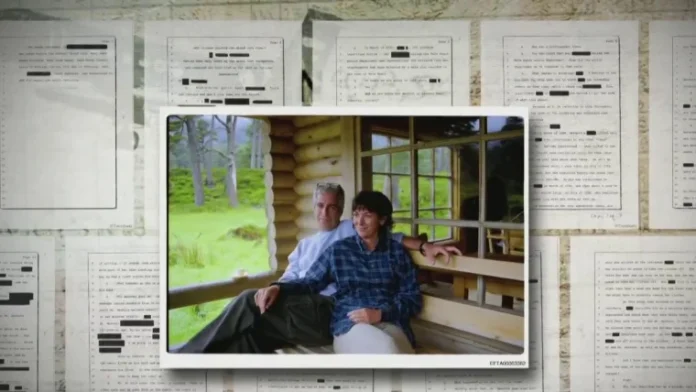
Tuesday’s Justice Department document release, the largest to date, consisted of hundreds of emails and other correspondence from law enforcement and prosecutors investigating Ghislaine Maxwell and Epstein following his 2019 death in prison, which authorities ruled a suicide.
Trump, who maintained a years-long relationship with Epstein until the early 2000s, was referenced repeatedly in documents released Tuesday. The president faces no accusations of wrongdoing in connection with Epstein’s crimes, and appearance within the files does not indicate culpability, The Independent reported.
The Justice Department immediately defended the president, asserting the files contain “untrue and sensationalist claims” that officials suggested were submitted to influence the 2020 presidential election. This characterization reflects the department’s effort to preemptively frame materials that reference Trump as politically motivated misinformation rather than legitimate investigative records.
The massive scale of newly discovered documentation raises fundamental questions about the Justice Department’s initial assessment of materials subject to disclosure. How could investigators have underestimated the document volume by more than one million files? Were these materials improperly catalogued, stored in locations not initially searched, or generated through expanded definitions of what constitutes “related” materials?
The discovery also complicates the department’s victim protection rationale for redactions. While protecting victim identities represents a legitimate concern, critics argue the department may be using this justification to delay releasing materials that could prove politically embarrassing or reveal investigative failures. The tension between transparency and victim protection creates genuine legal and ethical dilemmas, but also provides convenient cover for limiting disclosure.
The contempt threat from congressional Democrats represents more than political theater. Congress passed the Epstein Files Transparency Act with bipartisan support, reflecting widespread public demand for accountability regarding how federal agencies handled Epstein’s case. The Trump administration’s failure to meet the statutory deadline, followed by revelation of massive additional document repositories, suggests either organizational incompetence or deliberate obstruction.
The 200-person team reviewing documents illustrates the extraordinary resources being devoted to the effort, yet the expanding universe of materials suggests this workforce remains insufficient. Each document requires examination for victim names, identifying information about minors, classified intelligence sources and methods, ongoing investigations, and other categories of protected information. This review process is genuinely time-consuming and complex, though skeptics question whether every redaction is strictly necessary.
The emergency Christmas holiday request to Florida prosecutors highlights the desperation behind the scenes. Career prosecutors volunteering during family holidays to redact documents reflects both institutional commitment and the political pressure driving the effort. However, rushed document review during holidays by volunteers unfamiliar with the case files raises quality control concerns about whether appropriate redactions are being made consistently.
The administration’s public commitment to releasing documents “as soon as possible” while simultaneously revealing massive new document caches undermines credibility with critics already suspicious of delay tactics. Each announcement of newly discovered materials reinforces perceptions that the department either doesn’t understand what it possesses or is deliberately slow-walking disclosure through serial revelations of expanding document repositories.
For Epstein’s victims and their advocates, the continuing delays extend years of frustration with federal handling of the case. Many survivors have sought accountability and transparency about how Epstein evaded serious prosecution for years despite substantial evidence of his crimes. Each delay in document disclosure compounds their sense that the justice system continues failing them even after Epstein’s death.
The political implications for the Trump administration are substantial. Trump actively promoted the Epstein Files Transparency Act and used it to position himself as committed to exposing Epstein’s connections to political opponents. The administration’s subsequent failure to meet disclosure deadlines and revelation of its own challenged relationship with document production creates significant political vulnerability.
As the document review continues through the holidays and into the new year, the fundamental question remains: When will the American public receive complete transparency about the Epstein case, or will the process of “discovering” new document caches continue indefinitely, ensuring full disclosure never quite arrives?
ACCRA, Ghana — A 30-year-old Ghanaian man calling himself Ebo Noah has captured widespread social media attention by constructing wooden vessels he claims will provide survival shelter when a divinely revealed global flood begins Christmas Day and continues for three years.
The self-proclaimed prophet, who also uses the name Ebo Jesus, asserts he received a vision instructing him to build modern versions of the biblical Noah’s Ark in preparation for what he characterizes as an imminent catastrophic deluge. Videos documenting his construction efforts have generated millions of views across platforms including TikTok and YouTube.
In a video titled “What will happen and how it will happen,” posted in August, Ebo claimed God revealed that continuous rainfall would commence on Christmas Day and persist for three years. He stated his intention to reside aboard one of the vessels throughout the predicted flooding period.
Social media posts indicate Ebo has constructed or is building multiple wooden boats, though these appear substantially smaller than the biblical Noah’s Ark described in Genesis. The scriptural vessel is recorded as measuring approximately 510 feet in length, 85 feet in width, and 51 feet in height—dimensions that dwarf the craft shown in Ebo’s videos.
Local reports cited by Ghana Web claim Ebo has built around 10 wooden vessels. His videos also display livestock, mirroring elements of the Noah narrative. His posts frequently show him fasting, praying and wearing sackcloth while delivering warnings about impending apocalypse.
No credible meteorological agencies or weather forecasting services have predicted global flooding on Christmas Day or any comparable catastrophic weather event. Despite this absence of scientific support, Ebo’s claims have attracted followers online who express support for his preparations.
Critics have challenged the project on multiple grounds. Some argue the financial resources dedicated to vessel construction could be redirected to assist people experiencing immediate needs. Others have identified practical deficiencies in the boats, including apparent lack of propulsion engines, steering mechanisms, or structural reinforcement necessary to withstand prolonged exposure to floodwaters.
Biblical scholars and Christian commentators have noted that Ebo’s prediction contradicts scriptural passages. Genesis 9:11 records God establishing a covenant with Noah, represented by the rainbow, in which God promises never again to destroy the Earth through flooding. Some Christian interpreters point to biblical prophecy describing future destruction through fire rather than water.
Ebo Noah joins a lengthy historical succession of individuals who have proclaimed imminent doomsday scenarios. Failed apocalyptic predictions span centuries across cultures and religious traditions, with prophesied dates passing without the forecasted catastrophes materializing.
The phenomenon of viral apocalyptic claims reflects broader patterns in digital media ecosystems where sensational predictions can rapidly accumulate massive audiences regardless of evidentiary foundations. Social media platforms’ algorithmic promotion of engaging content can amplify extreme claims, generating visibility that might previously have remained geographically or socially contained.
Ebo’s construction activities and prophetic declarations have generated polarized responses online. Supporters view him as a divinely inspired messenger attempting to preserve human and animal life through faithful obedience to received visions. Skeptics characterize the enterprise as misguided at best or potentially exploitative, particularly if financial contributions from believers fund the construction efforts.
The practical challenges of Ebo’s vessels extend beyond missing mechanical systems. Sustaining human and animal life aboard small wooden boats for three years would require extensive provisions including food, fresh water, waste management systems, medical supplies and shelter from elements beyond simple rainfall. The biblical Noah’s Ark narrative describes meticulous divine instructions regarding vessel dimensions, construction materials and provisioning—details that appear absent from Ebo’s public presentations.
Ghana’s religious landscape includes diverse Christian denominations, traditional spiritual practices and a proliferation of independent prophets and spiritual leaders. Self-proclaimed prophets regularly attract followings through claims of divine revelation, healing powers or foreknowledge of future events. While many operate within established religious frameworks, others function independently, sometimes generating controversy through unconventional teachings or practices.
The intersection of religious prophecy and social media creates unique dynamics. Traditional prophecy typically reached audiences through direct preaching, word-of-mouth transmission or published texts that circulated gradually. Contemporary prophets can instantly broadcast predictions to global audiences, generate immediate feedback through comments and shares, and build followings that transcend geographic boundaries.
As Christmas approaches, attention will focus on whether Ebo’s predicted deluge materializes. Historical precedent overwhelmingly suggests the date will pass without global flooding, leaving questions about how Ebo and his followers will respond to unfulfilled prophecy. Some apocalyptic movements throughout history have disbanded after failed predictions, while others have reinterpreted prophecies, revised timelines or maintained belief despite contradictory evidence.
The broader implications extend beyond one individual’s predictions. The viral spread of apocalyptic claims raises questions about digital literacy, critical thinking in religious contexts and the responsibilities of social media platforms in moderating content that might exploit vulnerable individuals or generate panic. While platforms generally protect religious expression, claims that could prompt harmful actions or financial exploitation occupy contested territory in content moderation frameworks.
For Ghana’s communities, Ebo’s predictions present local challenges. If significant numbers of people accept his claims as credible, it could affect economic activity, educational attendance, agricultural planning or other practical decisions as individuals prepare for anticipated catastrophe. Local religious and civic leaders may need to address public concerns and provide alternative perspectives grounded in meteorological science and theological interpretation.
The phenomenon also highlights persistent human fascination with apocalyptic narratives across cultures and eras. Whether grounded in religious texts, environmental concerns, astronomical events or other frameworks, predictions of imminent world-ending catastrophes repeatedly emerge and attract believers despite the consistent pattern of failed prophecies throughout recorded history.
As December 25 arrives and inevitably passes without the prophesied flood, Ebo Noah’s predictions will join the extensive catalog of unfulfilled doomsday proclamations. The episode may serve as a case study in viral misinformation, religious expression in digital spaces and the enduring appeal of apocalyptic thinking in contemporary society.