Algeria’s parliament has unanimously approved legislation declaring France’s 132-year colonisation of the country a crime, formally demanding an apology and reparations from Paris in a move that deepens an already strained diplomatic relationship between the two nations.
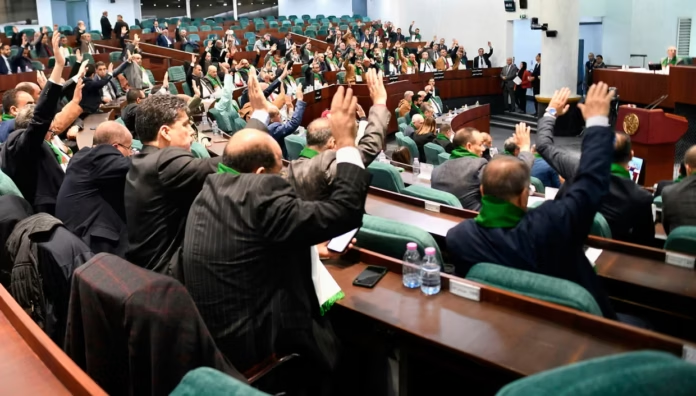
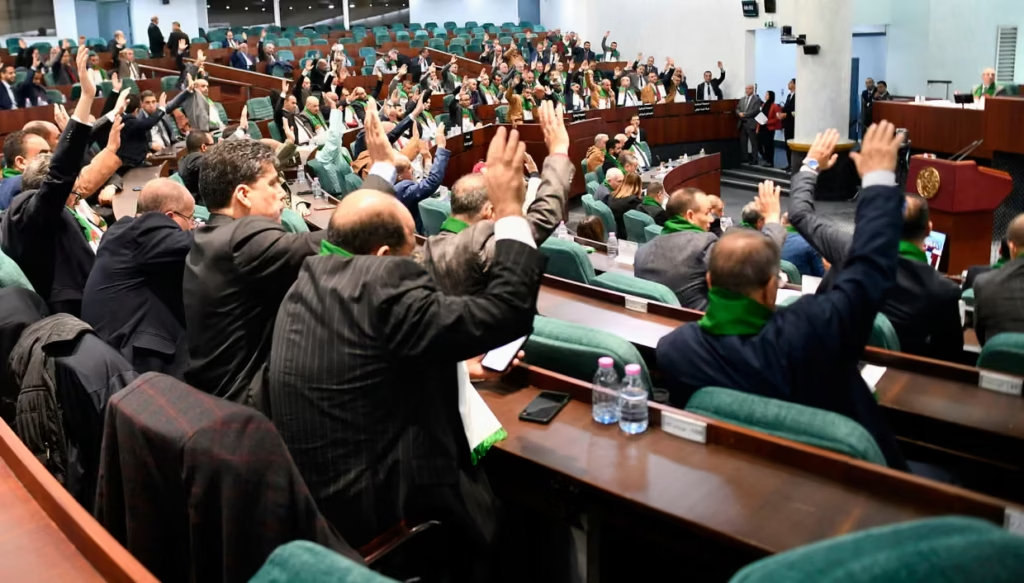
Lawmakers rose to their feet Wednesday, draped in scarves bearing the green, white and red of Algeria’s national flag, chanting “long live Algeria” as the bill passed without opposition. The law assigns France what it calls “legal responsibility for its colonial past in Algeria and the tragedies it caused,” embedding historical accountability into Algeria’s legal framework.
Parliament Speaker Ibrahim Boughali said the vote sent “a clear message, both internally and externally, that Algeria’s national memory is neither erasable nor negotiable,” the APS state news agency reported.
The legislation catalogues what it describes as the crimes of French colonial rule, including nuclear weapons tests conducted in the Algerian desert, extrajudicial killings, physical and psychological torture, and the systematic exploitation of natural resources. It states that “full and fair compensation for all material and moral damages caused by French colonisation is an inalienable right of the Algerian state and people.”
France ruled Algeria from 1830 until independence in 1962, a period marked by mass displacement, repression and a brutal war of independence that lasted from 1954 to 1962. Algerian authorities say the conflict claimed 1.5 million lives, while French historians estimate about 500,000 deaths, the majority of them Algerian.
The vote comes amid a deepening diplomatic rift between Algiers and Paris, fueled by disputes over migration, visas, historical memory and regional politics. Analysts say the law carries no enforceable international weight but remains politically potent.
Hosni Kitouni, a researcher in colonial history at the University of Exeter, said the legislation has no binding legal effect on France. “Legally, this law has no international scope and therefore is not binding for France,” he said. “However, its political and symbolic significance is important: it marks a rupture in the relationship with France in terms of memory.”
French President Emmanuel Macron has previously described France’s colonisation of Algeria as a “crime against humanity,” a rare acknowledgment that was welcomed in Algiers but criticized domestically in France. Macron has stopped short of issuing a formal apology, a step Algerian leaders say is essential for reconciliation.
Asked last week about the parliamentary vote, French Foreign Ministry spokesperson Pascal Confavreux declined to comment, saying France would not weigh in on “political debates taking place in foreign countries.”
Al Jazeera reported that Algerian lawmakers framed the legislation as a response to what they see as repeated attempts to downplay or sideline colonial-era abuses. By placing demands for apology and reparations into law, Algeria is signaling that historical memory will remain central to its engagement with France.
While the measure is largely symbolic, it reinforces Algeria’s long-standing position that unresolved colonial grievances continue to shape present-day relations. Observers say the law could further complicate diplomatic normalization efforts and fuel domestic political narratives in both countries, especially as debates over colonial history remain highly charged on both sides of the Mediterranean.
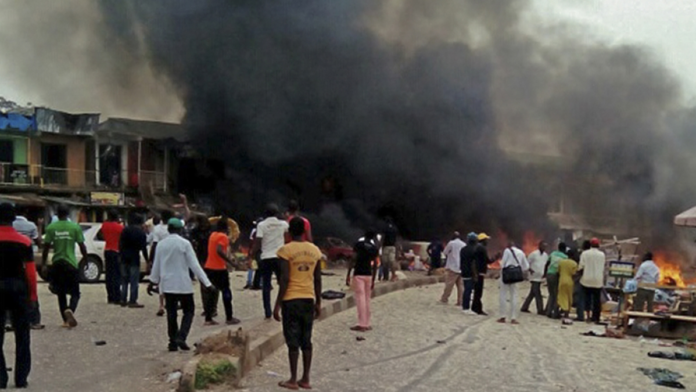
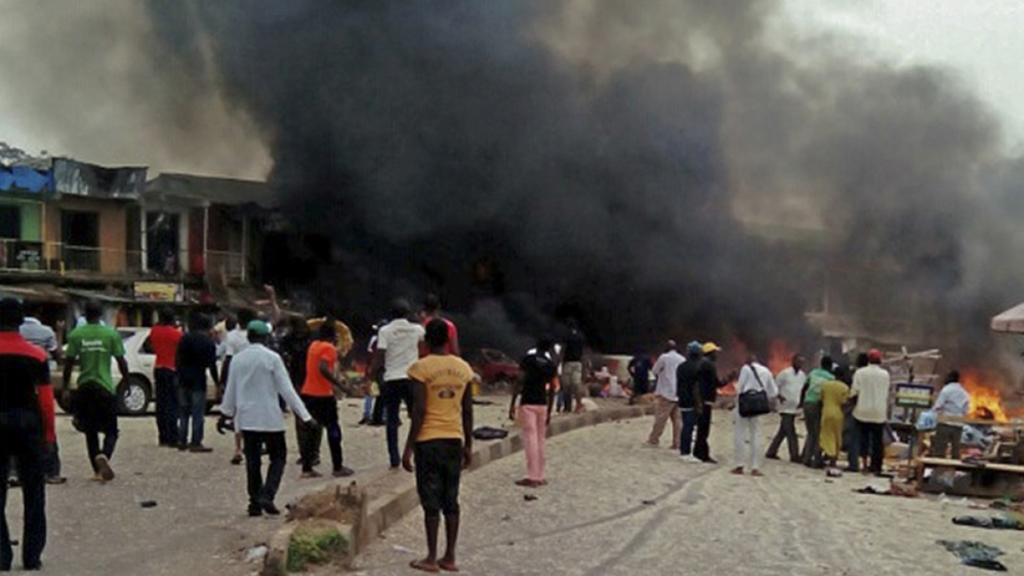
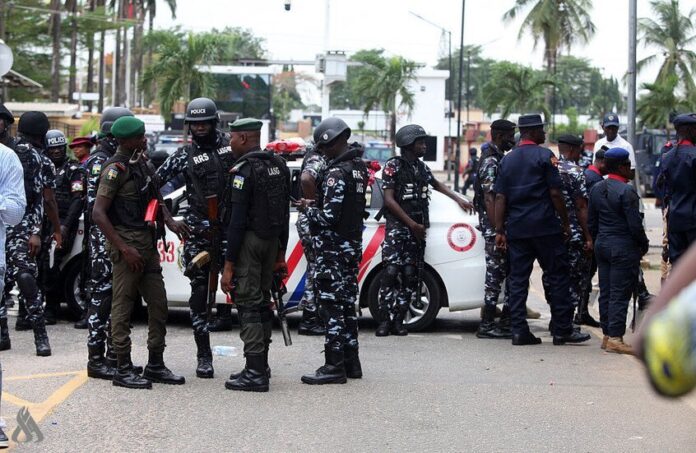
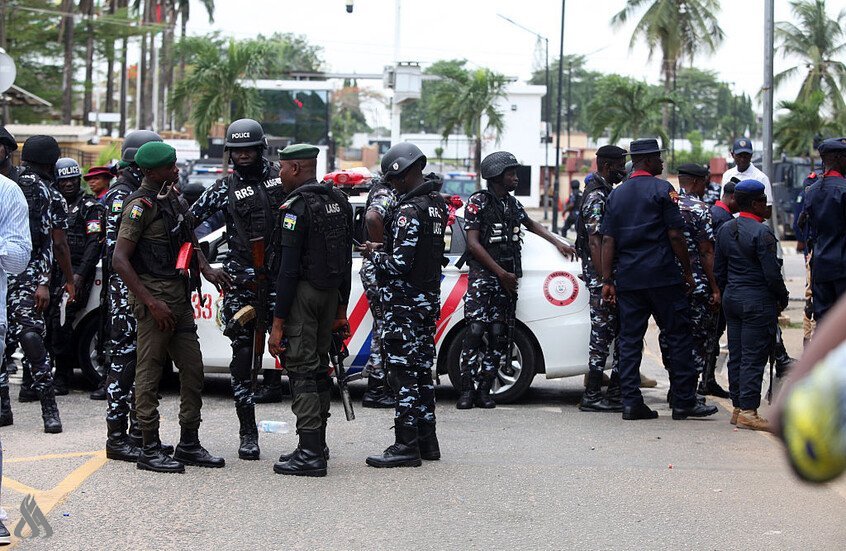
MAIDUGURI, Nigeria — At least seven people died Wednesday when an explosion tore through a crowded mosque in the northeastern Nigerian city of Maiduguri during evening prayers, witnesses and security sources told AFP, raising concerns about a potential resurgence of jihadist violence in a city that has experienced relative tranquility in recent years.
The blast occurred inside a packed mosque in the city’s Gamboru market as Muslim worshippers gathered for evening prayers around 6:00 p.m. local time (1700 GMT), according to witnesses. No armed groups immediately claimed responsibility for what anti-jihadist militia leader Babakura Kolo characterized as a suspected bombing.
Malam Abuna Yusuf, one of the mosque’s leaders, placed the death toll at eight, though officials have not yet released an official casualty count. Kolo stated that seven were killed.
“We can confirm there has been an explosion,” police spokesman Nahum Daso told AFP, adding that an explosive ordnance disposal team was already deployed to the site.
Kolo indicated the bomb was suspected to have been placed inside the mosque and detonated midway through prayers, though some witnesses described the incident as a suicide bombing. The conflicting accounts reflect the chaos and confusion typical in the immediate aftermath of such attacks.
The number of wounded remained unclear Wednesday evening, though witness Isa Musa Yusha’u told AFP: “I saw many victims being taken away for medical treatment.”
Video footage captured in the aftermath and viewed by AFP showed a person covered in blood writhing on the ground, and what appeared to be bodies covered by sheets. A security alert sent by an international NGO to its staff in Maiduguri, seen by AFP, advised workers to avoid the Gamboru market area.
Maiduguri serves as the capital of Borno state, epicenter of a years-long insurgency by jihadist groups Boko Haram and its offshoot, Islamic State West Africa Province, France24 reported.
However, the city itself has not experienced a major attack in years, making Wednesday’s explosion particularly significant for regional security assessments.
No group has claimed responsibility, though militants have previously targeted mosques and crowded places in Maiduguri through suicide bombings and improvised explosive device attacks during the insurgency’s height.
Boko Haram launched its uprising in Borno state in 2009, seeking to establish an Islamic caliphate, Reuters reported. Despite military offensives and regional cooperation among affected nations, sporadic attacks continue threatening civilians throughout Nigeria’s northeast.
Nigeria has battled the jihadist insurgency since 2009 in a conflict that has killed at least 40,000 people and displaced approximately two million from their homes in the northeast, according to the United Nations. While violence has diminished since its peak a decade ago, the conflict has spread into neighboring Niger, Chad and Cameroon.
Maiduguri itself—once characterized by nightly gun battles and bombings—has remained calm in recent years, with the last major attack recorded in 2021. The relative peace represented a significant achievement for Nigerian security forces and provided residents a respite from years of relentless violence that had transformed the city into a combat zone.
Wednesday’s explosion shatters that calm and raises troubling questions about whether jihadist groups are regaining operational capacity within the city or whether this represents an isolated incident by militants who managed to penetrate security measures.
The attack’s timing during evening prayers maximizes casualties by targeting worshippers when mosques are most crowded, a tactic frequently employed by extremist groups to generate maximum psychological impact.
Reminders of the ongoing conflict remain omnipresent in the state capital, where major military operations are headquartered. Military vehicles traverse the city daily, their beds filled with soldiers whose helmets shield them from afternoon heat.
Evening checkpoints continue operating even as markets that once closed in early afternoon now remain active into the night, reflecting the delicate balance between security measures and efforts to restore normalcy.
Meanwhile, in Borno state’s rural areas, the insurgency continues with undiminished intensity. Analysts warn of an uptick in jihadist violence this year, suggesting that while urban centers like Maiduguri have achieved relative stability, the underlying insurgency remains far from defeated.
The attack exposes persistent vulnerabilities despite years of counterinsurgency operations. Maiduguri’s apparent security has depended partly on extensive military presence, checkpoints and intelligence operations designed to detect and prevent attacks before they occur. Wednesday’s bombing suggests gaps in these defenses or successful adaptation by insurgent groups to evade security measures.
The choice of target carries symbolic significance. Mosques should represent sanctuaries from violence, and attacks on houses of worship during prayer services constitute particularly heinous acts even by the standards of armed conflict.
For Boko Haram and ISWAP, which claim religious motivation for their insurgency, attacking fellow Muslims in mosques creates theological contradictions that the groups typically justify through accusations that victims practice insufficiently pure Islam or collaborate with government forces.
The Gamboru market location increases the attack’s economic impact beyond immediate casualties. Markets serve as economic lifelines for communities, and attacks on marketplaces aim to disrupt commerce, generate fear that discourages economic activity, and demonstrate insurgent capability to strike soft targets.
Previous attacks on markets in northeastern Nigeria have triggered prolonged economic disruptions as traders and customers avoid areas perceived as dangerous.
International humanitarian organizations operating in Maiduguri face renewed security challenges following Wednesday’s attack. The NGO security alert advising staff to avoid the Gamboru market area reflects standard precautionary measures, but sustained insecurity could force organizations to curtail operations precisely when civilian needs for humanitarian assistance may increase.
The absence of immediate responsibility claims creates analytical challenges. While Boko Haram and ISWAP have historically claimed major attacks to gain publicity and demonstrate operational capacity, delayed or absent claims sometimes occur. Groups may withhold claims to avoid backlash when attacks kill fellow Muslims, particularly in mosques, or when operational security concerns outweigh propaganda value of publicity.
Nigeria’s government faces mounting pressure to explain how an attack of this magnitude occurred in Maiduguri after years of relative calm. President Bola Tinubu’s administration has emphasized security improvements in the northeast, and Wednesday’s bombing undermines these narratives while potentially signaling broader deterioration in regional security conditions.
The attack occurs against a backdrop of evolving jihadist strategies in the Sahel and West Africa. As military pressure has increased in some areas, groups have demonstrated adaptability by shifting operations, changing tactics and exploiting governance gaps in remote regions.
The question facing Nigerian security officials is whether Wednesday’s attack represents isolated opportunism or signals a more systematic return to urban terrorism.
For Maiduguri’s residents, Wednesday’s explosion revives traumatic memories of years when the city endured regular attacks. The psychological impact of renewed violence in a city that had begun recovering from years of conflict cannot be overstated. Families who had slowly rebuilt lives and businesses after years of displacement and violence now face renewed uncertainty about their security and futures.
As investigators examine the blast site and authorities attempt to identify perpetrators, Nigerian security forces must reassess their assumptions about insurgent capabilities and intentions.
The relative calm Maiduguri has enjoyed may have bred complacency or allowed insurgent networks to quietly reconstitute presence within the city. Alternatively, the attack may represent a desperate attempt by weakened groups to demonstrate continued relevance through spectacular violence.
The coming days and weeks will prove critical for determining whether Wednesday’s mosque bombing represents an isolated incident or the opening salvo in a renewed campaign of urban terrorism that could undermine years of hard-won security gains in northeastern Nigeria.
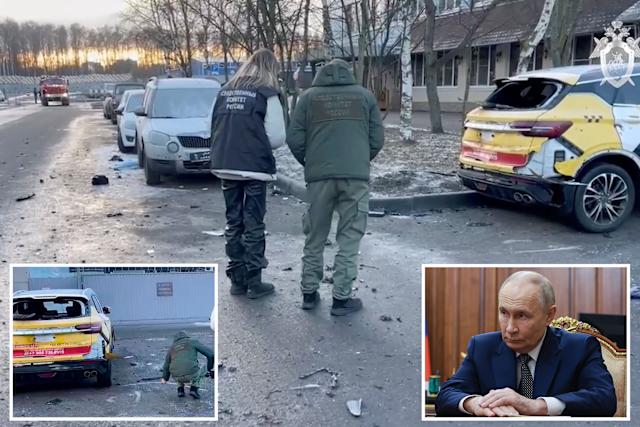
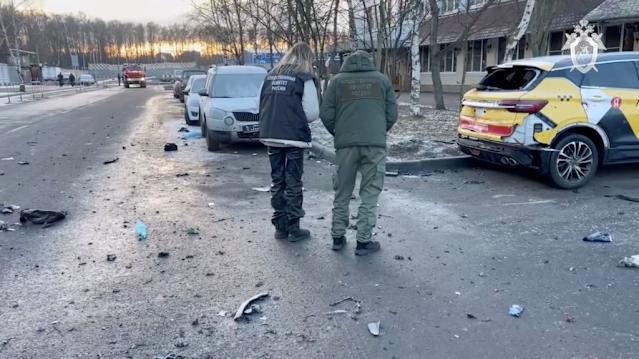
Two traffic police officers and a civilian died Wednesday when an explosive device detonated in Moscow, Russian investigators announced, marking the latest deadly blast in the capital just days after a car bomb killed a high-ranking general in the same area.
The two officers were approaching a “suspicious individual” when the explosive detonated, Investigative Committee spokesperson Svetlana Petrenko stated. The officers and another person standing nearby succumbed to their injuries at the scene.
Investigators and forensic experts were working at the location Wednesday, Petrenko said. The incident occurred in the same section of southern Moscow where Lt. Gen. Fanil Sarvarov was killed by a car bomb Monday morning.
Sarvarov, head of the Operational Training Directorate of the Russian Armed Forces’ General Staff, died when an explosive device detonated beneath his vehicle. Investigators stated Ukraine may have been behind the attack, which represented the third assassination of a senior military officer in just over a year.
“Investigators are pursuing numerous lines of enquiry regarding the murder. One of these is that the crime was orchestrated by Ukrainian intelligence services,” Petrenko said following Monday’s attack.
The Defense Ministry indicated Sarvarov had previously fought in Chechnya and participated in Moscow’s military campaign in Syria.
The geographic proximity and temporal clustering of the two explosions—separated by just days and occurring in the same Moscow district—raise questions about potential connections between the incidents, though Russian authorities have not explicitly linked Wednesday’s blast to Monday’s targeted assassination.
On December 17, 2024, Lt. Gen. Igor Kirillov, chief of the military’s nuclear, biological and chemical protection forces, was killed by a bomb hidden on an electric scooter outside his apartment building. Kirillov’s assistant also perished in the blast. Ukraine’s security service claimed responsibility for the attack.
An Uzbek man was quickly arrested and charged with killing Kirillov on behalf of Ukrainian intelligence services. Russian President Vladimir Putin characterized Kirillov’s assassination as a “major blunder” by Russia’s security agencies, stating they should learn from the incident and improve their efficiency.
In April, another senior Russian military officer, Lt. Gen. Yaroslav Moskalik, a deputy head of the main operational department in the General Staff, was killed by an explosive device placed in his car parked near his apartment building just outside Moscow. A suspected perpetrator was quickly arrested following that attack.
Since Moscow deployed troops into Ukraine nearly four years ago, Russian authorities have blamed Ukraine for multiple assassinations of military officers and public figures within Russia. Ukraine has claimed responsibility for some operations while remaining silent on others. Ukrainian officials have not yet commented on Monday’s Sarvarov killing or Wednesday’s explosion that killed the police officers.
The pattern of targeted killings represents a significant escalation in what amounts to a shadow war being waged inside Russian territory. The attacks demonstrate Ukraine’s apparent capability to conduct sophisticated operations deep within Russia, penetrating security measures designed to protect senior military leadership.
The assassinations serve multiple strategic purposes from Ukraine’s perspective. They eliminate experienced military commanders involved in prosecuting the war against Ukraine, create psychological pressure on Russian military leadership, demonstrate vulnerability of targets previously considered secure, and send a message about Ukraine’s operational reach despite being the conventionally weaker party in the conflict.
For Russia, the series of successful attacks exposes serious security failures despite Putin’s criticism following Kirillov’s death. The continued success of assassination operations suggests either inadequate protection protocols for senior officers, penetration of Russian security services by Ukrainian intelligence, or both. The attacks also raise uncomfortable questions about whether additional officers may be targeted and whether Russian security agencies can effectively protect high-value personnel.
The use of different attack methods—car bombs, scooter bombs, and Wednesday’s device triggered by approaching police—indicates operational flexibility and adaptation by those conducting the operations. Each method demonstrates technical sophistication in explosive device construction, intelligence gathering to identify targets and their patterns, and operational security sufficient to evade detection before attacks occur.
Wednesday’s explosion presents a different profile than previous assassinations. Rather than targeting a specific high-ranking military officer, the device detonated when police approached a suspicious individual, suggesting either a failed assassination attempt against another target, a bomb intended for later deployment, or potentially an ambush targeting security personnel investigating suspicious activity.
The death of two traffic police officers—typically not involved in counterintelligence or high-level security operations—raises questions about whether they inadvertently interrupted preparation for another attack or whether someone deliberately targeted routine law enforcement. The presence of a third victim described as a civilian standing nearby suggests the explosion occurred in a public area rather than a secured military or government facility.
Moscow has blamed Ukraine for numerous bombings and other attacks within Russia throughout the nearly four-year conflict. These include strikes on infrastructure, alleged sabotage operations, and the targeted assassinations of military and civilian figures associated with the war effort. The Kremlin characterizes these operations as terrorism, while Ukraine frames them as legitimate military actions against combatants prosecuting an illegal invasion.
The international legal status of such operations remains contested. Ukraine argues that targeting military commanders engaged in armed conflict constitutes lawful military action under international humanitarian law. Russia contends that assassinations conducted by intelligence services against targets in non-combat zones constitute terrorism regardless of the victims’ military status.
The frequency of successful attacks—three senior generals killed in 13 months, plus Wednesday’s explosion—suggests either expanding Ukrainian operational capacity within Russia or deteriorating Russian counterintelligence effectiveness. Each successful operation likely emboldens Ukrainian services while simultaneously forcing Russian security agencies to divert resources from offensive intelligence operations to defensive protection of potential targets.
The psychological impact on Russian military leadership cannot be understated. Senior officers must now consider personal security threats even when operating far from the front lines, potentially affecting their willingness to assume prominent roles or move freely within Moscow. This represents a strategic success for Ukraine even beyond the immediate tactical value of eliminating specific commanders.
As investigators examine Wednesday’s explosion scene and attempt to determine connections to Monday’s assassination, Russian security services face mounting pressure to prevent future attacks while identifying and neutralizing Ukrainian intelligence networks operating within Russia. The challenge is substantial: protecting dozens or hundreds of potential targets while maintaining operational security and prosecuting a war that shows no signs of imminent conclusion.
The coming weeks will reveal whether Wednesday’s explosion represents an isolated incident, a failed operation, or the continuation of a systematic campaign targeting Russian military and security personnel in Moscow.
For Ukrainian intelligence services, demonstrated capability to conduct operations in the Russian capital serves strategic messaging purposes regardless of individual tactical outcomes. For Russian security agencies, each successful attack compounds pressure to demonstrate improved protective capabilities and operational security.
Gunmen intercepted a vehicle carrying Muslim worshippers to a religious celebration in central Nigeria and abducted 28 people, including women and children, underscoring the deepening security crisis that continues to grip Africa’s most populous nation.
The attack occurred on the evening of Dec. 21 near Zak village in the Bashar district of Plateau state as the group traveled to a Maulud gathering marking the birth of the Prophet Muhammad. A security brief prepared for the United Nations and reviewed by Agence France-Presse said the assailants stopped the vehicle and forced the passengers into captivity. Nigerian police have opened an investigation, the document said, though no immediate arrests were announced.
Plateau state police did not respond to requests for comment, a silence that reflects growing frustration among residents and observers who say security forces remain overstretched and reactive amid escalating violence across the region.
The abduction adds to a wave of mass kidnappings that has renewed international attention on Nigeria’s fragile security environment. The same day as the Plateau state attack, authorities announced the release of 130 schoolchildren in neighboring Niger state, completing the monthlong effort to free more than 250 students taken from a Catholic boarding school. The United Nations has since warned of a sharp rise in large-scale abductions, particularly targeting schools and places of worship.
While attacks have affected both Muslim and Christian communities, the Nigerian government and independent analysts reject characterizations that frame the violence solely along religious lines. Multiple conflicts overlap across the country, fueled by armed criminal gangs, extremist insurgencies, communal tensions and weak local governance. Those dynamics have turned kidnapping into a lucrative enterprise rather than an ideological campaign, security experts say.
A recent report by SBM Intelligence, a Lagos-based consultancy, Nigeria, described kidnappings for ransom as a “structured, profit-seeking industry,” estimating that criminal groups generated about $1.66 million between July 2024 and June 2025. Analysts warn that such figures likely understate the scale of the problem, as many payments go unreported.
The growing insecurity has drawn sharp criticism from the United States, which has threatened intervention over what it describes as mass killings of Christians. Nigerian officials dispute that framing, arguing it oversimplifies a complex national crisis that cuts across ethnic, economic and religious boundaries.
For communities in central Nigeria, the latest abduction reinforces a grim reality: travel to routine religious and social events now carries life-altering risk, while confidence in the state’s ability to deter or swiftly resolve such attacks continues to erode.
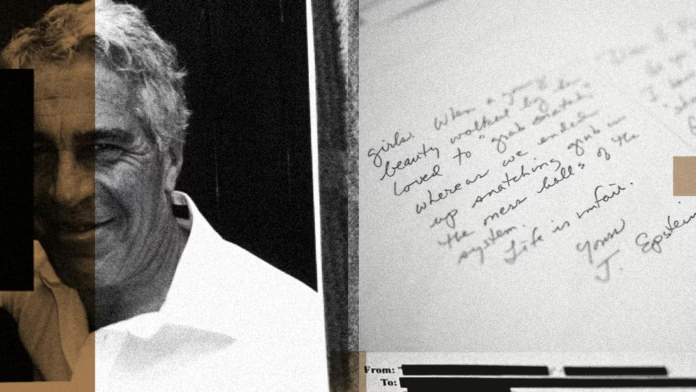
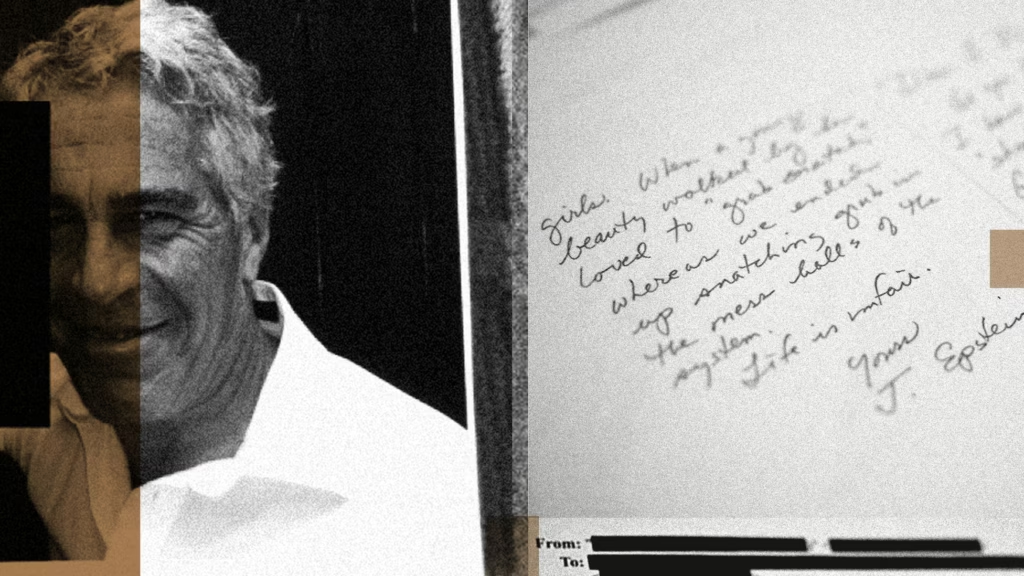
WASHINGTON — The FBI confirmed Tuesday that a prison letter purportedly written by Jeffrey Epstein to convicted sex offender Larry Nassar was fabricated, concluding an investigation into correspondence postmarked three days after the financier’s death in his Manhattan jail cell.
The Justice Department initially released the handwritten note overnight as part of its ongoing disclosure of files related to Epstein’s case. Hours later, after conducting further review, officials declared the document fraudulent.
“The FBI has confirmed this alleged letter from Jeffrey Epstein to Larry Nassar is FAKE,” the Department of Justice stated. “The fake letter was received by the jail, and flagged for the FBI at the time.”
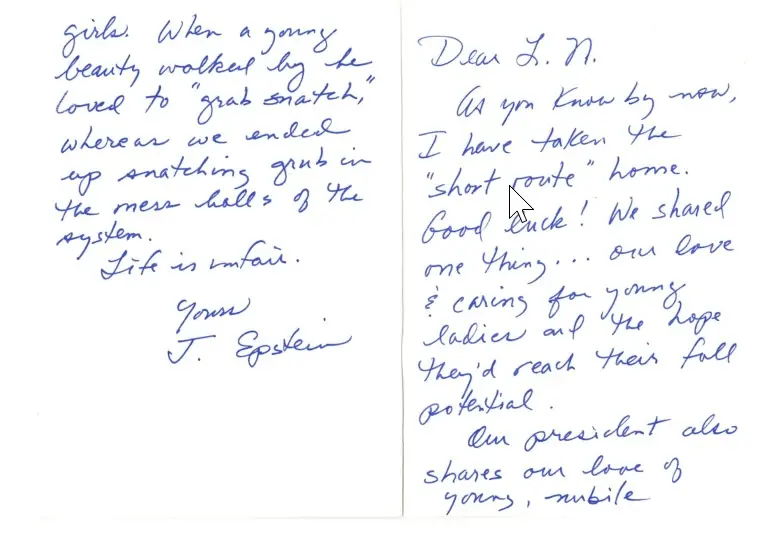
The letter, which began “Dear L.N.” and was postmarked August 13, 2019—three days after Epstein’s body was discovered in his Metropolitan Correctional Center cell—attempted to suggest a connection between the two convicted pedophiles. “As you know by now, I have taken the ‘short route’ home,” the fabricated correspondence stated. “Good luck!”
FBI investigators identified multiple authentication failures that exposed the document as fraudulent. The handwriting did not match Epstein’s verified samples, officials said. The postmark originated from Northern Virginia rather than New York City, where Epstein was incarcerated. The return address lacked Epstein’s inmate number, which correctional protocols require. Additionally, the author incorrectly identified the facility as “Manhattan Correctional” rather than its proper name, Metropolitan Correctional Center.
“This fake letter serves as a reminder that just because a document is released by the Department of Justice does not make the allegations or claims within the document factual,” the DOJ wrote. “Nevertheless, the DOJ will continue to release all material required by law.”
The fabricated letter attempted to create false equivalence between the two men’s crimes, stating: “We shared one thing … our love & caring for young ladies and the hope they’d reach their full potential.”
The author then made unsubstantiated claims about President Trump without evidence: “Our president also shares our love of young, nubile girls. When a young beauty walked by he loved to ‘grab s—ch,’ whereas we ended up snatching grub in the mess halls of the system.” The letter concluded with “Life is unfair” before signing off as “J. Epstein.”
Prison mail undergoes inspection by correctional staff before delivery. The correspondence was addressed to a correctional facility in Arizona but was returned to the Metropolitan Correctional Center in late September with notification that Nassar was no longer housed there. By that point, Epstein had been dead for more than seven weeks.
“When I picked up the mail from the mail room this morning there was a letter for inmate Epstein,” an unidentified MCC technician wrote. “It appeared he mailed it out and it was returned back to him. I am not sure if I should open it or should we hand it over to anyone?”
On July 31, 2020, the FBI submitted the letter for handwriting analysis to determine “if the individual who wrote the letter was Epstein or another unknown person.” The results of that analysis were not immediately available at the time, though Tuesday’s announcement confirms the conclusion reached after forensic examination.
Nassar received a sentence in January 2018 of between 40 and 175 years in prison on sexual assault charges after conviction for abusing female gymnasts under the pretense of providing medical treatment. His accusers included Olympic gold medalists Simone Biles, Gabby Douglas, Jordyn Wieber, McKayla Maroney and Aly Raisman. Nassar, now 62, was convicted on state and federal charges for sexually assaulting members of the USA gymnastics team, with allegations from at least 265 young women and girls during his 18-year tenure.
The Justice Department issued a statement Tuesday morning noting that the nearly 30,000 pages of newly released files included “untrue and sensationalist claims made against President Trump that were submitted to the FBI right before the 2020 election.”
“To be clear: the claims are unfounded and false, and if they had a shred of credibility, they certainly would have been weaponized against President Trump already,” the DOJ stated. “Nevertheless, out of our commitment to the law and transparency, the DOJ is releasing these documents with the legally required protections for Epstein’s victims.”
Among the released materials, an email dated January 8, 2020, sent by an unidentified assistant U.S. attorney for the Southern District of New York stated: “For your situational awareness, wanted to let you know that the flight records we received yesterday reflect that Donald Trump traveled on Epstein’s private jet many more times than previously has been reported (or that we were aware), including during the period we would expect to charge in a Maxwell case,” WBZNEWSRADIO reported.
“In particular, he is listed as a passenger on at least eight flights between 1993 and 1996, including at least four flights on which Maxwell was also present,” the email continued. “He is listed as having traveled with, among others and at various times, [second wife] Marla Maples, his daughter Tiffany, and his son Eric.”
“On one flight in 1993, he and Epstein are the only two listed passengers; on another, the only three passengers are Epstein, Trump, and then-20-year-old [redacted],” the email stated. “On two other flights, two of the passengers, respectively, were women who would be possible witnesses in a Maxwell case. We’ve just finished reviewing the full records (more than 100 pages of very small script) and didn’t want any of this to be a surprise down the road.”
The email provided no confirmation regarding whether Trump was aware of Epstein’s sex crimes, nor did it accuse him of any wrongdoing.
The email’s release came days after Deputy Attorney General Todd Blanche claimed that files related to Epstein temporarily disappearing from the Justice Department’s website “has nothing to do with President [Donald] Trump,” but rather came at the request of victim advocacy groups during an appearance on NBC News’ Meet the Press Sunday, December 21.
Blanche, who represented Trump in his New York City criminal trial and was nominated as deputy attorney general following Trump’s presidential election victory in November 2024, explained that released evidence included unredacted pictures of women, which he said “will go back up” after Justice Department officials investigate whether to make additional redactions. Fifteen images initially shared on the Justice Department’s website as part of the Epstein files’ Friday, December 19 release were suddenly removed on Saturday, December 20.
One removed file showed a photograph of a tabletop holding framed photos of Epstein with famous people, including an open drawer with printed photos of Trump and women in bathing suits.
“We don’t have perfect information,” Blanche said Sunday. “And so when, when we hear from victims-rights groups about this type of photograph, we pull it down and investigate. We’re still investigating that photo. The photo will go back up, and the only question is whether there will be redactions on the photo.”
Blanche also addressed criticism that he and others from the Trump-appointed Justice Department faced for not releasing complete Epstein files by Friday, which served as the deadline for document release in adherence with the Epstein Files Transparency Act passed by Congress and signed into law by Trump last month.
“The reason why we are still reviewing documents and still continuing our process is simply that to protect victims,” Blanche said. “We’re going through a very methodical process with hundreds of lawyers looking at every single document and making sure that victims’ names and any of the information from victims is protected and redacted, which is exactly what the [Epstein Files] Transparency Act expects.”
Trump announced he signed legislation compelling the Justice Department to release files related to Epstein in a post shared on his Truth Social account on November 19 amid public scrutiny for his past relationship with the convicted pedophile. Trump’s lengthy post attempted to tie Epstein to Democrats, days after publicly urging Republicans to vote in favor of releasing full Justice Department files related to Epstein, reversing his previous stance on file disclosure.
The president called on Attorney General Pam Bondi to investigate Epstein’s ties to prominent Democratic officials and banks like JP Morgan days after his own name was mentioned in emails sent by the late convicted pedophile.
“We have released over 33,000 Epstein documents to the Hill, and we will continue to follow the law and to have maximum transparency. Also, we will always encourage all victims to come forward,” Bondi said at a November news conference alongside FBI Director Kash Patel, Deputy Attorney General Todd Blanche and others on an unrelated issue, ABC News reported.
The fake letter incident underscores challenges the Justice Department faces in releasing comprehensive document collections while maintaining accuracy and protecting victim privacy. The department must balance competing demands: transparency requirements mandated by Congress, verification of document authenticity, protection of victim identities, and managing information that may be sensational but unverified.
The fabricated correspondence likely originated from someone seeking to create false narratives about Epstein’s connections or to embarrass figures mentioned in the letter. The timing—postmarked after Epstein’s death—suggests the author understood the letter would eventually surface during document releases and hoped to plant misinformation in the official record.
The incident also demonstrates the thoroughness of FBI forensic analysis capabilities. Handwriting examination, combined with procedural inconsistencies like incorrect facility naming and missing inmate numbers, allowed investigators to definitively establish the document’s fraudulent nature despite its appearance in official jail mail systems.
As the Justice Department continues releasing tens of thousands of pages related to Epstein’s case, additional documents may require similar forensic scrutiny to separate authentic materials from fabrications or hoaxes. The department’s commitment to releasing “all material required by law” means even fake documents may initially appear in public releases before verification processes identify them as fraudulent.
The Nassar connection, while fabricated in this instance, reflects public fascination with high-profile sex offenders and speculation about whether such criminals communicate with one another. In reality, federal prison systems typically segregate such inmates for their own protection and monitor their communications extensively, making substantive correspondence between them unlikely even if authentic interest existed.
Former Nickelodeon child actor Tylor Chase, whose appearance in a viral street video revealed he was living without housing in Southern California, has been placed in a hotel after fellow actors and friends mobilized to help him during the Christmas season.
Chase, 36, who played Martin Qwerly on Ned’s Declassified School Survival Guide from 2004 to 2007, was reunited this week with Daniel Curtis Lee, a former co-star who portrayed Simon “Cookie” Nelson-Cook on the Nickelodeon series. Lee said he arranged temporary lodging for Chase and spent time reconnecting with him after learning of his situation through social media.
In video footage obtained by the Daily Mail, the two former child actors embraced during an emotional reunion as Lee escorted Chase to a clean, warm place to stay. Lee later described the encounter in an Instagram reel, explaining that the effort was driven by concern rather than publicity.
“Love is all we can really give people some time,” Lee said in the video. “I’m happy he was able to reconnect with his pops.” Lee said he helped Tylor Chase speak by phone with his father during the visit, adding that the conversation lifted Chase’s spirits and opened the door to broader discussions about his future.
Lee said Chase appeared receptive to conversations about recovery and stability and that the two even shared a brief prayer. He added that he had also spoken with Chase’s mother, who cautioned against giving him cash directly, warning it could be harmful. Lee said he respected her wishes and instead focused on shelter and connection.
The update came as Riverside police confirmed that Chase remains unhoused and that officers have had regular contact with him. Riverside Police Department public information officer Ryan Railsback told the Daily Mail that authorities do not know how long Chase has been living on the streets but described his interactions with police as cooperative and respectful.
Railsback said officers from the department’s Public Safety Engagement Team check on Chase at least once a week and routinely offer assistance, including temporary shelter options and access to services. He said police have not contacted Chase’s relatives on his behalf and noted that Chase has repeatedly declined shelter placements, substance abuse treatment and mental health services when offered by outreach teams, a point Railsback previously confirmed to TMZ.
As news of Chase’s situation spread, additional figures from the entertainment industry stepped in. Shaun Weiss, who starred in The Mighty Ducks films and has publicly spoken about his own past struggles with homelessness and addiction, said efforts were underway to connect Chase with treatment and support.
Weiss told the Daily Mail that businessman Jake Harris played a central role in locating Chase and building trust. Harris later said on Instagram that he helped Tylor Chase speak with several former colleagues who expressed concern and encouraged him to seek help. Harris said Chase was placed in a hotel to give him time and space to make decisions about treatment.
“It can be tricky considering the state that Tyler’s in,” Weiss said, adding that Chase appeared open to detox and professional help. Lee publicly thanked Harris for initiating the outreach, writing in a comment thread, “Thanks for getting the ball rolling for his treatment.”
Chase’s situation has reignited broader conversations about the long-term welfare of former child performers, many of whom transition out of the industry without financial security or sustained support systems. Advocates say viral moments often bring short-term relief but highlight deeper gaps in mental health care, addiction services and housing access, particularly for individuals whose early fame masks later vulnerability.
For Lee and others involved, the immediate goal is stability rather than spectacle. “I really believe we can get Tylor back on his feet,” Lee said, noting that the timing of the holidays made the effort feel especially urgent.
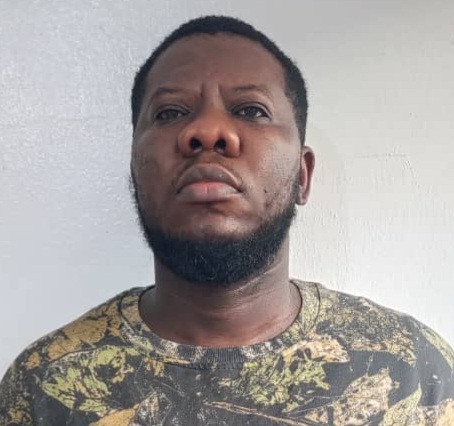
LAGOS, Nigeria — A Federal High Court in Lagos ordered Tuesday the remand of a Nigerian citizen wanted by United States authorities on charges of wire fraud, email compromise and aiding criminal schemes that allegedly defrauded a company of approximately $1.24 million.
Justice Akintayo Aluko granted the Attorney-General of the Federation’s application to detain Lawrence Folawunmi pending the outcome of extradition proceedings initiated under the Extradition Act (Cap. E25), Laws of the Federation of Nigeria 2004. A lawyer from the AGF’s office presented the motion during Tuesday’s proceedings.
Officers from the Interpol Unit of the Force Criminal Investigation Department in Alagbon-Ikoyi, Lagos, arrested Folawunmi following directives from Inspector-General of Police Dr. Kayode Egbetokun.
Court documents reveal that Folawunmi is named in criminal case No. 3:21-00276, filed November 15, 2021, by a grand jury convened at the United States District Court for the Middle District of Tennessee, Nashville Division. The grand jury foreperson signed the indictment, which received certification from the court’s clerk and deputy clerk. Mark H. Wildasin, Acting United States Attorney, and Taylor J. Phillips endorsed the charging document.
United States authorities allege that Folawunmi fraudulently manipulated a firm into altering its payment information across at least eight separate transactions, resulting in the unauthorized transfer of approximately $1.24 million. The scheme represents what law enforcement characterizes as business email compromise, a sophisticated fraud method targeting corporate financial operations.
Counsel from the Attorney-General’s office argued the remand order was necessary to ensure Folawunmi’s availability throughout the extradition proceedings. The government’s position reflects standard practice in international criminal cases where flight risk concerns justify pretrial detention pending resolution of jurisdictional and legal questions.
Defense attorney W. Liadi did not contest the remand application but requested a brief adjournment to prepare and file responses to the extradition suit. The defense counsel’s non-opposition to remand while seeking time to mount a legal challenge represents a tactical approach that acknowledges the immediate detention reality while preserving options to contest the underlying extradition request.
The case highlights Nigeria’s role in international efforts to combat cybercrime, particularly business email compromise schemes that have become increasingly sophisticated and costly for corporations worldwide. Nigerian nationals have figured prominently in US prosecutions of such frauds, though law enforcement officials emphasize that perpetrators represent a small fraction of Nigeria’s population and that many Nigerians work legitimately in technology and financial sectors.
Business email compromise schemes typically involve criminals gaining access to corporate email systems or creating convincing imitations of legitimate business communications.
Perpetrators then manipulate payment instructions, redirecting funds intended for legitimate vendors or business partners into accounts controlled by the fraud network. The crimes require technical sophistication, social engineering skills and often international coordination among criminal conspirators.
The $1.24 million alleged loss in Folawunmi’s case represents a substantial but not unusual sum for such schemes. The FBI’s Internet Crime Complaint Center has documented business email compromise losses totaling billions of dollars annually, with individual cases ranging from tens of thousands to tens of millions of dollars. The crimes affect businesses of all sizes, though small and medium enterprises often lack the cybersecurity resources and training programs that might prevent successful attacks.
The extradition process in Nigeria follows established legal procedures designed to balance international law enforcement cooperation with protection of individual rights. The Extradition Act requires judicial review of extradition requests, examination of supporting evidence and assessment of whether charged offenses meet criteria for extradition under relevant treaties and domestic law.
Nigeria and the United States maintain an extradition treaty that facilitates transfer of accused individuals between the two countries, though the process can extend months or years depending on legal challenges, evidentiary issues and procedural complexities.
Courts must determine whether alleged conduct constitutes crimes under both nations’ laws—the “dual criminality” requirement—and whether extradition would violate Nigerian constitutional protections or human rights standards.
Defense counsel’s request for time to prepare responses suggests Folawunmi may contest extradition on various grounds. Common challenges in extradition cases include arguments about identity misidentification, lack of sufficient evidence linking the accused to alleged crimes, concerns about fair trial prospects in the requesting country, or claims that extradition would violate human rights protections.
The involvement of Acting United States Attorney Mark H. Wildasin in endorsing the indictment indicates federal prosecutors view the case as sufficiently significant to warrant attention from senior leadership in the Middle District of Tennessee. Federal districts across the United States have made business email compromise prosecutions a priority, recognizing the substantial economic harm these schemes inflict on American businesses and the challenges of pursuing perpetrators operating internationally.
The timing of the case—with an indictment filed in 2021 but arrest occurring in 2024—reflects common delays in international criminal matters. Locating defendants in foreign jurisdictions, coordinating between law enforcement agencies across national boundaries, assembling extradition documentation and navigating diplomatic channels all contribute to extended timelines between charges and arrests.
Inspector-General Egbetokun’s directive for Folawunmi’s arrest demonstrates Nigerian law enforcement cooperation with international partners on cybercrime investigations.
Nigeria has faced criticism over the years for allegedly insufficient action against cybercriminals operating within its borders, though authorities have increasingly prioritized such cases and collaborated with foreign agencies including the FBI, Secret Service and Interpol.
The Force Criminal Investigation Department’s Interpol Unit in Lagos serves as a key nexus for international law enforcement coordination involving Nigerian suspects or victims. The unit processes extradition requests, facilitates information sharing between Nigerian police and foreign agencies and conducts investigations with transnational dimensions.
As the extradition proceedings advance, the case will test legal mechanisms governing international criminal cooperation between Nigeria and the United States. The outcome will affect not only Folawunmi’s immediate liberty but potentially establish precedents or clarify procedures applicable to future extradition requests involving cybercrime allegations.
If extradition is granted and Folawunmi is transferred to United States custody, he would face trial in federal court in Tennessee, where conviction on wire fraud charges could result in substantial prison sentences. Federal sentencing guidelines consider factors including loss amount, number of victims, role in the offense and criminal history when determining appropriate punishment.
The broader context involves ongoing international efforts to combat cybercrime through enhanced law enforcement cooperation, improved information sharing and harmonization of legal frameworks across jurisdictions.
Cases like Folawunmi’s demonstrate both the reach of transnational criminal networks and the expanding capacity of law enforcement agencies to pursue suspects across international boundaries, though significant challenges remain in detecting, investigating and prosecuting crimes conducted through digital means across multiple countries.
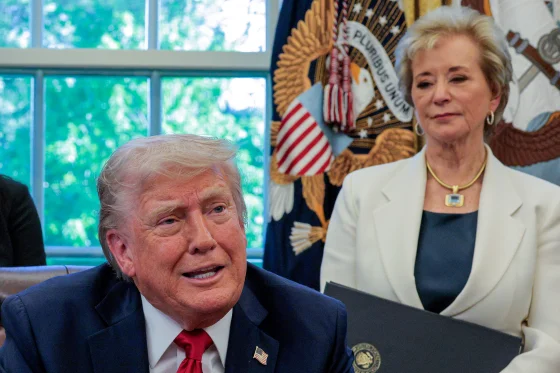
WASHINGTON — The Trump administration announced Tuesday it will begin garnishing wages of student loan borrowers in default starting early next year, resuming aggressive collection practices that were suspended during the COVID-19 pandemic and marking a significant shift from the Biden administration’s approach to student debt.
The Education Department will send notices to approximately 1,000 borrowers during the week of January 7, with the volume of notices escalating on a monthly basis thereafter, the Associated Press stated. Federal law requires borrowers receive 30 days notice before wage garnishment can commence.
Millions of borrowers are classified as in default, defined as being 270 days past due on payments. The department emphasized it would initiate collection activities “only after student and parent borrowers have been provided sufficient notice and opportunity to repay their loans.”
The announcement drew sharp criticism from borrower advocacy organizations. Persis Yu, deputy executive director for the Student Borrower Protection Center, characterized the decision as punitive during a period of economic hardship for many American families.
“At a time when families across the country are struggling with stagnant wages and an affordability crisis, this administration’s decision to garnish wages from defaulted student loan borrowers is cruel, unnecessary, and irresponsible,” Yu said in a statement. “As millions of borrowers sit on the precipice of default, this Administration is using its self-inflicted limited resources to seize borrowers’ wages instead of defending borrowers’ right to affordable payments.”
The wage garnishment initiative represents the latest phase of the Trump administration’s return to traditional student loan enforcement. In May, officials ended the pandemic-era payment pause and resumed collection on defaulted debt through withholding tax refunds and other federal payments to borrowers, CBS reported, citing the Associated Press.
That May announcement concluded an extended period of leniency for student loan borrowers. Payments restarted in October 2023, though the Biden administration implemented a one-year grace period to ease the transition. Since March 2020, no federal student loans had been referred for collection, including those in default, until the Trump administration’s policy shift earlier this year.
More than 5 million borrowers were in default when the Education Department announced in May it would begin involuntary collections through the Treasury Department’s offset program, which employs measures such as withholding tax refunds, federal salaries and Social Security benefits. The department projected 4 million additional borrowers could enter default in subsequent months, potentially bringing nearly 25 percent of all student loan borrowers into default status.
The scale of the default crisis reflects broader challenges in the student loan system. The original Trump administration paused student loan repayments in March 2020 at the pandemic’s onset, suspending payments and interest accrual. After several extensions under the Biden administration, Congress blocked further payment postponements, requiring resumption in October 2023.
Former President Joe Biden attempted multiple initiatives to forgive student loan debt for tens of millions of borrowers during his term, but courts repeatedly rejected these efforts, including a 2023 Supreme Court ruling that invalidated the administration’s signature debt cancellation plan. The Biden administration did successfully eliminate student loan debt for more than 5 million borrowers through targeted forgiveness programs focused on specific categories such as public service workers and individuals defrauded by for-profit institutions.
Education Secretary Linda McMahon framed the return to collection activities as fiscal responsibility and adherence to statutory requirements. “Going forward, the Department of Education, in conjunction with the Department of Treasury, will shepherd the student loan program responsibly and according to the law, which means helping borrowers return to repayment — both for the sake of their own financial health and our nation’s economic outlook,” she stated in May.
“There will not be any mass loan forgiveness,” the May announcement declared, establishing a clear philosophical departure from Biden administration priorities.
The Trump administration’s comprehensive approach to student loan reform extends beyond collection enforcement. Legislation President Trump signed into law on July 4 fundamentally overhauled the federal student loan system, phasing out multiple repayment plans including SAVE, PAYE, IBR and ICR programs. The law also imposed caps on the amount individuals can borrow for higher education and eliminated deferment provisions for borrowers facing economic hardship.
These structural changes compound challenges for borrowers struggling to manage debt obligations. The elimination of income-driven repayment plans that many borrowers relied upon to maintain affordable monthly payments creates a narrower path to avoiding default. Similarly, removing economic hardship deferments eliminates a safety valve that previously allowed borrowers facing job loss, medical emergencies or other financial crises to temporarily suspend payments without entering default status.
The decision to resume wage garnishment raises questions about the practical impact on borrowers and their families. While the Education Department has not specified what percentage of wages could be garnished, federal law permits garnishment of up to 15 percent of disposable income for defaulted student loans—a substantial reduction in take-home pay for individuals already struggling financially.
Wage garnishment creates cascading consequences beyond immediate income loss. Borrowers may face difficulties meeting basic living expenses, potentially leading to housing instability, food insecurity or inability to afford healthcare. The psychological toll of forced wage reduction and the stigma associated with garnishment can affect job performance and career prospects. For families already operating on tight budgets, the sudden reduction in available income can trigger broader financial crises.
The advocacy community’s criticism centers not merely on wage garnishment itself but on what they characterize as the administration’s failure to provide adequate alternatives. Yu’s statement emphasized that the department could direct resources toward helping borrowers access affordable payment options rather than implementing punitive collection measures.
This criticism reflects broader debates about student loan policy philosophy. Consumer advocates argue the default crisis stems from systemic issues including rising education costs, stagnant wages, inadequate borrower counseling and complex repayment options that many borrowers struggle to navigate. From this perspective, aggressive collection rather than addressing root causes treats symptoms while ignoring underlying disease.
The administration’s approach reflects a different philosophy emphasizing personal responsibility and fiscal accountability. From this viewpoint, borrowers accepted legal obligations when taking loans and must honor those commitments. Extended payment pauses and forgiveness proposals, officials argue, create moral hazard by rewarding non-payment while burdening taxpayers who either paid their own loans or never borrowed for education.
The wage garnishment announcement arrives amid broader economic uncertainty. Inflation has eroded purchasing power even as nominal wages have increased, leaving many households with less disposable income than before the pandemic. Housing costs have surged in many markets, consuming larger shares of household budgets. These economic pressures make student loan payments increasingly difficult even for borrowers not currently in default.
The timing—beginning in January 2026—provides a modest window for borrowers to address their status before garnishment commences. Borrowers in default or approaching default should contact loan servicers to explore options such as loan rehabilitation programs that can restore loans to good standing and potentially prevent wage garnishment. However, these programs require sustained payments that many struggling borrowers may find difficult to maintain.
The broader student loan landscape remains in flux. Total outstanding federal student loan debt exceeds $1.6 trillion, distributed among more than 40 million borrowers. Default rates vary significantly by demographic factors, with borrowers from lower-income backgrounds, those who attended for-profit institutions and individuals who borrowed for incomplete credentials facing substantially higher default risks.
The Education Department’s graduated approach to wage garnishment—starting with 1,000 notices in January and scaling up monthly—suggests either operational constraints or strategic caution about implementing potentially controversial policy. This phased rollout may allow the department to refine processes, address unexpected complications and gauge public and congressional reaction before full-scale implementation.
As the Trump administration resumes aggressive collection practices that were suspended for nearly five years, millions of borrowers face difficult decisions about prioritizing student loan payments amid competing financial obligations. The coming months will reveal whether borrowers can successfully navigate the transition or whether default rates continue climbing, potentially triggering a broader student debt crisis that affects not only individual borrowers but the broader economy through reduced consumer spending and delayed major life decisions such as homeownership and family formation.
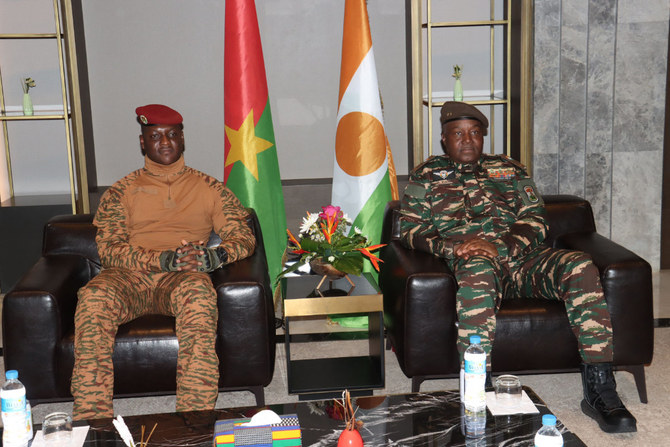
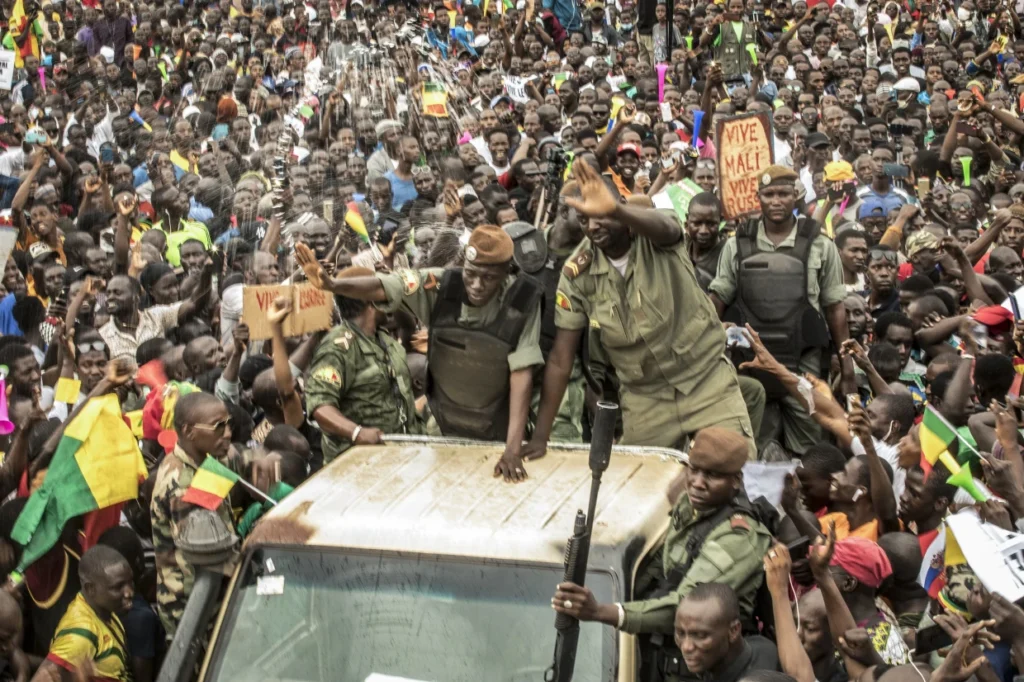
BAMAKO, Mali — Military leaders from Mali, Niger and Burkina Faso convened an emergency summit in Bamako this week as jihadist groups linked to al-Qaeda and the Islamic State intensify operations across the Sahel region, with attacks increasingly threatening national capitals and armed militants consolidating control over vast rural territories.
The second session of the Alliance of Sahel States’ leadership council brings together Mali’s President Assimi Goïta, Niger’s President Abdourahamane Tchiani and Burkina Faso’s President Ibrahim Traoré, who arrived Tuesday morning after an unexpected delay. The December 22-23 gathering aims to strengthen cooperation within the alliance and reduce dependence on the West African regional bloc ECOWAS, from which all three countries withdrew last year, Africanews reported.
Goïta and Tchiani met Monday on the tarmac of Bamako’s airport before proceeding to the presidential palace for preliminary discussions. The summit focuses on defense and security coordination, economic development, communications strategy and counterterrorism efforts across the three states.
Ahead of the gathering, the three nations officially announced creation of a joint military force to combat terrorism throughout the region. On Tuesday, the leaders also launched the Alliance of Sahel States TV broadcaster, described as a mechanism to counter disinformation and promote the bloc’s interests.
Following Goïta’s appointment as alliance president at last year’s inaugural summit, a new head of the organization is expected to be designated in Bamako this week.
The meeting unfolds against a backdrop of rapidly deteriorating regional security conditions. Armed groups affiliated with al-Qaeda and the Islamic State have conducted a wave of attacks that are increasingly edging closer to national capitals while consolidating territorial control over large rural areas, according to Africanperceptions.
This marks the second session of what officials call the “College of Heads of State of the Sahel Alliance.” The three countries, all governed by military authorities who seized power through coups, are attempting to project themselves as a regional force capable of confronting security challenges without external oversight, particularly following the withdrawal of French military forces and the scaling back of United States presence in the region, Africanperceptions stated.
The summit is expected to prioritize strengthening joint military coordination and outlining an urgent response plan to counter growing security threats, despite persistent challenges related to limited financial and military resources among the alliance’s member states, the organization reported.
Mali, Niger and Burkina Faso formed their alliance in 2023 and formally withdrew from the Economic Community of West African States last year. The moves followed deteriorating relations between all three countries and most of their Western partners after military coups toppled civilian governments, Africanews reported.
The junta-led countries have taken deliberate steps to assert autonomy, including introducing their own travel documents for citizens. However, the three nations remain members of the West African Economic and Monetary Union, which guarantees continued trade and free movement of goods among its eight members, including Senegal, Ivory Coast, Guinea-Bissau, Togo and Benin.
ECOWAS has indicated openness to allowing Mali, Niger and Burkina Faso to continue benefiting from certain bloc privileges, including trade arrangements, despite their formal withdrawal. This pragmatic approach reflects regional recognition that complete economic separation would harm all parties while potentially destabilizing an already fragile region.
The Alliance of Sahel States represents a fundamental restructuring of regional security architecture that dominated West Africa for decades. The French military presence, which once numbered thousands of troops across the Sahel conducting counterterrorism operations, has been systematically expelled from all three countries amid accusations of neocolonialism and ineffectiveness at stemming jihadist violence.
The withdrawal of French forces and reduction of American military footprint creates both opportunities and risks for the military governments. On one hand, it allows them to pursue security strategies without external constraints or political conditions. On the other, it removes significant intelligence capabilities, air support, training programs and financial resources that Western partners provided for counterterrorism operations.
The alliance’s announcement of a joint military force raises immediate questions about operational capacity and sustainability. All three countries face severe resource constraints, aging equipment, training deficiencies and morale challenges within their armed forces. Previous efforts at multinational military cooperation in the Sahel, including the G5 Sahel force, struggled with coordination problems, inadequate funding and limited effectiveness against mobile jihadist networks.
The jihadist threat has evolved significantly since France first intervened in Mali in 2013. What began as localized insurgencies has metastasized into sophisticated networks capable of governing territory, collecting taxes, administering justice and providing basic services in areas where state authority has collapsed. Groups affiliated with al-Qaeda’s Jama’at Nusrat al-Islam wal-Muslimin and Islamic State in the Greater Sahara have demonstrated adaptability, exploiting ethnic tensions, economic grievances and governance failures to expand their influence.
The expansion of jihadist operations toward national capitals represents a strategic shift from rural insurgency to potential urban warfare. Attacks in areas closer to Bamako, Niamey and Ouagadougou demonstrate that armed groups are testing government defensive perimeters and potentially preparing for more ambitious operations. Urban attacks would fundamentally change the conflict’s dynamics, potentially triggering humanitarian crises, mass displacement and economic collapse.
The launch of the Alliance of Sahel States TV broadcaster reflects awareness that the conflict extends beyond military dimensions. All three governments face legitimacy challenges after seizing power through force and repeatedly postponing promised returns to civilian rule. A dedicated media platform allows them to shape narratives about security operations, economic development and regional cooperation without relying on international media they view as hostile.
However, the effectiveness of state media in countering what the alliance characterizes as “disinformation” remains questionable. Social media platforms and international news organizations operating in the region provide alternative information sources that governments cannot fully control. Moreover, credibility depends not on messaging sophistication but on tangible improvements in security and living conditions for populations enduring years of violence and instability.
The summit also highlights complex diplomatic positioning. While asserting independence from Western influence, all three countries have deepened relationships with Russia, which has deployed Wagner Group mercenaries—now reorganized under different structures following Yevgeny Prigozhin’s death—to support military operations. These forces have been accused of human rights abuses and failing to significantly improve security outcomes despite their presence.
China has expanded economic engagement throughout the region, pursuing infrastructure projects and resource extraction while avoiding the political conditions Western partners typically impose. Turkey has emerged as another alternative partner, providing military equipment and training while seeking to expand its influence in francophone Africa.
The alliance’s viability ultimately depends on whether it can deliver improved security for populations bearing the primary burden of jihadist violence. Communities across the Sahel face daily threats from armed groups, displacement from their homes, disruption of agriculture and trade, closure of schools and health facilities, and erosion of social cohesion. Military operations that fail to protect civilians or that generate additional grievances through heavy-handed tactics will only compound the crisis.
As the Bamako summit concludes, the three military leaders face a fundamental challenge: translating rhetoric about regional solidarity and autonomous security into effective action against jihadist networks that have proven remarkably resilient. Without significant improvements in intelligence capabilities, logistics, troop training and civil-military coordination—areas where Western partners previously provided crucial support—the Alliance of Sahel States risks becoming another institutional framework that cannot match operational realities on the ground.
The international community watches with concern as the Sahel’s security crisis deepens and regional responses shift away from Western partnerships toward uncertain alternatives. The stakes extend beyond the three alliance countries to the broader West African region, where jihadist expansion could destabilize coastal states, generate massive refugee flows and create ungoverned spaces that terrorist networks exploit for global operations.
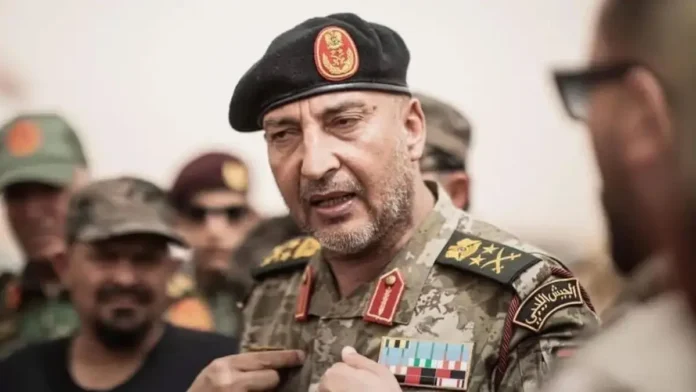
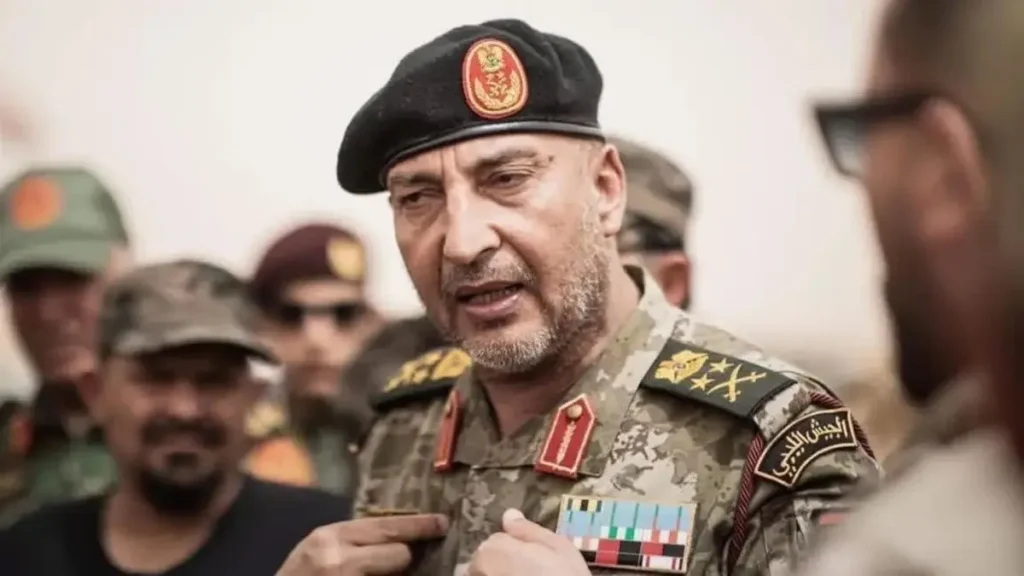
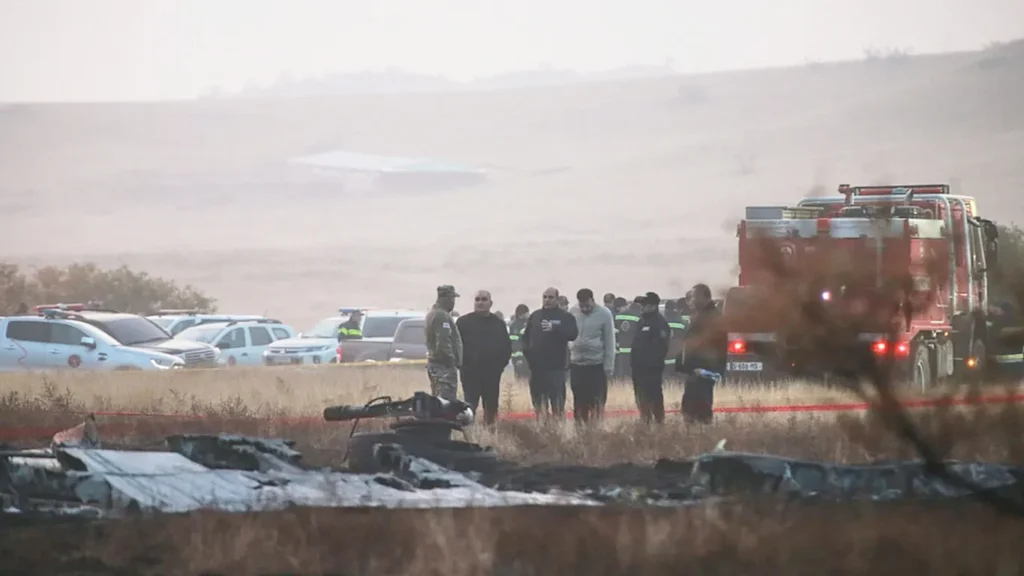
ANKARA, Turkey — Libya’s army chief of staff, Mohammed Ali Ahmed Al-Haddad, perished Tuesday in a plane crash near Ankara alongside four senior military officers after departing the Turkish capital following official bilateral meetings, Libyan Prime Minister Abdulhamid Dbeibah announced.
“This followed a tragic and painful incident while they were returning from an official trip from the Turkish city of Ankara. This grave loss is a great loss for the nation, for the military institution, and for all the people,” Dbeibah said in a statement.
The commander of Libya’s ground forces, the director of its military manufacturing authority, an adviser to the chief of staff, and a photographer from the chief of staff’s office also died in the crash, the prime minister said.
Turkish Interior Minister Ali Yerlikaya stated on X that the Dassault Falcon 50-type jet departed Ankara’s Esenboga Airport at 1710 GMT en route to Tripoli. Radio contact was lost at 1752 GMT, he said, and authorities subsequently located the aircraft’s wreckage near Kesikkavak village in Ankara’s Haymana district.
The jet requested an emergency landing while over Haymana, but no contact was established, Yerlikaya said. The cause of the crash remained unclear Tuesday evening.
Turkish Justice Minister Yilmaz Tunc confirmed that the Ankara chief prosecutor’s office has launched an investigation into the incident. Initial findings suggest a technical error, Al Jazeera reported, citing official Libyan statements, though investigators have not released preliminary conclusions.
Walid Ellafi, state minister of political affairs and communication for the Tripoli-based Government of National Unity, told broadcaster Libya Alahrar that officials lack clarity on when a crash report would be finalized. The jet was a leased Maltese aircraft, Ellafi said, adding that officials did not have “sufficient information regarding its ownership or technical history,” which would be investigated.
Al Jazeera’s Sinem Koseoglu, reporting from Istanbul, stated the delegation had arrived in Turkey “in a private jet that was rented by the Libyan government from an outside company.”
Libya’s United Nations-recognized Government of National Unity announced three days of official mourning across the country. The Tripoli-based government said Dbeibah directed the defense minister to dispatch an official delegation to Ankara to monitor proceedings.
Turkey’s defense ministry had announced Al-Haddad’s visit earlier, stating he met with Turkish Defense Minister Yasar Guler and Turkish Chief of General Staff Selcuk Bayraktaroglu, along with other Turkish military commanders. The meetings focused on bilateral cooperation in security and defense matters, Koseoglu reported.
Al Jazeera’s Malik Traina, reporting from Tripoli, said he knew Al-Haddad personally and characterized his death as a “huge loss” to the Libyan military. “He was a career military man, someone that everybody respected, and he went by the book,” Traina said.
“He was someone that people here in Western Libya really respected, someone who always adhered to the law and followed the rules, and he didn’t take side with any militias, no matter how powerful they were. It is a really huge loss to the Libyan military institution,” Traina stated.
While Al-Haddad served in the military for decades, he played a prominent role supporting rebels during the uprising against former leader Muammar Gaddafi, Traina noted.
The crash occurred one day after Turkey’s parliament approved extending the mandate for Turkish military deployment in Libya by two additional years. The timing, while apparently coincidental, underscores Turkey’s deepening military and political engagement with Libya’s internationally recognized government.
NATO member Turkey has provided military and political support to Libya’s Tripoli-based government since 2020, when it dispatched military personnel to train and assist government forces. Ankara later reached a maritime demarcation accord with Tripoli, which Egypt and Greece have disputed.
In 2022, Ankara and Tripoli signed a preliminary accord on energy exploration, which Egypt and Greece also oppose. The agreements have positioned Turkey as a major stakeholder in Libya’s complex political landscape and Mediterranean energy competition.
However, Turkey has recently adjusted its approach under a “One Libya” policy, increasing contacts with Libya’s eastern faction as well. This shift reflects Ankara’s recognition that sustainable influence in Libya requires engagement with all major political players rather than exclusive alignment with the Tripoli government.
Al-Haddad’s death removes a stabilizing figure from Libya’s fractured military landscape at a sensitive moment. The country remains divided between the UN-recognized Government of National Unity in Tripoli and rival authorities in the east, with various militia groups controlling territory and resources. Military leaders who maintain neutrality among competing factions, as Al-Haddad reportedly did, play crucial roles in preventing renewed civil conflict.
The loss of five senior military officers simultaneously represents a significant blow to Libya’s defense establishment and command structure. The deaths create leadership vacancies across multiple critical military domains—ground forces, military manufacturing, and strategic planning—requiring rapid succession decisions during an already unstable period.
Questions about the leased aircraft’s maintenance history and technical condition will likely intensify scrutiny of how Libyan government officials travel internationally. The reliance on leased aircraft from external companies, while common among governments with limited aviation resources, introduces variables around maintenance standards, pilot training and operational oversight that state-owned aircraft might better control.
The investigation’s findings will prove consequential for Turkish-Libyan relations. If technical failures in a Turkish-leased aircraft or air traffic control shortcomings contributed to the crash, it could complicate the bilateral military cooperation that the delegation’s visit was intended to strengthen. Conversely, if the aircraft’s maintenance issues originated with the Maltese leasing company or Libyan operational decisions, it would direct scrutiny elsewhere.
Turkey’s prompt investigation through the Ankara chief prosecutor’s office demonstrates sensitivity to the diplomatic implications. A thorough, transparent inquiry that identifies root causes will be essential for maintaining trust between the two governments and ensuring accountability for what appears to be a preventable tragedy.
As Libya observes three days of mourning, the crash highlights the persistent dangers facing government officials operating in conflict-affected regions with limited infrastructure and resources. The deaths of Al-Haddad and his colleagues represent not merely personal tragedies but institutional setbacks for a country struggling to build professional military and governmental structures capable of navigating Libya’s path toward stability and reunification.