LOS ANGELES (BN24) — Robert Duvall, the Oscar-winning actor whose understated intensity and commanding presence defined some of the most enduring films of the 20th century, has died at 95.
His death was announced in a statement shared on Facebook by his wife, Luciana Duvall.
“Yesterday we said goodbye to my beloved husband, cherished friend, and one of the greatest actors of our time,” she wrote. “Bob passed away peacefully at home, surrounded by love and comfort. To the world, he was an Academy Award-winning actor, a director, a storyteller. To me, he was simply everything.”
She added that his devotion to acting was matched by his affection for everyday pleasures and deep personal connections. “For each of his many roles, Bob gave everything to his characters and to the truth of the human spirit they represented,” she wrote, thanking supporters for their years of encouragement and requesting privacy for the family.
Over a career that spanned nearly six decades, Duvall moved seamlessly between leading and supporting roles, bringing tightly wound intensity and quiet authority to a wide range of characters. He earned Academy Award nominations for performances in films including The Godfather, Apocalypse Now, and The Great Santini.
He captured the best actor Oscar in 1984 for his portrayal of washed-up country singer Mac Sledge in Tender Mercies, directed by Bruce Beresford. The performance, restrained and deeply humane, showcased Duvall’s ability to communicate emotional turmoil through subtle gestures rather than theatrical display.
In Network, he embodied a calculating television executive with chilling conviction. Two decades later, he wrote, directed, and starred in The Apostle, delivering a fervent turn as a Pentecostal preacher grappling with guilt and redemption. The film underscored his willingness to explore morally complex territory and to take creative risks beyond acting.
Born Robert Seldon Duvall on Jan. 5, 1931, in San Diego, California, he was the son of an amateur actress and a U.S. Navy rear admiral. His upbringing on naval bases across the country, including time in Annapolis, Maryland, exposed him to a disciplined, itinerant lifestyle that would later inform many of his performances portraying military and authority figures.
He graduated from Principia College in Elsah, Illinois, in 1953 and served two years in the U.S. Army during the Korean War. After returning home, he pursued formal acting training at the Neighborhood Playhouse in New York, studying under the influential teacher Sanford Meisner. Among his classmates were future stars Dustin Hoffman, Gene Hackman, and James Caan.
During those lean early years, Duvall supported himself with odd jobs while sharing an apartment with Hoffman and Hackman. He appeared in Broadway and Off-Broadway productions, including stagings of The Crucible and A View from the Bridge by Arthur Miller, and secured guest roles on television programs such as The Twilight Zone.
Duvall made his film debut at age 31, portraying the reclusive Arthur “Boo” Radley in the 1962 adaptation of To Kill a Mockingbird. Though his screen time was limited, the performance left a lasting impression and signaled the arrival of a distinctive talent.
Throughout the 1960s, he steadily built his reputation, appearing alongside John Wayne in True Grit and collaborating with Francis Ford Coppola in The Rain People. His partnership with Coppola would soon yield one of his most celebrated roles: Tom Hagen, the composed consigliere in The Godfather, a performance that anchored the epic crime saga with quiet loyalty and measured intelligence.
By the 1970s, Duvall had emerged as a central figure in the “New Hollywood” era, a transformative period marked by director-driven projects and morally ambiguous protagonists. Alongside contemporaries such as Al Pacino and Robert De Niro, he helped redefine leading-man archetypes, favoring psychological depth over glamour.
Duvall’s legacy rests not only on the awards he accumulated, seven Academy Award nominations and seven Golden Globe nominations, but on the particular style of masculinity he projected onscreen. At a time when Hollywood often equated heroism with bravado, Duvall specialized in restraint. His characters frequently conveyed authority through stillness, suggesting inner lives simmering beneath controlled exteriors.
Film historians have often credited the New Hollywood generation with dismantling the polished studio-era image of stardom. Duvall embodied that shift. He did not conform to traditional matinee-idol standards; instead, his appeal lay in authenticity. Whether as a military officer, a crime family adviser, or a broken-down musician, he conveyed a lived-in realism that resonated with audiences navigating a rapidly changing America.
His Oscar-winning performance in Tender Mercies illustrated a broader cultural appetite in the 1980s for intimate, character-driven storytelling amid blockbuster spectacles. Meanwhile, his later work in The Apostle demonstrated a willingness to explore faith and moral reckoning at a time when such themes were rarely foregrounded in mainstream cinema.
Duvall’s influence can be traced in subsequent generations of actors who prize nuance over flash. His career serves as a case study in longevity built on craft rather than celebrity. Even in supporting roles, he often became the emotional center of a film, elevating ensemble casts through disciplined precision.
As tributes emerge from across the film community, Duvall’s body of work stands as a testament to the power of subtlety in an industry frequently drawn to excess. From Boo Radley’s silent watchfulness to Tom Hagen’s composed counsel, he created characters that endure not because they were loud, but because they were profoundly human.
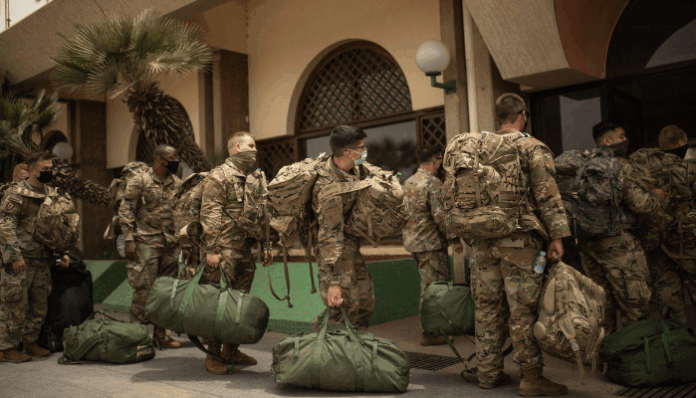
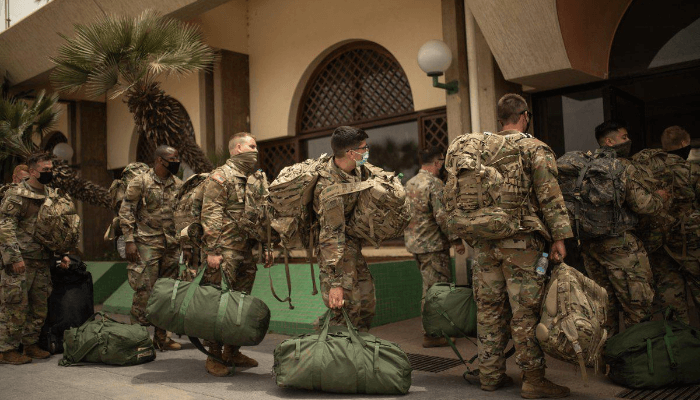
Nigeria’s Defence Headquarters has confirmed the arrival of approximately 100 United States military personnel and associated equipment at Bauchi Airfield, describing the deployment as part of an expanded security partnership between Abuja and Washington.
In a statement issued Monday and signed by Major General Samaila Uba, Director of Defence Information, the Defence Headquarters said the American personnel were deployed following a formal request by the Federal Government of Nigeria for support in specific training, technical and intelligence areas.
The statement characterized the deployment as “planned and deliberate,” noting that it stems from prior working group discussions between Nigerian officials and their U.S. counterparts. It said the arrangement is intended to address clearly defined military training requirements and to enhance intelligence-sharing mechanisms between the two nations’ armed forces.
According to the Defence Headquarters, the U.S. personnel are technical specialists serving strictly in advisory and instructional roles. They are not combat forces, the military emphasized.
“All training activities will be conducted under the authority, direction and control of the Nigerian Government and in close coordination with the Nigerian Armed Forces,” the statement said, underscoring that operational sovereignty remains with Abuja.
The Defence Headquarters indicated that Nigerian troops will soon begin joint engagements with the American advisers, focusing on coordinated training exercises and intelligence-centered cooperation initiatives. The objective, it said, is to strengthen the ability of Nigerian forces to identify, disrupt and neutralize extremist groups seeking to destabilize the country.
Reuters reported that roughly 100 U.S. military personnel had already arrived in Nigeria as Washington intensifies efforts aimed at countering Islamist insurgents. The news agency cited Nigeria’s defence spokesperson as confirming that the American troops would train and advise local forces but would not participate in combat operations.
Earlier, Sahara Reporters had indicated that as many as 200 U.S. troops were expected to deploy to Nigeria to provide training and technical assistance. The report said both governments had stressed that the American personnel would not engage directly in fighting.
Major General Uba previously told AFP that the United States would assist Nigeria with training and technical support. The Wall Street Journal later wrote that additional troops could supplement a small U.S. team already present in Nigeria to assist with air strike targeting and intelligence coordination. The reinforcements, the newspaper said, would focus on improving synchronization between air operations and ground forces.
Flight tracking data reviewed by Reuters showed several aircraft carrying U.S. personnel and equipment heading toward Nigeria’s northern states in recent days, suggesting a phased buildup of advisory capabilities.
Presidential spokesperson Sunday Dare has said Nigeria requires substantial U.S. assistance, particularly in advanced military hardware such as fighter aircraft and munitions, though he declined to specify quantities or delivery timelines.
The expanded cooperation comes as Nigeria confronts persistent security threats from insurgent and extremist groups operating primarily in the north and northeast. Although the government has recorded territorial gains against militants over the past decade, sporadic attacks continue, including assaults on military formations and civilian communities.
In December, U.S. forces carried out strikes targeting Islamic State-linked militants in the region, and a small American team has been operating in Nigeria to bolster intelligence capabilities. The new arrivals appear to formalize and enlarge that advisory footprint.
The security partnership also unfolds against a backdrop of diplomatic tension. President Donald Trump has accused Nigeria of failing to adequately protect Christians from Islamist violence in parts of the country. Nigeria’s government rejects allegations of religious bias, maintaining that its security forces confront armed groups regardless of faith and that both Christians and Muslims have been victims of extremist attacks.
Nigeria, Africa’s most populous nation with roughly 240 million people, is religiously diverse, with Christians concentrated largely in the south and Muslims predominantly in the north. Authorities acknowledge serious security challenges but deny claims of systematic persecution based on religion.
The Defence Headquarters sought to reassure Nigerians that the cooperation with Washington will be transparent and confined to training and intelligence functions. It pledged to provide “clear, accurate and timely information” regarding ongoing military collaboration.
Security analysts say the advisory deployment signals a recalibration of U.S.–Nigeria defense ties after periods of fluctuating engagement. In recent years, Nigeria has diversified its military procurement and partnerships, acquiring equipment from multiple countries while seeking broader intelligence-sharing arrangements to confront insurgent networks.
From a strategic standpoint, the arrival of U.S. advisers may enhance Nigeria’s operational planning and inter-service coordination, particularly in complex missions requiring simultaneous air and ground operations. Improved targeting protocols and intelligence integration could reduce civilian casualties and increase mission effectiveness — areas that have drawn scrutiny in past campaigns.
However, analysts caution that external training and technical support alone cannot resolve the structural drivers of insecurity, including poverty, weak local governance, porous borders and community grievances. Sustained progress, they say, will depend on complementary reforms in policing, justice administration and regional cooperation within the Lake Chad Basin.
For Washington, the deployment aligns with broader counterterrorism priorities in West Africa, where Islamist groups have expanded their reach across parts of the Sahel. Strengthening Nigeria’s military capacity is seen as critical to preventing further regional spillover.
Whether the advisory mission expands beyond its current scope remains unclear. For now, Nigerian officials stress that the American personnel are present strictly as trainers and advisers, with operational command firmly in Nigerian hands.
The Defence Headquarters said the Armed Forces of Nigeria remain committed to degrading and defeating terrorist organizations that threaten national sovereignty and the safety of citizens, framing the U.S. deployment as one component of a broader, ongoing security strategy.
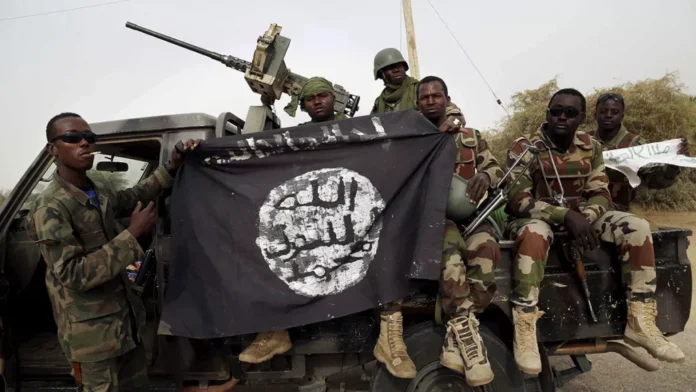
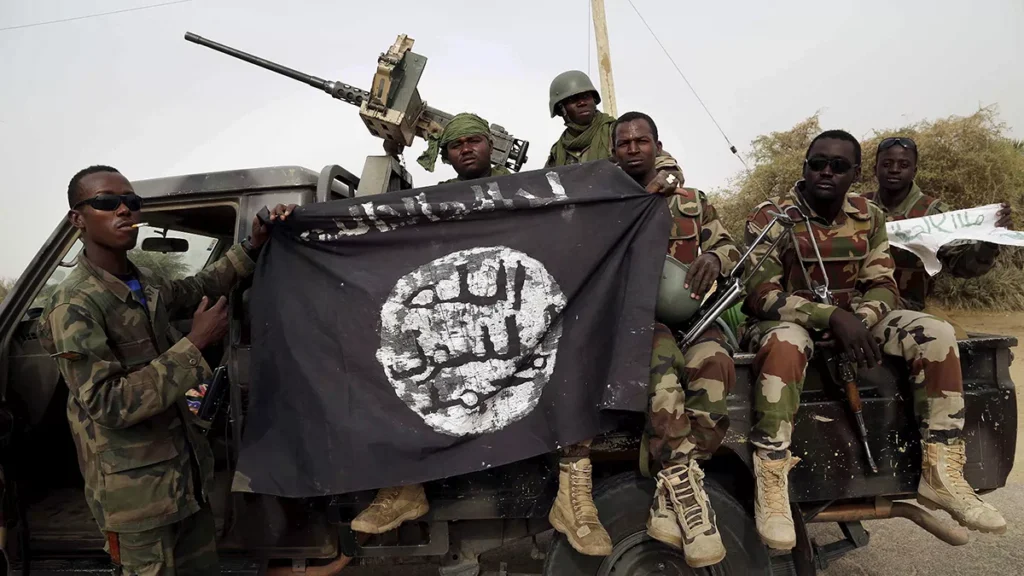
The United States has imposed sanctions on eight Nigerians accused of ties to Boko Haram, the Islamic State of Iraq and the Levant, and cybercrime networks, freezing any assets under U.S. jurisdiction and barring American individuals and companies from conducting business with them.
The designations were detailed in a Feb. 10 update to the U.S. Treasury Department’s Office of Foreign Assets Control publication titled “Specially Designated Nationals and Blocked Persons List,” a 3,000-page registry that serves as formal notice of individuals and entities subject to economic penalties.
In its notice, OFAC said the publication functions as a compliance guide, alerting financial institutions and the public to enforcement actions involving individuals “whose property is blocked” under U.S. sanctions authorities. The agency described the measures as part of broader counterterrorism and national security efforts aimed at disrupting financial support networks linked to extremist organizations.
The sanctions freeze all property and interests in property of the named individuals that fall within U.S. jurisdiction. U.S. persons are generally prohibited from engaging in transactions with them under Executive Order 13224, a counterterrorism authority first issued after the Sept. 11 attacks and subsequently expanded.
Among those listed is Salih Yusuf Adamu, also known as Salihu Yusuf, born Aug. 23, 1990, in Nigeria. OFAC identified him as having connections to Boko Haram. He was one of six Nigerians convicted in 2022 in the United Arab Emirates for establishing a Boko Haram financing cell. Emirati authorities determined the group attempted to move $782,000 from Dubai to Nigeria to support insurgent activity.
Also designated was Babestan Oluwole Ademulero, born March 4, 1953, who appeared under multiple aliases including Wole A. Babestan and Olatunde Irewole Shofeso. He was sanctioned under the SDNTK counterterrorism authority.
The list further includes Abu Abdullah ibn Umar Al-Barnawi, also known as Ba Idrisa; Abu Musab Al-Barnawi, also identified as Habib Yusuf; Khaled, or Khalid, Al-Barnawi; Ibrahim Ali Alhassan; and Abu Bakr ibn Muhammad ibn Ali Al-Mainuki, also known as Abu-Bilal Al-Minuki. U.S. authorities associated those individuals with Boko Haram or ISIL-related activities. Several were born in Maiduguri or other areas of Borno State, a region that has long been at the center of Nigeria’s insurgency.
In addition to terrorism-related designations, Nnamdi Orson Benson, born March 21, 1987, was placed under CYBER2 sanctions authorities for cyber-related offenses.
The U.S. formally designated Boko Haram as a Foreign Terrorist Organization in 2013. The State Department has said the group has carried out thousands of killings across northern and northeastern Nigeria and in parts of Cameroon, Chad and Niger since 2009.
The sanctions announcement comes amid heightened scrutiny in Washington over security conditions in Nigeria. Punchng noted that members of the U.S. Congress recently urged visa restrictions and asset freezes targeting individuals and organizations accused of religious freedom violations and persecution of Christians.
Separately, The Guardian Nigeria reported that U.S. lawmakers recommended visa bans and asset freezes against former Kano State Gov. Rabiu Kwankwaso, the Miyetti Allah Cattle Breeders Association of Nigeria and Miyetti Allah Kautal. Those recommendations were referenced in discussions surrounding the OFAC publication, though formal sanction status depends on Treasury determinations.
OFAC emphasized that its publication provides “actual notice of actions” taken against designated persons and entities to assist compliance with sanctions programs administered by the department.
In October 2025, President Donald Trump announced that Nigeria would again be placed on the U.S. State Department’s list of “Countries of Particular Concern,” citing allegations of religious persecution. Nigeria had previously been added to the list in 2020 during Trump’s first term but was removed in 2021 under President Joe Biden.
Under U.S. law, the secretary of state may designate countries that have repeatedly provided support for acts of international terrorism or engaged in severe violations of religious freedom. Such determinations can trigger restrictions under the National Defense Authorization Act, the Arms Export Control Act and the Foreign Assistance Act.
While the latest sanctions target specific individuals rather than the Nigerian government, the move underscores Washington’s sustained focus on counterterrorism financing and cyber-enabled threats originating from or linked to West Africa.
Analysts say sanctions serve both punitive and preventative purposes. By blocking access to the U.S. financial system, the Treasury Department aims to limit the ability of designated individuals to move funds internationally, acquire weapons or coordinate cross-border networks. Even when targeted individuals hold limited assets in the United States, their designation can deter banks and institutions worldwide from facilitating transactions due to compliance risks.
The inclusion of cybercrime-related sanctions alongside terrorism designations reflects the expanding scope of U.S. enforcement tools. Financial crimes and digital fraud operations have increasingly intersected with extremist financing models, according to security experts, complicating efforts to dismantle illicit networks.
At the same time, sanctions often carry diplomatic implications. Nigeria remains a key U.S. partner in Africa, particularly in counterterrorism cooperation and regional stability initiatives. Expanded designations could add strain to bilateral discussions, especially against the backdrop of religious freedom debates and political sensitivities.
Security observers note that Boko Haram has splintered over the past decade, with factions aligning at times with ISIL-affiliated groups. Although Nigerian authorities have reported military gains against insurgents, sporadic attacks continue in the northeast and surrounding Lake Chad Basin.
For Washington, the latest Treasury action signals continuity in a sanctions-based strategy that has evolved over more than a decade of counterterrorism operations in Nigeria and neighboring states. Whether the designations significantly disrupt financing pipelines remains to be seen, but they reinforce a broader U.S. effort to leverage economic tools against militant and cyber-linked threats.
The Treasury Department did not indicate whether additional designations are forthcoming.
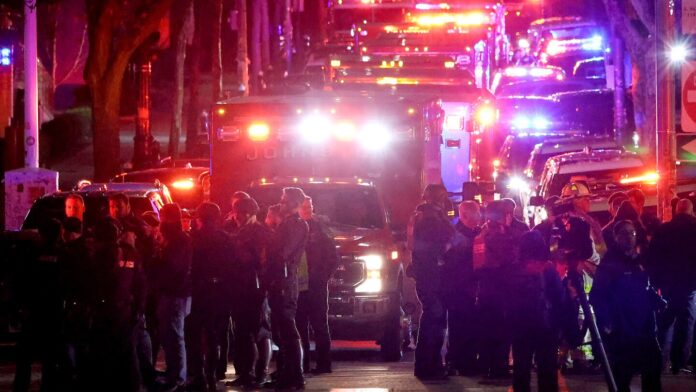
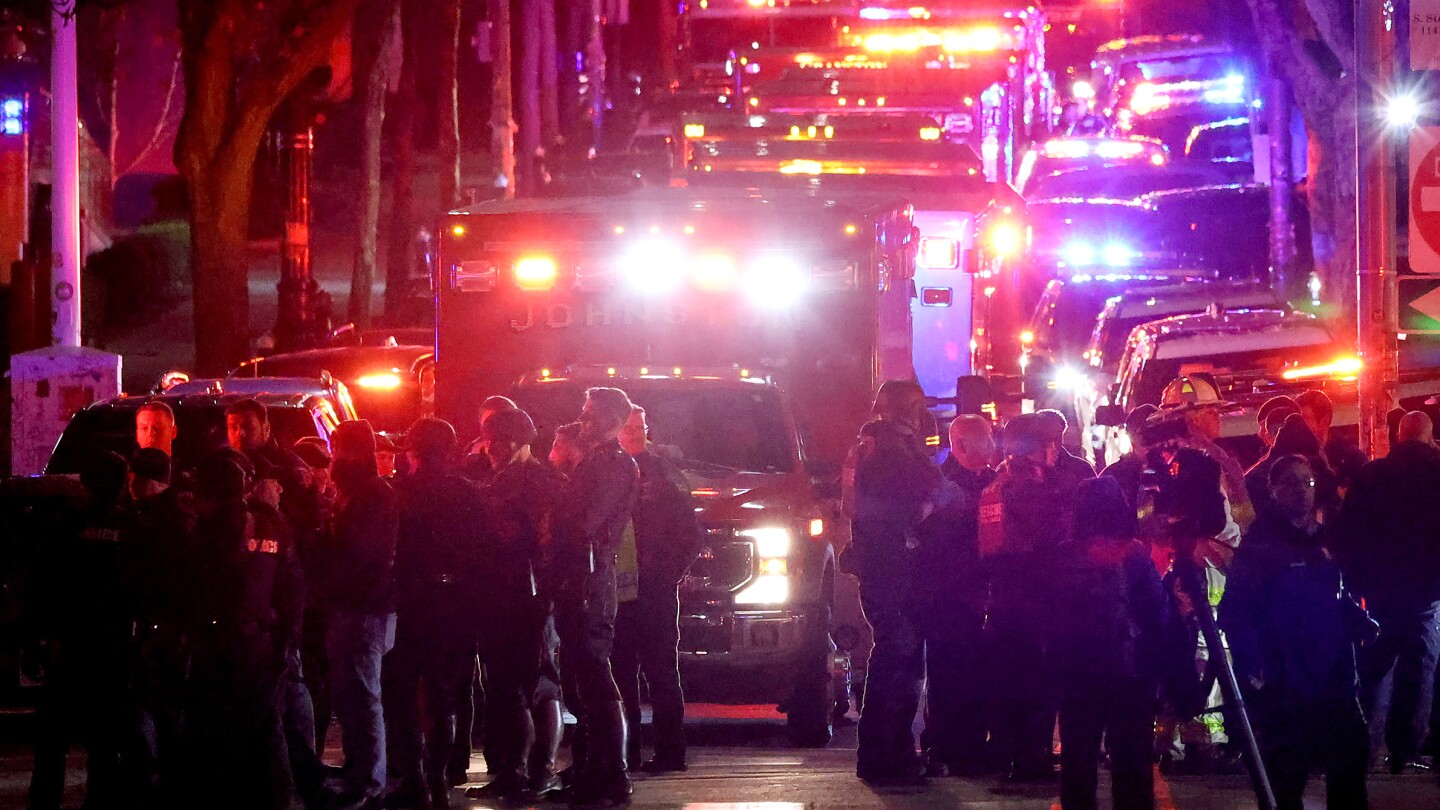
A young girl was killed and four other people were wounded after a gunman opened fire from the stands during a high school boys hockey game Monday afternoon at the Dennis M. Lynch Arena in Pawtucket, authorities said. The suspected shooter also died at the scene.
Police said the shooting unfolded around 2:30 p.m. as teams from Coventry-Johnston and St. Raphael-Providence Country Day-North Providence-North Smithfield were playing before a crowd of students, parents and spectators.
The mayor’s office in Pawtucket confirmed that officers are not seeking additional suspects after determining the gunman was deceased. Law enforcement officials briefed on the investigation indicated the violence appears to have stemmed from a domestic dispute, with the shooter allegedly targeting members of his own family before turning the weapon on himself.
Authorities have not publicly identified the victims or the suspect pending notification of families.
The gunfire erupted from behind one of the team benches, triggering panic inside the arena. Witnesses described hearing a series of loud bangs that at first resembled firecrackers before realizing they were gunshots.
Chip DeLorenzo, a photographer covering the game, said he was positioned near the rink when the shots rang out.
“I heard multiple loud pops,” he said. “At first it sounded like fireworks, but when people started screaming, it became clear something was very wrong.”
Spectators scrambled for cover, and many fled the building as emergency sirens filled the air outside.
An employee at a nearby Walgreens said children rushed into the store seeking safety, telling workers that shots had been fired inside the arena. The store was temporarily closed and evacuated as police secured the area.
Investigators said at least one bystander attempted to intervene during the chaos. Local media reported that a father confronted the gunman and wrestled a firearm away from him, though the suspect allegedly produced another weapon moments later. Authorities have not confirmed those details.
Emergency crews transported four wounded individuals to local hospitals. Their conditions were not immediately released. Officials confirmed that one of the victims, described as a young girl, died from her injuries.
Rhode Island Gov. Dan McKee said state police were assisting Pawtucket authorities and urged the public to avoid the area as the investigation continued.
“I am praying for Pawtucket and everyone involved,” McKee said in a statement.
Pawtucket Mayor Donald R. Grebien said law enforcement quickly secured the arena and evacuated spectators. Officers conducted a thorough sweep of the building to ensure there were no additional threats.
Agents from the Boston field office of the Bureau of Alcohol, Tobacco, Firearms and Explosives responded to assist with the investigation. The agency said it is working alongside local and state authorities to determine the sequence of events and examine the firearms involved.
School officials from the participating teams issued statements confirming that their students were safe.
Coventry Public Schools Superintendent Don Cowart said all members of the Coventry-Johnston hockey team were accounted for and under police supervision as reunification plans were arranged with families.
Providence Country Day School and St. Raphael Academy also confirmed that their students and staff at the game were safe.
The shooting sent shockwaves through the tight-knit Rhode Island hockey community, where high school games are often family-oriented events drawing large crowds. Parents and students gathered outside the arena as flashing police lights illuminated the streets.
Authorities have not disclosed a motive beyond preliminary indications that the incident may have been domestic in nature. Detectives are reviewing surveillance footage, interviewing witnesses and reconstructing the events that led to the deadly outbreak of violence.
Officials said more information would be released once the investigation advances.
The tragedy underscores growing concerns about gun violence in public spaces, even at youth sporting events typically considered safe gathering places for families.
As night fell, police remained stationed outside the arena while forensic teams processed the scene.
Community leaders urged residents to support those affected and to rely on verified updates from law enforcement as details continue to emerge.
(TheSun) — A powerful explosion tore through a fireworks shop in eastern China on Sunday, killing at least eight people and injuring two others, local authorities said, just days before millions across the country prepare to celebrate the Lunar New Year.
The blast struck a village in Donghai county in Jiangsu province during the afternoon, local government officials said. Two people suffered minor burns and were taken for treatment.
Preliminary findings indicate the explosion was triggered when a resident ignited fireworks too close to the retail outlet, causing stored pyrotechnics to detonate, county authorities indicated in a statement.
Emergency response teams from fire, public security, health and emergency management departments were dispatched immediately to the scene to conduct rescue operations and secure the area, officials said.
The explosion occurred as China braces for one of its most significant annual holidays. The Lunar New Year, also known as the Spring Festival, begins Tuesday and ushers in the Year of the Horse. The holiday traditionally features elaborate fireworks displays and the midnight lighting of firecrackers, a custom believed to ward off evil spirits and welcome prosperity.
In recent years, however, many Chinese cities have imposed strict limits or outright bans on fireworks due to persistent air pollution concerns and safety risks. Some local governments eased restrictions last year, allowing limited sales and displays in designated areas, reflecting public demand for traditional celebrations.
Sunday’s tragedy prompted a swift response from China’s Ministry of Emergency Management. In a statement issued Monday, the ministry ordered tighter supervision over the production, transportation and sale of fireworks nationwide.
Officials stressed that igniting fireworks near retail outlets or storage facilities must be strictly prohibited. They urged local governments to identify and eliminate regulatory blind spots to ensure a safe holiday period.
Authorities also directed local police to step up patrols and impose severe penalties for violations of fireworks regulations. The ministry said steps must be taken to prevent similar incidents from occurring again during the festive season.
The incident underscores longstanding safety concerns surrounding fireworks manufacturing and retail in China, where the industry remains extensive and deeply intertwined with cultural traditions. Accidents involving fireworks warehouses, factories and shops have periodically resulted in fatalities, prompting cycles of regulatory tightening.
Last October, a fireworks display in the city of Liuyang — known as a center of fireworks production — malfunctioned during a public event, sending flaming debris toward spectators. Videos circulating online at the time showed people scrambling for cover as fireballs fell. Local authorities later said no serious injuries were reported, though small fires broke out and were quickly extinguished.
Beyond China, fireworks-related incidents have also drawn international scrutiny. On New Year’s Eve, a nightclub fire in Switzerland was ignited by celebratory pyrotechnics, killing 41 people and prompting a wide-ranging investigation into safety compliance at entertainment venues.
The Jiangsu explosion highlights the tension between cultural tradition and modern safety governance in China. Fireworks are central to Lunar New Year celebrations, symbolizing renewal and protection against misfortune. Yet their manufacture and use involve highly combustible materials that require stringent oversight.
As urbanization accelerates and population density increases, the risks associated with storing and igniting fireworks in residential or commercial areas grow more severe. Regulatory enforcement varies across provinces, and local authorities often face pressure to accommodate festive demand while preventing accidents.
The Ministry of Emergency Management’s rapid directive signals concern that isolated incidents can quickly escalate into broader safety crises during peak holiday periods. With millions expected to travel and celebrate, even minor regulatory lapses could have outsized consequences.
Moreover, this latest blast may influence whether local governments continue easing fireworks bans. Public sentiment often favors traditional displays, particularly after years of pandemic-related restrictions curtailed celebrations. However, high-profile accidents can reverse momentum toward liberalization and reinforce arguments for stricter control.
The economic dimension is also significant. China’s fireworks industry supports thousands of workers and small businesses, especially in provinces like Hunan and Jiangxi. Stricter enforcement, while enhancing safety, can affect livelihoods, creating a complex policy balance between economic activity and public protection.
As investigators determine the precise cause of Sunday’s explosion, authorities are likely to intensify inspections ahead of the holiday. Whether these measures will prevent further incidents during the Spring Festival period remains to be seen, but the tragedy in Jiangsu serves as a stark reminder of the hazards tied to one of China’s most enduring traditions.
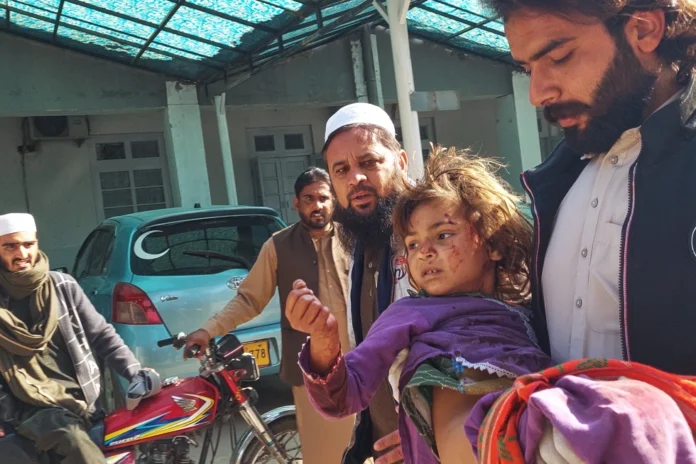
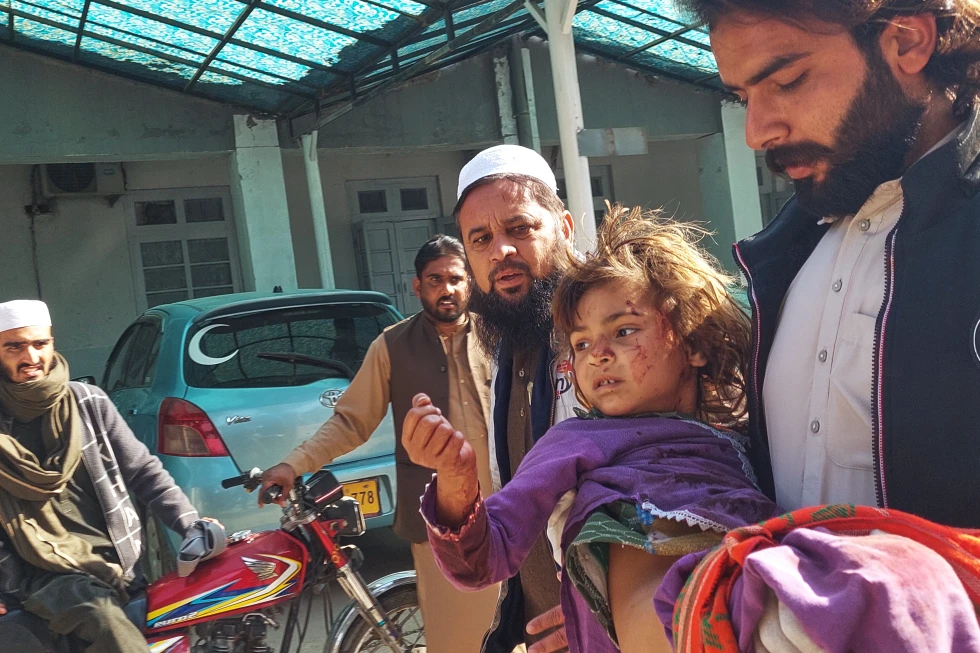
A motorcycle packed with explosives detonated outside a police station in northwestern Pakistan on Monday, killing at least two people — including a child — and injuring several others, authorities said, in the latest episode of violence to strike the restive border region.
The blast occurred near the entrance gate of a police facility in Bannu, a district in Khyber Pakhtunkhwa province that lies along Pakistan’s frontier with Afghanistan. The explosion also damaged nearby shops, sending debris across the street and shattering storefronts, local officials indicated.
Fida Mohammad, a local police official, confirmed that the dead and injured were transported to a nearby hospital. He declined to provide additional operational details, citing the ongoing investigation.
No group immediately asserted responsibility for the attack. However, suspicion is expected to center on the Pakistani Taliban, also known as Tehreek-e-Taliban Pakistan, or TTP, which has carried out similar assaults in the province in recent years.
Khyber Pakhtunkhwa has witnessed repeated attacks targeting security installations, police checkpoints and government offices. Bannu, in particular, has experienced periodic violence as militants seek to undermine state authority in the region.
Pakistan has seen a marked escalation in militant activity in recent years. Authorities in Islamabad frequently attribute such incidents to the TTP, a group that is separate from but closely aligned with Afghanistan’s Taliban rulers. The Afghan Taliban returned to power in Kabul in 2021 following the withdrawal of U.S. and NATO forces.
The resurgence of militant operations has intensified tensions between Pakistan and Afghanistan. Pakistani officials have alleged that TTP fighters operate from sanctuaries across the border inside Afghanistan — an accusation both the TTP and Afghan authorities have denied.
The attack in Bannu underscores the fragility of security conditions along the mountainous frontier, where decades of insurgency and cross-border militancy have complicated stabilization efforts. Security forces have conducted multiple counterterrorism operations in the region, yet bombings and targeted assaults continue to pose a persistent threat.
Monday’s explosion reflects a tactical pattern frequently employed by militant groups operating in northwestern Pakistan: improvised explosive devices mounted on motorcycles or other vehicles to strike high-profile security targets. Such attacks are relatively low-cost yet highly disruptive, often intended to project strength and erode public confidence in law enforcement.
The targeting of a police installation suggests militants remain focused on weakening local security infrastructure rather than engaging in large-scale territorial offensives. Police stations and paramilitary posts are often chosen because they symbolize state presence in districts where government authority has historically been contested.
The inclusion of a child among the fatalities may intensify public outrage and increase pressure on authorities to deliver a swift response. Civilian casualties in densely populated urban settings can complicate counterinsurgency strategies, particularly in areas where security operations already face community sensitivities.
The broader uptick in violence coincides with a period of regional uncertainty. Since the Afghan Taliban’s return to power, cross-border security cooperation has become more complex. Islamabad has repeatedly urged Kabul to curb militant activity directed at Pakistan, while Afghan officials maintain they do not permit their territory to be used for attacks abroad.
Security analysts note that sustained instability in Khyber Pakhtunkhwa could strain Pakistan’s military and intelligence resources at a time when the country is also grappling with economic challenges and political transitions. Attacks like the one in Bannu serve as reminders that despite years of counterterrorism campaigns, militant networks retain operational capability.
As investigators examine the scene and gather forensic evidence, authorities are likely to increase patrols and tighten security around government installations in the region. Whether the incident signals a broader campaign or remains an isolated strike will depend on developments in the coming days.
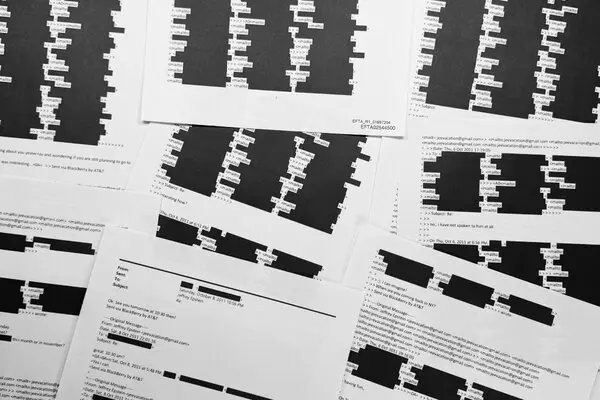
The Department of Justice delivered a contentious six-page letter to Congress Saturday listing hundreds of prominent figures mentioned in millions of documents related to convicted sex offender Jeffrey Epstein, immediately triggering bipartisan condemnation from lawmakers who accused Attorney General Pam Bondi’s department of deliberately obscuring genuine connections to the disgraced financier.
The catalog of “politically exposed persons” includes more than 300 names spanning presidents, business magnates, government officials, and cultural icons—many of whom appear to have no actual association with Epstein beyond incidental references in emails, news articles, or investigative materials. The indiscriminate compilation places deceased celebrities like Marilyn Monroe, who died when Epstein was nine years old, and singer Janis Joplin, who died in 1970 when Epstein was seventeen, on the same roster as individuals with documented ties to the convicted predator.
Deputy Attorney General Todd Blanche signed the letter addressed to senior members of the House and Senate Judiciary Committees, stating the department had “released ‘all records, documents, communications and investigative materials in possession of the Department’ that relate to” Epstein. The communication signals what the Justice Department characterizes as its final disclosure under the Epstein Files Transparency Act, legislation Congress passed compelling release of investigative materials.
CNN obtained a copy of the letter, which provides no contextual information distinguishing between individuals who maintained extensive direct contact with Epstein and those whose names appear merely because they were mentioned in tangential documents, press clippings, or routine law enforcement communications unrelated to Epstein’s criminal activities.
“Names appear in the files released under the Act in a wide variety of contexts,” the Justice Department letter acknowledges. “For example, some individuals had extensive direct email contact with Epstein or Maxwell while other individuals are mentioned only in a portion of a document (including press reporting) that on its face is unrelated to the Epstein and Maxwell matters.”
Representative Ro Khanna, a co-author of the transparency legislation, delivered scathing criticism of the Justice Department’s approach, characterizing it as a deliberate strategy to protect powerful individuals with genuine Epstein connections by diluting the list with irrelevant names.
“The DOJ is once again purposefully muddying the waters on who was a predator and who was mentioned in an email,” Khanna declared on social media platform X. “To have Janis Joplin, who died when Epstein was 17, in the same list as Larry Nassar, who went to prison for the sexual abuse of hundreds of young women and child pornography, with no clarification of how either was mentioned in the files is absurd.”
Khanna demanded the Justice Department “stop protecting predators” and release complete files with only survivor identities redacted, arguing the current approach serves to shield rather than expose those who enabled or participated in Epstein’s criminal enterprise.
Republican Representative Nancy Mace, a vocal advocate for Epstein’s victims, condemned the disclosure in a Saturday evening social media post, alleging “missing names on the list disclosed this evening.” Mace has emerged as one of Congress’s most persistent voices demanding comprehensive transparency around Epstein investigations and prosecution decisions.
The list includes numerous high-profile figures with previously documented associations with Epstein, including President Donald Trump, former President Bill Clinton, former Trump adviser Steve Bannon, former White House Counsel Kathy Ruemmler, and billionaire retail magnate Les Wexner. Trump maintained social connections with Epstein during the 1990s and early 2000s but has stated he severed contact before Epstein’s 2008 Florida conviction on solicitation charges.
However, the compilation also incorporates deceased cultural figures including Princess Diana, Elvis Presley, Michael Jackson, Cher, and Beyoncé—individuals whose inclusion appears to stem from their names appearing in emails, newsletters, or news articles within the vast document trove rather than any actual interaction with Epstein or involvement in his activities.
Current lawmakers also appear on the list because their names surfaced in Justice Department press briefings or FBI daily news summaries that happened to be included in the released files, despite having no connection to Epstein investigations. This inclusion of sitting members of Congress based on routine law enforcement communications further illustrates the list’s lack of discriminating criteria.
No individual listed beyond Epstein himself and his accomplice Ghislaine Maxwell has ever faced criminal charges connected to Epstein’s sex trafficking enterprise. Maxwell is currently serving a 20-year federal prison sentence following her 2021 conviction on charges including sex trafficking of minors and conspiracy.
The Justice Department defended its compilation approach by noting that Congress never defined what constitutes a “politically exposed person” in the transparency legislation, leaving the department to interpret the requirement broadly. This explanation has failed to satisfy lawmakers who authored the legislation with the explicit intent of exposing individuals who facilitated, enabled, or participated in Epstein’s crimes.
According to The Independent, lawmakers who championed the document release remain deeply dissatisfied with the Justice Department’s latest disclosure, believing officials are deliberately employing vague presentation to protect powerful figures with substantive Epstein connections. The bipartisan criticism suggests the controversy transcends typical partisan divisions, uniting progressive and conservative members around demands for genuine transparency.
The department has faced sustained criticism from Epstein victims and congressional members since beginning file releases over what critics characterize as inconsistent redaction standards that appear to protect certain individuals while exposing others. Some lawmakers who reviewed unredacted document versions subsequently claimed the Justice Department was shielding powerful men, prompting them to publicly disclose additional names the department had obscured.
As in previous congressional correspondence, the Justice Department cited rationales for redacting information extending beyond statutory requirements in the transparency legislation. Officials invoked privileges protecting deliberative processes, attorney work product, and attorney-client communications—legal doctrines that, while established in other contexts, appear to contradict the transparency law’s intent.
The millions of released documents represent materials accumulated during federal investigations spanning years and involving multiple jurisdictions. Epstein’s 2008 Florida conviction resulted from a controversial non-prosecution agreement with federal prosecutors that allowed him to plead guilty to state solicitation charges while avoiding federal sex trafficking charges that could have resulted in life imprisonment.
That agreement, negotiated when Alexander Acosta served as U.S. Attorney for the Southern District of Florida, sparked outrage when details became public, ultimately forcing Acosta’s resignation as Trump’s Labor Secretary in 2019. The deal’s terms, which were concealed from victims in potential violation of the Crime Victims’ Rights Act, exemplify the preferential treatment wealthy, connected defendants sometimes receive within the criminal justice system.
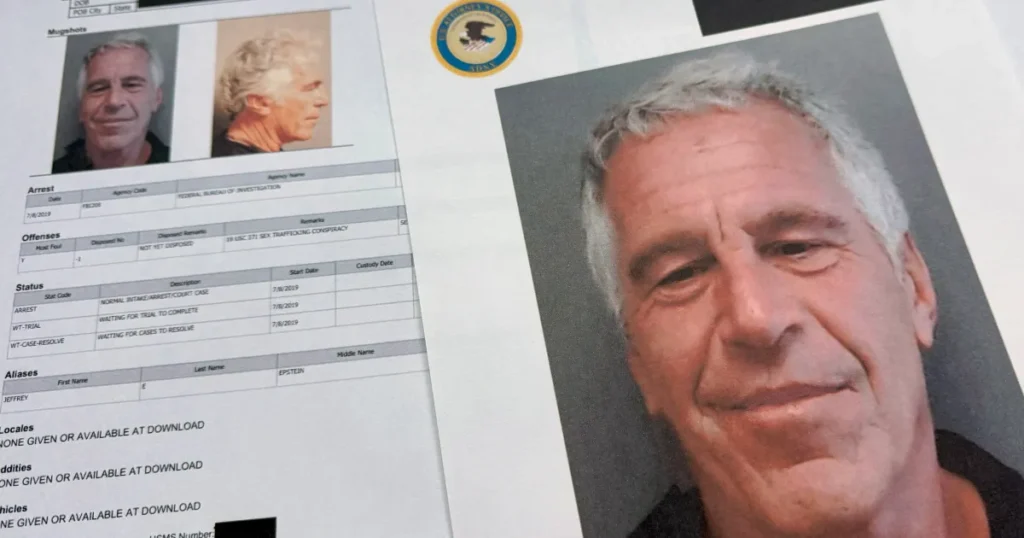
Epstein faced new federal sex trafficking charges in New York in July 2019 following investigative journalism that exposed the extent of his abuse and the protection he’d received from law enforcement. However, he died by apparent suicide in his Manhattan jail cell in August 2019 while awaiting trial, eliminating the possibility of courtroom testimony that might have implicated other individuals in his trafficking network.
His death under suspicious circumstances while housed in a federal detention facility sparked conspiracy theories and intensified demands for investigating others who may have participated in or enabled his crimes. The subsequent prosecution and conviction of Ghislaine Maxwell provided some measure of accountability but left unresolved questions about other potential conspirators.
Epstein’s extensive connections to political, business, and cultural elites—documented through flight logs, telephone records, and witness testimony—have fueled speculation about a broader network of powerful individuals who either participated in his crimes or maintained relationships despite awareness of his predatory behavior. However, distinguishing between social acquaintances and criminal accomplices requires evidence that remains largely sealed or unreleased.
The Justice Department’s document release, mandated by congressional legislation, was intended to provide transparency around federal investigative efforts and potentially expose individuals who escaped accountability. However, the indiscriminate listing of names without contextual information appears to have achieved the opposite effect, creating confusion that obscures rather than clarifies genuine Epstein associations.
Victims’ advocates have consistently demanded comprehensive disclosure of investigative materials, arguing that survivors deserve full knowledge of how federal authorities handled cases involving their abuse and why certain individuals avoided prosecution despite potential evidence of involvement. The advocacy groups view transparency not merely as historical accountability but as essential to preventing future institutional failures that enable predators.
The controversy illustrates broader tensions between legitimate privacy interests, investigative confidentiality requirements, and public demands for transparency in cases involving powerful figures. While protecting innocent individuals from unfounded association with criminal activities represents a valid concern, critics argue the Justice Department’s approach prioritizes protecting the reputations of elites over serving justice for victims.
As congressional committees review the Justice Department’s submission, lawmakers face decisions about whether to accept the disclosure as satisfying transparency legislation requirements or to pursue additional investigative avenues compelling more discriminating information release. Some members have suggested subpoenaing Justice Department officials to testify about redaction decisions and document handling.
The dispute may ultimately require judicial intervention if Congress determines the Justice Department failed to comply with statutory disclosure requirements. Courts would then balance transparency mandates against privacy interests and investigative privileges, potentially establishing precedents affecting future document releases in high-profile cases.
For Epstein’s victims, the document controversy represents another chapter in a lengthy struggle for accountability and recognition. Many survivors have criticized federal authorities for prioritizing institutional interests over victim rights throughout investigations and prosecutions, viewing the current disclosure dispute as consistent with patterns of official indifference to their suffering.
The Saturday letter’s release ensures the Epstein files will remain a subject of political controversy and public fascination, with each revelation prompting renewed speculation about who knew what and when. Whether the Justice Department’s approach represents appropriate balancing of competing interests or deliberate obfuscation protecting powerful wrongdoers will continue dividing lawmakers, victims’ advocates, and the public as the documents receive ongoing scrutiny.
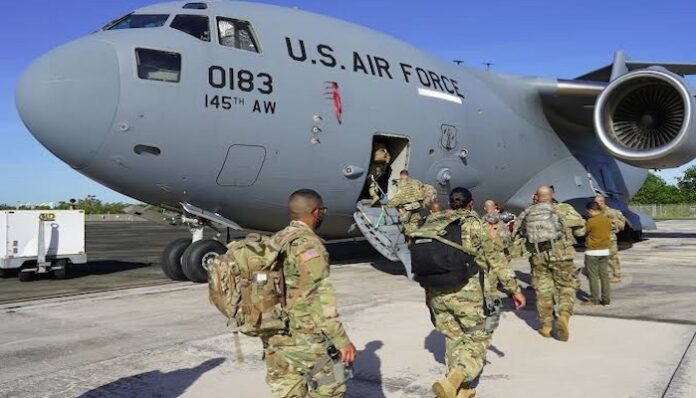
Three United States military aircraft transporting troops and equipment have landed in northeastern Nigeria, marking the opening phase of a broader American security deployment aimed at strengthening Nigeria’s fight against insurgent groups.
The first aircraft touched down Thursday night in Maiduguri, the capital of Borno State, a region that has endured years of militant violence. By Friday evening, two additional planes had arrived, with personnel and cargo being unloaded at the airbase, according to accounts published by The New York Times and confirmed by defense sources in both countries.
A U.S. Defense Department official, speaking to The New York Times on condition of anonymity because of operational sensitivities, indicated that these flights represent the initial wave of C-17 cargo aircraft bound for three separate locations across Nigeria. Additional aircraft carrying personnel and matériel are scheduled to arrive over the weekend, with further rotations expected in the weeks ahead.
The deployment follows earlier indications that up to 200 U.S. military personnel — including intelligence analysts, advisers and trainers — would be sent to Nigeria. The American presence is intended to bolster targeted counterterrorism efforts, particularly in the country’s northeast, where armed insurgent groups have mounted sustained campaigns of violence.
Maj. Gen. Samaila Uba, spokesperson for Nigeria’s Defence Headquarters, emphasized in remarks to both The Wall Street Journal and The New York Times that U.S. troops will not take part in direct combat operations. Nigerian forces will retain full command authority over missions conducted on sovereign territory, he said.
“These personnel do not serve in a combat capacity and will not assume a direct operational role,” Uba conveyed to The New York Times. He underscored that operational decisions remain solely with Nigeria’s military leadership.
Senior officers within Nigeria’s Defence Headquarters, who discussed the matter separately with Punch newspaper correspondents, indicated that the aircraft carried ammunition and other logistical supplies provided by the United States. One officer, who requested anonymity due to lack of authorization to speak publicly, characterized the deliveries as part of broader bilateral security cooperation following high-level talks between Abuja and Washington.
Another senior official described the shipments as routine replenishment of ammunition stocks following recent military operations. He noted that collaboration between the two governments, coordinated in part through Nigeria’s Office of the National Security Adviser, has intensified in response to persistent insecurity.
Online flight trackers and social media users also observed U.S. aircraft activity. An X account operated by a user identifying as a counterterrorism analyst stated that a U.S. Air Force C-130J-30 transport aircraft landed at Kaduna International Airport after departing Ghana. The post speculated that Kaduna’s military depot could serve as a training hub for U.S. advisers working with Nigerian forces.
Separately, another X user who monitors military aviation activity wrote that significant equipment appeared to be delivered to the Maiduguri Airbase by U.S. C-130 and C-17 aircraft. Nigerian defense officials have not publicly confirmed specific equipment details.
The Director of Defence Media Operations, Maj. Gen. Michael Onoja, did not respond to requests for comment at the time of publication.
The arrival of U.S. aircraft comes amid sustained pressure from President Donald Trump, who has repeatedly criticized Nigeria’s government over what he has described as insufficient protection of Christian communities from extremist violence. In 2025, Trump warned that the United States would consider further action if Nigeria failed to curb deadly attacks.
The United States subsequently designated Nigeria as a Country of Particular Concern and conducted an airstrike targeting Islamic State-affiliated militants in Sokoto State on Christmas Day of that year. Since then, security engagement between the two countries has expanded.
The broader deployment aligns with ongoing U.S.-Nigeria bilateral discussions focused on counterterrorism cooperation, intelligence sharing and capacity building. While American officials have framed the mission as advisory and logistical in nature, it signals a notable deepening of military ties between the two nations.
The arrival of U.S. military aircraft in Maiduguri represents more than a routine logistical transfer; it marks a strategic recalibration in U.S.-Nigeria security relations. For years, Washington’s role in Nigeria’s counterinsurgency efforts remained largely confined to intelligence support and limited advisory programs. The visible landing of multiple U.S. cargo planes in a conflict-prone region underscores a more robust and overt partnership.
Borno State has long been at the epicenter of Nigeria’s insurgency, with militant groups exploiting porous borders and remote terrain. By positioning American advisers and equipment closer to operational theaters, the United States appears to be prioritizing rapid-response coordination and enhanced training capabilities.
However, the deployment also carries political implications. Nigeria’s government must balance domestic sensitivities about foreign military presence with the practical need for international assistance. Public perception of sovereignty remains a delicate matter, particularly in regions where historical memories of external intervention run deep.
For the Trump administration, the move reinforces a broader narrative of assertive engagement against extremist threats abroad, especially where religious persecution concerns have been raised. Linking security cooperation to the protection of vulnerable communities may strengthen political backing in Washington while reshaping bilateral diplomacy.
Operationally, the advisory role outlined by Nigerian officials suggests that American personnel will focus on intelligence fusion, logistics coordination and specialized training. Such roles, while officially non-combat, often place advisers near active conflict zones. Ensuring clear command structures and delineation of responsibilities will be essential to avoid mission creep or misunderstandings.
Regionally, expanded U.S.-Nigeria security collaboration could influence counterterrorism dynamics across West Africa, where insurgent networks often span national boundaries. Neighboring countries may seek similar partnerships or reassess their own security alignments in response.
Ultimately, the landing of three U.S. military aircraft in Nigeria signals a deepening alliance at a moment when security challenges remain acute. Whether the deployment translates into measurable improvements in stability will depend on sustained coordination, political consensus and the effectiveness of joint operational planning in the months ahead.
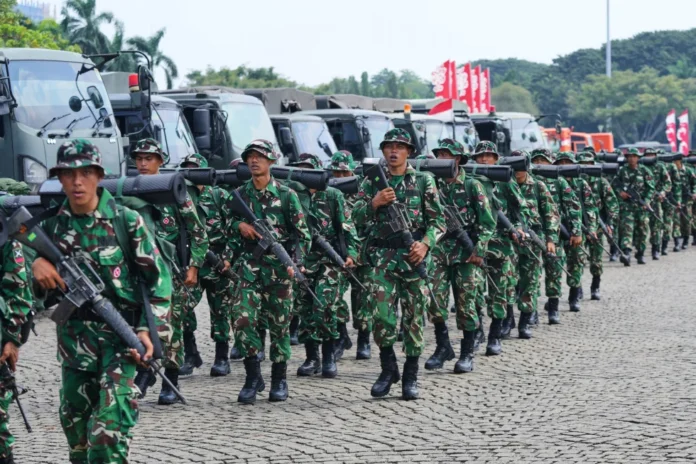
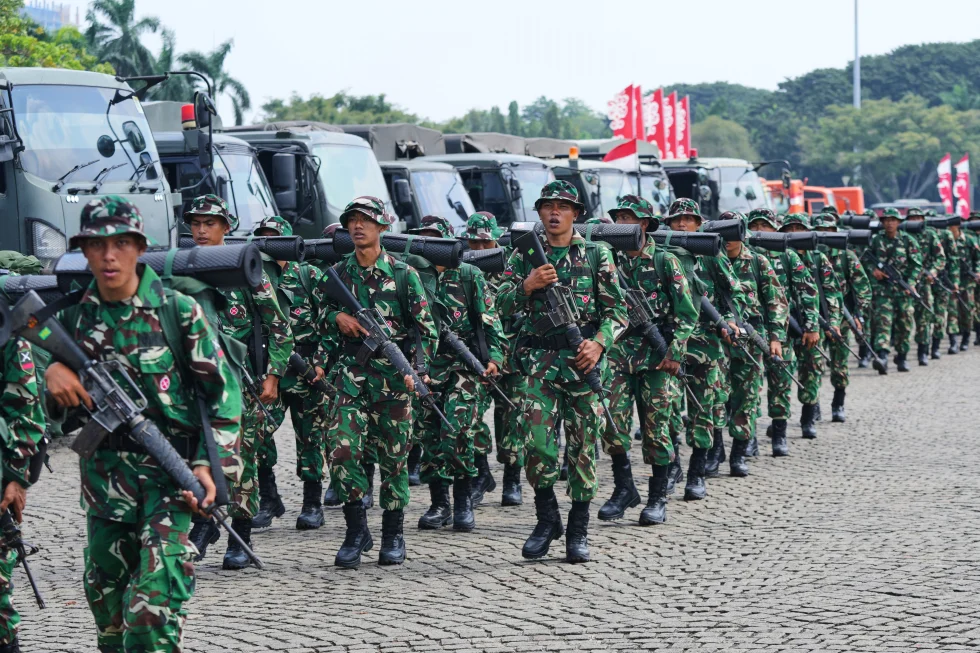
Indonesia’s military announced Sunday that as many as 8,000 troops could be prepared by late June for possible deployment to Gaza as part of a humanitarian and peacekeeping mission, marking the first formal pledge of personnel to a security framework linked to President Donald Trump’s postwar reconstruction initiative.
Brig. Gen. Donny Pramono, spokesperson for the Indonesian National Armed Forces, known as TNI, said the military has completed its proposed troop composition and timeline for readiness. A final political decision on whether and when to deploy has not yet been made.
“In principle, we stand ready to serve wherever assigned,” Pramono said in an interview with The Associated Press. He added that the force could mobilize on short notice once the government grants formal authorization.
The proposed deployment consists of a composite brigade of roughly 8,000 personnel, structured following deliberations at a Feb. 12 planning meeting. Preparations include medical screenings and administrative processing throughout February, culminating in a readiness review at month’s end.
Pramono indicated that about 1,000 troops could form an advance contingent by April if approval is granted, with the remainder of the force reaching operational readiness by June. He emphasized that readiness does not equate to automatic deployment, noting that the mission hinges on both domestic political authorization and international arrangements.
Indonesia’s Foreign Ministry has consistently maintained that any role in Gaza would be strictly humanitarian. Officials have said the focus would center on civilian protection, medical assistance and reconstruction efforts. Indonesian forces would not engage in combat operations or undertake actions that could result in direct clashes with armed groups.
If carried out, the deployment would make Indonesia the first nation to publicly commit troops to the stabilization component of President Donald Trump’s Board of Peace initiative for Gaza. The ceasefire between Israel and Hamas, which took effect Oct. 10 after two years of intense warfare, remains fragile but in place.
Indonesia, the world’s largest Muslim-majority country, does not maintain diplomatic ties with Israel and has long supported a two-state solution to the Israeli-Palestinian conflict. The Southeast Asian nation has provided sustained humanitarian assistance to Gaza, including financial backing for a hospital serving civilians affected by the war.
Government officials in Jakarta have explained their participation in the Board of Peace framework as a means of safeguarding Palestinian interests from within the diplomatic process. Israel is represented in the initiative, while Palestinian representation is absent — a dynamic Indonesian leaders have said warrants their involvement to balance perspectives.
Indonesia brings extensive experience in international peacekeeping. It ranks among the top 10 contributors to United Nations missions worldwide and has deployed personnel to conflict zones including Lebanon under U.N. mandates. That background, military officials say, positions the country to manage complex stabilization and humanitarian operations in volatile environments.
Indonesia’s readiness announcement carries both diplomatic and strategic implications. By preparing troops without yet committing them, Jakarta signals support for international stabilization efforts while preserving political flexibility at home. Parliamentary debate and public opinion could influence the final decision, particularly given Indonesia’s longstanding solidarity with the Palestinian cause.
Participation also reflects Indonesia’s broader ambition to assert itself as a leading voice in the Global South and the Muslim world. A role in Gaza could elevate its diplomatic standing, especially if reconstruction and stabilization efforts succeed in reducing violence and restoring basic services.
At the same time, the mission presents potential risks. Even in a non-combat capacity, peacekeeping forces operating in Gaza would face significant security challenges. The enclave’s dense urban landscape, history of militant activity and deep mistrust among parties to the conflict complicate stabilization efforts. Past peacekeeping operations in similarly volatile settings have demonstrated how quickly humanitarian mandates can become entangled in security confrontations.
For President Donald Trump’s reconstruction framework, Indonesia’s announcement offers a tangible sign of international buy-in. Securing troop commitments has been viewed as one of the most difficult elements of the plan, particularly given the political sensitivities surrounding foreign forces in Gaza. An early pledge from a Muslim-majority nation could encourage broader participation from other countries seeking to balance humanitarian objectives with political caution.
Regionally, Indonesia’s move may also influence debates among other nations considering involvement. Countries with established peacekeeping traditions could view Jakarta’s preparations as precedent-setting, while others may wait to assess operational details, command structures and legal mandates before committing personnel.
Ultimately, Indonesia’s declaration of readiness underscores both the opportunity and uncertainty surrounding postwar Gaza. While reconstruction and civilian protection are widely supported goals, translating diplomatic frameworks into secure, on-the-ground realities will require sustained coordination, clear mandates and durable political backing from all sides involved.
Whether Indonesian troops ultimately deploy will depend on decisions in Jakarta and international negotiations still underway. For now, the military’s preparations signal that at least one nation is positioning itself to play a direct role in shaping Gaza’s fragile post-conflict landscape.
Israeli warplanes struck multiple locations across the Gaza Strip on Sunday, killing at least 11 Palestinians, Gaza health and civil defense officials said, as Israel’s military declared the attacks were carried out in response to what it characterized as a serious breach of the ceasefire by Hamas fighters.
Medical personnel in Gaza indicated that one airstrike hit a tent encampment housing displaced families in northern Gaza, leaving at least four people dead. In the southern city of Khan Younis, hospital authorities confirmed that five others were killed in a separate strike. Another Palestinian was fatally shot in northern Gaza, local officials added.
Israeli forces also targeted sections of Gaza City, including the Tel Al-Hawa neighborhood, where the military asserted that militants were operating from underground tunnel networks. Palestinian authorities did not immediately provide casualty figures from those strikes.
An Israeli military official described the aerial bombardment as “precise” and consistent with international law. The official maintained that the operation followed what Israel considers a “blatant violation” of the October ceasefire agreement in the Beit Hanoun area one day earlier.
The military contended that armed militants surfaced from subterranean infrastructure near Israeli troops and crossed the so-called “Yellow Line,” a boundary established under the truce to delineate Israeli and Hamas-controlled areas. Approaching Israeli positions while armed amounted to a direct violation of the ceasefire’s terms, the official said.
Hamas rejected Israel’s account. Hazem Qassem, a spokesperson for the group in Gaza, denounced the strikes as a “massacre” targeting displaced civilians and labeled the operation a grave breach of the truce. He urged international mediators to intervene, particularly ahead of a high-level diplomatic meeting in Washington later this week.
The ceasefire, brokered with U.S. involvement, entered a new phase last month and forms a central pillar of President Donald Trump’s broader effort to wind down the war in Gaza. U.S. officials have indicated that President Donald Trump intends to unveil a multi-billion-dollar reconstruction initiative for Gaza and outline plans for a United Nations-authorized stabilization force during the upcoming talks.
Under the truce, Israeli troops repositioned behind the Yellow Line while retaining control of significant portions of the enclave. The agreement envisioned a gradual reduction in hostilities and included provisions calling for Hamas to relinquish its weapons — a stipulation the group has so far declined to fulfill. Israeli officials have cautioned that military measures will continue if Hamas does not comply with the framework.
Since the truce took effect, casualty figures have remained disputed. Gaza’s health ministry says more than 600 Palestinians have been killed by Israeli fire during the ceasefire period. Israel’s military states that four Israeli soldiers have died in Gaza over the same span.
The war erupted on Oct. 7, 2023, when Hamas militants carried out a cross-border attack on southern Israel that left more than 1,200 people dead, based on Israeli tallies. Israel’s subsequent military campaign in Gaza — encompassing extensive airstrikes and ground operations — has killed more than 72,000 Palestinians, Gaza health authorities say.
Media access to Gaza remains limited, complicating independent verification of casualty counts and battlefield claims.
Sunday’s strikes highlight the precarious nature of the ceasefire. Both Israel and Hamas have repeatedly accused one another of violations, underscoring the deep mistrust that persists despite diplomatic mediation. While the agreement has reduced large-scale offensives compared with earlier phases of the conflict, localized violence continues, particularly near contested zones such as the Yellow Line.
The renewed violence illustrates the structural fragility of ceasefires in asymmetrical conflicts, where ambiguous boundaries and competing narratives frequently undermine enforcement. The Yellow Line, conceived as a buffer to separate Israeli and Hamas forces, has become both a tactical and symbolic flashpoint. Its shifting interpretation by each side complicates implementation and increases the likelihood of clashes triggered by disputed movements.
Politically, the timing of the strikes adds pressure to President Donald Trump’s diplomatic initiative. Any escalation risks weakening international support for reconstruction efforts and complicating negotiations over stabilization forces. Hamas’ refusal to disarm remains a central obstacle; Israel regards disarmament as nonnegotiable for long-term security, while Hamas frames it as surrender.
Regionally, renewed hostilities may also influence neighboring states, particularly Egypt and Qatar, which have previously played mediating roles. Persistent ceasefire violations could strain diplomatic channels and affect broader Middle East stability at a time when international actors are seeking to prevent spillover.
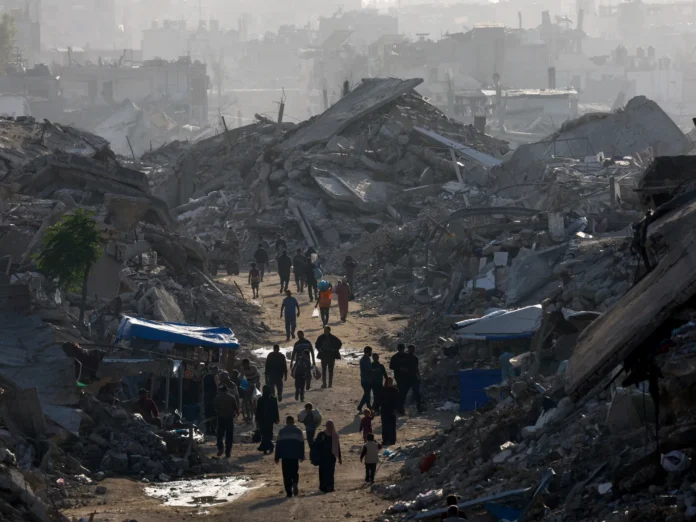
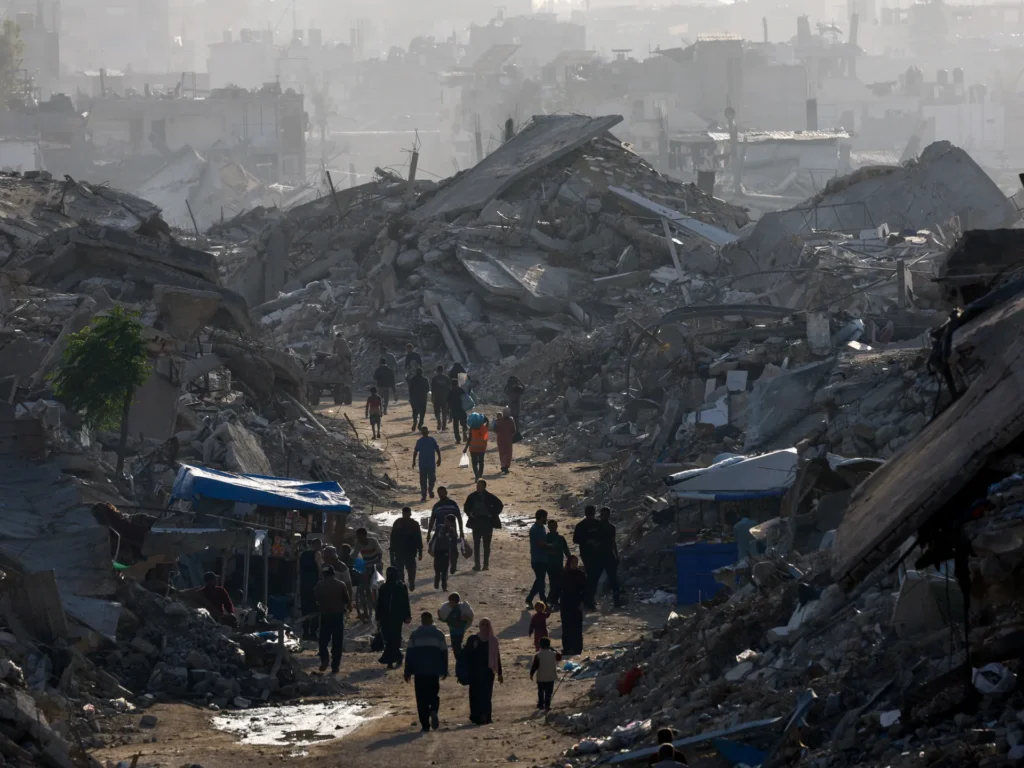
Humanitarian implications are equally significant. Displacement remains widespread, and strikes on tent encampments underscore the vulnerability of civilians even during periods labeled as ceasefires. Rebuilding Gaza’s infrastructure will require not only financial commitments but sustained security guarantees — a challenge that remains unresolved.
The developments suggest that while the ceasefire framework has prevented full-scale warfare from resuming, it has not eliminated the underlying drivers of conflict. Without mutual confidence-building measures and enforceable monitoring mechanisms, each reported violation risks unraveling the fragile calm.
As diplomatic efforts continue in Washington and the region, Sunday’s airstrikes serve as a stark reminder that the Gaza truce remains tenuous, with both military calculations and political negotiations shaping its uncertain trajectory.