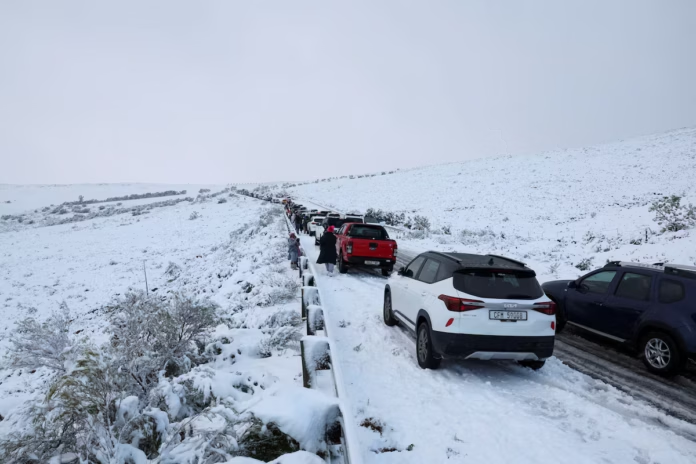
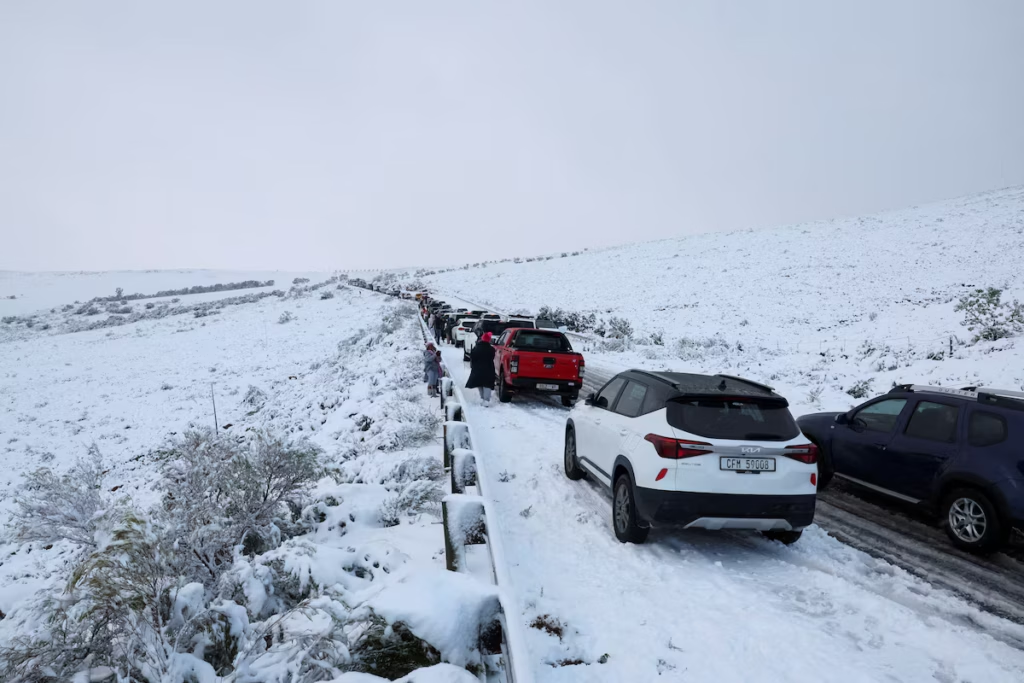
JOHANNESBURG (BN24) — A powerful cold front moving across South Africa has brought heavy snowfall, hazardous road conditions, power outages and a deadly accident, officials said Tuesday, as the country grapples with winter weather disruptions.
Five people were killed in a crash along the N2 highway in the Eastern Cape, where icy conditions contributed to the collision, according to Eastern Cape transport department spokesperson Unathi Binqose. Speaking to local broadcaster Newzroom Afrika, Binqose confirmed that the accident was directly linked to the adverse weather sweeping across multiple provinces.
The South African Weather Service had warned late last week of an incoming cold front expected to cause a steep drop in temperatures nationwide. The system brought with it disruptive rainfall, damaging winds, and snowfall in high-lying eastern areas of the country.
Snowfall was reported beginning Monday in parts of the Eastern Cape, KwaZulu-Natal and the Free State, prompting road closures and travel warnings. Sections of the N2 highway, which connects the affected provinces, were shut down due to treacherous driving conditions, the KwaZulu-Natal transport department said.
South Africa typically experiences snowfall during its winter season from June through August, with temperatures frequently plunging below freezing. However, this week’s snow event is among the more disruptive in recent years due to its reach and intensity.
National power utility Eskom said it was responding to a surge in customer reports of outages across the country. In a post on X, Eskom attributed the widespread power failures to the inclement weather and said it was mobilizing additional resources to address the problem.
“The severe cold front has increased demand and caused technical challenges on the grid due to weather-related damage,” Eskom stated. The utility assured residents it was working to restore service as swiftly as possible.
The South African Weather Service forecasts that the cold front will persist through midweek, warning of continued low temperatures and potential snowfall in elevated regions.
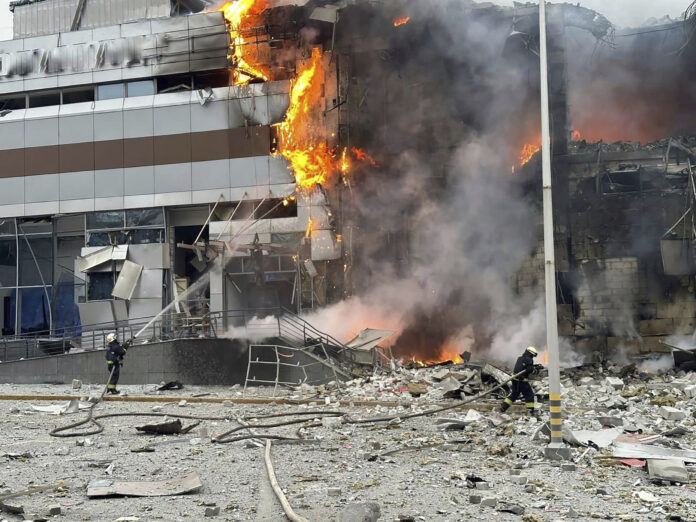
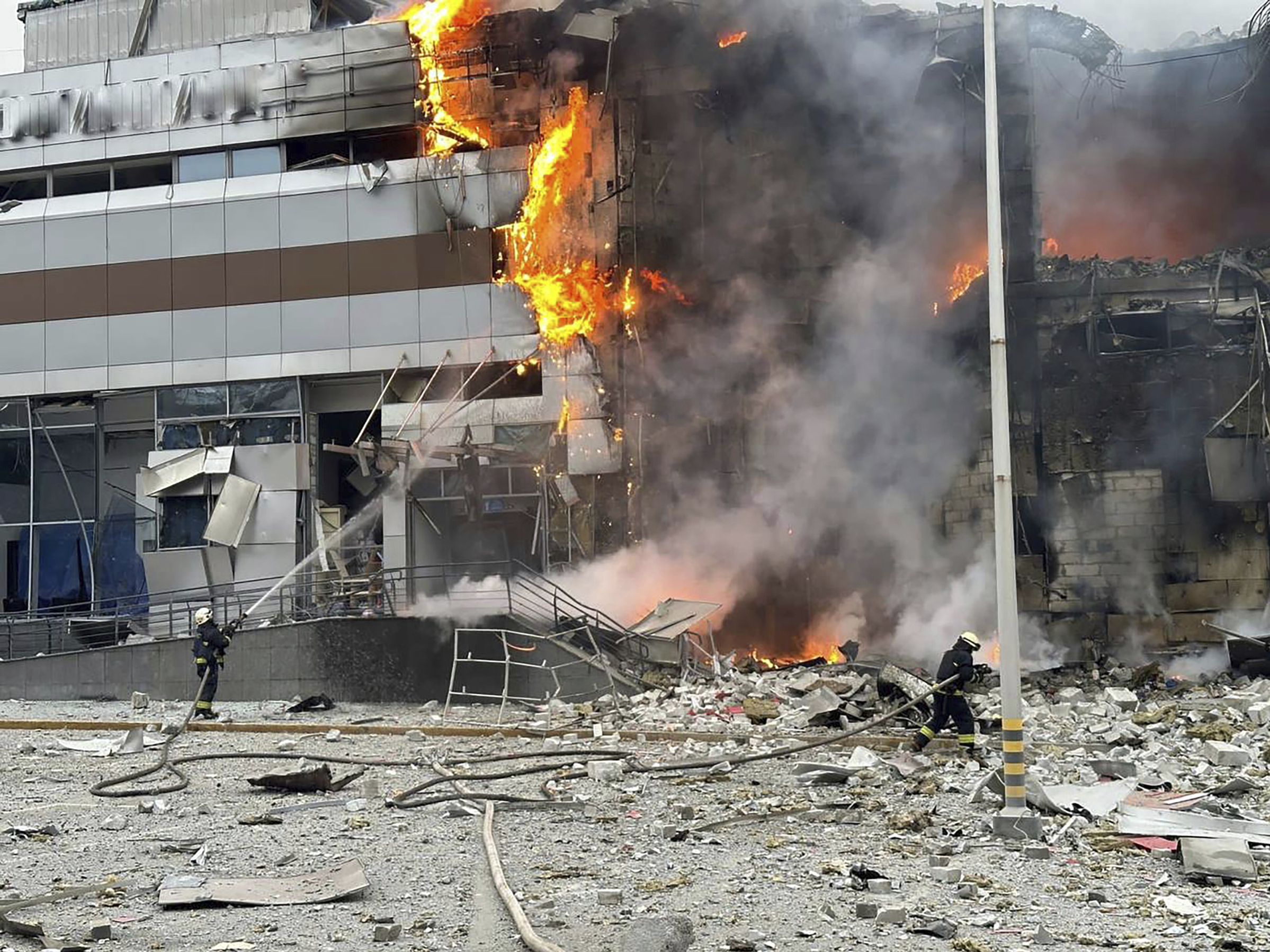
In this photo provided by the Ukrainian Emergency Service, firefighters work on a site of a building damaged after a Russian attack in Kyiv, Ukraine, Friday, Dec. 29, 2023. (Ukrainian Emergency Service via AP)
KYIV, Ukraine (BN24) — Russia launched one of the largest air strikes on Kyiv since the start of its full-scale invasion, striking multiple civilian targets including a maternity hospital in Odesa and damaging a UNESCO world heritage site in the Ukrainian capital, officials said Tuesday.
In this photo provided by the Ukrainian Emergency Service, firefighters work on a site of a building damaged after a Russian attack in Kyiv, Ukraine, Friday, Dec. 29, 2023. (Ukrainian Emergency Service via AP)
At least three people were killed and several others were injured in the overnight barrage, which came a day after Moscow conducted its largest drone attack of the war. Ukrainian authorities reported widespread damage and described the assault as part of a stepped-up campaign Moscow says is in retaliation for recent attacks on Russian soil.
In Kyiv, explosions rocked the capital in the early hours, igniting fires and sending plumes of smoke into the sky. According to local officials, seven of the city’s ten districts were hit. One person was killed and at least four were hospitalized. Ukrainian President Volodymyr Zelenskyy called it “one of the largest attacks on Kyiv” since the invasion began in February 2022.
Amid the destruction, the revered Saint Sophia Cathedral—a UNESCO heritage site in central Kyiv—suffered damage, according to Ukrainian Culture Minister Mykola Tochytskyi. “The enemy struck at the very heart of our identity again,” he wrote in a Facebook post, calling the cathedral “the soul of all Ukraine.”
In the southern port city of Odesa, a drone attack struck a maternity ward, residential buildings, and an emergency medical facility, according to regional governor Oleh Kiper. Two men were killed, but all patients and staff at the maternity hospital were safely evacuated.
Iryna Britkaru, 23, who had given birth just days earlier, said the attacks began just as hospital staff moved patients to the basement. “The third [strike] was already very loud, and shrapnel flew… it rained down in the corridor,” she told Reuters.
Natalia Kovalenko, 34, who also gave birth recently, said she was holding on to hope. “If we don’t have hope, then no one will be giving birth,” she said.
Russia’s Ministry of Defense claimed responsibility for the attacks, stating its forces targeted military infrastructure using precision-guided missiles and drones. The statement was reported by Russia’s state news agency, TASS.
Air raid sirens sounded across Kyiv and much of Ukraine for more than five hours, starting around midnight and lasting until approximately 5 a.m. local time. “A difficult night for all of us,” said Timur Tkachenko, head of Kyiv’s city military administration.
Ukraine’s air force reported intercepting 277 of the 315 drones launched nationwide, and said it had downed all seven missiles aimed at the capital. The attack followed Kyiv’s recent strikes on Russian strategic bombers and alleged sabotage of critical infrastructure, including bridge explosions that Moscow says killed seven people.
The latest escalation has also prompted a disruption in Russian domestic air travel. Flights were temporarily suspended at several major airports, including those in Moscow and St. Petersburg, due to incoming drone threats. Flights resumed later Tuesday without reports of damage.
President Zelenskyy renewed calls for stronger international support, urging allies to expedite military aid and impose additional sanctions on Moscow. Ukrainian Foreign Minister Andrii Sybiha echoed the plea, demanding new air defense systems to protect civilians from future attacks.
Despite two rounds of recent peace talks, progress has stalled, with both Moscow and Kyiv accusing the other of obstructing negotiations. The only notable outcome so far has been an agreement on prisoner exchanges. Meanwhile, Russian forces continue to press forward along the eastern front.
U.S. President Donald Trump, who has been vocal about ending the conflict, has expressed frustration over the ongoing stalemate.
LOS ANGELES (BN24)— A Chinese man living illegally in the United States has pleaded guilty to federal charges of exporting firearms, ammunition and military equipment to North Korea at the direction of Pyongyang officials, the US Department of Justice announced Monday.
Shenghua Wen, 42, of Ontario, California, admitted to one count of conspiracy to violate the International Emergency Economic Powers Act and one count of acting as an illegal agent of a foreign government. The 1977 federal law empowers the president to restrict commerce with countries deemed threats to national security.
According to prosecutors, Wen shipped at least three containers of guns bound for North Korea during 2023, with one shipment successfully arriving in Nampo, North Korea, via Hong Kong. The California resident orchestrated the illegal arms trafficking operation despite knowing such exports violated federal law and international sanctions.
To facilitate the weapons smuggling scheme, Wen purchased a firearms business in Houston, Texas, and used fraudulent paperwork to conceal the actual contents of his shipping containers, prosecutors said. The elaborate operation was designed to circumvent strict export controls governing military equipment shipments to the isolated communist nation.
Wen, who was arrested in December, also procured approximately 60,000 rounds of 9mm ammunition and obtained sensitive technology including a chemical threat identification device intended for shipment to North Korea. The extensive procurement operation involved multiple categories of restricted military and dual-use equipment.
The illegal arms trafficking operation began following Wen’s meetings with North Korean officials at the North Korean Embassy in China before he entered the United States on a student visa in 2012. These diplomatic contacts allegedly provided the initial instructions for the multi-year weapons procurement scheme.
North Korean government operatives allegedly transferred approximately $2 million to Wen to finance the illegal arms export operation. The substantial funding enabled the purchase of firearms, ammunition, and sensitive technology through legitimate American businesses that were unaware of the ultimate destination.
The US Attorney’s Office for the Central District of California emphasized that Wen acknowledged the illegal nature of his activities throughout the operation. “Wen admitted that at all relevant times he knew that it was illegal to ship firearms, ammunition, and sensitive technology to North Korea,” the office stated in a press release.
Prosecutors noted that Wen admitted to never obtaining the required federal licenses to export ammunition, firearms, and sensitive devices to North Korea. The defendant also acknowledged acting at the direction of North Korean government officials without providing mandatory notification to the Attorney General of the United States regarding his foreign agent activities.
During FBI questioning, Wen revealed his understanding of North Korea’s intentions for the smuggled weapons and ammunition. According to a criminal complaint filed in September, Wen told investigators he believed the North Korean government wanted the military equipment to prepare for an attack against South Korea.
The case highlights ongoing concerns about illegal arms trafficking to North Korea despite comprehensive international sanctions designed to prevent the regime from acquiring weapons and military technology. US authorities have intensified efforts to detect and prosecute individuals involved in sanctions evasion schemes.
Wen faces significant federal penalties when he appears for sentencing in August. The International Emergency Economic Powers Act violation carries a maximum penalty of 20 years in prison, while the illegal foreign agent charge could result in up to 10 years imprisonment.
The successful prosecution represents a major victory for federal authorities working to enforce arms export controls and prevent weapons technology from reaching hostile foreign governments. The case demonstrates the sophisticated methods used by foreign operatives to acquire American military equipment through legitimate business channels.
Federal investigators continue examining potential additional conspirators and related weapons trafficking networks that may have facilitated similar illegal exports to North Korea or other sanctioned nations. The investigation underscores the ongoing challenges facing US export control enforcement in an era of complex international supply chains.
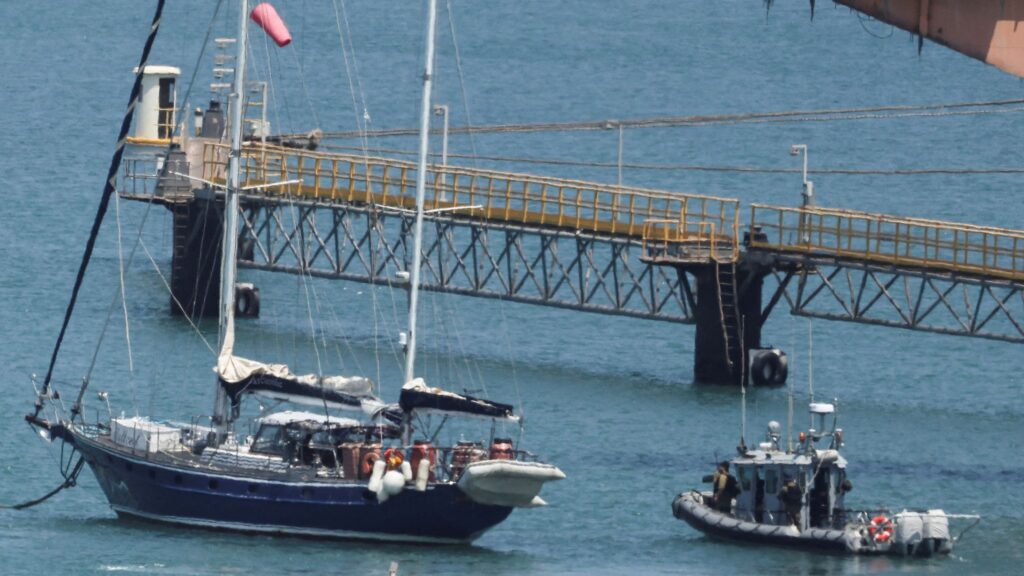
JERUSALEM — Israel has deported Swedish climate activist Greta Thunberg after its military seized a Gaza-bound aid vessel she boarded in an attempt to breach the Israeli blockade of the coastal enclave.
The 22-year-old activist was among a dozen passengers aboard the Madleen, a British-flagged yacht that set sail from Sicily on May 1. The mission, organized by the pro-Palestinian Freedom Flotilla Coalition, aimed to deliver humanitarian supplies and challenge Israel’s longstanding naval blockade on Gaza.
Israel’s Foreign Ministry confirmed Monday that its forces had intercepted the vessel and brought it to shore. The passengers underwent medical evaluations upon arrival. In a post on social media platform X on Tuesday, the ministry published a photograph of Thunberg aboard an airplane, stating she was en route to Sweden via France.
Legal rights group Adalah, which is representing the passengers, confirmed that Thunberg, two other activists, and a journalist agreed to deportation and have since left the country. Other passengers who declined voluntary deportation remain in Israeli custody pending legal proceedings.
“They are expected to be moved to the Ramleh detention facility unless they agree to leave immediately,” Adalah said in a statement. The organization maintains the detentions are unlawful and that the aid seizure violates international law. “We continue to demand the immediate release of all volunteers and the return of the stolen aid,” it said.
The incident adds to growing international scrutiny over Israel’s conduct in Gaza, where the humanitarian situation continues to deteriorate amid ongoing conflict.
Earlier Monday, Hamas said three paramedics were killed in an Israeli airstrike in Gaza City’s al-Tuffah neighborhood. The militant group condemned the attack as a war crime, stating, “Targeting those who aid victims represents an unprecedented level of brutality and criminality.”
In a separate development, Gaza health authorities accused Israeli forces of opening fire on a crowd at a U.S.-backed Gaza Humanitarian Foundation (GHF) aid distribution site in central Gaza, killing at least 17 Palestinians and wounding dozens more. The Israeli military said it is reviewing the reports and noted it had warned civilians not to approach designated military zones near GHF locations between 6 p.m. and 6 a.m.
The Madleen’s voyage marks the latest effort by international activists to draw attention to the blockade and worsening conditions in Gaza. Previous flotillas have also been intercepted by Israeli forces, often triggering diplomatic tensions.
Thunberg, globally recognized for her environmental advocacy, had not previously engaged in direct action over the Israeli-Palestinian conflict. Her participation drew renewed media attention to the humanitarian crisis and underscored increasing crossover between environmental and human rights activism.
As of Tuesday evening, the Israeli government had not disclosed when or if the remaining detained activists would be released or deported.
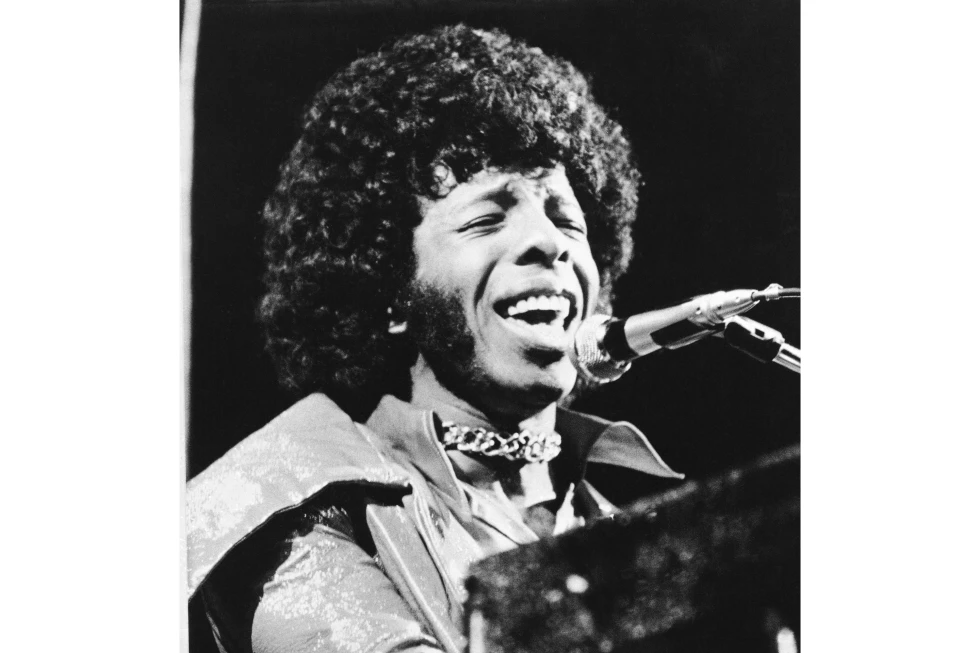
LOS ANGELES (BN24) — Sly Stone, the visionary artist whose groundbreaking band Sly and the Family Stone transformed the sound and spirit of popular music during the late 1960s and early 1970s, died Monday at age 82. Stone, born Sylvester Stewart, died in Los Angeles surrounded by loved ones after battling chronic obstructive pulmonary disease and other health issues, his publicist Carleen Donovan said.
A pioneering figure in American music, Stone led the first major multiracial, multi-gender band in mainstream rock and soul. Formed in the San Francisco Bay Area in 1966-67, Sly and the Family Stone became icons of an era with chart-topping hits such as “Everyday People,” “Dance to the Music,” “I Want to Take You Higher,” “Stand!” and “Family Affair.” Their genre-bending sound fused psychedelic rock, funk, soul, jazz, and doo-wop into a style that was uniquely their own, propelling a musical revolution that still echoes today.
The group was known not only for its music but for its ethos of unity and equality. With lyrics that addressed civil rights, social justice, and identity, Stone’s work resonated deeply in an age of societal upheaval. “Different strokes for different folks,” from “Everyday People,” became a catchphrase of the time. In 1969, the group’s performance at Woodstock — led by Stone in a leather jumpsuit and his signature Afro and goggle shades — became a defining moment of the festival and the counterculture era.
Sly and the Family Stone scored five Top 10 singles, three of which reached No. 1, and released several platinum-selling albums, including Stand!, There’s a Riot Goin’ On, and Greatest Hits. The band’s 1968 single “Dance to the Music,” released the week of Martin Luther King Jr.’s assassination, announced their arrival with defiant joy and became a cultural touchstone.
The influence of Stone’s musical innovations extended far beyond his own hits. Acts ranging from The Jackson 5 to the Temptations adapted his rhythmic style and vocal arrangements. Jazz legends Miles Davis and Herbie Hancock credited him with expanding the horizons of their genre. In the decades that followed, Prince, George Clinton, Rick James, the Black Eyed Peas, and countless hip-hop artists including Dr. Dre and Snoop Dogg would cite Sly Stone as a major influence. His legacy was celebrated in the 2005 tribute album featuring artists like Maroon 5, John Legend, and The Roots.
“He was cooler than everything around him by a factor of infinity,” Questlove wrote in the introduction to Stone’s 2023 memoir, Thank You (Falettinme Be Mice Elf Agin). Questlove also directed the 2025 documentary Sly Lives! (aka The Burden of Black Genius), which traced the enduring cultural impact of the funk legend.
Yet Stone’s brilliance came with burdens. By the early 1970s, amid pressure from fame, record label demands, and political activism urging him to fire the white members of his group, his career began a long and painful descent. Cocaine addiction, missed concerts, and erratic behavior followed. A highly anticipated album, The Incredible and Unpredictable Sly and the Family Stone, never materialized. In 1971, he released There’s a Riot Goin’ On, a dark, groundbreaking record that topped the Billboard chart but revealed the emotional collapse behind his funk façade. Featuring early drum machine experimentation and moody tracks like “Family Affair” and “Runnin’ Away,” it became a seminal work in Black music’s social awakening.
By the end of the decade, Sly and the Family Stone had disbanded. Stone attempted solo comebacks with Heard You Missed Me, Well I’m Back and Back on the Right Track, but neither matched his earlier successes. His later years were marked by legal struggles, addiction, and a reclusive lifestyle. He was inducted into the Rock & Roll Hall of Fame in 1993 and made a surprise appearance at the 2006 Grammy Awards tribute in his honor, but released only one more album — 2011’s I’m Back! Family & Friends, a collection of re-recorded classics.
Born March 15, 1943, in Denton, Texas, and raised in Vallejo, California, Stone was a prodigy. By age 11, he had mastered multiple instruments and recorded gospel music with his siblings. As a teenage deejay and producer in the Bay Area, he championed racial integration in both his radio playlists and band memberships. Before launching his own group, he worked with artists like Grace Slick’s Great Society and produced hits including Bobby Freeman’s “C’mon and Swim.”
Sly and the Family Stone’s debut album A Whole New Thing in 1967 introduced their genre-bending style. Their TV debut on The Ed Sullivan Show in 1968 marked their breakthrough, when Sly recited these lines from his song “Are You Ready”:
“Don’t hate the Black, don’t hate the white, if you get bitten, just hate the bite.”
Stone’s personal life was often as public as his performances. In 1974, he married actress Kathy Silva on stage at Madison Square Garden, though the marriage soon ended. He had three children, including a daughter with bandmate and trumpet player Cynthia Robinson.
Despite the turmoil of his later years, Stone’s music endured. “He could be sitting there doing nothing,” George Clinton once said, “and then open his eyes and shock you with a lyric so brilliant that it was obvious no one had ever thought of it before.”
Sly Stone gave the world music that was explosive, transcendent, and transformative. He fused joy and resistance, dreams and struggle, in songs that made people dance — and think. Even as his own light dimmed, the spark he ignited in music and culture continued to shine.
LA MESILLA, Guatemala (BN24) — A deadly cross-border gun battle erupted along the Mexico-Guatemala border Sunday, as Mexican state police killed four armed suspects and then pursued additional gunmen into Guatemalan territory in an unprecedented armed incursion that has prompted investigations by authorities in both countries.
The shootout unfolded in the border town of La Mesilla, where witnesses captured the confrontation on video. Footage widely circulated online showed armored vehicles from the Chiapas state police force driving aggressively into Guatemalan streets, sparking chaos as armed men in tactical gear fled amid a hail of gunfire. At least one civilian vehicle was struck during the exchange, and a Guatemalan military vehicle appeared to remain stationary throughout the clash, a soldier visibly manning its mounted turret.
Officials say the violence was the latest escalation in a region plagued by turf wars between Mexico’s powerful Sinaloa and Jalisco New Generation cartels, who continue to battle for control over lucrative smuggling routes for drugs, weapons, and migrants.
Mexican President Claudia Sheinbaum confirmed on Monday that the preliminary investigation showed Mexican forces had crossed into Guatemala. “They are investigating it, and it is not all right that this happened,” she said.
Chiapas Governor Eduardo Ramírez Aguilar claimed the pursuit stemmed from intelligence gathered by drone surveillance, which had detected armed men crossing into Mexico. He said Mexican police intercepted the group and killed four, including a local gang leader, before the suspects attempted to flee back into Guatemala.
The Mexican officers involved belonged to the state’s Pakal police force, which has faced prior allegations of misconduct. Ramírez suggested Guatemalan authorities had failed to act against criminal groups, stating, “They try to cross back to Guatemala to evade justice, and that’s where we intercept them.”
Guatemalan officials struck a more measured tone. Vice President Karin Herrera said talks were ongoing with Mexico but that “many things must be confirmed.” Defense Minister Henry Sáenz stated Guatemalan soldiers deployed in La Mesilla did not discharge their weapons, and the incident remains under review.
Security analysts in Guatemala expressed concern over the apparent inaction by local forces. “In the videos it appears the police are supporting these armed suspects,” said Arkel Benitez, a lawyer and security expert. He called the footage troubling, suggesting it conveyed either alarming passivity or potential complicity by Guatemalan forces.
Sunday’s shootout occurred in a densely packed commercial street, where military fire could have risked greater civilian casualties. Despite the violence, no injuries to Guatemalan bystanders were reported.
The area along the southern Mexican border has seen sustained violence in recent years. In 2023, hundreds of Mexican residents fled across the border into Guatemala seeking safety. Other towns have been subjected to cartel blockades and blackouts as rival groups vie for dominance.
The dramatic cross-border shootout underscores the volatile security situation along the Mexico-Guatemala frontier and raises questions over both nations’ ability to contain cartel violence spilling across borders.
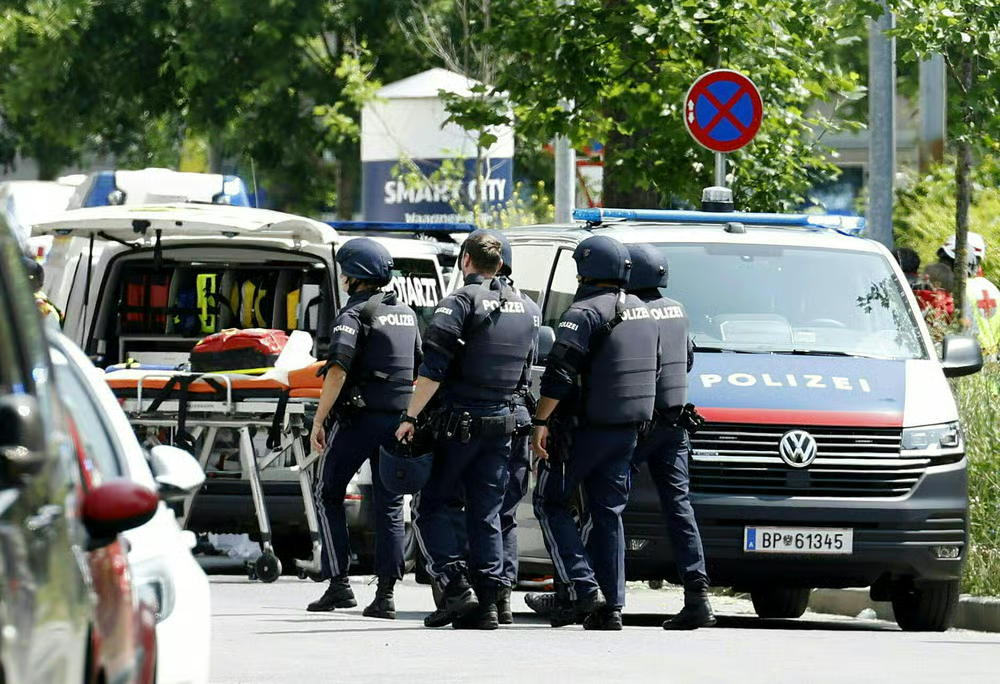
GRAZ, Austria (BN24) — Eight people, including the suspected shooter, were killed Tuesday in a mass shooting at a high school in the southeastern Austrian city of Graz, local authorities confirmed.
Mayor Elke Kahr described the incident at BORG Dreierschützengasse high school as a “terrible tragedy,” according to the Austria Press Agency. Among the dead were seven students and one adult. Several others sustained injuries and were transported to local hospitals, though the extent of their injuries was not immediately disclosed.
Authorities received an emergency call at approximately 10 a.m. local time, prompting a swift response from police and special forces. Heavily armed units arrived on the scene and began clearing the premises.
By 11:30 a.m., police announced via social media platform X that the school had been fully evacuated and that all individuals had been relocated to a designated safe area. Officials said the situation had been “secured,” and there was no ongoing threat to the public.
The suspected perpetrator was also found dead at the scene, though police have not yet confirmed whether the individual died by suicide or during the police response. The motive behind the shooting remains under investigation.
The attack has shaken the city of Graz, Austria’s second-largest urban center with a population of roughly 300,000. Located in the country’s southeast, Graz is known for its universities and cultural institutions.
Officials have not released the identities of the victims pending family notifications. The Austrian Interior Ministry is coordinating with local law enforcement and counterterrorism units to determine how the shooting unfolded.
Classes at the school have been suspended, and grief counseling services are being made available to students, staff, and families affected by the tragedy.
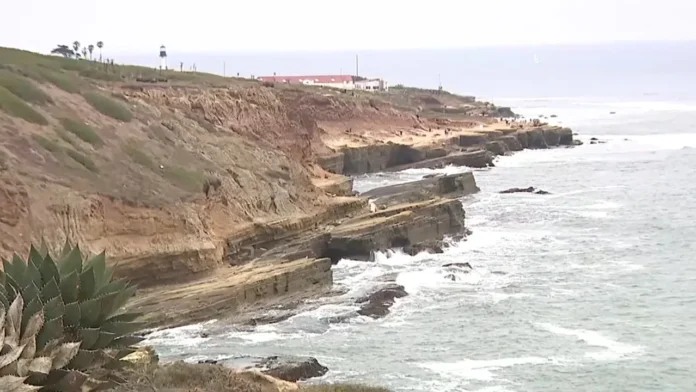
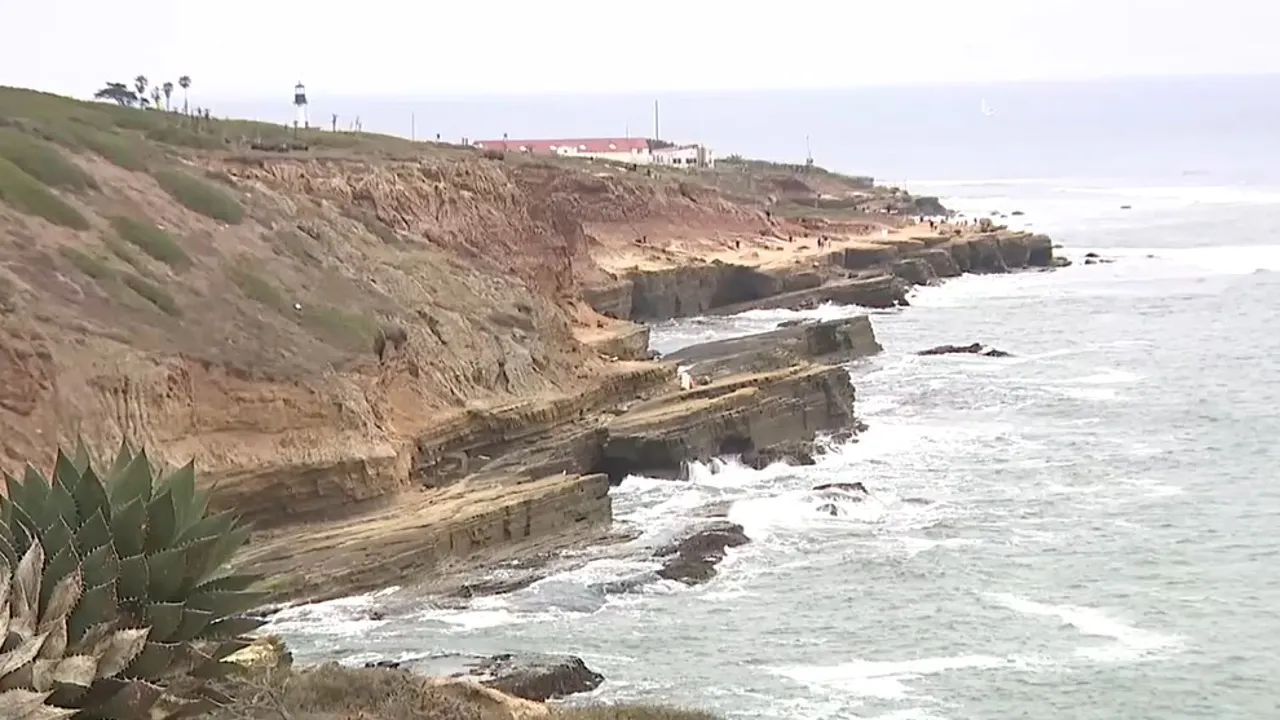
SAN DIEGO (BN24) — A twin-engine Cessna 414 crashed into the Pacific Ocean off the coast of San Diego on Sunday, killing all six people on board after the pilot issued a distress call indicating trouble with the aircraft’s climb and heading, federal authorities confirmed.
The plane, which had departed San Diego and was en route to Phoenix, Arizona, went down around 12:30 p.m. near Point Loma, a narrow peninsula that extends into the Pacific Ocean. The U.S. Coast Guard and Federal Aviation Administration reported that the wreckage was discovered later Sunday afternoon in roughly 200 feet of water, about five miles offshore.
Crews continued to search the area through Sunday evening, but no survivors were found. The FAA and the National Transportation Safety Board (NTSB) have launched an investigation into the cause of the crash. The identities of the victims have not been publicly released.
In a chilling final radio transmission to air traffic control, the pilot reported difficulty maintaining heading and altitude. Despite receiving instructions from controllers to ascend to 4,000 feet, the aircraft was at just 1,000 feet above the water before radar contact was lost. The Cessna turned inland twice before veering back out over the ocean and disappearing from radar.
Federal records list the aircraft’s registered owner as Optimal Health Systems, a supplement company based in Pima, Arizona. However, the company said it sold the plane to private buyers in 2023 and that FAA records had not been updated. Doug Grant, founder of the company, confirmed he personally knew several passengers on board and extended condolences to their families.
“Our sincerest condolences are offered to those affected by the tragedy,” Grant said in a statement.
Coast Guard Petty Officer Ryan Graves confirmed the depth of the crash site and said recovery efforts are ongoing, though challenging due to underwater conditions.
The NTSB has yet to release preliminary findings but will lead the investigation into what caused the crash.
Sunday’s incident comes just weeks after a separate plane crash in a San Diego neighborhood killed six people, including musician Daniel Williams and talent agent Dave Shapiro, raising renewed concerns about private aviation safety in the region.
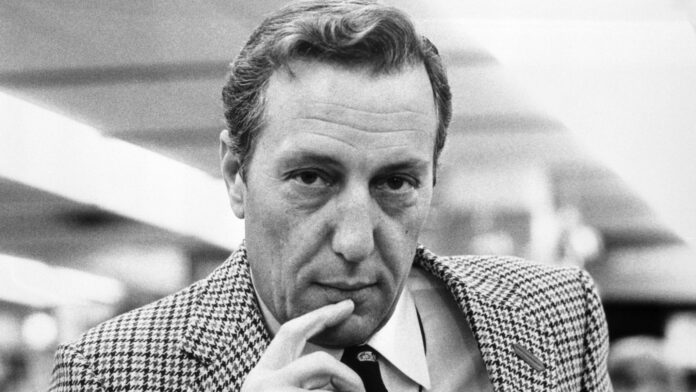
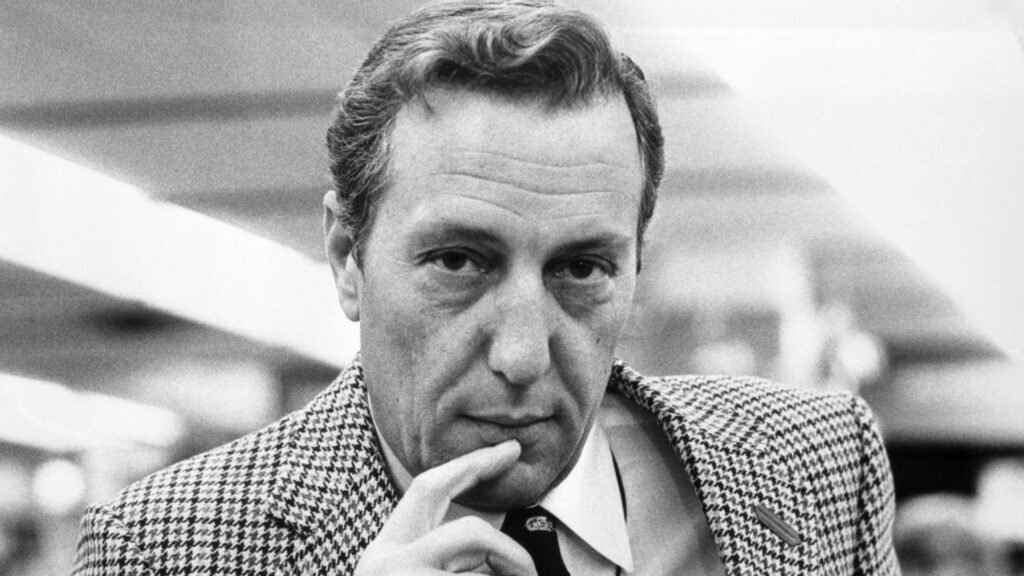
LONDON (BN24) — Frederick Forsyth, the celebrated British author of The Day of the Jackal and one of the most influential thriller writers of his generation, has died at the age of 86, his literary agency Curtis Brown confirmed on Monday.
Forsyth passed away surrounded by family following a short illness, the agency said. His death marks the end of a prolific career that spanned over five decades, encompassing best-selling novels, groundbreaking journalism, and behind-the-scenes intelligence work.
A former Royal Air Force pilot and investigative journalist, Forsyth achieved international fame in 1971 with the publication of The Day of the Jackal, a taut political thriller based on a fictional assassination attempt on French President Charles de Gaulle. The novel, inspired by real events Forsyth covered as a journalist, was adapted into a critically acclaimed film in 1973 and more recently into a Sky Atlantic television series starring Eddie Redmayne and Lashana Lynch.
Born in Ashford, Kent, in 1938, Forsyth joined the RAF at age 18, becoming one of the youngest pilots in service at the time. After leaving the military in 1958, he embarked on a journalism career, reporting from global hotspots and covering conflicts that would later inform much of his fiction. His foreign assignments included covering the Nigerian Civil War and the attempted assassination of de Gaulle—events that directly shaped his narrative style and themes.
Forsyth’s body of work includes more than 25 novels and nonfiction titles, including The Kill List, The Afghan, and The Fox, many of which were adapted into films and translated into dozens of languages. His books have sold over 75 million copies worldwide, solidifying his legacy as a master of the political and espionage thriller.
In a 2015 memoir, The Outsider: My Life in Intrigue, Forsyth revealed his years-long involvement with Britain’s Secret Intelligence Service, MI6—a detail that added further depth to his reputation as a writer whose fiction was often rooted in real-world operations.
His longtime agent, Jonathan Lloyd of Curtis Brown, paid tribute to Forsyth as “one of the world’s greatest thriller writers.” Lloyd recalled a recent meeting with the author to watch an upcoming BBC1 documentary about his life, In My Own Words, set for release later this year.
“After serving as one of the youngest ever RAF pilots, he turned to journalism, using his gift for languages to become a foreign correspondent in Biafra,” Lloyd said. “Appalled at what he saw and using his experience during a stint as a secret service agent, he wrote his first and perhaps most famous novel, The Day Of The Jackal, and instantly became a global best-selling author.”
Forsyth was also a pioneer in digital publishing. In 2000, he became the first major British author to release a novel exclusively online, embracing emerging technology long before it became standard in the literary world.
He is survived by his family and remembered by countless fans worldwide. “He will be greatly missed,” said Lloyd, “though his books will of course live on forever.”
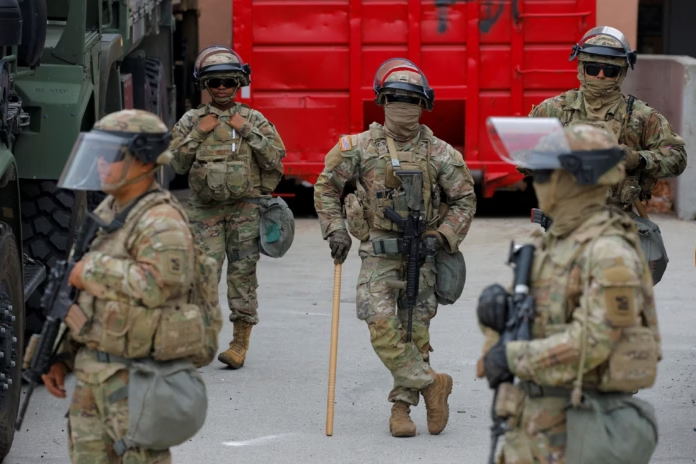
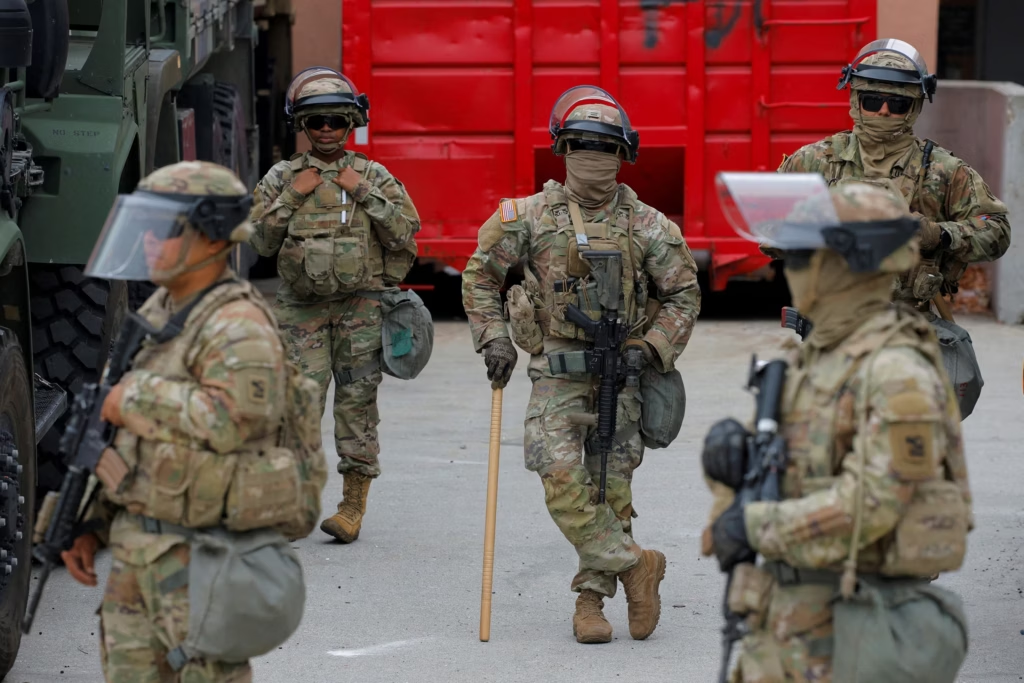
LOS ANGELES (BN24) — California Gov. Gavin Newsom on Saturday condemned President Donald Trump’s decision to deploy an additional 2,000 National Guard troops to Los Angeles, calling the move “reckless” and accusing the administration of abusing federal authority as immigration protests persist in the region.
The new deployment, which adds to an earlier wave of 2,000 National Guard troops, comes alongside the mobilization of approximately 700 U.S. Marines from Twentynine Palms to Camp Pendleton, about 90 miles south of downtown Los Angeles, defense officials said. The Marines, from the 2nd Battalion, 7th Marines, 1st Marine Division, were activated by U.S. Northern Command in response to escalating demonstrations against federal immigration enforcement.
“I was just informed Trump is deploying another 2,000 Guard troops to L.A.,” Newsom wrote Saturday on X. “The first 2,000? Given no food or water. Only approx. 300 are deployed — the rest are sitting, unused, in federal buildings without orders. This isn’t about public safety. It’s about stroking a dangerous President’s ego.”
Newsom, a vocal opponent of Trump’s immigration policies, argued the latest troop movements were unnecessary and unconstitutional, and he warned against using active-duty military personnel to quell domestic protests. “This is un-American,” he posted, denouncing what he called “a deranged fantasy of a dictatorial President.”
California Attorney General Rob Bonta on Saturday filed a lawsuit against the federal government, alleging Trump’s troop deployments to Los Angeles constitute an unlawful use of military force and represent a federal overreach. The suit challenges the president’s authority to unilaterally send military personnel to a state without proper consultation or justification.
According to two senior Defense Department officials, the mobilized Marines are stationed at Camp Pendleton in San Diego County to position them closer to the Los Angeles area, where they may be called upon to assist in protecting federal property and personnel. Under federal law, they are prohibited from making arrests or engaging in direct law enforcement actions, though they may support local and federal agencies.
“U.S. Marines have served honorably across multiple wars in defense of democracy,” Newsom said. “They are heroes. But they shouldn’t be deployed on American soil facing their own countrymen.”
The Marines’ movement was ordered following several days of large and occasionally tense protests across Los Angeles sparked by federal immigration crackdowns. Defense sources confirmed the Marines were placed on alert by U.S. Northern Command over the weekend and are now part of the broader federal response authorized by Trump’s executive order.
The deployment has reignited debates over the use of military force within U.S. borders and intensified the ongoing political clash between the Trump administration and California leadership over immigration enforcement and states’ rights.