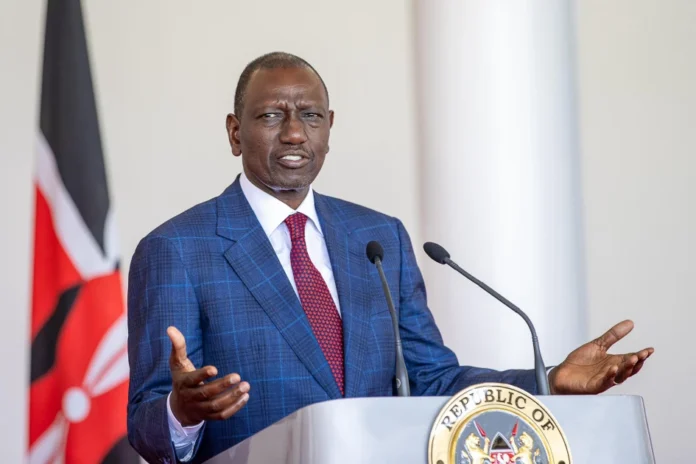
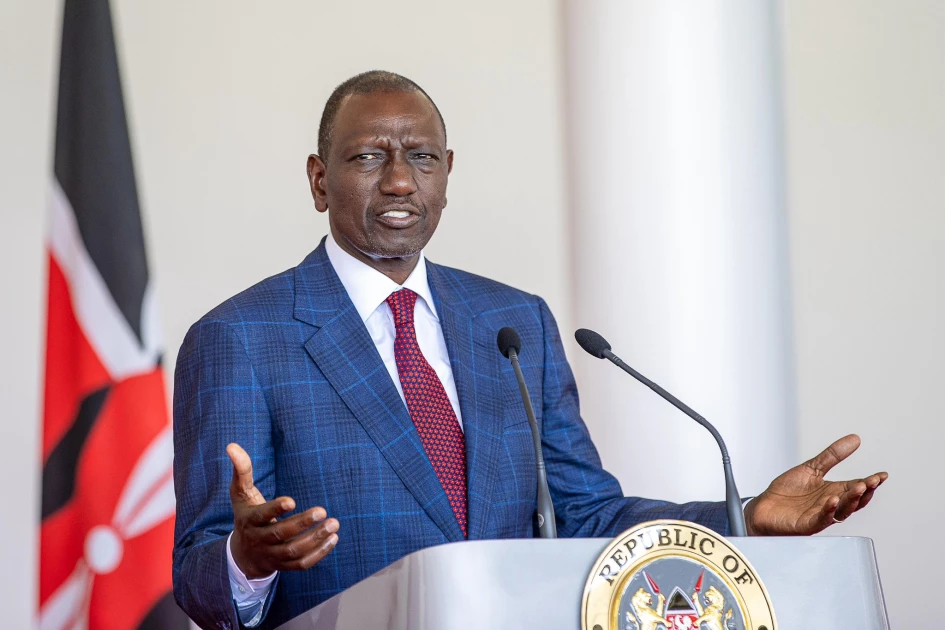
NAIROBI — Kenyan President William Ruto on Monday firmly denied the existence of any unresolved cases of enforced disappearances, declaring that all citizens reported missing under suspicious circumstances have since returned home safely.
Speaking during a joint press briefing with visiting Finnish President Alexander Stubb, Ruto assured Kenyans that his administration had taken “decisive steps” to prevent future incidents of abductions and emphasized a commitment to accountability and democratic governance.
“There is an accountability mechanism to ensure such situations are addressed,” Ruto said. “I undertook to the country that, as a democracy, Kenya will not return to the dark days when citizens disappeared and their bodies were found in all manner of places. That will not happen under my administration.”
Although the president confirmed that all individuals who were previously abducted or reported missing had been reunited with their families, he stopped short of identifying who was responsible for the disappearances.
“All the people who disappeared or were abducted have been brought back to their homes,” Ruto said. “I have given clarity that nothing of that nature will happen again.”
His assurances come amid mounting public anxiety over the surge in reports of abductions and extrajudicial killings in the country, which human rights organizations say continue to plague Kenya’s justice and security systems.
Ruto pointed to one of his administration’s early policy decisions — granting operational and financial autonomy to the National Police Service — as a key safeguard against abuses.
“The first step I undertook when I became president was to ensure the independence of the police — to give them financial and operational autonomy,” he said.
However, rights advocates have questioned whether institutional reforms have translated into genuine accountability. The president’s remarks come as the country grapples with the findings of a recent report by Missing Voices, a coalition of human rights groups.
In its May 2025 report, Missing Voices documented at least 55 cases of enforced disappearances in Kenya since the beginning of the year. Between 2019 and 2024, the organization recorded more than 970 cases of enforced disappearances or extrajudicial killings nationwide.
Activists argue that the persistence of such violations points to systemic failures in oversight and impunity among security forces — issues that have plagued Kenya for decades.
While President Ruto’s remarks were meant to reassure the public and international observers, critics say more transparency and accountability are needed to confront the reality behind the statistics and restore public trust in state institutions.
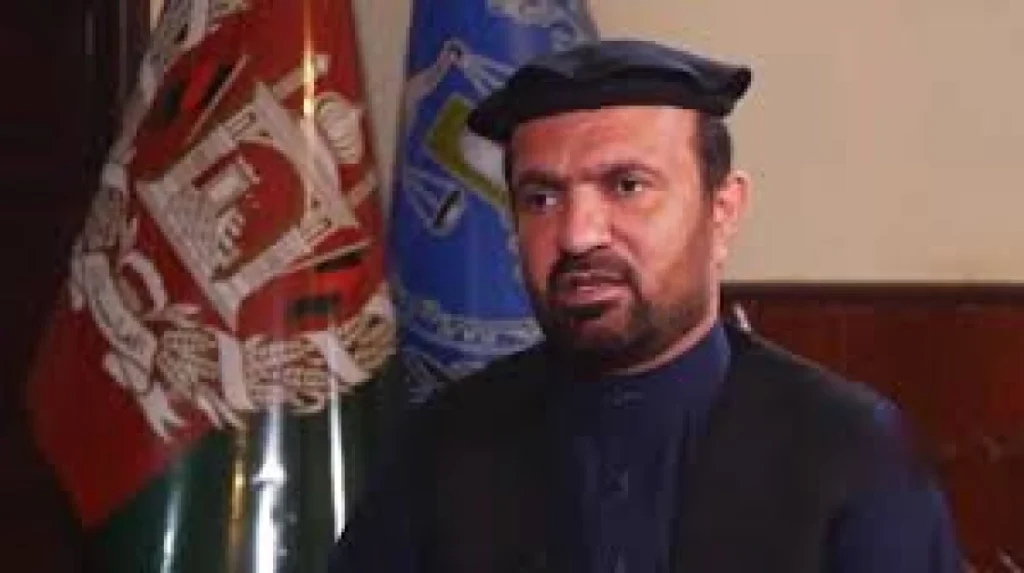
NAIROBI — A Kenyan court on Tuesday ordered the extradition of former Afghan Deputy Parliament Speaker Abdul Zahir Qadir to the United States, where he faces federal charges of narcotics trafficking and illegal possession of military-grade firearms.
Delivering the ruling, Magistrate BenMark Ekhubi endorsed the extradition request made by the Office of the Director of Public Prosecutions (ODPP), stating that the legal threshold had been met. The application was based on a formal request by the U.S. Drug Enforcement Administration (DEA).
“In my view, the threshold has been met by the applicant. I find the application to be merited, and I hereby endorse the warrants of arrest,” Ekhubi ruled. “I consequently direct that the accused person be surrendered and extradited to the United States to face the subject charges.”
Qadir, who arrived in Nairobi on April 14 aboard a Qatar Airways flight, was arrested at a local hotel in an operation coordinated between Kenyan police and the DEA. Authorities cited the absence of a fixed residence and his potential to flee as reasons for his immediate detention.
The United States District Court for the Southern District of New York had issued a warrant for Qadir’s arrest on March 25, alleging conspiracy to import controlled substances into the U.S. and unlawful possession of a machine gun. DEA special agent Nicholas DiFrancesco confirmed that Qadir is believed to be a key figure in a global narcotics network.
Court filings presented by Kenyan prosecutors also disclosed concerns raised by the U.S. over the risk of Qadir fleeing to a jurisdiction lacking an extradition treaty, potentially hindering the prosecution of remaining suspects.
Qadir had previously been reported missing by family members, who claimed he had been detained in Dubai. Kenyan authorities flatly denied those claims, confirming that he has been in their custody since April 14 and remains detained following the court’s ruling.
On April 15, Kenya’s judiciary granted a request by the Attorney General to hold Qadir pending the outcome of the extradition hearing, citing the importance of preserving the integrity of the investigation and safeguarding the international prosecution effort.
The Directorate of Criminal Investigations (DCI) affirmed that Qadir would remain in detention until arrangements for his handover to U.S. authorities are finalized.
The case marks a rare high-profile extradition involving a former Afghan political figure and underscores intensifying international cooperation in dismantling global drug trafficking operations.
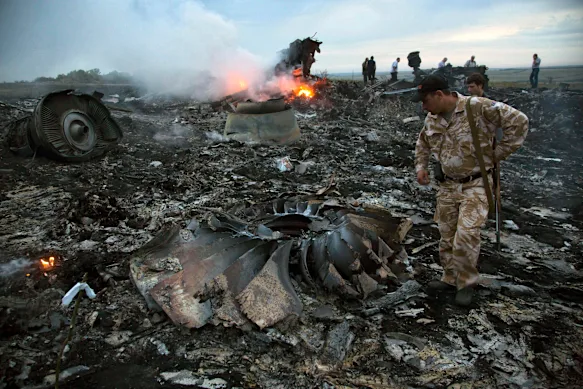
MONTREAL — The United Nations’ top aviation body has ruled that Russia bears responsibility for the 2014 downing of Malaysia Airlines Flight MH17 over eastern Ukraine, a tragedy that killed all 298 passengers and crew members aboard, including 196 Dutch citizens and 38 Australians or residents of Australia.
In a significant legal and diplomatic development, the International Civil Aviation Organization (ICAO) Council determined Monday that Russia violated international aviation norms when a surface-to-air missile launched from separatist-held Ukrainian territory brought down the Amsterdam-to-Kuala Lumpur flight. The case was formally brought before ICAO in 2022 by the governments of Australia and the Netherlands.
Officials from both countries said in statements that the ICAO Council will consider potential reparations in the coming weeks, signaling a new phase in the pursuit of accountability more than a decade after the incident shocked the global aviation community.
“This decision is an important step toward establishing the truth and achieving justice and accountability for all victims of Flight MH17, and their families and loved ones,” Dutch Foreign Minister Caspar Veldkamp said in a statement. “This decision also sends a clear message to the international community: states cannot violate international law with impunity.”
Australian Foreign Minister Penny Wong echoed the sentiment, describing the ICAO ruling as a powerful moment for the victims’ families. “We call upon Russia to finally face up to its responsibility for this horrific act of violence and make reparations for its egregious conduct, as required under international law,” Wong said.
While the ICAO itself does not have enforcement powers, it plays a central role in setting international aviation standards adopted by its 193 member states. Its rulings carry significant moral and diplomatic weight and often shape broader legal actions or multilateral negotiations.
In November 2022, a Dutch court convicted two Russian nationals and one Ukrainian national in absentia for their roles in the missile strike that brought down MH17. Moscow denounced that verdict as “scandalous” and has refused to extradite the convicted individuals, further complicating the international response.
Malaysia Airlines Flight MH17 was cruising at high altitude on July 17, 2014, when it was struck by a Russian-made Buk missile over conflict-ridden Donetsk, where Ukrainian forces were battling Russian-backed separatists. The attack sparked global outrage, intensified scrutiny of Russian military involvement in Ukraine, and became a flashpoint in East-West relations.
The Netherlands and Australia are now urging ICAO to formally direct Russia to enter negotiations on reparations for the victims’ families — a move that could set a precedent for addressing state-sponsored aviation incidents under civil frameworks.
The ICAO, headquartered in Montreal, has not issued its own public statement on the ruling. However, the significance of this decision underscores its role in maintaining global aviation safety and international legal order.
LOS ANGELES — Pop star Britney Spears deleted a provocative video from Instagram last week in which she pulled down her white dress to expose her bare breasts, reigniting fan concern over her erratic online behavior and self-isolation.
The 43-year-old singer, known for hits like Baby One More Time, shared the explicit clip briefly before removing it from her page. In the video, Spears spun in a silky, low-cut white dress, then pulled it down to reveal her chest, leaving little to the imagination. The clip, which she uploaded without explanation, was swiftly replaced with a more censored version, showing the singer dancing suggestively and gazing into the camera while clutching a fork.
This wasn’t the only video Spears posted and deleted in recent days. Earlier last week, the pop icon shared two additional videos — one at the beach and another shot inside her home — revealing that she had not left her house in four months. All three videos were later scrubbed from her account.
The now-deleted posts prompted a wave of reactions across social media, with many fans expressing concern over Spears’ mental and emotional state.
“At least she’s wearing more clothing?” one user commented about the re-uploaded version of the video. Another remarked, “Well, at least she has clothes on this time,” while a third added, “I wonder if she spends most of her time alone…”
Others offered more lighthearted takes, with one fan exclaiming, “I could watch this for hours! I LOVE THE SALSA,” in reference to her dance moves. Yet another user speculated, “She needs to find something to do. She is bored at the house.”
The footage, paired with her confession about being homebound for months, triggered broader speculation about Spears’ well-being. The singer captioned one of her now-deleted videos: “Don’t worry girls, this is my summer. Haven’t been out of my house in four months — about to lose my damn mind.”
In addition to her confession about isolation, Spears added cryptic messages about fashion and her current lifestyle. “Diamonds are a girl’s best friend… but a diamond dress will be my finest sin,” she wrote in one post. She also referenced law school and appeared in a plaid skirt, saying, “But doing law school had to dress in uniform just to make sure I fit the part,” hinting at a new chapter or perhaps fantasy role-playing.
Spears, who regained control over her personal and financial affairs following the end of her 13-year conservatorship in 2021, has continued to draw headlines for her erratic and often unfiltered social media presence. Despite fan pleas for a more grounded lifestyle, the Grammy winner remains enigmatic and largely removed from the public eye.
Her representatives have not commented on the deleted posts or the growing concerns about her online behavior.
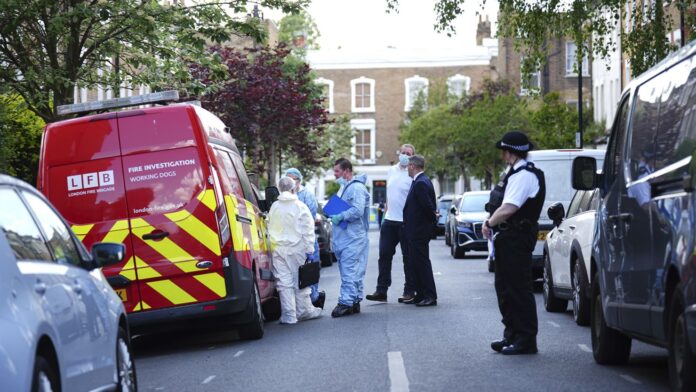
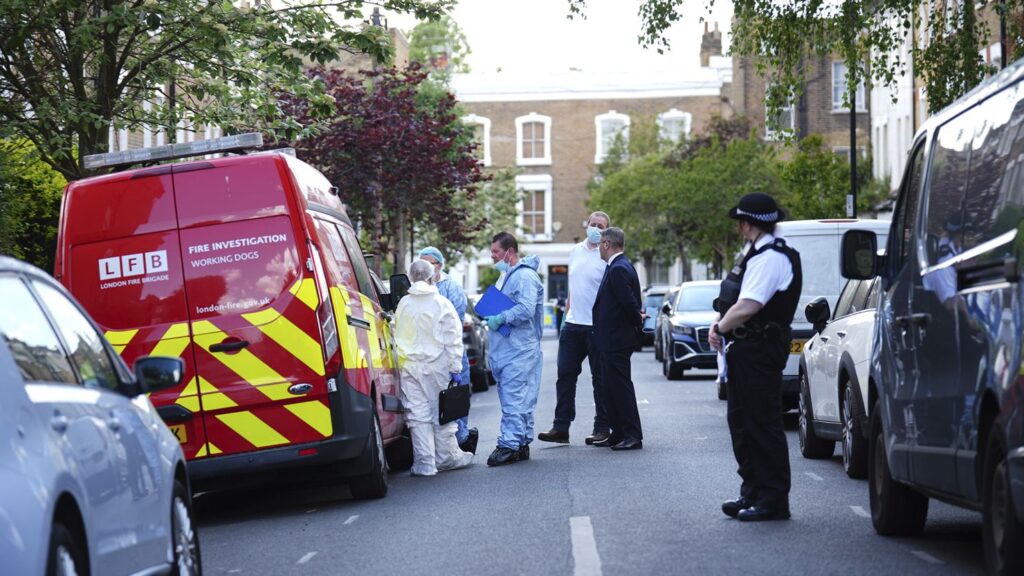
LONDON — British authorities arrested a 21-year-old man on suspicion of arson after a fire damaged the private residence of Prime Minister Keir Starmer, prompting a counter-terrorism investigation into whether the incident was part of a broader threat targeting the UK’s political leadership.
Police were called to the Kentish Town home—located in the North London constituency Starmer represents in Parliament—around 12:30 a.m. on Monday following reports of a fire. Although no injuries were reported, officials confirmed that the entrance of the property sustained significant damage.
The incident triggered heightened concern due to Starmer’s status as a high-profile political figure. He had lived at the terraced house with his wife and two children before moving into 10 Downing Street after becoming prime minister in July 2024.
London’s Metropolitan Police confirmed that officers from its Counter Terrorism Command are leading the inquiry “due to the nature of the location and the individual connected to it.” Authorities said the man was taken into custody in the early hours of Tuesday on suspicion of arson with intent to endanger life. He remains detained as the investigation continues.
Detectives are also probing two related incidents—a fire at the entrance of another residential property in nearby Islington on Sunday, and a vehicle fire in Kentish Town last Thursday. A report by the BBC suggests the Islington property may also have links to Starmer.
Police have not publicly identified the suspect, and no motive has yet been disclosed. Investigators are working to determine whether the three incidents form part of a coordinated campaign targeting the prime minister or individuals connected to him.
The attack has raised new questions about the security of senior political leaders in the UK, especially following a recent string of threats and violent acts directed at high-profile figures. While police have not formally classified the Kentish Town fire as politically motivated, the involvement of counter-terror officers underscores the seriousness of the case.
Starmer’s spokesperson issued a brief statement on Monday expressing gratitude to emergency services for their rapid response. No further comment has been made from the prime minister’s office, and Starmer has not yet publicly addressed the incident.
Security measures around the prime minister and his family are expected to be reviewed in light of the investigation.
Authorities continue to appeal for information related to all three fires. They are reviewing surveillance footage, conducting forensic analysis, and interviewing witnesses to determine whether the attacks were premeditated and whether additional suspects may be involved.
The case has also drawn attention to the safety of political figures outside of official government residences. Starmer’s Kentish Town home, although no longer his primary residence, remains a known address in the public domain.
As police work to establish a definitive link between the fires, the investigation remains active, with further updates expected in the coming days.
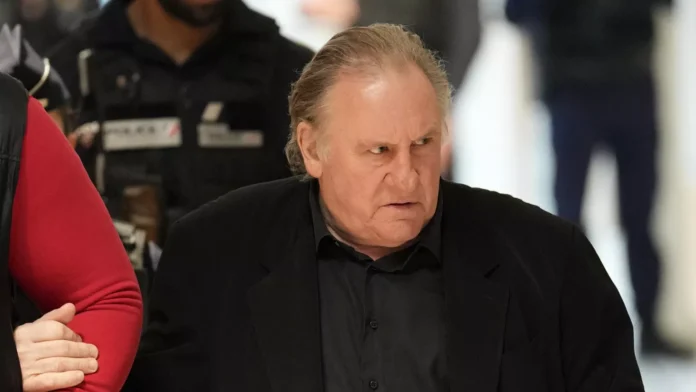
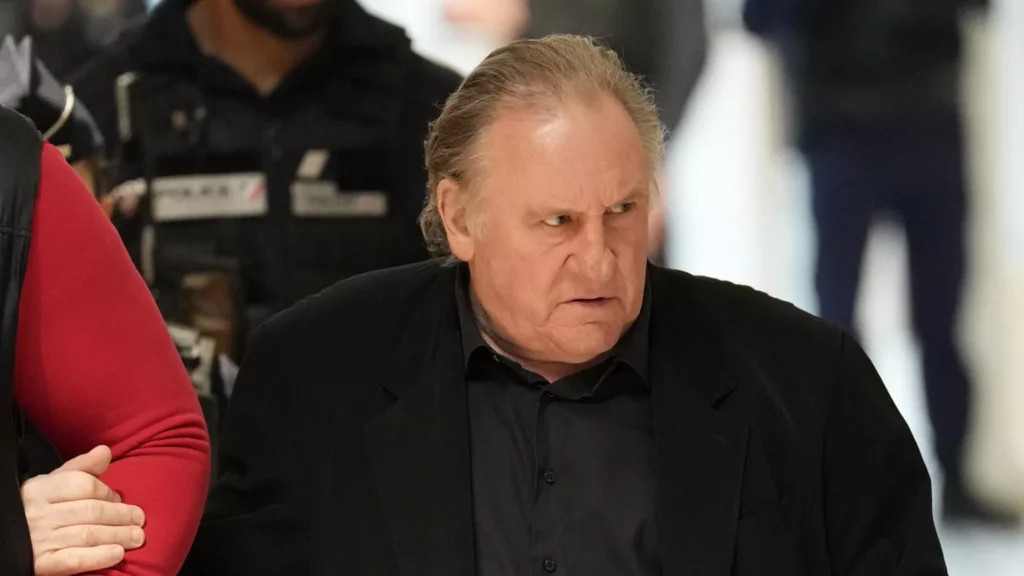
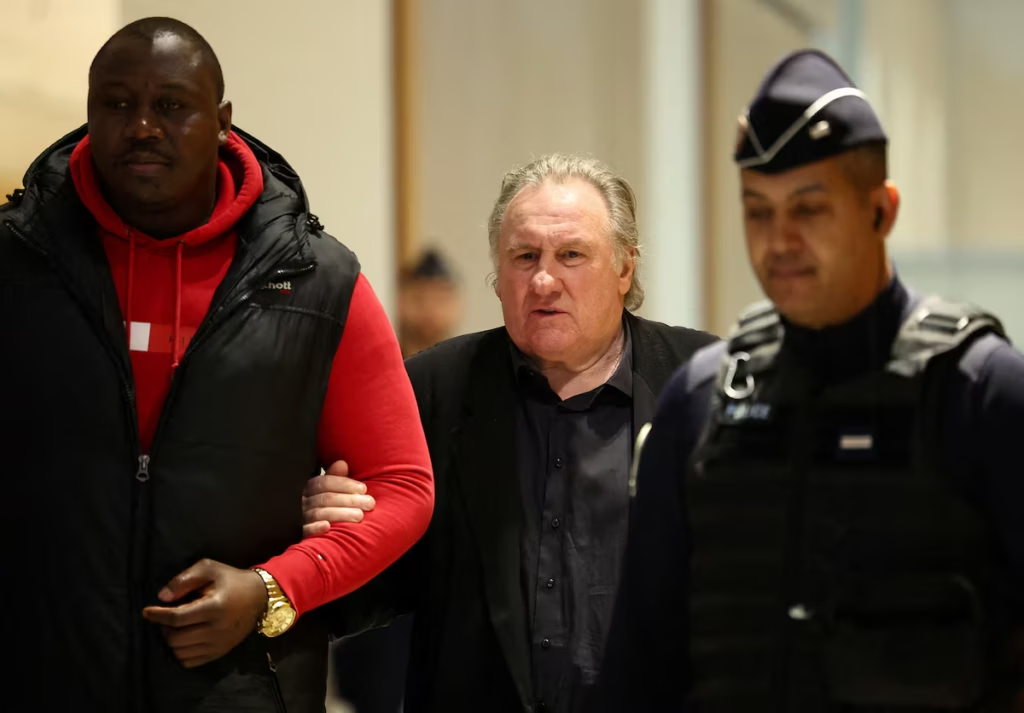
PARIS — In a landmark decision for France’s #MeToo reckoning, a Paris court on Tuesday convicted acclaimed French actor Gérard Depardieu of sexually assaulting two women on a film set, sentencing the 76-year-old star to an 18-month suspended prison term. The court’s decision marks the most high-profile conviction linked to the movement in France, where cultural resistance to #MeToo has long delayed such legal outcomes.
Presiding Judge Thierry Donard sharply criticized Depardieu’s lack of remorse, stating that the veteran actor “does not seem to have grasped either the concept of consent or the traumatic impact of his behavior toward the women he assaulted.” The court also ordered Depardieu to be listed in the national sex offender registry.
Depardieu, who has denied all wrongdoing, did not attend Tuesday’s hearing. His legal team confirmed he intends to appeal the ruling. Known globally for his roles in Green Card, The Last Metro, and Cyrano de Bergerac, Depardieu has long been a towering presence in French and international cinema, appearing in more than 200 films over five decades.
His trial, however, stripped away the sheen of celebrity, placing his conduct under intense legal and public scrutiny. It also served as a pivotal moment in France’s evolving cultural confrontation with sexual violence, where #MeToo has often struggled to gain the momentum seen in the United States and elsewhere.
One of the plaintiffs, 54-year-old set decorator Amelie K., testified that Depardieu physically groped her on set in 2021. According to her account, he trapped her between his legs, touched her inappropriately, and made explicit remarks, all while laughing.
“I was terrified,” she said in court, describing a scene of humiliation and fear during what was supposed to be a routine day on set.
Depardieu argued in his defense that placing a hand on someone’s buttocks did not constitute sexual assault, and dismissed the allegations by suggesting that some women were “too easily shocked.”
That assertion was rejected outright by the court. Judge Donard emphasized that Depardieu showed no understanding of the harm he inflicted, both physically and psychologically.
The verdict arrives amid growing public awareness and legal attention to sexual misconduct in the French film industry. Depardieu has become a flashpoint in national debates over power, celebrity, and accountability. Though over a dozen women have accused the actor of inappropriate or violent sexual behavior, many have not filed formal complaints.
One high-profile case still pending involves actress Charlotte Arnould, 29, who accused Depardieu of rape in a separate incident. Prosecutors have indicated that he may face another trial related to those allegations.
In a defiant open letter published in Le Figaro in October 2023, Depardieu maintained his innocence: “Never, absolutely never, have I abused a woman,” he wrote.
The conviction has revealed deep cultural divides in France. During the early stages of the investigation, more than 50 prominent French figures, including Carla Bruni—former first lady and wife of ex-president Nicolas Sarkozy—denounced what they called the “lynching” of Depardieu. Legendary actress Brigitte Bardot added fuel to the controversy, telling BFM TV that “those who have talent and grope a girl get thrown into the gutter.”
Still, women’s rights activists celebrated Tuesday’s verdict as a turning point. Advocates pointed to broader social change following cases like that of Gisèle Pelicot, whose ex-husband was convicted last year of drugging and orchestrating the rape of his wife by dozens of men.
Standing outside the courtroom after the decision, Amelie K. expressed a sense of relief and vindication. “It’s truly a victory and a step forward,” she told reporters. “We’re making progress.”
While Depardieu’s legacy in cinema is unlikely to be erased, the ruling ensures that his name will also be etched into the history of France’s long-delayed #MeToo moment—one in which powerful men in the cultural elite are finally being held accountable under the law.
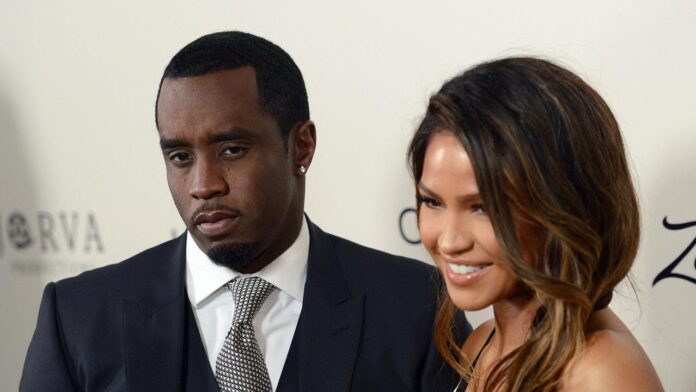
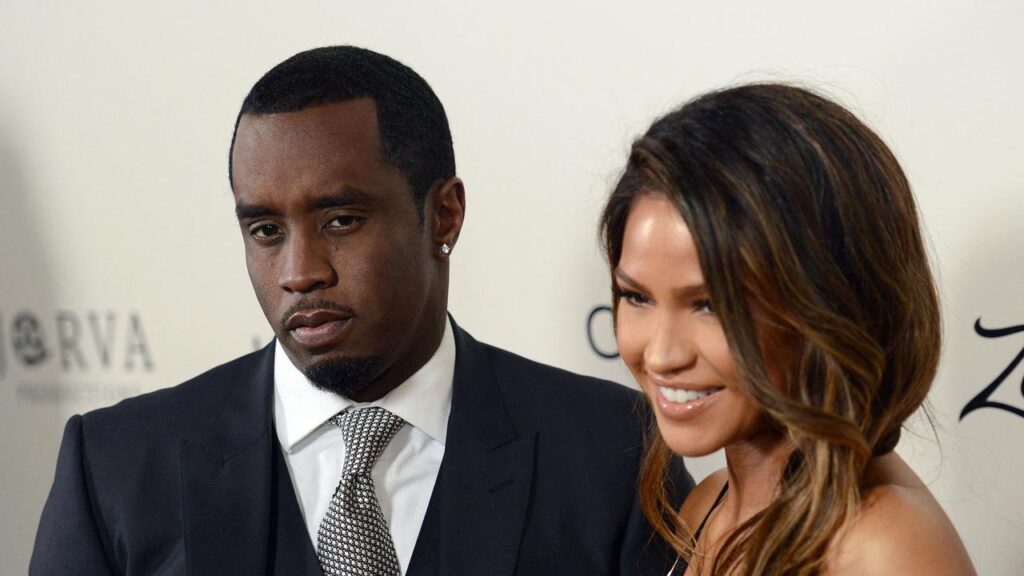
NEW YORK — Casandra “Cassie” Ventura, the former girlfriend of hip-hop mogul Sean “Diddy” Combs, is expected to take the stand Tuesday as the government’s star witness in a high-profile federal sex trafficking trial that has gripped the entertainment world. Her testimony follows the courtroom premiere of damning hotel surveillance footage showing Combs violently assaulting her in 2016.
Federal prosecutors allege that Combs, 55, led a covert network in which he manipulated, coerced, and trafficked women under the guise of romantic relationships. According to opening statements delivered Monday in Manhattan federal court, Combs allegedly used luxury, fame, and drugs to lure women into what prosecutors described as multi-day sex-fueled parties—known by insiders as “Freak Offs”—and then used recorded footage of these encounters to blackmail his victims into silence or further participation.
“These were not parties,” lead prosecutor Emily Johnson told jurors. “These were calculated crimes. When the women resisted or pushed back, Combs viciously attacked them—physically, emotionally, and psychologically.”
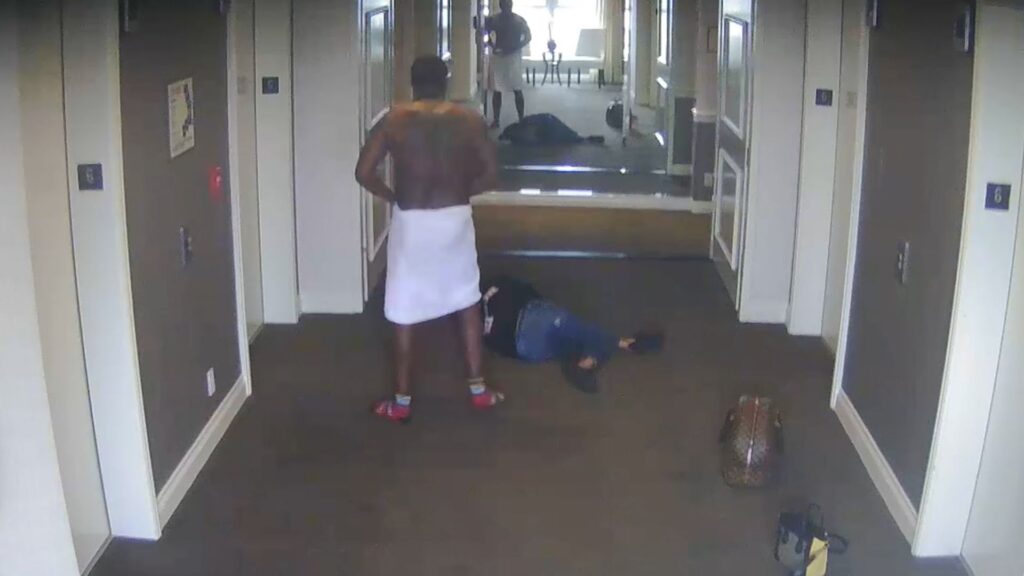
On the first day of evidence, jurors viewed a surveillance video that prosecutors argue lays bare Combs’ violent behavior. The video, recorded in the hallway of a Los Angeles-area hotel in 2016, shows Combs—clad only in a towel—throwing Ventura to the ground, kicking her, and forcibly pulling her belongings into the corridor. Ventura appears visibly distressed and attempts to flee into an elevator before being dragged away. The footage, first aired by CNN in 2023, drew widespread public outrage and prompted renewed scrutiny of Combs’ alleged history of abuse.
Combs previously issued an apology following the video’s public release but denied all criminal allegations. In court, defense attorney Marc Agnifilo acknowledged the incident but characterized it as the heated aftermath of an argument about infidelity, not a criminal act.
Combs has pleaded not guilty to five felony counts, including racketeering conspiracy, sex trafficking, and transporting individuals across state lines for prostitution. If convicted on all counts, the music mogul faces a mandatory minimum sentence of 15 years and up to life imprisonment.
Combs, once celebrated for his pivotal role in shaping modern hip-hop by launching the careers of artists like Notorious B.I.G. and Mary J. Blige, is now fighting for his legacy and freedom. His legal team argues that federal prosecutors are attempting to criminalize his personal lifestyle, describing his behavior as part of a consensual “swingers” culture rather than criminal enterprise.
“Sean Combs is not on trial for being flawed. He is not perfect. But domestic violence is not sex trafficking,” defense attorney Teny Geragos told jurors in her opening remarks. “This case is about capable adults making voluntary, albeit unconventional, choices.”
Cassie, a rhythm and blues singer who dated Combs for nearly a decade, is expected to provide key testimony detailing not only her personal experiences but also the alleged inner workings of the so-called Freak Off parties. Prosecutors say Ventura and several other women were manipulated with drugs and threats into performing sexually in hotel rooms, often in elaborate costumes, for Combs’ gratification and under surveillance.
“They will tell you about some of the most painful experiences of their lives,” prosecutor Johnson said. “About the days they spent trapped in hotel rooms, high on drugs, forced to enact his fantasies while he recorded everything for leverage.”
Geragos, however, told the jury that Ventura’s testimony would be used to “sensationalize” what were, in her view, consensual adult relationships. She also signaled the defense would attempt to undercut Ventura’s credibility, noting in pre-trial motions that she had a “history of domestic disputes.”
In addition to Ventura, two to three more women who were previously involved with Combs are expected to testify. Prosecutors also plan to call several of Combs’ former employees who allegedly facilitated his activities or helped conceal his conduct.
On Monday, the jury also heard testimony from Daniel Phillip, a male stripper who said he was paid to have sex in front of Combs on multiple occasions in 2012 and 2013. Phillip described a disturbing scene in which Combs allegedly threw a liquor bottle at Ventura before dragging her by the hair into another room—another alleged instance of violence that prosecutors argue points to a broader pattern of abuse and coercion.
The trial, which is expected to last two months, represents one of the most consequential legal showdowns involving a music industry titan in recent memory. Prosecutors contend that behind the façade of success, Combs operated a secretive and abusive ring that victimized multiple women over several years. The case has reignited broader conversations around power, consent, and abuse in the entertainment world.
Combs, through his attorneys, remains adamant that his actions, while sometimes morally questionable, were not illegal. But with graphic video evidence and multiple accusers set to testify, the trial now hinges on whether jurors believe that what occurred behind closed doors crossed the line from private choice into criminal conspiracy.
BERLIN — German authorities have outlawed the country’s largest and most notorious “Reich citizen” group, known as the “Kingdom of Germany,” and arrested four of its top leaders in a sweeping operation aimed at dismantling a shadow state accused of undermining the nation’s democratic foundations.
In coordinated raids that began early Tuesday, more than 800 police officers carried out searches across multiple states, targeting properties linked to the outlawed group and residences of senior figures, including the group’s founder, Peter Fitzek. The crackdown marks one of the most significant moves yet by the German government against the increasingly militant Reichsbürger movement.
Interior Minister Alexander Dobrindt confirmed the ban during a press briefing in Berlin, warning that the group had evolved into a full-scale “counter-state” operating outside the bounds of Germany’s legal and constitutional framework.
“These individuals created a shadow government within our country and constructed criminal economic networks to fund their delusional ambitions,” Dobrindt said. “They fortified their claims to power through antisemitic conspiracy theories. This is not just intolerable — it is a direct threat to our democratic order.”
A Parallel State Threatening Democratic Integrity
The Reichsbürger, or “Reich citizens,” movement rejects the legitimacy of the Federal Republic of Germany. Adherents claim the German Reich — as it existed prior to World War II — remains the lawful government and refuse to acknowledge the current democratic institutions, including parliament, courts, and taxation authorities.
Among the dozens of splinter groups within the Reichsbürger scene, the “Kingdom of Germany” has stood out for its scale and organizational sophistication. Proclaimed in 2012 by Peter Fitzek in the eastern town of Wittenberg, the self-styled micro-nation claims to have created its own governance system, banking infrastructure, and laws. While Fitzek has claimed that his “kingdom” boasts 6,000 followers, Germany’s Interior Ministry places its active membership closer to 1,000.
“This is not about harmless eccentrics clinging to imperial fantasies,” Dobrindt emphasized. “This is about criminal structures and dangerous networks that seek to delegitimize our constitutional state and replace it with authoritarian rule.”
Assets Seized, Digital Platforms Blocked
As part of the ban, German authorities have frozen the group’s assets and moved to block its websites and online communications to prevent further dissemination of extremist material and financing of its operations. Officials said the financial infrastructure of the group — which included unregulated currency and investment schemes — would be dismantled.
This is not the first time Germany has taken decisive action against the Reichsbürger movement. In 2023, authorities conducted a series of raids targeting about 20 individuals linked to the far-right network. Some members have been tied to ideologies similar to the QAnon conspiracy movement in the United States, blending anti-state sentiment with antisemitic and anti-globalist theories.
The Reichsbürger scene gained international attention in late 2022 when a suspected coup plot, allegedly organized by far-right extremists aiming to overthrow the German government, was uncovered. Several individuals involved in that plot went on trial last year in a case that stunned the German public and highlighted the growing threat posed by radical anti-government groups.
Fitzek Among Those Detained
Peter Fitzek, who styles himself as the monarch of the “Kingdom of Germany,” was one of the four individuals arrested during Tuesday’s operation. Fitzek has long been a figurehead within the Reichsbürger movement and previously served jail time for operating an unlicensed banking system.
His arrest marks a significant blow to the movement’s infrastructure, as authorities seek to sever leadership ties and eliminate the group’s operational capacity. While smaller factions of the Reichsbürger movement remain active, the government’s action against its most prominent wing represents a broader effort to curtail domestic extremism and reinforce the primacy of Germany’s constitutional order.
A Growing Security Priority
Interior Minister Dobrindt reiterated that the protection of Germany’s free democratic order is a top national security priority.
“We are resolute in our response to any effort that seeks to replace democracy with despotism,” he said. “Extremist ideologies, especially those cloaked in pseudohistorical narratives, have no place in our society. The state will continue to act decisively to ensure that.”
As Germany continues to grapple with the challenges of rising far-right extremism, this latest crackdown reflects a broader strategy of preemptive disruption against groups that pose existential threats to the democratic state. Officials say the investigation into the Kingdom of Germany’s financial and ideological network is ongoing, with further arrests and asset seizures possible in the coming weeks.
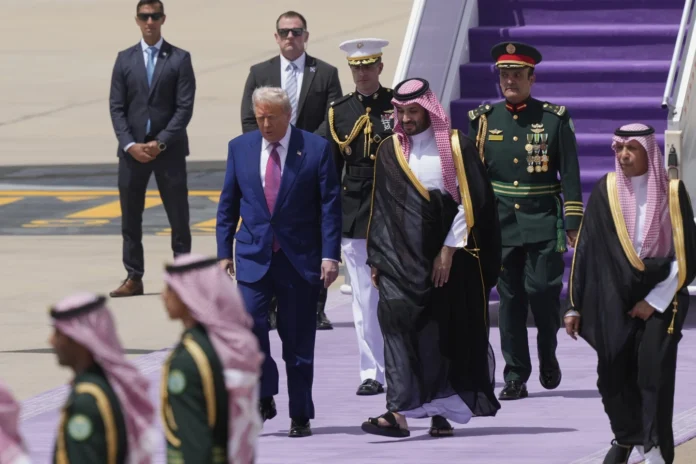
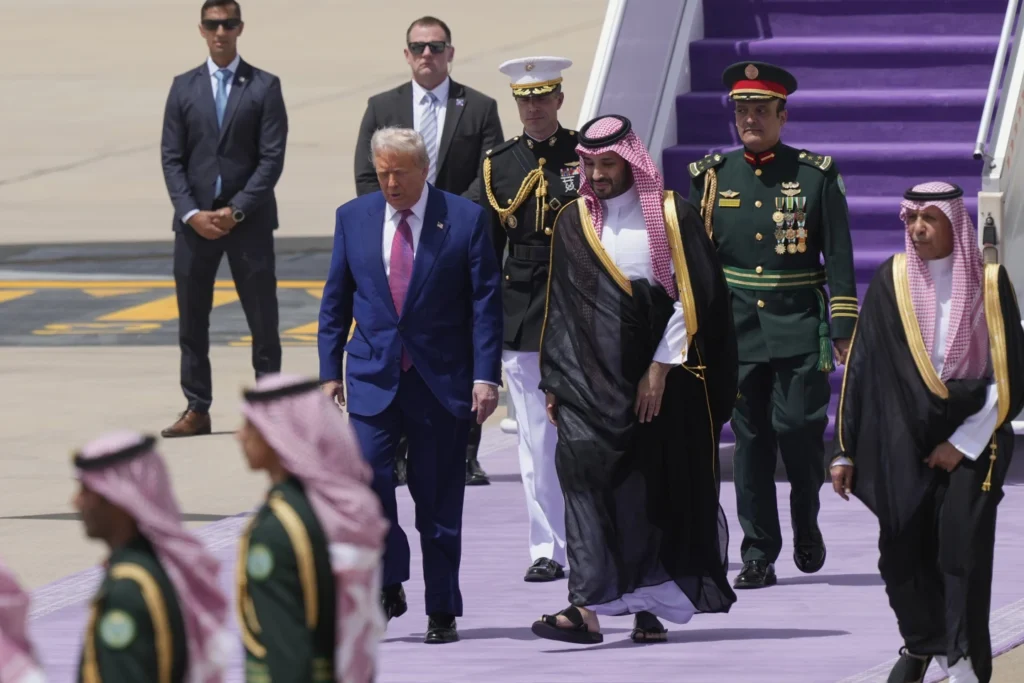
RIYADH, Saudi Arabia — President Donald Trump began a pivotal four-day diplomatic mission across the Middle East on Tuesday, landing in Saudi Arabia for high-level talks with Crown Prince Mohammed bin Salman aimed at curbing Iran’s nuclear ambitions, resolving the Gaza conflict, and bolstering economic ties through energy cooperation and investment.
Trump was met with a warm reception as he stepped off Air Force One at King Khalid International Airport, where the Saudi crown prince personally welcomed him — a symbolic gesture underscoring the strong personal rapport between the two leaders. The welcome was marked by royal pageantry, with Saudi F-15 fighter jets escorting the presidential aircraft into Riyadh’s airspace in a ceremonial display of alliance.
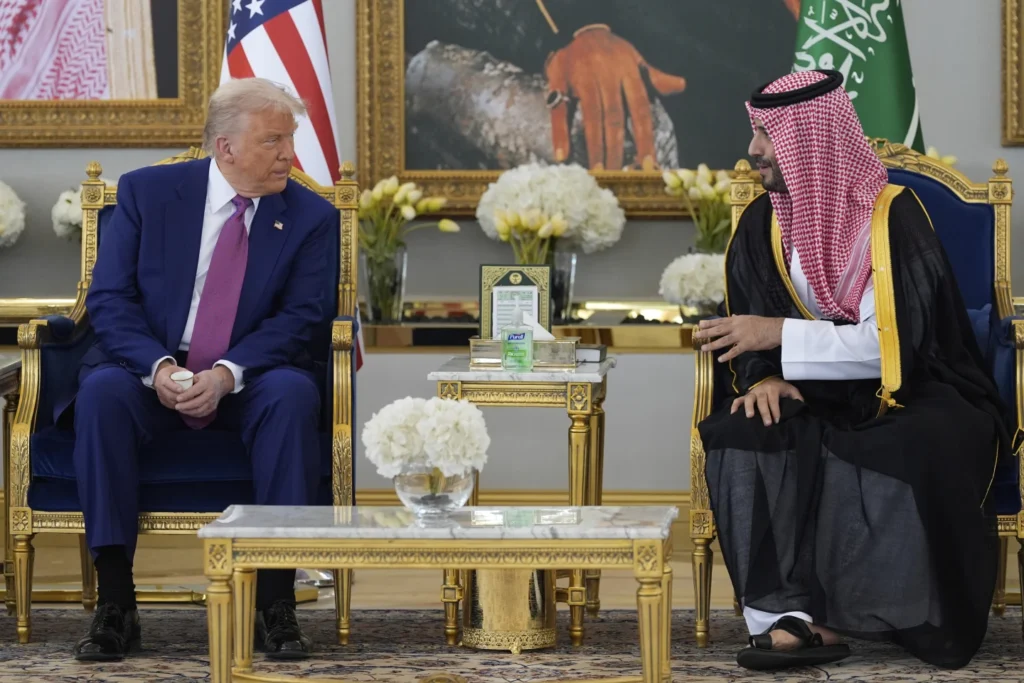
Shortly after landing, Trump joined the crown prince in a grand reception hall at the airport where traditional Arabic coffee was served by attendants in ceremonial attire. The gathering included a private lunch at the Royal Court, where Trump, bin Salman, and senior advisors were joined by top American business leaders, including Blackstone CEO Stephen Schwarzman, BlackRock CEO Larry Fink, and Tesla and SpaceX CEO Elon Musk — who also leads the U.S. Department of Government Efficiency, a signature Trump initiative to cut waste and bureaucratic excess.
The day’s agenda underscored the transactional nature of Trump’s foreign policy. He was set to attend a U.S.-Saudi investment forum and formal state dinner later in the evening, as his administration seeks to deepen economic and military cooperation with Gulf allies. “When Saudis and Americans join forces, very good things happen — more often than not, great things happen,” said Saudi Investment Minister Khalid al-Falih, hailing the strategic alliance.
Energy and Economic Tensions Underpin Talks
Trump’s second-term energy strategy has emphasized keeping oil prices low to reduce inflation and accelerate resolution of the Russia-Ukraine war. Saudi Arabia, a key OPEC+ leader, has temporarily increased oil production to aid Trump’s domestic economic agenda. However, analysts note the kingdom requires oil prices near $96 per barrel to balance its budget — nearly 50% above Monday’s Brent crude closing price of $64.77.
“Lower oil prices don’t derail Gulf economic diversification plans, but they make them harder,” said Jon Alterman, a senior Middle East analyst at the Center for Strategic and International Studies. Trump’s ability to secure continued cooperation on oil output remains uncertain amid Saudi Arabia’s fiscal pressures.
Trump’s Omission of Israel Raises Eyebrows
Notably, Trump chose Saudi Arabia as his first stop, bypassing Israel entirely at a time of intense regional conflict. This move — criticized as a snub by some observers — comes amid growing frustration in Jerusalem over what officials see as a lack of communication from Washington on major policy shifts.
Trump recently announced a suspension of U.S. airstrikes against Yemen’s Iran-backed Houthi rebels without prior consultation with Israel, even though the Houthis continue to target Israeli assets. Similar omissions occurred in March, when Israeli Prime Minister Benjamin Netanyahu was left out of early discussions on Gaza negotiations with Hamas, and again during Trump’s surprise revelation of resumed nuclear talks with Iran.
“Israel will defend itself by itself,” Netanyahu said in response to Trump’s Houthi ceasefire declaration. “If others join us — our American friends — all the better.”
William Wechsler of the Atlantic Council called Trump’s decision to skip Israel “remarkable,” noting that “the Gulf governments appear to be stronger friends to President Trump than the current government of Israel.”
Trump’s Broader Strategic Goals: Real Estate, AI, Arms Deals
Trump’s itinerary — which includes Qatar and the United Arab Emirates after Saudi Arabia — reflects a convergence of diplomacy and private interests. The Trump Organization, now run by the president’s sons, has active real estate ventures in all three countries: a luxury high-rise in Jeddah, a hotel in Dubai, and a golf resort in Qatar.
Administration officials previewed announcements on new arms deals, expanded energy partnerships, and agreements related to artificial intelligence. Earlier this month, the U.S. approved the potential sale of $3.5 billion in air-to-air missiles for Saudi fighter jets — a signal of continued defense ties despite tensions elsewhere in the region.
Hurdles to Israel-Saudi Normalization
A major long-term objective for Trump is to revive his first-term push to normalize relations between Saudi Arabia and Israel — a capstone effort of the Abraham Accords. Yet the current geopolitical landscape presents major roadblocks. Riyadh has made clear that normalization is contingent on U.S. security guarantees, support for its nascent nuclear program, and credible steps toward Palestinian statehood.
The ongoing war in Gaza and Israel’s hardline stance undercut any immediate prospect for diplomatic breakthroughs. In a move widely interpreted as a message to Trump, Crown Prince Mohammed last week hosted Palestinian Vice President Hussein Sheikh in Jeddah — the sheikh’s first foreign visit since taking office in April.
Hussain Abdul-Hussain of the Foundation for Defense of Democracies said the crown prince was sending a clear signal: “Knowing how the Saudis telegraph their intentions, that’s a preemptive, ‘Don’t even think of asking us to show any goodwill toward normalization.’”
Balancing Strategy With Reality
As Trump moves through the Gulf states, he faces both opportunity and friction. The visit is designed to showcase that his transactional, investment-focused foreign policy remains viable — and even lucrative — despite criticism from political opponents who say his approach alienates traditional allies.
Whether this trip results in concrete diplomatic wins or merely reinforces the image of deepening ties between Trump and wealthy Gulf monarchies remains to be seen. What is clear is that regional powers are recalibrating their strategies — and Trump is betting that he remains the indispensable figure to broker their future.
PARIS — Kim Kardashian’s longtime friend and former stylist told a Paris courtroom Tuesday that she heard the reality star sobbing and begging for her life during the 2016 hotel-room robbery that left Kardashian bound, held at gunpoint, and traumatized for years to come.
Simone Harouche, who shared the two-story hotel suite with Kardashian during Paris Fashion Week, recounted the terrifying moments from the night masked assailants stormed their residence and stole more than $6 million worth of jewelry. “She kept screaming, ‘I have babies and I need to live. Take everything. I need to live,’” Harouche told the court. “I was scared she had been raped or violated. I feared the worst.”
Kardashian, one of the most recognizable celebrities in the world, is scheduled to testify later Tuesday in what is expected to be the most emotionally charged moment of the trial. She will confront 10 men accused of orchestrating the robbery that marked a turning point in her life — and in the public’s understanding of celebrity vulnerability in the digital age.
The October 2016 robbery, which occurred inside a private luxury residence while Kardashian was alone in her room, remains one of France’s most notorious crimes against a foreign celebrity. The suspects, many now in their 60s and 70s and dubbed by local media as les papys braqueurs — or “the grandpa robbers” — have been described by investigators as a seasoned and coordinated criminal group. Though two of the defendants admitted to being at the scene, the rest deny involvement, with some claiming they didn’t even know who Kardashian was.
Police maintain that the group tracked Kardashian’s movements through her own social media posts, which flaunted her high-end jewelry, pinpointed her location, and left her vulnerable to attack.
In her testimony, Harouche said the robbery had left Kardashian with profound emotional scars. “She now lives a completely different life. She doesn’t go anywhere alone,” Harouche said. “Losing your sense of freedom like that… it’s horrible.”
Harouche also pushed back against suggestions that Kardashian’s visible display of wealth made her complicit in the robbery. When lead judge David De Pas asked whether the star had turned herself into a target by sharing images of her lavish lifestyle online, Harouche firmly replied: “No. Just because a woman wears jewelry, that doesn’t make her a target. That’s like saying a woman in a short skirt deserves to be raped.”
The trauma extended beyond Kardashian. Harouche, who had locked herself in a bathroom during the heist, said the experience forced her to step away from her work in celebrity styling. “I didn’t want to travel with them anymore. That experience was very stressful for me,” she testified, adding that she later sought therapy for PTSD and shifted her career to interior design.
Kardashian’s upcoming courtroom appearance will revisit harrowing details: how the robbers zip-tied her hands, demanded her ring, and locked her in a marble bathroom. At the time, she feared she would never see her children again.
Following the incident, Kardashian withdrew from the public eye, struggled with severe anxiety, and later revealed symptoms of agoraphobia. “I hated to go out,” she said in a 2021 interview. “I didn’t want anybody to know where I was … I just had such anxiety.”
Her lawyers said Kardashian is fully prepared to appear in court, expressing her gratitude to French authorities and her commitment to justice. “She has tremendous appreciation and admiration for the French judicial system,” her attorneys said in a statement, adding that she hopes the trial proceeds “with dignity and respect for all parties.”
The heist not only reshaped Kardashian’s personal life but also redefined the discussion around celebrity exposure and personal safety in an age dominated by social media visibility. Her testimony is expected to underscore those risks — and close a painful chapter that has haunted her for nearly a decade.