Home Blog Page 392

Ivory Coast Threatens Higher Cocoa Prices Over Proposed U.S. Tariffs

0

Ivory Coast, the world’s largest cocoa-producing nation, has warned it may take action that could lead to higher global cocoa prices if the United States follows through on newly proposed import tariffs. The warning comes in response to the Trump administration’s announcement of a 21% tariff on cocoa products from Ivory Coast — the highest rate proposed for any West African country under the current trade policy review.
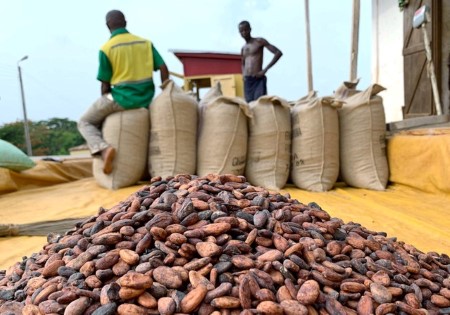
While President Donald Trump has temporarily paused the implementation of the tariffs for 90 days, officials in Ivory Coast are urging a full reversal. Speaking at a press conference in the commercial capital, Abidjan, on Thursday, Agriculture Minister Kobenan Kouassi Adjoumani said the government is prepared to respond economically if the U.S. fails to ease its stance.

Potential Price Repercussions for Consumers

“When you tax our product that we export to your country, we will increase the price of cocoa, and that will have a repercussion on the price to the consumer,” Minister Kouassi declared. Though he did not elaborate on the exact policy tools that would be used, his message was clear: if U.S. tariffs raise the cost of exporting Ivorian cocoa, those costs will be passed down the supply chain — ultimately hitting American consumers.

While Ivory Coast does not control the international price of cocoa, which is set by the global commodities market, it has the authority to increase export taxes on cocoa shipments. Doing so would allow the country to offset losses from new tariffs while simultaneously making cocoa exports more expensive — a cost that could reverberate through international markets and reach chocolate manufacturers and end consumers.

U.S. Cocoa Imports at Stake

The stakes are high for both countries. According to data from the Coffee and Cocoa Council (CCC), Ivory Coast exports between 200,000 and 300,000 metric tons of cocoa to the United States annually. This volume represents a significant portion of the U.S. cocoa supply, much of which is used by major chocolate and confectionery brands.

Analysts warn that if Ivory Coast retaliates with price hikes or redirects its cocoa to other markets, it could cause disruption in U.S. supply chains and lead to higher prices on everything from chocolate bars to cocoa-based beverages.

Eyeing Stronger Ties with Europe

As part of its strategic response, Ivory Coast is also exploring ways to deepen trade relationships with other global partners — particularly the European Union. Minister Kouassi signaled that the EU could play a crucial role in absorbing any excess cocoa output if U.S. market access is restricted.

“If our products are not accepted in the United States, the EU can recover all of them,” he said, hinting at ongoing diplomatic efforts to secure alternative markets.

This shift in focus comes at a time when EU countries are already top buyers of West African cocoa and are increasingly committed to sustainable and ethical sourcing, making them attractive long-term partners for producers like Ivory Coast.

Trade Tensions Amid Global Cocoa Volatility

The threat of higher cocoa prices comes amid growing volatility in global cocoa markets. Prices for cocoa have surged in recent months due to a combination of climate challenges, disease outbreaks in cocoa-producing regions, and logistical bottlenecks.

A trade dispute between the U.S. and Ivory Coast — especially one involving tariffs and retaliatory pricing — could further destabilize an already tense market.

A Call for Dialogue and Fair Trade

Minister Kouassi concluded his remarks with a call for dialogue, emphasizing Ivory Coast’s desire to maintain strong commercial ties with the United States but on fair and equitable terms.

“We are not closing the door,” he said. “We simply want our partners to understand the impact these measures have on both our farmers and global consumers.”

As the 90-day pause period begins, all eyes are on Washington and Abidjan to see whether diplomacy will win out — or whether consumers worldwide should brace for a new surge in cocoa costs.
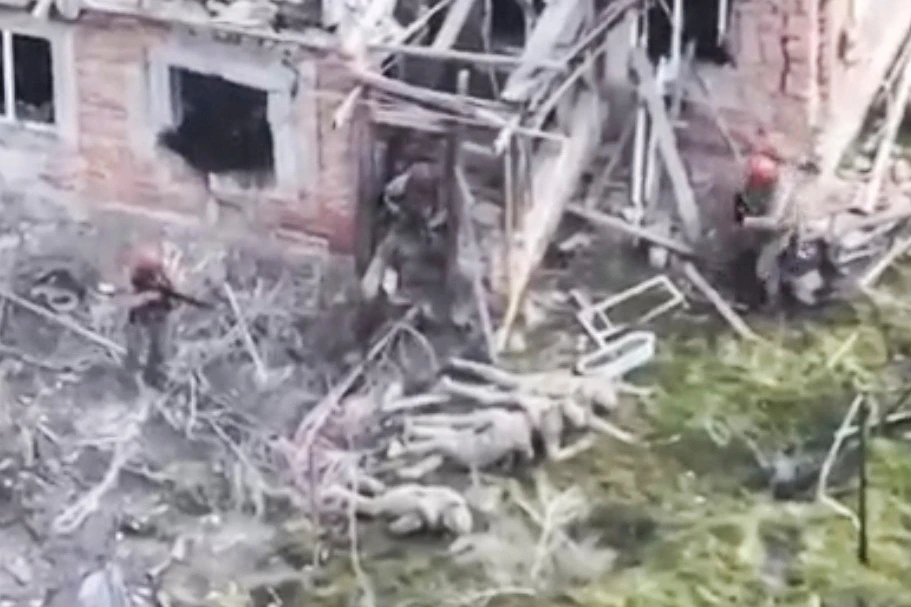
Drone Footage Shows Execution of Ukrainian POWs by Russians, Raising War Crimes Questions

0

In a harrowing development that underscores the intensifying brutality of the war in Ukraine, two separate drone videos obtained by the Associated Press appear to document the execution of Ukrainian prisoners of war (POWs) by Russian troops. The disturbing footage has ignited renewed global concern over accountability and violations of international humanitarian law, as calls mount for justice amid Russia’s ongoing invasion.

The videos — one recorded by a Ukrainian military drone, the other by a Russian drone — capture the same scene from contrasting angles and with vastly different narrative implications. Together, they paint a chilling picture of apparent war crimes, prompting sharp condemnation from international observers, human rights agencies, and war crimes prosecutors.

The Ukrainian drone footage was reportedly captured by the 128th Mountain Brigade near the war-torn village of Piatykhatky in southern Ukraine on March 13. The AP received the video from European defense officials who were granted access by Ukrainian authorities. These officials requested anonymity, citing lack of authorization to speak publicly.

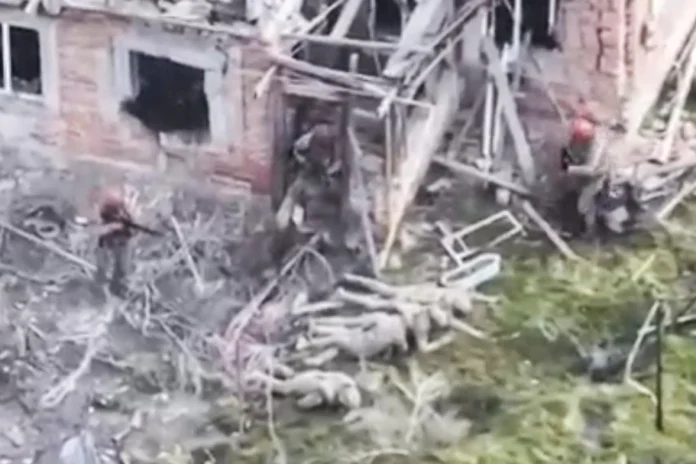
The graphic clip shows four Ukrainian soldiers, clearly having surrendered, lying face-down on the ground. After a brief inspection, one man in Russian uniform casually approaches and opens fire on the defenseless prisoners. Another soldier joins in, firing multiple rounds before stopping to reload. A third executes at least two close-range shots, one of which visibly severs a soldier’s helmet — and likely his head. The initial shooter then returns to methodically finish off each victim.

Experts reviewing the footage note the complete absence of combat activity at the moment of the killings — strongly suggesting this was a deliberate act of extrajudicial execution.

In sharp contrast, the Russian drone video — discovered by the AP on pro-Kremlin social media — appears to be part of a controlled narrative. Set to haunting music, it depicts the same group of Russian troops as they corral the surrendering Ukrainians from a collapsed structure at gunpoint. However, the video cuts out just after the prisoners lie down on the ground — before any shots are fired.

Analysts say this editing tactic is consistent with past Russian disinformation efforts aimed at manipulating perceptions of battlefield incidents.

The implications of these videos are severe. Under international law, the summary execution of prisoners of war constitutes a war crime. Danielle Bell, who leads the United Nations Human Rights Monitoring Mission in Ukraine, confirmed her office has seen a sharp increase in such atrocities.

“We’ve documented a startling spike in the number of executions of captured Ukrainian service persons,” Bell stated. She cited dehumanizing rhetoric and impunity encouraged by high-ranking Russian officials as fueling this surge.

Ukrainian prosecutors report that since Russia’s full-scale invasion in 2022, at least 245 Ukrainian POWs have been executed by Russian forces. Yurii Bielousov, head of Ukraine’s war crimes unit, emphasized that such actions are not isolated incidents but part of an entrenched policy “fully supported by the top leaders of the Russian Federation.”

From August 2024 alone, the UN has documented 91 extrajudicial killings of Ukrainian POWs — while only one confirmed instance involved Ukrainian forces killing a Russian prisoner.

Ukraine’s 128th Mountain Brigade has refrained from commenting, citing an ongoing criminal investigation by Ukraine’s internal security agency. Meanwhile, Russia’s Ministry of Defense has remained silent on the footage, declining requests for comment.

Kremlin spokesperson Dmitry Peskov has continued to assert that Russia treats captured Ukrainian troops “in accordance with international law,” despite mounting evidence to the contrary.

A report from Russia’s Foreign Ministry in March attempted to turn the tables, accusing Ukrainian forces of systematically killing Russian POWs — but failed to provide substantive data or corroborating evidence.

The potential for holding Russian leadership accountable through international legal channels faces a major hurdle: shifting U.S. foreign policy. The Trump administration has distanced itself from efforts to form a multinational war crimes tribunal targeting Russia’s top brass. It has also withdrawn support from the International Criminal Court (ICC), which has issued an arrest warrant for Russian President Vladimir Putin.

Cuts in U.S. aid have weakened evidence-collection efforts and delayed judicial preparation by groups working with Ukrainian prosecutors. Legal experts warn that without U.S. backing, the likelihood of prosecuting Russian war crimes diminishes considerably.

Former U.S. war crimes ambassador Stephen Rapp criticized the lack of international unity. “Accountability is at risk,” he said, stressing that such blatant war crimes must not go unanswered.

Despite geopolitical headwinds, Ukraine insists that justice must prevail. President Volodymyr Zelenskyy has reiterated that any future peace negotiations must include provisions for war crimes accountability.

Bielousov echoed that sentiment: “We are not ready to forgive everything which happened in our territory. Justice is not optional — it’s essential.”

6 Dead After Helicopter Crash in Hudson River, New York City, Officials Confirm

0

A devastating helicopter crash in the Hudson River near Manhattan has claimed the lives of six people, according to a source with the Associated Press. The tragic incident unfolded on Thursday afternoon, sending emergency responders racing to the scene as reports of a submerged helicopter quickly spread across New York City.

Initial reports suggested that there were no immediate injuries or fatalities, but that information was later updated as the scale of the tragedy became clear. Authorities now confirm that all six people onboard the aircraft were killed in the crash.

Shocking video footage shared on social media showed the helicopter partially submerged, flipped upside down in the river as emergency boats rushed to the scene. The crash occurred just after 3:00 p.m., near a maintenance pier close to one of the ventilation towers for the Holland Tunnel.

Bystanders reported hearing a loud mechanical noise before seeing the helicopter spiral downward into the water. “It just dropped — no warning,” said one eyewitness who was walking along the Hudson River Park.

The New York City Fire Department dispatched multiple rescue boats and units to the location after receiving a distress report at approximately 3:17 p.m. Crews conducted underwater searches in an effort to rescue any survivors, but tragically, all six occupants of the helicopter were eventually confirmed dead.

Fire trucks and ambulances swarmed the West Side Highway as divers scoured the river in increasingly dire weather conditions. Recovery efforts were hampered by the current and visibility in the water.

Thursday’s crash adds to a string of helicopter-related tragedies in New York City. The Hudson River and surrounding airspace are heavily trafficked by both commercial and private helicopters, often ferrying executives, tourists, and cargo to and from helipads scattered throughout Manhattan.

In 2009, a mid-air collision between a private plane and a sightseeing helicopter over the Hudson River resulted in nine fatalities. In 2018, a charter helicopter offering “open door” aerial tours crashed into the East River, killing five passengers.

Authorities have not yet released the identities of the victims, and it’s unclear whether the helicopter was conducting a commercial tour or a private flight at the time of the crash. The National Transportation Safety Board (NTSB) and Federal Aviation Administration (FAA) are both expected to launch thorough investigations to determine the cause.

The aircraft’s maintenance records, flight path, weather conditions, and pilot communications will be central to the ongoing inquiry. Early speculation suggests mechanical failure may have played a role, though no official cause has been announced.

As New York reels from yet another aviation tragedy, local leaders and citizens alike are calling for renewed scrutiny of helicopter operations over the densely populated city. Grief counselors have been made available to the families of the victims, and a vigil is expected to be held along the Hudson River in the coming days.

“This is a heartbreaking reminder of the risks involved in aerial transport in urban environments,” a city official said. “Our thoughts are with the families affected by this terrible loss.”

AP

Drug Lord Ernesto Fonseca Released After 40-Year Sentence for DEA Agent Murder

0

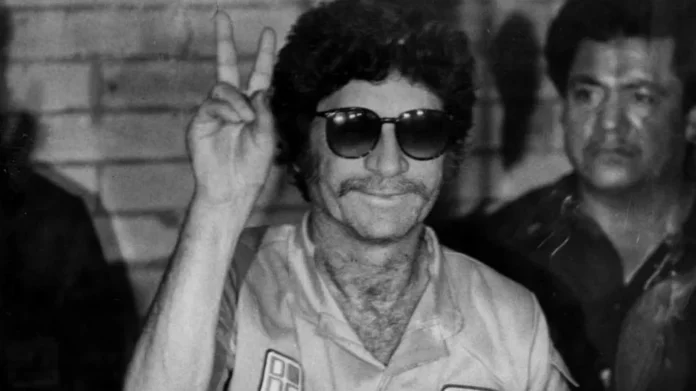
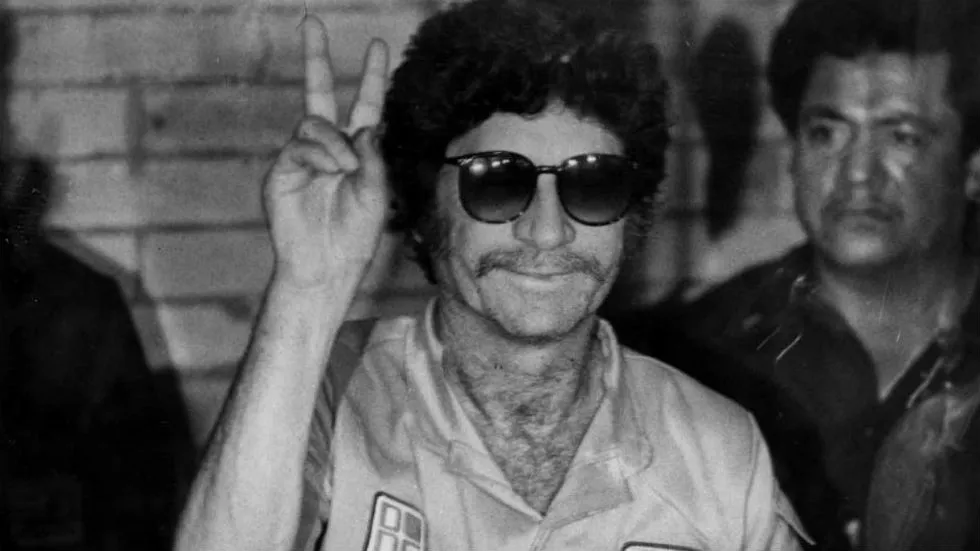
Ernesto “Don Neto” Fonseca Carrillo, a founding figure in Mexico’s once-dominant Guadalajara Cartel and one of the men convicted in the brutal 1985 murder of U.S. Drug Enforcement Administration (DEA) agent Enrique “Kiki” Camarena, has been released after completing his full sentence, a federal law enforcement official confirmed late Wednesday.

Fonseca, now 94 years old, had been serving the final years of his 40-year sentence under house arrest due to his age and declining health. He was moved from prison to home confinement in 2016 and was reportedly released quietly over the weekend, according to a U.S. federal agent who spoke on the condition of anonymity, as they were not authorized to publicly discuss the case.

The release marks the end of a dark and violent chapter in U.S.-Mexico drug enforcement history.

Fonseca Carrillo, alongside Rafael Caro Quintero and Miguel Ángel Félix Gallardo, was one of the key architects of the Guadalajara Cartel in the 1970s and 1980s. The group was considered Mexico’s most powerful drug trafficking syndicate at the time, responsible for coordinating massive shipments of marijuana and cocaine into the United States.

Their notoriety reached a new level in 1985 with the abduction, torture, and killing of DEA agent Enrique “Kiki” Camarena. Camarena had been instrumental in uncovering cartel activities, including a massive marijuana plantation in northern Mexico. His kidnapping sparked outrage in the U.S. and led to a diplomatic crisis between the two nations.

Fonseca was arrested in Puerto Vallarta in 1985, just months after Camarena’s murder, and was eventually sentenced to 40 years in prison. Though he long maintained his innocence in the agent’s murder, evidence presented in court linked him directly to the cartel’s retaliation against Camarena.

Rafael Caro Quintero, another key player in Camarena’s murder, was apprehended again in 2022 after years on the run and extradited to the United States in February 2025, along with 28 other cartel-linked figures.

Caro Quintero had been released from prison in 2013 on a legal technicality, sparking outrage in Washington. His recent extradition was seen as a major victory for U.S. drug enforcement agencies. It remains unclear whether similar efforts will be made to extradite Fonseca, particularly given his advanced age and deteriorating health.

As of now, the United States has not publicly indicated whether it will seek Fonseca’s extradition. Given his age and the fact that he has completed his sentence under Mexican law, legal avenues may be limited.

The DEA has not commented on his release, and Mexican authorities have also remained silent on the development.

Fonseca’s release has reignited public discussion around justice, accountability, and the enduring legacy of the drug war. For many, the wounds from Camarena’s death remain unhealed, and the quiet release of one of its perpetrators may be viewed as a failure to deliver lasting justice.

Enrique Camarena’s murder fundamentally changed U.S. drug policy and enforcement strategies in Mexico. The case inspired the 1988 formation of the DEA’s “Operation Leyenda,” the largest homicide investigation ever undertaken by the agency.

While Fonseca Carrillo now walks free, his release serves as a somber reminder of the violent roots of Mexico’s modern drug conflict—and the deep scars left behind on both sides of the border.

Pallbearers Fall into Grave in Shocking Funeral Accident in Philadelphia

0

A solemn funeral ceremony for a beloved family man took a devastating turn when a group of pallbearers fell into a grave while attempting to lower the casket of Benjamin Aviles, a 66-year-old Philadelphia resident who passed away suddenly on March 21 from heart complications.

The tragic incident unfolded at Greenmount Cemetery in North Philadelphia and was captured on video by family members hoping to document Benjamin’s final farewell. Instead, the footage revealed a terrifying scene that left several men injured and a family traumatized.

The video begins with the pallbearers solemnly carrying Benjamin’s coffin from the hearse to the burial site. As they carefully position the casket over the grave, placing it atop support straps, the platform beneath them suddenly buckles. In a split second, the structure collapses—sending the pallbearers tumbling into the grave alongside the heavy casket.

Chaos ensues as mourners scream and rush forward. Some of the men are seen pinned under the weight of the coffin, struggling to move amid the mud and debris. One of the worst injuries was sustained by Benjamin’s own son, who had been helping lower his father’s body into the ground.

“The casket lay on top of him, and he was out like a light with his face in the mud,” said Maribelle Rodriguez, Benjamin’s stepdaughter, in an emotional interview with ABC6. “It was just a horrible incident that happened at a bad moment.”

Maribelle described the burial platform as visibly unstable even before the accident. “The whole thing was trembling. It was wobbly, the wood was all wet and soaked,” she said. “It should never have happened. It’s disrespectful. I think they should apologize, and there should be some reimbursement. The whole ceremony was ruined—nothing was done properly.”

Fortunately, none of the pallbearers sustained life-threatening injuries, though several suffered bruises and strains to their legs, backs, and hands. All are expected to recover fully.

The family is now demanding accountability from both the cemetery and the funeral home, arguing that negligence and poor maintenance were to blame for the incident. No official response has yet been issued by either party.

Despite the painful mishap, the Aviles family continues to honor Benjamin’s memory with love and reverence. Born in Lares, Puerto Rico, Benjamin moved to North Philadelphia, where he built a life defined by hard work, loyalty, and kindness.

His obituary described him as “a man of many talents,” particularly gifted in auto repair. “Entirely self-taught, there wasn’t a car problem he couldn’t fix,” it read. He was also a devoted sports fan, especially of boxing and football, and found joy in traveling with his wife and spending time with his family.

“Benji was a devoted husband, a loving father to his son, a caring father figure to his stepdaughters, a treasured grandfather to his four grandchildren, and a dear friend to many,” the obituary continued. “He was a man of great integrity, strength, and endless love for his family. His kindness, generosity, and gentle spirit touched everyone who knew him.”

Though his funeral was marred by an unforgettable mishap, Benjamin’s family remains focused on celebrating the life he lived and the love he gave. “Though his absence leaves a void, his memory will forever live on in the stories we share and the love he gave so freely,” the tribute concluded.

Michelle Obama Responds to Divorce Rumors and Speaks on Life Beyond the White House

0

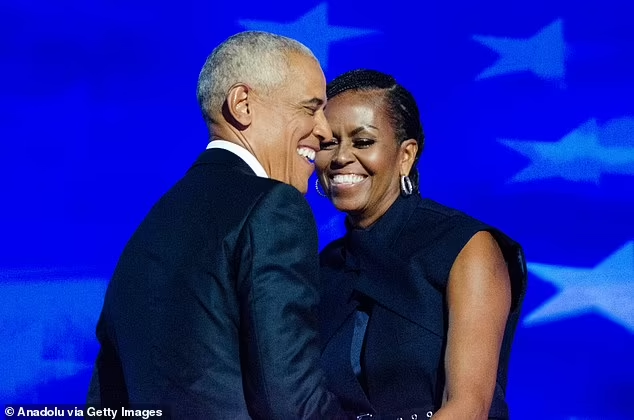
Michelle Obama has publicly addressed widespread speculation about her marriage to former President Barack Obama, firmly shutting down persistent rumors of an impending divorce. In a candid and wide-ranging conversation with actress Sophia Bush on the *Work in Progress* podcast, released Tuesday, the former first lady opened up about her recent decisions, her evolving sense of self, and the societal pressures women face when they prioritize their own well-being.

The speculation surrounding the Obamas’ relationship had been fueled in part by Michelle’s absence from two high-profile political events earlier this year—President Jimmy Carter’s January 9 funeral and the January 20 inauguration of President Donald Trump. Adding fuel to the fire, Barack Obama recently acknowledged that he was in a “deep deficit” with his wife, a comment interpreted by some as a sign of marital strain.

But Michelle set the record straight: her choices had nothing to do with relationship issues and everything to do with self-care and autonomy.

“That’s the thing that we as women, I think we struggle with—disappointing people,” she said during the interview. “So much so that this year, people couldn’t even fathom that I was making a choice for myself. They had to assume that my husband and I are divorcing.”

She continued, “That this couldn’t be a grown woman just making a set of decisions for herself, right? That’s what society does to us.”

Michelle Obama turned 61 on January 17 and said that milestone had prompted deep personal reflection on how she wants to spend her next chapter. “Now is the time for me to start asking myself these hard questions: Who do I truly want to be every day?” she said. “And that looks like whatever I want it to look like.”

Though absent from recent ceremonial events, Michelle noted that she is still actively engaged in public life. “I still find time to give speeches, to be out there in the world, to work on projects,” she said. “I still care about girls’ education. And you know, the library is opening in a year from now.”

She was referring to the Obama Presidential Center, currently under construction in Chicago’s South Side. Michelle acknowledged she has taken a more limited role in the project than some might expect. “There are certain things I am and am not doing,” she said, adding that when she declines involvement, people are generally respectful and understanding.

Michelle also touched on her appearance at the Democratic National Convention in Chicago last August, where she and her husband campaigned for Vice President Kamala Harris. She admitted it was a challenging decision to participate, as she was still grieving the death of her mother, Marian Robinson, who passed away in May 2024.

In the months that followed, Michelle made selective campaign appearances for Harris but chose not to travel to Washington for Carter’s funeral or Trump’s inauguration. Advisers told CNN that her absence from Carter’s memorial was due to “scheduling conflicts,” and that she was on an extended vacation in Hawaii at the time—an extended break that also coincided with her birthday.

The timing, however, sparked further public curiosity. On January 17, Barack Obama posted a photo of the two together to mark her birthday. Yet the unflattering nature of the image led to renewed social media chatter about the state of their relationship.

The couple also found themselves battling salacious gossip involving actress Jennifer Aniston. InTouch magazine had published an unfounded story in August alleging an affair between Barack Obama and Aniston, which gained enough traction to be mentioned by late-night host Jimmy Kimmel in October. Aniston laughed off the rumor on *Jimmy Kimmel Live*, calling it “absolutely untrue” and joking, “I was not mad at it.”

“I’ve met him once,” Aniston added, “I know Michelle more than him.” Kimmel quipped in response, “Is there a truth about you and Michelle that we should know?” To which Aniston replied, “That is not true.”

Despite the tabloid noise and social media speculation, Michelle Obama made it clear in her podcast appearance that her recent decisions have been about reclaiming agency and prioritizing peace in this next phase of her life. “If it doesn’t fit into the stereotype of what people think we should do, then it gets labeled as something negative and horrible,” she said. “But this is my life. And I get to choose.”

With the Obama Presidential Center nearing completion and Michelle remaining an influential voice in civic life, the former first lady appears focused not on the rumors—but on writing her own story, on her own terms.

Trump Suspends Most Tariffs for 90 Days, Imposes 125% Import Tax on China 

0

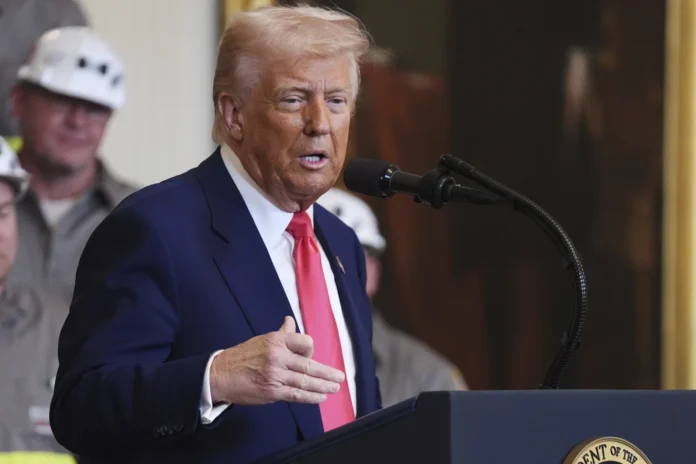
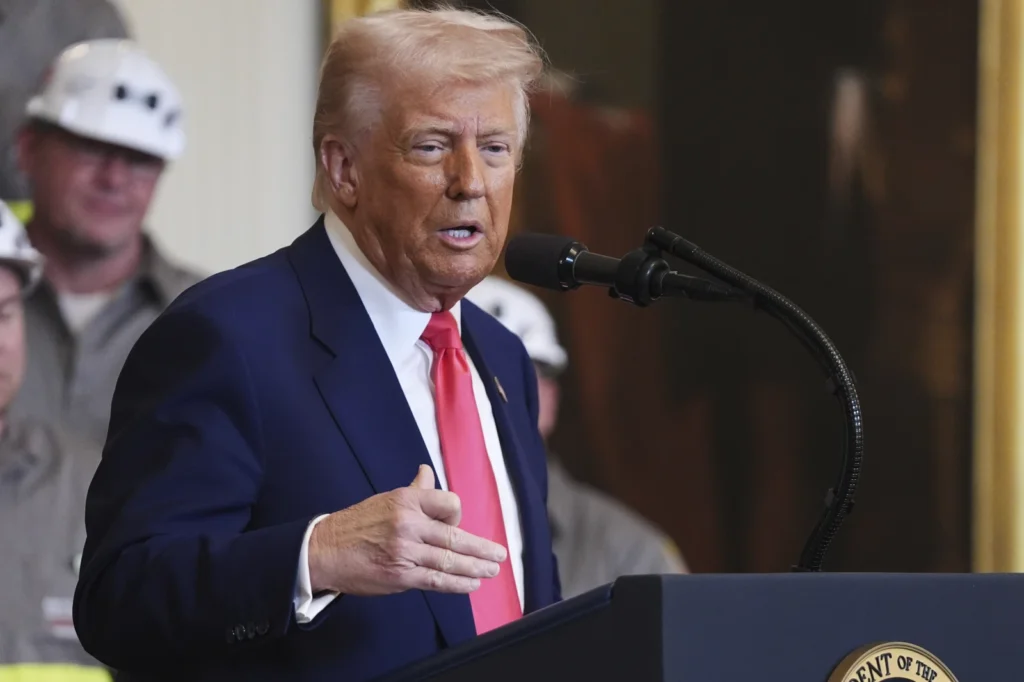
President Donald Trump has announced a sweeping 90-day suspension of most tariffs on U.S. trading partners while simultaneously escalating import taxes on Chinese goods to an unprecedented 125%. The unexpected policy shift, confirmed Wednesday, marks a dramatic recalibration of the administration’s trade strategy, refocusing what had been a global trade dispute into a targeted economic offensive against China.

The announcement caused a sharp reaction in global financial markets. While U.S. indexes rallied in response to the easing of trade tensions, major markets across Europe and Asia experienced steep losses, having closed before Trump’s updated policy was made public. London’s FTSE 100 fell by 2.9%, Tokyo’s Nikkei 225 declined 3.9%, and the CAC 40 in Paris dropped 3.3%. In contrast, Chinese equities posted gains, with the Hang Seng Index in Hong Kong rising 0.7% and the Shanghai Composite climbing 1.3%.

Speaking at a casual press event with racing champions on the White House driveway, Trump explained his decision by pointing to signs of volatility in financial markets. He said he had been closely watching market behavior in recent days and noticed a growing sense of anxiety, particularly in the bond market. “It looked pretty glum,” Trump said. “People were getting a little queasy. The bond market right now is beautiful.”

According to Trump, this unease pushed him to reevaluate his tariff stance. He emphasized that while some critics had become “yippy” and “afraid,” he believed the U.S. could no longer sustain the economic relationships that had previously gone unchallenged. “Somebody had to pull the trigger. I was willing to pull the trigger,” he stated, defending his original decision to introduce tariffs that sent shockwaves through the global economy.

In a statement posted to his social platform Truth Social, Trump said his decision to pause many tariffs was a calculated response to how other countries reacted—or didn’t. “Because so many countries had not retaliated against our latest crank higher in tariffs, I have authorized a 90-day PAUSE, and a substantially lowered Reciprocal Tariff during this period, of 10%, also effective immediately. Thank you for your attention to this matter!” Trump wrote.

Treasury Secretary Scott Bessent provided further clarification, noting that while Trump had paused the so-called “reciprocal tariffs” on most of the country’s top trading partners, a 10% baseline import tax on nearly all global goods would remain in effect. Bessent did not provide a detailed breakdown of which countries or products were exempt from the pause.

The most significant shift, however, is the dramatic increase in tariffs on Chinese imports. Trump confirmed that all goods entering the U.S. from China would now be subject to a 125% import tax, effective immediately. The steep hike reinforces the administration’s long-standing position that Beijing engages in unfair trade practices and intellectual property theft.

When asked how he would handle exemptions for businesses that have been disproportionately affected by the tariffs, Trump said those decisions would be made on a case-by-case basis, guided more by instinct than by formal analysis. “You almost can’t take a pencil to paper,” he remarked. “It’s really more of an instinct.”

The broader implications of Trump’s tariff shift are still unfolding. Analysts see the move as an effort to isolate China while alleviating pressure on U.S. allies and domestic markets. However, critics warn that raising taxes on Chinese imports to such a degree could provoke retaliatory action from Beijing, potentially igniting a more intense and narrowly focused trade conflict.

In the meantime, business leaders and global investors are closely watching for further guidance from the White House on how the 90-day pause will be implemented and what may come next. Trump has not ruled out the possibility of reinstating or expanding tariffs once the temporary window expires, especially if other nations do not offer what he deems fair trade concessions.

With the 2025 election cycle heating up, Trump’s recalibrated tariff policy is likely to become a central issue in the national debate over trade, economics, and America’s role in the global marketplace.

South Korea Sets June 3 Election After Yoon Removed for Martial Law Decree

0

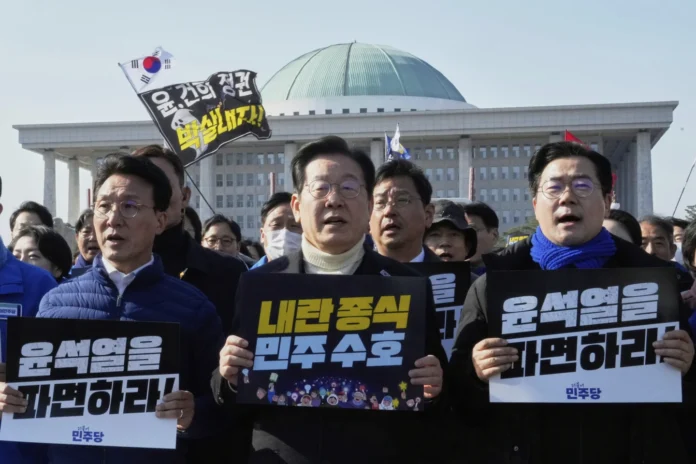
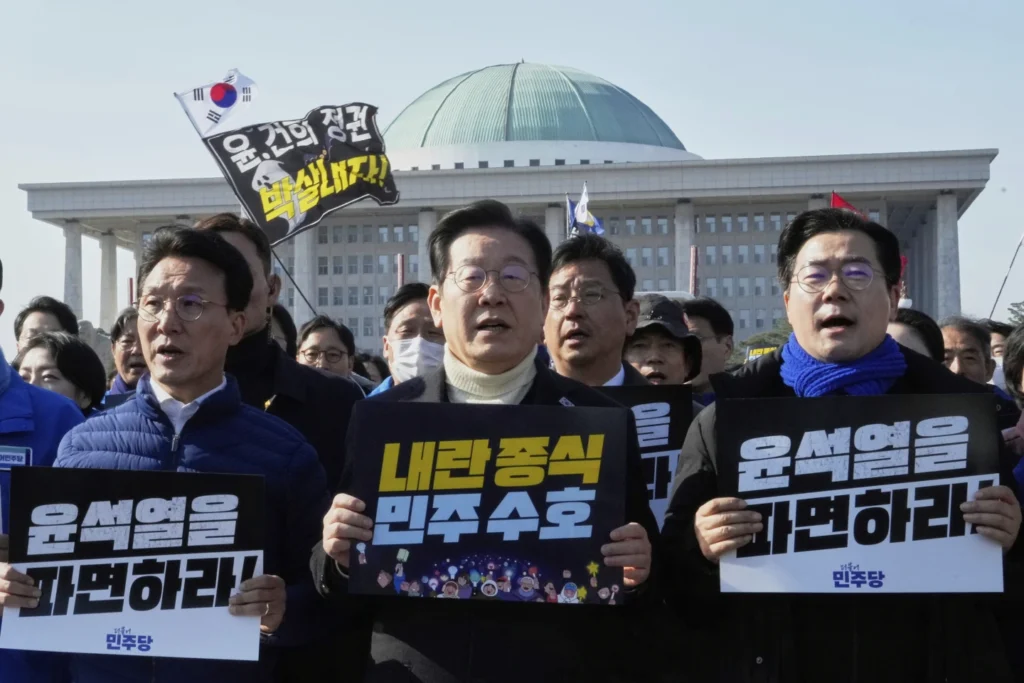
South Korea will hold a snap presidential election on June 3, 2025, to choose a successor to President Yoon Suk Yeol, who was ousted from office following his controversial imposition of martial law in late 2024. The announcement was made by Acting President Han Duck-soo just four days after the Constitutional Court unanimously removed Yoon from power, triggering a legal requirement to hold a new presidential vote within 60 days. The elected leader will serve a full five-year term.

The upcoming election is already shaping up to be one of South Korea’s most contentious and politically charged races in recent memory. Deep partisan polarization between the conservative People Power Party and the liberal Democratic Party is expected to dominate the campaign, with both sides vying for control of a nation still grappling with the shock of Yoon’s martial law decree and abrupt removal.

The People Power Party faces an uphill battle. The decision by Yoon to deploy armed troops in the streets of Seoul during a standoff with Parliament severely damaged public trust and fractured the party. Although the People Power Party was not directly responsible for the imposition of martial law, the political fallout has been profound. Many reformist members publicly condemned Yoon and supported his impeachment, creating a rift with loyalists who continued to back the president even in the face of national outrage.

The liberal Democratic Party, meanwhile, is poised to rally behind Lee Jae-myung, its influential leader who narrowly lost to Yoon in the 2022 presidential election. Lee played a central role in mobilizing the party against Yoon’s martial law order and led the effort to impeach him. Analysts widely consider him the front-runner, particularly as no serious challengers have emerged within his party. Lee’s leadership during the crisis and his dominance within the Democratic Party have positioned him as the candidate to beat.

Political parties are expected to launch presidential primaries in the coming weeks to select their nominees. While Lee’s candidacy appears virtually assured, the People Power Party is facing internal chaos. More than ten potential candidates may enter the race, but the party remains fractured between pro-Yoon loyalists and those who supported his removal.

Among the conservative hopefuls, Labor Minister Kim Moon Soo and Daegu Mayor Hong Joon-pyo are seen as staunch Yoon supporters. Both opposed impeachment and are expected to champion Yoon’s legacy. In contrast, former party leader Han Dong-hoon and senior lawmaker Ahn Cheol-soo favored Yoon’s removal and could appeal to more moderate voters. Seoul Mayor Oh Se-hoon has maintained a neutral stance, leaving political analysts to speculate on his positioning.

Yoon, though no longer in office, is expected to exert significant influence over the party’s direction and candidate selection. Having been charged with rebellion in January, Yoon could face additional criminal charges such as abuse of power now that his presidential immunity has been stripped. Observers anticipate that Yoon will back loyalists in the race to protect his interests and counter legal threats.

The People Power Party’s current leadership remains dominated by Yoon allies, making reconciliation with reformist factions difficult. Experts warn that internal divisions may further hinder the party’s ability to present a unified front before the election. Analysts also believe that moderates and younger voters, especially those in their twenties and thirties, will likely determine the election’s outcome. For the conservatives to win, they will need to select a candidate who can transcend party divisions and appeal to the political center.

Lee Jae-myung’s candidacy is not without controversy. While his supporters hail him as a populist reformer, critics accuse him of deepening national divisions and using inflammatory rhetoric against opponents. Lee is currently facing five criminal trials, including corruption charges. If elected, he would benefit from presidential immunity, which would likely halt those legal proceedings.

During his presidency, Yoon repeatedly accused Lee and the Democratic Party of obstructing his reform agenda by leveraging their parliamentary majority to block government initiatives, slash budgets, and impeach senior officials. Yoon justified his martial law declaration as a final attempt to rally public support and defend the presidency against what he described as the “wickedness” of Lee’s party.

Political analysts say that many South Koreans remain skeptical of Lee, believing he manipulated parliamentary power for personal and political gain. Still, his control over the Democratic Party and the purge of internal dissenters has left him with a clear path to the nomination and potentially the presidency.

With only two months remaining before the June 3 vote, South Korea’s political landscape is entering a volatile period. The election is expected to be a high-stakes battle not only between two political parties but between two starkly different visions for the country’s future amid unresolved wounds from its democratic past.

Cholera Outbreak in Kenya Claims 6 Lives, Infects Nearly 100 as Health Ministry Launches Urgent Response

0
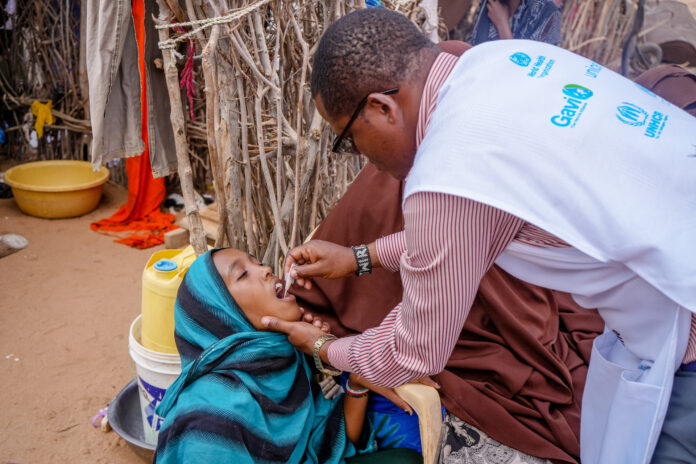
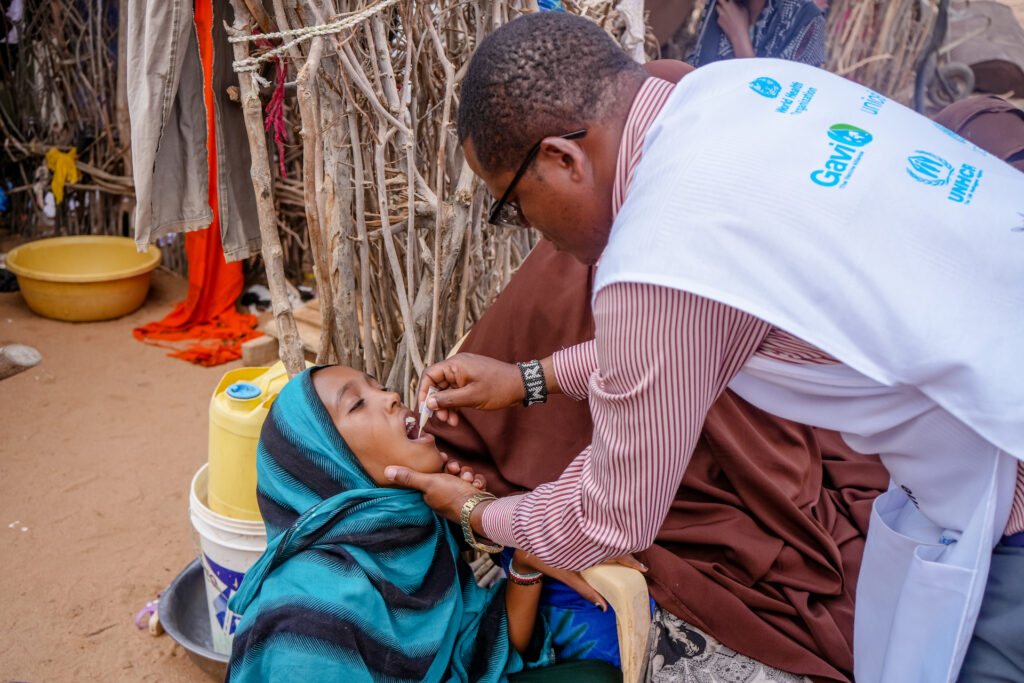
On 18 February 2023, Maylun receives oral cholera vaccine in Modogashe, Garissa County. Modogashe is one of the areas that is worst hit by the ongoing drought in the region. Most of the community lack access to clean water.† The Ministry of Health of Kenya, working with WHO, UNICEF and other partners, vaccinated approximately 2 million people against cholera in a campaign that ran from 11 to 21 February 2023.

Kenya is facing a growing public health crisis as the Ministry of Health confirmed a cholera outbreak that has claimed six lives and infected 97 people across several counties. As of April 6, 2025, the highly contagious and potentially fatal disease has spread across Migori, Kisumu, and Nairobi, prompting swift action from national and local health authorities.

Cholera is caused by the Vibrio cholerae bacterium, which is typically transmitted through the consumption of contaminated water or food. The disease is characterized by a sudden onset of severe watery diarrhea, vomiting, muscle cramps, and rapid dehydration. If not treated promptly, cholera can be fatal within hours of infection.

In Migori County, Kenya, 53 cases have been reported along with one death. Affected areas include Suna East, Suna West, Kuria East, and Kuria West. Most patients have already recovered, though two individuals remain hospitalized under observation.

Kisumu County has recorded 32 cases and four deaths. The outbreak has been concentrated in the Nyando and Muhoroni sub-counties. Nairobi, Kenya’s capital, has reported 12 cases and one fatality. The disease has spread across several sub-counties including Kasarani, Embakasi East, Embakasi Central, Roysambu, Kibra, and Dagoretti South.

In response to the outbreak, the Ministry of Health, in collaboration with county governments, has initiated a comprehensive set of emergency measures to contain the spread of the disease and prevent further loss of life. National and county-level rapid response teams have been activated to conduct active case surveillance and contact tracing. The teams are working to quickly identify new infections and isolate patients to limit community transmission.

Healthcare workers across the affected regions are receiving specialized training to improve cholera case management. These training sessions cover surveillance protocols, water sanitation, hygiene practices, and strategic communication aimed at public education and awareness.

Community outreach is being amplified through risk communication efforts. The Ministry is partnering with local health promoters, administrative officers, and media outlets to distribute educational materials, including visual aids and videos, that inform the public about cholera prevention and early signs of infection.

Efforts to address the source of infection are also underway. Water hygiene and sanitation interventions have been intensified. The Ministry is promoting household water treatment, encouraging safe food handling, and addressing contamination risks uncovered in preliminary investigations, which found untreated water to be a significant transmission factor.

Testing of suspected cases is ongoing, and treatment is being provided to all confirmed patients. Prophylactic care is being administered to those who may have had direct contact with infected individuals to prevent further spread. Health facilities are stocked with Oral Rehydration Solutions (ORS) and other essential medical supplies to support the emergency response.

The Ministry of Health is urging the public to take precautionary measures to protect themselves and their communities. Kenyans are advised to practice good personal hygiene by regularly washing hands with soap and clean water, especially after using the toilet and before handling food. Handwashing stations equipped with clean water and soap or hand sanitizers are being set up in public spaces.

Residents are being reminded to drink only treated or boiled water and to avoid consuming untreated water from rivers, wells, or other potentially contaminated sources. Water should be stored in clean, covered containers, and proper sanitation should be maintained at home and in public areas to prevent contamination.

Safe food preparation is also critical. Individuals should wash hands and clean surfaces before cooking, use clean water for washing produce, and cook food thoroughly. Leftovers must be reheated adequately and stored properly to prevent bacterial growth.

The Ministry emphasized the importance of early health-seeking behavior. At the first signs of diarrhea, individuals are encouraged to begin taking Oral Rehydration Solution immediately and visit the nearest health facility for treatment. The Ministry strongly discourages the use of self-medication and traditional remedies, as these could worsen symptoms or delay recovery.

As Kenya responds to this public health emergency, the Ministry of Health has called on all citizens to remain vigilant, follow health guidelines, and report any suspected cases promptly. Containing this outbreak will require national solidarity, community cooperation, and timely medical intervention to prevent further loss of life.

Canada Imposes 25% Tariffs on US Cars in Retaliation for Trump’s Auto Import Taxes

0

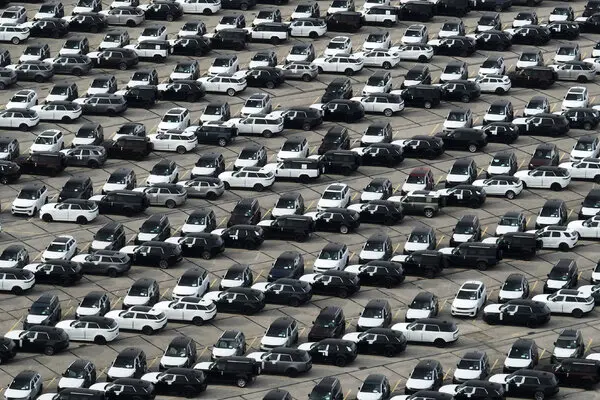
Canada has officially imposed a 25 percent tariff on select vehicle imports from the United States, in direct retaliation for US President Donald Trump’s reimplementation of steep car import taxes. The new Canadian tariffs, which came into effect just after midnight on Wednesday, target American-made vehicles and parts that fail to meet specific North American trade rules.

Canadian Finance Minister François-Philippe Champagne confirmed the retaliatory action, describing Washington’s tariffs as “unwarranted and unreasonable.” In a statement posted on X, formerly Twitter, Champagne declared Canada’s resolve to shield its economy and workers from what he labeled as unjust trade aggression. The tariffs, he said, were enacted to “protect our workers, our businesses, and our economy.”

The move follows Trump’s latest wave of protectionist policies since returning to office, including a fresh 25 percent tariff on imported vehicles. Though Canada was not explicitly included in the newest round of US tariffs, tensions between Ottawa and Washington had already been simmering due to previous actions by the Trump administration, which targeted a range of Canadian exports.

Under the new Canadian rules, importers will face a 25 percent levy on fully assembled vehicles from the US that do not comply with the Canada–United States–Mexico Agreement (CUSMA), the successor to NAFTA. Additionally, even CUSMA-compliant vehicles may be taxed if they contain significant non-Canadian and non-Mexican content. This is seen as an effort to discourage vehicle assembly that relies heavily on global supply chains outside North America.

The timing of Canada’s retaliatory tariffs is politically charged. Prime Minister Mark Carney, currently engaged in an election campaign, has promised a robust response to Trump’s trade actions. His administration is attempting to demonstrate strength in defending Canadian sovereignty and economic interests amid provocative statements from Trump, who recently suggested the US could “take over” Canada—a remark that has sparked national backlash and further inflamed bilateral relations.

The Canadian tariffs come on the heels of similar measures announced by China, signaling a potential escalation into a broader international trade dispute. For Canada, the consequences could be significant. The country’s automotive sector is tightly integrated with that of the United States, with parts and finished vehicles often crossing the border multiple times during production.

Trump’s 25 percent import tax on cars entering the US has already taken effect, and a similar duty on auto parts is scheduled to begin next month. These measures are expected to hit Canadian manufacturers hard, especially as the industry struggles with inflation, supply chain disruptions, and the global transition to electric vehicles.

Earlier rounds of Trump tariffs have already impacted Canada, Mexico, and China. Those duties, framed as an effort to curb illegal immigration and drug trafficking into the US, created a blanket 25 percent tax on most Canadian exports. Exemptions were made under CUSMA, with slightly lower tariffs applied to sectors like energy, potash, aluminum, and steel.

Canada’s latest countermeasure underscores a deteriorating trade relationship between the two countries. While Washington claims the tariffs are aimed at correcting trade imbalances, Ottawa views them as politically motivated and economically damaging. The escalating tit-for-tat could further destabilize an already strained North American trade framework, putting pressure on cross-border businesses and consumers alike.

As both sides dig in, the North American auto industry—already facing massive upheaval—is bracing for more disruption, while diplomatic channels remain tense. The Canadian government has not ruled out additional measures if the US expands its tariff program. Meanwhile, global markets are watching closely as one of the world’s most closely linked trade relationships veers into deeper conflict.