Home Blog Page 395

Trump Escalates U.S.-China Trade War with New Tariff Threats as Global Markets React Nervously

0

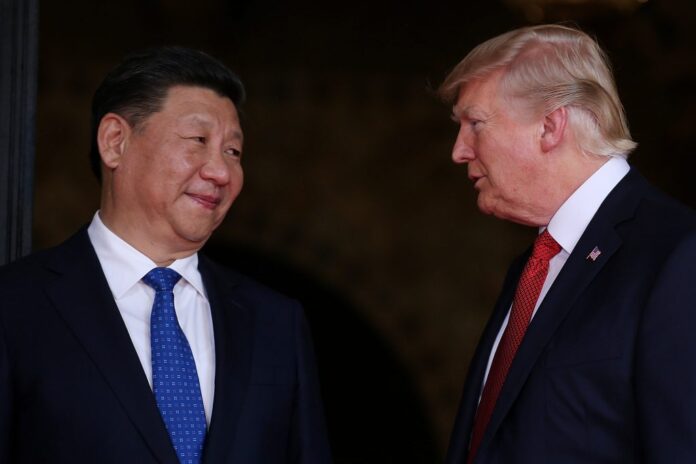
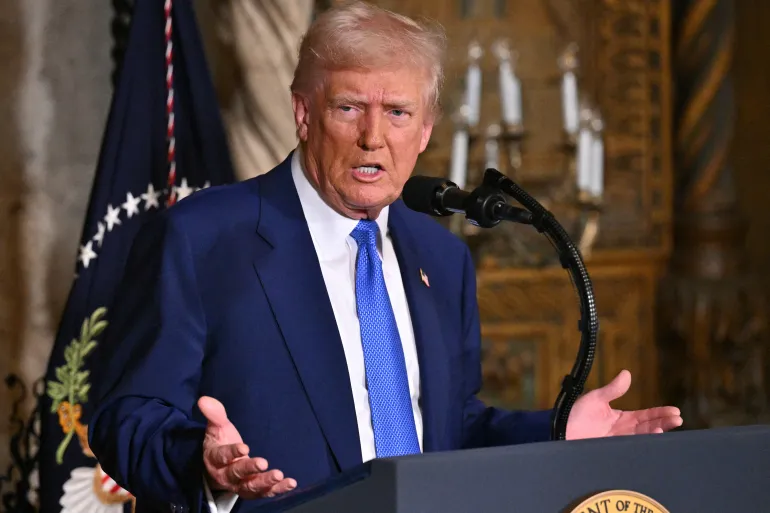
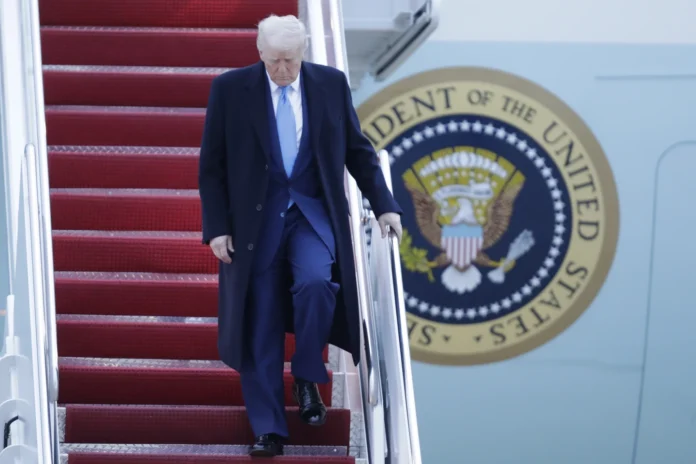
In a dramatic escalation of trade tensions, U.S. President Donald Trump on Monday threatened to impose additional tariffs of 50% on Chinese imports, fueling growing concerns that his confrontational approach to global trade could further destabilize international markets and heighten the risk of a global recession.

The warning came just days after China announced a 34% retaliatory tariff hike on U.S. goods, following Trump’s earlier decision to raise tariffs on Chinese imports in response to what he described as “decades of trade abuse.” Posting on Truth Social, Trump declared that unless Beijing reverses its new tariffs by April 8, 2025, the United States will implement a new wave of levies on April 9, effectively raising the total tariff burden on Chinese imports to a staggering 104%.

“If China does not withdraw its 34% increase… the United States will impose ADDITIONAL Tariffs on China of 50%, effective April 9th,” Trump wrote. “All talks with China concerning their requested meetings with us will be terminated!”

The announcement sent shockwaves through financial markets. The Dow Jones Industrial Average fell 0.9%, the S&P 500 dropped 0.2%, and the Nasdaq slipped 0.1% on Monday as investors reacted to the escalating trade dispute. Economists and business leaders warned the mounting tariffs could trigger higher inflation, supply chain disruptions, and declining investor confidence.

Despite pressure from Wall Street, Trump remained defiant. When asked if he would pause the tariffs, he dismissed the idea, saying, “We’re not looking at that,” though he left the door open to negotiations if a “really fair deal” could be reached.

The Chinese Embassy in Washington dismissed Trump’s threats, calling them counterproductive. 

“Pressuring or threatening China is not a right way to engage with us,” said embassy spokesperson Liu Pengyu. “China will firmly safeguard its legitimate rights and interests.”

Trump’s aggressive stance has unsettled even America’s allies. During a meeting with Trump at the White House, Israeli Prime Minister Benjamin Netanyahu pledged to drop all tariffs on U.S. goods. Despite this gesture, Trump was noncommittal on whether he would reciprocate. “Maybe not,” he said, citing the $7.4 billion trade deficit the U.S. holds with Israel and the substantial foreign aid Israel receives from Washington.

Trump also revealed he had spoken with Japanese Prime Minister Shigeru Ishiba to discuss launching trade talks. On Truth Social, Trump accused Japan of unfair trade practices, saying, “They don’t take our cars, but we take MILLIONS of theirs.”

Ishiba, in contrast, expressed deep concern that Trump’s tariffs could harm Japanese investment in the U.S., calling the situation a “national crisis” and vowing to press for reconsideration.

Meanwhile, European Commission President Ursula von der Leyen said the EU would refocus trade priorities on other global partners, emphasizing “vast opportunities” beyond the U.S. market.

Trump’s uncompromising stance has created divisions even within his circle of supporters. Billionaire investor Bill Ackman criticized Commerce Secretary Howard Lutnick, claiming the administration was indifferent to economic fallout. Though Ackman later apologized, he reiterated that the tariffs could derail recent economic gains.

Tesla CEO Elon Musk, one of Trump’s top advisers on government reform, also voiced concern, saying tariffs could inflate vehicle prices and hurt U.S. manufacturing. 

 “Ideally, both Europe and the United States should move to a zero-tariff situation, effectively creating a free trade zone,” Musk told Italian leaders via video conference.

In response, White House trade adviser Peter Navarro dismissed Musk’s concerns. 

 “He sells cars,” Navarro said on Fox News. “He’s simply protecting his own interests, as any businessperson would.”

Despite the growing unease in financial circles and among international allies, Trump continues to present his tariff policy as a long-term strategy to revive U.S. manufacturing, curb trade imbalances, and assert economic sovereignty. The White House indicated that Trump would veto any congressional bill mandating legislative approval of new tariffs, confident that Republican lawmakers will stay loyal despite rising risks.

Federal Reserve Chair Jerome Powell warned that tariffs could accelerate inflation and indicated that the Fed would wait before making any decisions on interest rates. Trump, however, has urged the central bank to cut rates, arguing that it would counterbalance the economic impact of his trade measures.

While Trump remains steadfast, the global economy may ultimately bear the cost of his high-stakes strategy—one that pits nationalist trade policy against a deeply interconnected world economy.

Kenyan Authorities to Exhume Body of Teen Girl Allegedly Burned to Death After Rejecting Forced Marriage

0

Authorities in Kenya have received court approval to exhume the body of 17-year-old Gaala Aden Abdi, a Somali refugee who was allegedly murdered after refusing a forced marriage to a much older man. The Wajir Magistrate Court granted permission to the Directorate of Criminal Investigations (DCI) to proceed with the exhumation as part of a renewed investigation into the teenager’s tragic death.

Gaala, who had been living at the Dagahaley Refugee Camp in Dadaab, Wajir County, was buried on March 22. Her death has sparked public outrage and renewed calls for action against forced marriages and gender-based violence in Kenya’s northeastern region.

According to officials, the exhumation will be supervised by the Wajir West Sub-County Criminal Investigations Officer (SCCIO) and is intended to facilitate a repeat postmortem. Forensic experts will examine the remains to confirm the precise cause of death and will collect samples for both toxicological and DNA analysis. Officers from Dagahaley Police Station will provide security throughout the exhumation process to ensure its integrity.

Initial reports and a prior autopsy revealed that Gaala’s body had sustained 100% burns, consistent with being set alight using an open flame. Investigators believe the attack was directly linked to her refusal to marry a 55-year-old man.

According to police sources and family accounts, in Kenya, Gaala was taken from the refugee camp at night under false pretenses and transported over 150 kilometers to a remote village in Wara, Ademasajida. There, she was introduced to the man she was being forced to marry. Despite pressure from the man’s family and the community, the teenager stood firm in her refusal.

Tragically, her resistance reportedly led to her brutal murder. Prior to her death, Gaala is said to have made a phone call to a trusted contact in which she expressed fear for her life and identified individuals she believed were responsible for orchestrating the crime.

Her horrific death highlights the continued prevalence of forced marriages in refugee and rural communities, where young girls remain vulnerable to patriarchal traditions and gender-based violence.

The exhumation is viewed as a critical step toward securing justice for Gaala. Investigators hope the new forensic evidence will corroborate existing testimonies and aid in identifying and prosecuting those involved in her murder. Advocacy groups have also joined in demanding a full investigation and stronger enforcement of child protection laws in refugee settlements.

Gaala’s case has drawn national and international attention, reigniting debate over child marriage, refugee protection, and the urgent need for legal reforms and community education to prevent similar tragedies.

nairobiwire.com

China Leaves Door Open for Tariff Talks Amid Trump Criticism and Rising Trade Tensions

0

China has signaled its openness to resuming trade negotiations with the United States, even as President Donald Trump ramped up criticism of Beijing’s economic policies in a social media post on Monday morning. According to an editorial published by People’s Daily, the official mouthpiece of the Chinese Communist Party, China is “well-prepared” to handle any fallout from renewed tariff threats and economic pressure from Washington.

“Faced with the volatility and extreme pressure from the U.S., we have not closed the door to negotiations,” the editorial stated. “But we will not harbor any illusions. Instead, we have made various preparations to deal with the impact.”

The article emphasized that China has built “rich experience” from its ongoing eight-year trade conflict with the U.S. and has become increasingly resilient to economic shocks stemming from tariffs and sanctions. The editorial added that Beijing stands ready to deploy monetary policy tools—including interest rate cuts—“at any time” should the economic environment deteriorate.

Notably, the piece struck a defiant tone while downplaying the overall damage from the trade dispute. “The sky hasn’t fallen,” it said, highlighting how China’s dependency on the U.S. market has declined significantly. Chinese exports to the U.S. have dropped from 19.2% of total exports in 2018 to just 14.7% in 2024, underscoring efforts to diversify trade partnerships and reduce reliance on American consumers.

The remarks from Beijing came just hours after former President Trump defended his economic track record in an early morning social media post, published ahead of the U.S. stock market’s opening. Trump doubled down on his previous stance favoring aggressive tariffs, particularly against China, which he accused of failing to heed his warnings against retaliatory measures.

“China is not acknowledging my warning for abusing countries not to retaliate,” Trump wrote, referencing Beijing’s recent move to impose a 34% tariff on select U.S. imports.

Trump also claimed there was “no inflation,” a statement that contradicts official government data. The most recent Consumer Price Index showed U.S. inflation standing at 2.8% as of February. Economists warn that further trade restrictions could lead to higher prices for consumers.

In a separate development on Monday, JPMorgan Chase CEO Jamie Dimon weighed in on the economic implications of heightened tariffs in his annual shareholder letter. “The tariffs will likely increase inflation and are causing many to consider a greater probability of a recession,” Dimon warned.

Meanwhile, Trump called on the Federal Reserve to cut interest rates, despite the central bank’s decision last month to leave rates unchanged. The Fed cited “increased uncertainty” surrounding the economic outlook as a primary reason for its cautious stance.

The recent exchange of tariff measures and rhetoric suggests a hardening stance on both sides, raising concerns among global investors and economists about the potential for renewed trade disruptions. While Beijing’s comments suggest a willingness to engage, they also reflect a broader strategy of economic decoupling from the U.S. and growing reliance on alternative markets and policy levers to sustain growth.

With elections looming in the U.S. and geopolitical tensions simmering across multiple fronts, the prospect of a resolution appears uncertain. Still, both nations remain economically intertwined, and analysts believe backchannel negotiations may continue, even amid public posturing.

Palestinian Journalist Killed in Israeli Airstrike on Media Tent in Southern Gaza

0

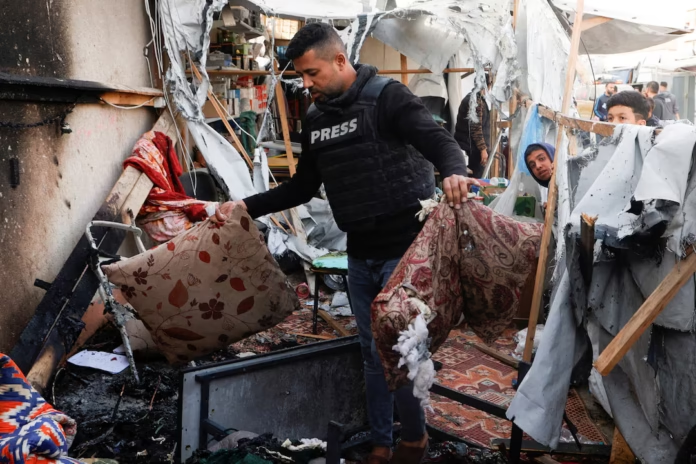
A Palestinian journalist was killed and nine others wounded in an Israeli airstrike that targeted a tent used by members of the local press near a hospital in southern Gaza, according to medics and the Palestinian Journalists Syndicate. The attack occurred early Monday morning in the courtyard of Nasser Hospital in Khan Younis.

The slain journalist, Helmy al-Faqawi, was reportedly inside the tent—designated as a workspace for local reporters—when the strike hit. Video footage from the aftermath showed flames engulfing the area, as people attempted to extinguish the fire using buckets of water and fire extinguishers. The charred remains of broadcasting equipment and furniture were visible among the ruins.

Reuters verified the location based on identifiable features of nearby buildings and tents, though the exact timing was corroborated through additional media reports and eyewitness videos. Unverified footage shared on social media showed one journalist engulfed in flames and another desperately trying to pull him to safety.

According to Gaza-based medical officials, a second Palestinian was also killed in the attack, though their identity has not been released. Several of the wounded are in critical condition, raising fears of a higher casualty toll.

The Israeli military has not issued an official statement regarding the strike or the presence of journalists in the targeted area. Requests for comment from Israeli authorities have so far gone unanswered.

The incident sparked widespread condemnation. In the West Bank, the Palestinian Ministry of Foreign Affairs labeled the strike an act of “extra-judicial killing,” accusing Israel of deliberately targeting journalists in an effort to suppress coverage of the ongoing war in Gaza.

Helmy al-Faqawi’s funeral was held later on Monday, attended by dozens of colleagues, friends, and family members. His body was carried through the streets on a stretcher, draped in a white shroud with his blue “PRESS” flak jacket laid atop. Fellow journalist Abd Shaat described waking up to the sound of the explosion and finding their colleagues’ media tent engulfed in flames.

“We will continue to deliver the message and convey the truth to the whole world. This is our humanitarian duty,” Shaat said.

Faqawi’s death brings the number of journalists killed in Gaza since the beginning of Israel’s military campaign in October 2023 to over 210, according to the Palestinian Journalists Syndicate. The group has repeatedly warned of the growing danger to media personnel operating in the enclave.

Gaza health authorities reported that Israeli strikes across the Strip killed at least 20 people on Monday alone, as Israel continues its large-scale offensive in response to the October 7 Hamas-led attacks. According to Israeli sources, those attacks killed approximately 1,200 people and resulted in the abduction of 251 others.

Palestinian officials now estimate that more than 50,000 Palestinians have been killed in Gaza since the beginning of the conflict.

Palestinian-American Teen Killed by Israeli Forces in West Bank, Tensions Escalate

0

A 14-year-old Palestinian-American boy, Omar Mohammad Rabea, was fatally shot by Israeli forces in the occupied West Bank town of Turmus Ayya, according to Palestinian officials. The incident, which occurred during an Israeli military raid, marks the latest tragedy in a surge of violence gripping the region.

The Israeli military claimed Rabea was one of three individuals who were throwing rocks at vehicles on a highway, posing a threat to civilian safety. In a statement, the Israel Defense Forces (IDF) said soldiers “opened fire toward the terrorists who were endangering civilians, eliminating one and wounding two others.”

Local accounts, however, offer a different version. Turmus Ayya Mayor Adeeb Lafi told Reuters that Rabea, a U.S. citizen, was shot at the entrance to the town by an Israeli settler alongside two other teenagers. He said the Israeli army later pronounced Rabea dead after detaining him. The Palestinian foreign ministry condemned the killing as an “extrajudicial execution,” citing it as a consequence of what it described as Israel’s “continued impunity.”

The incident is part of a broader pattern of increased Israeli military raids and settler violence in the West Bank, particularly since the war in Gaza erupted in October 2023. Armed confrontations between Israeli forces, settlers, and Palestinian residents have become a near-daily occurrence, especially in areas of strategic or symbolic importance.

Violence involving Israeli settlers has drawn international concern. Sanctions had previously been imposed by the Biden administration and some European countries against individuals involved in such attacks. However, those sanctions were lifted under the Trump administration.

In recent months, the Israeli military has intensified its operations in the West Bank, launching what officials call a “large-scale military campaign” targeting suspected militants and their networks. This includes raids on Bedouin communities and encampments in territories long contested by both sides.

Meanwhile, the influence of Hamas in the West Bank continues to grow. Though the area is nominally governed by the Palestinian Authority, led by the rival Fatah faction, the militant group based in Gaza has extended its reach, further complicating efforts to stabilize the region.

The killing of a U.S. citizen is likely to draw scrutiny from Washington, where tensions surrounding U.S. foreign policy in the Middle East remain high. As of now, the U.S. State Department has not issued a formal response.

Russia Reduces Prison Term for US Soldier Convicted of Theft Amid Rising Diplomatic Tensions

0

A Russian appellate court has reduced the prison sentence of U.S. Army Staff Sergeant Gordon Black, who was convicted of theft and making criminal threats, according to a report by Russia’s state-run news agency, RIA Novosti. The ruling adds a new chapter to a series of high-profile detentions involving Americans in Russia, amid deteriorating U.S.-Russia relations.

Black, 34, had traveled to Vladivostok, a major Pacific port city in Russia’s far east, in May 2024 to visit his girlfriend, Alexandra Vashchuk. Shortly after arriving, he was accused of stealing money from her and threatening her life, resulting in his arrest by Russian authorities. The court later found him guilty and initially sentenced him to three years and nine months in prison, along with a fine of 10,000 rubles (roughly $115 at the time).

Following an unsuccessful appeal in a regional court, Black’s legal team submitted a new appeal to the 9th Court of Cassation. On Monday, that court partially granted the appeal by reducing his sentence to three years and two months. The judge, however, upheld parts of the original conviction, declining to fully acquit him of issuing threats, but agreed to lessen the punishment for theft.

Black’s case joins a growing list of U.S. citizens detained or imprisoned in Russia in recent years, many of whom Washington has labeled as wrongfully detained. These include:

– Paul Whelan, a former U.S. Marine and corporate security executive.

– Evan Gershkovich, a Wall Street Journal reporter.

– Marc Fogel, an American teacher.

While some Americans have been freed through prisoner swaps, others remain behind bars. Among them:

– Robert Gilman, 72, who is serving a 3.5-year sentence for assaulting a Russian police officer.

– Travis Leake, a U.S. musician sentenced to 13 years in July 2024 for drug-related charges.

Black had been on leave from his post at Camp Humphreys in South Korea, where he was stationed with the Eighth Army. He was in the process of returning to Fort Cavazos in Texas when, according to U.S. Army officials, he diverted his travel for “personal reasons” and flew to Vladivostok through China, bypassing official clearance channels.

The Pentagon mandates that all service members obtain travel authorization for any international travel. Military authorities confirmed that Black neither requested nor received permission to visit Russia. Given the ongoing war in Ukraine and deteriorating U.S.-Russia military relations, it is highly unlikely such a request would have been approved.

According to Black’s girlfriend, Vashchuk, the incident that led to his arrest stemmed from a domestic dispute. She claimed Black became violent, attacked her, and stole money from her wallet. “He was aggressive, unable to control himself,” she told reporters last year. U.S. officials also confirmed that the two had met while Vashchuk was living in South Korea.

It remains unclear whether her departure from South Korea following their alleged altercation was voluntary or if local authorities were involved in facilitating her exit.

This latest sentencing decision comes at a time when the Kremlin has been accused of using detained Americans as political leverage. Black’s case, while not officially designated as wrongful detention by U.S. authorities, adds to a growing sense of urgency in Washington over the safety of American citizens traveling or living in Russia.

As the Trump administration continues to negotiate for the release of Americans imprisoned abroad, cases like Black’s underline the complex interplay of personal conduct, military oversight, and geopolitical friction.

Iran-Backed Militias in Iraq Signal Readiness to Disarm Amid US Pressure to Prevent Escalation

0

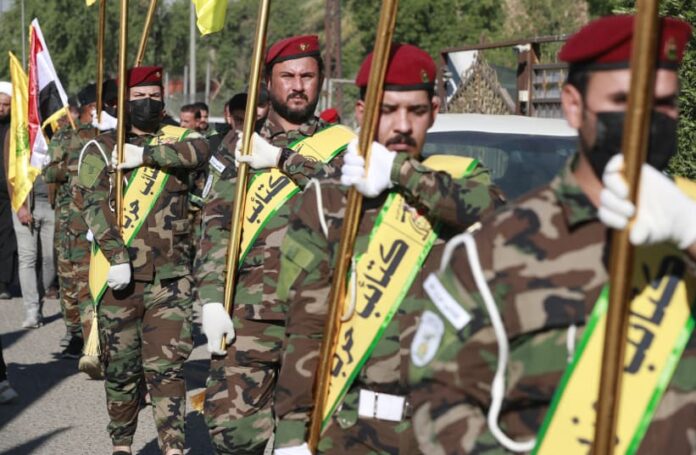
In a significant shift amid rising regional tensions, multiple powerful Iran-backed Shiite militia groups in Iraq have expressed a willingness to disarm. This move is seen as a response to mounting pressure from the United States, which has warned Iraq that continued militia activity could provoke military strikes.

According to 10 senior Iraqi officials and militia commanders who spoke with Reuters, the disarmament would mark the first time such groups have seriously considered laying down their arms. The discussions reportedly involve Kataib Hezbollah, Kataib Sayyed al-Shuhada, Nujabaa, and Ansarullah al-Awfiyaa—all of which are key components of Iraq’s “Islamic Resistance.”

The shift comes after months of warnings from the U.S. to the Iraqi government that militias using Iraqi soil to target American and Israeli interests would be met with force. Sources said unless Iraq reins in these groups, they could become targets for American airstrikes.

Izzat al-Shahbndar, a prominent Shiite politician close to Iraq’s ruling alliance, described the ongoing talks between Prime Minister Mohammed Shia al-Sudani and militia leaders as “very advanced,” adding that many factions are “fully aware” of the risks of not complying with U.S. demands.

“The factions are not being stubborn. They understand that escalation would bring severe consequences,” said one commander from Kataib Hezbollah, speaking under anonymity.

Iran’s Islamic Revolutionary Guard Corps (IRGC), which is known for backing Shiite militias across the Middle East, has reportedly authorized the groups to make independent decisions in order to avoid war with the U.S. and Israel. This approval suggests a notable shift in Tehran’s posture, likely driven by recent setbacks across its Axis of Resistance.

The Islamic Resistance in Iraq—a coalition of about 10 hardline groups—commands approximately 50,000 fighters and possesses long-range missiles and anti-aircraft systems. These groups have launched dozens of drone and missile strikes on U.S. and Israeli targets since the war in Gaza escalated in late 2023.

Prime Minister Sudani’s office confirmed that efforts are underway to bring all armed groups under state control. Farhad Alaaeldin, Sudani’s foreign affairs adviser, emphasized that disarmament would be pursued through “constructive dialogue with national actors.”

Two Iraqi security officials revealed that some militias have already vacated their headquarters and scaled back operations in key cities such as Mosul and Anbar. Militia leaders have also taken extensive security precautions, including frequently changing phones, vehicles, and locations to avoid detection.

Despite encouraging signs, U.S. officials remain skeptical about the permanence of any disarmament. A U.S. State Department spokesperson reiterated the demand that “these forces must respond to Iraq’s commander-in-chief and not to Iran.”

A senior American official warned that militias have paused attacks in the past only to resume them later. The U.S. remains cautious and prepared for further military action if needed.

The apparent willingness to disarm highlights cracks in Iran’s Axis of Resistance, a decades-old network of proxy forces that has come under heavy pressure since the Israel-Hamas conflict reignited in 2023. Tehran’s regional allies—Hamas in Gaza, Hezbollah in Lebanon, and the Houthis in Yemen—have faced crippling military responses from the U.S. and Israel.

Meanwhile, the looming threat of Bashar al-Assad’s fall in Syria, another key Iranian ally, has further shaken Iran’s influence across the region.

Caught between its alliances with both Washington and Tehran, Iraq is navigating a dangerous geopolitical tightrope. U.S. Defense Secretary Pete Hegseth recently warned Sudani against allowing militia groups to launch retaliatory strikes from Iraqi soil. This follows the killing of three U.S. service members in a drone strike in Jordan last year that was attributed to Iraq-based factions.

Analyst Ibrahim al-Sumaidaie told Iraqi state TV that Washington may no longer accept delays or denials. “If we do not voluntarily comply, it may be forced upon us from the outside—and by force,” he said.

While no final agreement has been reached, options on the table include transforming the militias into political entities or formally integrating them into Iraq’s national armed forces. The outcome could mark a historic turning point in curbing the influence of non-state armed actors in Iraq—but only if the disarmament pledges are implemented and sustained.

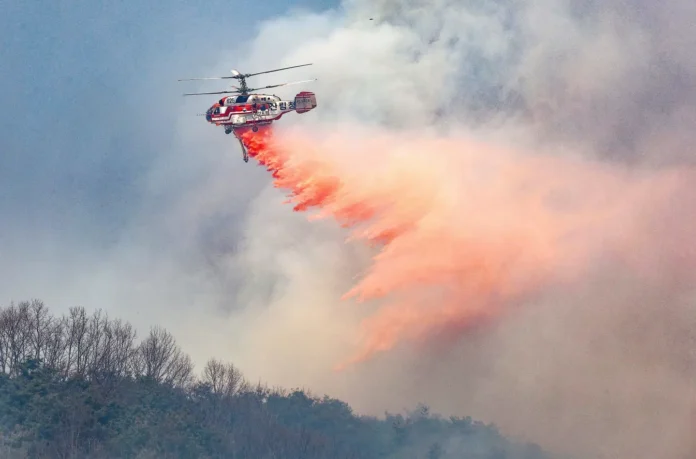
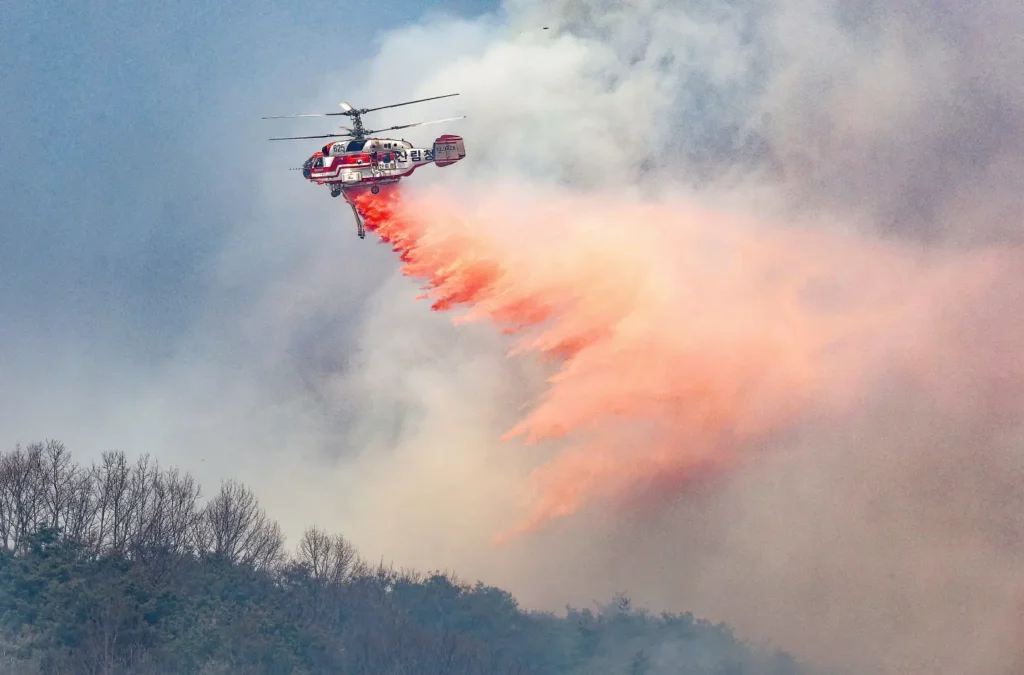
South Korean Firefighting Helicopter Crashes Amid Wildfire Crisis, Killing Pilot

0

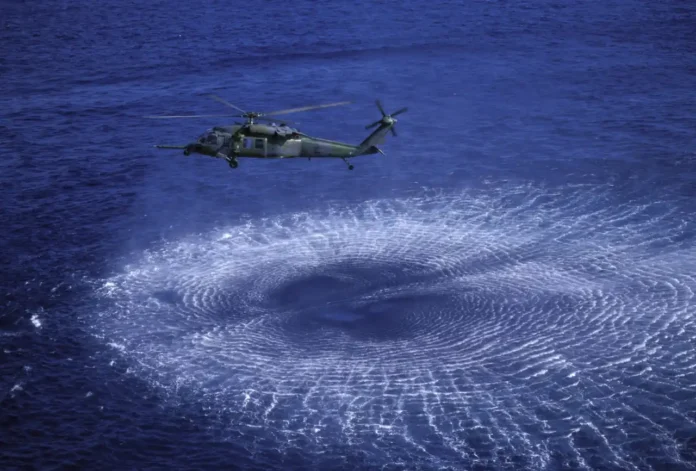
A tragic accident struck South Korea’s firefighting efforts on Sunday as a helicopter battling a raging wildfire in the southeastern city of Daegu crashed, killing its pilot, according to reports from Yonhap News Agency.

The chopper was actively engaged in extinguishing a blaze when it went down, marking a devastating loss as emergency crews continue to combat what has become the country’s worst wildfire disaster in recent memory.

South Korea has been grappling with a series of intense wildfires that have scorched thousands of hectares of land, destroyed homes and infrastructure, and led to the deaths of at least 30 people. The pilot’s death adds to the growing toll of a national emergency that has overwhelmed firefighting resources and emergency services.

The cause of the crash remains under investigation as authorities work to determine whether extreme weather conditions or mechanical failure played a role.

This latest incident underscores the dangers faced by first responders risking their lives to contain the infernos that continue to ravage parts of the country.

Iran Issues Dire Strike Threats to Neighbors Amid Escalating Nuclear Standoff with US

0

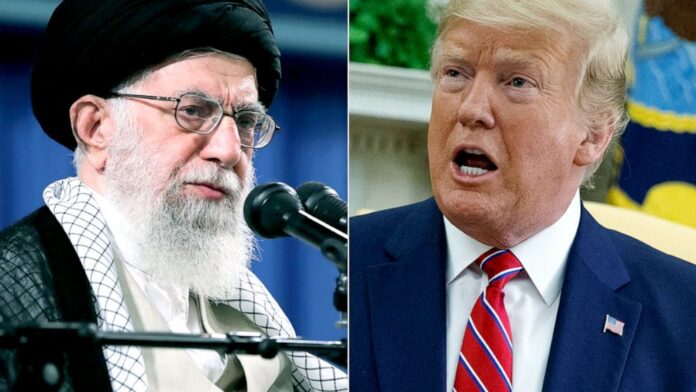
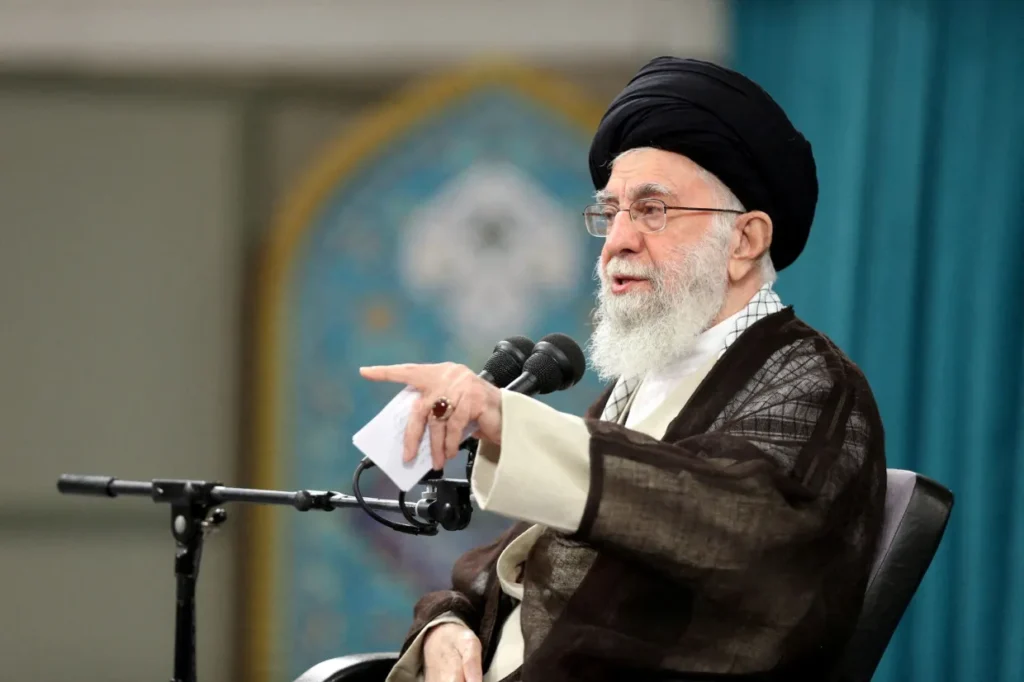
Tensions in the Middle East have dramatically escalated after Iran issued stark warnings to neighboring countries, threatening military retaliation should they support any US-led offensive. The warnings come as Supreme Leader Ayatollah Ali Khamenei firmly rejected US President Donald Trump’s renewed demand for direct nuclear negotiations.

According to senior Iranian officials, Iran delivered formal communications to Iraq, Kuwait, the United Arab Emirates, Qatar, Turkey, and Bahrain. These notices declared that any cooperation with a potential US military operation—including allowing use of airspace or territory—would be interpreted as a hostile act and met with forceful retaliation.

Despite Ayatollah Khamenei’s refusal to engage in direct talks, Iranian officials have expressed interest in continuing indirect negotiations via Oman—a traditional diplomatic channel between Tehran and Washington.

“Indirect talks offer a chance to evaluate Washington’s seriousness about a political solution with Iran,” an Iranian official told reporters. While acknowledging the fragility of the process, the official suggested that critical talks could occur soon—if the US shows goodwill.

Yet urgency surrounds the matter, as Iran reportedly believes there is only a two-month window to secure an agreement before Israel might unilaterally act against Tehran’s nuclear infrastructure.

Ayatollah Khamenei has reportedly placed Iran’s military on high alert. Iranian warnings delivered to regional nations were accompanied by grave messages, including threats to strike any US base found operating within those territories.

Turkish officials denied receiving such a message but acknowledged that communications might be routed through alternate diplomatic channels. Meanwhile, Iranian state media reported that Kuwait assured Tehran it would not allow foreign aggression to be launched from its soil.

Iran’s ally Russia has condemned any threats of American military action. While publicly supportive, some Iranian officials remain wary of Moscow’s loyalty, suggesting it hinges on the political calculus between Presidents Putin and Trump.

In a chilling diplomatic gesture, President Trump recently sent a letter to Ayatollah Khamenei proposing direct talks to strike a fresh nuclear accord. The offer, however, was swiftly declined.

The international community has voiced concern over Iran’s recent uranium enrichment, which the UN nuclear watchdog claims has reached near weapons-grade levels. Western powers argue there is no civilian justification for such enrichment intensity.

While Iran insists it has no intention of building a nuclear weapon, it maintains that its ballistic missile program remains off-limits in any talks—drawing a firm red line in negotiations.

According to military analysts, the US and Israel are preparing for possible coordinated military action against Iran. The US has increased its naval presence in the region, deploying the aircraft carriers USS Carl Vinson and USS Harry S. Truman—both capable of striking Iranian-linked targets.

Satellite imagery confirms the deployment of six B-2 Spirit stealth bombers to Diego Garcia in the Indian Ocean. These bombers, designed to evade radar and carry heavy bunker-busting bombs, are reportedly being positioned for potential deep-strike missions on Iranian nuclear sites.

Accompanying the stealth fleet are six Stratotanker refueling aircraft, essential for ensuring the long-range bombers can make the round trip from Diego Garcia to targets within Iran.

Iran has responded to US military posturing with its own threats. A senior Iranian commander ominously warned that American bases in the region are vulnerable, saying, “They are in a glass house and should not throw stones.”

As tensions mount and both sides position for conflict, European leaders continue pushing for a diplomatic solution that would limit Iran’s nuclear activities and prevent full-scale war.

The next few weeks could prove pivotal in determining whether diplomacy prevails—or whether the Gulf spirals into another devastating conflict.

Tragedy in Japan: 3 Killed After Medical Helicopter Plunges into Sea, Pilot and Nurse Hospitalized

0

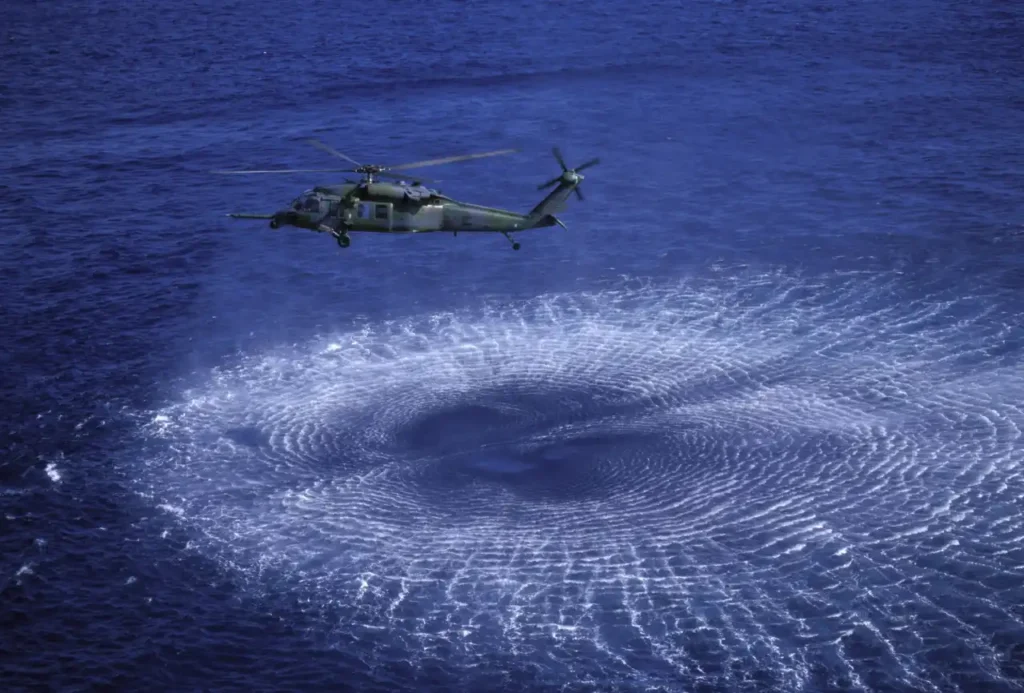
A tragic medical helicopter crash in southwestern Japan has left three people dead and three others injured after the aircraft plunged into the sea during a patient transport mission. The crash, which occurred Sunday during a flight from Nagasaki Prefecture to a hospital in Fukuoka, prompted a large-scale response from the Japan Coast Guard and Self-Defense Forces.

Authorities confirmed that six people were on board the helicopter at the time of the crash, which occurred during an emergency medical airlift. The victims include a doctor, a patient, and the patient’s caretaker. The pilot, nurse, and helicopter mechanic were rescued but remain hospitalized.

The Japan Coast Guard deployed two aircraft and three ships in a rapid rescue operation following the crash. Officials say the pilot, Hiroshi Hamada, 66, helicopter mechanic Katsuto Yoshitake, and nurse Sakura Kunitake, 28, were found alive in the sea, clinging to inflatable lifesavers.

Though conscious when rescued, the survivors suffered hypothermia due to prolonged exposure to the cold waters. They were transported to a local hospital for urgent treatment.

Tragically, three others on board did not survive. The victims were identified as Dr. Kei Arakawa, 34, Mitsuki Motoishi, 86, the patient, and Kazuyoshi Motoishi, 68, the patient’s caretaker. Their bodies were recovered from the sea by a Japan Air Self-Defense Force helicopter shortly after the incident.

The helicopter had been en route to Fukuoka with the patient for urgent medical care when it suddenly crashed into the sea under unclear circumstances. Authorities have not yet identified the cause of the crash, and an investigation is ongoing.

This devastating crash is the latest in a string of aviation tragedies in 2025. In February, a fatal helicopter crash in Italy claimed the lives of three people, including Lorenzo Rovagnati, 42, CEO of the Rovagnati cured meats empire. That aircraft went down on the family’s estate in Castelguelfo di Noceto during a private flight.

Just weeks before, in January, a catastrophic mid-air collision occurred in Washington, D.C., between a U.S. military Black Hawk helicopter and an American Airlines passenger jet. All 64 people on the plane, including professional athletes, and three soldiers aboard the helicopter, perished in what became the deadliest aviation accident in the U.S. in 24 years.

Air traffic recordings later revealed that controllers had warned the helicopter crew of the nearby passenger jet just seconds before the impact. Video footage captured a fireball in the night sky above the Potomac River, with flaming debris raining down near the Kennedy Center.

As Japan begins to mourn the loss of three lives in the helicopter crash, officials are turning their attention to determining what went wrong during the flight. The identities of the survivors and victims have sparked an outpouring of support on Japanese social media, with many calling for a full review of medical airlift safety protocols.

With aviation accidents increasing worldwide in 2025, authorities across multiple countries are reassessing flight safety standards for both commercial and medical aircraft.