Home Blog Page 603

 Fatal Plane Crash at Las Cruces Air and Space Expo Claims Pilot’s Life

A devastating incident occurred at the Las Cruces Air and Space Expo in New Mexico on Sunday, October 20, when a plane performing in the air show crashed, resulting in one fatality. The accident, which took place around 2:30 p.m., led to the immediate cancellation of the remainder of the event.

New Mexico State Police, who are investigating the crash, confirmed that one person lost their life in the incident. Local newspapers reported that it was the plane’s pilot who perished in the accident.

Andy Hume, director of the Las Cruces International Airport, issued a brief statement on the City of Las Cruces Facebook page, referring to the incident as a “single aircraft incident.” He mentioned that the family of the air show performer involved had been contacted but did not confirm any injuries or fatalities at that time.

The National Transportation Safety Board (NTSB) has launched an investigation into the crash. According to their preliminary information, the aircraft involved was an Extra Flugzeugbau GMBH EA 300/L, a two-seater plane. The crash occurred approximately half a mile west of the Las Cruces airport while the plane was performing at the air show.

An NTSB investigator is expected to arrive in Las Cruces on Monday to begin documenting the scene and examining the aircraft. The plane will be recovered and taken to a secure facility for further investigation. The NTSB has requested that witnesses to the crash or those with relevant surveillance footage contact them at wi*****@**sb.gov.

The agency emphasized that it does not have a role in releasing the identities of crash victims or the extent of injuries, stating that such information is handled by local authorities. A preliminary report on the accident is expected to be available within 30 days.

This tragic event highlights the inherent risks associated with air shows and the importance of thorough safety measures and investigations following such incidents. As the community of Las Cruces and the aviation world mourn the loss of a skilled pilot, the focus now turns to understanding the cause of the crash to prevent similar accidents in the future.

The incident serves as a somber reminder of the dangers faced by air show performers and the need for continued vigilance in aviation safety practices at public events.

Ukraine Launches Massive Drone Strike on Russian Explosives Plant and Military-Industrial Targets

Ukraine has launched a significant overnight drone offensive against key Russian military-industrial targets, with the Sverdlov Plant in Dzerzhinsk, Nizhny Novgorod region, being a primary focus. The attack, involving hundreds of kamikaze drones, represents a bold move by Ukraine to disrupt Russia’s war-supporting infrastructure.

The Sverdlov Plant, one of Russia’s largest producers of industrial explosives and a manufacturer of various military components, including aviation and artillery shells, aerial bombs, and missile parts, was hit in the strike. Footage and eyewitness accounts reported a succession of loud explosions and clouds of white smoke rising from the facility. The plant has been sanctioned by major Western countries and Ukraine for its role in supplying Vladimir Putin’s war efforts.

Russian air defenses were active around the plant, with locals reporting ten or more explosions. The attack resulted in four firefighters being wounded, highlighting the intensity and effectiveness of the strike.

Beyond the Sverdlov Plant, the Ukrainian drones also targeted other key locations within Russia’s military-industrial complex. Significant explosions were recorded in both Oryol and Lipetsk cities, though specific targets in these regions were not immediately identified.

The Russian Defense Ministry claimed to have shot down 110 Ukrainian drones overnight, including 18 in the Oryol region and 27 in the Lipetsk region. Additionally, at least one drone targeting the Moscow region was reportedly downed. The scale of the defensive response indicates the unprecedented nature of this Ukrainian drone offensive.

This large-scale attack follows a recent strike on the Kremniy El microelectronics plant in the Bryansk region, which reportedly manufactures microchips for Russia’s Iskander ballistic missiles. The damage to these facilities could potentially impact Russia’s ability to produce and maintain its military hardware.

The drone strikes demonstrate Ukraine’s growing capabilities in long-range attacks and its strategy to target Russia’s military-industrial infrastructure. This approach aims to disrupt the supply chain supporting Russian forces in the ongoing conflict.

As the conflict escalates, with both sides intensifying their efforts, the international community watches closely. The effectiveness of these Ukrainian strikes and Russia’s ability to defend against and recover from them will likely influence the future trajectory of the war.

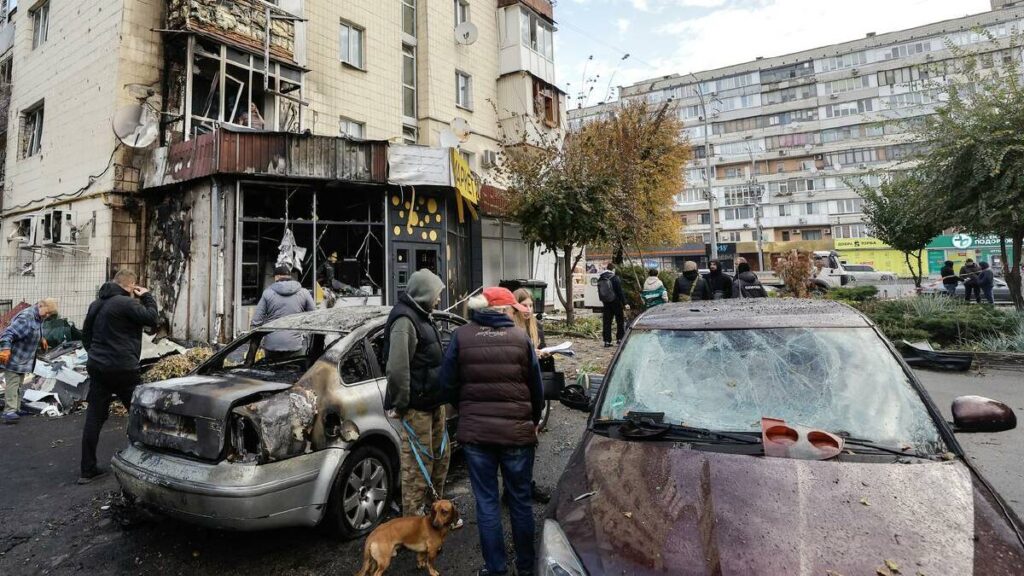
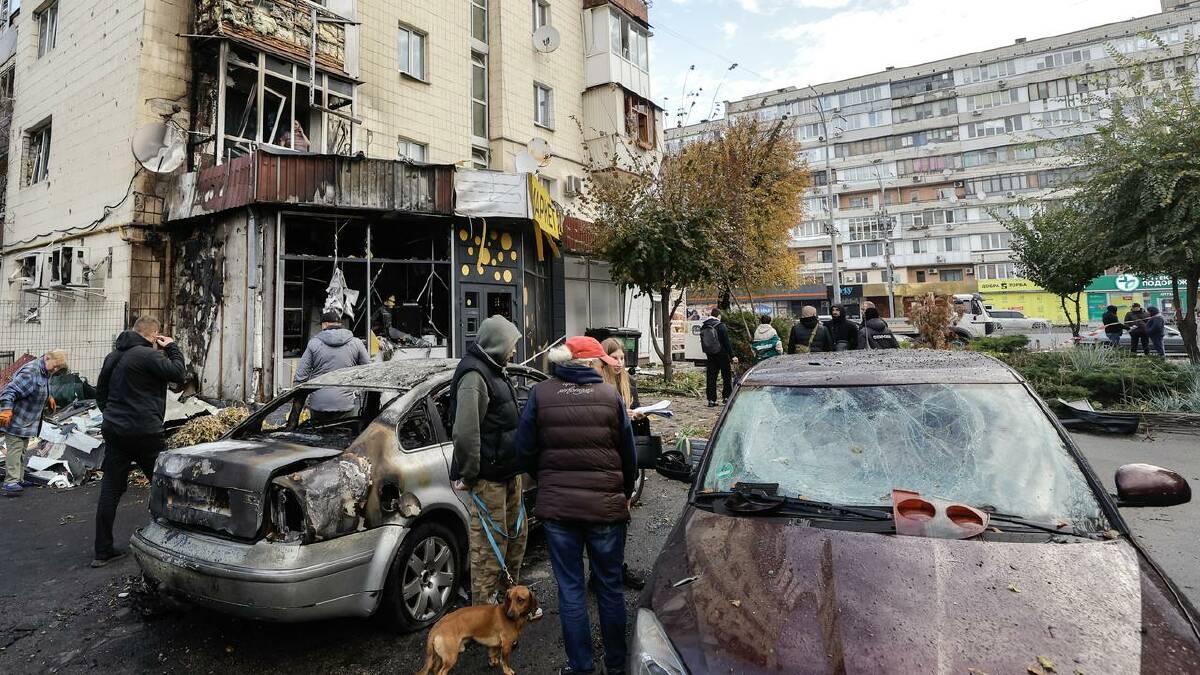
Meanwhile, the conflict continues to affect civilians, with reports of 17 people injured in a Russian attack on Kryvyi Rih, underscoring the ongoing human cost of the war.

Source: the-sun.com

Yulia Navalnaya Declares Intent to Run for Russian Presidency, Continuing Her Husband’s Legacy

Yulia Navalnaya, the widow of prominent Russian opposition leader Alexei Navalny, has unequivocally stated her intention to run for the Russian presidency once Vladimir Putin’s era comes to an end. In an exclusive interview with the BBC, Navalnaya expressed her determination to continue her husband’s fight for democracy and reform in Russia, despite the significant personal risks involved.

Navalnaya, who cannot currently return to Russia due to threats of arrest on extremism charges, looks forward to a future where free and fair elections can be held in her homeland. She emphasized her commitment to participating in such elections as a candidate, declaring, “My political opponent is Vladimir Putin. And I will do everything to make his regime fall as soon as possible.”

The interview, conducted in a London legal library, coincides with the launch of “Patriot,” a memoir Alexei Navalny was writing before his death in a penal colony in February 2024. The book provides a harrowing account of Navalny’s experiences in the Russian prison system, including 295 days in solitary confinement and severe deprivations.

Navalnaya shared insights into her family’s struggle against the Putin regime, reflecting on the impact their political activism has had on their children, Dasha (23) and Zakhar (16). Despite the hardships, she expressed no regrets about supporting her husband’s unwavering commitment to political change in Russia.

The memoir “Patriot” serves not only as a personal account but also as a political manifesto, calling for a free Russia. Navalnaya revealed that the Anti-Corruption Foundation, which she now leads, has evidence regarding her husband’s death, which she believes was ordered by Putin. She plans to disclose this information when they have “the whole picture.”

Navalnaya criticized the international community’s response to Navalny’s death as insufficient, urging stronger action against the Putin regime. She expressed a desire to see Putin face justice in Russia under the same harsh conditions her husband endured.

As she steps into the role of figurehead for the Russian opposition movement, Navalnaya embodies the continuation of Navalny’s legacy. Her resolve to pursue the presidency and challenge Putin’s regime represents a new chapter in Russia’s political opposition, one fraught with danger but driven by an unyielding commitment to democratic change.

The publication of “Patriot” and Navalnaya’s political aspirations come at a critical juncture for Russia’s future, as questions about Putin’s longevity in power and the potential for democratic reform loom large on the horizon.

Senior Tanzanian Opposition Official Abducted and Seriously Injured, Raising Concerns Over Political Repression

A senior official from Tanzania’s leading opposition party, CHADEMA, has been abducted, beaten, and seriously injured before being dumped in a forest, according to party statements released on Sunday. This incident, involving Aisha Machano, the women’s wing publicity secretary, occurs just a month after the similar abduction and murder of another party leader, raising alarm over potential political repression in the country.

CHADEMA reported that Machano was kidnapped in Kibiti town in eastern Tanzania while on official duties. She was later discovered by motorcycle riders in a severely injured state and rushed to a hospital for emergency treatment. The party stated that Machano’s abductors demanded information about who had instructed the burning of clothes provided by President Samia Suluhu Hassan during 2023 World Women’s Day commemorations in the Kilimanjaro region.

This incident casts a shadow over the reformist image of President Samia Suluhu Hassan, who has been credited with easing political repression since succeeding John Magufuli in 2021. Rights campaigners allege that Hassan’s government is targeting opponents in the run-up to local elections in December and the national vote in 2025, accusations the government denies.

Police spokesperson David Misime confirmed that investigations have been launched following Machano’s discovery in a forest in Kibiti. He urged the public to remain calm as the investigation proceeds, promising legal action based on the evidence gathered.

This abduction follows the recent case of Ali Kibao, another senior CHADEMA official, who was kidnapped and later found dead on the outskirts of Dar es Salaam last month, showing signs of severe beating and acid burns. In response to Kibao’s death and other reported abductions, CHADEMA organized demonstrations in September, which were thwarted by police.

President Hassan ordered an investigation into Kibao’s death and related cases last month, but the recent attack on Machano raises questions about the effectiveness of these measures and the overall state of political freedom in Tanzania.

Russian Forces Engage in Street Battles in Eastern Ukrainian Town of Selydove

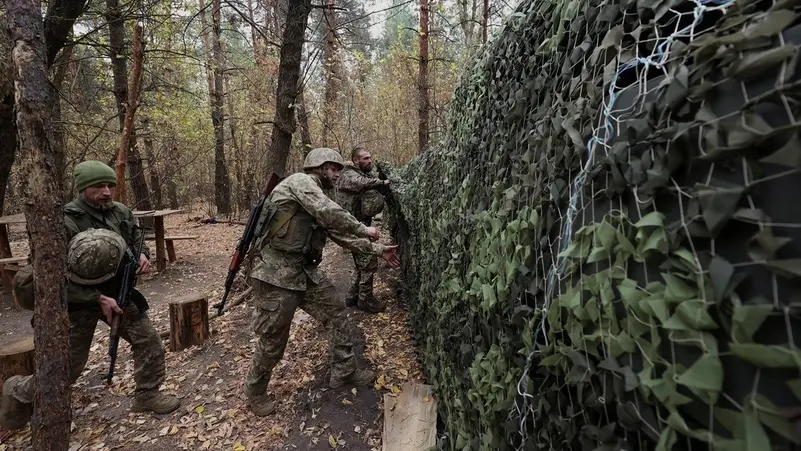
Russian forces are reportedly engaged in intense street-to-street battles with Ukrainian troops on the outskirts of Selydove, a town in eastern Ukraine’s Donetsk region. This development, reported by pro-Russian military bloggers, marks a significant escalation in Moscow’s efforts to gain full control over the strategically important Donbas region.

According to open-source data, Russian forces have made their most rapid advance since March 2022 in the past month, despite Ukraine’s recent incursion into Russia’s Kursk region. The focus of this Russian push has been the eastern Donbas region, which President Vladimir Putin has explicitly stated he aims to fully control.

Yuri Podolyaka, a prominent Ukrainian-born, pro-Russian military blogger, reported, “Street by street fighting is going on in the town,” adding that “The assault on Selydove has intensified.” Other pro-Russian sources have shared video footage purportedly showing intensive shelling of Selydove, though Reuters has not been able to independently verify these claims. The Russian defense ministry has not commented on the situation.

Contrasting reports have emerged from Ukrainian sources. The General Staff of Ukraine’s military stated in a late evening report on Sunday that Ukrainian forces had repelled 41 Russian attacks around several towns and villages, including Selydove, with four battles still ongoing in the area. The popular Ukrainian war blog DeepState continues to show Selydove under Ukrainian control.

The town of Selydove, with a pre-war population exceeding 20,000, is part of a broader Russian strategy that has seen them surround towns in the Donetsk region before gradually constricting them until Ukrainian units are forced to withdraw.

Currently, Russia controls approximately 80% of the Donbas region, an area about half the size of Ohio. Russian forces are pushing westward along about 100 km of the 1,200-km front, focusing on tactically important towns like Pokrovsk and Kurakhove.

This phase of the conflict, now in its third year, is being described by Russian officials as the most dangerous yet. The situation is further complicated by geopolitical factors, including Ukraine’s aspirations for NATO membership – a move Russia has declared unacceptable. The United States and key NATO powers have not publicly endorsed Ukrainian President Volodymyr Zelenskyy’s call for an immediate NATO membership invitation.

The conflict’s roots trace back to the 2014 Maidan Revolution in Ukraine, which saw the ousting of a pro-Russian president. This event was followed by Russia’s annexation of Crimea and the outbreak of pro-Russian protests in parts of the Donbas, where Moscow began supporting separatist forces.

As the situation in Selydove and the broader Donbas region continues to evolve, it remains a critical focal point in the ongoing Russian-Ukrainian conflict, with significant implications for regional stability and international relations.

Devastating Floods Destroy 1.1 Million Tons of Rice in Bangladesh, Prompting Import Surge

Bangladesh is grappling with a significant agricultural crisis as recent floods have destroyed an estimated 1.1 million metric tons of rice, according to data released by the country’s agriculture ministry. This substantial loss has forced the nation to rapidly increase its imports of the staple grain amid soaring food prices, underscoring the severe impact of climate-related disasters on food security in the region.

The devastating floods, caused by heavy monsoon rains and torrential upstream runoff, struck Bangladesh in two major waves during August and October. These natural disasters claimed at least 75 lives and affected millions of people, with the eastern and northern regions experiencing the most severe crop damage.

In response to the crisis, the Bangladeshi government is swiftly moving to import 500,000 tons of rice and is expected to soon permit private sector imports, as stated by a food ministry official. This surge in imports could potentially boost shipments from neighboring India, the world’s top rice exporter, which recently reduced its duty on parboiled rice exports to 10%.

The interim government, which came to power in August following protests that forced former Prime Minister Sheikh Hasina to seek refuge in India, faces the challenging task of stabilizing food prices that have surged nearly 20% in recent months. The floods have not only impacted rice production but also destroyed over 200,000 tons of vegetables, contributing to total agricultural losses estimated at around 45 billion taka ($380 million).

Bangladesh, typically the world’s third-largest rice producer, usually yields nearly 40 million tons of rice annually to feed its population of 170 million. However, the country’s susceptibility to natural disasters often disrupts production, leading to increased reliance on imports.

The recent floods have highlighted Bangladesh’s vulnerability to climate change. A 2015 World Bank Institute analysis estimated that 3.5 million people in Bangladesh are at risk of annual river flooding, a threat that scientists warn is worsening due to global climate change.

Khandakar Mohammad Iftekharuddaula, chief scientific officer at the Bangladesh Rice Research Institute, emphasized the need for developing more resilient crop varieties: “To ensure food security in the face of increasing climate challenges, it is essential to develop more flood- and drought-tolerant crop varieties, along with short-duration varieties.” He stressed the importance of investing in agricultural research to help farmers adapt to changing weather patterns and stabilize yields in difficult conditions.

Israel Warns of Strikes on Hezbollah Finance Arm as Explosions Rock Beirut

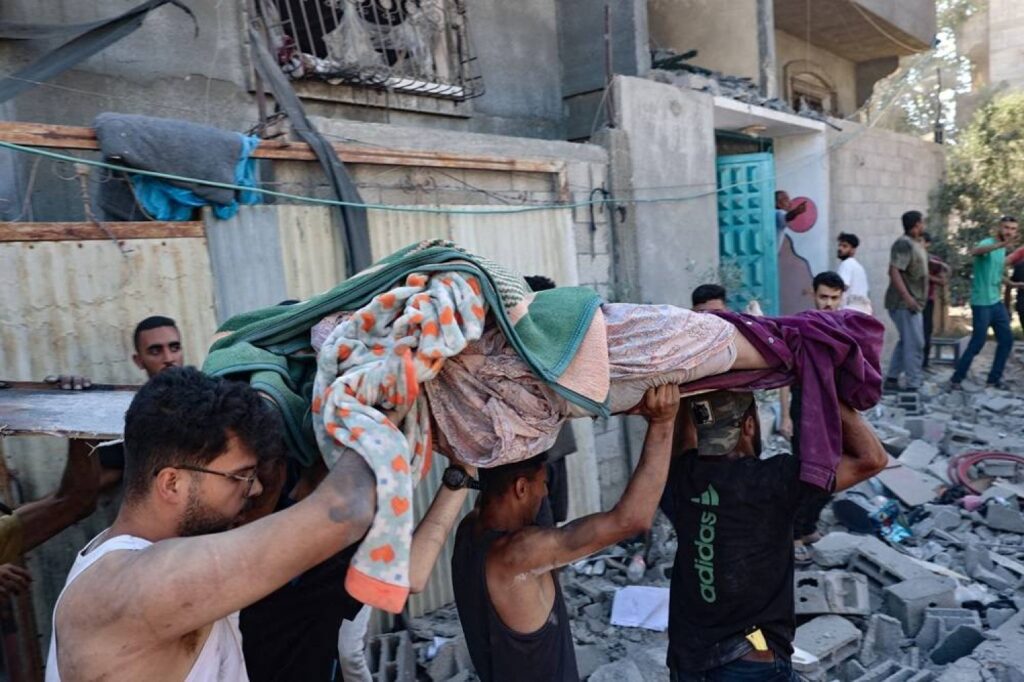
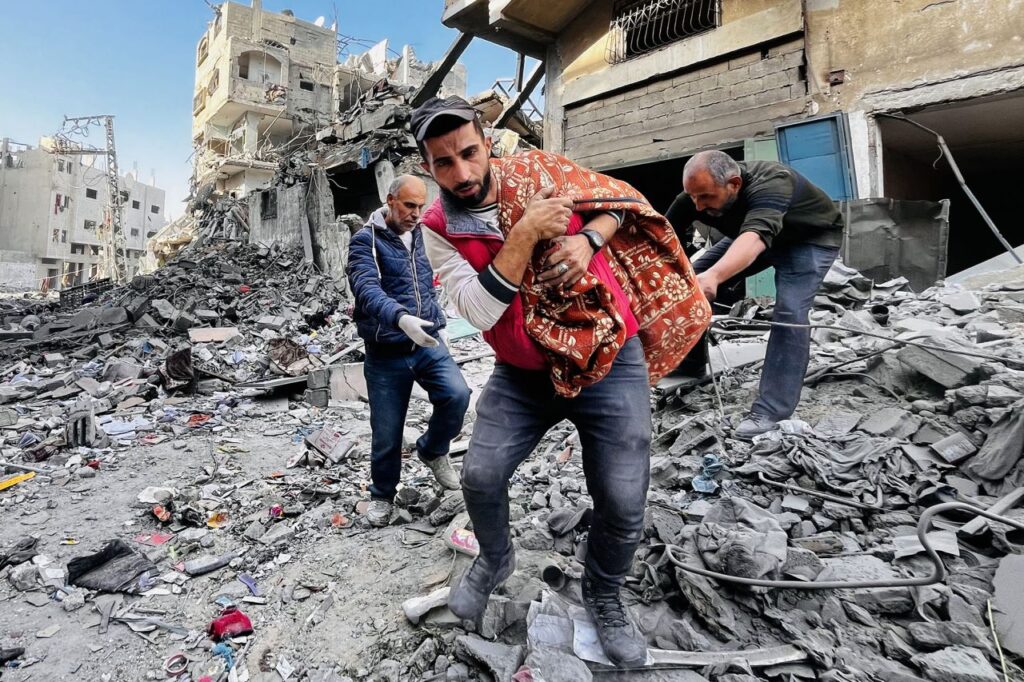
Hundreds of Beirut residents fled their homes late Sunday as multiple explosions echoed across the Lebanese capital, following Israel’s warning of impending attacks on sites linked to Hezbollah’s financial operations. The incident marks a significant escalation in the ongoing conflict between Israel and the Iran-backed militant group.

Reuters witnesses reported at least 10 blasts, with dense plumes of black smoke visible across the city. Eyewitnesses, speaking on condition of anonymity, described a building in the Chiyah neighborhood of southern Beirut reduced to rubble. The area had been largely evacuated prior to the explosion, resulting in no immediate reports of casualties.

Earlier, the Israeli military had issued a statement on social media platform X, warning of imminent attacks on infrastructure belonging to the Hezbollah-affiliated Al-Qard Al-Hassan Association, urging people to evacuate immediately. This financial organization, which the U.S. claims is used by Hezbollah to manage its finances, operates over 30 branches across Lebanon, including 15 in densely populated areas of central Beirut and its suburbs.

The attacks come as part of Israel’s intensified military campaigns in both Gaza and Lebanon, following the recent killing of Hamas leader Yahya Sinwar. Israeli officials, diplomats, and regional sources suggest that with U.S. elections approaching, Israel is seeking to secure its borders and prevent its rivals from regrouping through these military operations.

In addition to the Beirut strikes, Israel reported hitting Hezbollah’s intelligence headquarters and an underground weapons workshop in the city earlier on Sunday. The Israeli military also claimed to have killed three Hezbollah commanders in separate strikes.

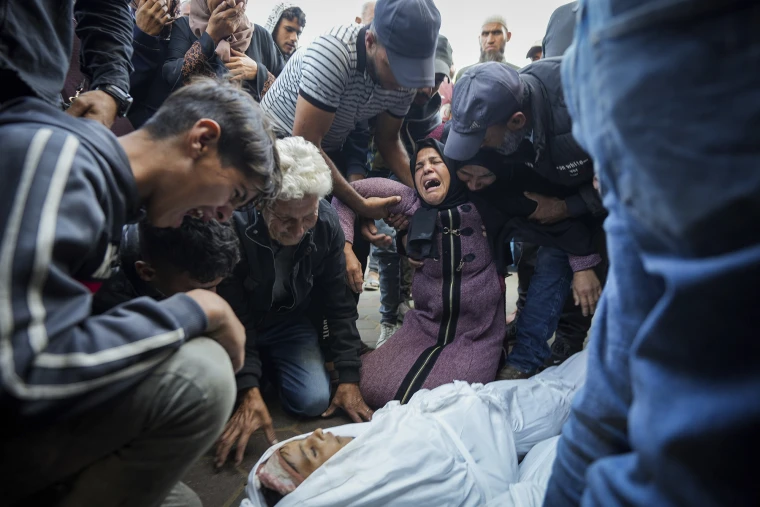
The conflict has taken a heavy toll on both sides. In Gaza, Palestinian officials report over 42,500 deaths and widespread displacement of the territory’s 2.3 million residents due to Israel’s military response. In Lebanon, officials estimate more than 2,400 people have been killed and over 1.2 million displaced in the past year of fighting.

As tensions continue to escalate, the international community watches closely, with concerns growing about the potential for further regional destabilization. The targeting of financial infrastructure marks a new phase in the conflict, potentially impacting Hezbollah’s ability to fund its operations both during and after the current hostilities.

This latest development underscores the complex and volatile nature of the Middle East conflict, with implications extending far beyond the immediate region. As both sides vow to continue fighting, the prospects for a peaceful resolution seem increasingly distant, raising fears of a protracted and potentially expanding conflict.

One Dead, Multiple Injured in Shooting at Albany State University After Homecoming Game

A shooting at Albany State University in southwest Georgia has left one person dead and multiple others injured, marring the celebrations following the university’s homecoming football game. The incident occurred on Saturday night, hours after the Golden Rams secured victory in their homecoming game.

University officials confirmed on Sunday that six individuals sustained injuries, with one fatality reported. The shooting took place around 8:50 p.m., coinciding with a “Back to the Yard Celebration Concert” on the lower East Campus, part of the school’s homecoming week festivities.

Albany State University, a historically Black university located about 200 miles south of Atlanta, has approximately 6,500 students. The names of the victims have not been released, and it remains unclear whether students were involved in the incident.

This tragic event follows a disturbing trend of violence at college homecoming events. On the same day, a shooting at a homecoming event in Lexington, Mississippi, resulted in three deaths and eight injuries. It also comes less than two weeks after a shooting near Tennessee State University in Nashville left one man dead and nine others injured following their homecoming celebration.

The Albany State University shooting adds to the alarming statistics of gun violence in the United States. According to the Gun Violence Archive, this incident is among at least 422 mass shootings reported so far this year in the country. The organization, like CNN, defines a mass shooting as one that injures or kills four or more people, not including the shooter. Local law enforcement and the Georgia Bureau of Investigation are expected to provide more details as the investigation progresses. The university community and families of those affected now face the difficult task of processing this tragedy in what should have been a time of celebration and reunion

Cyprus Successfully Thwarts Digital Attack on Government’s Main Online Portal

Cyprus has successfully defended against a digital attack aimed at blocking access to the government’s central online portal, according to an announcement made by the country’s authorities on Sunday. This incident is the latest in a series of similar attacks targeting state-run utilities and private companies in Cyprus over a three-day period.

The Cyprus Deputy Ministry of Research, Innovation and Digital Policy reported that a “quick and coordinated response” by authorities effectively foiled the distributed denial-of-service (DDoS) attack. The ministry emphasized that the attack’s sole purpose was to prevent access to specific government websites.

Officials stated that the attack only affected the main government portal, gov.cy, “for a few minutes,” and no other online government ministry or service website was impacted. The deputy ministry did not disclose information about the perpetrators or potential motives behind the attack.

This latest cyber incident follows a string of attacks on Friday and Saturday that targeted Cyprus’ electricity and telecommunications authorities, the operator of the country’s two airports (Hermes), and fuel company EKO Cyprus Ltd. Officials informed the Cyprus News Agency that all these previous attacks had also been unsuccessful, with no client information leaked or compromised.

The successful defense against these cyberattacks demonstrates Cyprus’ growing capability in protecting its digital infrastructure. However, the frequency and targeting of these attacks highlight the ongoing cybersecurity challenges faced by governments and critical infrastructure operators worldwide.

2,000 Migrants Depart Southern Mexico for U.S. Border Ahead of Presidential Election

A caravan of about 2,000 migrants has embarked on a journey from Mexico’s southern border towards the United States, just weeks before the U.S. presidential election where immigration remains a pivotal issue. This exodus, the third and largest since the inauguration of Mexico’s new President Claudia Sheinbaum, highlights the ongoing challenges in managing migration flows in the region.

Many migrants, including Venezuelan Joel Zambrano, expressed concerns about potential changes to U.S. asylum policies following the election. Zambrano fears a new administration might end the CBP One system, which currently allows migrants to schedule asylum appointments online.

The departure of this group is attributed to two main factors: a lack of job opportunities in southern Mexico due to an influx of new migrants, and delays in U.S. asylum appointment processing. Roberto Domínguez, a 48-year-old Honduran migrant, cited the difficult situation in his home country and the limitations of documentation in Tapachula as reasons for joining the caravan.

Activist Luis García Villagrán estimates that approximately 40,000 migrants are currently stranded in southern Mexico. This situation underscores the complex challenges facing both Mexican and U.S. authorities in managing migration flows and addressing the needs of those seeking asylum.

The timing of this caravan, so close to the U.S. presidential election, adds a layer of political significance to the ongoing migration issue. It remains to be seen how this development might influence the political discourse surrounding immigration in both countries.

President Sheinbaum has thus far maintained the immigration policies established by her predecessor, Andrés Manuel López Obrador. However, the increasing frequency and size of migrant caravans may put pressure on her administration to reassess these policies.

As the caravan progresses northward, it will likely draw attention from both sides of the border, potentially impacting discussions on immigration policy and bilateral relations between Mexico and the United States in the lead-up to the U.S. election.