Home Blog Page 623

Senegal Repatriates Citizens from Lebanon Amid Escalating Conflict

0

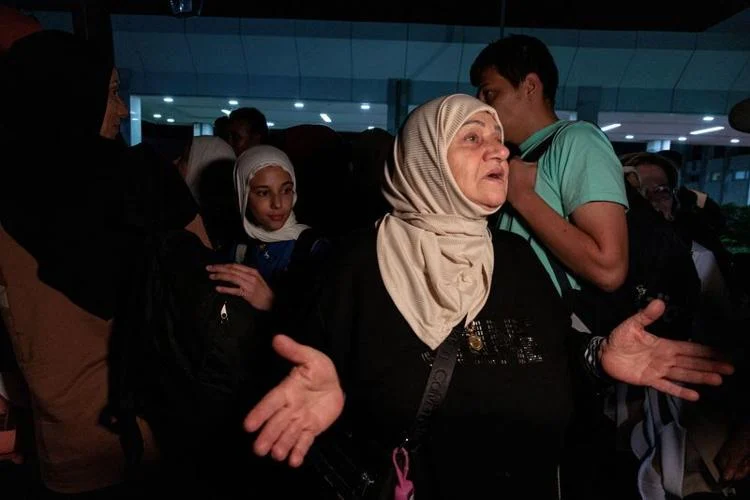
Senegal has successfully repatriated 117 of its citizens from Lebanon, as Israeli forces intensify their offensive against Hezbollah in southern Lebanon and Beirut’s southern suburbs. The government-organized flight arrived in Dakar on Saturday, bringing emotional reunions and tragic stories that underscore the human toll of the expanding Middle East conflict.
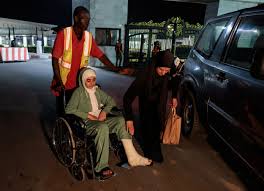
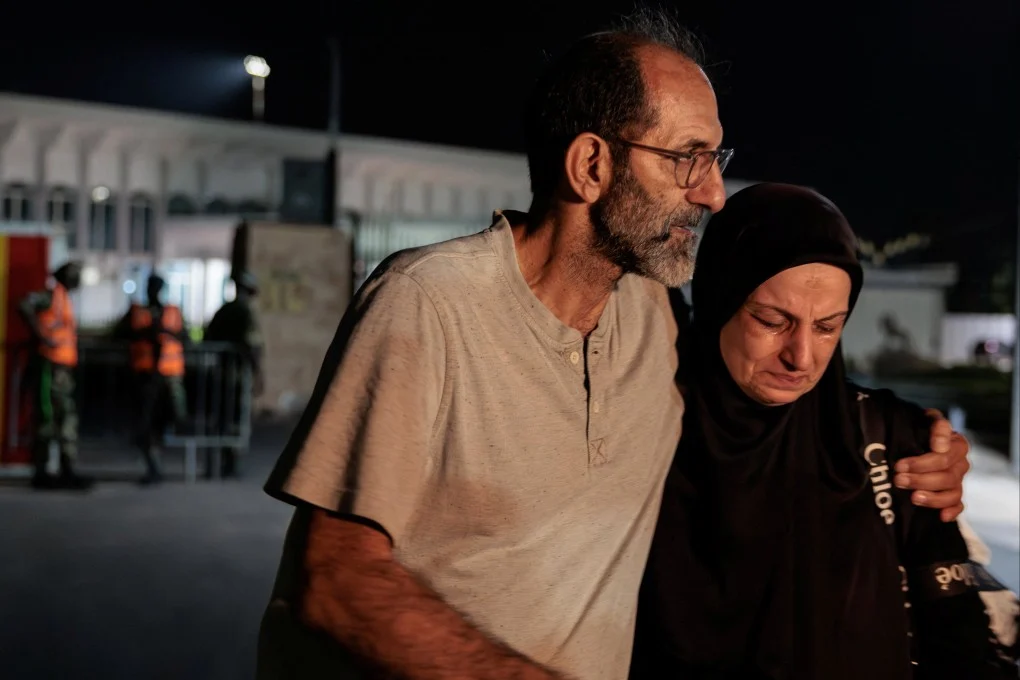
Among the returnees was 11-year-old Mariam Hachem, who suffered a broken foot in the violence. Her father, Hussein Hachem, greeted her at Leopold Sedar Senghor International Airport, sharing the heartbreaking news that his 14-year-old son had been killed when their home was bombed. “I lost everything. I lost my son. I lost my house. All my dreams,” Hachem said, describing how he had spoken to his son just ten minutes before the attack.

Senegal’s Foreign Minister, Yassine Fall, condemned the Israeli bombardment of Lebanon in an interview with Reuters. “The Senegalese government, of course, is condemning the Israeli army’s bombardment in Lebanon, the bombardment of civilians… the destruction of infrastructure,” Fall stated. She noted that about 1,000 Senegalese nationals were in Lebanon before the evacuation efforts began.
Fall also highlighted Senegal’s historical ties to both Lebanon and Palestine, emphasizing the country’s role as chair of the United Nations Committee for the Exercise of the Inalienable Rights of the Palestinian People since 1975. She expressed strong criticism of the situation in Gaza, describing it as a “genocide” and calling for international action.
Israel has vehemently rejected accusations of genocide, including in a case brought by South Africa at the World Court. The country maintains it is acting in self-defense following the October 7, 2023 attack by Hamas, which resulted in 1,200 Israeli deaths and approximately 250 hostages taken.

The repatriation efforts come as the conflict in the Middle East continues to escalate, with the war spreading from Gaza to Lebanon. Earlier on Saturday, demonstrators in Dakar marched to protest Israel’s actions in Gaza and Lebanon, calling for a ceasefire in the widening conflict.
Moldova Battles Russian Cash Influence Ahead of Crucial Elections

0

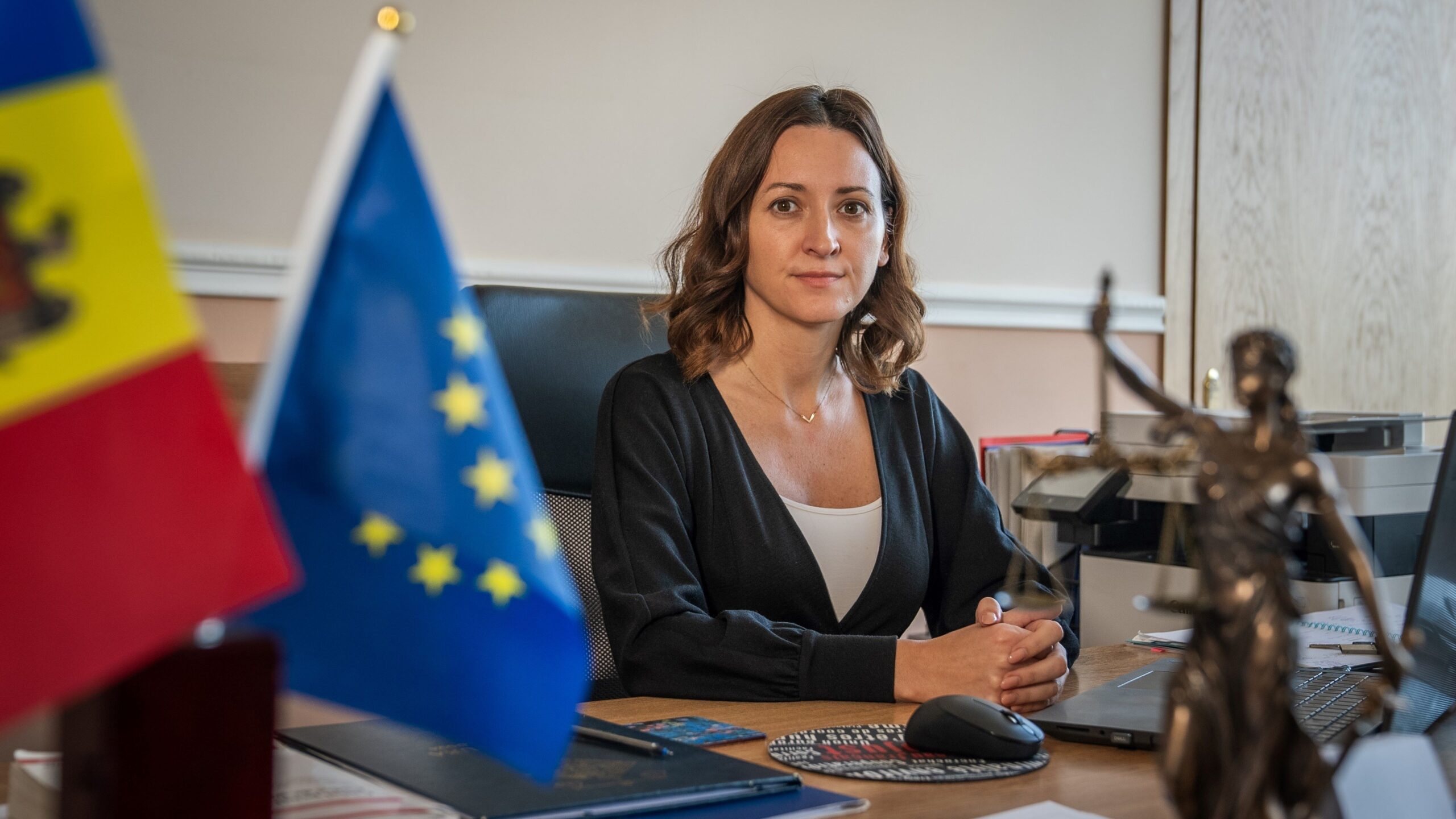
Moldova is ramping up efforts to combat alleged Russian interference in its upcoming presidential election and EU referendum, as authorities uncover extensive cash-for-votes schemes. With both votes scheduled for Sunday, the country finds itself at the center of a geopolitical tug-of-war between East and West.

At Chisinau Airport, sniffer dogs like Ami, a black retriever, have been working overtime to detect large sums of cash entering the country. Customs chief Ruslan Alexandrov reports a surge in passengers arriving with suspiciously large amounts of money, particularly on flights connecting through Moscow. In one day alone, authorities seized $1.5 million in cash.

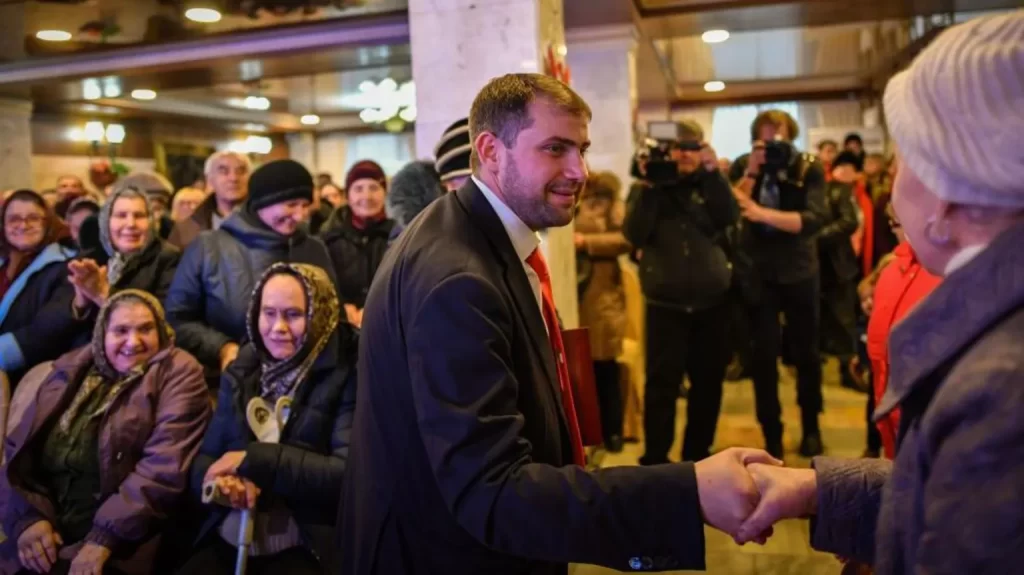
Prosecutors believe these cash mules are part of a major operation run by Ilan Shor, a fugitive Moldovan oligarch now residing in Russia. Veronica Dragalin, Moldova’s chief anti-corruption prosecutor, describes it as a “brazen and open attempt to corrupt an election,” with evidence gathered through wiretaps, police infiltrators, and witnesses.

The scheme allegedly shifted to using PSB, a sanctioned Russian bank, after airport routes became more difficult. Police chief Viorel Cernauteanu reports that by early October, as many as 130,000 voters – about 10% of the active electorate – had received payments through this scheme, with $15 million transferred in September alone.

President Maia Sandu, running for re-election on a pro-EU platform, faces 10 challengers, many sympathetic to Moscow. The referendum aims to enshrine Moldova’s goal of EU accession in the constitution, although membership talks have already begun.

In Gagauzia, a small autonomous region in southern Moldova, pro-Russian views remain strong. Deputy governor Ilya Uzun expresses admiration for Ilan Shor and Russian President Vladimir Putin, highlighting the complex political landscape.

As the election campaign reaches its climax, Sandu urges voters to support her and the EU, describing the campaign as “very difficult with a lot of lies and dirty money.” The outcome of both the presidential election and the referendum remains uncertain, with Moldova’s political direction hanging in the balance.

Delta Airlines Boeing 767 Makes Emergency Stop During Takeoff in Senegal

0

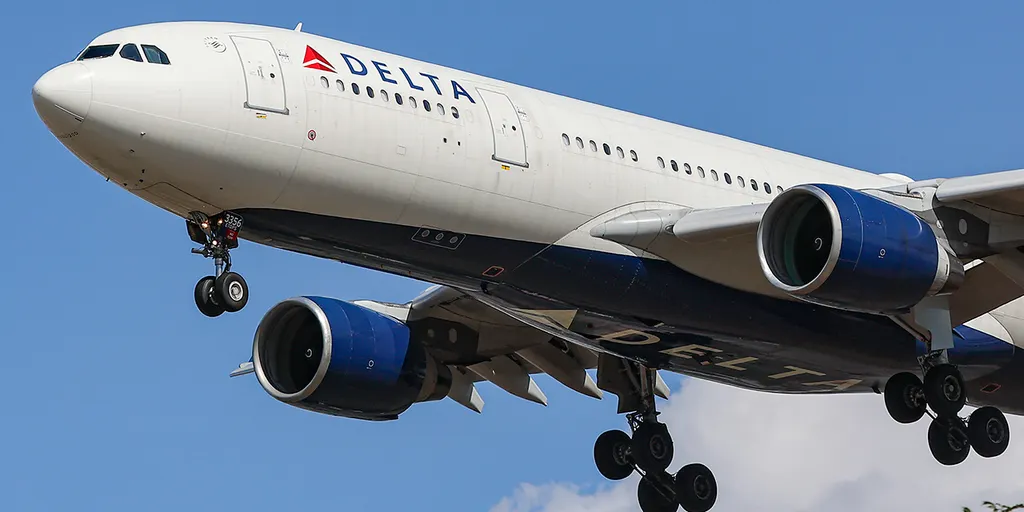
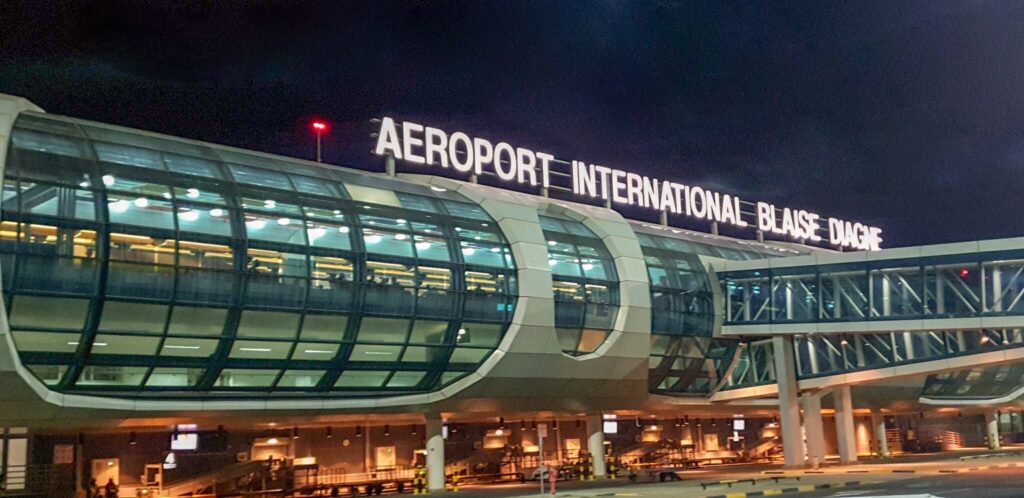
A Delta Airlines Boeing 767 aircraft, en route to New York City, was forced to make an emergency stop during takeoff at Blaise Diagne International Airport in Senegal on Saturday, according to Senegal’s transport ministry. The incident occurred due to a technical issue, prompting the pilot to execute an emergency maneuver.

The ministry’s statement reported that the plane “performed an acceleration maneuver followed by an emergency stop due to a technical incident” during the takeoff process. The aircraft was carrying 216 passengers at the time.

Notably, the pilot successfully brought the plane to a safe stop, and no injuries were recorded among the passengers or crew. The swift action of the flight crew prevented what could have potentially been a more serious situation.

This incident comes just a day after the U.S. Federal Aviation Administration announced it would initiate a new safety review into Boeing. The FAA’s decision follows an in-flight emergency involving a Boeing aircraft in January, adding to the scrutiny faced by the aerospace manufacturer.

In response to the incident, Senegal’s national civil aviation agency and its Bureau of Investigations and Analysis will conduct a thorough investigation. This probe aims to determine the exact cause of the technical issue and assess any potential safety implications.

Cuba Suffers Third Power Grid Collapse, Millions Left in Darkness

0

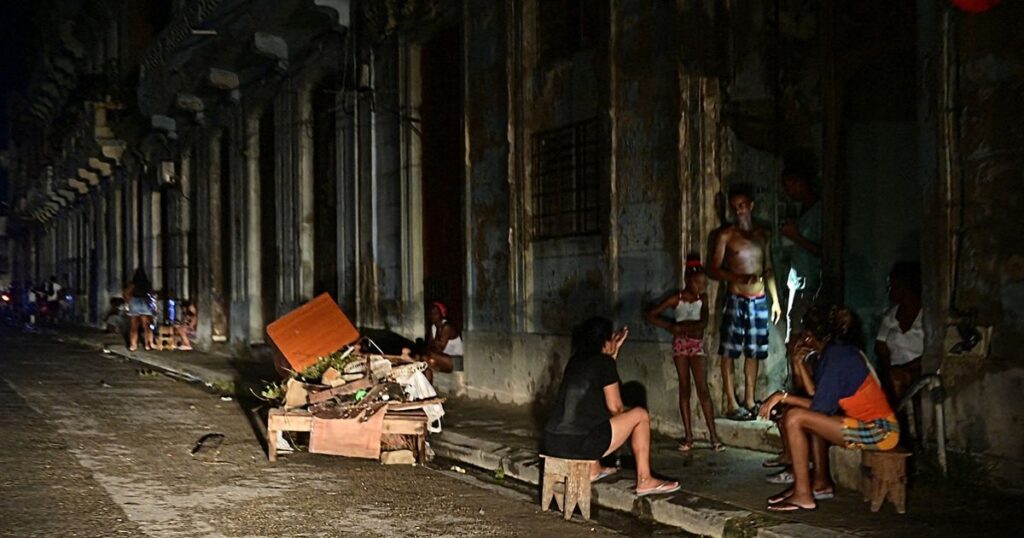
Cuba’s national electrical grid collapsed for the third time late Saturday, plunging millions of residents into darkness and complicating government efforts to restore power across the island. The latest setback occurred around 10:25 p.m., according to a now-deleted post by Havana Electric on Telegram.

The Cuban energy ministry confirmed the outage, stating that “another disconnection” had occurred in the “western sub-system,” which includes the capital Havana. Officials described the process of reestablishing the electrical system as “complex.”

This third collapse follows two previous failures since Friday, when the grid first crashed after the island’s largest power plant shut down. Authorities had reported some progress in restoring power earlier Saturday evening before the system failed again.

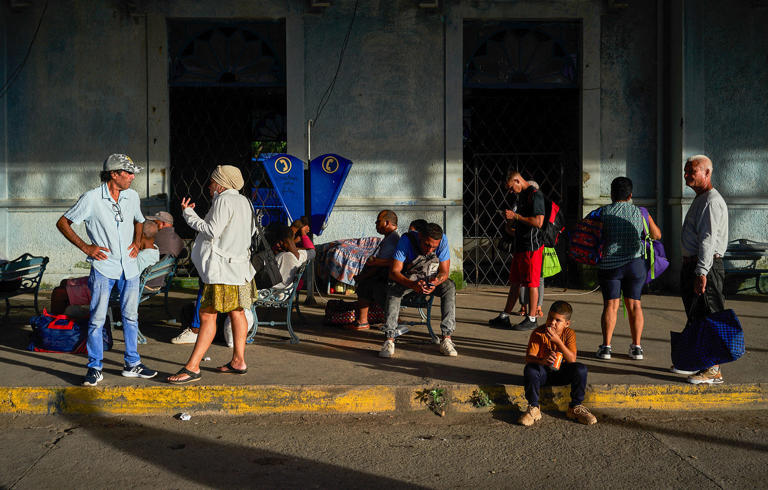
The repeated outages have led to small protests in parts of Havana, with Reuters reporters witnessing demonstrations in the Marianao and Cuatro Caminos areas. Social media posts suggested additional protests elsewhere in the capital, though these reports could not be independently verified.

Internet connectivity in Cuba has dropped sharply due to the power outages, according to internet monitoring group NetBlocks. The lack of electricity has made it difficult for residents to charge phones and access the internet.

Even before the grid failures, Cuba was experiencing severe electricity shortages, with blackouts lasting 10 to 20 hours a day across much of the island. The government has attributed these issues to deteriorating infrastructure, fuel shortages, and increased demand.

Cuban authorities also cite the U.S. trade embargo and sanctions imposed during the Trump administration as factors hindering their ability to acquire fuel and spare parts for power plants. The U.S. has denied any involvement in the current grid failures.

As Cuba struggles to restore power, the ongoing blackouts are exacerbating existing shortages of food, medicine, and fuel, putting additional strain on the population and raising questions about the government’s capacity to address the crisis.

REUTERS

Israel Intensifies Strikes on Gaza and Lebanon Following Hamas Leader’s Death, 87 Reported Dead

0

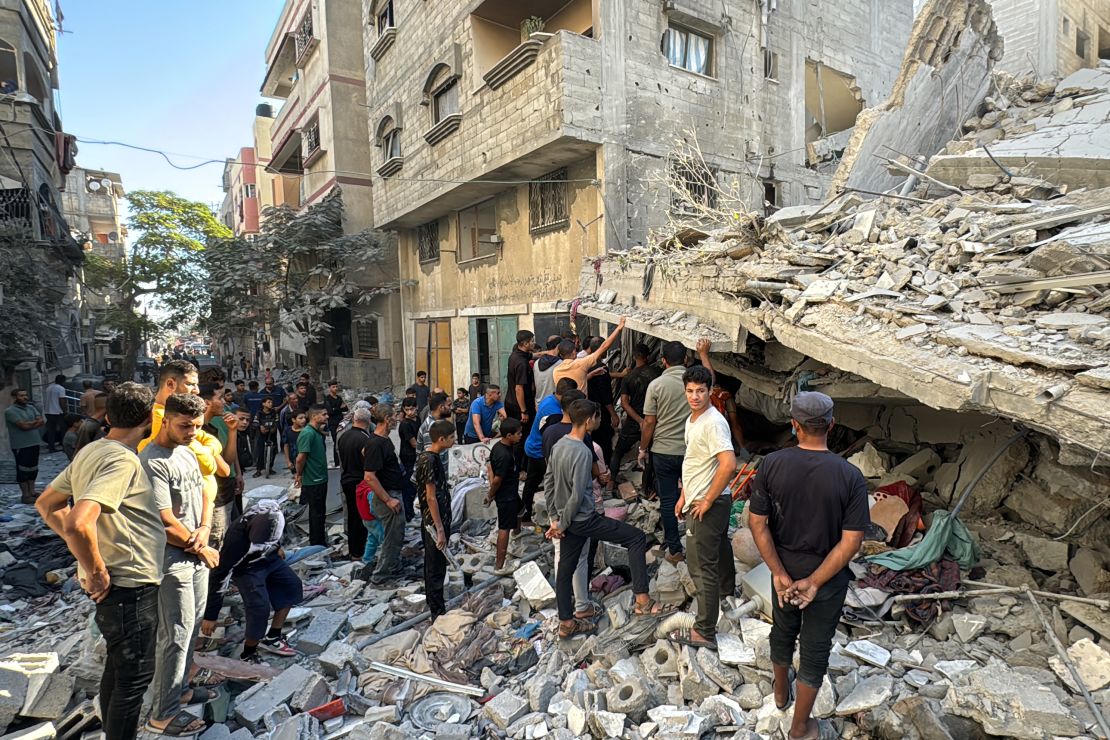
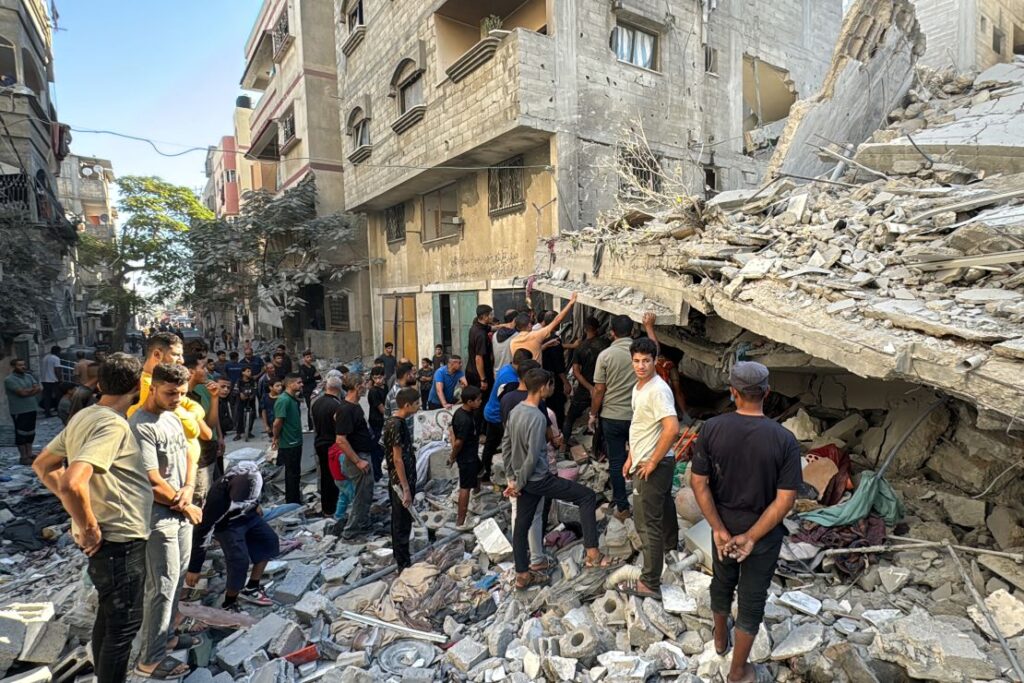
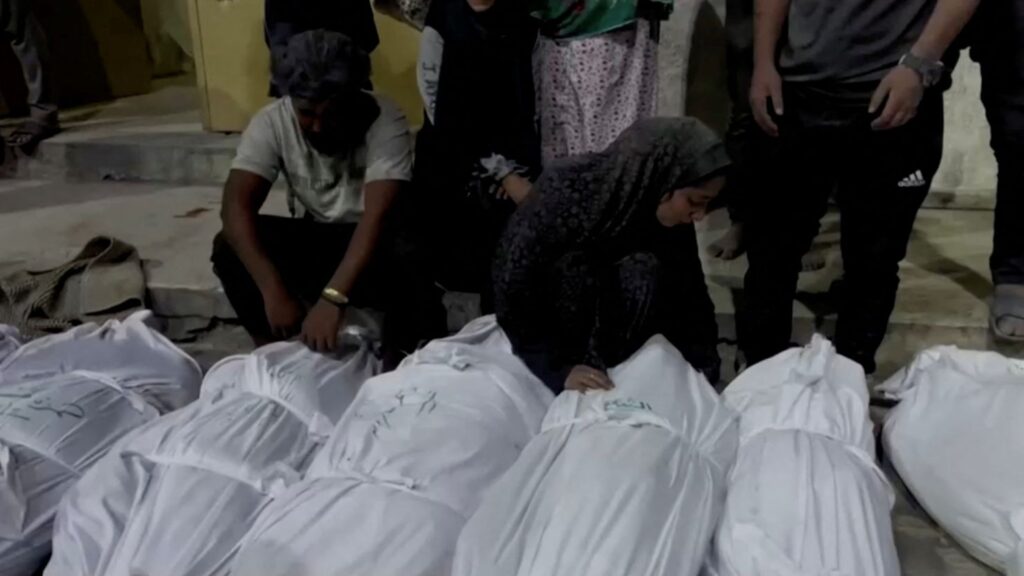
Israel has intensified its military operations in Gaza and Lebanon following the killing of Hamas leader Yahya Sinwar, resulting in significant civilian casualties and raising fears of further regional escalation. The Gaza Health Ministry reported that 87 people were killed or missing after an Israeli airstrike on the northern Gaza town of Beit Lahiya, with over 40 wounded. This incident marks one of the highest single-day casualty tolls in recent months.

The Israeli military stated it was investigating reports of the incident but suggested that the casualty figures provided by Hamas media appeared exaggerated given the nature of the munitions used. The strike occurred during a major operation around Jabalia, just south of Beit Lahiya, where Israeli troops and tanks have been attempting to eliminate remaining Hamas fighters.

Simultaneously, Israel carried out heavy strikes on several locations in Beirut’s southern suburbs, targeting what it claimed were Hezbollah weapons storage facilities and an intelligence headquarters. These strikes have led to tens of thousands of people fleeing the area in recent weeks.

The conflict has expanded to include direct confrontations between Israel and Iran, with both sides exchanging missile attacks. Israeli Prime Minister Benjamin Netanyahu accused Hezbollah of attempting to assassinate him and his wife with a drone attack on his holiday home in Caesarea, though he was not present at the time. Netanyahu vowed retaliation, stating, “Anyone who tries to harm Israel’s citizens will pay a heavy price.”

In Lebanon, Israeli strikes killed two people traveling on the main highway near Jounieh and at least four others in the Bekaa valley, including a local mayor. Hezbollah responded with rocket salvos into northern Israel, resulting in one death and at least nine injuries.

The ongoing conflict has had devastating humanitarian consequences. In Gaza, most of the 2.3 million residents have been displaced, facing widespread hunger and destruction of essential infrastructure. The Israeli offensive has resulted in over 42,500 Palestinian deaths since October 2023, according to Palestinian officials.

International efforts to broker a ceasefire and secure the release of remaining hostages have stalled. U.S. Secretary of State Antony Blinken is expected to visit Israel as part of a regional tour to revive diplomatic efforts.

Four Dead, Including Two Children, in Massive Highway Pileup in Northern Poland

0

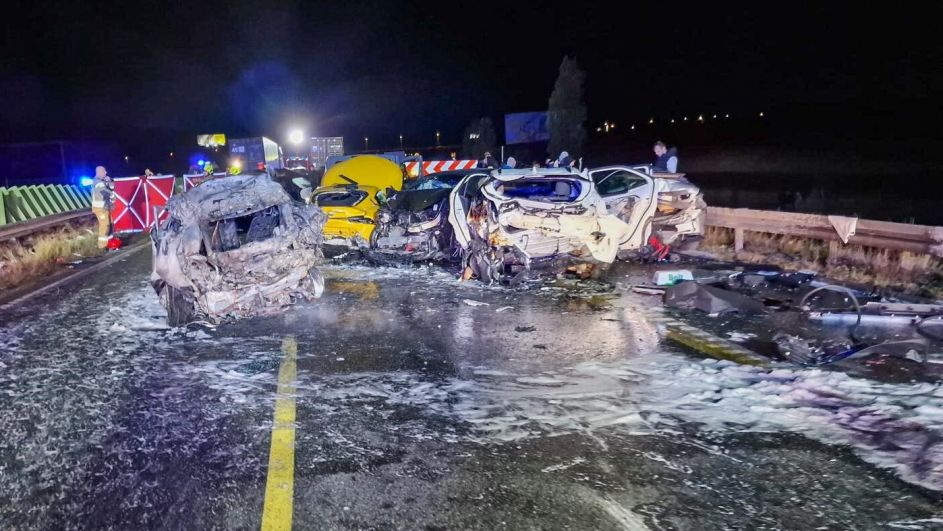
A catastrophic multi-vehicle collision on the S7 highway near Gdansk, northern Poland, has resulted in four deaths, including two young boys, and left 15 others injured. The incident, which occurred late Friday night, involved 21 vehicles and has prompted Polish prosecutors to pursue charges against a truck driver believed to be responsible for initiating the chain-reaction crash.

Mariusz Duszyński, spokesman for the District Prosecutor’s Office in Gdansk, announced at a Sunday news conference that prosecutors intend to charge a 37-year-old truck driver with causing a traffic disaster that endangered the lives and health of many people. According to Duszyński, the truck was traveling at 89 kph (55 mph) in an area with an 80 kph (50 mph) speed limit and failed to brake before colliding with the car in front of it.

The pileup involved 18 passenger cars and three trucks, carrying a total of 56 people. Among the four fatalities were two boys, aged 7 and 10, who were traveling in one of the cars involved in the collision. Authorities are still working to identify the other two deceased victims.

The accident began when the truck collided with a car, triggering a devastating chain reaction. Duszyński confirmed that the truck driver was sober and not using his phone at the time of the crash. Footage from private broadcaster TVN24 showed the suspect being taken to the prosecutor’s office to face charges.

AP

Cameroon’s Separatist Conflict Deprives Hundreds of Thousands of Students of Education

0

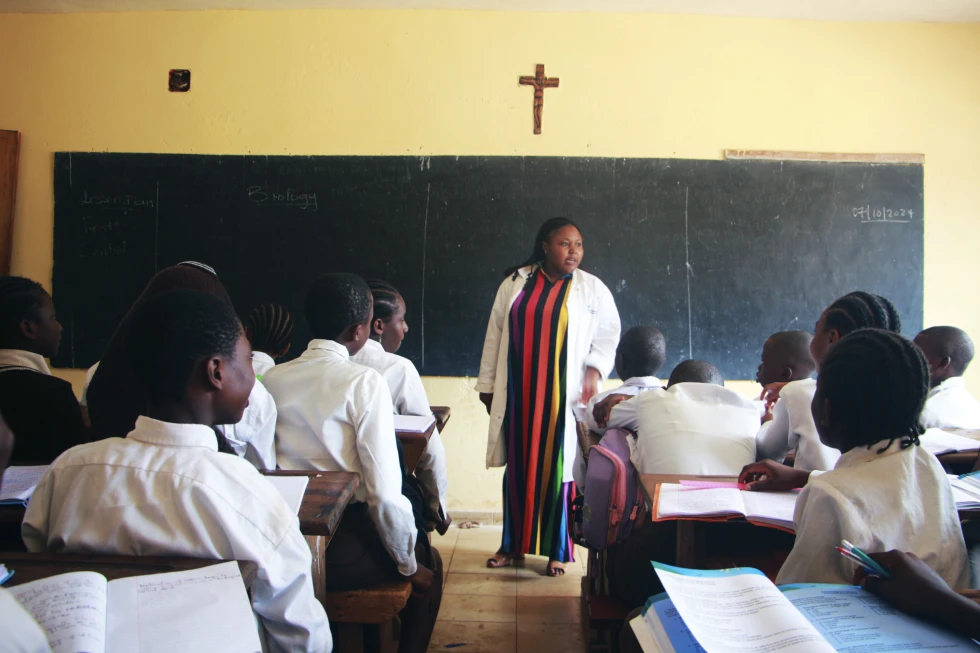
The ongoing separatist conflict in Cameroon’s English-speaking regions has forced hundreds of thousands of students out of education, highlighting a growing crisis that threatens the future of the country’s youth. According to a report by the Norwegian Refugee Council, as of 2023, approximately 1.4 million school-age children in Cameroon are in dire need of educational assistance due to the separatist crisis in the west and Boko Haram incursions in the north.

Jane Ndamei, a 20-year-old student from Cameroon’s restive southwestern region, exemplifies the perilous situation faced by many students. Five years ago, during her Grade 12 exam, armed men rushed into her school, forcing her and her peers to flee. This incident is part of a broader pattern of violence against educational institutions in the region.

The conflict, which began in 2017 when English-speaking separatists launched a rebellion against the French-speaking majority government, has resulted in over 6,000 deaths and displaced more than 760,000 people, according to the International Crisis Group. Separatist fighters have enforced school boycotts, killed and abducted students and teachers, and destroyed school buildings as a means to pressure the government for political recognition.

Hassane Hamadou, NRC’s Regional Director for West and Central Africa, describes the targeting of schools and denial of education as “nothing short of a catastrophe,” emphasizing the long-term impact on children’s futures and their communities.

The crisis extends beyond Cameroon, affecting the broader West and Central African region. The United Nations reports that as of June, over 14,000 schools were closed due to violence and insecurity across 24 countries in the area, impacting 2.8 million children.

The personal stories of affected families underline the human cost of this educational crisis. Nelson Tabuwe, a displaced father from Batibo town in the northwest, shares how his three children, aged 10, 12, and 15, have been out of school for nearly seven years. Forced to flee to the capital, Yaoundé, the family now struggles to make ends meet, with the children having to help their parents earn money instead of pursuing their education and career aspirations.

AP

Trump Kicks Off Pennsylvania Rally by Discussing Arnold Palmer’s Genitalia

0

Former President Donald Trump began his rally in Latrobe, Pennsylvania with an unconventional 12-minute tribute to local golfing legend Arnold Palmer, which included explicit remarks about the late golfer’s genitalia. This unexpected opening deviated from the campaign’s suggested plan to preview Trump’s closing arguments for the 2024 election.

Trump’s comments about Palmer, who was born in Latrobe in 1929, went beyond typical political homage. “Arnold Palmer was all man, and I say that in all due respect to women,” Trump stated. He then proceeded to make startling claims about Palmer’s physique, referencing other pro golfers’ reactions in the showers and suggesting that women viewed Palmer as the epitome of masculinity.

The former president’s campaign had indicated that Trump would use the rally to frame his arguments against Vice President Kamala Harris. However, this campaign messaging was delayed by Trump’s extended focus on Palmer.

Eventually, Trump addressed his usual campaign themes, criticizing Harris and the Biden administration. He used strong language to describe Harris as “the worst vice president,” urging the crowd to tell her “you’re fired.” He also touched on international issues, claiming communication with Israeli Prime Minister Benjamin Netanyahu regarding the ongoing conflict with Hamas in Gaza.

Throughout the event, Trump maintained his characteristic mix of bombast and informal speaking style. He invited local steelworkers on stage, donned a personalized construction hat, and made references to increased security measures, alluding to recent assassination attempts.

Trump’s unconventional opening and subsequent comments highlight his unique campaign strategy as he seeks to regain the presidency in 2024. The rally’s content, particularly its unexpected beginning, demonstrates Trump’s tendency to deviate from prepared remarks and engage with his audience in a provocative manner.

Tragic Ferry Dock Collapse on Georgia’s Sapelo Island Leaves At Least 7 Dead

0

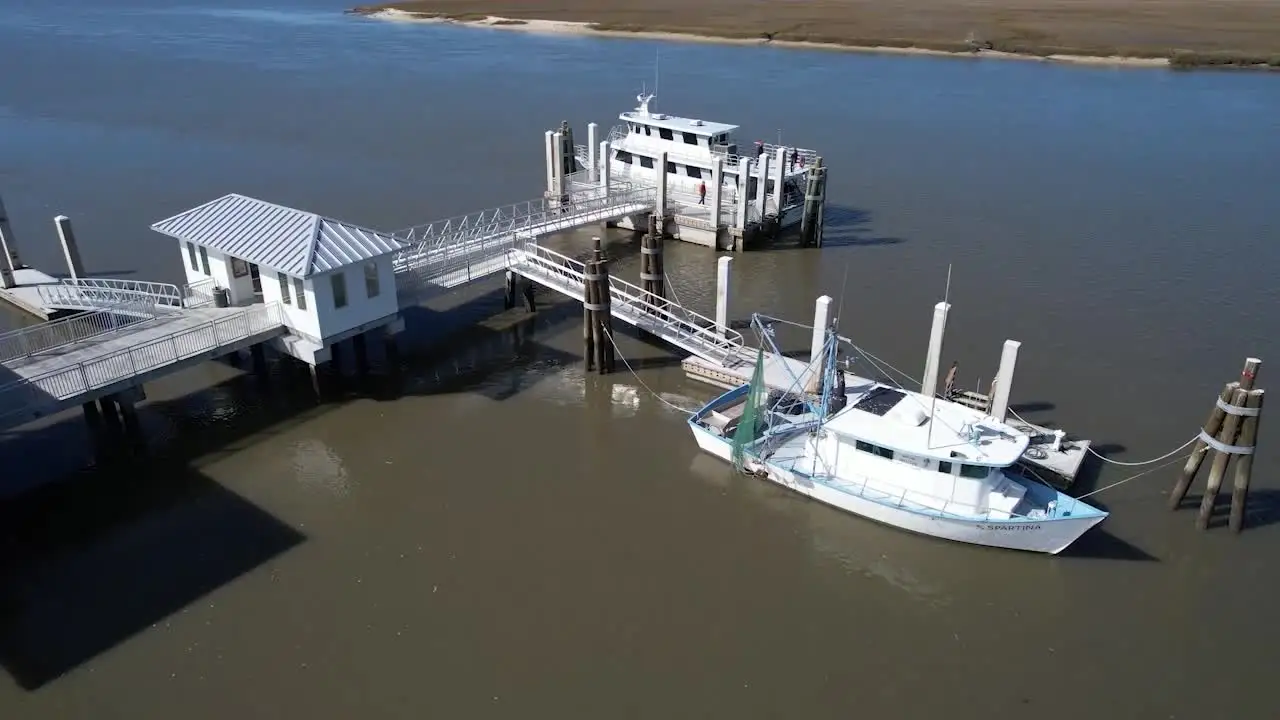
A devastating incident unfolded on Georgia’s Sapelo Island when a ferry dock gangway collapsed during an annual cultural celebration, resulting in at least seven fatalities and multiple injuries. The tragedy occurred on Saturday as crowds gathered for the fall Cultural Day event, a celebration of the island’s historic Gullah-Geechee community of Black slave descendants.

According to Tyler Jones, spokesperson for the Georgia Department of Natural Resources, the gangway connecting the outer dock to the onshore dock suddenly gave way, plunging at least 20 people into the water. The cause of the collapse remains unknown, with Jones stating, “There was no collision. The thing just collapsed. We don’t know why.”

In response to the emergency, a multi-agency rescue operation was launched, involving the U.S. Coast Guard, McIntosh County Fire Department, and the Georgia Department of Natural Resources. Helicopters and boats equipped with side-scanning sonar were deployed in the search efforts. Eight individuals were transported to hospitals, with at least six in critical condition.

The incident has deeply affected the tight-knit Hogg Hummock community on Sapelo Island. Roger Lotson, the only Black member of the McIntosh County Board of Commissioners, emphasized the close bonds within the community, stating, “Everyone is family, and everyone knows each other. In any tragedy, especially like this, they are all one.”

Georgia Governor Brian Kemp expressed his condolences, saying he and his family were “heartbroken by today’s tragedy on Sapelo Island.” President Joe Biden also offered federal assistance and noted the tragic irony of the event, saying, “What should have been a joyous celebration of Gullah-Geechee culture and history instead turned into tragedy and devastation.”

The collapse occurred during Cultural Day, an annual event highlighting the unique heritage of Hogg Hummock, a community founded after the Civil War by former slaves. This small enclave, like other Gullah-Geechee communities along the southeastern coast, has preserved much of its African heritage due to its relative isolation.

This tragedy comes at a time when Hogg Hummock is already facing challenges. The community has been battling against zoning changes that could threaten their ability to maintain their ancestral lands. Residents fear that allowing larger homes could lead to tax increases, potentially forcing them to sell land their families have held for generations.

Putin Condemns Zelensky’s Nuclear Weapons Comments as ‘Dangerous Provocation’

0

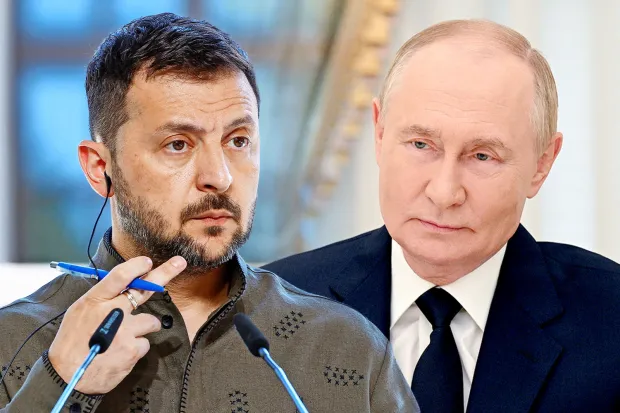
Russian President Vladimir Putin has strongly criticized Ukrainian President Volodymyr Zelensky’s recent comments regarding nuclear weapons, labeling them a “dangerous provocation.” The remarks came in response to Zelensky’s statement at an EU summit, where he suggested that Ukraine might seek nuclear weapons if it cannot join NATO.

During a meeting with journalists from BRICS nations, Putin expressed concern over Zelensky’s comments, stating, “This is a dangerous provocation. Any step in this direction will be met with a corresponding reaction.” The Russian leader emphasized the gravity of such statements in the current geopolitical context.

Zelensky’s controversial remarks were made during a news conference following an EU summit. He recalled a conversation with former U.S. President Donald Trump about Ukraine relinquishing its nuclear arsenal after the Soviet Union’s collapse, stating, “Either Ukraine will have nuclear weapons, which will protect us, or we must have some kind of alliance.”

Putin pointed out the potential ease of developing nuclear weapons in the modern world, though he expressed uncertainty about Ukraine’s current capabilities in this regard. “It is not difficult to create nuclear weapons in the modern world,” Putin said. “I do not know whether Ukraine is capable of doing it now, it is not so easy for Ukraine of today, but in general there is no great difficulty here.”

The situation is particularly sensitive given Ukraine’s history with nuclear weapons. After the Soviet Union’s dissolution in 1991, Ukraine inherited the world’s third-largest nuclear arsenal. In 1994, Ukraine surrendered these weapons in exchange for security guarantees from Russia and the United States, as outlined in the Budapest Memorandum.

Zelensky argued that Russia had “violated this document,” referring to the security guarantees provided in the Budapest Memorandum. He emphasized that Ukraine’s desire to join NATO was driven by the need for security assurances, implying that without such alliances, the country might consider alternative means of defense.

Putin’s strong reaction to Zelensky’s comments highlights the ongoing tensions between Russia and Ukraine, as well as the broader implications for regional security and nuclear non-proliferation efforts. The exchange also underscores the complex dynamics surrounding Ukraine’s aspirations for NATO membership and its security concerns vis-à-vis Russia.