Home Blog Page 622

Russian Forces Engage in Street Battles in Eastern Ukrainian Town of Selydove

0

Russian forces are reportedly engaged in intense street-to-street battles with Ukrainian troops on the outskirts of Selydove, a town in eastern Ukraine’s Donetsk region. This development, reported by pro-Russian military bloggers, marks a significant escalation in Moscow’s efforts to gain full control over the strategically important Donbas region.
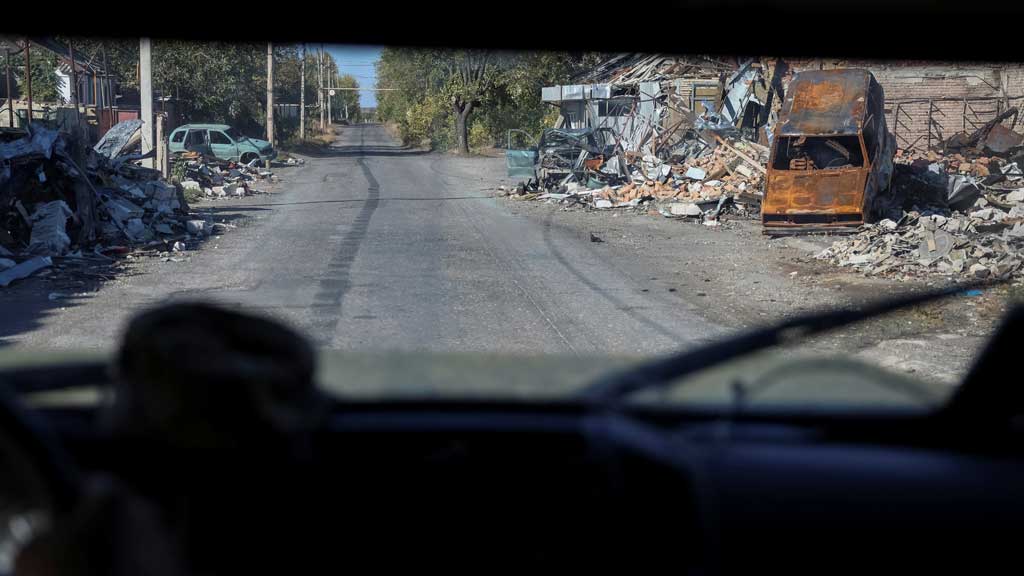
According to open-source data, Russian forces have made their most rapid advance since March 2022 in the past month, despite Ukraine’s recent incursion into Russia’s Kursk region. The focus of this Russian push has been the eastern Donbas region, which President Vladimir Putin has explicitly stated he aims to fully control.

Yuri Podolyaka, a prominent Ukrainian-born, pro-Russian military blogger, reported, “Street by street fighting is going on in the town,” adding that “The assault on Selydove has intensified.” Other pro-Russian sources have shared video footage purportedly showing intensive shelling of Selydove, though Reuters has not been able to independently verify these claims. The Russian defense ministry has not commented on the situation.

Contrasting reports have emerged from Ukrainian sources. The General Staff of Ukraine’s military stated in a late evening report on Sunday that Ukrainian forces had repelled 41 Russian attacks around several towns and villages, including Selydove, with four battles still ongoing in the area. The popular Ukrainian war blog DeepState continues to show Selydove under Ukrainian control.

The town of Selydove, with a pre-war population exceeding 20,000, is part of a broader Russian strategy that has seen them surround towns in the Donetsk region before gradually constricting them until Ukrainian units are forced to withdraw.
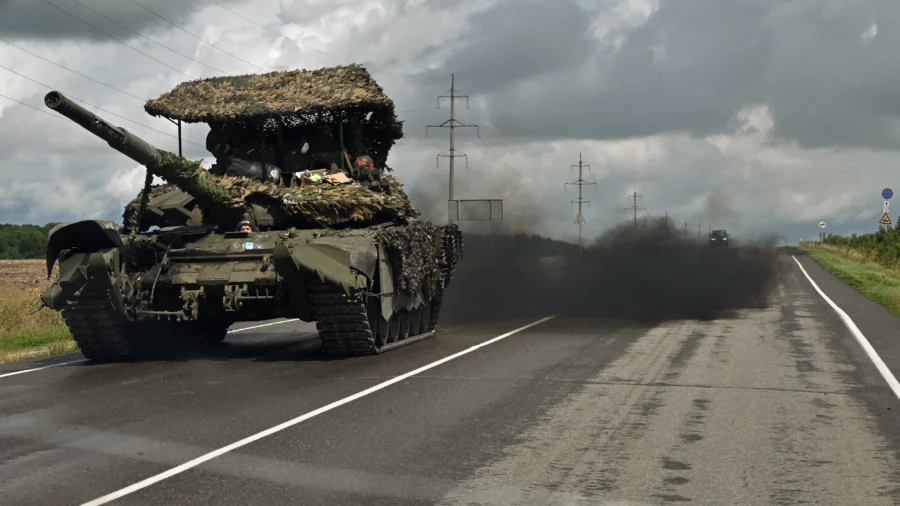
Currently, Russia controls approximately 80% of the Donbas region, an area about half the size of Ohio. Russian forces are pushing westward along about 100 km of the 1,200-km front, focusing on tactically important towns like Pokrovsk and Kurakhove.

This phase of the conflict, now in its third year, is being described by Russian officials as the most dangerous yet. The situation is further complicated by geopolitical factors, including Ukraine’s aspirations for NATO membership – a move Russia has declared unacceptable. The United States and key NATO powers have not publicly endorsed Ukrainian President Volodymyr Zelenskyy’s call for an immediate NATO membership invitation.

The conflict’s roots trace back to the 2014 Maidan Revolution in Ukraine, which saw the ousting of a pro-Russian president. This event was followed by Russia’s annexation of Crimea and the outbreak of pro-Russian protests in parts of the Donbas, where Moscow began supporting separatist forces.

As the situation in Selydove and the broader Donbas region continues to evolve, it remains a critical focal point in the ongoing Russian-Ukrainian conflict, with significant implications for regional stability and international relations.

Devastating Floods Destroy 1.1 Million Tons of Rice in Bangladesh, Prompting Import Surge

0

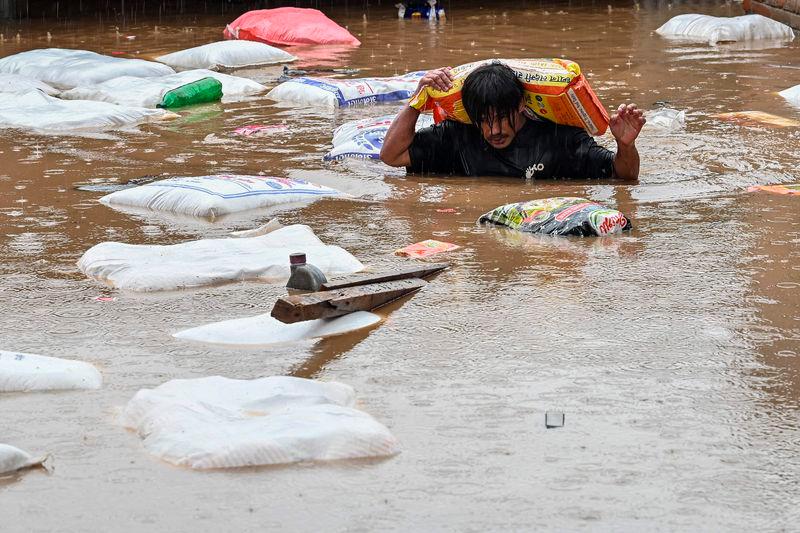
Bangladesh is grappling with a significant agricultural crisis as recent floods have destroyed an estimated 1.1 million metric tons of rice, according to data released by the country’s agriculture ministry. This substantial loss has forced the nation to rapidly increase its imports of the staple grain amid soaring food prices, underscoring the severe impact of climate-related disasters on food security in the region.

The devastating floods, caused by heavy monsoon rains and torrential upstream runoff, struck Bangladesh in two major waves during August and October. These natural disasters claimed at least 75 lives and affected millions of people, with the eastern and northern regions experiencing the most severe crop damage.

In response to the crisis, the Bangladeshi government is swiftly moving to import 500,000 tons of rice and is expected to soon permit private sector imports, as stated by a food ministry official. This surge in imports could potentially boost shipments from neighboring India, the world’s top rice exporter, which recently reduced its duty on parboiled rice exports to 10%.

The interim government, which came to power in August following protests that forced former Prime Minister Sheikh Hasina to seek refuge in India, faces the challenging task of stabilizing food prices that have surged nearly 20% in recent months. The floods have not only impacted rice production but also destroyed over 200,000 tons of vegetables, contributing to total agricultural losses estimated at around 45 billion taka ($380 million).

Bangladesh, typically the world’s third-largest rice producer, usually yields nearly 40 million tons of rice annually to feed its population of 170 million. However, the country’s susceptibility to natural disasters often disrupts production, leading to increased reliance on imports.

The recent floods have highlighted Bangladesh’s vulnerability to climate change. A 2015 World Bank Institute analysis estimated that 3.5 million people in Bangladesh are at risk of annual river flooding, a threat that scientists warn is worsening due to global climate change.

Khandakar Mohammad Iftekharuddaula, chief scientific officer at the Bangladesh Rice Research Institute, emphasized the need for developing more resilient crop varieties: “To ensure food security in the face of increasing climate challenges, it is essential to develop more flood- and drought-tolerant crop varieties, along with short-duration varieties.” He stressed the importance of investing in agricultural research to help farmers adapt to changing weather patterns and stabilize yields in difficult conditions.

Israel Warns of Strikes on Hezbollah Finance Arm as Explosions Rock Beirut

0

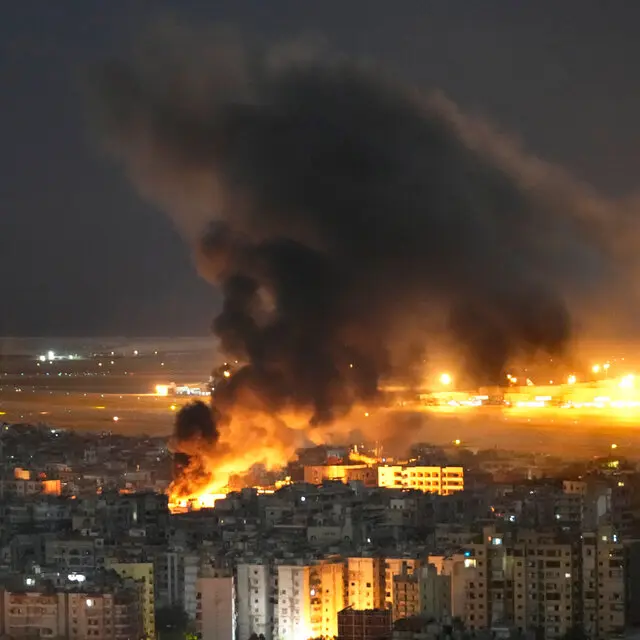
Hundreds of Beirut residents fled their homes late Sunday as multiple explosions echoed across the Lebanese capital, following Israel’s warning of impending attacks on sites linked to Hezbollah’s financial operations. The incident marks a significant escalation in the ongoing conflict between Israel and the Iran-backed militant group.

Reuters witnesses reported at least 10 blasts, with dense plumes of black smoke visible across the city. Eyewitnesses, speaking on condition of anonymity, described a building in the Chiyah neighborhood of southern Beirut reduced to rubble. The area had been largely evacuated prior to the explosion, resulting in no immediate reports of casualties.

Earlier, the Israeli military had issued a statement on social media platform X, warning of imminent attacks on infrastructure belonging to the Hezbollah-affiliated Al-Qard Al-Hassan Association, urging people to evacuate immediately. This financial organization, which the U.S. claims is used by Hezbollah to manage its finances, operates over 30 branches across Lebanon, including 15 in densely populated areas of central Beirut and its suburbs.

The attacks come as part of Israel’s intensified military campaigns in both Gaza and Lebanon, following the recent killing of Hamas leader Yahya Sinwar. Israeli officials, diplomats, and regional sources suggest that with U.S. elections approaching, Israel is seeking to secure its borders and prevent its rivals from regrouping through these military operations.

In addition to the Beirut strikes, Israel reported hitting Hezbollah’s intelligence headquarters and an underground weapons workshop in the city earlier on Sunday. The Israeli military also claimed to have killed three Hezbollah commanders in separate strikes.

The conflict has taken a heavy toll on both sides. In Gaza, Palestinian officials report over 42,500 deaths and widespread displacement of the territory’s 2.3 million residents due to Israel’s military response. In Lebanon, officials estimate more than 2,400 people have been killed and over 1.2 million displaced in the past year of fighting.

As tensions continue to escalate, the international community watches closely, with concerns growing about the potential for further regional destabilization. The targeting of financial infrastructure marks a new phase in the conflict, potentially impacting Hezbollah’s ability to fund its operations both during and after the current hostilities.

This latest development underscores the complex and volatile nature of the Middle East conflict, with implications extending far beyond the immediate region. As both sides vow to continue fighting, the prospects for a peaceful resolution seem increasingly distant, raising fears of a protracted and potentially expanding conflict.

One Dead, Multiple Injured in Shooting at Albany State University After Homecoming Game

0

A shooting at Albany State University in southwest Georgia has left one person dead and multiple others injured, marring the celebrations following the university’s homecoming football game. The incident occurred on Saturday night, hours after the Golden Rams secured victory in their homecoming game.

University officials confirmed on Sunday that six individuals sustained injuries, with one fatality reported. The shooting took place around 8:50 p.m., coinciding with a “Back to the Yard Celebration Concert” on the lower East Campus, part of the school’s homecoming week festivities.

Albany State University, a historically Black university located about 200 miles south of Atlanta, has approximately 6,500 students. The names of the victims have not been released, and it remains unclear whether students were involved in the incident.

This tragic event follows a disturbing trend of violence at college homecoming events. On the same day, a shooting at a homecoming event in Lexington, Mississippi, resulted in three deaths and eight injuries. It also comes less than two weeks after a shooting near Tennessee State University in Nashville left one man dead and nine others injured following their homecoming celebration.

The Albany State University shooting adds to the alarming statistics of gun violence in the United States. According to the Gun Violence Archive, this incident is among at least 422 mass shootings reported so far this year in the country. The organization, like CNN, defines a mass shooting as one that injures or kills four or more people, not including the shooter. Local law enforcement and the Georgia Bureau of Investigation are expected to provide more details as the investigation progresses. The university community and families of those affected now face the difficult task of processing this tragedy in what should have been a time of celebration and reunion

Cyprus Successfully Thwarts Digital Attack on Government’s Main Online Portal

0

Cyprus has successfully defended against a digital attack aimed at blocking access to the government’s central online portal, according to an announcement made by the country’s authorities on Sunday. This incident is the latest in a series of similar attacks targeting state-run utilities and private companies in Cyprus over a three-day period.

The Cyprus Deputy Ministry of Research, Innovation and Digital Policy reported that a “quick and coordinated response” by authorities effectively foiled the distributed denial-of-service (DDoS) attack. The ministry emphasized that the attack’s sole purpose was to prevent access to specific government websites.

Officials stated that the attack only affected the main government portal, gov.cy, “for a few minutes,” and no other online government ministry or service website was impacted. The deputy ministry did not disclose information about the perpetrators or potential motives behind the attack.

This latest cyber incident follows a string of attacks on Friday and Saturday that targeted Cyprus’ electricity and telecommunications authorities, the operator of the country’s two airports (Hermes), and fuel company EKO Cyprus Ltd. Officials informed the Cyprus News Agency that all these previous attacks had also been unsuccessful, with no client information leaked or compromised.

The successful defense against these cyberattacks demonstrates Cyprus’ growing capability in protecting its digital infrastructure. However, the frequency and targeting of these attacks highlight the ongoing cybersecurity challenges faced by governments and critical infrastructure operators worldwide.

2,000 Migrants Depart Southern Mexico for U.S. Border Ahead of Presidential Election

0

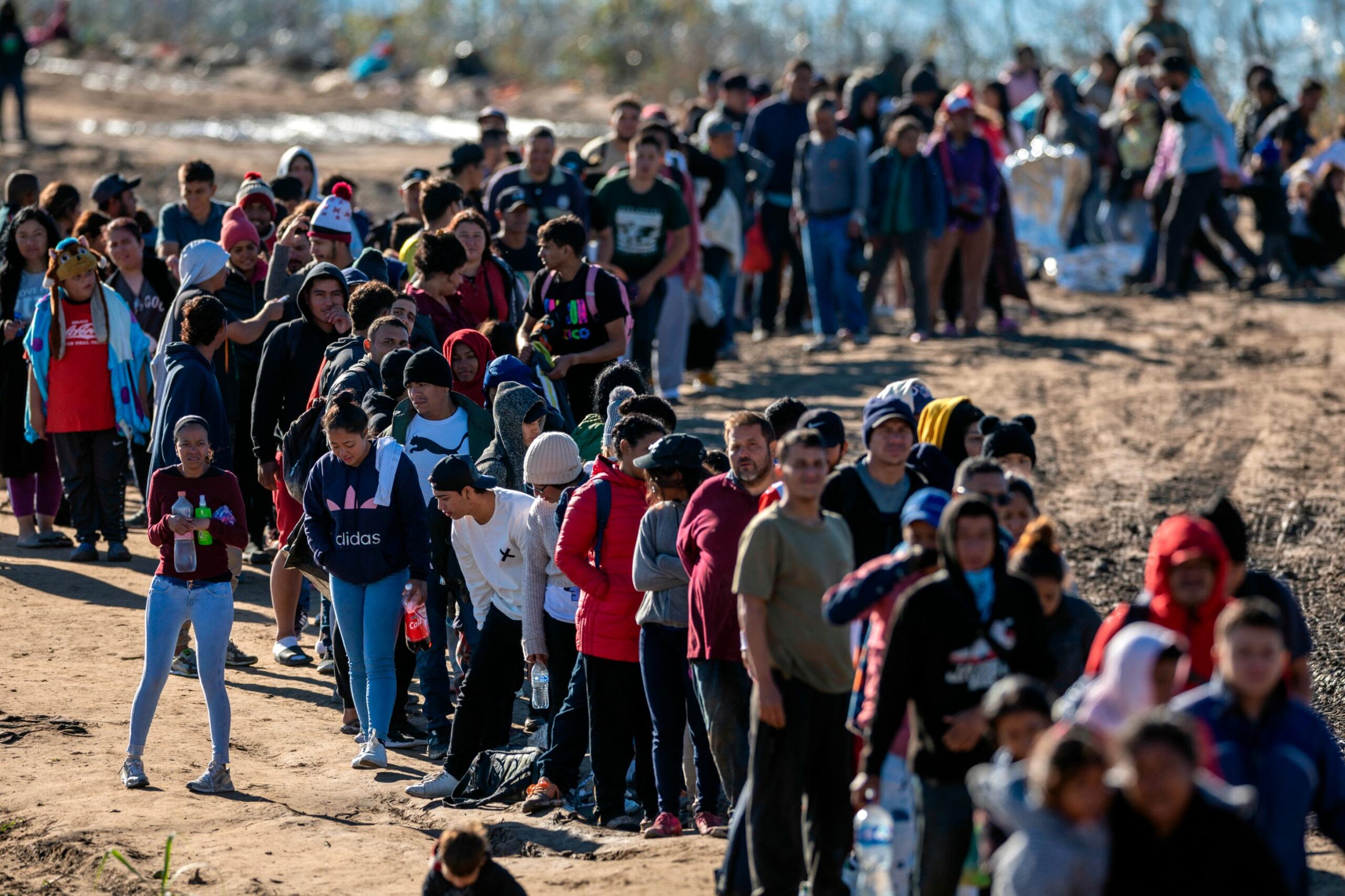
A caravan of about 2,000 migrants has embarked on a journey from Mexico’s southern border towards the United States, just weeks before the U.S. presidential election where immigration remains a pivotal issue. This exodus, the third and largest since the inauguration of Mexico’s new President Claudia Sheinbaum, highlights the ongoing challenges in managing migration flows in the region.

Many migrants, including Venezuelan Joel Zambrano, expressed concerns about potential changes to U.S. asylum policies following the election. Zambrano fears a new administration might end the CBP One system, which currently allows migrants to schedule asylum appointments online.

The departure of this group is attributed to two main factors: a lack of job opportunities in southern Mexico due to an influx of new migrants, and delays in U.S. asylum appointment processing. Roberto Domínguez, a 48-year-old Honduran migrant, cited the difficult situation in his home country and the limitations of documentation in Tapachula as reasons for joining the caravan.

Activist Luis García Villagrán estimates that approximately 40,000 migrants are currently stranded in southern Mexico. This situation underscores the complex challenges facing both Mexican and U.S. authorities in managing migration flows and addressing the needs of those seeking asylum.

The timing of this caravan, so close to the U.S. presidential election, adds a layer of political significance to the ongoing migration issue. It remains to be seen how this development might influence the political discourse surrounding immigration in both countries.

President Sheinbaum has thus far maintained the immigration policies established by her predecessor, Andrés Manuel López Obrador. However, the increasing frequency and size of migrant caravans may put pressure on her administration to reassess these policies.

As the caravan progresses northward, it will likely draw attention from both sides of the border, potentially impacting discussions on immigration policy and bilateral relations between Mexico and the United States in the lead-up to the U.S. election.

Catholic Priest and Indigenous Activist Marcelo Pérez Assassinated in Southern Mexico

0

Father Marcelo Pérez, a Catholic priest and dedicated activist for Indigenous peoples and farm laborers in southern Mexico, was tragically killed on Sunday. The assassination took place in San Cristóbal de las Casas, Chiapas, where two gunmen shot Pérez as he sat in his van shortly after completing a Mass service.

Pérez, a member of the Tzotzil Indigenous community, had served his people for two decades. He was widely recognized as a crucial negotiator in the mountainous region of Chiapas, an area plagued by crime, violence, and land disputes. His tireless efforts to promote peace and justice included leading several marches against violence, actions that had previously resulted in death threats against him.

The priest’s murder has sent shockwaves through the community and beyond. Chiapas Governor Rutilio Escandón expressed his condemnation of the “cowardly assassination” on social media platform X, pledging full cooperation with authorities to ensure that those responsible are brought to justice.

Pérez’s death highlights the ongoing dangers faced by activists and religious leaders working to protect vulnerable communities in Mexico. His role as both a spiritual leader and an advocate for social justice made him a respected figure in the region, but also put him at risk in an area known for its complex socio-political tensions.

Two Navy Aviators Declared Dead After Fighter Jet Crash in Washington State

0

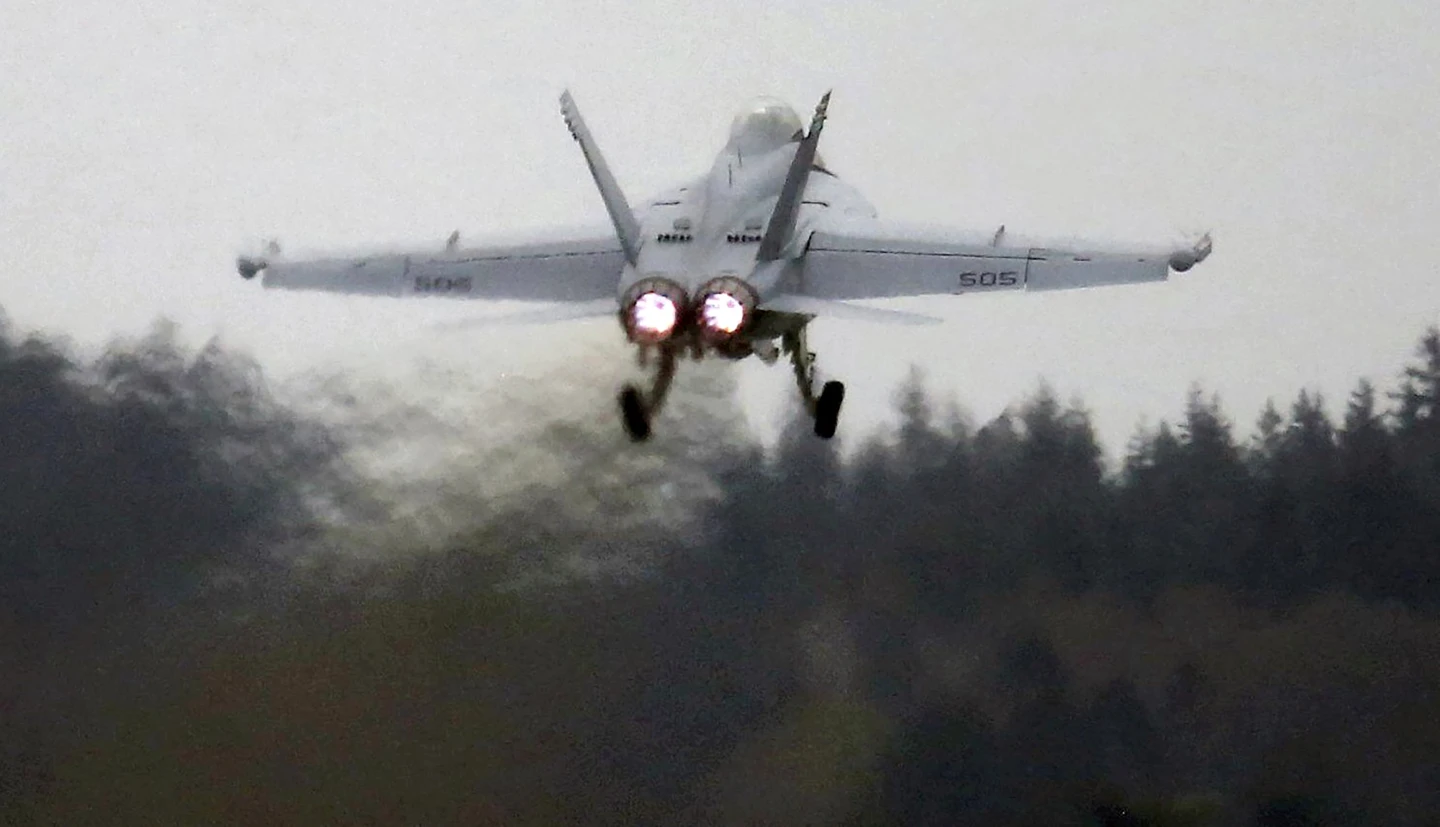
The U.S. Navy has officially declared the death of two crew members who went missing after their EA-18G Growler jet crashed in mountainous terrain east of Mount Rainier, Washington state, during a routine training flight. The announcement came on Sunday, following an extensive search and rescue operation that began when the aircraft from the Electronic Attack Squadron crashed on Tuesday afternoon.

Search efforts involved multiple agencies, including a U.S. Navy MH-60S helicopter launched from Naval Air Station Whidbey Island and Army Special Forces soldiers trained in mountaineering and high-angle rescue. The wreckage was located on Wednesday at an elevation of approximately 6,000 feet (1,828 meters) in a remote, steep, and heavily wooded area.

Commander Timothy Warburton, commanding officer of the aviators’ Electronic Attack Squadron, expressed deep sorrow, stating, “It is with a heavy heart that we share the loss of two beloved Zappers.” He emphasized that the priority now is supporting the families of the fallen aviators.

The Navy has not yet released the names of the deceased, adhering to the policy of waiting 24 hours after next of kin notification. The search and rescue efforts have now transitioned into a long-term salvage and recovery operation, with an ongoing investigation into the cause of the crash.

The EA-18G Growler, a sophisticated electronic warfare aircraft similar to the F/A-18F Super Hornet, is primarily based at Whidbey Island, with one squadron stationed at Marine Corps Air Station Iwakuni, Japan. The “Zappers” squadron had recently been deployed on the USS Dwight D. Eisenhower.

US Investigates Leak of Classified Documents on Israel’s Plans to Strike Iran

0

The United States has initiated an investigation into the recent leak of classified documents that detail Israel’s plans for a potential military strike against Iran. The documents, marked as top secret, indicate that Israel was continuing to position military assets in preparation for an attack in response to Iran’s ballistic missile strike on October 1.

According to three US officials speaking to The Associated Press on condition of anonymity, the leaked documents are attributed to the US Geospatial Intelligence Agency and National Security Agency. A fourth official confirmed that the documents appear to be legitimate. The classified information was shareable within the “Five Eyes” intelligence alliance, comprising the US, Great Britain, Canada, New Zealand, and Australia.

The leaked documents first appeared on the Telegram messaging app and were subsequently reported by CNN and Axios. They suggest that Israel was still preparing for a military response to Iran’s missile attack, despite US efforts to urge restraint and push for a ceasefire in Gaza following the elimination of Hamas leader Yahya Sinwar.

The investigation aims to determine how the documents were obtained, exploring possibilities such as an intentional leak by a US intelligence community member or a potential hack. Officials are also working to identify who had access to the documents before their unauthorized release and whether any additional intelligence information was compromised.

The Pentagon has acknowledged awareness of the reports but has not provided further comment. The Israeli military has not yet responded to requests for comment regarding the leaked documents.

This incident raises significant concerns about intelligence security and the potential impact on US-Israel relations and regional stability in the Middle East. It also highlights the ongoing challenges in safeguarding sensitive information in the digital age, particularly given the similarity in style to previous leaks by Air National Guardsman Jack Teixeira.

As the investigation unfolds, the incident may have broader implications for intelligence sharing among allies and the delicate balance of diplomatic efforts in the region, particularly as tensions between Israel and Iran remain high.

German Police Arrest Libyan Man Suspected of Planning Attack on Israeli Embassy in Berlin

0

German authorities have arrested a Libyan man suspected of planning an attack on the Israeli Embassy in Berlin. The suspect, identified only as Omar A. due to Germany’s privacy laws, was detained on Saturday in Bernau, Brandenburg, just outside the capital. He is alleged to have ties to the Islamic State (IS) militant group and was planning to use firearms in the attack.

The arrest took place during a raid by a heavily armed police unit in a Berlin suburb. The suspect was set to appear before Germany’s Federal Court of Justice in Karlsruhe on Sunday, where a judge will decide whether he should be held in custody during the investigation.

According to prosecutors, Omar A. had been exchanging information with an IS member via messenger chat to plan the attack. German media reports suggest that authorities were alerted to the plot by a foreign intelligence service. The suspect allegedly planned to travel to a relative near Bonn before fleeing the country after the attack.

In response to the arrest, German Justice Minister Marco Buschmann warned of a “very serious” Islamist terror threat in Germany, noting that Israeli institutions are often targeted. Interior Minister Nancy Faeser emphasized the importance of protecting Jewish and Israeli institutions in Germany, stating that law enforcement is acting with “utmost vigilance” to prevent suspected Islamist, anti-Semitic, and anti-Israel violence.

Israeli Ambassador to Germany, Ron Prosor, thanked German authorities for “guaranteeing the security of our embassy.” He highlighted the particular danger faced by embassy employees, describing them as being “on the front line of diplomacy.”

The incident occurs against a backdrop of increased anti-Semitic incidents and crimes in Germany since the Hamas attack on Israel on October 7, 2023, and the subsequent Israeli retaliation in Gaza and Lebanon. German authorities have recorded a sharp rise in such incidents, underscoring the heightened security concerns for Jewish and Israeli institutions in the country.

dw.com