Home Blog Page 625

Gunmen Attack El Debate Media Outlet in Sinaloa Amid Escalating Cartel Conflict

0

Respected Sinaloan media outlet El Debate fell victim to a brazen attack on Friday when gunmen sprayed its office building and several vehicles with bullets. The incident occurs against the backdrop of an intensifying conflict between the two largest factions of the Sinaloa Cartel, highlighting the escalating violence in the northwestern Mexican state.
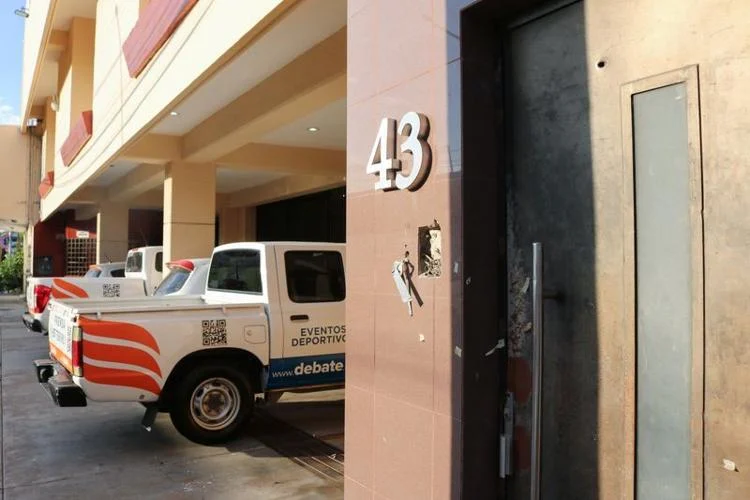
El Debate, known for its coverage of violent events across Sinaloa, reported the early morning attack on social media. The local prosecutor’s office, led by Claudia Sanchez, confirmed an ongoing investigation into the incident, which fortunately resulted in no casualties. Sanchez stated that at least four vehicles were damaged by gunfire, while videos released by El Debate show bullet impacts on the building’s facade.

The attack comes amid a surge of violence in Sinaloa that began on September 9, when hostilities erupted between the two most powerful groups within the Sinaloa Cartel. This ongoing conflict has severely disrupted daily life in the state capital, Culiacán, forcing schools to close intermittently and businesses to reduce operating hours.

Prosecutor Sanchez provided grim statistics on the toll of the cartel war, reporting 172 homicides and 209 kidnappings since the conflict began, with 72 kidnap victims found alive and 27 deceased.

President Claudia Sheinbaum condemned the attack on El Debate, underscoring the government’s concern over the escalating violence. In response to the crisis, the federal government has deployed hundreds of military personnel equipped with armored vehicles and high-powered weapons to Sinaloa. However, these forces have struggled to quell the ongoing violence effectively.

The attack on El Debate raises serious concerns about press freedom and the safety of journalists in Sinaloa, a region long plagued by cartel violence. As one of the state’s primary news sources, El Debate plays a crucial role in informing the public about the ongoing conflict and its impact on local communities.
Mexican Navy Conducts Record-Breaking Drug Seizure, Arrests 23 in Pacific Coast Operation

0
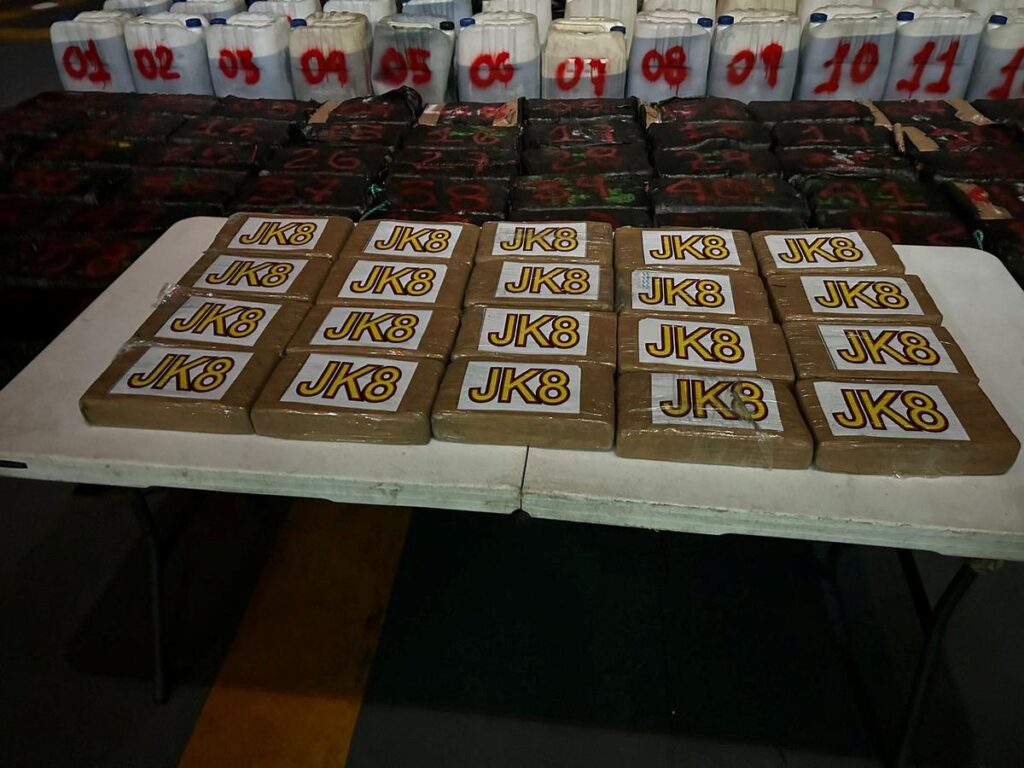
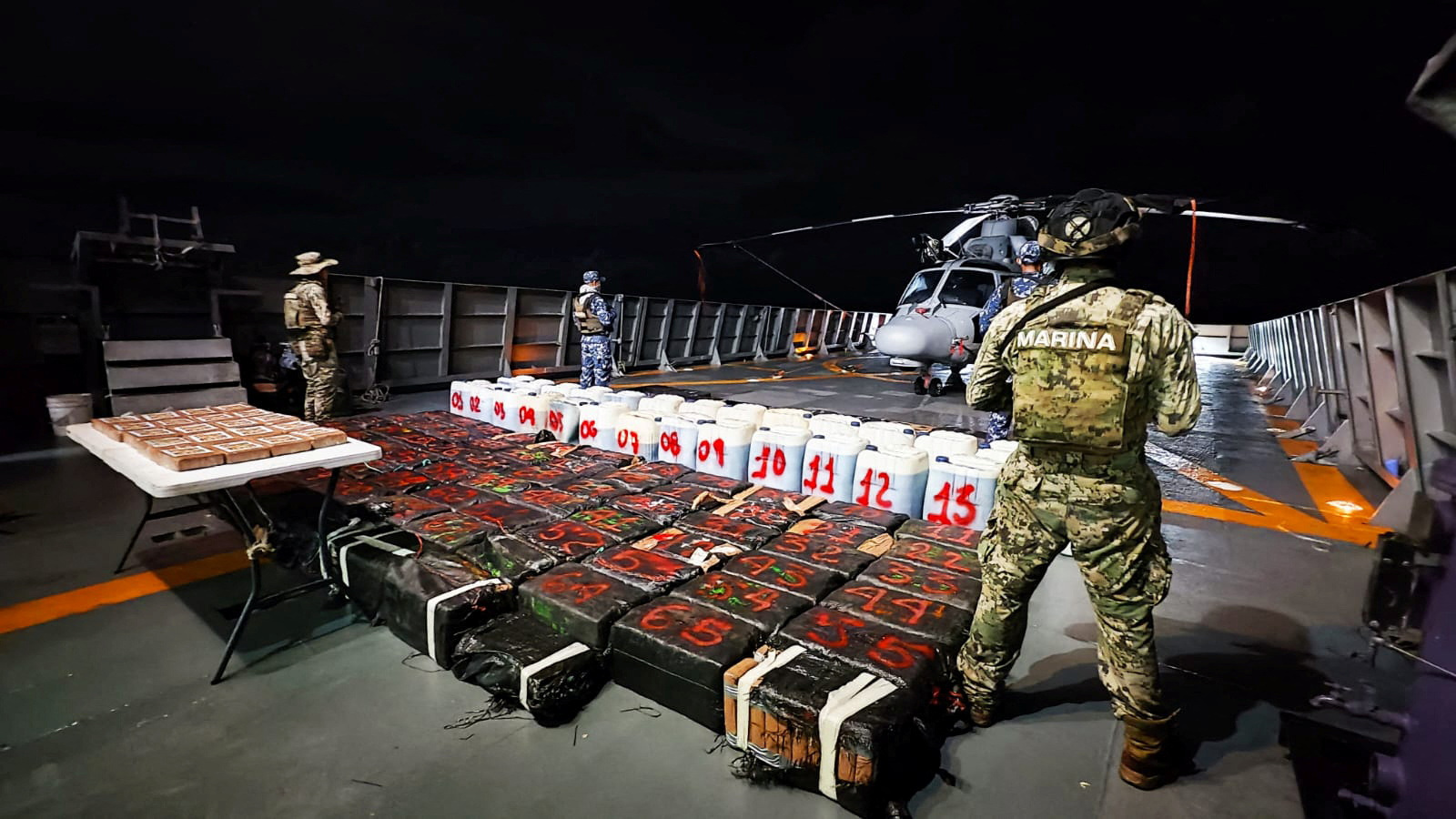
Members of the Mexican Navy stand guard next to packages on display after seizing some 8.4 thousand kilograms of illicit cargo and arresting 23 people in an operation off the country's southwestern Pacific coast, near Lazaro Cardenas, Michoacan, Mexico, in this undated handout photo released on October 18, 2024. Mexican Navy/Handout via REUTERS

The Mexican navy has conducted its largest-ever drug seizure operation, resulting in the arrest of 23 individuals and the confiscation of approximately 8.4 thousand kilograms of illicit drugs. The unprecedented operation took place off Mexico’s southwestern Pacific coast, marking a significant milestone in the country’s ongoing fight against drug trafficking.

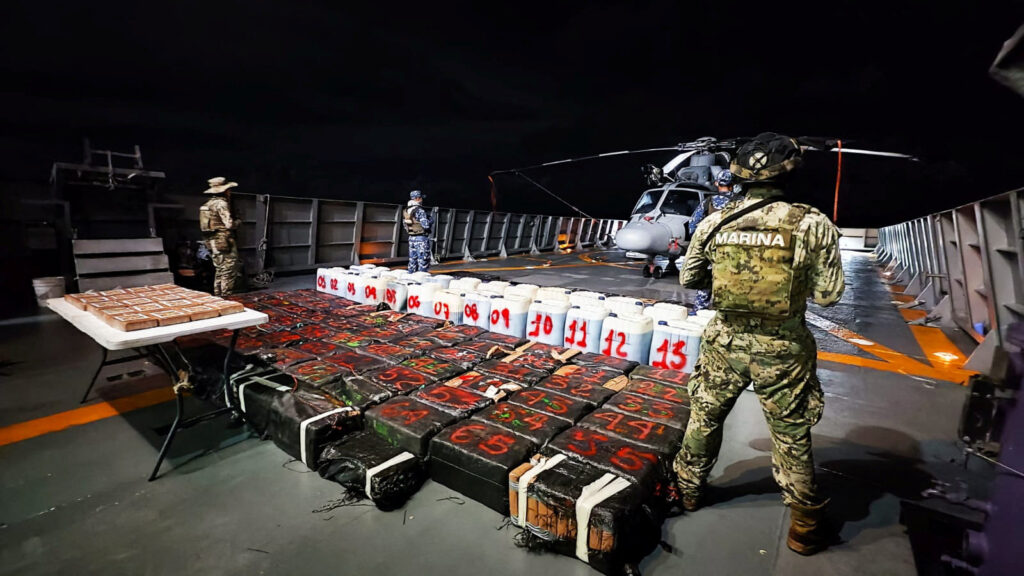
Members of the Mexican Navy stand guard next to packages on display after seizing some 8.4 thousand kilograms of illicit cargo and arresting 23 people in an operation off the country’s southwestern Pacific coast, near Lazaro Cardenas, Michoacan, Mexico, in this undated handout photo released on October 18, 2024. Mexican Navy/Handout via REUTERS

In a statement released on Friday, the navy emphasized the historic nature of the bust: “This represents the largest quantity of drugs seized in a maritime operation, without precedent in the history of the institution.” The operation extended along the coastline near Lazaro Cardenas in Michoacan state and further south off the coast of Guerrero state.

In addition to the drugs, authorities seized 8.7 thousand liters of fuel and six boats. The navy estimated the total value of the seized assets at a minimum of two billion pesos ($100 million), underscoring the significant economic impact of the operation on drug trafficking organizations.

Following standard procedures, the navy stated, “The 23 detainees, who were read their rights, as well as the six boats, the presumed drugs and the fuel, were handed over to the competent authorities for integration into the corresponding investigation.” This transfer ensures that proper legal processes will be followed in prosecuting the suspects and handling the seized materials.

This record-breaking seizure comes amid ongoing pressure from the United States for Mexico to intensify its efforts in combating drug trafficking. Conversely, Mexico has urged the United States to take stronger measures to stem the flow of firearms across the border into Mexico, which often end up in the hands of criminal groups.

REUTERS

Guatemalan Journalist Jose Zamora Granted House Arrest After Two Years in Prison

0

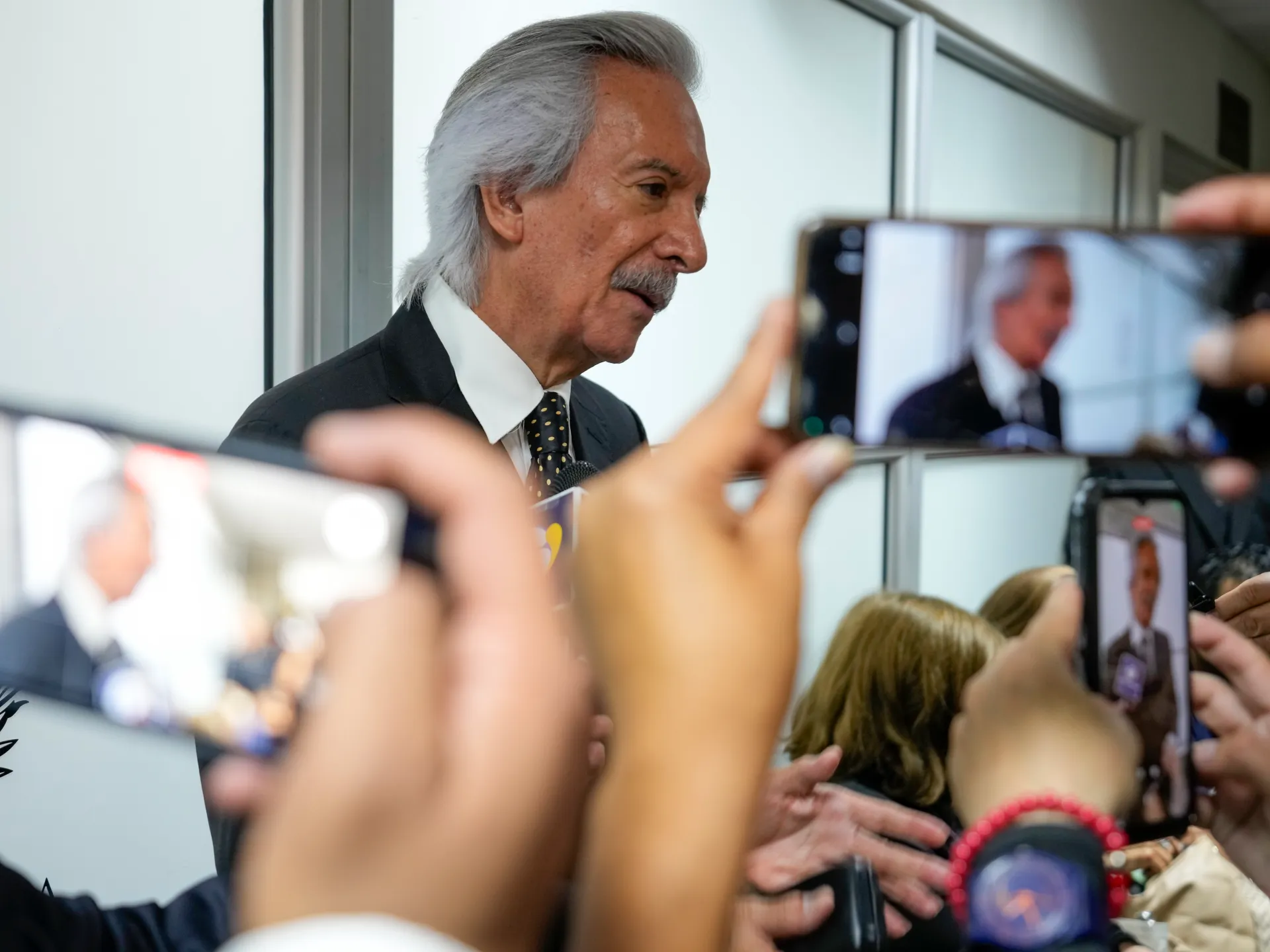
Guatemalan journalist Jose Zamora, founder of the now-defunct elPeriodico newspaper, has been granted house arrest by Judge Erick Garcia after spending more than 800 days in prison. The ruling, issued on Friday, marks a significant development in a case that has drawn international attention to press freedom issues in Guatemala.

Zamora, known for his critical reporting on successive Guatemalan governments, was arrested in July 2022 on money laundering charges. He has consistently maintained that he is a political prisoner, targeted for his journalistic work.

In 2023, Zamora was sentenced to six years in prison for money laundering. However, an appeals court later overturned this conviction and ordered a new trial to be held in 2025. Judge Garcia’s decision to grant house arrest was based on the argument that Zamora’s time in preventative detention had reached its limit, in accordance with human rights standards.

“We are imposing house arrest,” Judge Garcia stated in his ruling. “He is also forbidden to leave the country without judicial authorization.” Zamora expressed satisfaction with the decision, stating, “I am very satisfied. I appreciate what is happening.”

The case has drawn international scrutiny, with the United Nations in August reporting that Zamora was being held in conditions that may amount to torture. The UN called on Guatemalan authorities to address allegations of inhumane conditions, citing a report from a panel of experts.

Zamora’s transition to house arrest comes amid ongoing concerns about press freedom and the treatment of journalists in Guatemala. The case has been seen by many as a test of the country’s commitment to protecting journalistic integrity and freedom of expression.

Source: REUTERS

Cuba’s Electrical Grid Collapses Twice, Leaving Entire Country Without Power, U.S. Denies Involvement

0

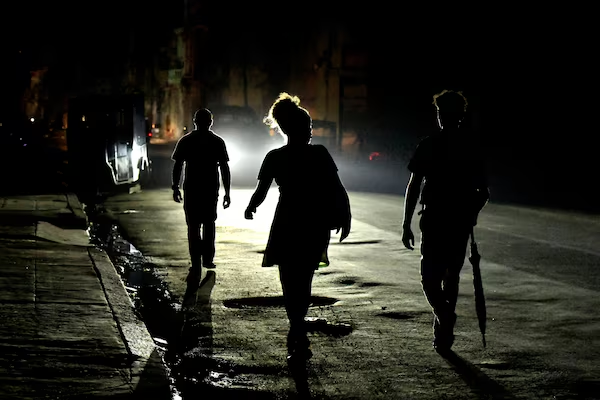
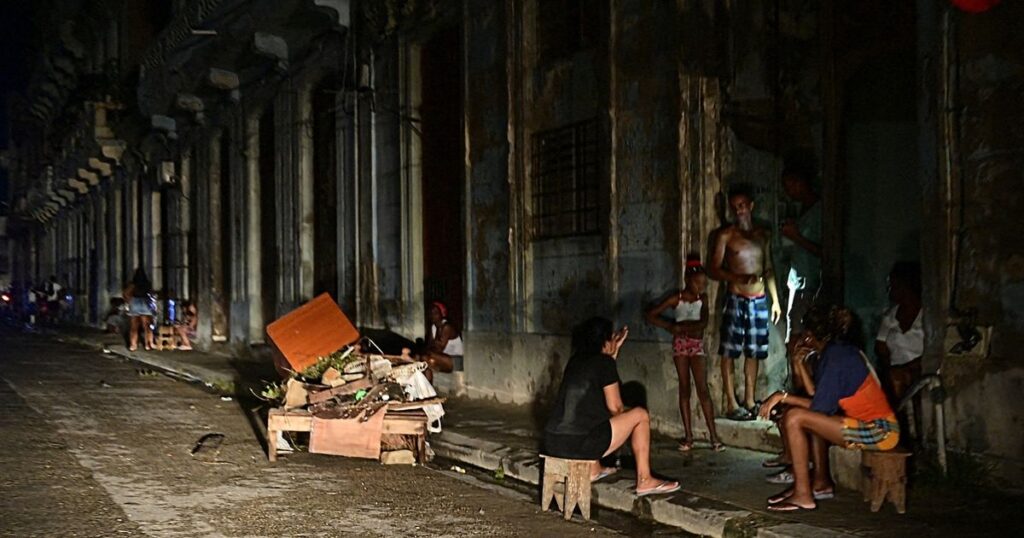
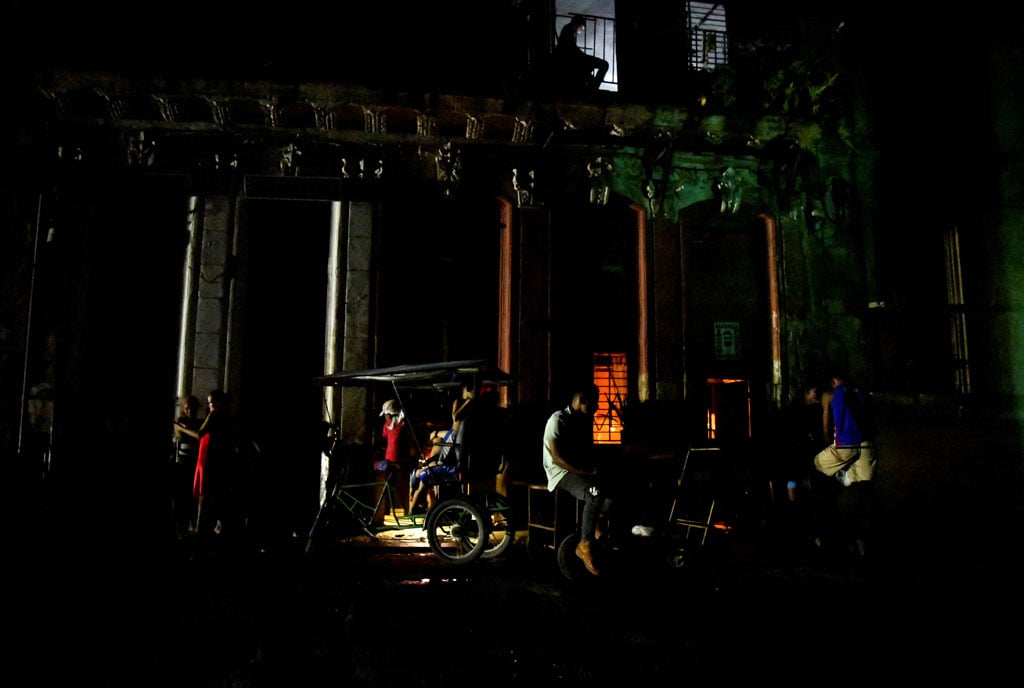
Cuba’s electrical grid collapsed for the second time early Saturday morning, plunging the entire country into darkness just hours after authorities had begun restoring power from an earlier blackout. The state-run media outlet CubaDebate reported that the grid operator, UNE, announced a “total disconnection of the national electro-energetic system” at 6:15 AM.

The initial collapse occurred around midday Friday when one of Cuba’s largest power plants failed, leaving over 10 million people without electricity. Prior to this failure, the country had already been grappling with electricity shortages, forcing the government to send non-essential state workers home and cancel school classes to conserve fuel for power generation.

As of Saturday morning, UNE had not provided details on the cause of the second collapse or an estimated time for service restoration. The agency stated only that it was working to reestablish power.

Cuba’s government has attributed the recent weeks of worsening blackouts, often lasting 10 to 20 hours daily across much of the island, to deteriorating infrastructure, fuel shortages, and rising demand. Officials also cited strong winds from Hurricane Milton as complicating fuel deliveries from offshore vessels to power plants.

The country’s energy crisis has been exacerbated by a significant drop in fuel deliveries this year. Key suppliers Venezuela, Russia, and Mexico have reduced their exports to Cuba. Venezuela, in particular, has cut its subsidized fuel deliveries to Cuba by half, forcing the island to seek more expensive oil on the spot market.

Cuban authorities also point to the U.S. trade embargo and sanctions imposed during the Trump administration as factors hindering the acquisition of fuel and spare parts necessary for operating and maintaining oil-fired plants. However, the United States denied any involvement in Cuba’s recent grid collapse.

Firebomb Attack on Japan’s Ruling Party HQ Highlights Political Tensions

0

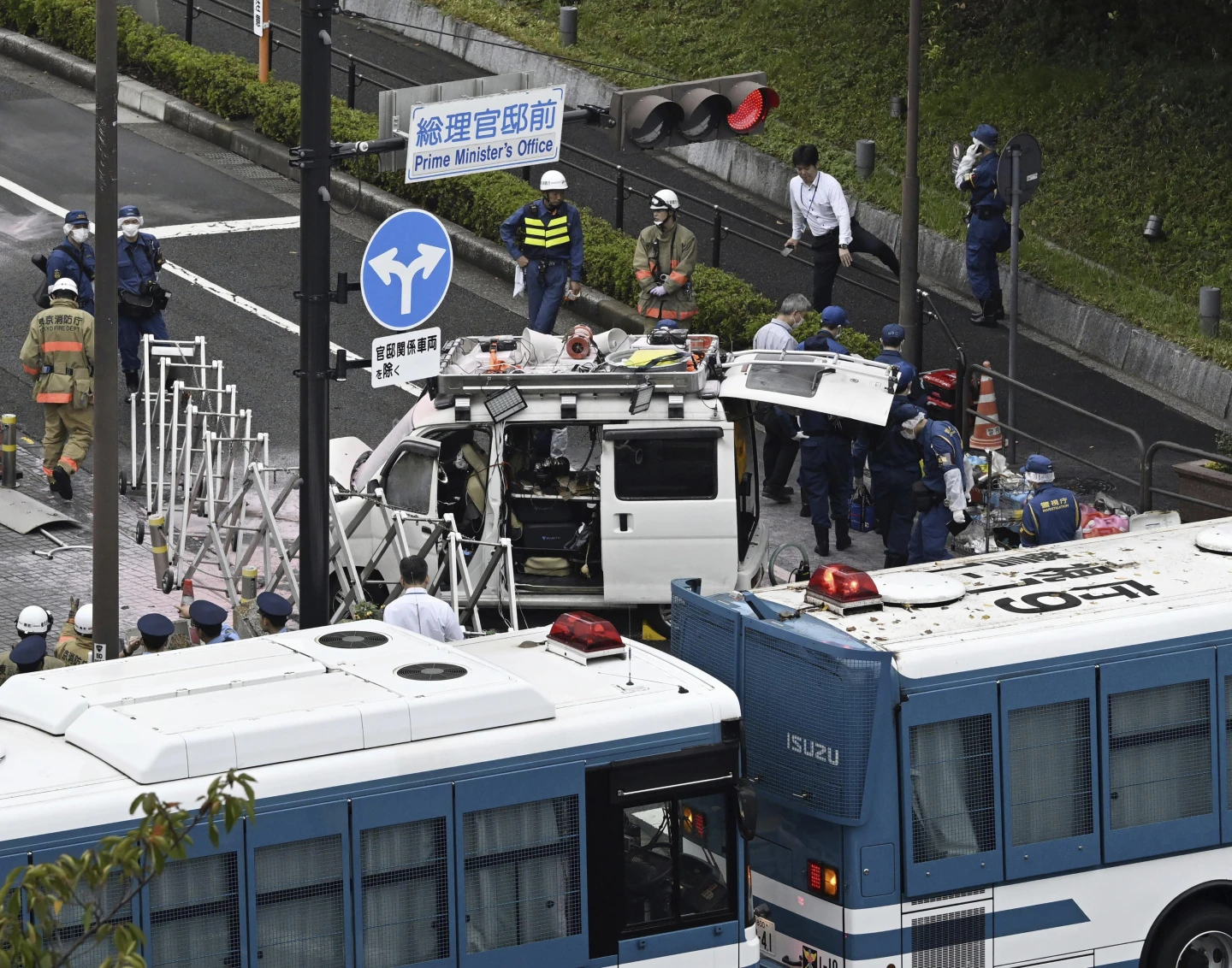
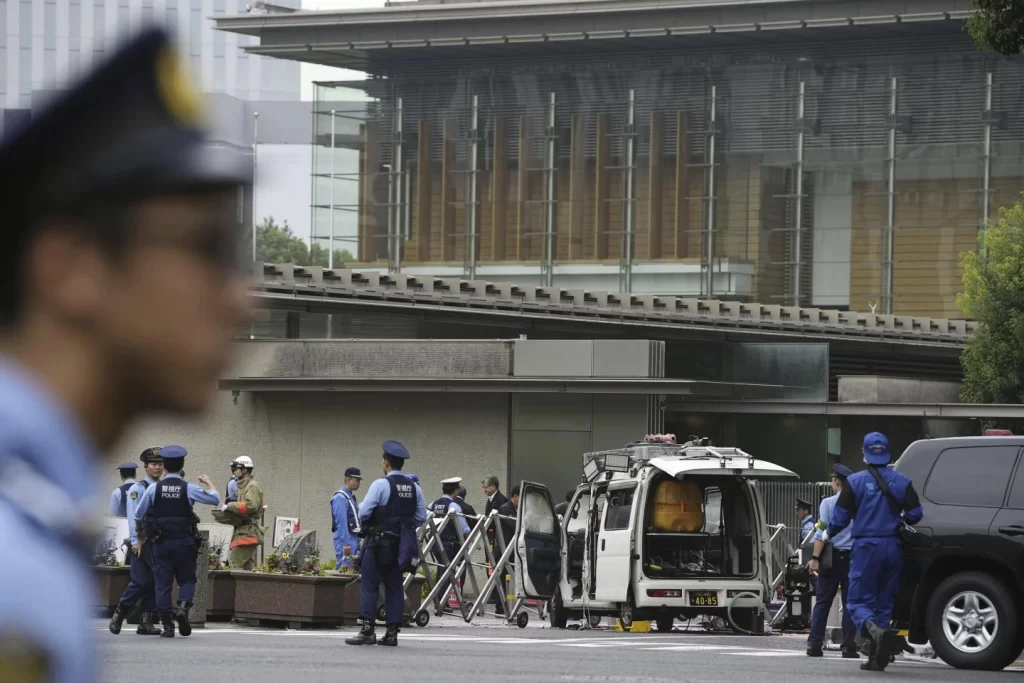
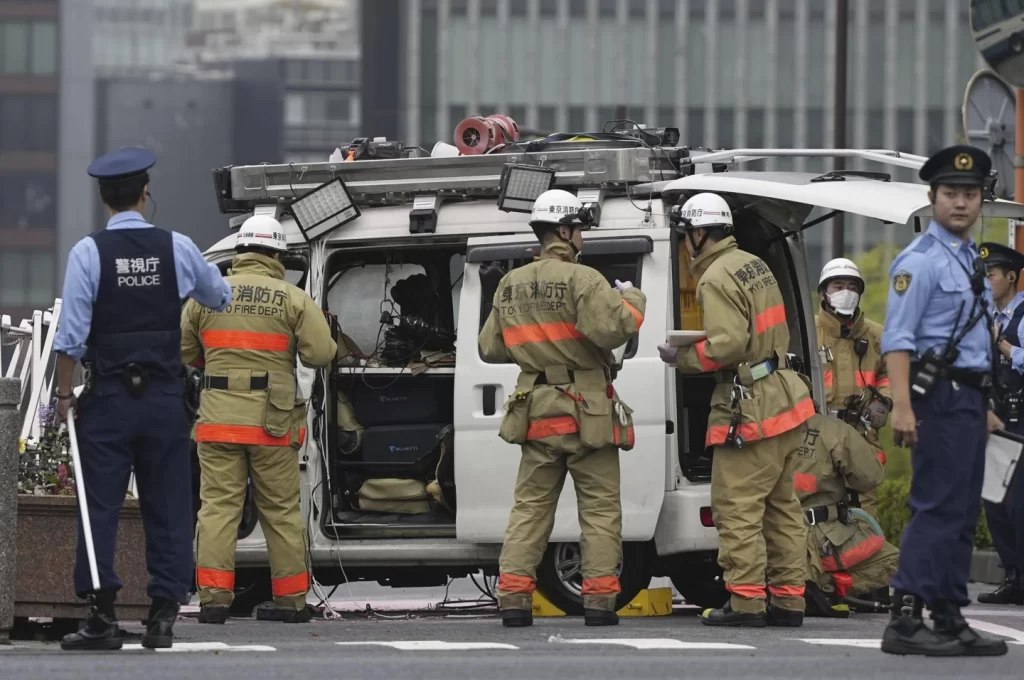
In a brazen act of political violence, a man hurled several firebombs at the Tokyo headquarters of Japan’s ruling Liberal Democratic Party (LDP) on Saturday, before crashing his car into the fence surrounding the Prime Minister’s residence. The incident, which resulted in no reported injuries, has sent shockwaves through Japan’s political landscape.

Tokyo police swiftly apprehended the suspect, identified as 49-year-old Atsunobu Usuda, charging him initially with obstructing official duties. The motive behind Usuda’s actions remains unclear, but Japanese media reports suggest possible political aspirations and frustration with the financial barriers to entering politics in Japan.

This attack comes at a critical juncture for the LDP, as the party grapples with a widening money scandal involving dubious funding and suspected tax evasion. The controversy has led to a significant drop in public support, with recent polls indicating a steep decline in the party’s popularity.

The incident has reignited concerns about political violence in Japan, evoking memories of the 2022 assassination of former Prime Minister Shinzo Abe. That tragic event exposed controversial ties between some LDP politicians and the Unification Church, an issue that continues to haunt the party.

As Japan approaches the October 27 lower house parliamentary elections, the political atmosphere has become increasingly charged. Reports of candidates facing heckling, unusual in Japanese political culture, underscore the growing discontent among voters.

The LDP, which has dominated Japanese politics for decades, recently appointed Prime Minister Shigeru Ishiba as its new leader in an attempt to refresh its image. However, the party’s grip on power faces its most serious challenge in years, contending with a splintered opposition and widespread public dissatisfaction.

This firebomb attack serves as a stark reminder of the volatile political climate in Japan. It raises concerns about the safety of politicians and the potential for further violence as the election approaches. The incident also highlights deep-seated frustrations within Japanese society regarding political corruption and the accessibility of the political process.

As investigations into the attack continue, Japanese authorities will likely reassess security measures for political figures and party offices. The coming weeks will be crucial in determining whether this incident represents an isolated event or signals a more concerning trend of political violence in a nation known for its relatively peaceful democratic processes.

The LDP’s response to this attack and its handling of the ongoing scandals will be closely watched as the election draws near. The party’s ability to address public concerns and restore trust could significantly impact the outcome of the upcoming vote and shape the future of Japanese politics.

Sinaloa Cartel Leader ‘El Mayo’ Zambada Makes First US Court Appearance in Drug Trafficking Case

0

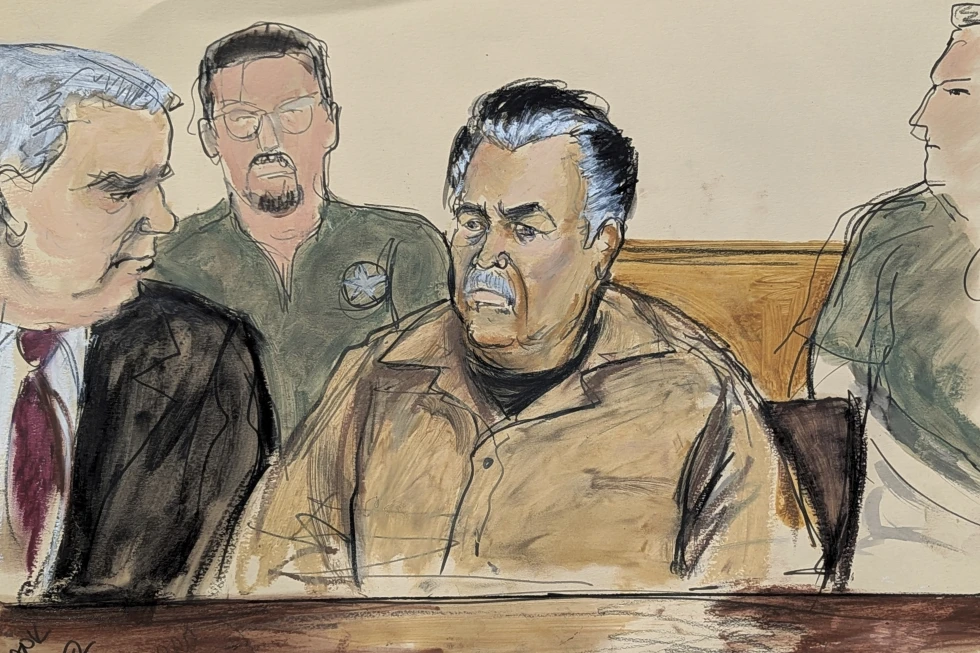
Ismael “El Mayo” Zambada, a 76-year-old longtime leader of Mexico’s notorious Sinaloa cartel, made his first appearance in a US court on Friday, marking a significant moment in the ongoing battle against international drug trafficking. Zambada appeared before District Court Judge Brian Cogan in Brooklyn federal court for a status conference related to drug trafficking charges against him.

Judge Cogan, who previously sentenced fellow cartel kingpin Joaquín “El Chapo” Guzmán to life imprisonment in 2019, presided over the conference. Prosecutors allege that Zambada, alongside Guzmán, built the Sinaloa cartel into a massive manufacturer and smuggler of illicit narcotics, flooding the United States with huge quantities of drugs. Zambada has pleaded not guilty to the charges.

The appearance of Zambada, long sought by US law enforcement, follows his arrest in July after arriving on a private plane at a Texas airport with Guzmán’s son, Joaquín Guzmán López. Guzmán López, facing separate drug trafficking charges in Chicago, has also pleaded not guilty.

During the status conference, prosecutors informed Judge Cogan that some evidence in the case against Zambada is classified, necessitating security clearance for his defense attorneys. This development underscores the complex and sensitive nature of the case against one of Mexico’s most powerful drug lords.

The arrest and prosecution of Zambada have had ripple effects in Mexico, with rival factions of the Sinaloa cartel clashing in their home state since his capture. This week, gunshots were fired at a building housing a local newspaper in Culiacan, the state capital, though no injuries were reported.

In a related development, US authorities announced charges against a former Canadian Olympic snowboarder allegedly running a drug trafficking ring out of Mexico under the protection of the Sinaloa cartel, further highlighting the cartel’s far-reaching influence.

The case against Zambada is part of a broader crackdown on the Sinaloa cartel’s leadership. Earlier in the week, in the same courthouse, Judge Cogan sentenced Genaro García Luna, Mexico’s former secretary of public security, to over 38 years in prison for accepting millions in bribes to protect the cartel.

As the legal proceedings against Zambada continue, with his next court appearance scheduled for January 15, the case remains a focal point in the ongoing efforts to dismantle one of the world’s most powerful drug trafficking organizations. The outcome of this high-profile case could have significant implications for international drug enforcement efforts and US-Mexico relations in the fight against organized crime.

Australian Authorities Respond to Bomb Scare on New Zealand Flight, Declare No Threat

0

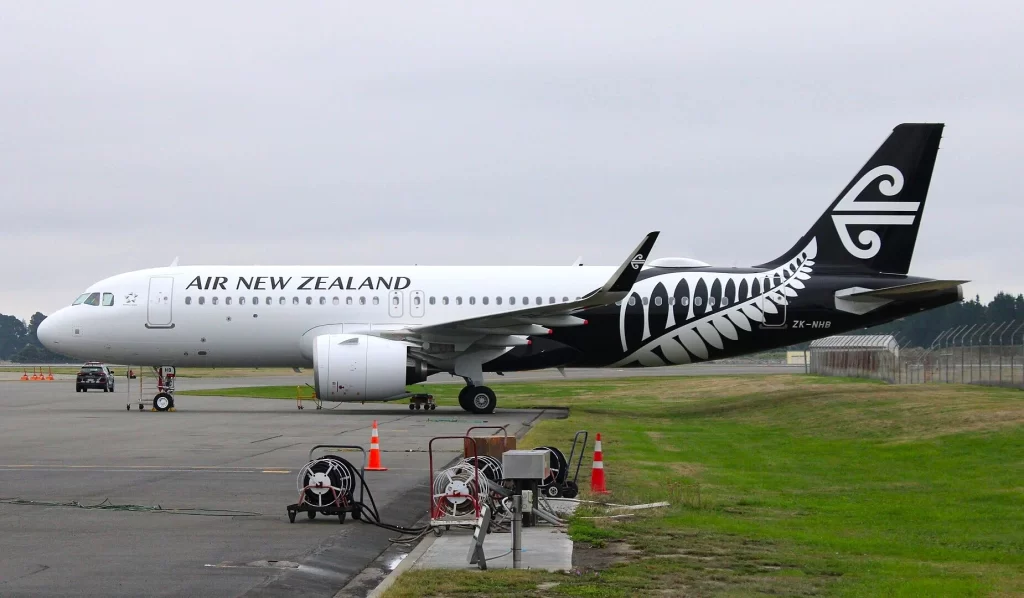
Australian authorities swiftly responded to a reported bomb scare on an Air New Zealand flight arriving in Sydney on Saturday, ultimately declaring no threat to public safety. The incident involved Flight 247 from New Zealand, which remained on the tarmac at Sydney Airport for several hours with passengers on board as authorities investigated the situation.

The Australian Federal Police (AFP) confirmed their response to an incident aboard an aircraft en route to Sydney Airport. After a thorough investigation, the AFP issued a statement saying, “Investigations are continuing. There is no threat to the community.” This declaration helped alleviate concerns and tension surrounding the incident.

Air New Zealand acknowledged the event, describing it as a “security incident” in an official statement. The airline emphasized its commitment to passenger and crew safety, stating, “We are working with the local authorities and following standard protocols established for such incidents. The safety and security of all passengers and crew is our utmost priority.”

The incident highlights the robust security measures in place for international flights and the swift response capabilities of Australian authorities. While details about the nature of the threat or how it was communicated remain undisclosed, the coordinated response between the airline and law enforcement demonstrated the seriousness with which such threats are treated.

Passengers on Flight 247 experienced significant delays as they remained on board during the investigation. The extended wait on the tarmac, while necessary for security purposes, likely caused inconvenience and anxiety for those aboard.

Mozambique’s Leading Opposition Politician’s Lawyer Fatally Shot Following Election Dispute

0

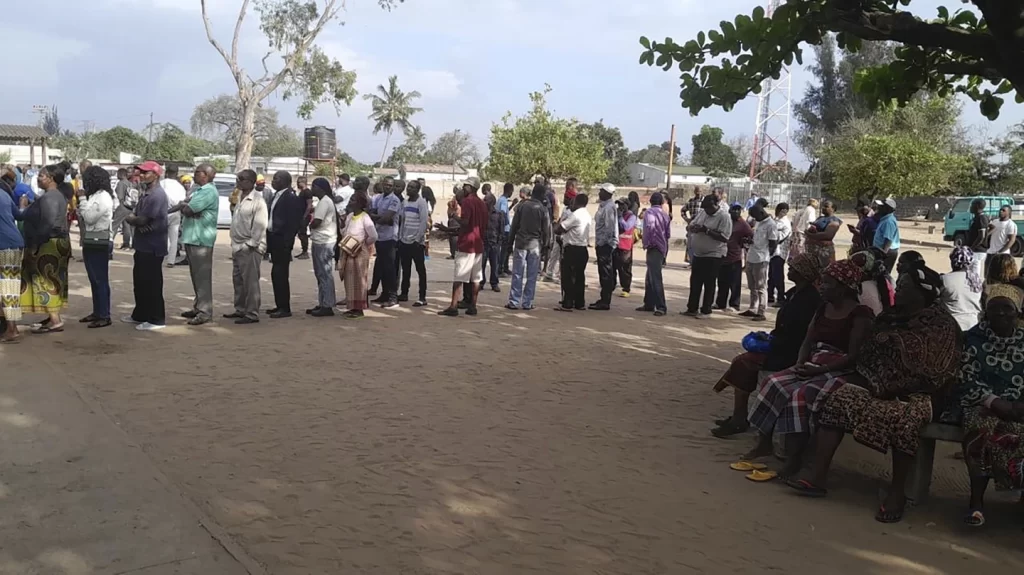
In a shocking escalation of political tensions in Mozambique, gunmen fatally shot Elvino Dias, the lawyer for leading opposition presidential candidate Venancio Mondlane, and Paulo Guambe, a senior member of the PODEMOS opposition party, late Friday night in Maputo. This violent incident has further inflamed an already tense post-election atmosphere in the southern African nation.

Elvino Dias

The double assassination occurred as Mozambique awaits the final results of a contentious election that has been marred by allegations of vote rigging and suppression of dissent against the long-ruling Frelimo party. Dias and Guambe were chased down by gunmen in two vehicles on a main avenue in the capital, their car riddled with bullets in what PODEMOS described as “further clear evidence of the lack of justice that we are all subjected to.”

Elvino Dias was not only a legal advisor to Mondlane but was also actively involved in preparing legal challenges to the election results in the Constitutional Council, Mozambique’s supreme electoral court. His killing has been characterized by Adriano Nuvunga, director of the Centre for Democracy and Development, as a “political assassination” amid rising tensions.

The October 9 election saw PODEMOS, a relatively new opposition party, challenge the 49-year rule of the Front for the Liberation of Mozambique (Frelimo). Preliminary results show Frelimo candidate Daniel Chapo holding a clear lead in the presidential race, with final results due next week. However, Mondlane, PODEMOS, and other opposition parties have accused Frelimo of electoral fraud.

This violent incident has drawn widespread condemnation, with the Mozambican Bar Association calling the killing of Dias “an attack on the legal profession, its independence, the rule of law and democracy.” The organization has called for protest marches in all provinces.

The assassinations come against a backdrop of increasing political tension. Rights groups have accused Mozambican authorities of clamping down on dissent before and after the election, including using force to break up peaceful protests. Earlier in the week, police dispersed a post-election march by Mondlane supporters in Nampula, while Maputo has seen a heightened police presence.

Frelimo, which has governed Mozambique since independence in 1975, has consistently denied accusations of rigging elections. The party established a one-party state post-independence and fought a 15-year civil war against Renamo, which later became the main opposition party following the country’s first democratic elections in 1994.

France Pledges Support for Ukraine’s ‘Victory Plan’ to End Russian Invasion

0

French Foreign Minister Jean-Noël Barrot has publicly endorsed Ukraine’s newly unveiled “victory plan” aimed at ending Russia’s 2 1/2-year invasion. During a visit to Kyiv on Saturday, Barrot committed to working alongside Ukrainian officials to garner international support for the proposal, marking a significant diplomatic push from one of Ukraine’s staunchest European allies.

The plan, recently introduced by Ukrainian President Volodymyr Zelenskyy, seeks to compel Russia to cease its invasion through negotiations. A key element of the proposal is securing a formal invitation for Ukraine to join NATO, a move that Western allies have been hesitant to consider while the conflict is ongoing.

Barrot emphasized the critical nature of Ukraine’s struggle, stating, “A Russian victory would be a consecration for the law of the strongest and would push the international order toward chaos.” He underscored France’s commitment to Ukraine’s cause, framing the conflict as a defense of European values against Russian aggression.

In a significant show of support, Barrot announced that France would deliver its first batch of Mirage 2000 combat jets to Ukraine in the first quarter of 2025. This commitment includes training Ukrainian pilots and mechanics to operate and maintain the aircraft, further bolstering Ukraine’s military capabilities.

France’s backing of Ukraine extends beyond diplomatic and military support. The country is currently training and equipping a full new brigade of Ukrainian soldiers for front-line deployment, demonstrating its comprehensive approach to aiding Ukraine’s defense efforts.

Barrot’s visit coincided with a prisoner swap between Russia and Ukraine, facilitated by the United Arab Emirates, which saw 190 POWs exchanged. Among the 95 Ukrainians released were 34 Azov fighters who had defended Mariupol and the Azovstal steelworks, highlighting the ongoing humanitarian aspects of the conflict.

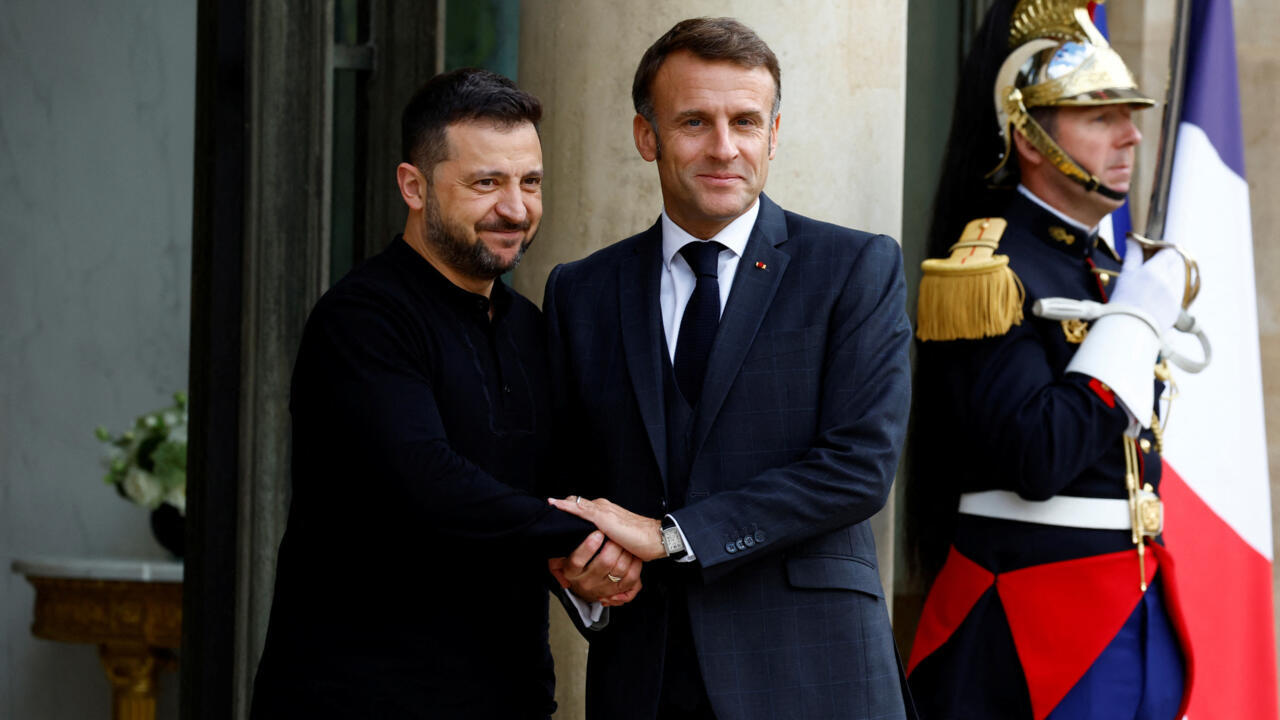
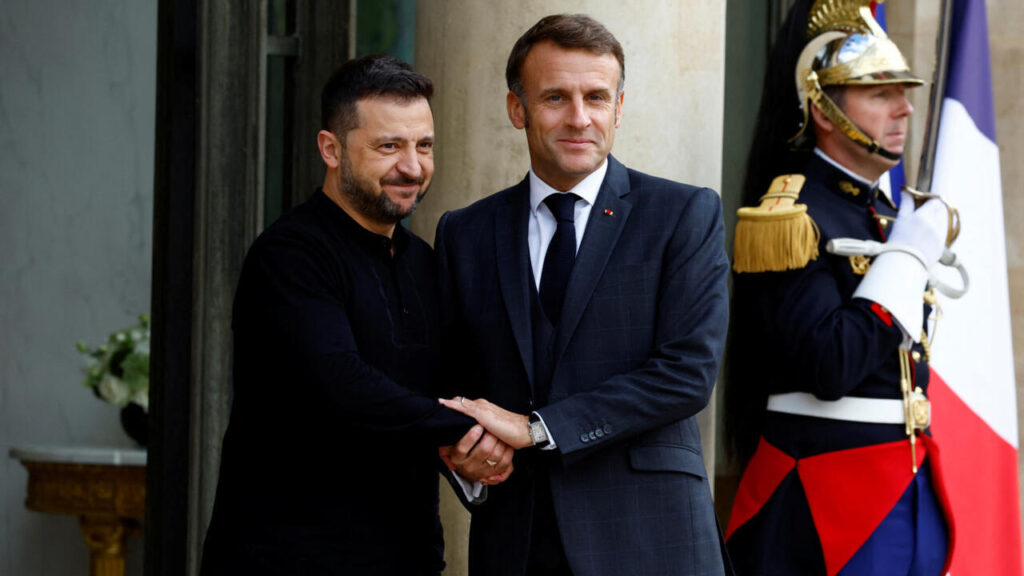
The French minister’s support for Ukraine’s plan aligns with previous calls by French President Emmanuel Macron for a policy shift among Western allies. Macron has advocated for allowing Ukraine to strike military bases inside Russia using sophisticated long-range weapons provided by Western partners, including French missiles. This aspect of long-range strikes is a crucial component of Zelenskyy’s five-point plan but has faced reluctance from Kyiv’s allies thus far.

The success of Ukraine’s “victory plan” could potentially reshape the course of the conflict and the geopolitical landscape of Eastern Europe.

With France’s vocal support and tangible military aid, Ukraine’s strategy to end the Russian invasion enters a new phase. The coming months will be crucial in determining whether this diplomatic offensive, backed by military pressure, can bring about a resolution to the protracted conflict that has devastated Ukraine and destabilized the region for over two years.

AP

Escalating Tensions: Drone Targets Israeli PM’s House as Gaza Strikes Intensify

0

The Israel-Hamas conflict has entered a new phase of escalation, with a drone targeting Israeli Prime Minister Benjamin Netanyahu’s house and intensified strikes in Gaza resulting in numerous civilian casualties. These developments come in the wake of the reported killing of Hamas leader Yahya Sinwar, as both sides signal an unwillingness to end hostilities.

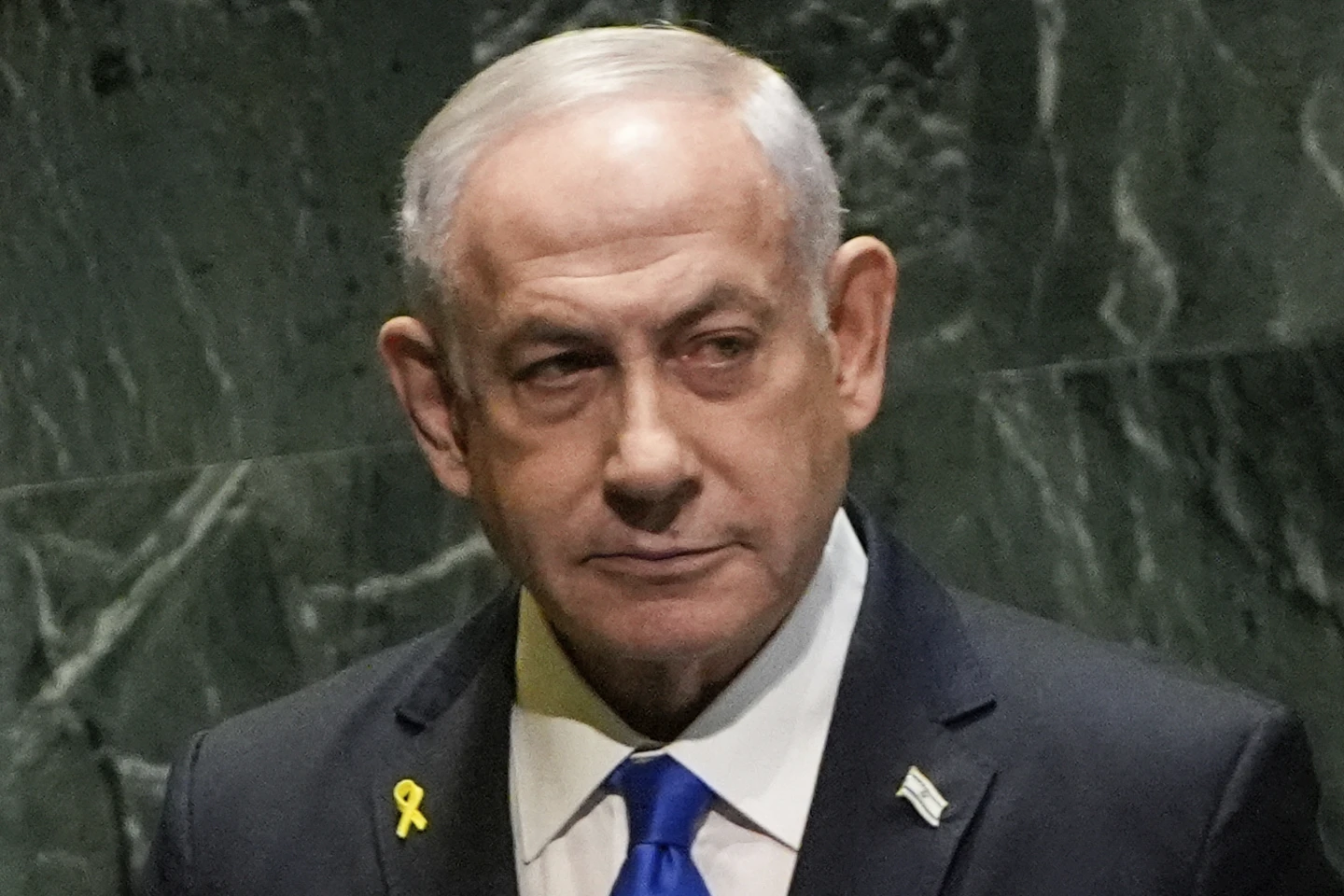
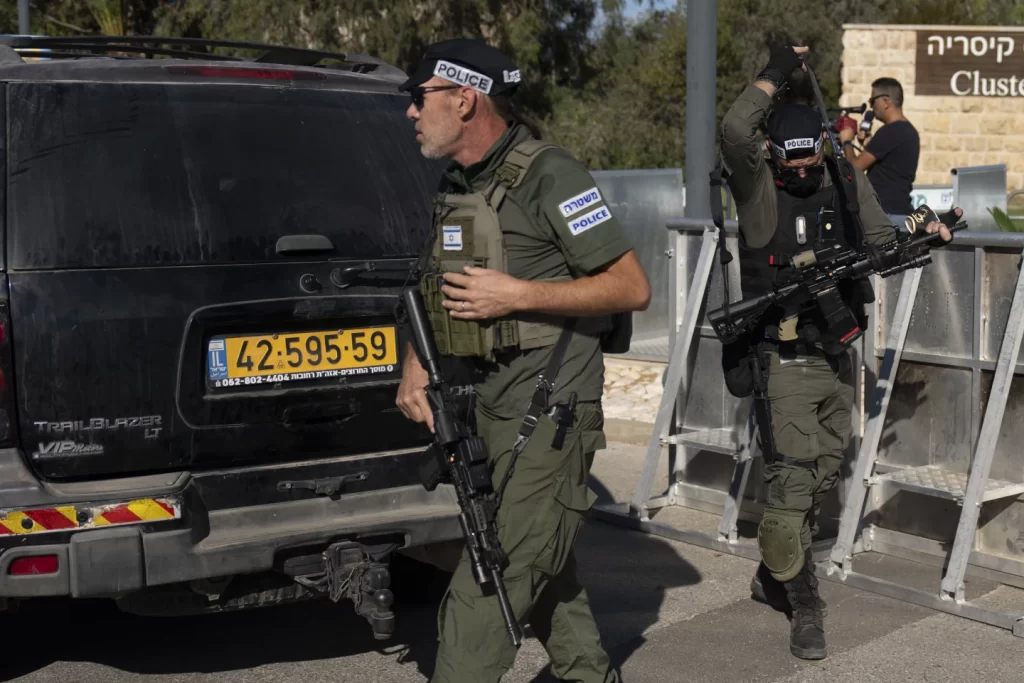
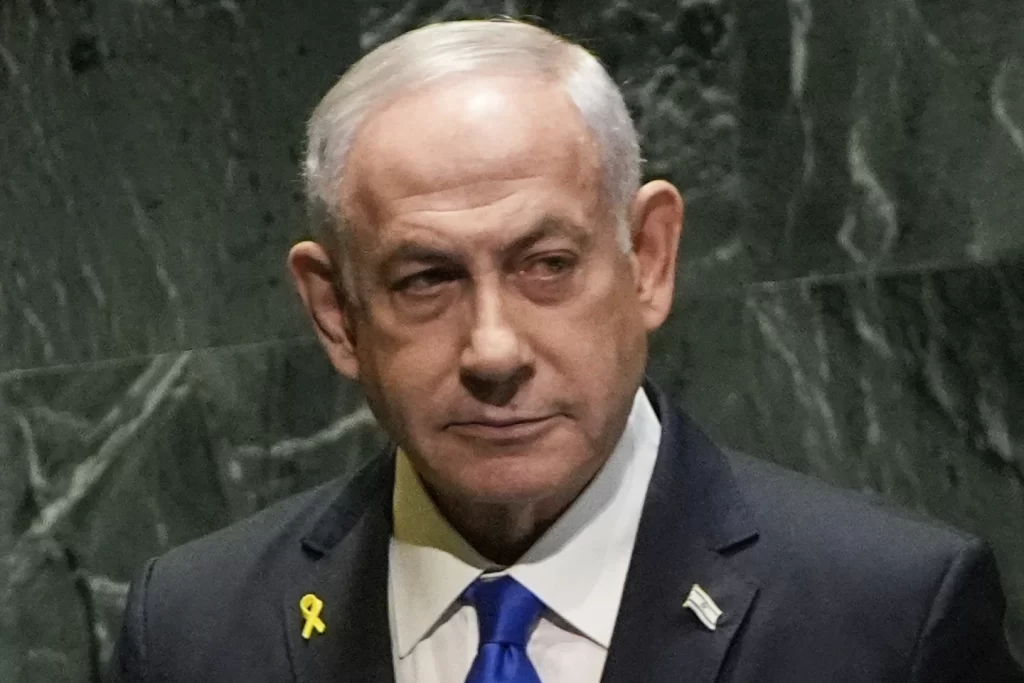
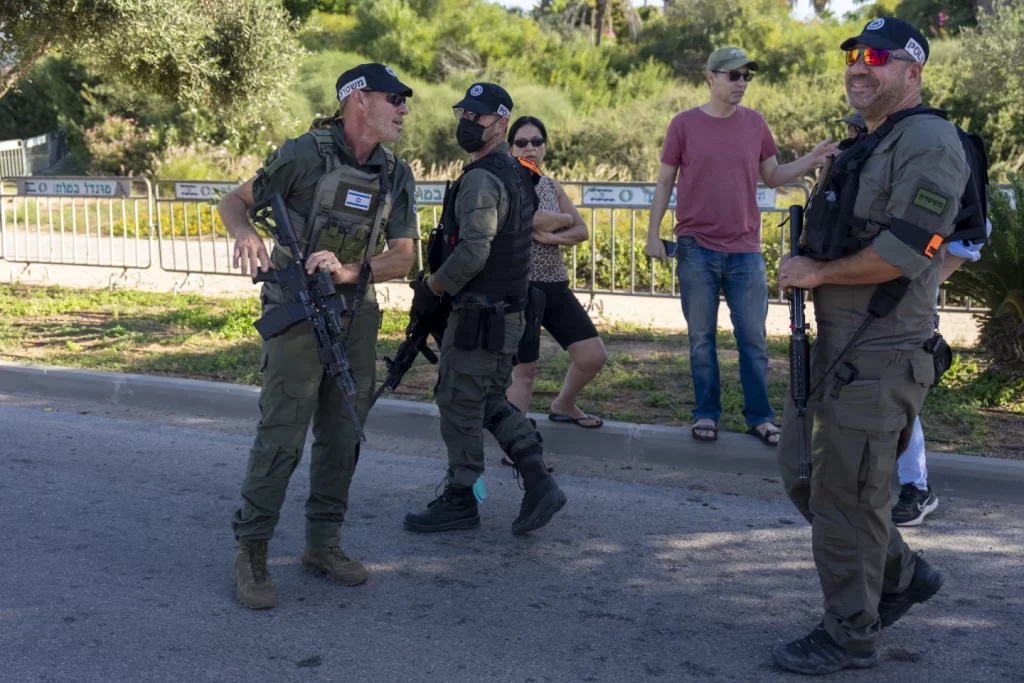
On Saturday, the Israeli government reported that a drone targeted Netanyahu’s private residence in Caesarea, though neither the Prime Minister nor his wife were present at the time. This attack, coupled with a barrage of approximately 55 projectiles fired from Lebanon into northern Israel, underscores the widening scope of the conflict. The attacks from Lebanon resulted in one fatality and four injuries, according to Israeli medical services.

The drone incident marks a significant escalation, following a similar attempt in September when Yemen’s Houthi rebels launched a ballistic missile toward Ben Gurion Airport as Netanyahu’s plane was landing. These attacks highlight the complex regional dynamics at play, with Iran-backed groups actively participating in the conflict.

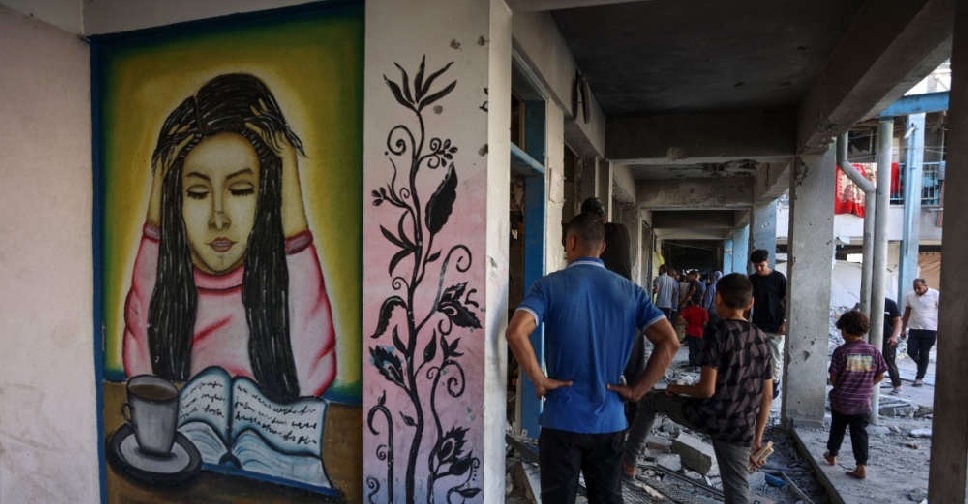
In Gaza, Israeli forces continued their offensive, with strikes reportedly hitting hospitals in the northern part of the enclave. The Palestinian Health Ministry stated that Israeli forces fired at the Indonesian Hospital in Beit Lahiya and the Al-Awda hospital in Jabaliya. Over 50 people, including children, were killed in less than 24 hours, according to hospital officials and an Associated Press reporter on the ground.

The death toll in Gaza has now surpassed 42,000, according to local health authorities, who do not distinguish between combatants and civilians but report that more than half of the casualties are women and children. The ongoing conflict has devastated Gaza, displacing about 90% of its 2.3 million residents and creating severe shortages of food, water, medicine, and fuel.

The killing of Hamas leader Yahya Sinwar, reported by Israel and confirmed by a top Hamas official, has added a new dimension to the conflict. Iran’s Supreme Leader, Ayatollah Ali Khamenei, addressed Sinwar’s death, stating that while it was a painful loss, Hamas would continue its fight. This stance was echoed by Hamas, which reiterated its position that hostages taken from Israel would not be released until a ceasefire is declared and Israeli troops withdraw from Gaza.

Netanyahu, however, has maintained that Israel’s military will continue fighting until the hostages are released and that Israeli forces will remain in Gaza to prevent Hamas from rearming. This standoff raises concerns about the prospects for a negotiated end to the conflict in the near future.

The situation is further complicated by the ongoing conflict between Israel and Hezbollah in Lebanon. Israel claims to have killed Hezbollah’s deputy commander in the southern town of Bint Jbeil, while a Lebanese health ministry report states that an Israeli airstrike hit a vehicle north of Beirut, killing two people.

As the conflict intensifies, there are growing calls from the international community and families of hostages for renewed negotiations. Approximately 100 hostages remain in Gaza, with at least 30 believed to be dead, according to Israeli authorities.