A gunman opened fire inside a vocational high school in southeastern Turkey on Tuesday, wounding at least 16 people before taking his own life, authorities said.
The attacker, identified as an 18-year-old former student, entered the school in Siverek, located in Sanliurfa province, carrying a shotgun and began firing indiscriminately, regional governor Hasan Sildak said.
Among those injured were 10 students, four teachers, a cafeteria worker and a police officer. Most victims were treated locally, while several with more serious injuries were transferred to a hospital in the provincial capital for advanced care.
Officials said the suspect ended his life after police surrounded him inside the building. Authorities described the incident as isolated and confirmed the attacker had no prior criminal record.
Initial findings did not establish a motive. However, local media outlets, including Anadolu Agency, indicated the suspect may have posted threats on social media before carrying out the attack.
Students described scenes of panic as the shooting unfolded. One witness said the attacker entered a classroom without warning and opened fire, prompting students to drop to the ground before some fled by jumping from windows.
Emergency units quickly evacuated the campus as police secured the area. Video from the scene showed students rushing out of the building and onto nearby streets.
Authorities said a full investigation is underway to determine how the attack was planned and whether any warning signs were missed.
School shootings remain uncommon in Turkey, making the incident particularly alarming for a country where such attacks are not a frequent part of public safety concerns. The absence of a permanent police presence at the school, while typical in many parts of the country, may prompt renewed debate about campus security measures.
The reported use of social media to signal intent reflects a growing global pattern in acts of violence, where digital platforms can serve as early warning signs that are often overlooked or not acted upon in time. This raises broader questions about monitoring, reporting, and intervention systems.
The attack also highlights the vulnerability of educational institutions to sudden acts of violence, even in regions not typically associated with such incidents. As investigations continue, officials may face pressure to reassess safety protocols, particularly in vocational and public schools that operate with limited security infrastructure.
In the wider context, the incident underscores how isolated acts can still have significant national impact, shaping public perception and policy discussions around youth behavior, mental health, and access to weapons.
A tanker linked to China and under U.S. sanctions moved through the Strait of Hormuz this week, testing enforcement of a maritime blockade ordered by Donald Trump and raising new questions about control of one of the world’s most critical shipping routes.
Shipping data reviewed by Reuters showed the vessel Rich Starry transiting the narrow waterway and exiting the Gulf on Tuesday, marking the first known passage since the U.S. Navy began enforcing restrictions a day earlier. The ship’s operator, Shanghai Xuanrun Shipping Co Ltd, has been sanctioned by Washington for business ties involving Iran.
U.S. officials have said the operation targets ships connected to Iranian trade or those that have paid transit fees to Iranian authorities. Military officials also issued warnings that vessels could face interception or diversion regardless of nationality.
Despite those warnings, the tanker continued its route without reported interference. Data indicated it departed from a port in the United Arab Emirates carrying a large shipment of methanol and proceeded through the corridor without entering routes directly tied to Iranian ports.
The development came as tensions escalated across the region. Iranian officials have warned that foreign naval forces operating in the area could face retaliation, while Western allies have signaled reluctance to participate in the U.S.-led operation. Governments in Europe have instead emphasized reopening the waterway to commercial traffic rather than expanding military involvement.
Coverage by The Sun described the transit as a direct test of U.S. resolve, noting that American warships in the area had the capability to stop the vessel but did not act. The same report highlighted the scale of the naval deployment, including destroyers and mine-clearing ships positioned along the route.
The Strait of Hormuz remains a vital artery for global energy supplies, historically carrying a significant share of the world’s oil shipments. Disruptions in recent weeks have already driven up fuel costs and increased volatility in international markets.
Additional reporting, including from The Wall Street Journal, indicates that large volumes of Iranian oil are already stored on tankers at sea, potentially limiting the immediate economic impact of the blockade. Analysts say this запас allows shipments to continue indirectly even as restrictions tighten.
President Trump has maintained that the blockade is intended to pressure Iran into concessions, particularly on nuclear activity and regional security. He has also indicated that additional countries may support enforcement efforts, though key allies have publicly declined to join.
The passage of the Rich Starry underscores the difficulty of enforcing a selective maritime blockade in one of the busiest and most strategically sensitive waterways in the world. While the U.S. has significant naval capabilities, the distinction between vessels directly tied to Iranian ports and those operating more broadly creates gray areas that can be exploited.
China’s indirect involvement, through a sanctioned vessel continuing operations, highlights the broader geopolitical stakes. Beijing relies heavily on energy imports and has consistently opposed restrictions that could disrupt supply chains. The incident suggests that enforcement may depend as much on political alignment as on military presence.
At the same time, hesitation from European allies signals a lack of unified Western strategy. Without broader participation, the effectiveness of the blockade could be limited, particularly if major shipping nations choose to continue operations cautiously rather than comply fully.
The situation also raises the risk of miscalculation. With multiple naval forces operating in close proximity and heightened rhetoric on all sides, even a routine transit could escalate into a larger confrontation. As negotiations remain uncertain, control of the strait is likely to remain a central flashpoint in the wider conflict.
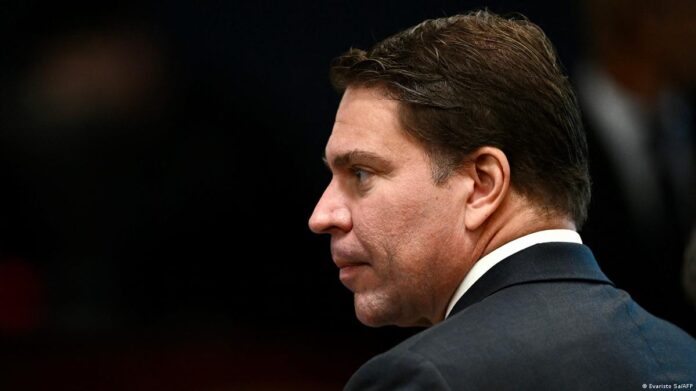
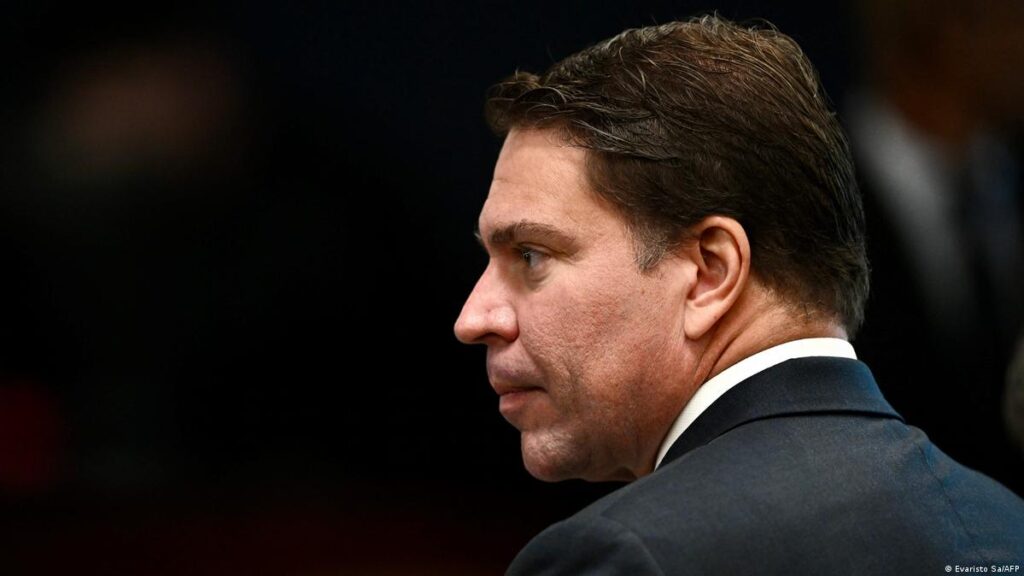
(Reuters) — Alexandre Ramagem, a former head of Brazil’s intelligence agency under Jair Bolsonaro, has been taken into custody by U.S. Immigration and Customs Enforcement in Florida after fleeing his home country following a criminal conviction tied to a coup plot.
The U.S. agency confirmed Monday that Ramagem was being held but did not provide additional details about the circumstances of the detention. Authorities in Brazil indicated that a man sought by their justice system had been arrested in Orlando in coordination with American officials, though they did not initially name him.
Ramagem, a former federal police official, was sentenced in Brazil to more than 16 years in prison for his role in an effort to overturn the 2022 election victory of Luiz Inacio Lula da Silva. The case stemmed from a broader investigation into actions by allies of Bolsonaro following his defeat.
Brazil’s Federal Police said the arrest resulted from cooperation between the two countries’ law enforcement agencies. The statement noted that the individual detained had been convicted by Brazil’s highest court for involvement in a plot to disrupt the democratic transfer of power.
Ramagem has consistently denied wrongdoing, and his legal team did not immediately respond to inquiries.
A political ally of Bolsonaro, Paulo Figueiredo, indicated on social media that the arrest may have followed a minor traffic stop before immigration authorities became involved. That account has not been independently confirmed.
It remains unclear whether the detention is directly linked to a formal extradition request from Brazil. U.S. officials have not clarified whether proceedings to return Ramagem to Brazil are underway.
The case is part of a wider crackdown by Brazilian authorities that led to convictions of dozens of individuals, including Bolsonaro himself, who received a lengthy prison sentence. The investigation focused on allegations that members of the former administration attempted to undermine the country’s electoral system.
During his tenure leading Brazil’s intelligence service beginning in 2019, Ramagem was accused of using state resources to monitor critics of the government and support efforts to challenge election results. He later served briefly as a lawmaker before losing his seat following the court ruling.
The detention highlights increasing cross-border cooperation in high-profile political and criminal cases, particularly those involving alleged threats to democratic institutions. It also underscores how individuals facing serious charges abroad may encounter legal exposure even after leaving their home countries.
Analysts note that the outcome of Ramagem’s case could influence future cooperation between Washington and Brasilia on extradition matters, as well as set a precedent for how former officials accused of political crimes are handled internationally.
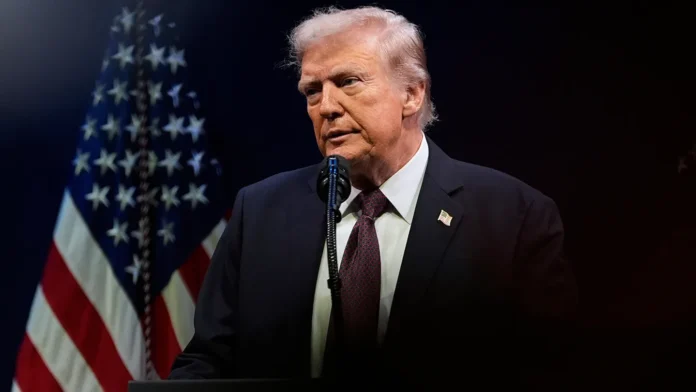
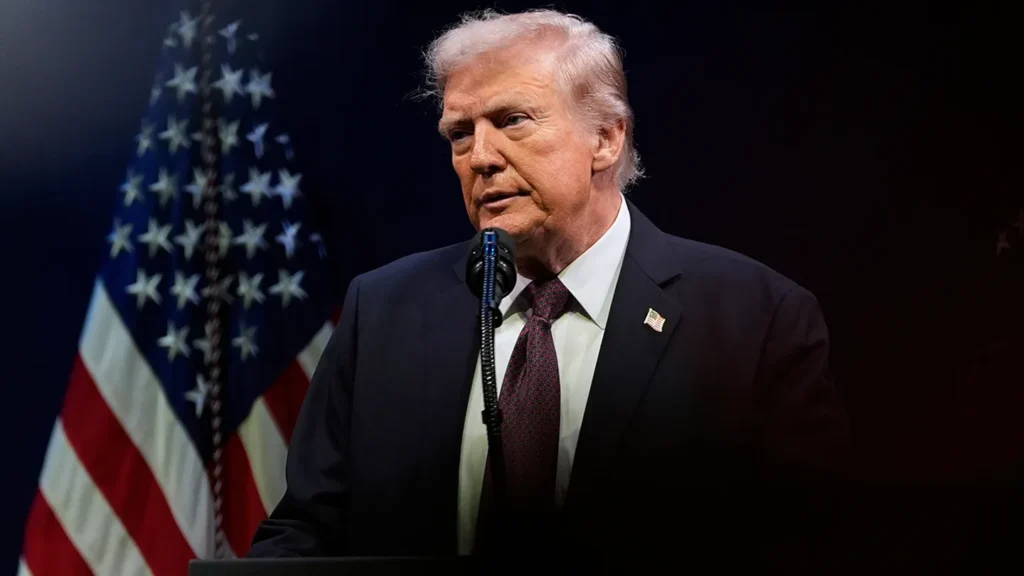
A judge has dismissed Donald Trump’s $10 billion defamation lawsuit against the Wall Street Journal and its owner Rupert Murdoch over reporting on his ties to Jeffrey Epstein, ruling that the U.S. president failed to demonstrate that the article was published with intent to be malicious while leaving the door open for an amended complaint.
District Judge Darrin P. Gayles in Florida wrote in the order that Trump had not made the argument that the article was published with the intent required to prove defamation under the “actual malice” standard that applies to public figures, according to Sky News. The judge gave the president a chance to file an amended complaint addressing the legal deficiencies in his original filing.
In a post on Truth Social, Trump characterized the lawsuit, filed in July last year, as “historic legal action” which he claimed was filed on behalf of himself and all Americans who will “no longer tolerate the abusive wrongdoings of the Fake News Media.” The language framed personal legal action as public interest litigation despite the case being filed to protect Trump’s reputation rather than broader press freedom concerns.
“I hope Rupert and his ‘friends’ are looking forward to the many hours of depositions and testimonies they will have to provide in this case,” he wrote after launching the defamation lawsuit—threatening language suggesting litigation was intended to harass defendants through discovery burdens rather than merely seek damages for reputational harm.
The Wall Street Journal’s report focused on a letter the publication disclosed Trump wrote as part of a collection Jeffrey Epstein’s former girlfriend Ghislaine Maxwell planned to give him as a 50th birthday present in 2003. Trump claimed that the letter he allegedly wrote to convicted pedophile Epstein was “fake” and declared he would sue the “ass off” Murdoch after the Wall Street Journal published the story last July.
The Wall Street Journal indicated the letter featured several lines of typewritten text, concluding with: “May every day be another wonderful secret.” The text was framed by what appeared to be a hand-drawn outline of a naked woman, the publication claimed. The letter is also said to have featured the signature “Donald.”
Trump immediately denied writing the letter, which was subsequently released publicly by Congress via subpoenaed records from Epstein’s estate when the report was published. “The Wall Street Journal printed a FAKE letter, supposedly to Epstein,” he wrote on Truth Social at the time.
“These are not my words, not the way I talk. Also, I don’t draw pictures. I told Rupert Murdoch it was a Scam, that he shouldn’t print this Fake Story. But he did, and now I’m going to sue his ass off, and that of his third rate newspaper,” Trump continued, employing characteristically crude language to attack one of the world’s most influential business publications.
The Independent confirmed that a federal judge dismissed Trump’s defamation lawsuit against The Wall Street Journal, Rupert Murdoch, and the journalists and publishers who documented an alleged birthday letter to convicted sex offender Jeffrey Epstein, which the president claims does not exist.
The letter—allegedly signed by Trump and featuring a sexually suggestive drawing and a birthday wish stating “may every day be another wonderful secret”—was first published by the newspaper and then shared with members of Congress by the Epstein estate last year, making it part of the public record that anyone could examine.
Trump has repeatedly denied writing the letter and denied that a signature on the document is his. He filed a $10 billion defamation lawsuit last summer, claiming that “no authentic letter or drawing exists” and blasting the story as a “false, malicious, defamatory, FAKE NEWS ‘article’ in the useless ‘rag’ that is” the Wall Street Journal.
In his order Monday, Florida District Judge Gayles argued that Trump failed to show that the article was published with “actual malice”—the legal standard for proving defamation against public figures established by the Supreme Court in New York Times v. Sullivan—and opened the door for the president to file an amended complaint addressing the legal deficiencies.
Trump came “nowhere close to this standard,” Judge Gayles wrote. “Quite the opposite,” he emphasized, employing unusually blunt language for a judicial order dismissing a sitting president’s lawsuit.
The president’s lawsuit alleges that he told the defendants that the letter “was a fake before they ran the article,” the judge noted in his ruling. “President Trump argues that this allegation shows that Defendants acted with serious doubts about the truth of their reporting and, therefore, with actual malice. The Court disagrees,” he wrote.
Trump’s “conclusory allegation” that the newspaper had “contradictory evidence and failed to investigate” his claims “is rebutted by the article itself and is insufficient to establish actual malice,” the judge explained, indicating that the Wall Street Journal’s reporting demonstrated appropriate journalistic investigation rather than reckless disregard for truth.
In a footnote, the judge also noted that the “very existence” of the birthday letter “bears on whether the article is true and, even if it is false, whether defendants acted with actual malice”—suggesting that the letter’s subsequent release by Congress through Epstein estate documents undermined Trump’s claims about fabrication.
“President Trump will follow Judge Gayles’s ruling and guidance to refile this powerhouse lawsuit against the Wall Street Journal and all of the other Defendants,” a spokesperson for the president’s legal team told The Independent, employing triumphalist language despite the dismissal. “The president will continue to hold accountable those who traffic in Fake News to mislead the American People.”
The newspaper published a 50th birthday greeting to Epstein from 2003 which included a message stating “We have certain things in common, Jeffrey” and “A pal is a wonderful thing. Happy Birthday — and may every day be another wonderful secret,” all written inside the outline of a woman’s body—sexually suggestive imagery that Trump claims he would never create.
The publication of the letter joined a wave of reporting into the government’s handling of investigations into Epstein as Trump’s Department of Justice sought to draw federal probes to a close, drawing more scrutiny into the president’s relationship with the wealthy sex offender and his alleged connections to a wider network of powerful figures.
The president’s lawsuit “does not include a single plausible allegation” that The Wall Street Journal knowingly published false statements about him, lawyers for the defendants wrote in response last year. The article is “true,” they asserted, and the evidence is publicly available for anyone to examine since Congress released it.
“This case calls out for dismissal,” they wrote, characterizing Trump’s lawsuit as “an affront to the First Amendment” and an attempt to “silence a newspaper for publishing speech that was subsequently proven true by documents released by Congress to the American public.”
“By its very nature, this meritless lawsuit threatens to chill the speech of those who dare to publish content that the president does not like,” they added, arguing that allowing the suit to proceed would embolden Trump and future presidents to use defamation litigation as weapon against critical journalism.
The Independent has requested comment from Trump’s legal team and spokespeople for The Wall Street Journal. The White House referred The Independent’s inquiry to the president’s counsel, maintaining separation between official governmental functions and Trump’s personal legal battles.
The president’s name appears thousands of times within the millions of documents released by the Justice Department as part of legislation that Trump had signed into law requiring disclosure of Epstein-related materials. Trump socialized with Epstein throughout the 1990s and 2000s, and Epstein once described himself as the president’s “closest friend” in interviews with journalists.
Trump has not been accused of criminal wrongdoing in connection with Epstein, and one’s appearance in the Epstein files does not suggest otherwise absent specific allegations. The president has repeatedly denied any wrongdoing in connection with Epstein and insists he severed ties with Epstein years before the wealthy pedophile—who died by suicide in a New York City jail cell while awaiting trial on sex trafficking charges—came under investigation.
The president, meanwhile, continues threatening media outlets, publishers, and journalists with legal action over critical coverage, and he routinely suggests he can revoke broadcast licenses for networks over their antagonistic reporting of his administration. He is embroiled in another defamation lawsuit against the BBC, which he has accused of editing his speech to a crowd on January 6, 2021.
Last year, a federal judge lambasted the president’s legal team in a scathing order dismissing the president’s $15 billion lawsuit against The New York Times, which the judge called “decidedly improper and impermissible”—language suggesting judicial frustration with Trump’s pattern of filing legally deficient suits against media organizations.
The dismissal of the Wall Street Journal lawsuit represents another setback in Trump’s campaign to use defamation litigation as tool for punishing critical journalism. While the judge left open possibility for amended complaint, the requirement that Trump demonstrate actual malice—meaning the publication knew statements were false or acted with reckless disregard for truth—creates high bar that plaintiffs rarely clear in defamation cases against media defendants.
For press freedom advocates, the dismissal reinforces protections established by New York Times v. Sullivan that prevent public figures from easily silencing critical reporting through defamation suits. However, the ability of a sitting president to file $10 billion lawsuits against media organizations—regardless of legal merit—creates financial and reputational pressures that could discourage aggressive investigative journalism.
As Trump weighs whether to file amended complaint addressing the legal deficiencies Judge Gayles identified, the case illustrates the ongoing tension between presidential power, press freedom, and the First Amendment protections that theoretically prevent governmental retaliation against critical media coverage but cannot eliminate the harassment value of expensive, time-consuming litigation.
For now, the Wall Street Journal can continue reporting on Trump’s Epstein connections without fear of immediate legal consequences from the dismissed lawsuit, though the threat of amended filing and Trump’s pattern of litigation against critics creates ongoing uncertainty about the costs of aggressive journalism documenting presidential conduct and associations.
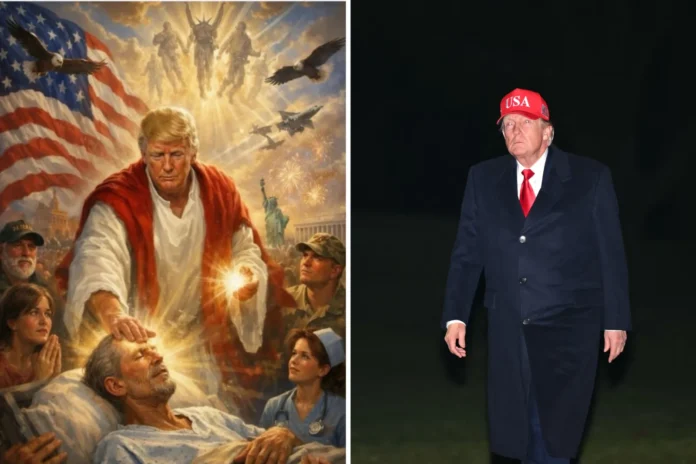
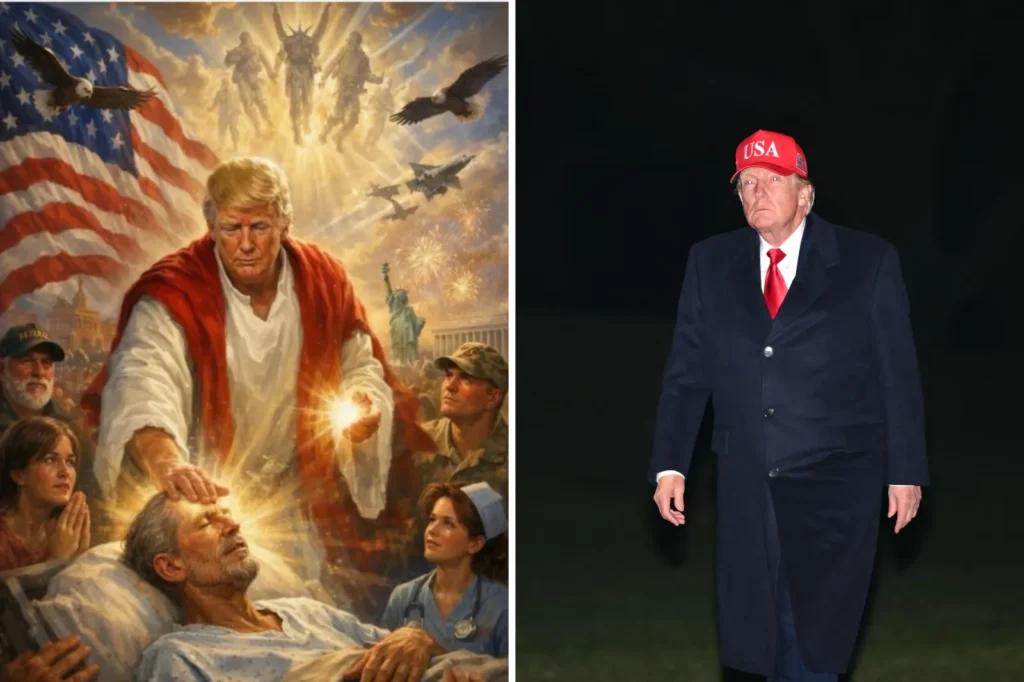
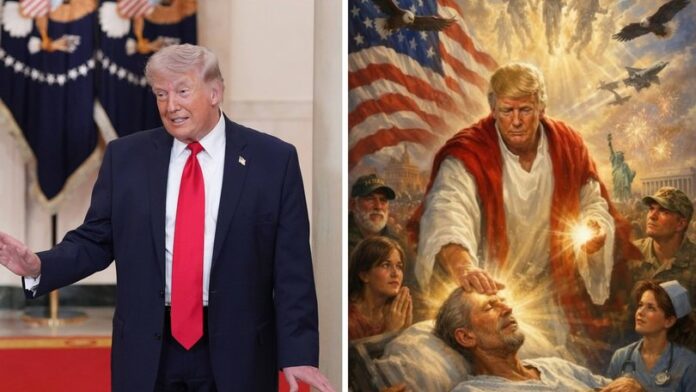
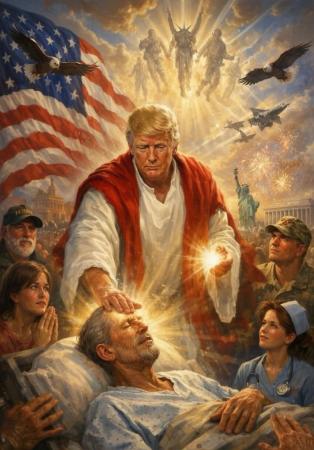
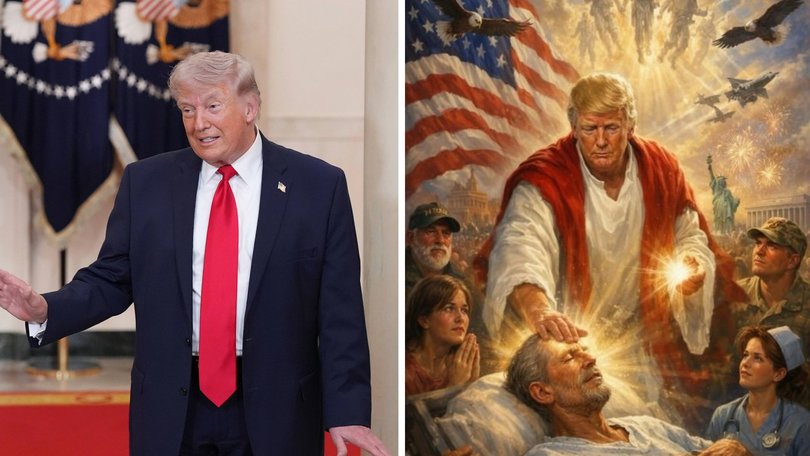
Donald Trump removed an artificial intelligence-generated image of himself looking like Christ Jesus from his social media platform after it triggered sharp criticism, including from some of his own supporters.
The image, posted late Sunday on Truth Social, depicted Trump in religious-style robes appearing to heal a man lying in a hospital bed. The scene included figures resembling a nurse, a soldier, and others in poses of reverence, with symbolic imagery such as eagles and a glowing backdrop.
The post, which appeared without explanation, drew immediate backlash across political and religious circles. Critics described the portrayal as inappropriate and offensive, with several conservative commentators openly rebuking the imagery.
Outlets including The Daily Beast, New York Post and Newsweek highlighted the wave of criticism, noting that some supporters viewed the depiction as crossing a line by invoking religious symbolism in a political context. The image was later removed without public comment from the president or the White House.
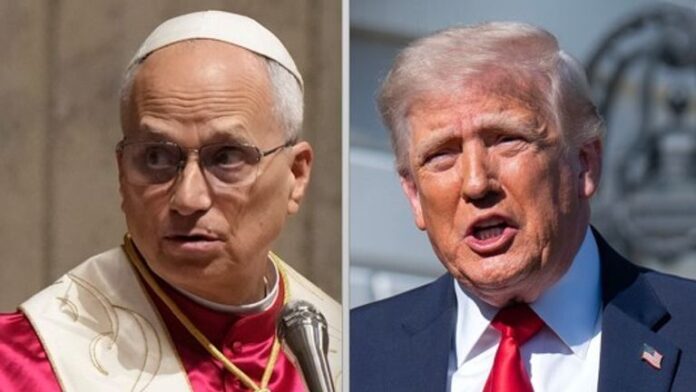
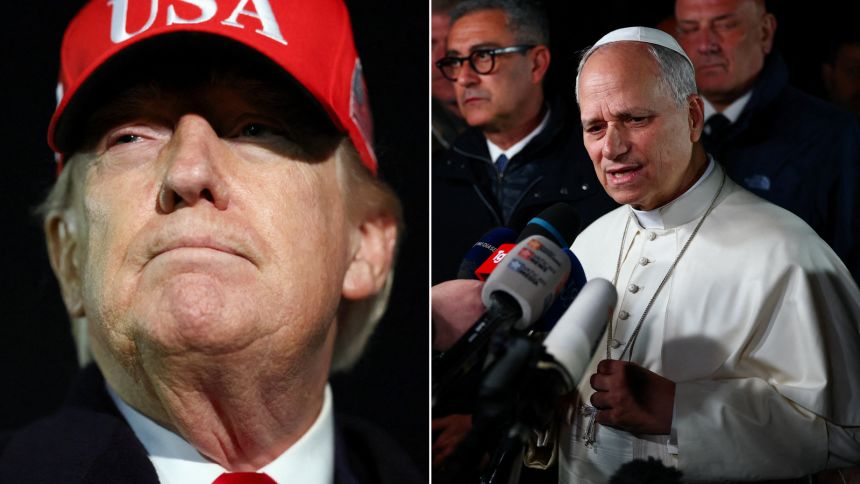
The controversy emerged alongside an intensifying dispute between Trump and Pope Leo XIV, who has recently spoken out against ongoing conflicts abroad. Trump had earlier criticized the pope’s stance on foreign policy and security issues in posts on the same platform.
Public reaction to the image spread rapidly online, with several conservative voices expressing concern about the tone and implications of the post. Some questioned whether the image was intended as satire or carried a more serious message, while others urged restraint and respect for religious imagery.
The White House did not respond to requests for comment from multiple media organizations following the deletion.
From a broader perspective, the incident underscores the growing role of artificial intelligence in political messaging and the risks associated with its use. As digital tools make it easier to create highly stylized or symbolic content, public figures face increasing scrutiny over how such imagery is perceived, particularly when it intersects with religion or deeply held beliefs.
The episode also reflects ongoing tensions within political coalitions, where messaging that energizes one segment of supporters can alienate another. In this case, criticism from within Trump’s own base highlights the sensitivity surrounding religious symbolism in public discourse.
As AI-generated content becomes more common in political communication, similar controversies are likely to emerge, raising questions about boundaries, intent, and accountability in the digital age.
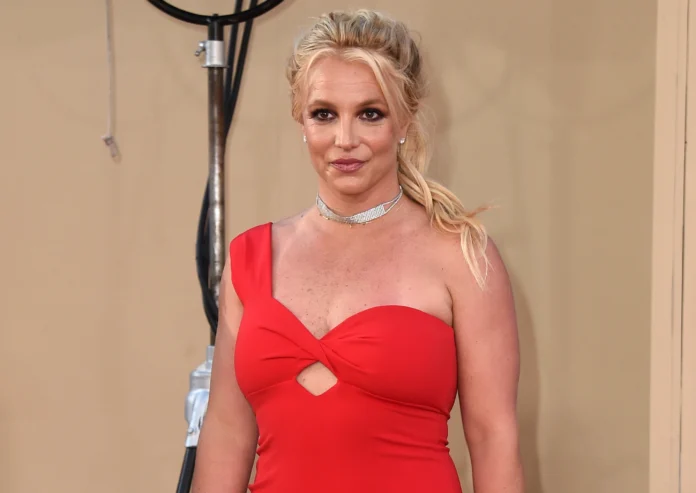
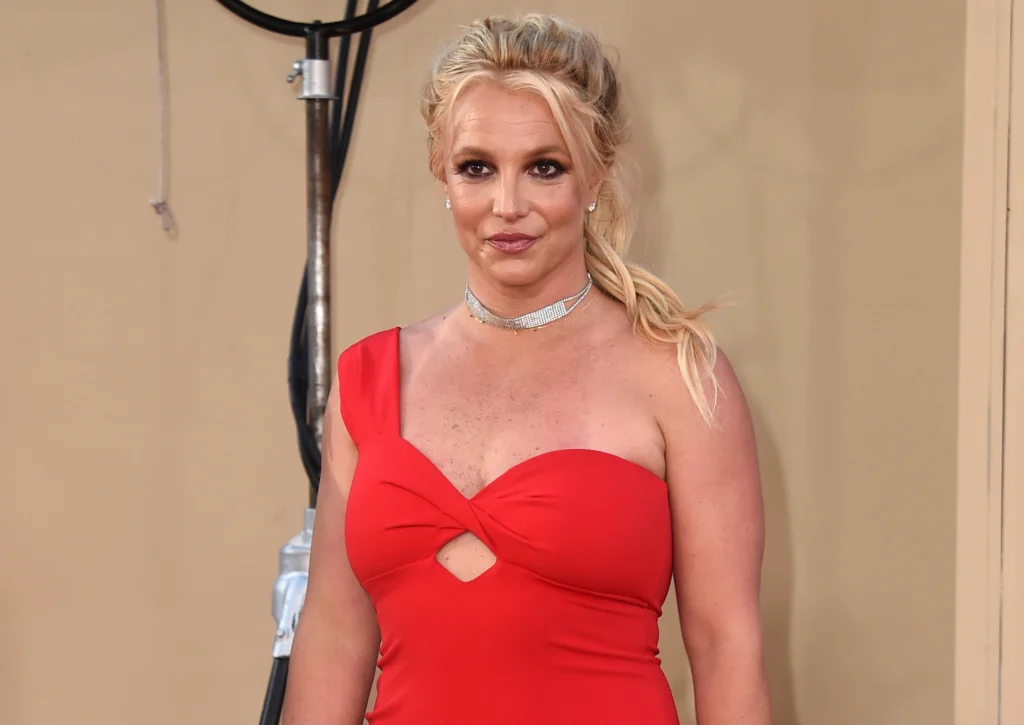
(TMZ/AP) — Britney Spears has voluntarily entered a substance abuse treatment program weeks after her arrest on suspicion of driving under the influence, marking a new chapter as she faces ongoing legal proceedings.
A representative for Spears confirmed to The Associated Press on Sunday that the 44-year-old singer recently checked into a treatment facility in the United States.
The development follows a March 5 incident in Ventura County, where California Highway Patrol officers responded to reports of a vehicle being driven erratically along U.S. 101. Authorities said Spears was subjected to field sobriety testing before being arrested on suspicion of impairment involving alcohol and drugs. She was later released from custody the same day.
The case has since been referred to the Ventura County District Attorney’s Office, which is expected to determine whether to file charges ahead of a scheduled court appearance in early May.
Sources cited by TMZ indicated that Spears entered treatment voluntarily following encouragement from those close to her. Individuals familiar with the situation suggested the decision may also reflect an effort to address the legal case and demonstrate accountability as it progresses through the courts.
Spears has faced past struggles related to substance use and has previously entered treatment programs. Her latest move comes as she has largely stepped back from her music career, having not toured in several years or released a new album in nearly a decade.
In 2021, Spears regained control over her personal and financial decisions after a long-running conservatorship was terminated. She later published a memoir, The Woman in Me, which became a commercial success and offered insight into her personal life and career.
Spears’ decision to seek treatment at this stage carries both personal and legal implications. In high-profile cases involving alleged impaired driving, voluntary enrollment in a treatment program can influence how courts view accountability and rehabilitation efforts. While it does not determine the outcome, it may be considered during legal proceedings.
From a broader perspective, the situation highlights the ongoing pressures faced by public figures navigating personal challenges under intense scrutiny. Spears’ history, including her widely publicized conservatorship, has made her a focal point in discussions about autonomy, mental health and recovery.
Her return to treatment may also signal a shift toward prioritizing stability over public appearances or career revival. For fans and observers, it underscores the complexity of recovery, particularly for individuals whose struggles have played out in the public eye.
As the legal process unfolds, attention will likely remain on both the court’s decision and Spears’ progress in treatment, with potential implications for her future public and professional life.
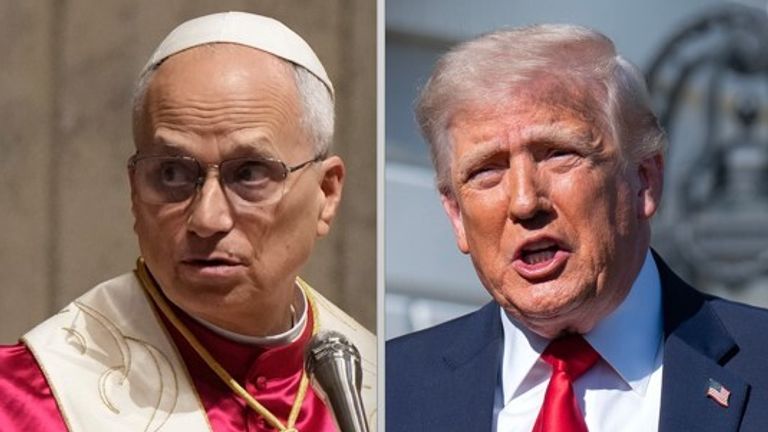
(Reuters/Skynews) — Pope Leo XIV said Monday he will continue to speak out against war and advocate for peace, brushing aside criticism from Donald Trump following the president’s public remarks targeting the pontiff.
Speaking to reporters during a flight to Algeria at the start of a multi-country visit to Africa, Leo said he would not engage in a direct dispute with Trump but reaffirmed his commitment to promoting dialogue and peaceful solutions to global conflicts.
“I will continue to speak out strongly against war,” the pope said, emphasizing the need for cooperation among nations to resolve disputes. He added that the core teachings of Christianity should not be distorted for political purposes.
The comments came after Trump criticized the pope in a social media post, calling him ineffective on matters of crime and foreign policy. The remarks appeared to follow Leo’s recent statements condemning ongoing conflicts and urging leaders to pursue diplomacy.
Leo, the first American-born pope, has increasingly positioned himself as a vocal advocate for peace amid rising global tensions. He has warned about the human cost of war, noting that civilians continue to bear the brunt of violence in conflict zones.
“Too many innocent people are being killed,” he said, adding that leaders must work toward alternatives that prioritize human life and stability.
The pope also stressed that his role is not political, but rooted in moral guidance. He pointed to the message of peace as central to his mission, underscoring the importance of reconciliation and cooperation among nations.
His remarks align with previous appeals in which he has criticized escalating violence and called for renewed international efforts to end conflicts through negotiation rather than force.
The exchange between Pope Leo and President Trump highlights a growing divide between moral leadership and political strategy in addressing global conflicts. While the pope frames his message around humanitarian concerns and ethical responsibility, political leaders often weigh national security interests and geopolitical leverage.
Leo’s refusal to directly confront Trump may reflect a broader Vatican strategy of maintaining moral authority without becoming entangled in partisan disputes. By focusing on universal themes such as peace and human suffering, the pope seeks to appeal to a global audience rather than engage in political back-and-forth.
At the same time, Trump’s criticism underscores tensions between religious figures and political leaders when their messaging diverges, particularly on issues like war and international policy. Such exchanges can influence public perception, especially among audiences that view religious institutions as moral arbiters.
As conflicts continue to shape global politics, voices like Leo’s may play a role in shaping public discourse, even if they lack direct policy influence. The effectiveness of such advocacy often depends on whether political leaders and international institutions are willing to translate moral appeals into concrete action.
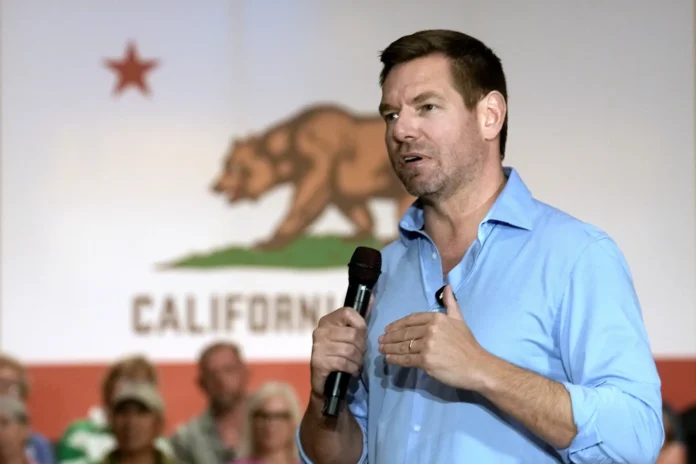
(Politico/NYPOST) — Rep. Eric Swalwell on Sunday halted his campaign for California governor after a series of sexual misconduct allegations triggered a rapid collapse of political support and intensified scrutiny from both state and federal officials.
In a statement posted on social media, Swalwell acknowledged past “mistakes in judgment” while maintaining that the allegations against him are untrue. He said he would contest the claims personally but would not allow the controversy to continue overshadowing the campaign.
The decision followed a week of escalating fallout after accusations surfaced from a former staff member and additional claims emerged in subsequent media accounts, including reporting by the San Francisco Chronicle and CNN. The allegations prompted a swift withdrawal of backing from key allies, including prominent lawmakers and campaign officials.
Senior Democratic figures, among them Adam Schiff and Alex Padilla, urged Swalwell to step aside, while former House Speaker Nancy Pelosi emphasized that the claims warranted a full and transparent review outside the context of an active campaign.
Swalwell also faces legal scrutiny beyond California. The Manhattan District Attorney’s Office is examining allegations tied to an incident in New York City in 2024, further complicating his political standing.
The sudden exit reshapes an already unpredictable race in the nation’s most populous state. Swalwell had recently gained traction among Democratic voters, with growing financial support and endorsements positioning him as a leading contender. His withdrawal leaves a fragmented field that includes figures such as Katie Porter and Tom Steyer, neither of whom has established a dominant lead.
Republican candidate Steve Hilton criticized Swalwell’s initial entry into the race, while San Jose Mayor Matt Mahan said the move to suspend the campaign came too late.
The controversy also drew a response from California Democratic Party Chair Rusty Hicks, who described the allegations as deeply troubling and indicated that candidates must evaluate their viability in light of the unfolding situation.
Swalwell’s name is expected to remain on the primary ballot despite his withdrawal, leaving uncertainty about how voters will respond in the upcoming election.
Swalwell’s abrupt exit highlights how quickly political fortunes can shift when allegations emerge during a campaign, particularly in an era where media exposure and public reaction move at a rapid pace. His trajectory—from a rising contender to political isolation within days—illustrates the fragility of coalition-based support in competitive statewide races.
The development may also alter the strategic dynamics of the California governor’s contest. With a crowded Democratic field, the removal of a high-profile candidate could reduce vote fragmentation, potentially benefiting remaining contenders seeking to consolidate support. At the same time, it introduces new uncertainty about voter alignment and turnout.
The situation underscores the increasing role of accountability and transparency in modern campaigns. Allegations of misconduct, whether proven or contested, can have immediate and far-reaching consequences, influencing not only individual candidacies but also broader party strategies.
Legal proceedings and ongoing investigations will likely shape the next phase of this story. The outcome could carry implications beyond the governor’s race, including potential impacts on Swalwell’s position in Congress and on public trust in elected officials.
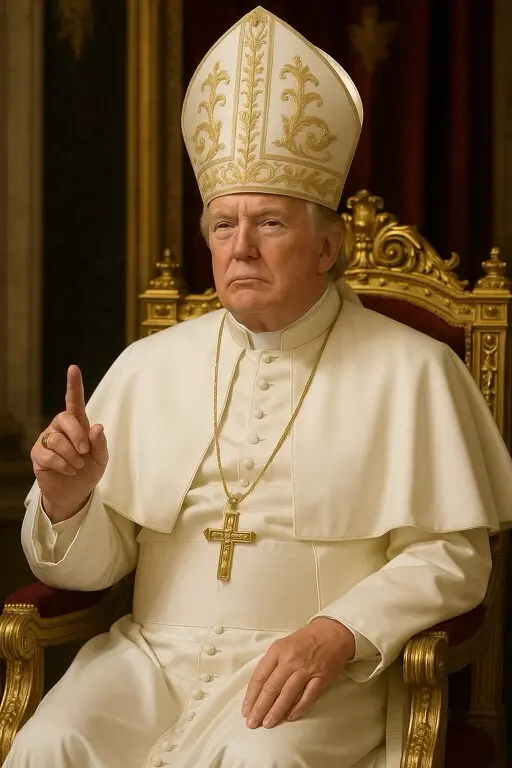
Donald Trump posted an AI rendered version of himself as Jesus Christ,
President Trump branded Pope Leo XIV as “WEAK” on crime and “terrible” on foreign policy in a late-night Truth Social blitz that also saw him uploading an AI-generated image of himself dressed as Jesus, drawing immediate rebuke from Catholic leaders who characterized the attacks as unprecedented in modern history.
Last week, Pope Leo declared Trump’s warning that an “entire civilisation will die tonight”—in reference to Iran—was “unacceptable.” The pope has also suggested that a “delusion of omnipotence” is fueling the war between the United States and Iran, directly criticizing Trump’s apocalyptic rhetoric and maximalist approach to the conflict.
In his lengthy Truth Social post, the president claimed that the Catholic Church’s leadership had been “arresting priests, ministers, and everybody else” in the midst of the COVID-19 pandemic and suggested that he preferred the pope’s brother. “I like his brother Louis much better than I like him, because Louis is all MAGA,” the president declared. “He gets it, and Leo doesn’t! I don’t want a Pope who thinks it’s OK for Iran to have a Nuclear Weapon.”
The president went on to suggest that his own election played a role in the Catholic Church’s choice of pope in May 2025—an extraordinary claim that the Vatican’s internal deliberations were influenced by American political considerations. “Leo should be thankful because, as everyone knows, he was a shocking surprise,” the president wrote. “He wasn’t on any list to be Pope, and was only put there by the Church because he was an American, and they thought that would be the best way to deal with President Donald J. Trump.”
“If I wasn’t in the White House, Leo wouldn’t be in the Vatican,” Trump continued, suggesting the 1.4-billion-member Catholic Church selected its spiritual leader specifically to manage relations with the American president rather than for religious qualifications.
Trump added: “Leo should get his act together as Pope, use Common Sense, stop catering to the Radical Left, and focus on being a Great Pope, not a Politician”—language treating the spiritual leader of the world’s largest Christian denomination as subordinate requiring presidential instruction.
Around 40 minutes after unloading on the pope, Trump uploaded an AI-generated image of himself dressed as Jesus. In the picture, the president is bathed in golden light as he places a shining hand on a sleeping man’s forehead—imagery directly appropriating Christian religious iconography to portray Trump as divine healer.
A nurse and a praying woman are both kneeling around the patient in the image, while a man in camouflage uniform looks on. A fourth individual, dressed in a green uniform, is also by the patient’s bedside. In the background, a huge U.S. flag, a pair of bald eagles, and a trio of military planes can be seen flying through the air—combining religious and nationalist symbolism.
Former Trump loyalist Marjorie Taylor Greene shredded the president’s post, declaring she was “praying against it.” “On Orthodox Easter, President Trump attacked the Pope because the Pope is rightly against Trump’s war in Iran and then he posted this picture of himself as if he is replacing Jesus,” Greene wrote on X. “This comes after last week’s post of his evil tirade on Easter and then threatening to kill an entire civilization.”
“I completely denounce this and I’m praying against it!!!” Greene continued, employing language suggesting Trump’s actions constituted spiritual transgression requiring divine intervention to counteract.
Donald Trump posted an AI rendered version of himself as Jesus Christ,
Archbishop Paul S. Coakley, president of the U.S. Conference of Catholic Bishops, also issued a statement in response to Trump’s post. “I am disheartened that the President chose to write such disparaging words about the Holy Father,” he wrote. “Pope Leo is not his rival; nor is the Pope a politician. He is the Vicar of Christ who speaks from the truth of the Gospel and for the care of souls.”
Italian historian Massimo Faggioli told Reuters that he believes there is “no ambiguity about the situation now.” “Not even Hitler or Mussolini attacked the pope so directly and publicly,” he stated, drawing comparison to 20th-century dictators whose relationships with the Vatican were strained but who avoided such direct public attacks on papal authority.
Reuters confirmed that U.S. President Trump forcefully criticized Pope Leo late Sunday in an unusual, direct attack on the leader of the 1.4-billion-member Catholic Church that drew immediate rebuke from believers worldwide. The president, in apparent response to the pope’s growing criticisms of the U.S.-Israeli war on Iran and the Trump administration’s hard-line immigration policies, characterized Leo as “terrible.”
“Pope Leo is WEAK on Crime, and terrible for Foreign Policy,” Trump wrote in a post on Truth Social, employing language typically reserved for political opponents rather than spiritual leaders commanding global respect.
Catholics on social media quickly lambasted Trump for attacking the leader of their Church, whom they believe is the successor of St. Peter, one of Jesus’ 12 apostles. “There is no ambiguity about the situation now,” Faggioli, an expert on the papacy, told Reuters.
He compared the comments to efforts by the leaders of Germany and Italy during World War Two to draw the late Pope Pius XII to support their causes. “Not even Hitler or Mussolini attacked the pope so directly and publicly,” Faggioli repeated, emphasizing the unprecedented nature of Trump’s assault on papal authority.
Archbishop Coakley, president of the U.S. Conference of Catholic Bishops, disclosed he was disheartened by Trump’s comments. “Pope Leo is not his rival; nor is the Pope a politician. He is the Vicar of Christ who speaks from the truth of the Gospel and for the care of souls,” he emphasized in a statement defending the pope’s spiritual role.
Leo, originally from Chicago, is the first U.S. pope. Known for choosing his words carefully, he has emerged as an outspoken critic of the Iran war in recent weeks and decried the “madness of war” in a peace appeal on Saturday. Last year, he questioned whether the Trump administration’s hard-line immigration policies were in line with the Church’s pro-life teachings.
“Someone who says, ‘I am against abortion but I am in agreement with the inhuman treatment of immigrants in the United States’, I don’t know if that’s pro-life,” the pontiff declared in September, challenging the consistency of those who claim pro-life credentials while supporting policies separating families and deporting longtime residents.
Trump wrote in his post Sunday that “Leo should get his act together as Pope,” later telling journalists he was “not a big fan” of the pontiff—language treating the spiritual leader of over one billion Catholics as celebrity requiring Trump’s approval.
Trump’s broadside against Leo also accused him of being “weak on nuclear weapons,” several days after the pope characterized the U.S. president’s threat to destroy Iranian civilization as “truly unacceptable.” In a speech on Palm Sunday last month in St. Peter’s Square in the Vatican, the pope declared God rejects the prayers of leaders who start wars and have their “hands full of blood,” calling the conflict in Iran “atrocious.”
Leo has also called on Trump to find an “off-ramp” to end the conflict and “decrease the amount of violence”—diplomatic language urging de-escalation that apparently infuriated Trump who views such appeals as weakness rather than moral leadership.
In his post, Trump suggested that Leo was only elected to lead the Catholic Church last year “because he was an American, and they thought that would be the best way to deal with President Donald J. Trump”—an assertion with no basis in how papal conclaves function and insulting to the cardinals who selected him.
The Vatican did not immediately respond to a request for comment. The pope is scheduled to leave Monday for an ambitious 10-day tour of four countries in Africa—diplomatic travel that will prevent immediate response to Trump’s attacks.
Leo has called for “deep reflection” about the way migrants are being treated in the United States. The pope’s call for a more compassionate approach to immigration—a sentiment expressed by several of Leo’s predecessors—stands in contrast to the stance of Trump, who has argued that the United States must curtail immigration from developing countries to reduce crime.
“He’s a very liberal person and he’s a man who doesn’t believe in stopping crime,” Trump told journalists Sunday night, characterizing the pope’s humanitarian concerns as soft-on-crime liberalism rather than Christian compassion.
Trump also had a rocky relationship with Leo’s predecessor Pope Francis, who criticized Trump’s immigration policy proposals when he first ran for president and suggested Trump was “not a Christian” based on his policy positions. Trump had called Francis “disgraceful” in early 2016, establishing a pattern of conflicts with papal authority.
The attacks on Pope Leo and the posting of an image depicting Trump as Jesus raised profound questions about the president’s relationship with Christianity and his understanding of religious authority. For Catholics who view the pope as Christ’s representative on Earth, Trump’s attacks constitute not merely political disagreement but assault on their faith’s foundational structures.
The AI-generated image of Trump as Jesus proved particularly offensive to many Christians who view such depictions as blasphemous appropriation of religious imagery for political purposes. The image’s combination of religious iconography with nationalist symbols—American flags, bald eagles, and military aircraft—suggested fusion of Christianity with American imperialism that many theologians reject.
For evangelicals like Marjorie Taylor Greene who have been among Trump’s most loyal supporters, the Jesus image apparently crossed a line that his policies and rhetoric had not. Her public denunciation suggested even Trump’s most devoted followers have limits regarding acceptable religious appropriation.
As Trump’s conflict with the Catholic Church intensifies alongside his war with Iran, the president appears increasingly isolated from traditional sources of moral authority who might counsel restraint. Whether such isolation will produce policy moderation or further radicalization as Trump lashes out at critics remains uncertain.
For now, the unprecedented spectacle of an American president attacking the pope while posting images of himself as Jesus illustrates how thoroughly Trump has shattered norms governing presidential conduct and relationships with religious institutions that previous administrations—regardless of party—treated with respect even amid policy disagreements.
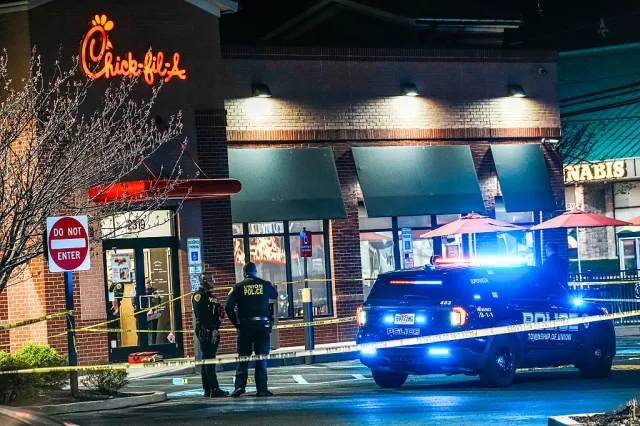
One person was killed and six others were wounded in a shooting at a Chick-fil-A in New Jersey late Saturday, as investigators worked to identify and locate the attackers behind the violence that erupted inside the fast-food restaurant.
Authorities in Union County, New Jersey, indicated the injuries sustained by the six survivors were not considered life-threatening. The fatal shooting unfolded shortly before 9 p.m. at the Route 22 location, which remained an active crime scene into Sunday as law enforcement officers continued gathering evidence.
The Union County Prosecutor’s Office signaled early in the investigation that the attack did not appear to be random, though officials have not publicly identified a motive or announced any arrests. Investigators are actively pursuing leads to determine who was responsible.
Witness accounts describe a chaotic and targeted assault. A man whose partner works at the restaurant told CBS that several masked individuals forced their way into the business, moved behind the counter and opened fire. Another witness characterized the aftermath as resembling a “war zone,” with customers scrambling to escape the gunfire.
Video circulating from the scene captured a masked individual fleeing through the parking lot, while nearby motorists and patrons rushed away in panic. A rideshare driver passing through the area recounted hearing multiple gunshots moments before encountering a heavy police presence.
Nearby businesses also reported witnessing the disturbance. An employee at a shop across the street described reviewing surveillance footage that showed people running in multiple directions as the incident unfolded.
Investigators in protective gear were seen removing items from the restaurant on Sunday, carrying containers marked for hazardous materials as part of the evidence collection process. Officials have urged anyone with information to come forward as the search for suspects continues.
The shooting adds to a growing tally of mass casualty incidents nationwide. Data compiled by the Gun Violence Archive indicates this marks the 100th such event in the United States this year, defined as incidents where four or more people are shot or killed.
New Jersey’s attorney general expressed concern over the violence, emphasizing that state and local authorities are coordinating closely on the investigation while extending support to victims and their families.
While investigators in New Jersey have not confirmed a motive, early indications that the attack was not random suggest a possible targeted dispute or premeditated act, which could influence how authorities pursue suspects and potential accomplices. The use of masks and coordinated entry into the restaurant points to planning rather than a spontaneous act, raising questions about whether the attackers had prior knowledge of the location or individuals inside.
The incident also underscores a shifting pattern in mass violence, where commercial spaces such as restaurants are increasingly becoming sites of targeted or opportunistic attacks. Unlike public gatherings or schools, these environments present fewer security barriers, making them vulnerable to rapid escalation events.
From a policy standpoint, the shooting may intensify ongoing debates over public safety measures, surveillance, and response readiness in everyday settings. It also highlights the role of community reporting and surveillance footage in modern investigations, as authorities rely heavily on digital evidence to reconstruct events and identify suspects.
The psychological impact on workers and patrons in such routine spaces can be profound, potentially affecting local business activity and public confidence. As the investigation unfolds, attention is likely to turn toward both accountability and preventive strategies to reduce similar incidents.