Home Blog Page 7

U.S. Offers $10 Million Reward for Alleged Sinaloa Cartel Brothers Leading Tijuana Drug Corridor

0

The U.S. government is offering up to $10 million for information leading to the arrest or conviction of two brothers accused of overseeing the Sinaloa Cartel’s operations in Baja California, including the key trafficking hub of Tijuana, officials announced Thursday.

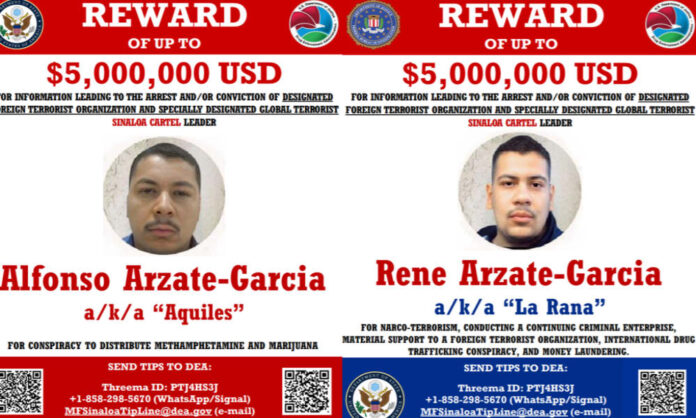
The State Department said it will pay up to $5 million each for René Arzate-García, known as “La Rana,” and his brother Alfonso Arzate-García, known as “Aquiles.” Authorities allege the pair have controlled the so-called “Tijuana Plaza” — one of the most significant drug corridors into Southern California — for more than a decade.
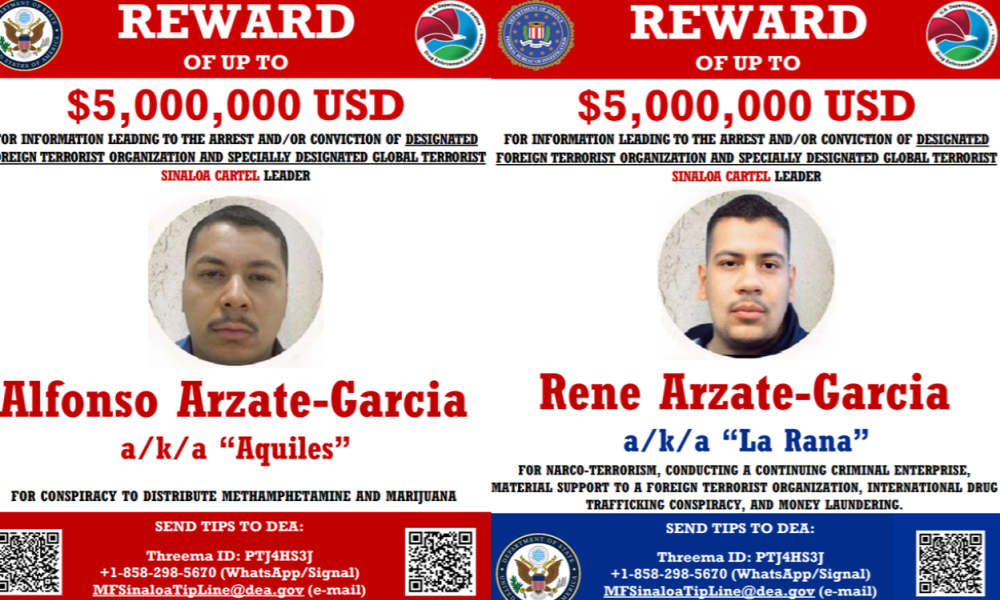
According to the Drug Enforcement Administration, the brothers are accused of managing routes used to smuggle fentanyl, methamphetamine, cocaine and marijuana across the U.S.-Mexico border. Federal prosecutors in the Southern District of California first brought drug trafficking charges against the men in 2014. Both have remained fugitives.

On Thursday, the Justice Department unsealed a superseding indictment against René Arzate-García, 42, adding new allegations that elevate the case beyond traditional narcotics charges. The indictment includes counts of narcoterrorism, operating a continuing criminal enterprise, international drug trafficking conspiracy, money laundering and providing material support to a designated foreign terrorist organization.

The narcoterrorism count stems from the Trump administration’s designation of the Sinaloa Cartel as a Foreign Terrorist Organization and Specially Designated Global Terrorist entity last year — a move that broadened the legal tools available to U.S. prosecutors pursuing cartel leaders.

The Treasury Department previously imposed sanctions on the Arzate-García brothers in 2023 under authorities targeting global narcotics trafficking networks.

Authorities describe the Tijuana Plaza as one of the most strategic smuggling gateways into the United States, channeling large quantities of synthetic opioids and other drugs into Southern California markets.

Tijuana has long been a flashpoint in cartel rivalries. The Sinaloa Cartel has been engaged in a violent struggle for territory with the Jalisco New Generation Cartel, commonly known as CJNG.

The reward announcement comes amid shifting dynamics in Mexico’s criminal underworld. U.S. officials recently updated one of their most prominent cartel reward notices following the reported death of CJNG leader Nemesio Oseguera Cervantes, widely known as “El Mencho.” Mexican security forces said he was killed during a major operation in Jalisco that received logistical and intelligence support from the Trump administration.

Following that operation, coordinated retaliatory attacks by cartel gunmen erupted across 20 of Mexico’s 32 states. Some violence reached Baja California, intensifying tensions in Tijuana, where rival factions are battling for dominance.

The State Department’s reward offer underscores Washington’s continuing effort to disrupt transnational criminal organizations linked to fentanyl trafficking — a central issue in U.S. domestic policy debates over border security and public health.

By designating major cartels as terrorist organizations, federal authorities have sought to expand prosecutorial authority and increase international pressure. The narcoterrorism charge now facing René Arzate-García reflects that strategic shift.

Officials did not specify the brothers’ current whereabouts but encouraged anyone with information to contact U.S. law enforcement or submit tips through the State Department’s rewards program.

If captured and convicted on the expanded charges, René Arzate-García could face life in prison. His brother Alfonso remains charged in connection with long-standing drug trafficking conspiracies tied to the Tijuana corridor.

The announcement signals that despite high-profile operations against rival groups, U.S. authorities continue to prioritize the dismantling of the Sinaloa Cartel’s leadership structure — particularly along one of the most heavily trafficked stretches of the U.S.-Mexico border.

BNONews
Ethiopian Peacekeepers in South Sudan Receive UN Medals as Force Commander Honors 142 Fallen Soldiers

0

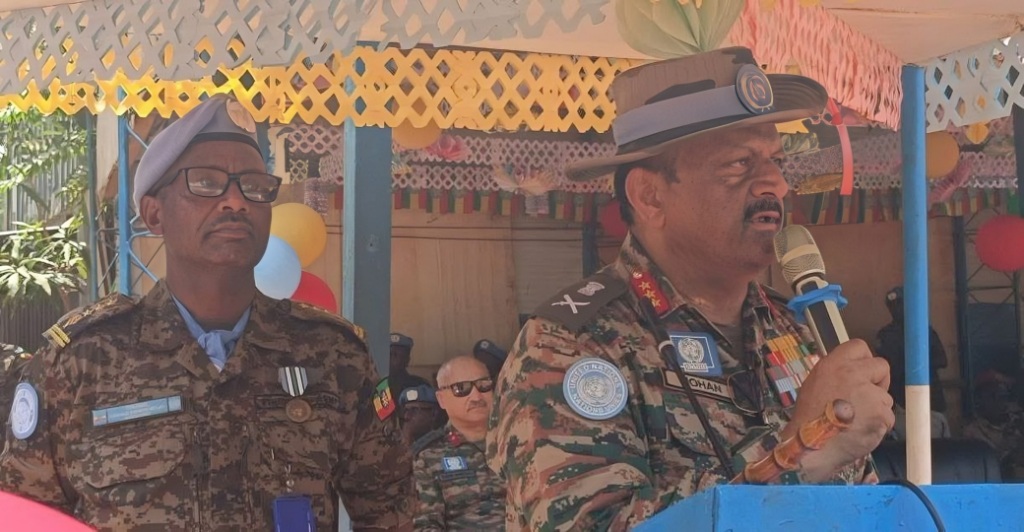
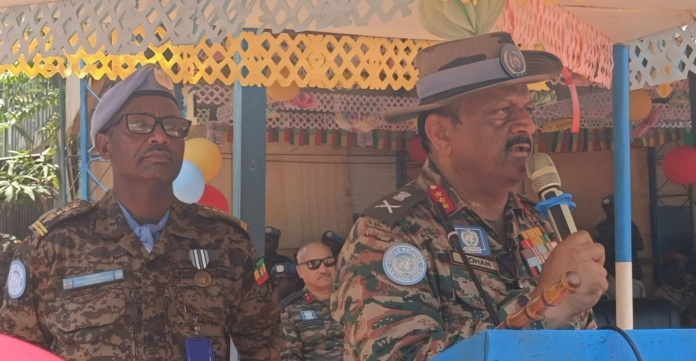
YAMBIO, South Sudan (BN24) — Ethiopian peacekeepers serving with the United Nations mission in South Sudan were awarded United Nations Medals during a ceremony in Yambio, recognizing their role in efforts to stabilize the conflict-affected nation.

The event brought together U.N. officials and local authorities to honor members of the Ethiopian battalion deployed under the U.N. Mission in South Sudan, known as UNMISS. Troops across all ranks were recognized, including frontline personnel and support teams responsible for maintaining vehicles and equipment critical to field operations.

Among those honored was Major Tigist Ferede, a mechanic with more than two decades of service in Ethiopia’s armed forces. She described the significance of her work in maintaining mission vehicles in a region where mobility can mean the difference between safety and vulnerability.

“I served in the army for more than 20 years. This is my second UN mission. I was in the Sudan for my first mission,” Ferede said during the ceremony. She reflected on the challenges of her earlier deployment, noting that harsh weather conditions and limited interaction with local communities posed difficulties.

“It was challenging due to the harsh weather, and interaction with the local community was not easy, but when I came here for my second mission, it was much easier because the weather is conducive and the people are welcoming,” she said.

Ferede emphasized the broader meaning she attaches to her mechanical duties. “Every vehicle I repair carries hope. When they move safely, I know I’ve done my part for peace. I like the people here because we are all African, especially with South Sudan, we have a lot of similarities as they are our neighbours,” she added.

The United Nations Medal is awarded to peacekeepers who complete a designated period of service in a U.N. operation. In South Sudan, UNMISS has operated since 2011 with a mandate that includes protecting civilians, facilitating humanitarian assistance, and supporting implementation of peace agreements.

Lieutenant General Mohan Subramanian, Force Commander of UNMISS, used the occasion to pay tribute to Ethiopian personnel who have died while serving under the U.N. flag.

“Serving under the flag of the United Nations, 142 Ethiopian soldiers, men and women, have given up their lives and made a supreme sacrifice. As we stand here today in the parade receiving the coveted United Nations medal, let us all remember them and not forget their sacrifice,” Subramanian said. He broadened his remarks to include all peacekeepers who have lost their lives in missions around the world.

“Not only the Ethiopians, all of us in the United Nations, all Blue Helmets and everybody who wears a uniform and works for world peace or all civilians who work for world peace,” he said.

South Sudan, the world’s youngest nation, has experienced recurring violence since gaining independence in 2011. Although a 2018 peace agreement reduced large-scale clashes between rival factions, localized violence and intercommunal conflict continue to threaten stability in parts of the country.

Ethiopia has long been a significant contributor to U.N. peacekeeping operations, deploying troops and police units to missions across Africa and beyond. Its participation in South Sudan underscores regional efforts to prevent a relapse into widespread civil war.

For mechanics like Ferede, the mission’s goals are expressed in practical terms: ensuring armored personnel carriers, transport trucks, and other vehicles remain operational for patrols and rapid response. In remote areas with limited infrastructure, reliable transportation is central to protecting civilians and supporting humanitarian agencies.

UNMISS officials have frequently underscored that logistical readiness underpins the mission’s effectiveness. When vehicles break down or equipment fails, patrols can be delayed, and response times lengthened, potentially exposing vulnerable communities to harm.

The Yambio ceremony highlighted not only individual service but also the collective role of peacekeepers in a fragile security environment. Local officials attending the event voiced appreciation for the presence of international forces, which many residents view as a stabilizing influence amid periodic unrest.

The awarding of United Nations Medals to Ethiopian peacekeepers carries symbolic and operational significance. Symbolically, it reinforces Ethiopia’s standing as one of Africa’s leading contributors to multilateral peacekeeping. Operationally, it draws attention to the complex realities facing missions like UNMISS, where progress toward lasting peace remains uneven.

South Sudan’s peace process has advanced in stages, yet implementation gaps and sporadic violence persist. In this context, the role of foreign contingents such as the Ethiopian battalion is not merely ceremonial. Their presence can deter armed actors and reassure displaced populations considering returning home.

The remarks by Lt. Gen. Mohan Subramanian serve as a reminder of the costs associated with peacekeeping. The acknowledgment that 142 Ethiopian soldiers have died under U.N. command illustrates the risks involved, even in missions described as stabilization efforts rather than active warfighting operations.

Moreover, Major Ferede’s comments reflect an often-overlooked dimension of peacekeeping: the essential contributions of support personnel. While combat-ready troops patrol volatile areas, mechanics, medics, and logistics teams sustain the mission’s capacity to operate. Without them, mandates to protect civilians would be difficult to fulfill.

Regionally, Ethiopia’s engagement in South Sudan also aligns with broader African Union and Intergovernmental Authority on Development (IGAD) objectives to promote stability in the Horn of Africa. Given shared borders and intertwined economic interests, instability in South Sudan can have ripple effects across neighboring states.

As South Sudan continues to navigate its political transition, the visibility of disciplined, multinational forces wearing the blue helmet remains a tangible sign of international commitment. The medal ceremony in Yambio thus functioned both as recognition of past service and as a reaffirmation of the ongoing mission: safeguarding civilians and supporting a fragile peace.

For the Ethiopian peacekeepers who stood in formation to receive their medals, the honor marked the completion of a chapter of service. For the communities they serve, it represented continuity in the international effort to prevent renewed conflict in a country still striving to secure lasting stability.

Chinese Crane Manufacturer Distributes $26 Million in Cash at Year-End Gala, Invites Employees to Take What They Can Carry

0

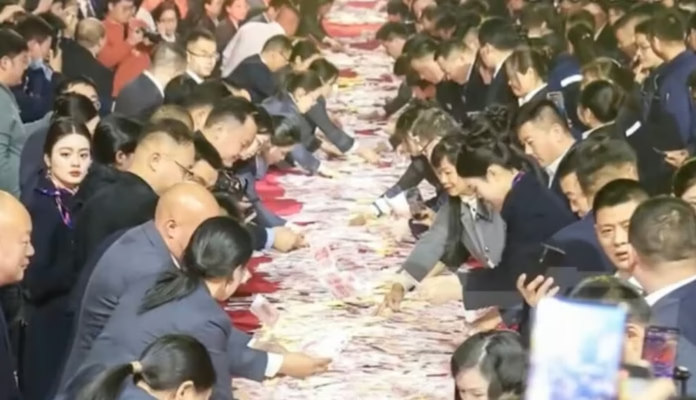
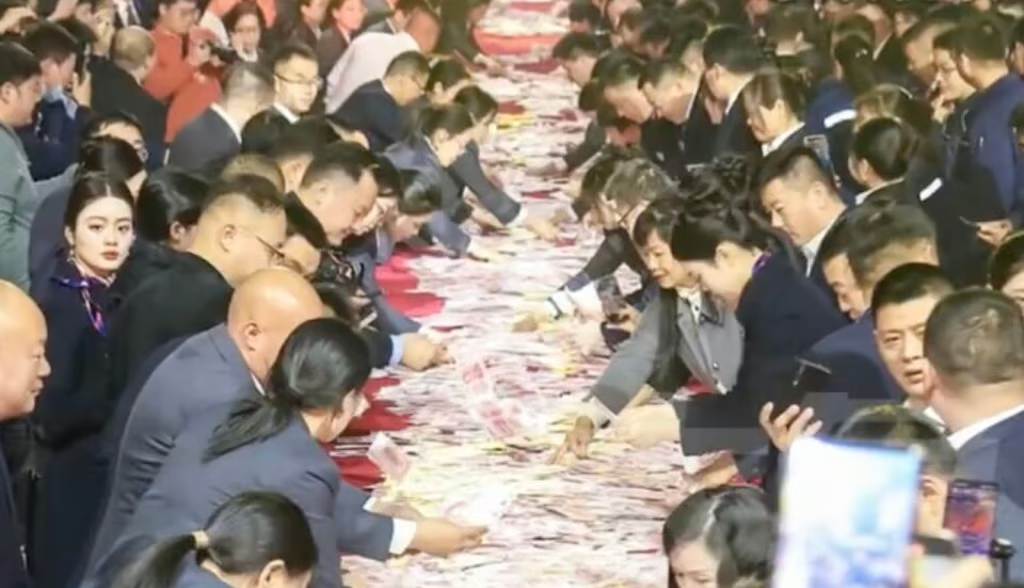
ZHENGZHOU, China (BN24) —A Chinese industrial firm drew national attention after distributing the equivalent of $26 million in cash at its annual year-end celebration, inviting thousands of employees to take home as much money as they could physically carry.

Henan Kuangshan Crane Co. Ltd. staged the event on Feb. 13, arranging stacks of banknotes across approximately 800 banquet tables at a large-scale company gathering attended by roughly 7,000 people.

Under bright stage lighting and decorative displays, employees in formal attire moved between the tables, some calculating how much they could gather in a single trip. Images circulating on Chinese social media showed towering piles of currency bundled and arranged in neat stacks.

The company’s chairman, Cui Peijun, addressed employees during the gala and defended the decision to hand out physical cash rather than transfer bonuses electronically.

“Some people ask why we don’t just transfer the money to their accounts, but that way, it’s just cold numbers,” Cui said during the celebration. He also dismissed suggestions of offering household goods or jewelry instead, adding, “Why are we giving out washing machines? Do you think gold prices have gone up? In previous years, we gave necklaces and rings bring up the cash and gave everyone another 20,000 yuan ($2,800).”

According to the South Korean newspaper Chosun Daily, at least one employee managed to carry away about $13,000 in cash during the event. The report highlighted the scale of the giveaway and the unusual method of distribution.

Cui, who controls approximately 98.88% of the company’s shares, effectively redirected a substantial portion of his dividend earnings back to staff through the mass payout.

Founded in 2002, Henan Kuangshan Crane manufactures and leases heavy industrial cranes and operates in more than 130 countries. The company has cultivated a reputation for generous employee incentives tied to profitability.

Financial disclosures cited by local media indicate the firm recorded net profits of about $38 million in 2024. Of that total, approximately $24 million was allocated to employee bonuses. The prior year, the company distributed $8.5 million among its 40 top-performing workers, with its three highest sales performers each earning roughly $730,000.

The firm also awarded nearly $230,000 in bonuses to almost 2,000 female employees to mark International Women’s Day in March of last year.

Cui has previously outlined his reasoning for the company’s expansive bonus policies. “It is not that I love giving out money,” he said in earlier remarks. “It is that young people are burdened with car loans and mortgages, and any relief we can offer helps.”

China’s private sector has faced mounting economic headwinds in recent years, including slower growth, real estate volatility, and rising youth unemployment. Against that backdrop, highly visible corporate bonus events can carry symbolic weight, signaling both financial resilience and internal solidarity.

While year-end bonuses are customary in China, particularly ahead of the Lunar New Year period,d payouts of this magnitude remain rare. Corporate profit-sharing arrangements are often distributed discreetly via bank transfer. Public cash disbursements on such a scale are uncommon and generate significant public attention.

Analysts say the spectacle may serve multiple purposes beyond employee reward. Public displays of largesse can reinforce corporate loyalty, boost morale, and enhance a company’s brand in a competitive labor market. In manufacturing sectors that rely on skilled technicians and sales teams, retention remains critical.

The optics of distributing physical currency also tap into cultural symbolism. In China, red envelopes containing cash are traditionally presented during holidays and celebrations as gestures of goodwill and prosperity. By amplifying that custom to an industrial scale, the company fused traditional gifting practices with corporate performance incentives.

However, some corporate governance observers note that concentration of ownership, such as Cui’s dominant 98.88% stak, allows unilateral decisions about dividend allocation. While employees benefit directly, such models depend heavily on the continued profitability and discretion of a single controlling shareholder.

Henan Kuangshan Crane’s global operations position it within a manufacturing sector that has experienced fluctuating demand tied to infrastructure spending worldwide. Continued international expansion into more than 130 countries suggests a diversified revenue base, which may underpin its ability to sustain large-scale bonuses.

The event also arrives at a time when policymakers in Beijing have emphasized boosting domestic consumption and stabilizing household finances. Substantial employee bonuses can contribute to short-term spending, particularly when distributed in cash ahead of major holiday periods.

The $26 million distribution illustrates how some privately held Chinese firms are using profit-sharing as both a motivational tool and a branding strategy. In a slower-growth economic environment, high-visibility reward programs can differentiate employers and mitigate workforce turnover.

Cui’s approach reflects a paternalistic leadership style historically present in parts of China’s manufacturing sector, where company founders often position themselves as stewards of employee welfare. By returning dividends directly to staff, he reinforces loyalty while consolidating his image as a benefactor.

From a labor economics perspective, lump-sum bonuses may have a stronger psychological impact than incremental salary adjustments. Behavioral research suggests tangible rewards, particularly those delivered publicly, can heighten perceptions of appreciation and collective achievement.

At the same time, sustainability remains a central question. Profit-linked bonuses are inherently cyclical. If global crane demand contracts or profit margins narrow, replicating such large-scale giveaways could become more difficult. Employees accustomed to exceptional distributions may recalibrate expectations.

Internationally, the story also underscores differences in corporate culture. In many Western firms, compensation transparency and regulatory frameworks limit theatrical distributions of cash. In China’s private sector, particularly among founder-controlled enterprises, flexibility allows for dramatic gestures that blend tradition, performance incentives, and public relations.

Ultimately, the spectacle at Henan Kuangshan Crane serves as botha elebration and a signal celebrating profitability while signaling confidence in future growth. Whether it becomes a model for other firms or remains a singular display of corporate generosity will likely depend on broader economic trends in China’s manufacturing landscape.

U.S. Citizen Killed in Armed Clash With Cuban Forces After Boat Enters Cuban Waters

0

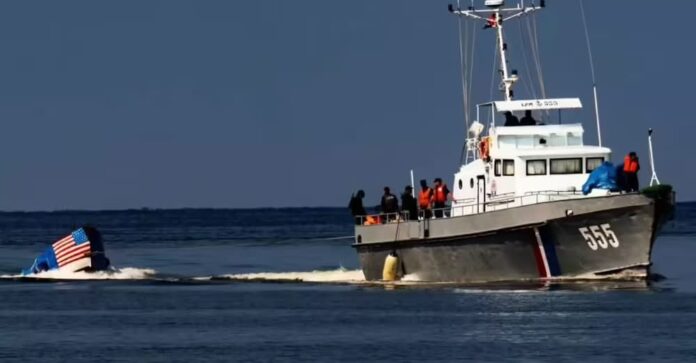
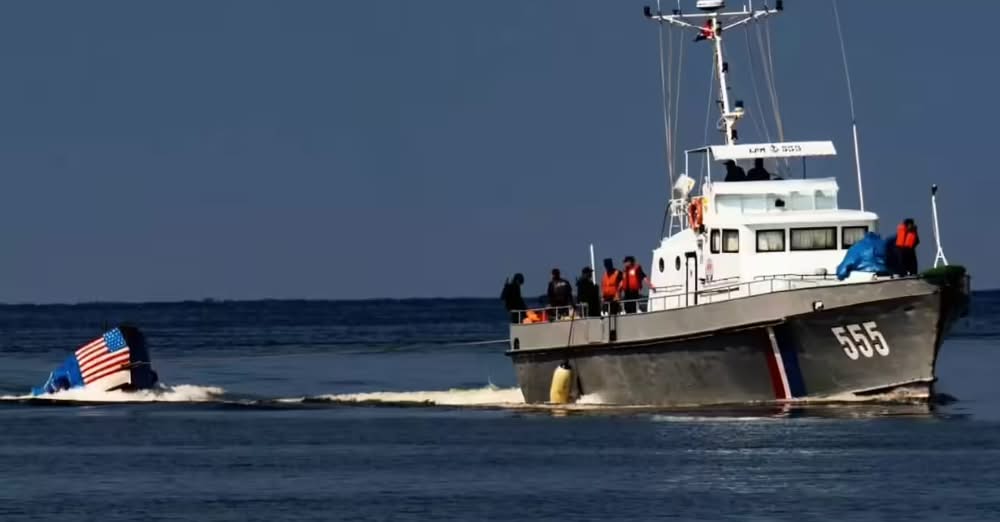
At least one U.S. citizen was killed and another injured after Cuban forces opened fire on a Florida-registered vessel that entered Cuban waters near the island’s northeastern coast, U.S. officials said Wednesday, as Havana accused the group onboard of attempting an armed infiltration.

Two U.S. officials confirmed to NBC News that one American died in the confrontation and another was wounded. Cuban authorities earlier announced that four men were killed and six others captured following what they described as an armed incursion into territorial waters. The Cuban government alleged the men aboard the vessel initiated the exchange of gunfire.

Cuban President Miguel Díaz-Canel declared Thursday that “Cuba will defend itself with determination and firmness against any terrorist and mercenary aggression that seeks to affect its sovereignty and national stability.” Cuban officials characterized the incident as a thwarted infiltration attempt organized by U.S.-based Cuban nationals.

U.S. Secretary of State Marco Rubio indicated that Washington will undertake its own review before responding. Rubio said the United States would independently verify the details provided by Havana and “reach our own conclusions.” As part of that effort, Rubio has requested access to the injured detainees held in Cuban custody, according to U.S. officials familiar with the matter.

Those officials also indicated that other individuals on the vessel may include U.S. lawful permanent residents, though that status has not been conclusively verified. A third individual aboard the boat had entered the United States on a K-1 visa, which allows foreign nationals to travel to the U.S. to marry American citizens.

A congressional aide told NBC News there is no evidence of any U.S. government connection to the individuals involved. Two people close to one of the detainees told NBC that some members of the group were affiliated with a paramilitary organization opposed to the Cuban government.

Cuba’s deputy foreign minister, Carlos Fernández de Cossío, told reporters in Havana that Cuban authorities are coordinating with the U.S. Coast Guard and the State Department as the investigation continues. “An investigation is underway to clarify the facts with the utmost rigor,” he said. “The Cuban government is willing to exchange information with the United States on this matter.”

Cuban authorities identified the four deceased men as Michel Ortega Casanova, Hector Duani Cruz Correa, Pavel Alling Peña and Ledián Padrón Guevara. In Tampa, Florida, Ortega Casanova’s brother, Misael Ortega Casanova, told Telemundo 49 that while he did not endorse his sibling’s actions, he viewed the episode through the lens of long-standing opposition to Cuba’s government. “Today it was my brother’s turn,” he said, adding that the struggle demonstrates the sacrifices made in pursuit of freedom.

Ibrahim Bosch, president of Partido Republicano de Cuba, an opposition organization, confirmed that Ortega Casanova had been a member but emphasized in a social media post that the group’s leadership had no prior knowledge of any plans connected to the maritime incident.

Florida authorities are investigating the origins of the vessel. An incident report from the Monroe County Sheriff’s Office, obtained by NBC News, indicates that the boat was reported stolen Wednesday. The owner alleged that Cruz Correa may have taken it without authorization.

Cuban officials also published the names of six men they say are detained. Two of them, Amijail Sánchez González and Leordan Cruz Gómez, had previously been designated by Cuba as wanted for alleged involvement in activities linked to terrorism, according to Cuban state media citing the Interior Ministry. NBC News said it could not independently corroborate those claims.

Complicating matters, Roberto Azcorra Consuegra, a Cuban man living in Miami, told Telemundo that his name appeared on the Cuban government’s list of detainees despite his presence in the United States. Cuba’s Foreign Affairs Ministry later acknowledged what it described as an “error in identification,” clarifying that Azcorra Consuegra was not among those captured, though it described him as someone known for past actions hostile to the Cuban state.

Family members of one detainee, Conrado Galindo Sariol, expressed shock. His daughter, María de Jesús Galindo, told Telemundo Miami that the family had no prior knowledge of his involvement. She said her father previously spent seven years imprisoned in Cuba for political activism and fears for his safety now that he is again in custody. His wife, Ana Seguí, rejected characterizations of her husband as a terrorist, describing him as a vocal critic of the government who advocated for freedom.

Miami-based activist Jorge Luis García Pérez, known as Antúnez, told NBC News that he had shared a prison cell with Galindo Sariol in Camagüey and remembered him as a disciplined and principled political prisoner.

The incident comes amid renewed strain between Washington and Havana. President Donald Trump has predicted that “Cuba will be failing pretty soon” and has acknowledged ongoing discussions with Cuban leaders. At the same time, his administration has tightened economic pressure, including restrictions affecting oil shipments to the island.

The deadly confrontation marks one of the most serious direct incidents involving U.S.-based Cuban nationals and Cuban forces in recent years. It unfolds against a backdrop of deepening economic hardship in Cuba, where fuel shortages and supply disruptions have intensified a humanitarian crisis marked by food scarcity and declining public services.

For Washington, the episode presents both diplomatic and domestic political sensitivities. Florida’s Cuban American community remains sharply divided between calls for aggressive action against Havana and caution over escalation. Any confirmed loss of American life in foreign territorial waters heightens pressure for a measured but firm response.

Havana’s swift framing of the event as a “foiled armed infiltration” underscores the Cuban government’s longstanding narrative that exile groups pose a security threat. Yet questions remain about the boat’s mission, who initiated gunfire and whether the encounter could have been avoided.

The U.S. decision to conduct an independent investigation signals a deliberate effort to prevent immediate diplomatic rupture while facts are verified. Still, the combination of criminal allegations, paramilitary affiliations and mistaken identity claims may complicate already fragile communications between the two governments.

How the investigation unfolds — and whether both nations cooperate in clarifying the circumstances — could determine whether the clash remains an isolated maritime confrontation or evolves into a broader flashpoint in U.S.–Cuba relations.

Suspected Boko Haram Fighters Kill 25 in Coordinated Attacks on Adamawa Villages Near Sambisa Forest, in Nigeria

0
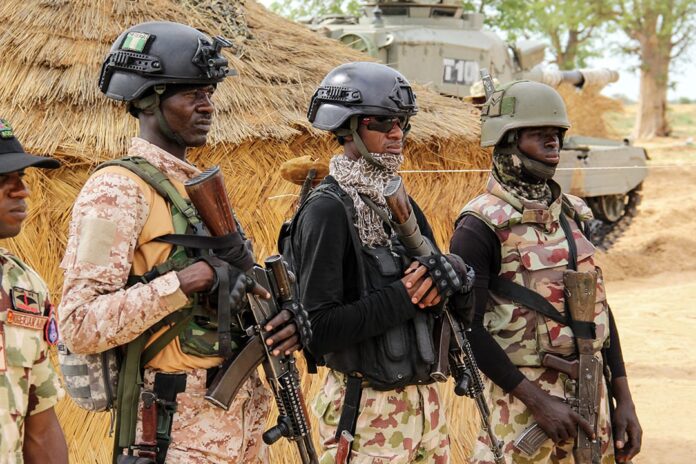
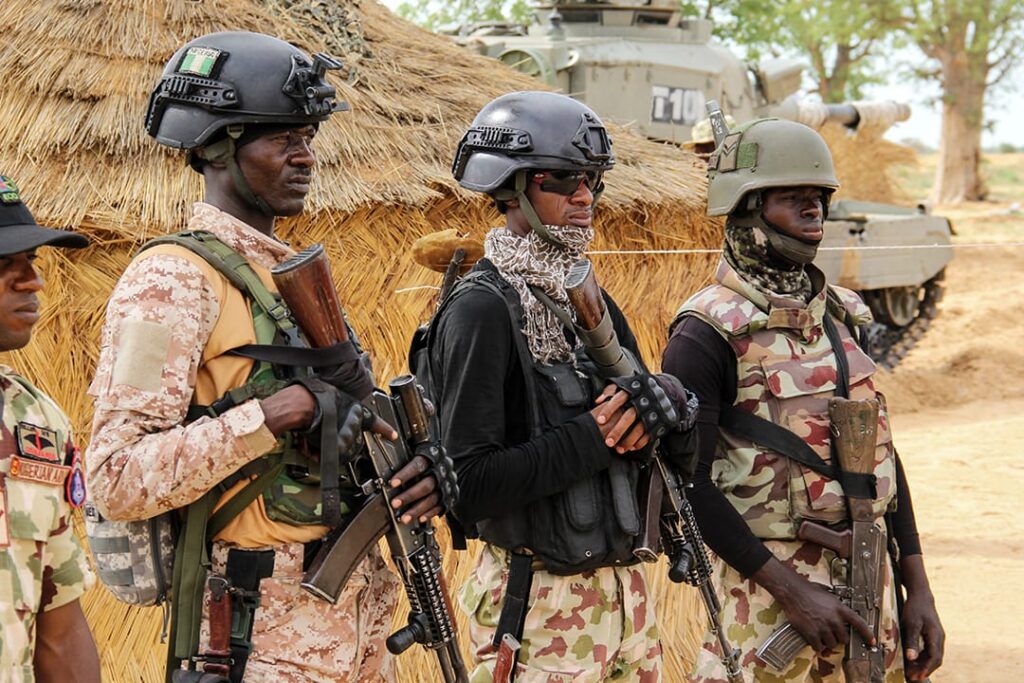
Nigerian Army soldiers stand at a base in Baga on August 2, 2019. - Intense fighting between a regional force and the Islamic State group in West Africa (ISWAP) has resulted in dozens of deaths, including at least 25 soldiers and more than 40 jihadists, in northeastern Nigeria. ISWAP broke away from Boko Haram in 2016 in part due to its rejection of indiscriminate attacks on civilians. Last year the group witnessed a reported takeover by more hardline fighters who sidelined its leader and executed his deputy. The IS-affiliate has since July 2018 ratcheted up a campaign of attacks against military targets. (Photo by AUDU MARTE / AFP)

YOLA, Nigeria (BN24) — Suspected Islamist militants killed at least 25 people and set homes ablaze during coordinated assaults on two rural communities in northeastern Nigeria’s Adamawa State, residents and local officials said Wednesday.

Nigerian Army soldiers stand at a base in Baga on August 2, 2019. – Intense fighting between a regional force and the Islamic State group in West Africa (ISWAP) has resulted in dozens of deaths, including at least 25 soldiers and more than 40 jihadists, in northeastern Nigeria. ISWAP broke away from Boko Haram in 2016 in part due to its rejection of indiscriminate attacks on civilians. Last year the group witnessed a reported takeover by more hardline fighters who sidelined its leader and executed his deputy. The IS-affiliate has since July 2018 ratcheted up a campaign of attacks against military targets. (Photo by AUDU MARTE / AFP)

The violence unfolded Tuesday evening in the villages of Kirchinga in Madagali district and Garaha in neighboring Hong district, areas bordering the Sambisa Forest, a longstanding stronghold of Boko Haram and fighters aligned with the Islamic State West Africa Province, known as ISWAP.

Accounts from community leaders and residents indicate that the attackers moved into Kirchinga dressed in military-style uniforms, a tactic that initially confused villagers who believed they were security personnel conducting routine patrols.

Abubakar Lawan Kanuri, the village head of Kirchinga, recounted in an interview with Reuters that gunmen swept through the community after nightfall. He said 18 bodies were later retrieved following the assault.

In Garaha, seven people lost their lives when armed men riding more than 50 motorcycles descended on the village and targeted a nearby military outpost, according to resident Musa Isa. Isa told Reuters he narrowly avoided being caught in the violence.

“They came from different directions,” Isa said, describing a coordinated advance that overwhelmed the area. He indicated that three soldiers were among those killed when the base came under fire. Four civilians attempting to flee were shot, and a school building was set ablaze during the rampage.

Many residents have since fled Garaha and surrounding communities, seeking refuge in Mubi, one of the largest towns in the region.

The back-to-back raids underscore the persistent insecurity plaguing Nigeria’s northeast, the epicenter of a 17-year insurgency led by Boko Haram and later complicated by a split that produced ISWAP. Despite sustained military operations and repeated assurances from authorities that militant capabilities have been degraded, attacks on rural settlements and security installations continue to exact a heavy toll.

Adamawa State Gov. Ahmadu Umaru Fintiri denounced the violence as “cowardly acts of terrorism” and pledged that his administration would not allow armed groups to derail efforts to restore peace and stability. His remarks were conveyed in a statement issued by his spokesman, Humwashi Wonosikou.

Fintiri affirmed that security agencies had been directed to intensify operations in affected areas and to pursue those responsible for the bloodshed.

The Sambisa Forest, straddling parts of Borno and neighboring states, has long served as a hideout for insurgent factions. Although Nigerian forces have conducted repeated offensives in the area over the years, militants have demonstrated an ability to regroup and stage attacks on vulnerable communities, often exploiting difficult terrain and limited infrastructure.

Tuesday’s violence follows a pattern seen across the northeast, where insurgents frequently strike at dusk, targeting both civilian populations and military positions. The use of motorcycles allows fighters to move swiftly across rough ground, complicating efforts by conventional security forces to intercept them.

While large urban centers have seen relative improvements in security compared with the height of the conflict, rural districts remain exposed. Communities near forested or border regions are particularly susceptible to raids, abductions, and arson.

The humanitarian consequences of such attacks are severe. Displacement continues to strain host communities and urban centers like Mubi, where fleeing villagers seek shelter and assistance. Aid agencies have repeatedly warned that renewed waves of violence could worsen already fragile living conditions for internally displaced persons.

Reuters documented the casualty figures and eyewitness testimony in its coverage of the attacks, citing local leaders and residents directly affected by the violence.

The assaults on Kirchinga and Garaha highlight a troubling reality: even as Nigeria’s federal government emphasizes gains against insurgent networks, militant factions retain the operational capacity to mount coordinated, multi-pronged attacks. The scale of the motorcycle convoy reported in Garaha, more than 50 bikes, suggests a level of organization and mobility that challenges narratives of a weakened insurgency.

The tactic of wearing military uniforms, as described by the village head of Kirchinga in his remarks to Reuters, reflects a strategy designed to sow confusion and erode trust between civilians and security forces. When residents cannot easily distinguish between soldiers and attackers, it complicates early-warning efforts and may slow community responses.

Moreover, the targeting of a school and a military base in the same sweep signals a dual objective: undermine state authority while inflicting psychological trauma on civilians. Attacks on educational facilities have been a recurring feature of the insurgency, aimed at disrupting normal life and discouraging the return of displaced families.

The proximity of the affected villages to Sambisa Forest remains significant. Although the forest has been the focus of numerous military campaigns, its geography continues to provide cover for insurgent cells. Without sustained territorial control and improved intelligence networks, security operations risk becoming cyclical, pushing militants out temporarily but failing to prevent their return.

For Adamawa State, the renewed violence may also carry political implications. As governors in the northeast navigate pressure to demonstrate improved security and facilitate economic recovery, high-casualty incidents threaten public confidence. Calls for enhanced federal support and cross-border cooperation could intensify, particularly if attacks spread or become more frequent.

Ultimately, the events in Kirchinga and Garaha illustrate the enduring complexity of Nigeria’s insurgency. While security forces have made measurable progress since the conflict’s peak, sporadic but deadly raids continue to destabilize rural communities. Whether authorities can translate tactical victories into sustained safety for civilians remains a central question for the region’s future.

As investigations proceed and security operations intensify, residents across Adamawa and neighboring states face renewed uncertainty, underscoring the fragile balance between progress and persistent threat in Nigeria’s northeast.

Drone Strike in Eastern DRC Kills M23 Spokesperson and at Least Nine Others Near Key Rubaya Coltan Mine

0

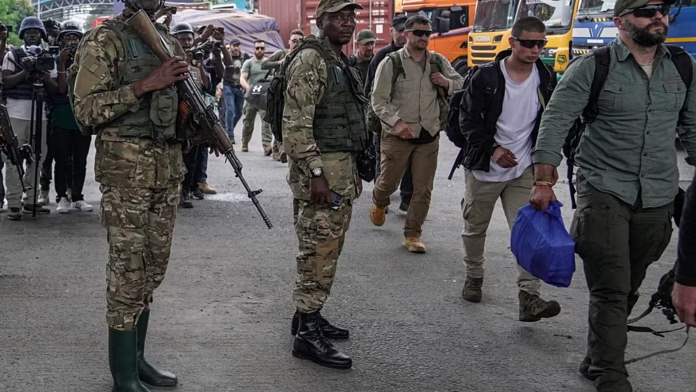
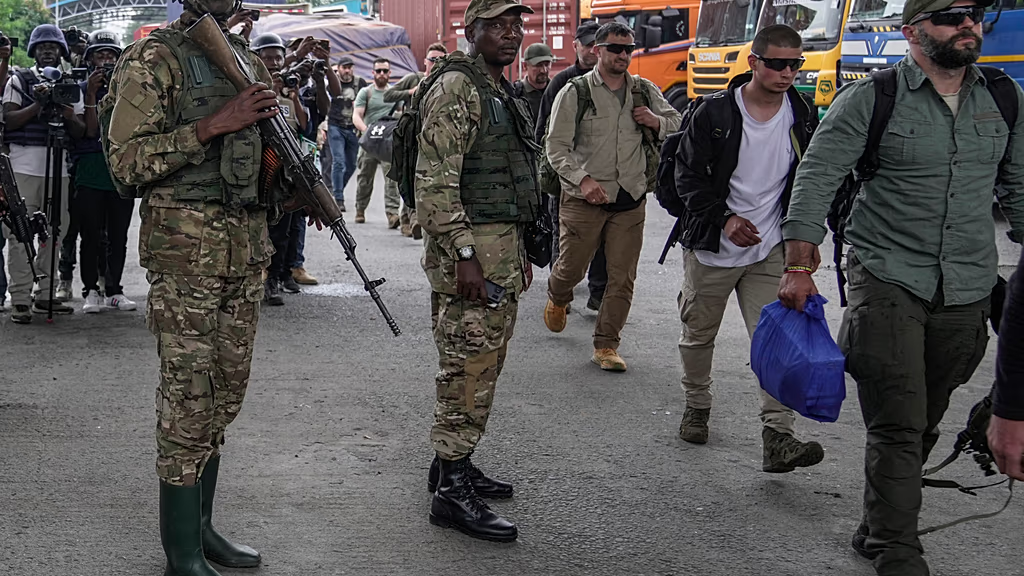
GOMA, Democratic Republic of Congo (BN24) — A drone strike by Congolese armed forces near the strategic Rubaya mining site in eastern Democratic Republic of Congo killed the military spokesperson of the M23 rebel group and at least nine other people, according to multiple sources cited by international media.

The strike, carried out on Feb. 24, targeted positions linked to the M23/AFC rebel movement near Rubaya, a mining hub that accounts for a significant share of the world’s coltan supply. Among those killed was Willy Ngoma, who served as the movement’s military spokesperson. The group’s overall military commander was not harmed in the operation.

Individuals familiar with the aftermath told several press agencies that nine additional people died in the strike. Reuters, citing its own information channels, indicated that as many as seven more fatalities could be connected to the attack, although no further remains had been recovered from the site at the time of its dispatch.

The M23 movement has not publicly addressed the strike or confirmed the casualty figures.

The Rubaya mining complex occupies a pivotal role in the global supply chain for coltan, a mineral used in the production of electronic components for smartphones, computers, and other consumer technologies. Industry estimates indicate the site accounts for between 15% and 30% of worldwide coltan output, making it one of the most strategically significant mineral assets in the region.

The M23 rebel group seized control of Rubaya during a rapid military advance last year that saw it capture extensive territory across eastern Congo. Since then, the area has remained under rebel administration, with the Congolese government vowing to reclaim it.

The Feb. 24 strike marks a notable escalation in Kinshasa’s campaign to dislodge M23 from resource-rich zones. The Congolese armed forces have increasingly relied on aerial surveillance and unmanned aerial vehicles to monitor and strike rebel positions in North Kivu province, where fighting has displaced hundreds of thousands of civilians over the past two years.

Willy Ngoma had been one of the most visible figures within M23, frequently appearing in public communications and media engagements to articulate the group’s position. His death could represent a significant symbolic blow to the movement, even as its core military leadership remains intact.

While the Congolese government has not issued a detailed public account of the operation, the targeting of a high-profile spokesperson suggests that the operation was intelligence-driven. At the same time, reports of additional civilian or non-combatant casualties raise concerns about the human toll in densely populated or economically active areas such as Rubaya.

Eastern Congo has endured decades of armed conflict involving government forces, local militias, and foreign-backed insurgent groups. The resurgence of M23 in recent years has further destabilized the region, prompting diplomatic tensions between Congo and neighboring Rwanda, which Kinshasa accuses of backing the rebels — an allegation Rwanda denies.

The capture of Rubaya amplified M23’s leverage, both economically and strategically. Control over coltan mines provides not only financial resources but also bargaining power in any potential negotiations. The mineral’s centrality to global electronics manufacturing has drawn international scrutiny to the conflict, with advocacy groups warning of the risk that supply chains could be tainted by the involvement of armed groups.

Reuters’ reporting on the strike underscores the uncertainty surrounding the full casualty count. The agency noted the possibility of additional deaths beyond the nine initially confirmed, though recovery efforts at the site had not yielded more bodies at the time of publication.

The absence of an official response from M23 leaves unanswered questions about the group’s next move. In past confrontations, rebel factions have responded to targeted killings with retaliatory offensives or intensified recruitment campaigns.

The drone strike near Rubaya reflects a broader evolution in the Congolese military’s operational approach. By deploying unmanned systems to strike high-value targets, Kinshasa signals an attempt to project precision and deterrence without engaging in prolonged ground battles that can expose troops to ambushes.

However, such tactics carry political and humanitarian risks. If reports of additional fatalities prove accurate, scrutiny over proportionality and civilian harm could intensify, particularly given Rubaya’s economic importance and the presence of miners and traders in the area.

The elimination of a spokesperson like Willy Ngoma may disrupt M23’s communications apparatus, but it is unlikely on its own to dismantle the group’s command structure. Rebel movements often anticipate leadership losses and maintain layered hierarchies to ensure continuity. The survival of the military commander suggests operational cohesion may remain largely intact.

Moreover, Rubaya’s significance extends beyond immediate battlefield calculations. With up to nearly a third of global coltan supply linked to the site, instability there has implications for international markets. Technology manufacturers, already under pressure to certify conflict-free sourcing, may face renewed scrutiny if violence escalates.

Diplomatically, the strike could complicate ongoing regional mediation efforts aimed at de-escalating tensions between Congo and its neighbors. A targeted killing in a contested economic zone risks hardening positions on both sides, especially if civilian casualties are substantiated.

For residents of eastern Congo, the episode underscores the precarious balance between military action and civilian safety. Communities in North Kivu have endured repeated cycles of displacement, and renewed aerial strikes could trigger further movement if residents fear additional attacks.

Ultimately, the Feb. 24 operation illustrates the high stakes surrounding control of mineral wealth in conflict zones. As Kinshasa seeks to reassert sovereignty over Rubaya and other strategic sites, the interplay between security operations, rebel resilience, and global economic interests will continue to shape the trajectory of violence in eastern Democratic Republic of Congo.

World Economic Forum President Børge Brende Resigns Following Disclosure of Contacts With Jeffrey Epstein

0

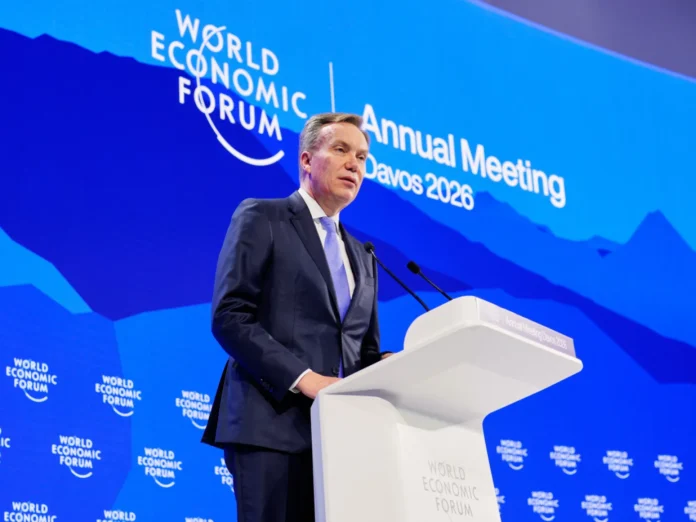
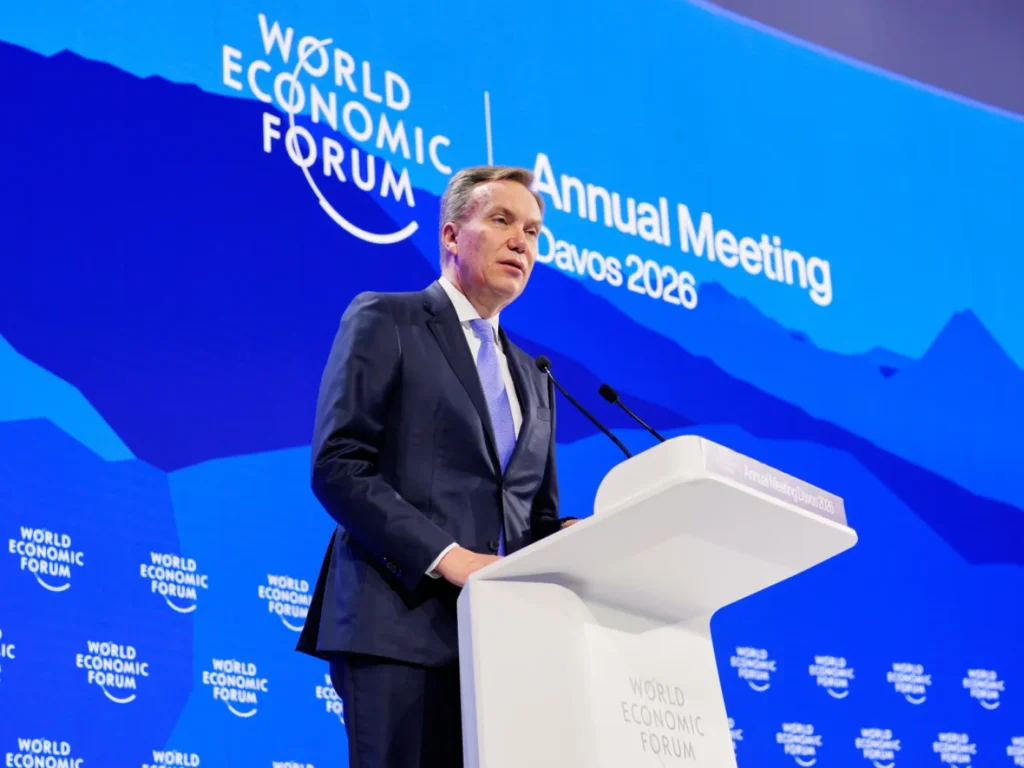
GENEVA (BN24) —World Economic Forum President and CEO Børge Brende has stepped down following public disclosure that he previously met and communicated with convicted sex offender Jeffrey Epstein, the organization confirmed Thursday.

In a statement issued by Forum Co-Chairs Andre Hoffmann and Larry Fink, the governing body announced that Alois Zwinggi will assume the role of interim president and chief executive officer as the institution begins a leadership transition.

Brende, who has led the Geneva-based organization since 2017, said he decided to relinquish his position after the U.S. Justice Department disclosed that he attended three business dinners with Epstein and exchanged emails and text messages with him.

“After careful consideration, I have decided to step down as President and CEO of the World Economic Forum. My time here, spanning 8-1/2 years, has been profoundly rewarding,” Brende said Thursday.

While Brende did not reference Epstein directly in his resignation message, he emphasized the need to shield the organization from controversy.

“I am grateful for the incredible collaboration with my colleagues, partners, and constituents, and I believe now is the right moment for the Forum to continue its important work without distractions,” he added.

The Forum’s co-chairs released a separate communication confirming that an independent examination conducted by outside legal counsel into Brende’s past interactions had concluded. According to their statement, the review identified no additional issues beyond the contacts already disclosed publicly.

Earlier this month, the World Economic Forum initiated an independent inquiry to clarify the nature and scope of Brende’s relationship with Epstein. The Governing Board directed its Audit and Risk Committee to assess the matter, which then authorized the external review.

“In light of these interactions, the Governing Board requested the Audit and Risk Committee to look into the matter, which subsequently decided to initiate an independent review,” the Forum said in a prior statement, describing the move as part of its commitment to transparency and institutional integrity.

The Board of Trustees will supervise the leadership transition and oversee the process of identifying a permanent successor, the co-chairs said.

Epstein, a financier whose network once included prominent political and business figures, died in 2019 while awaiting trial on federal sex trafficking charges. His associations have drawn scrutiny across global institutions, and revelations of past contact — even in professional settings — have frequently triggered reputational fallout.

Brende’s tenure at the Forum spanned a period marked by geopolitical turbulence, including the COVID-19 pandemic, economic disruption, and heightened global tensions. Under his leadership, the annual Davos gathering remained a central venue for political leaders, executives, and civil society figures to discuss global challenges ranging from climate change to economic inequality.

The circumstances surrounding his departure underscore the reputational sensitivities confronting global organizations when historic associations with controversial figures come to light. Although the independent review found no further misconduct, the disclosure of prior contact proved sufficient to prompt leadership change.

The World Economic Forum has sought to emphasize continuity. Zwinggi, who has held senior leadership roles within the institution for years, is expected to manage day-to-day operations while trustees search for a permanent chief executive.

Governance experts note that high-profile nonprofits and international organizations often respond swiftly to reputational risk to preserve stakeholder confidence. In this case, the Forum’s decision to commission an external review before Brende’s resignation reflects an effort to demonstrate procedural transparency.

The episode also illustrates the enduring impact of Epstein’s network, years after his death. Numerous executives, academics, and political leaders have faced renewed scrutiny over past interactions that, at the time, may not have been publicly controversial but have since acquired new significance.

For the World Economic Forum, which convenes global elites and positions itself as a platform for ethical leadership and sustainable development, public trust is integral to its mission. Even limited or professional contact with a figure as widely condemned as Epstein can present reputational challenges.

Brende’s resignation reflects the heightened accountability standards applied to leaders of global institutions. In the current media and political environment, reputational risk can outweigh the findings of formal investigations, particularly when associations involve individuals convicted of serious crimes.

The Forum’s measured response, commissioning an independent review, publicly acknowledging its outcome, and facilitating an orderly transition signals a governance model designed to contain institutional damage. By separating the factual findings of the review from the broader reputational calculus, trustees appear to have concluded that leadership change would best protect the organization’s credibility.

This development may also influence how international organizations vet relationships and event participation going forward. Increased due diligence, documentation protocols, and reputational risk assessments are likely to become more stringent.

While the review found no additional concerns, the episode demonstrates how historic professional interactions can resurface years later with amplified consequences. In an era defined by digital records and retrospective scrutiny, leaders of global forums may face lower tolerance thresholds for controversial ties even when no wrongdoing is established.

The coming leadership selection process will be closely watched by governments, multinational corporations, and civil society groups that rely on the Forum as a convening platform. Stability during the transition will be critical to maintaining confidence ahead of future global summits.

As the World Economic Forum navigates this moment, the broader implication is clear: transparency alone may not fully mitigate reputational exposure in cases involving figures whose legacy remains synonymous with criminal exploitation.

Peru Declares State of Emergency in Over 700 Districts as El Niño–Driven Rains Kill 68, Damage Roads Nationwide

0

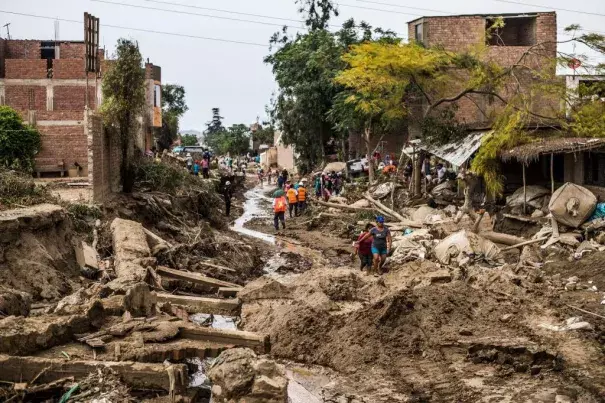
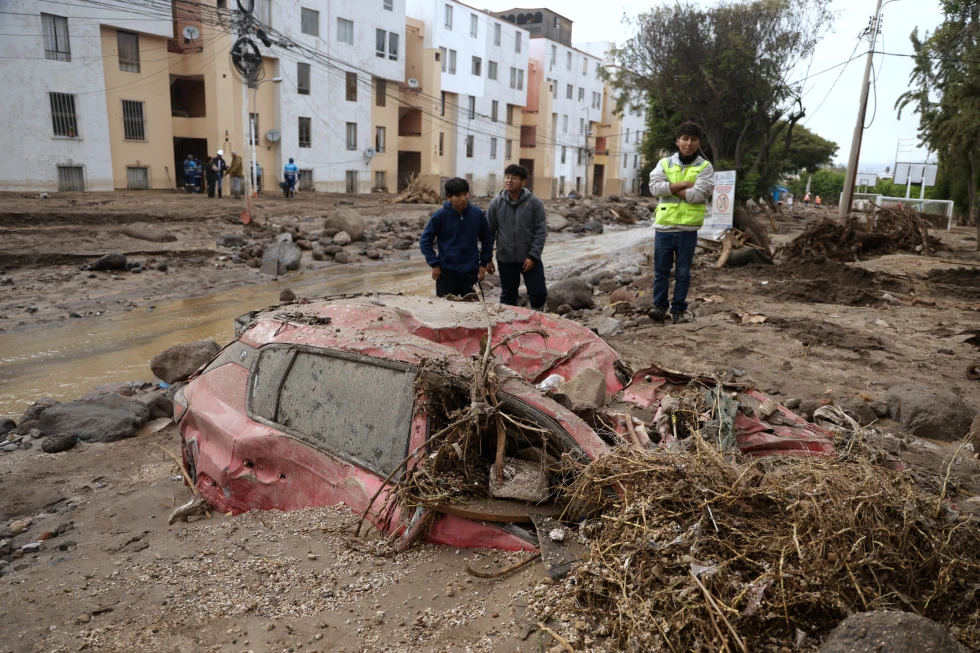
LIMA, Peru (BN24) — Peru’s government has placed more than 700 districts under a state of emergency following weeks of torrential rainfall, landslides and flooding that have left dozens dead and severely damaged infrastructure across the country.

The decree, endorsed by interim President José María Balcázar and formalized in the nation’s official gazette Wednesday, enables authorities to accelerate the release of emergency funds. The measure is intended to allow local and regional governments to reinforce bridges and highways, restore electricity and water systems, and safeguard vulnerable communities facing continued downpours.

The emergency order covers districts stretching from Peru’s Pacific coastline to the Andean highlands and into the Amazon basin a swath that represents nearly half of the country’s administrative divisions.

Government officials attribute the extreme weather to rising ocean temperatures associated with the coastal climate pattern known as El Nino Costero. Specialists say warming waters along the Pacific shoreline are intensifying evaporation, which in turn fuels heavier rainfall and swells river systems beyond their capacity.

Although rainfall has intensified in recent days, the newly installed administration had been unable to enact emergency measures sooner. President Balcázar was sworn in only this week after naming a Cabinet, ending a ministerial vacuum that began Feb. 17 when his predecessor, José Jerí, was removed from office amid a corruption and influence-peddling investigation.

The Ministry of Transportation indicated Wednesday that approximately 931 kilometers (580 miles) of roadway have sustained damage nationwide. The heaviest destruction is concentrated in four regions that have borne the brunt of the storms. Officials noted that the affected routes serve more than 500,000 people weekly, underscoring the disruption to commerce, agriculture and daily life.

Authorities have confirmed that 68 people have died from rain-related incidents since December. Among the latest fatalities were a father and son carried away by a landslide in the southern region of Arequipa. In the capital, Lima, a police officer drowned in the Rimac River while attempting to rescue a dog stranded by surging floodwaters descending from the Andes.

Meteorological authorities caution that Pacific Ocean temperatures remain above seasonal averages and that El Niño Costero conditions are projected to intensify slightly in March. Elevated sea surface temperatures typically generate high evaporation rates, feeding moisture-laden systems that produce prolonged and extreme rainfall across coastal and mountainous terrain.

The mounting damage highlights Peru’s longstanding vulnerability to climate-driven disasters. Many rural roads and bridges particularly in mountainous regions are susceptible to erosion and collapse during sustained downpours. In low-lying urban neighborhoods, inadequate drainage systems frequently exacerbate flooding.

While the emergency declaration expedites spending and coordination, implementation will test the capacity of regional governments already grappling with limited resources. Emergency designations in Peru allow authorities to bypass certain bureaucratic procedures, but reconstruction projects often face logistical and geographic hurdles.

The unfolding disaster also places immediate pressure on Balcázar’s fledgling administration. The leadership transition followed the ouster of Jerí, whose removal left the executive branch temporarily without a full ministerial team. That gap delayed formal action as storms intensified.

Analysts note that swift mobilization will be critical not only for humanitarian reasons but also for political stability. Peru has experienced repeated episodes of governmental turnover in recent years, and public confidence often hinges on effective disaster response.

El Niño Costero differs from the broader El Niño phenomenon that affects global weather patterns. The coastal variant primarily influences Peru and neighboring Ecuador, periodically triggering severe flooding and landslides. Scientists have observed that climate variability may amplify the frequency and intensity of such events, though attribution studies remain ongoing.

Peru’s geography compounds the risk. The Andes create steep slopes prone to landslides, while rivers descending from the mountains can swell rapidly when rainfall intensifies. Communities in both remote highland villages and densely populated coastal cities face exposure.

Beyond immediate emergency response, the latest crisis underscores structural challenges confronting Peru and other Andean nations as ocean temperatures fluctuate. Rising Pacific waters not only increase rainfall but also threaten fisheries a vital sector for Peru’s economy. Warmer conditions can alter marine ecosystems, affecting anchovy stocks that support both domestic consumption and global fishmeal exports.

Infrastructure resilience remains another pressing concern. Repeated emergency declarations in recent years suggest that reactive measures alone may be insufficient. Long-term adaptation could require redesigning road networks, reinforcing riverbanks and modernizing drainage systems to withstand heavier precipitation cycles.

Climate researchers caution that episodic warming events such as El Niño Costero may interact with broader global warming trends, potentially intensifying their impact. Although not every heavy rainfall event can be directly attributed to climate change, cumulative patterns point to increasing volatility.

For residents in affected districts, however, the immediate priority is recovery restoring access to transportation, ensuring clean water supplies and preventing further casualties as the rainy season continues.

As meteorologists monitor Pacific conditions ahead of March, authorities face a narrowing window to fortify vulnerable regions before additional storms arrive. The effectiveness of the emergency decree and the government’s ability to translate funding into rapid on-the-ground action may shape both the humanitarian outcome and Peru’s political trajectory in the months ahead.

Maduro Seeks Dismissal of U.S. Drug Indictment, Citing Blocked Venezuelan Funds for Legal Defense

0

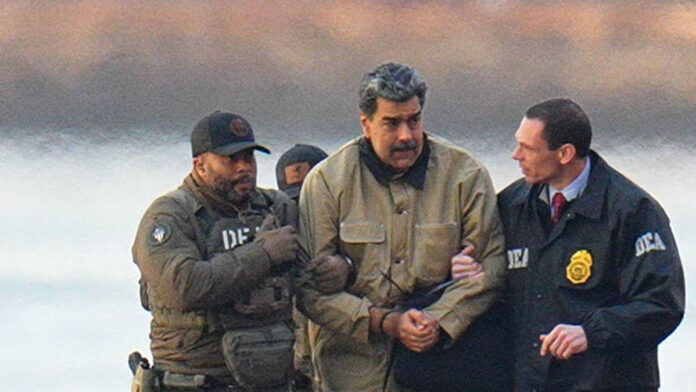
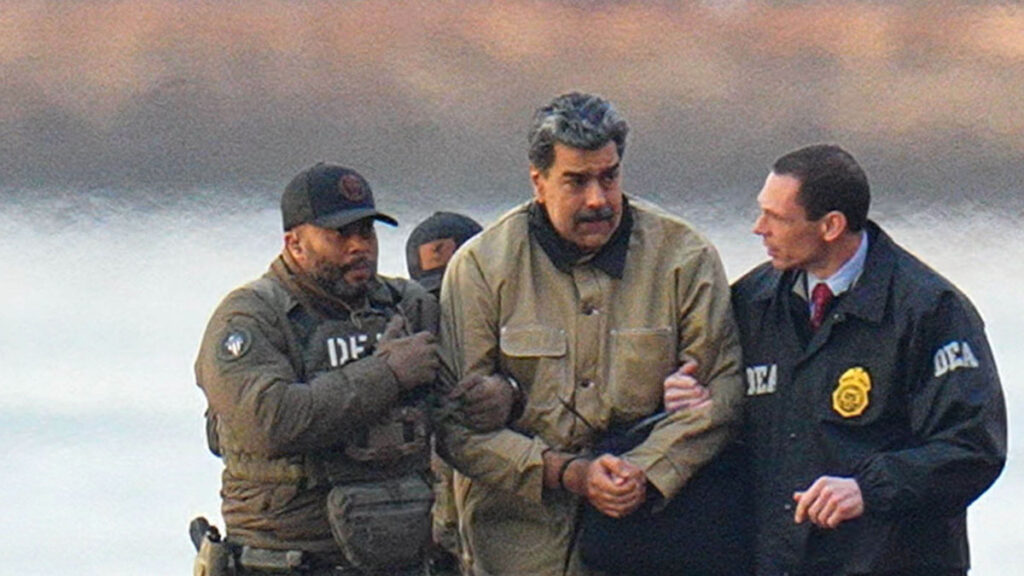
(AP) — Deposed Venezuelan President Nicolas Maduro urged a federal judge Thursday to throw out a sweeping U.S. narcotics indictment, contending that American sanctions have prevented him from accessing Venezuelan government funds to pay for his legal defense, thereby violating his constitutional rights.

In papers filed in Manhattan federal court, defense attorney Barry Pollack argued that the U.S. government has deprived Maduro of due process by blocking payments that, under Venezuelan law and custom, should cover the legal costs of a sitting head of state. The filing asserts that Maduro cannot afford private counsel and has relied on the expectation that the Venezuelan government would finance his defense.

“Mr. Maduro, as Venezuela’s head of state, has both a right and an expectation to have legal fees associated with these charges funded by the government of Venezuela,” Pollack wrote.

The submission included a sworn declaration signed “President Nicolas Maduro Moros,” in which Maduro stated that Venezuelan legal practices entitle him to state-funded representation. “I have relied on this expectation and cannot afford to pay for my own legal defense,” he said.

Maduro and his wife, Cilia Flores, have been held in New York since early January, when U.S. authorities seized them from their home in Venezuela during a covert nighttime operation. Both have entered not guilty pleas.

The 25-page indictment accuses Maduro and several associates of collaborating with drug trafficking organizations and elements of the Venezuelan military to funnel thousands of tons of cocaine into the United States. Prosecutors allege that the conspiracy included acts of violence, including kidnappings, beatings and killings tied to drug debts. If convicted, Maduro and Flores face potential life sentences.

Pollack indicated in correspondence to the court that the U.S. Treasury Department’s Office of Foreign Assets Control (OFAC), which administers sanctions involving Venezuela, initially authorized payment of legal fees from the Venezuelan government on Jan. 9. He asserted that the authorization was rescinded less than three hours later without explanation.

According to the filing, OFAC has permitted legal payments for Flores’ defense while withholding approval for Maduro’s representation.

“The conduct of the United States government not only undermines Mr. Maduro’s rights but also this Court’s mandate to provide a fair trial to all defendants,” Pollack argued, adding that proceeding under such constraints would produce a trial that could later be deemed constitutionally defective.

Pollack further stated that if the court declines to dismiss the indictment, he intends to seek withdrawal from the case so that court-appointed counsel can assume Maduro’s defense.

The Justice Department has not publicly responded to the latest motion. The case is unfolding amid longstanding diplomatic tensions between Washington and Caracas. The Trump administration severed ties with Maduro’s government in 2019 and recognized opposition leadership as Venezuela’s legitimate authority, a policy that continued under President Joe Biden.

Maduro’s motion places the intersection of criminal law and U.S. foreign policy squarely before a federal court. By framing the dispute as a constitutional issue tied to the Sixth Amendment right to counsel and Fifth Amendment due process protections, his legal team is challenging the operational impact of sanctions in a criminal proceeding.

Sanctions administered through OFAC are typically designed to limit financial flows and commercial transactions with targeted governments or individuals. However, courts have historically scrutinized whether such restrictions impede a defendant’s ability to mount an adequate defense. The uneven authorization described in the filing — permitting payment for Flores while withholding it for Maduro — could draw judicial inquiry into consistency and procedural fairness.

At the same time, dismissing a high-profile indictment on constitutional grounds would be extraordinary. Federal judges often explore narrower remedies, such as appointing counsel under the Criminal Justice Act or crafting limited financial authorizations that preserve both sanctions policy and defendants’ rights.

The case also raises broader geopolitical implications. Maduro continues to refer to himself as Venezuela’s head of state in court filings, underscoring unresolved questions about diplomatic recognition and sovereignty. Whether a U.S. court gives weight to that designation could subtly reflect or reinforce executive-branch foreign policy positions.

For now, the dispute centers on access to legal funds. Yet its resolution could clarify how sanctions regimes interact with criminal prosecutions involving foreign leaders — and whether financial restrictions can withstand constitutional scrutiny when liberty, and potentially life imprisonment, are at stake.

 Trump and ICE Release Columbia Student After NYC Mayor Raises Detention During White House Discussion

0

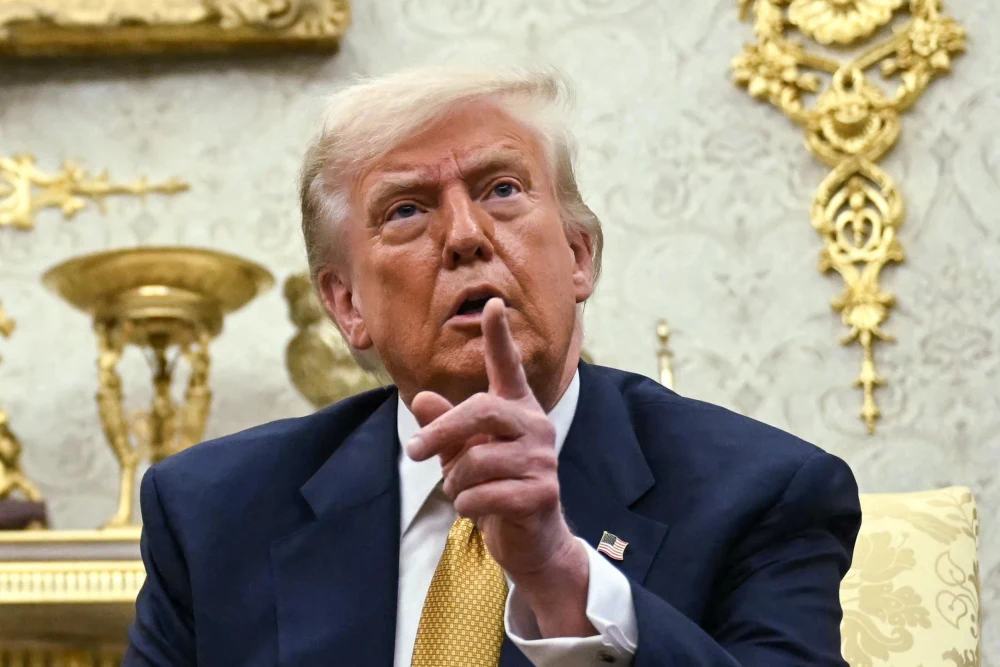
 President Donald Trump said a Columbia University student detained Thursday by federal immigration authorities would be released after New York City Mayor Zohran Mamdani raised the case during a meeting at the White House.

The student, identified as Ellie Aghayeva, had been taken into custody early Thursday morning after Department of Homeland Security agents entered a Columbia residential building in Manhattan. Hours later, Mamdani disclosed on social media that he had discussed the detention directly with Trump during a meeting focused on housing policy.

“In our meeting earlier, I shared my concerns about Columbia student Elaina Aghayeva, who was detained by ICE this morning,” Mamdani wrote on X. “He has just informed me that she will be released imminently.”

CNN later confirmed Aghayeva’s release. The student also posted on Instagram verifying she had been freed after earlier sharing a message from the back of a vehicle that read, “DHS illegally arrested me. Please help.”

The Department of Homeland Security confirmed Immigration and Customs Enforcement officers detained Aghayeva but did not directly address Columbia University’s assertion that agents misrepresented their purpose to gain access to the building. In a statement distributed to media outlets, DHS said Aghayeva’s student visa had been terminated in 2016 during the Obama administration for failure to attend classes and that she had no pending appeals or applications with the agency.

Columbia University Acting President Claire Shipman said agents entered the building at approximately 6:30 a.m. and that administrators were still gathering details. She indicated that the university believes federal officers claimed they were searching for a “missing person” in order to gain entry to nonpublic residential space.

“Our understanding at this time is that the federal agents made misrepresentations to gain entry to the building,” Shipman wrote in a message to the campus community. She reiterated university policy requiring law enforcement to present a judicial warrant or subpoena before accessing dormitories and other restricted facilities.

A spokesperson indicated that the building manager and Aghayeva’s roommate permitted officers into the apartment. Columbia said it was working to contact the student’s family and provide legal support.

Aghayeva, originally from Azerbaijan, is a senior majoring in neuroscience and political science, according to the American Association of University Professors, which confirmed her identity after being alerted by Columbia’s AAUP chapter.

The detention drew swift reaction from local and federal officials. New York Gov. Kathy Hochul criticized the enforcement action, asserting on X that ICE agents did not possess the appropriate judicial warrant and used deception to access the student’s residence. Democratic lawmakers including Rep. Jerry Nadler and Rep. Adriano Espaillat also condemned the arrest, describing it as alarming for students and faculty.

The case unfolded nearly a year after federal authorities detained Columbia graduate student Mahmoud Khalil, who spent more than 100 days in ICE custody in 2025 and continues to contest deportation proceedings. Another Columbia student, Ranjani Srinivasan, was also detained during campus protests last year before leaving the country.

Aghayeva’s release following Mamdani’s intervention underscores the political stakes surrounding immigration enforcement at universities. While DHS cited visa compliance issues, the rapid reversal after the mayor’s appeal to Trump illustrates how high-profile detentions can quickly escalate into national political matters.

Presidential involvement in an individual ICE case is uncommon and signals both the visibility of the situation and the administration’s responsiveness to local leadership. For Mamdani, raising the issue during an unrelated housing discussion demonstrates the growing intersection between municipal governance and federal immigration policy.

The episode also spotlights the ongoing debate over ICE access to educational institutions. Universities across the country have strengthened protocols requiring judicial warrants for entry into nonpublic campus areas, seeking to balance compliance with federal law and protection of student rights.

At the same time, DHS’s statement regarding Aghayeva’s visa termination may prompt renewed scrutiny over how long-standing immigration status issues are enforced and whether adequate notice was provided. The department has not indicated whether further proceedings will continue.

The swift release may ease immediate tensions, but the broader questions remain unresolved: how immigration enforcement should operate on campuses, what procedural safeguards must be honored, and how political intervention shapes individual cases.

By Thursday evening, Aghayeva was no longer in federal custody, closing a dramatic day that moved from an early-morning detention in Manhattan to a White House-level discussion and a same-day release — a rare sequence in immigration enforcement matters.

DON'T MISS ANY OF OUR UPDATE