Home Blog Page 6

3 Killed After Van Collides With Elephant in Uganda National Park

0

(AP) — A passenger van collided with an elephant inside Murchison Falls National Park, leaving three people dead and four others injured, authorities said Monday, underscoring the ongoing risks at the intersection of wildlife conservation and human activity.

Police said the crash occurred Sunday along a paved road that cuts through the park, one of Uganda’s most prominent wildlife reserves. The vehicle was carrying staff members of the Uganda Revenue Authority traveling from a northern city toward Kampala when it struck the animal.

Investigators said the driver lost control immediately after impact, leading to the fatal crash. Emergency responders arrived at the scene and transported the injured to nearby medical facilities.

Footage circulating from the area showed survivors inside the wrecked vehicle calling for help, while the elephant, badly hurt, struggled to rise in nearby vegetation. Authorities have not confirmed whether the animal survived.

Police urged motorists to exercise heightened caution when driving through protected wildlife zones, where animals often move freely across roadways.

Incidents involving vehicles and wildlife remain relatively uncommon in Uganda’s national parks, yet they highlight a persistent challenge facing conservation areas across Africa. Roads that pass through protected environments create unavoidable contact points between humans and large animals, particularly elephants, which can weigh several tons and move unpredictably.

In parks like Murchison Falls, increased traffic tied to tourism, government operations, and regional travel has expanded the likelihood of such encounters. While paved roads improve accessibility and economic activity, they also introduce safety risks for both people and wildlife.

Conservation experts often describe this tension as part of a broader human wildlife conflict, where expanding infrastructure intersects with natural habitats. Measures such as speed restrictions, warning systems, and designated wildlife crossings have been proposed or implemented in some regions, but enforcement and awareness remain uneven.

This latest crash may renew calls for stricter traffic controls inside protected areas and improved driver education, especially for those unfamiliar with wildlife behavior. It also raises questions about how countries like Uganda can balance conservation priorities with transportation needs in regions where national parks are integral to both ecology and the economy.

Israel Targets Hamas Military Leader in Gaza Strikes as Death Toll Rises Ahead of Holiday

0

Israel launched airstrikes in Gaza City late Tuesday, killing at least three people and injuring 12 others, hospital officials confirmed, as tensions surged on the eve of a major religious holiday.

In a joint statement, Israeli Prime Minister Benjamin Netanyahu and Defense Minister Israel Katz said the operation focused on a senior figure in Hamas. They identified the target as Mohammed Odeh, describing him as a key planner behind the October 7, 2023 attacks that ignited the ongoing conflict.

Medical staff at Shifa Hospital in Gaza City said the bodies of those killed were brought to the facility shortly after the strikes. There was no immediate response from Hamas regarding the claim that its newly appointed military leader had been targeted.

The latest attack came less than two weeks after Israel announced it had killed a previous commander of Hamas’ military wing, signaling an intensified campaign aimed at dismantling the group’s leadership structure.

The strikes unfolded just hours before Eid al Adha, a period traditionally marked by family gatherings and celebrations. In Gaza, however, the holiday has again been overshadowed by war. Large portions of the population remain displaced, with many families living in temporary shelters after months of destruction.

Despite a ceasefire agreement reached last October, violence has continued at a lower intensity. Palestinian health authorities say more than 880 people have been killed since the truce took effect, while Israel maintains that its actions respond to security threats and violations by Hamas. Israeli officials also confirm that four of their soldiers have died during the same period.

The war began after Hamas launched a cross border assault in October 2023 that killed about 1,200 people and led to the abduction of around 250 others. Since then, Gaza’s Health Ministry says more than 72,700 Palestinians have been killed in Israeli operations, though it does not distinguish between civilians and fighters.

Israel’s continued targeting of senior Hamas figures reflects a broader military strategy aimed at weakening the group’s command structure rather than relying solely on large scale ground offensives. While such strikes may disrupt leadership, they also risk prolonging instability by creating rapid leadership turnover rather than eliminating operational capacity.

The timing of the attack, just before a major holiday, underscores how deeply the conflict has reshaped daily life in Gaza. Repeated strikes during symbolic periods can heighten psychological strain on civilians and deepen humanitarian concerns already flagged by international observers.

At the same time, the fragile ceasefire appears increasingly strained. Continued exchanges of fire suggest that both sides are testing the limits of the agreement, raising concerns that a broader escalation could still emerge if targeted killings or retaliatory actions intensify.

From a geopolitical perspective, Israel’s focus on high value targets may also be intended to signal resolve to both domestic and international audiences, even as pressure grows for a more durable political solution to the conflict.

AP

Lionel Messi Injury Scare: Argentina’s 2026 World Cup Hopes in Limbo

0

Lionel Messi has suffered a hamstring overload just weeks before the 2026 World Cup, raising fresh concerns over his fitness after he exited Inter Miami CF’s final match before the tournament.

The Argentine star left the field in the 73rd minute of Miami’s 6 to 4 victory against the Philadelphia Union after clutching the back of his left leg. He signaled to the bench following a free kick and was immediately substituted before heading straight down the tunnel for further assessment.

Medical evaluations carried out the following day confirmed what the club described as muscle fatigue in the left hamstring. A team update indicated that his return to full activity will depend on how he progresses in recovery and rehabilitation.

Head coach Guillermo Hoyos had initially played down the situation, suggesting fatigue after a demanding match on a heavy surface. Still, the timing of the injury has placed a spotlight on Messi’s condition ahead of the global tournament.

Despite the setback, Messi remains central to Argentina national football team’s plans for the 2026 FIFA World Cup. The defending champions are scheduled to open their campaign on June 16 against Algeria, giving the veteran forward a narrow window to recover.

The 38 year old has been in strong form leading into the break, contributing 12 goals and eight assists in just over a dozen league appearances. His influence remains critical as Argentina aims to defend the title it secured in Qatar in 2022.

While muscular overload injuries are not new for Messi, they have typically been managed without long term consequences. Team staff are expected to take a cautious approach to avoid aggravating the condition at a crucial moment in the calendar.

Argentina’s preparation includes friendly matches ahead of the tournament, which could serve as a key test of Messi’s readiness. Coach Lionel Scaloni is likely to monitor his captain closely before making final decisions on match fitness.

Messi’s latest injury comes at a delicate stage, not just for Argentina but for the broader narrative of the tournament. With this World Cup widely expected to be his final appearance on football’s biggest stage, even a minor physical setback carries outsized significance.

Argentina’s tactical structure is deeply tied to Messi’s presence. His ability to dictate tempo, unlock defenses and deliver decisive moments makes him irreplaceable, even in a squad filled with emerging talent. A fully fit Messi elevates Argentina from contender to favorite. A limited version of him introduces uncertainty.

There is also a growing pattern of workload management challenges. Playing in Major League Soccer while preparing for an international tournament presents unique physical demands, especially for an aging player. The condensed schedule and travel strain may be contributing factors.

For Inter Miami, the decision to withdraw Messi early reflects a broader shift toward long term preservation over short term gain. For Argentina, the coming days will determine whether this is a routine precaution or a defining storyline of the World Cup buildup.

CBSsports/Reuters

Iran Claims It Downed US Drone and Fired on Fighter Jet as Tensions Surge Despite Ceasefire

0

Iran’s Islamic Revolutionary Guard Corps said Tuesday it shot down an American drone and fired at a fighter jet after what it described as a violation of its airspace, marking a sharp escalation in tensions with the United States even as a fragile ceasefire remains in place.

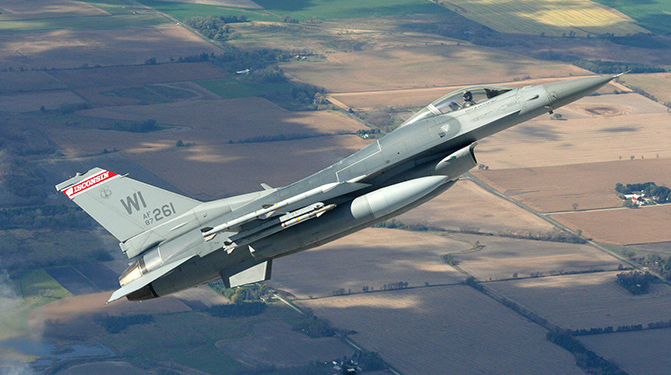
The IRGC said it targeted an MQ 9 Reaper drone over the Gulf after identifying what it called a hostile intrusion. It also indicated that it engaged a US F 35 fighter jet and an RQ 4 surveillance aircraft, forcing them to withdraw from Iranian airspace.

Iranian state media carried the statement, which stressed that Tehran reserves what it described as a legitimate and firm right to respond to any further breaches of the ceasefire.

The claims emerged hours after the United States confirmed it carried out military strikes in southern Iran. US Central Command said the operation targeted missile launch sites and vessels suspected of placing naval mines, describing the action as necessary to protect American forces in the region.

Captain Tim Hawkins, a spokesperson for Central Command, said US forces acted in self defense against threats posed by Iranian forces. He added that operations would continue with restraint while the ceasefire remains in effect.

Coverage from The Jerusalem Post citing Reuters highlighted that the strikes were aimed at neutralizing immediate threats, while Sahara Reporters noted that Iranian forces claimed to have opened fire on multiple US aircraft during the incident.

There has been no independent confirmation from the United States or international observers to support Iran’s account of downing the drone or striking the fighter jet.

The exchange underscores rising friction between Washington and Tehran at a time when diplomatic efforts are still underway to stabilize the region. While both sides have kept channels open for negotiations, military actions and counterclaims continue to test the durability of the ceasefire.

The latest confrontation reflects a pattern of calibrated escalation, where both sides assert strength without fully abandoning diplomatic engagement. Iran’s announcement serves multiple purposes. It reinforces domestic messaging of sovereignty and deterrence while signaling to negotiators that Tehran will not tolerate perceived violations.

For the United States, the strikes demonstrate a willingness to act preemptively to protect its forces, particularly in contested areas such as the Gulf. However, such actions risk complicating ongoing talks, especially if Iran frames them as aggressive rather than defensive.

The lack of independent verification is significant. In past confrontations, competing narratives have shaped international perception as much as the events themselves. Without clear evidence, the claims may deepen mistrust rather than clarify the situation.

The broader implication lies in the fragile balance between military signaling and diplomacy. Each incident increases the risk of miscalculation, particularly in a region where strategic waterways and energy routes remain highly sensitive.

If incidents like this continue, they could narrow the space for compromise, making it harder for mediators to sustain momentum toward a lasting agreement. At the same time, the restraint shown so far by both sides suggests neither is ready to abandon negotiations entirely.

JerusalemPost/SaharaReporters

Gulf on Edge as Iran Signals Strong Retaliation After US Strikes Disrupt Fragile Peace Talks

0

Countries across the Gulf moved to brace for potential escalation Tuesday after Iran warned of a forceful response to United States strikes, heightening uncertainty around fragile negotiations tied to reopening the Strait of Hormuz and ending the ongoing conflict.

Tehran signaled that any further military action would trigger consequences beyond the region, raising concerns among neighboring states already wary of the economic and security fallout from renewed instability.

The warning followed overnight strikes by United States forces on targets in southern Iran, including missile launch sites and vessels suspected of placing naval mines. U.S. Central Command described the operation as a defensive measure intended to protect its personnel without undermining the ceasefire that has underpinned ongoing diplomatic efforts.

Iranian military spokesperson Abolfazl Shekarchi indicated that future attacks would be met with a response more severe than previous actions. Iranian media also reported explosions near Bandar Abbas, a strategic coastal area, though details remained limited.

The Islamic Revolutionary Guard Corps said it had tracked foreign military aircraft and drones in the area and cautioned against further violations, asserting that retaliation remains a firm option if hostilities continue.

Despite the rising tension, negotiations have not collapsed. U.S. Secretary of State Marco Rubio, speaking during a visit to India, said talks with Iranian officials were continuing in Qatar, with discussions focused on refining key terms of a potential agreement.

Rubio described the negotiations as active but complex, noting that both sides were still working through critical details. He added that President Donald Trump remained firm that any agreement must meet U.S. expectations, signaling that compromise would not come at any cost.

Qatar, working alongside Pakistan, has taken a central role in mediating the talks, hosting senior officials from both sides. While Iranian negotiators have yet to outline specifics publicly, officials in Tehran have suggested progress on several fronts, though no final deal appears imminent.

Qatar’s foreign ministry pushed back against claims circulating online that it had offered financial incentives to Iran, calling such assertions inaccurate and harmful to ongoing diplomatic efforts.

Meanwhile, activity in the Strait of Hormuz offered a tentative sign of movement, with several vessels transiting the waterway under Iranian clearance. The passage remains a key focus of negotiations, given its role in global energy supply chains.

The latest developments come at a delicate moment. President Trump had recently suggested that a broader agreement was within reach but later urged negotiators to proceed cautiously, reflecting the complexity of aligning military realities with diplomatic goals.

Iranian officials have taken a more measured stance, emphasizing that no fixed timeline exists and that unresolved issues still require careful negotiation.

Trump has also proposed expanding the scope of any agreement to include broader regional cooperation, including encouraging additional countries to formalize ties with Israel. That suggestion has introduced new diplomatic challenges, particularly for nations that tie normalization to wider political conditions.

The Gulf’s heightened alert reflects a deeper concern that even limited military actions could derail a process already burdened by mistrust. For regional governments, the risk lies not only in direct conflict but in the economic shock that could follow any disruption to the Strait of Hormuz.

Iran’s calibrated response suggests a dual strategy. By issuing strong warnings without immediate escalation, Tehran appears to be reinforcing deterrence while keeping negotiations alive. This approach allows it to maintain leverage without closing the door to a deal that could ease sanctions and stabilize its economy.

For the United States, the strikes underline a willingness to use force to shape the negotiating environment. However, such actions carry the risk of hardening positions in Tehran, particularly among factions skeptical of engagement with Washington.

The involvement of Qatar and Pakistan highlights the growing importance of regional mediators in bridging gaps that direct talks have struggled to close. Their role may prove decisive if both sides seek a face saving path toward compromise.

Ultimately, the coming days are likely to test whether diplomacy can withstand the pressure of military signaling. With global energy markets closely tied to developments in the Strait of Hormuz, the stakes extend far beyond the region.

Euronews

Israeli Strike in Lebanon Kills 12 as More Troops Called Up Ahead of Washington Talks

0

An Israeli airstrike killed 12 people in the eastern Lebanese village of Mashghara late Monday, rescue workers confirmed as they pulled bodies from the rubble overnight, while Israeli Prime Minister Benjamin Netanyahu ordered an intensification of military operations across Lebanon and the army called up an additional battalion — all of it happening three days before Israeli and Lebanese military delegations are scheduled to sit across from each other in Washington for direct talks.

The strike hit Mashghara in the Bekaa Valley, Lebanon’s state-run National News Agency confirmed. The Israeli military did not comment specifically on the Mashghara strike but said Monday it was targeting Hezbollah infrastructure in eastern Lebanon. An Israeli security official, speaking on condition of anonymity in line with military regulations, confirmed the additional battalion had been called up without providing further details.

Netanyahu had set the tone hours before the strike, posting a video statement on Telegram in which he announced he had authorized a sharper escalation of Israeli operations against Hezbollah across the country.

“I have ordered an even greater acceleration of our operations,” Netanyahu said. “What this requires of us now is to increase the blows, to increase the intensity. We will smite them hip and thigh.”

Hezbollah Fires Back

The escalation was not one-directional. Hezbollah said it carried out multiple strikes Monday against Israeli military positions in the north, framing the attacks as a direct response to what it characterized as Israeli ceasefire violations. The group claimed responsibility for at least four drone attacks on the Shomera barracks, as well as separate strikes on two other barracks in northern Israeli towns and an attack on a military post in Misgav Am. All were carried out around midday at short intervals.

Hezbollah said it would continue fighting until Israel halted its daily airstrikes and withdrew its troops from Lebanese soil. In recent weeks, the group has publicly promoted its use of fiber-optic drones, a newer guidance technology that Israeli forces have struggled to intercept. Hezbollah said those drones have successfully hit both Israeli troops and border villages in northern Israel.

Israel, responding to the drone threat, updated its defensive guidelines in northern areas, instructing residents not to gather in large groups.

Talks Scheduled, War Intensifying

The widening violence is set against a diplomatic backdrop that would appear to make this moment one of the least conducive to escalation. Lebanese and Israeli military representatives are due in Washington for direct talks in three days, the first direct military-to-military engagement between the two countries in the current conflict. The Lebanese government has expressed hope that the talks will produce a ceasefire framework. Hezbollah has openly opposed the talks and has not committed to honoring any outcome they might produce.

Lebanese President Joseph Aoun defended his decision to participate in the Washington process Monday, saying his demand for a complete Israeli withdrawal from southern Lebanon remained non-negotiable. Israel has maintained a border strip of Lebanese territory it describes as a necessary buffer zone for northern Israeli communities.

The combination of an Israeli escalation order, a battalion call-up, and twelve people killed in the Bekaa Valley on the eve of those talks does not suggest either side is treating the upcoming Washington meeting as a reason to hold fire in the meantime.

A Million Displaced, a City on Edge

Lebanon has been living under the weight of this war since Hezbollah fired rockets into northern Israel on March 2 in a declaration of solidarity with Iran, drawing Israeli bombardment that has continued without interruption since. More than a million people have been displaced across the country. The Lebanese Health Ministry counted at least 3,185 people killed in Israeli strikes since the war began, with more than 9,600 wounded.

The intensification of Netanyahu’s language Monday, and the strikes that followed, sent a wave of anxiety through Beirut. In the capital’s Hamra neighborhood, Tony Aboud captured the psychology of a civilian population that has learned to measure its fear in press conferences.

“By just saying a few words on TV he causes everyone to panic and flee their homes,” Aboud said. “I don’t know what’s going to happen and how long we can live like this.”

Israel has updated its guidance to northern residents not to congregate in large gatherings, a precautionary posture that signals the military expects Hezbollah to continue launching attacks against Israeli territory even as the Israeli air campaign presses deeper into Lebanese territory.

Escalation Before Negotiation

The timing of Netanyahu’s escalation order, coming days before Washington talks that both governments have publicly committed to attending, reflects a negotiating logic that has characterized Israeli military strategy across multiple conflicts: arrive at the table from a position of demonstrated military dominance rather than from one of suspended operations.

From Israel’s perspective, the calculus is straightforward. Hezbollah has not agreed to disarm, has not stopped firing, and has publicly rejected the Washington talks. Continuing to strike Hezbollah infrastructure before those talks reinforces Israel’s leverage by showing that restraint is not being offered in exchange for a seat at the table. Whatever agreement emerges, if any does, will need to address the security concerns that Israeli military commanders are trying to resolve by force right now.

From Lebanon’s perspective, the logic runs in reverse. A government trying to negotiate a ceasefire while the country it governs is absorbing escalating Israeli strikes faces a domestic credibility problem that intensifies with every strike. Lebanese President Aoun is asking his people to trust a diplomatic process with a country that is simultaneously killing Lebanese civilians and calling up additional troops. The harder Israel hits before Washington, the harder it becomes for the Lebanese government to defend the talks to a traumatized public.

Hezbollah, watching from outside the diplomatic process it has rejected, has its own strategic interest in the escalation: every Israeli strike that kills civilians in the Bekaa Valley strengthens Hezbollah’s argument that Israel cannot be negotiated with and that armed resistance is the only language the Israeli government respects. The more violent the prelude to Washington, the weaker the Lebanese government’s negotiating position looks, and the stronger Hezbollah’s case for resistance becomes.

Twelve people died in Mashghara Monday night while all of this was being calculated in Jerusalem, Beirut, and Washington. Their names have not yet been released.

AP/Euronews/EnglishAawsat

2 Children Among 4 Dead in Belgium Train and School Bus Accident

0

 A train slammed into a school minibus at a level crossing in northern Belgium on Tuesday morning, killing four people including two children and leaving five other young passengers hospitalized in critical condition that later stabilized, in a crash that drew expressions of grief from the country’s prime minister, its regional leaders, and the president of the European Union.

The collision occurred at 8:08 a.m. at a crossing near Buggenhout station, approximately 23 kilometers northwest of Brussels. A minibus carrying seven children, a teacher, and a driver was struck by a train that was approaching the station roughly one kilometer away. The train driver applied the emergency brake but could not stop in time.

Among the dead were a 12-year-old child, a 15-year-old child, a 27-year-old teacher, and the 49-year-old bus driver. Two other people sustained severe injuries. The five remaining children on board were taken to hospital in critical condition but were described as stable by the time officials held a press conference.

“The impact was extremely violent,” police spokesperson Frederic Sacre told reporters. “It happened at around 8:08 a.m. when a minibus was struck by a train that was due to stop at the next station, which was about a kilometre away.”

Belgian media images showed the minibus on its side next to the railway line, badly crumpled, with emergency response tents erected around the scene as crews worked to reach passengers.

The Crossing Was Secured When the Crash Happened

The central question confronting investigators is how a collision occurred at a crossing whose safety systems appear to have been functioning. Security camera footage reviewed by authorities showed the barriers were down and the traffic lights were red at the moment of impact. The train was already braking before the driver activated the emergency brake.

Thomas Baeken of rail infrastructure operator Infrabel told Belgian broadcaster VRT NWS that the physical evidence pointed toward a functioning crossing. “The collision took place at 8:08 a.m. Footage shows that the barriers were down and the traffic lights were red,” Baeken said. “We do not know how the accident could have happened.”

He added: “The train was already braking. The train driver did apply the emergency brake, but was unable to avoid a collision.” Infrabel said it would cooperate fully with the police investigation. Investigators are working to determine why the minibus entered the crossing despite the barriers and signals.

Approximately 100 passengers were aboard the train at the time of the collision. None were reported killed or seriously injured. One person was taken to hospital suffering from shock.

Transport Minister Jean-Luc Crucke confirmed the death toll and described the crossing’s security barriers as having been deployed at the time of the crash. Police said the children on board were believed to attend a special education school, though that was not officially confirmed at the time of initial reporting.

A Country in Mourning

The response from Belgian and European officials came swiftly. Prime Minister Bart De Wever wrote on X that he was “deeply moved by the horrific accident in Buggenhout” and extended his thoughts to the affected families.

Interior Minister Bernard Quintin said he had learned of the accident “with great dismay” and addressed the injured directly in his statement. “I wish the injured much strength,” Quintin wrote.

Deputy Prime Minister Maxime Prevot confirmed the deaths on social media, writing that four people had been killed including two children. Flemish regional president Matthias Diependaele expressed gratitude to emergency services at the scene and said his thoughts were with everyone touched by the accident.

European Commission President Ursula von der Leyen, herself Belgian by birth, said she was heartbroken. “My deepest condolences go out to the victims’ families and their loved ones. Today, Europe grieves with Belgium,” she wrote.

Train services on the affected line were suspended following the crash, with replacement buses deployed for passengers. Infrabel said further disruptions were possible as the investigation continued.

A Persistent Problem on Belgium’s Rail Network

Belgium’s railway network is one of the densest in Europe, threading through towns, villages, and urban districts in a country roughly the size of Maryland. The proximity of that network to everyday life creates a persistent safety challenge at the thousands of level crossings where road traffic and rail lines intersect.

Infrabel’s own data showed that five people were killed at level crossings in 2025, the lowest figure recorded since 2020. The deaths at Buggenhout already surpass last year’s annual toll in a single incident, putting renewed pressure on a rail safety conversation that Belgium’s transport authorities have been having for years without fully resolving it.

The question of why the Buggenhout minibus entered a crossing whose barriers and warning lights were active will likely shape whatever policy response follows this accident. If the investigation establishes driver error, the focus will fall on driver training, road markings, and crossing visibility. If it establishes a mechanical failure in the vehicle that prevented the driver from stopping, the focus shifts to vehicle safety standards for buses carrying children. If it reveals something more ambiguous, the response will be harder to define and harder to implement.

What is not ambiguous is the human reality of Tuesday morning in Buggenhout. Seven children boarded a minibus on their way to school. By the time their families were notified, two of them would not be coming home.

Level Crossings and the Limits of Safety Systems

The Buggenhout accident illustrates a fundamental tension in transport safety engineering. Level crossings in Belgium and across Europe have been progressively equipped with better warning systems, automated barriers, and camera monitoring precisely because human behavior at those crossings has historically been a source of deadly accidents. The logic is that if you make the crossing difficult enough to enter when a train is approaching, the number of collisions drops.

The Buggenhout footage, according to investigators, showed that the safety systems worked as designed. The barriers were down. The lights were red. The train was already braking. And the collision happened anyway.

That outcome forces a harder question about what safety engineering can and cannot guarantee. Systems designed around the assumption that barriers and warning signals will change driver behavior work when drivers perceive, process, and respond to those signals correctly and in time. They do not work when a driver is distracted, impaired, confused, or mechanically unable to stop regardless of what the signals show. No warning system in the world can fully substitute for the seconds of attention and the physical capacity to stop that a driver needs in the final approach to a crossing.

Belgium will investigate this accident thoroughly, as it should. The investigation will produce findings, and those findings will likely generate recommendations for improved safety measures at the crossing or across the network more broadly. That process matters. But it will not restore what was lost Tuesday morning in Buggenhout, and it will not answer the question that the families of the dead will ask for the rest of their lives: why, on a morning when everything was supposed to work, it did not.

Reuters/People/Euronews

Russia Warns of Targeted Strikes on Kyiv Military Sites, Urges Foreigners to Leave City

0

Russia signaled plans on Monday to carry out sustained strikes on military related sites in Kyiv and locations tied to Ukrainian decision making, while also urging foreign nationals to leave the capital, intensifying tensions following one of the most powerful bombardments of the city since the war began.

The warning came a day after a wave of attacks struck Kyiv, killing at least two people and injuring dozens, Ukrainian authorities said. Emergency crews continued clearing debris across affected neighborhoods as officials assessed widespread damage.

In a statement released by Moscow’s foreign ministry, Russian Foreign Minister Sergei Lavrov conveyed to U.S. Secretary of State Marco Rubio that the planned strikes would be a response to what Russia described as ongoing attacks by Ukrainian forces on civilians inside Russian territory. The statement indicated that Russian forces would begin coordinated operations targeting facilities used by Ukraine’s military as well as command centers.

Earlier guidance from Russian officials called on foreign citizens, including diplomats, to leave Kyiv as soon as possible, a move that Ukrainian officials and European representatives dismissed as an attempt to spread fear.

Ukraine’s Foreign Minister Andrii Sybiha urged allies not to yield to what he described as pressure tactics from Moscow. Writing on social media, he stressed that Ukraine remained engaged with international partners and would continue to resist such warnings.

Katarina Mathernova, head of the European Union mission in Kyiv, also rejected the message from Moscow, saying the bloc would maintain its presence in the Ukrainian capital and continue its support.

Ukrainian President Volodymyr Zelenskyy said nearly 300 locations across Kyiv were damaged in the recent strikes, including civilian infrastructure and a museum dedicated to the 1986 nuclear disaster. Foreign diplomats from more than 70 countries visited one of the hardest hit districts to show solidarity with Ukraine.

The latest escalation follows a Russian claim that Ukraine carried out a drone strike on a student dormitory in the Russian controlled Luhansk region. Ukrainian military officials denied the accusation, stating instead that their forces targeted a high value drone command unit in the area.

Fighting has intensified on multiple fronts. In Russia’s Belgorod region, local authorities said one person was killed and another injured in missile and drone attacks that also disrupted electricity and water supplies. In eastern Ukraine, Russian installed officials reported casualties in areas under their control, while Ukrainian authorities said Russian strikes over the past day killed civilians in southern and northeastern regions, including Kherson and areas near Kharkiv.

Additional attacks were reported in the Black Sea port city of Odesa and in central regions, where drones struck residential buildings and caused injuries. Officials on both sides continue to deny intentionally targeting civilians.

Efforts by the United States to mediate an end to the conflict have yet to produce a breakthrough. Each side has accused the other of prolonging the war, while Ukraine prepares for potential new offensives and continues to call for stronger air defense support.

Zelenskyy said in a nightly address that discussions with Washington on expanding missile defense production had not advanced significantly, adding that Kyiv expects further diplomatic steps from the United States.


Russia’s latest warning marks a shift toward psychological pressure alongside military escalation, signaling an effort to reshape the strategic environment in Kyiv by targeting both infrastructure and morale. Calls for foreigners to leave the capital may be designed to isolate Ukraine diplomatically and economically, even as Western allies signal continued commitment.

The reference to systematic strikes suggests a more sustained campaign rather than isolated attacks, raising concerns about prolonged damage to critical infrastructure and governance centers. At the same time, Ukraine’s continued strikes inside Russian controlled areas show that the conflict is becoming increasingly reciprocal, with both sides expanding their operational reach.

The absence of progress in U.S. led mediation highlights the deepening stalemate, while Ukraine’s push for enhanced air defense underscores the growing importance of technology and supply chains in shaping the next phase of the war.

Reuters

U.S. Strikes Iran Missile Sites and Mine-Laying Boats as Trump Says Talks Are Going Well

0

 The U.S. military carried out strikes in southern Iran on Monday, hitting missile launch sites and boats attempting to lay mines in the Strait of Hormuz while President Donald Trump posted on social media that negotiations with Tehran were progressing well — a jarring contradiction that captured the volatile mixture of combat and diplomacy defining a war now entering its fourth month.

U.S. Central Command spokesman Capt. Tim Hawkins confirmed the strikes in a statement, describing them as acts of self-defense taken “to protect our troops from threats posed by Iranian forces” while the military was “using restraint during the ongoing ceasefire.”

No additional details about the specific threats or the scope of damage were immediately available.

Iran’s response came through its own channels. The Tabnak news website, considered close to former Revolutionary Guard chief Mohsen Rezaei, identified four Revolutionary Guard troops it said were killed in American strikes on boats. Iranian state television separately reported explosions in and around Bandar Abbas, the city on the Strait of Hormuz that houses a major military port and a dual-use airport. Iran also said it shot down what it described as a hostile stealth drone using a newly developed air defense system, without identifying the drone’s origin.

The strikes landed as Iran’s foreign minister and top nuclear negotiator were in Doha for talks with Qatar’s prime minister on the framework for ending the war, an official briefed on the visit told Reuters. Iran’s central bank governor was also in Doha, attending discussions focused on the potential release of billions of dollars in frozen Iranian assets that Qatar holds as part of any eventual agreement.

Negotiations and Bombs at the Same Time

Secretary of State Marco Rubio, speaking to reporters on his plane in Jaipur, India, said Tuesday that finalizing a deal with Iran could “take a few days,” cooling expectations of an imminent end to the conflict. He described the Strait of Hormuz situation without diplomatic hedging.

“The straits have to be open, they’re going to be open one way or the other, so they need to be open,” Rubio said.

He said there was “a pretty solid thing on the table,” pointing to discussions over reopening the strait and what he called “a very real, significant, time-limited negotiation on the nuclear matter.” He told reporters in New Delhi earlier that the United States would give diplomacy every chance before considering whether to address Iran “in another way.”

Trump’s own account of where things stood was characteristically emphatic. In a lengthy Truth Social post Monday, he said talks with Iran were going “nicely” but warned he would resume full-scale attacks if diplomacy failed. “It will only be a Great Deal for all, or no Deal at all,” he wrote.

The simultaneous pursuit of military strikes and active negotiation reflects a posture the administration has maintained throughout the conflict: keeping military pressure on Tehran while leaving the diplomatic door open, calculating that the combination of pain and offramp produces faster concessions than either alone.

What Is on the Table in Doha

The Doha discussions, according to the official who briefed Reuters on the Iranian delegation’s visit, centered on two core issues that have defined the entire negotiating standoff since the April ceasefire took effect: the management of the Strait of Hormuz and Iran’s stockpile of highly enriched uranium.

Iranian Foreign Ministry spokesperson Esmaeil Baghaei said nuclear issues would only enter formal negotiation after a framework accord was first agreed on ending the war itself — a sequencing demand that Washington has resisted, preferring to address the nuclear question as part of the initial agreement rather than deferring it to a subsequent round of talks.

On the strait, Baghaei said the potential deal contained no specific provisions for managing traffic through the waterway. Iran would not charge tolls for passage, he said, but would impose fees for services including navigation assistance and environmental protection measures, under a protocol to be worked out with Oman, which sits on the opposite shore of the strait.

Japan’s Nikkei newspaper, citing a Middle East diplomatic source, said the two sides were discussing a plan that would reopen the strait approximately 30 days after a deal ending hostilities was signed.

Before the war began with U.S. and Israeli strikes on February 28, between 125 and 140 vessels passed through the strait daily. Since then, the number has dropped to a few dozen. The waterway normally carries roughly a fifth of the world’s seaborne oil and liquefied natural gas. Its effective closure has driven global oil prices sharply higher and pushed up the cost of fuel, food, and fertilizer across markets far removed from the Persian Gulf.

In early Asian trading Tuesday, U.S. West Texas Intermediate crude was slightly higher than Monday’s final price but down 5.5 percent from where it closed the previous Friday.

The Abraham Accords Complication

While the core Iran negotiations moved through Doha, Trump introduced a new element that immediately complicated the diplomatic picture. He said any agreement to end the war should include a requirement that additional countries, including Saudi Arabia and Pakistan, sign the Abraham Accords, the normalization agreements between Arab states and Israel that Trump brokered during his first term.

Trump posted that after all the effort the United States had invested in pulling the negotiations together, it should be “mandatory” that the relevant countries simultaneously sign the accords alongside any Iran deal. He pointed to Saudi Arabia and Qatar as countries that should sign “immediately.” He said he would accept one or two countries declining, but expected most to participate.

The proposal collided immediately with the political realities of the countries on his list. Saudi Arabia has for decades conditioned normalization with Israel on Israel’s withdrawal to its 1967 borders and the establishment of a Palestinian state with East Jerusalem as its capital. Israel’s conduct in Gaza has deepened that resistance across the Gulf Arab world and the broader Muslim world. Pakistan does not maintain diplomatic relations with Israel and has consistently made recognition of a Palestinian state a precondition for any shift in its posture.

Islamabad-based analyst Syed Mohammad Ali said Pakistan’s position on Israel had not changed as a result of Trump’s proposal. Masood Khan, Pakistan’s former ambassador to the United States, noted that introducing the Abraham Accords into negotiations that had not previously included that issue added an entirely new diplomatic dimension at an already complex moment.

“The invocation of the Abraham Accords at this stage gives an altogether new dimension to the diplomatic and mediatory processes because this issue was not on the agenda,” Khan said. He added that domestic pressure on Trump to deliver a favorable deal was visible in the proposal, but that “the diplomatic track is still working, and I believe Pakistan is very much at the center of it, supported by regional countries.”

Pakistan has served as a key intermediary throughout the ceasefire period, with Pakistani Foreign Minister Ishaq Dar maintaining regular contact with both Iranian and American counterparts. Trump’s suggestion that Pakistan join a normalization framework with Israel, while simultaneously asking Islamabad to continue mediating, put the Pakistanis in a position that their government had not publicly addressed as of Tuesday.

Trump also suggested Iran itself could eventually join the accords if a final agreement is reached, a notion Iranian officials had not commented on.

Lebanon and the Broader Regional Fire

The Iran negotiations are not the only front demanding attention. Israeli Prime Minister Benjamin Netanyahu said Monday that Israel would intensify strikes against the Iran-backed Hezbollah movement in Lebanon. The Israeli military moved quickly, announcing attacks on Hezbollah infrastructure in Lebanon’s eastern Bekaa Valley and other areas.

Israel and Lebanon reached a ceasefire in mid-April, but Israel has continued conducting airstrikes it characterizes as defensive responses to Hezbollah activity, with Hezbollah not having been a party to the ceasefire agreement. The escalating Israeli campaign in Lebanon adds pressure to a framework in which Iran has consistently demanded a halt to Israeli military action in Lebanon as a condition of any broader agreement.

The Price of Conducting Two Wars at Once

What Monday’s American strikes in southern Iran demonstrated, perhaps more clearly than any previous episode in this conflict, is the structural instability of a ceasefire that neither side has formally ended but both sides keep shooting through.

A ceasefire is a political and legal status. What has existed between the United States and Iran since April is something more ambiguous: a mutual acknowledgment that full-scale bombardment has paused, alongside continued exchanges of fire that each side characterizes as defensive or retaliatory but that in aggregate amount to ongoing armed conflict. The legal and diplomatic architecture surrounding that status is thin, which means it can absorb a certain number of strikes before it breaks entirely, but nobody knows in advance exactly where that threshold sits.

The Doha talks continuing on the same day American missiles hit Iranian boats represent either a demonstration of diplomatic resilience or a sign that both governments have concluded that combat and negotiation can coexist indefinitely without one destroying the other. The history of armed conflicts conducted alongside active negotiations is mixed on that question. Sometimes the military pressure accelerates concessions. Sometimes it hardens positions and provides domestic political ammunition to factions that oppose any deal.

Trump’s Abraham Accords addition to the negotiating demands illustrates a different kind of risk. Introducing new requirements into a negotiation that is already struggling to close on its existing agenda can signal seriousness of purpose or it can signal that the administration lacks the discipline to keep the negotiating focus narrow enough to succeed. The countries on Trump’s list have their own domestic constituencies, their own red lines on Israeli policy, and their own calculations about the costs of moving faster than their publics are prepared for. Asking Pakistan, Saudi Arabia, and Qatar to simultaneously normalize with Israel as part of an Iran ceasefire deal is asking them to take actions that their governments have spent years explaining to their populations they would not take without specific Israeli concessions that are not currently on offer.

Rubio’s “take a few days” assessment may prove accurate. Or it may prove to be the kind of diplomatic optimism that gets adjusted over subsequent days of leaked frustration and resumed military action. The strait remains closed. The oil markets remain unsettled. And somewhere in the Bekaa Valley, Israeli jets are dropping bombs on a ceasefire that is supposed to be holding.

Reuters/AP

Nigeria on High Alert as Army Warns of Terror Plots by Boko Haram, ISWAP During Eid

0

 The Nigerian military issued an urgent security advisory Sunday warning residents of the northeast region that Boko Haram and Islamic State West Africa Province are planning suicide bomb and improvised explosive device attacks during the Eid-el-Kabir celebrations scheduled for Wednesday, May 28, as a separate band of armed militants raided a palace in Kwara State the same night, abducting the Emir’s wives and setting the royal compound ablaze.

The twin security events unfolded on a single Sunday, illustrating the geographic breadth of Nigeria’s armed violence crisis and the specific threat profile that accompanies major public holidays in a country where militant groups have repeatedly used crowded celebrations as killing grounds.

The advisory, signed by Lieutenant Colonel Sani Uba on behalf of the Headquarters Joint Task Force North East, Operation HADIN KAI, cited credible intelligence indicating that remnant elements of both Boko Haram and ISWAP were actively planning to exploit the festive period by targeting civilian gatherings.

“Credible intelligence available to the Command indicates the possibility of isolated attempts by remnant Boko Haram Terrorist and Islamic State West Africa Province elements to exploit the festive period to carry out attacks against civilian targets using suicide bombers and IEDs, particularly in areas of high population concentration,” Uba said in the advisory.

The military said troops had already been forward-deployed to critical and vulnerable locations across all sectors of the northeast theater. Intelligence, surveillance, and reconnaissance assets were fully activated. Patrols had been intensified. Security forces were operating in close coordination with sister agencies, the Civilian Joint Task Force, and community vigilance groups.

“Operation HADIN KAI reassures all residents of the North East that troops are on standby, fully prepared, and firmly in control,” the statement said. “The command remains resolute in its determination to deny terrorists any freedom of action and ensure that the Eid El Kabir celebrations proceed in an atmosphere of peace, safety, and dignity for all.”

What the Military Is Asking of Residents

The advisory translated the security posture into specific behavioral guidance for residents in affected communities. People were urged to conduct Eid prayers close to their homes and avoid large open gatherings wherever possible. Vigilance was emphasized in high-traffic locations including markets, motor parks, prayer grounds, and banking halls — places where large numbers of people concentrate predictably and where a single explosive device produces maximum casualties.

The public was instructed to report suspicious persons, unattended objects, or unusual movements immediately to the nearest military checkpoint, police station, or civil-military liaison point. Traditional rulers, religious leaders, media organizations, and community stakeholders were separately called on to encourage timely intelligence sharing and support the security effort at the grassroots level.

The command also cautioned residents against the spread of unverified information that could generate panic. “Refrain from spreading unverified information or rumours capable of causing public panic. Rely only on official information from verified government and security channels,” the advisory stated.

Kwara State: Palace Burned, Emir’s Wives Seized

While the military was issuing its northeast alert, a large group of heavily armed bandits was descending on the Yashikira community in Baruten Local Government Area of Kwara State, a border district in north-central Nigeria where armed group activity has been escalating for months.

The attackers arrived late Sunday night, firing indiscriminately as they entered the community. Local vigilantes were overwhelmed. The bandits operated for several hours without organized resistance as terrified residents fled into surrounding bush.

The gunmen struck the palace of the Emir of Yashikira directly, setting parts of the royal compound on fire before forcing their way through and abducting multiple residents, among them women, children, and several of the Emir’s wives.

“Bandits invaded Yashikira in the night. They set the palace on fire and kidnapped women and children, including the Emir’s wives,” a resident told Sahara Reporters.

A second witness described the scale of the chaos. “The attackers came in large numbers with sophisticated weapons. People were running in different directions. Many residents escaped into the bush while the bandits carried away several persons,” the source said.

The exact number of abducted victims had not been confirmed as of the time the incident was first disclosed. No official statement had been issued by Kwara State authorities or the state police command. Sahara Reporters confirmed the attack through multiple residents with direct knowledge of events.

Community members in Baruten said the Yashikira raid was not an isolated incident but the latest in a pattern of attacks they had repeatedly reported to authorities without adequate response. They said porous border routes surrounding Baruten LGA had made the area a consistent entry corridor for armed groups crossing in from neighboring states, and that security agencies had failed to address repeated warnings about rising bandit activity in surrounding villages.

Holiday Attacks as a Deliberate Strategy

The military’s decision to issue a public advisory before Eid-el-Kabir rather than simply absorbing the intelligence and deploying quietly reflects a calculated judgment that the information value of community vigilance outweighs the risk of causing public anxiety. It also reflects a hard-learned lesson from years of holiday attacks in the northeast, where Boko Haram and ISWAP have used the predictable concentration of worshippers at prayer grounds to execute mass casualty bombings that became one of the defining characteristics of the insurgency’s most lethal phase.

Suicide bombings at Eid prayers, Christmas celebrations, and Friday mosque gatherings have killed hundreds of civilians in Borno, Yobe, and Adamawa states over the past decade. The pattern has been consistent enough that any year in which the military does not warn communities before major holidays would itself be notable. What the advisory cannot guarantee is that every member of every congregation in every village across the northeast’s vast geography will receive it, understand it, and be in a position to act on it.

The Kwara State attack introduces a separate but related dimension. Yashikira sits in Baruten LGA on the border with Benin Republic, an area that has seen increasing bandit incursion from nomadic armed groups that operate across porous international boundaries without respect for Nigerian state borders or the communities that live along them. The targeting of the Emir’s palace is not arbitrary — royal compounds represent authority, legitimacy, and social order in ways that make them symbolic targets for groups seeking to demonstrate their capacity to strike anywhere and humiliate the institutions that communities rely on for stability.

The abduction of the Emir’s wives carries a specific strategic message. It signals to the community that no one, regardless of status, is beyond the reach of the attackers. It generates terror and compliance far beyond the immediate circle of victims. And it puts the government in the position of having to respond visibly and quickly to an assault on a traditional institution, with the costs of failure measured not just in lives but in the erosion of whatever legitimacy the state retains in communities that have already been asking for protection and not receiving it.

Nigeria faces both threats simultaneously: organized jihadist insurgency in the northeast operating with military discipline and ideological direction, and criminal banditry in the northcentral and northwest operating with firearms and impunity that no longer requires ideological framing. Managing them with a single security architecture, stretched across one of Africa’s largest countries, is a governing challenge that Wednesday’s Sallah celebrations will test in real time.

PremuimTimes/SaharaReporters