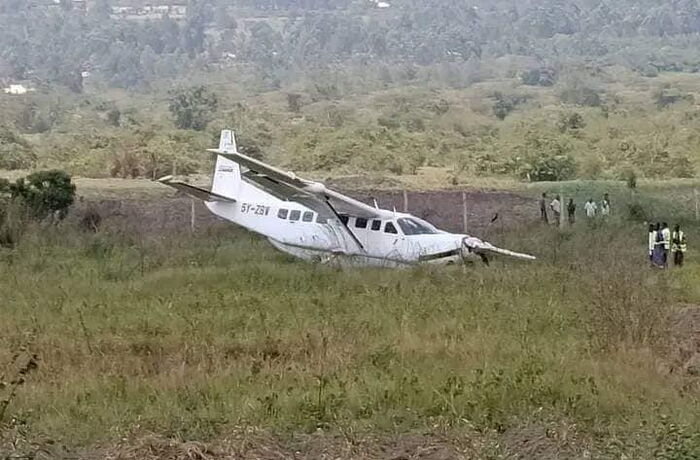
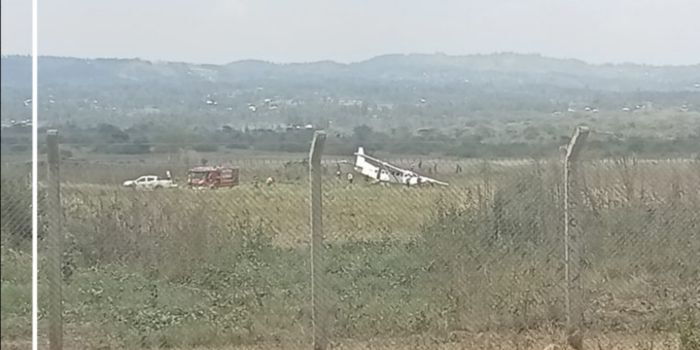
A plane carrying 10 passengers and one crew member veered off the runway during take-off at Lichota Airstrip in Migori, Kenya, on Monday, September 16. The incident occurred around 12:30 pm local time, according to eyewitness accounts.
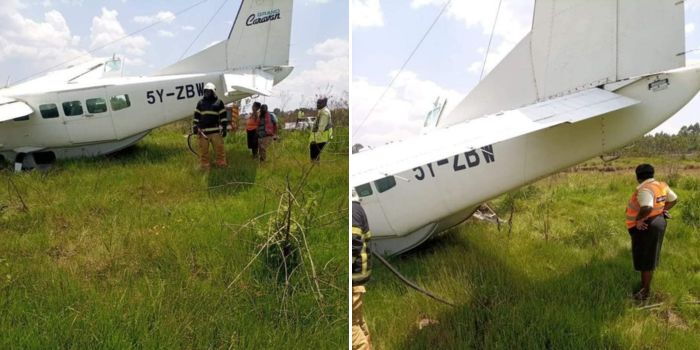
Z. Boskovic Air Charters, the company operating the aircraft with registration number 5Y-ZBW, confirmed the incident in a statement. The company said it has contacted relevant authorities to support the investigation of the crash and is closely monitoring the situation.
Witnesses at the scene reported that the plane was nearing the end of the runway when it lost control and veered off, resulting in a cloud of billowing smoke. Moses Ywera, a local resident, told reporters, “I was in my compound next to the airstrip when I saw the plane trying to take off from the runway. It lost control and stalled at the end of the runaway.”
Despite the dramatic nature of the incident, no fatalities or injuries were reported among the 11 individuals on board. Airstrip officials quickly secured the crash site, preventing bystanders from approaching the aircraft.
Photos from the scene showed that emergency services, including a fire engine and an ambulance from the Migori County Government, promptly arrived at the airstrip in response to the incident.
As of the time of reporting, the cause of the crash had not been made public. Authorities have taken over the investigation, and further details are expected as the inquiry progresses.
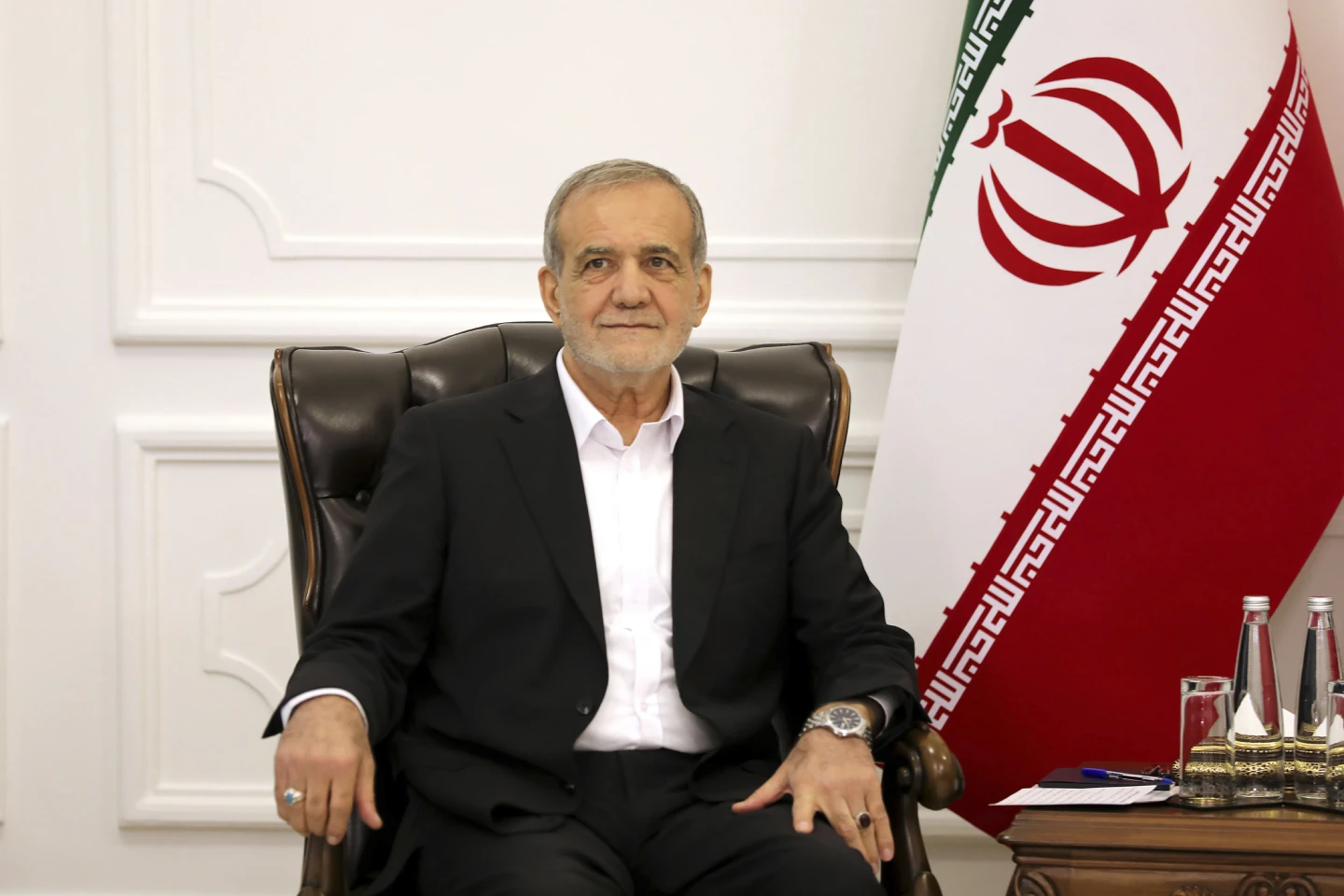
Iranian President Masoud Pezeshkian declared on Monday that Tehran would not abandon its missile program, citing the need for deterrence in a region where Iran’s arch-enemy Israel has the capability to “drop missiles on Gaza every day.”
Speaking to reporters, Pezeshkian emphasized the importance of Iran’s missile capabilities for national security. “If we don’t have missiles, they will bomb us whenever they want, just like in Gaza,” he stated, drawing a parallel to the ongoing conflict between Israel and the Palestinian Islamist group Hamas in Gaza.
The Iranian leader’s comments come amid longstanding Western calls for Iran to limit its missile program. More recently, the United States and its allies have accused Iran of transferring ballistic missiles to Russia for use in the Ukraine conflict, leading to new sanctions on both Moscow and Tehran. Both countries have consistently denied these allegations.
Pezeshkian reiterated Iran’s official stance on the issue, challenging the international community to “first disarm Israel before making the same demands to Iran.” This statement underscores Iran’s position that its missile program is a necessary defensive measure in the face of regional threats.
The missile program has been a point of contention between Iran and Western powers for years, with Iran insisting on its right to develop defensive capabilities while Western nations express concern over the potential for these technologies to be used aggressively or proliferated to non-state actors.
Pezeshkian’s remarks highlight the ongoing tensions in the Middle East and the complex geopolitical landscape that Iran navigates. They also reflect Iran’s consistent policy of maintaining and developing its missile capabilities despite international pressure and sanctions.
This declaration from Iran’s president comes at a time of heightened regional tensions and global concern over the proliferation of missile technology. It serves as a reminder of the challenges facing international efforts to limit the spread of advanced weapons systems in volatile regions.
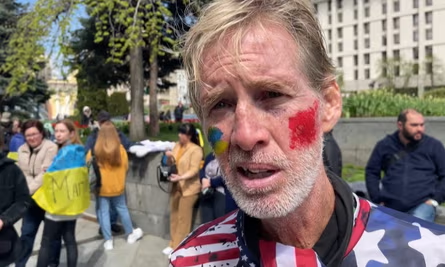
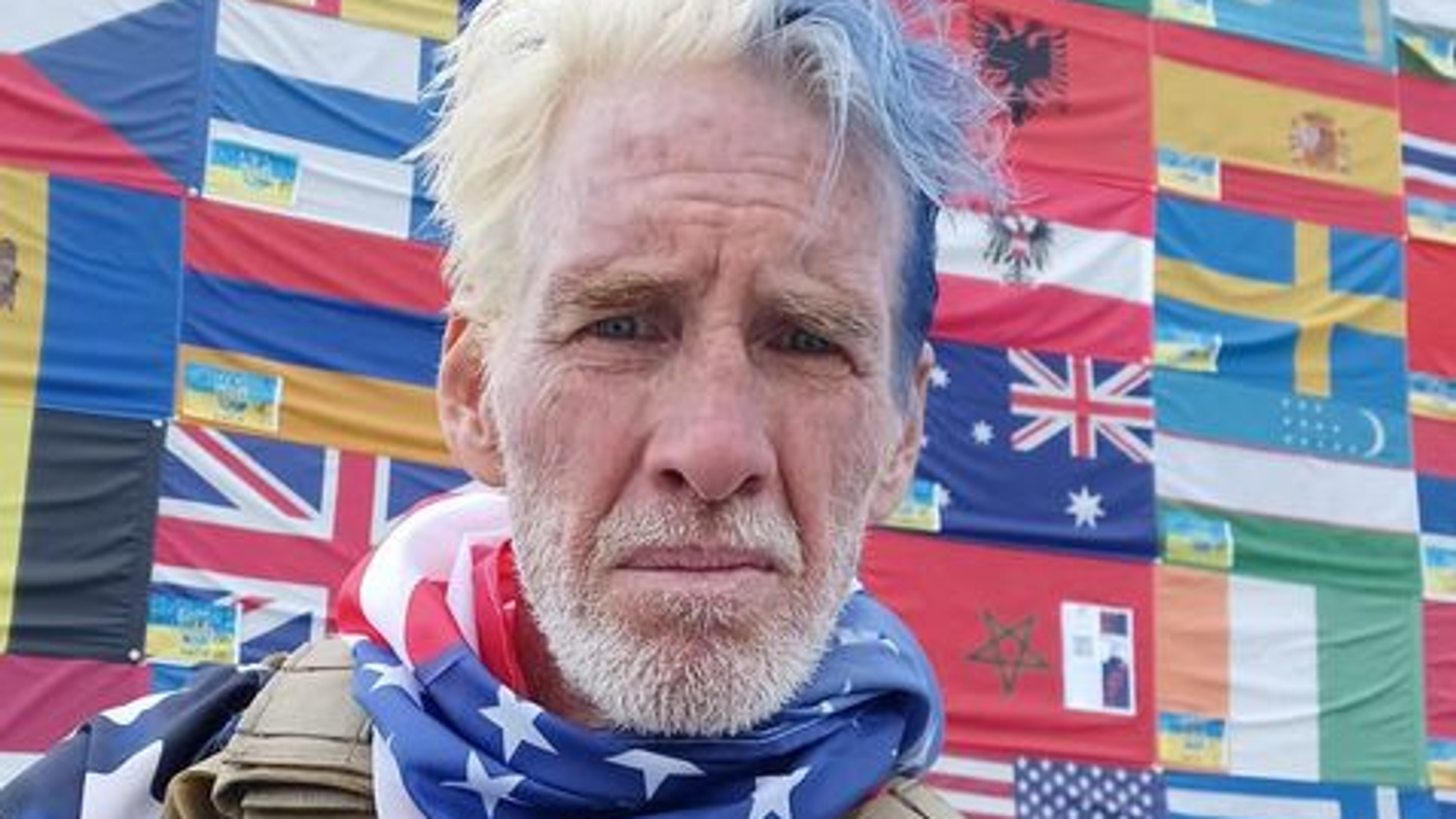
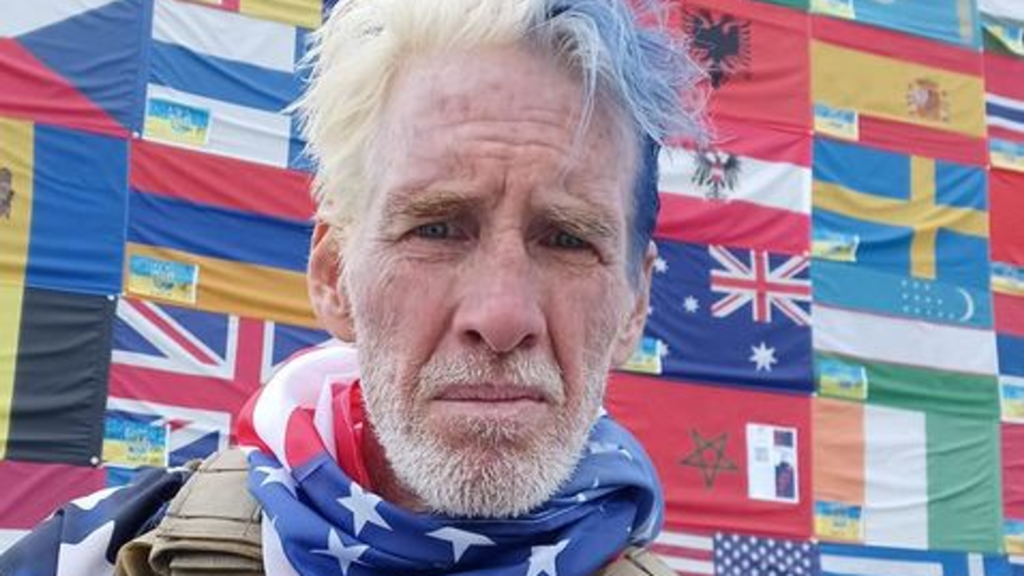
Ukrainian officials on Monday strongly denied any connection to Ryan Routh, the man accused of attempting to assassinate former U.S. President Donald Trump, despite the suspect’s known support for Ukraine and his efforts to recruit foreign volunteers to fight in the country.
The incident, which occurred on Sunday at Trump’s golf course, was thwarted by the Secret Service in what the FBI described as the second apparent assassination attempt on the Republican presidential candidate in two months. Trump was unharmed in the incident.
Routh, 58, identified by U.S. media as the suspect, had previously expressed strong support for Ukraine and had traveled there following Russia’s 2022 invasion. In a 2022 interview with Newsweek Romania in Kyiv, Routh was filmed discussing his attempts to recruit foreign fighters for Ukraine, stating he had been rejected as too old to volunteer himself.
Ukrainian officials were quick to distance themselves from Routh. A spokesperson for Ukraine’s International Legion, which includes foreign volunteers, told Reuters, “Routh had never been part of, associated with, or linked to the International Legion in any capacity.” Oleksandr Shaguri, an officer of the Foreigners Coordination Department of the Land Forces Command, told CNN that Ukraine’s military considered Routh “delusional” and did not take his offers to recruit volunteers seriously.
Ukrainian President Volodymyr Zelenskyy expressed relief that Trump was safe and emphasized that there is no place for violence in politics anywhere.
The incident has sparked a war of words between Moscow and Kyiv. Kremlin spokesman Dmitry Peskov appeared to link the assassination attempt to Washington’s support for Ukraine, stating, “Playing with fire has its consequences.” In response, Andriy Kovalenko, head of Ukraine’s Center for Countering Disinformation, accused Moscow of using the incident to spread conspiracy theories about a “Ukrainian trace.”
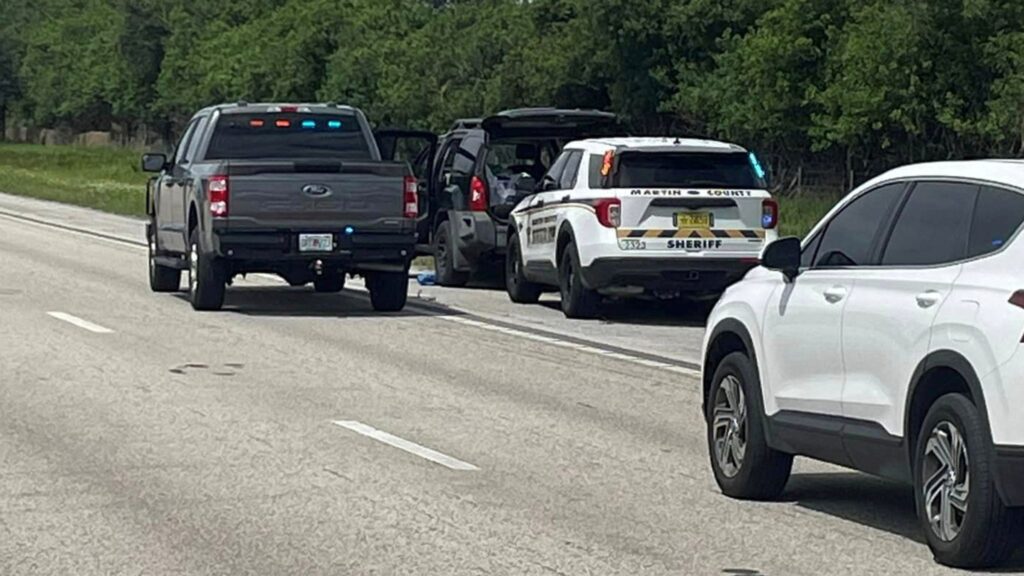
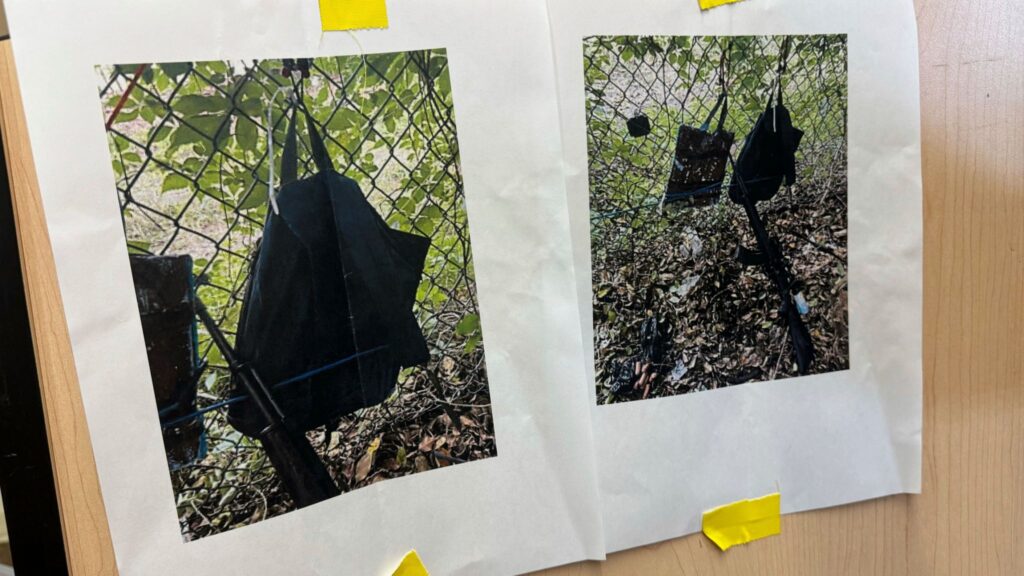
The Secret Service reported that agents fired on a man spotted in bushes near Trump’s West Palm Beach golf course on Sunday. The suspect fled the scene in a car, leaving behind two backpacks and an AK-47-style assault rifle. He was apprehended by sheriff’s deputies in neighboring Martin County.
This incident, along with a previous attempt on Trump’s life two months ago, has highlighted the challenges of ensuring the safety of presidential candidates during a tense election campaign. With just over seven weeks until the November 5 election, both major party candidates have expressed concern over the security situation.
Vice President Kamala Harris, Trump’s election opponent, stated on social media that “Violence has no place in America.” President Joe Biden has directed his team to ensure the Secret Service has the necessary resources to protect Trump.
As the investigation continues, authorities are examining Routh’s social media presence and past statements. Profiles associated with his name contained messages of support for Ukraine and criticism of Trump, though these have since been removed or restricted.
The incident has reignited debates about election security, the role of foreign influences in U.S. politics, and the broader implications of international conflicts on domestic political discourse. As both campaigns move forward, the security of candidates is likely to remain a top priority for law enforcement agencies and campaign organizers alike.
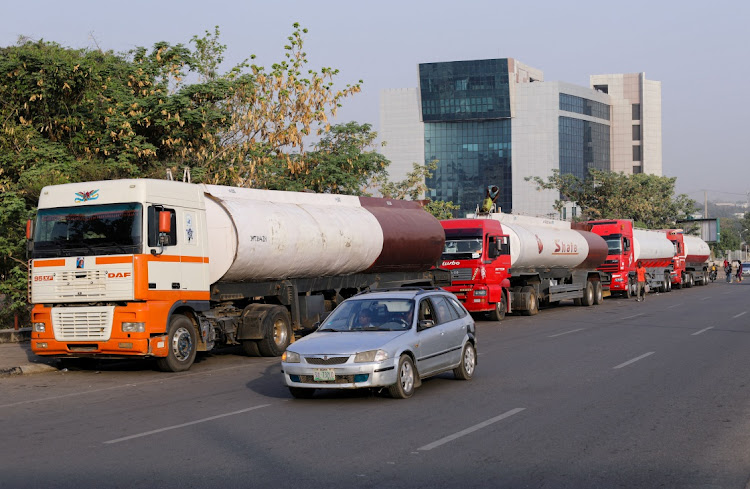
Nigeria’s state-owned oil company, NNPC Ltd, announced an 11% increase in petrol prices on Monday, marking the second price hike in two weeks. The move coincides with NNPC’s commencement of fuel purchases from the newly operational Dangote oil refinery near Lagos.
The price of petrol in Lagos has risen from 858 naira ($0.53) to 950 naira per liter, with prices reaching as high as 1,019 naira in northeastern states. NNPC reported purchasing the fuel from Dangote at 898 naira per liter.
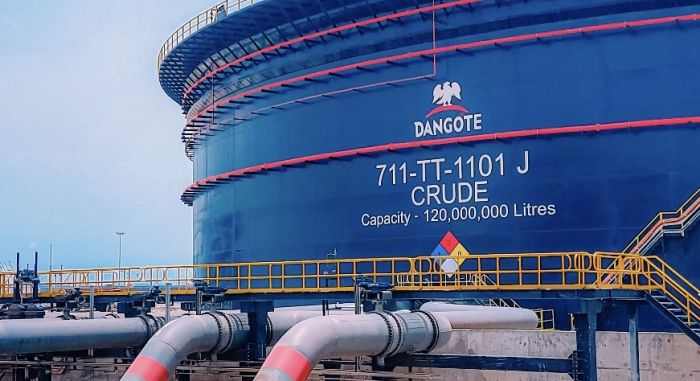
This price increase comes as Nigeria seeks to end years of fuel imports through the 650,000 barrels-per-day Dangote refinery. President Bola Tinubu began phasing out fuel subsidies upon taking office in May 2023, a move that has significantly impacted the cost of living for Nigerians.
“The transition to domestic refining is crucial for our energy independence, but we recognize the short-term challenges it presents for consumers,” said NNPC spokesperson Olumide Ajayi. “We’re working to stabilize prices as the market adjusts.”
The price of petrol is a sensitive issue in Nigeria, where many households and businesses rely on it to power generators due to limited access to the national electricity grid. With inflation already at 33.4%, the latest price hike is likely to exacerbate public frustration, following violent protests in early August over the rising cost of living.
On Friday, a presidential committee announced that NNPC would distribute gasoline from the $20 billion Dangote refinery to the local market, resolving a distribution deadlock. Starting in October, NNPC will supply 385,000 barrels of crude oil daily to Dangote, to be paid for in naira, with the refinery selling its fuel in the local currency.
Economic analyst Chidi Okoro commented, “While domestic refining is a positive step for Nigeria’s economy, the immediate impact on consumers is significant. The government must balance long-term energy independence with short-term economic relief for citizens.”
The shift to domestic refining and the end of fuel subsidies represent a major change in Nigeria’s energy policy. However, the immediate price increases have sparked concerns about further economic pressure on a population already grappling with high inflation and unemployment rates.
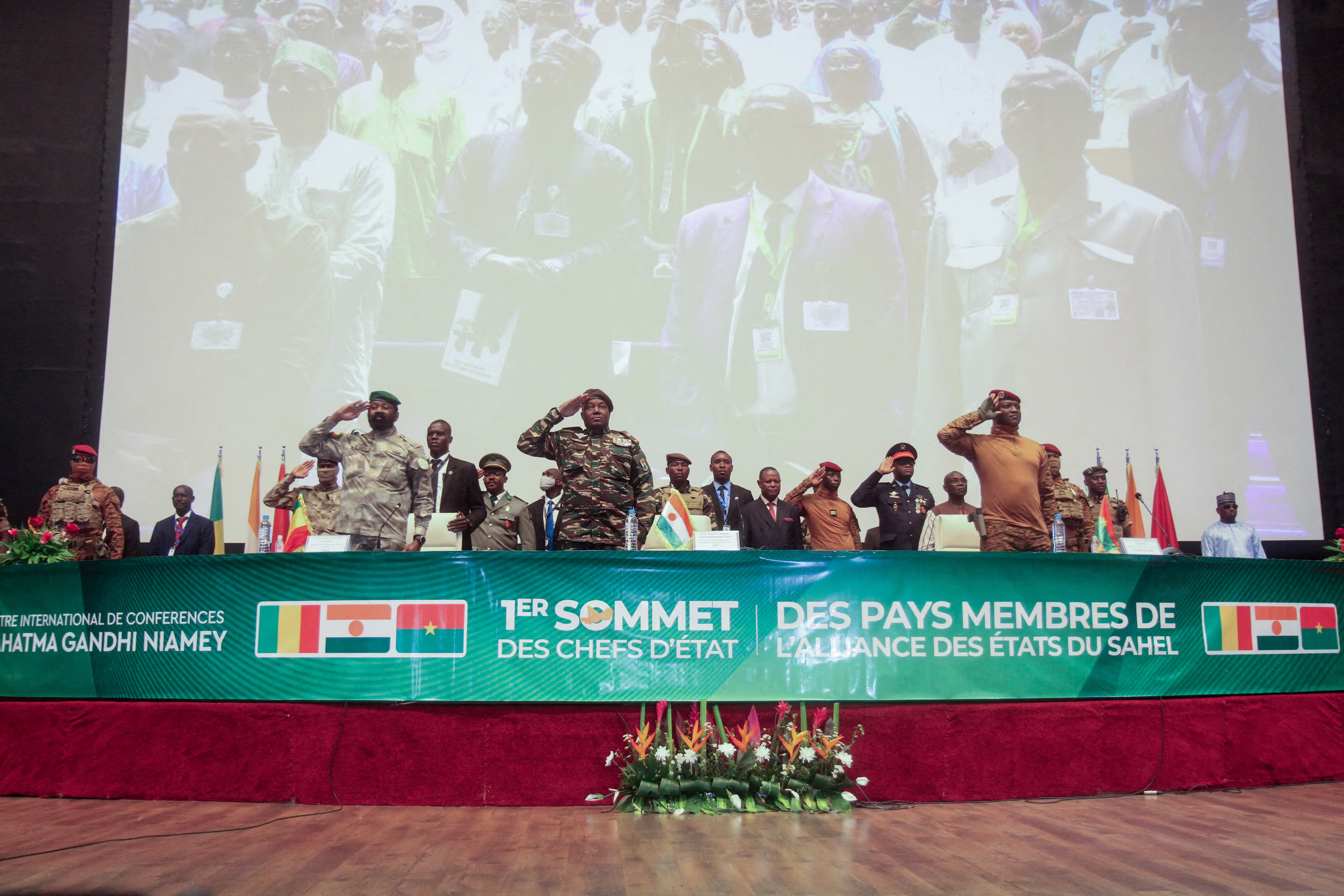
Mali, Burkina Faso, and Niger plan to introduce new biometric passports as part of their withdrawal from the Economic Community of West African States (ECOWAS) in favor of a new Sahel alliance, Mali’s junta leader Assimi Goita announced on Sunday.
The decision comes after military leaders seized power in all three countries, leading to their joint announcement in January to leave the 15-member ECOWAS bloc. This move marks a significant shift in regional dynamics and raises concerns about the freedom of movement and economic integration in West Africa.
“In the coming days, a new biometric passport of the AES (Alliance of Sahel States) will be put into circulation with the aim of harmonizing travel documents in our common area and facilitating the mobility of our citizens throughout the world,” Goita stated ahead of a meeting between the three countries’ foreign ministers on Monday.
The meeting commemorates the anniversary of the decision to form their own alliance. Goita also revealed plans to launch a shared information channel “to promote a harmonious dissemination of information in our three states.”
Earlier this month, Burkina Faso had already announced the rollout of new passports without the ECOWAS logo, signaling the first concrete step in the withdrawal process.
ECOWAS has warned that the departure of these three nations could undermine the freedom of movement and common market established for the 400 million people living within the 49-year-old bloc. The organization has been attempting to persuade the countries to reconsider their decision.
The withdrawal and formation of a new alliance come at a critical time for the Sahel region. The armies of Mali, Burkina Faso, and Niger are currently battling insurgencies linked to al Qaeda and Islamic State, which have destabilized the region over the past decade and threaten to spill over into coastal West African states.
This move towards a separate alliance and new travel documents raises questions about regional security cooperation and the future of economic integration in West Africa. It also highlights the growing divide between these military-led states and their West African neighbors.
The long-awaited independent hearing into Manchester City’s alleged 115 breaches of Premier League financial regulations commences Monday, in what British media are dubbing the ‘sports trial of the century.’
A three-person commission is set to examine extensive evidence over an estimated 10-week period, with a verdict expected before the end of the current season. The charges, dating from 2009 to 2018, were referred to the commission in February 2023.
Manchester City, winners of four consecutive Premier League titles, have consistently denied any wrongdoing. The club faces potential penalties ranging from fines to points deductions or even relegation from the Premier League if found guilty.
The hearing’s outcome could significantly impact the legacy of one of English soccer’s most successful eras. Since the Abu Dhabi United Group’s 2008 takeover, City have claimed eight Premier League titles, one Champions League, three FA Cups, six League Cups, the UEFA Super Cup, and the FIFA Club World Cup.
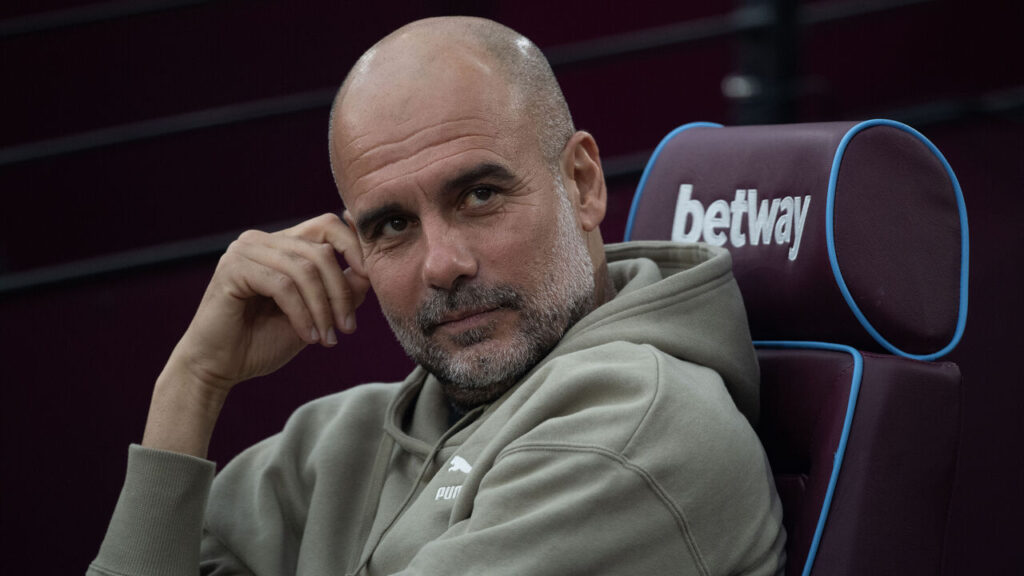
Manager Pep Guardiola, architect of the team’s success since 2016, welcomed the hearing’s start. “It starts soon and then (hopefully) finishes soon. An independent panel will decide and I am looking forward to the decision,” Guardiola told reporters. “We’re going to see. I know what people are looking forward to, what they expect, I know, what I read for many, many years.”
The charges against City include failing to provide accurate financial information, failing to fully disclose player and manager remuneration, breaching Premier League and UEFA financial fair play regulations, and failing to cooperate with Premier League investigations.
This isn’t City’s first encounter with financial scrutiny. In 2020, UEFA banned the club from the Champions League for two years for overstating sponsorship revenue between 2012 and 2016. However, City successfully appealed to the Court of Arbitration for Sport.
The private hearing is expected to cast a shadow over the Premier League season as City pursues a fifth consecutive title. The verdict, regardless of outcome, could face appeals from either side, potentially extending the process into early summer 2025.
The case has drawn comparisons to recent financial fair play breaches by other clubs. Everton and Nottingham Forest faced points deductions last season for violating the Premier League’s Profit and Sustainability rules, while Leicester City successfully appealed against similar charges.
As the hearing unfolds, it not only puts Manchester City’s recent achievements under scrutiny but also raises broader questions about financial regulations in top-flight football and their enforcement. The outcome could have far-reaching implications for the Premier League and its financial governance structure.
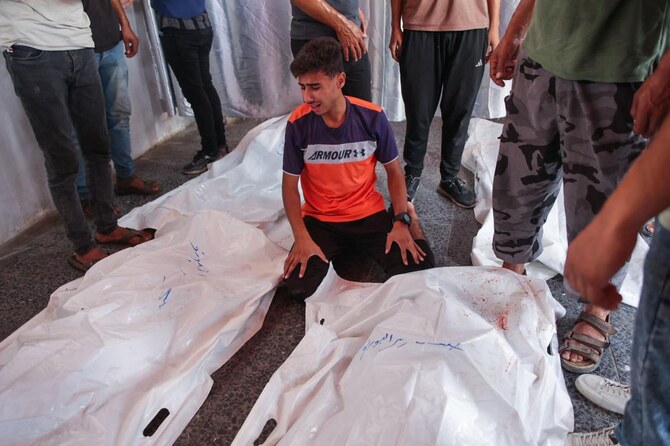
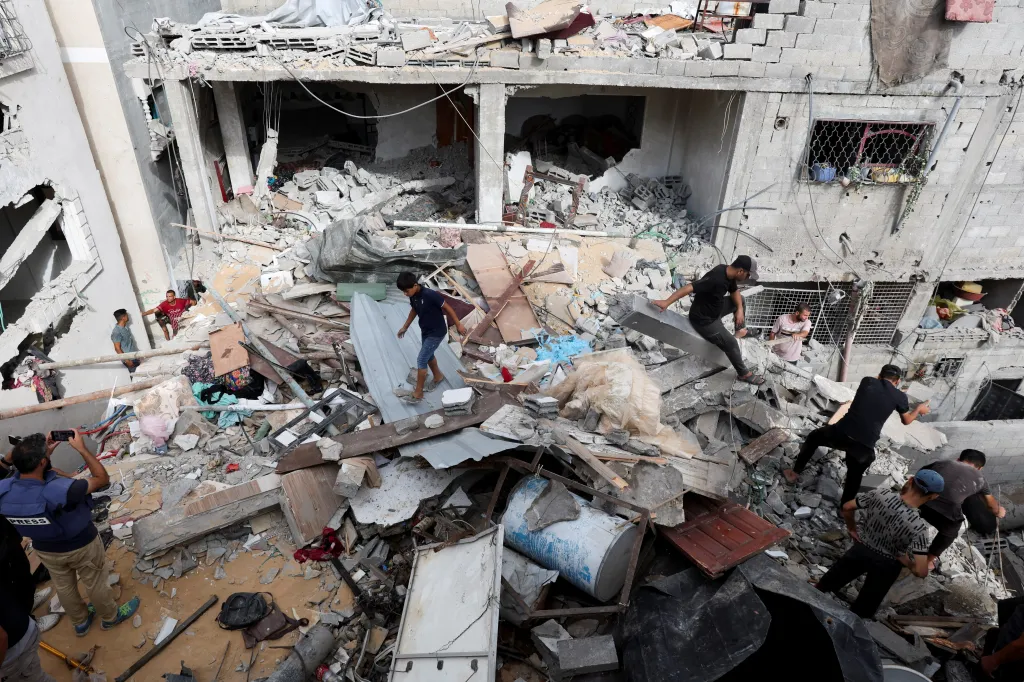
Israeli airstrikes killed at least 16 Palestinians in the Gaza Strip on Monday, including five women and four children, according to Palestinian officials, as the conflict that began with Hamas’ October 7 attack nears its one-year mark.
In the densely populated Nuseirat refugee camp in central Gaza, an early morning strike flattened a home, killing 10 people, including four women and two children. The Awda Hospital, which received the casualties, reported that 13 others were wounded. Hospital records indicate that among the dead were a mother, her child, and five siblings.
Another airstrike targeting a residence in Gaza City resulted in six fatalities, including a woman and two children, the Hamas-run Civil Defense reported.
The Israeli military, which says it targets only militant operatives and accuses Hamas of endangering civilians by operating in residential areas, rarely comments on individual strikes.
Since the war’s onset, the Gaza Health Ministry reports over 41,000 Palestinian deaths, with more than half being women and children. The ministry does not distinguish between civilians and combatants in its count. Israel claims to have killed over 17,000 militants but has not provided evidence for this figure.
As the conflict in Gaza continues, tensions are escalating on Israel’s northern border with Lebanon. Israeli Defense Minister Yoav Gallant warned U.S. Defense Secretary Lloyd Austin that time is running out for a potential agreement with Hezbollah to halt cross-border attacks.
“The possibility for an agreed framework in the northern arena is running out as Hezbollah continues to ‘tie itself’ to Hamas,” Gallant stated, according to his office. “The trajectory is clear.”
Hezbollah, an Iran-allied group like Hamas, has been launching rockets and drones into northern Israel since the Gaza war began. Israel has responded with airstrikes and targeted killings of Hezbollah commanders, threatening a wider operation that could lead to another full-scale war.
While Hezbollah has indicated it would cease attacks if a ceasefire is reached in Gaza, negotiations brokered by the United States, Qatar, and Egypt have repeatedly stalled. Hamas demands a permanent ceasefire and complete Israeli withdrawal from Gaza as conditions for releasing the remaining hostages from the October 7 attack.
Gallant emphasized to Austin that “in any possible scenario, Israel’s defense establishment will continue to operate with the aim of dismantling Hamas and ensuring the return of hostages held by Hamas in Gaza — by any means.”
As the conflict approaches its one-year anniversary, the international community watches closely, with growing concerns about the humanitarian crisis in Gaza and the potential for regional escalation.
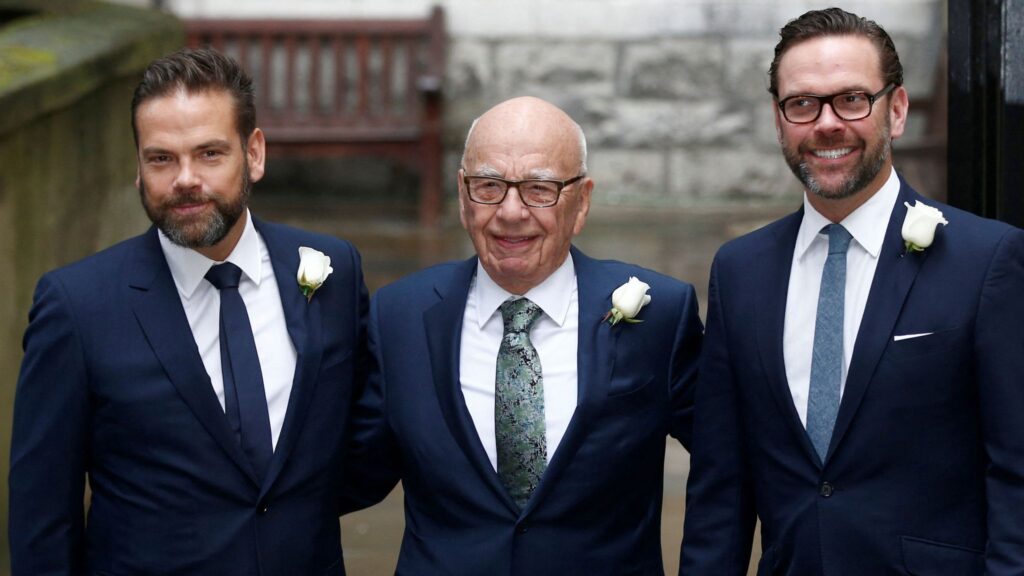
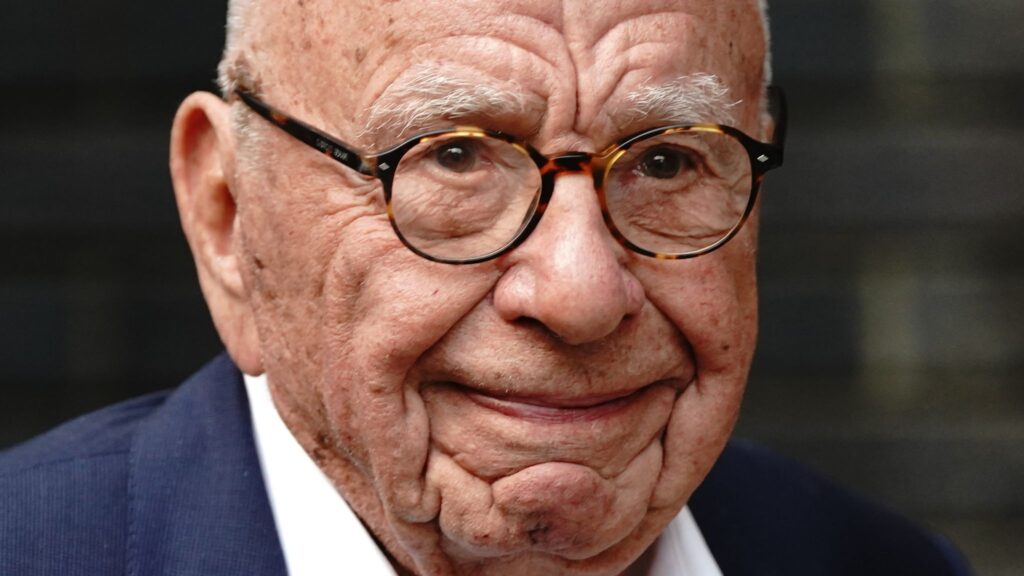
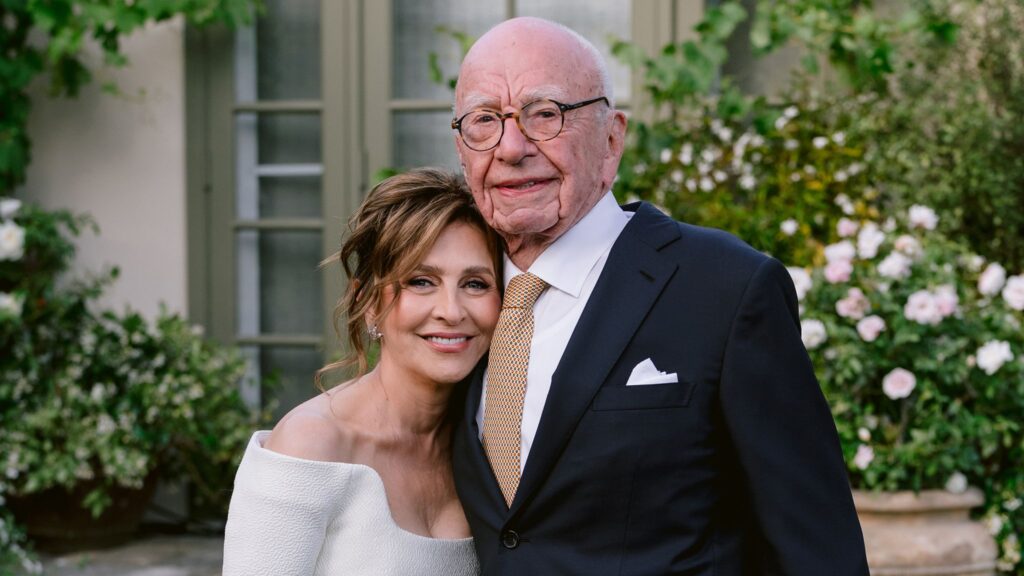
A pivotal court battle over the future of Rupert Murdoch’s global media empire begins Monday in Nevada, as the 93-year-old mogul’s children fight over control of his multibillion-dollar legacy.
The case, unfolding in Washoe County Courthouse in Reno, centers on Murdoch’s attempt to change the terms of the family trust that controls News Corp and Fox Corp. The outcome could reshape the landscape of international media and determine the fate of influential news outlets consumed by millions worldwide.
At the heart of the dispute is Murdoch’s desire to give his eldest son, Lachlan, “permanent, exclusive control” over the empire, altering a 1999 agreement that would have divided voting shares among his four oldest children: Prudence, Elisabeth, Lachlan, and James.
“This case will decide who controls Murdoch’s family trust after he is gone and which of his children will have major voting rights in his companies,” said media analyst Alex Thompson. “It could result in the billionaire’s heir apparent Lachlan Murdoch being out-manoeuvred by some of his less conservative siblings.”
Murdoch’s media holdings include The Wall Street Journal, New York Post, The Sun, The Times, Fox News, and book publisher HarperCollins. His roughly 40% stake in voting shares of News Corp and Fox Corp forms the crux of the legal battle.
The lawsuit pits Lachlan Murdoch, who sides with his father, against siblings James, Elisabeth, and Prudence. The trio reportedly united to stop the trust’s alteration after being “caught completely off-guard” by their father’s decision, as reported by The New York Times.
Sources close to the matter suggest political differences are a key factor in the rift. Lachlan is seen as more aligned with his father’s conservative views, while his siblings are perceived as more moderate. James, in particular, has been critical of Fox News and recently endorsed Democratic Vice President Kamala Harris for president.
Despite efforts to keep the proceedings private, the case has drawn intense media scrutiny. Probate Commissioner Edmund J. Gorman Jr. will rule on whether Murdoch can change the trust’s terms, provided he demonstrates he’s acting in good faith for his heirs’ benefit.
The outcome could significantly impact the future direction of Murdoch’s media outlets. A victory for Rupert and Lachlan Murdoch would likely see the empire continue its current conservative editorial stance. However, if the other siblings prevail, they could potentially alter the political leanings of Murdoch’s properties or even push for their sale.
Industry experts are closely watching the case, given its potential to reshape global media dynamics. “This isn’t just about a family squabble,” said media law professor Sarah Jenkins. “It’s about the future of some of the most influential news sources in the English-speaking world.”
The trial comes at a challenging time for the news industry. Murdoch himself recently predicted that printed newspapers could become obsolete within 15 years, highlighting the broader challenges facing his successors beyond family control issues.
As the court proceedings begin, the Murdoch family has maintained public silence, with spokespeople either declining to comment or not responding to inquiries. The media world awaits the outcome, which could have far-reaching implications for journalism, politics, and the future of news consumption globally.
The FBI is investigating what it calls an “apparent assassination attempt” on former President Donald Trump, after shots were fired near his Trump International Golf Course in West Palm Beach, Florida, on Sunday afternoon. Law enforcement officials have identified the suspect as Ryan Wesley Routh, 58.
Palm Beach County Sheriff Ric Bradshaw reported that the incident occurred around 1:30 p.m. local time when a Secret Service agent patrolling ahead of Trump spotted a rifle barrel protruding from shrubbery near the course’s perimeter fence. The gunman was approximately 400 to 500 yards from where Trump was golfing.
“The agent immediately engaged the individual, who then fled the scene,” Bradshaw stated at a news conference. An AK-47 type assault rifle, a scope, two backpacks, and a GoPro device were recovered at the scene.
A witness photographed a black Nissan SUV fleeing the area, leading to a coordinated effort with neighboring Martin County Sheriff’s Office. The suspect was apprehended after what Martin County Sheriff William Snyder described as a “felony stop” to avoid a high-speed chase.
Snyder told local media that Routh was unarmed when taken into custody and displayed a “calm, flat demeanor.” The suspect reportedly did not question why he was being pulled over.
Trump was safely evacuated to his Mar-a-Lago resort in Palm Beach. In a fundraising email, he assured supporters, “I AM SAFE AND WELL! Nothing will slow me down. I will NEVER SURRENDER!”
This incident comes just nine weeks after Trump survived another assassination attempt, raising serious concerns about candidate protection ahead of the November election.
The White House confirmed that President Joe Biden and Vice President Kamala Harris had been briefed on the situation. Biden stated he had directed his team “to ensure that Secret Service has every resource, capability and protective measure necessary to ensure the former president’s continued safety.”
Harris, the Democratic presidential nominee, wrote on social media platform X, “Violence has no place in America,” expressing relief that Trump was unharmed.
Republican vice presidential nominee JD Vance reported speaking with Trump, describing him as “amazingly, in good spirits.” Senator Lindsey Graham, a close Trump ally, also confirmed communicating with the former president after the incident.
As the FBI leads the investigation, questions are being raised about the security measures in place for presidential candidates and the potential impact of such incidents on the electoral process.
The attack marks the second serious security breach involving Trump in recent months, following a July incident where he was grazed by a bullet during a rally in Pennsylvania. That event led to the resignation of the Secret Service director amid bipartisan congressional pressure.
As the 2024 presidential campaign intensifies, this latest security incident underscores the volatile political climate and the ongoing challenges in protecting high-profile political figures.
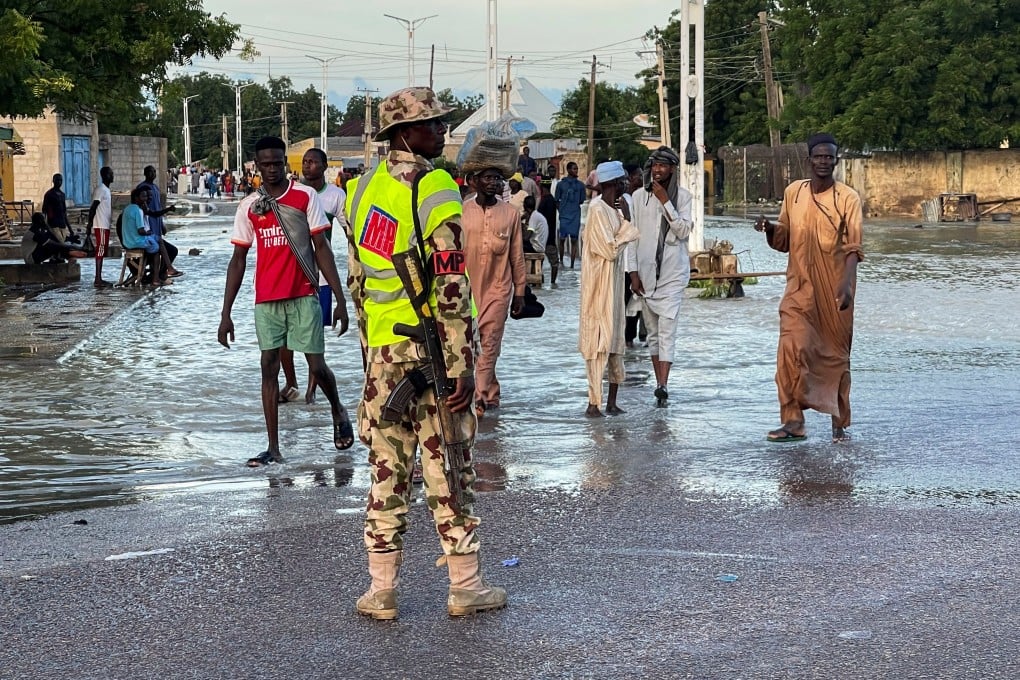
A total of 281 prisoners escaped from a correctional facility in Maiduguri, northeastern Nigeria, after severe flooding collapsed the prison walls early last week, Nigeria Correctional Services spokesperson Umar Abubakar announced on Sunday.
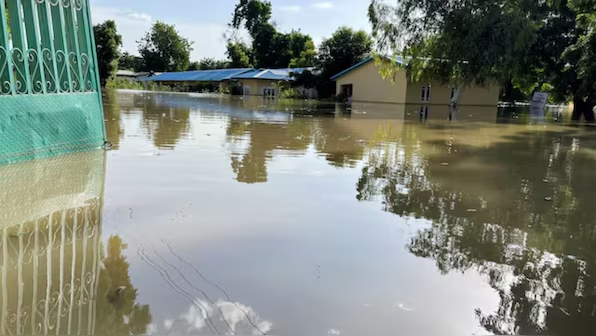
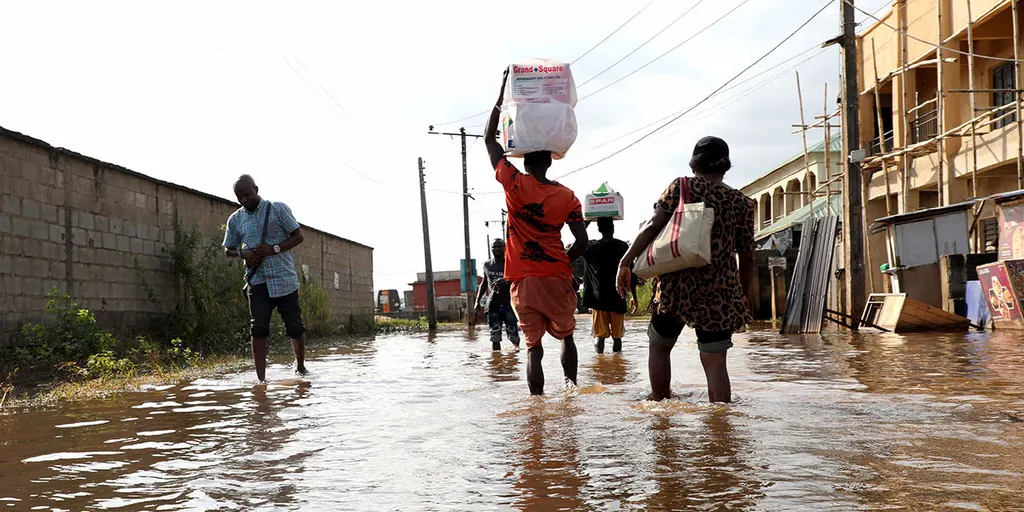
The mass escape occurred at the Medium Security Custodial Centre in Maiduguri, the capital of Borno state, which has been grappling with its worst floods in decades. “The floods brought down the walls of the correctional facilities as well as the staff quarters in the city,” Abubakar stated in an official release.
As of Sunday, only seven of the escaped inmates had been recaptured in operations conducted by various security agencies. Abubakar assured that efforts to apprehend the remaining escapees are ongoing, though he did not provide details on the specific measures being taken.
The flooding, which began when a dam overflowed following heavy rains, has had far-reaching consequences beyond the prison break. It decimated a state-owned zoo, washing crocodiles and snakes into flooded communities, adding to the risks faced by local residents.
According to Nigeria’s emergency agency, the floods have claimed at least 30 lives and affected a million others across the region. Hundreds of thousands of people have been forced to seek shelter in camps for displaced persons, exacerbating the humanitarian challenges in an area already grappling with insurgency and economic hardship.
The prison break raises serious concerns about security in the region, which has long been troubled by the Boko Haram insurgency. Local authorities have not yet commented on whether any high-risk prisoners were among those who escaped or if there are fears of increased criminal activity in the aftermath of the breakout.
This incident highlights the vulnerability of Nigeria’s infrastructure to extreme weather events, which experts warn may become more frequent due to climate change. It also underscores the need for improved disaster preparedness and response mechanisms, particularly in sensitive areas such as correctional facilities.
As search operations continue, local residents have been urged to report any suspicious activities or sightings of the escaped prisoners to the authorities. The Nigeria Correctional Services has not yet released information about the identities or criminal backgrounds of the escapees, citing ongoing investigations.
The Maiduguri prison break is the latest in a series of security challenges facing Nigeria’s correctional system. In recent years, the country has witnessed several prison escapes, some attributed to militant attacks and others to infrastructure failures.