Home Blog Page 724

England Faces Finland in Nations League Clash at Wembley

0

England’s national soccer team, under the guidance of interim manager Lee Carsley, is set to face Finland in a Nations League match at Wembley Stadium on Tuesday.

The Three Lions, relegated to League B in the previous Nations League campaign, began their new chapter with a convincing 2-0 victory over the Republic of Ireland in Dublin on Saturday. Goals from Declan Rice and Jack Grealish, both former Ireland youth internationals, secured the win for England.

Carsley, who took charge following Gareth Southgate’s departure, aims to build on the team’s strong start. “We showed great control and dynamism against Ireland,” Carsley said. “Now we’re looking to maintain that momentum at Wembley.”

England, currently atop their Nations League group, faces a Finland side ranked 63rd in the world. The Finnish team, absent from Euro 2024, suffered a 3-0 defeat to Greece in their opening Nations League fixture.

History favors the hosts, with England undefeated in nine previous encounters against Finland. Their last meeting, a World Cup qualifier in 2001, ended in a 2-1 victory for England.

Carsley may introduce fresh faces to the lineup, with Morgan Gibbs-White and Angel Gomes pushing for starts after making their debuts as substitutes against Ireland. John Stones and Eberechi Eze are also contenders to feature in the starting XI.

Finland, managed by long-time coach Markku Kanerva, faces injury concerns. Midfielders Kaan Kairinen and Rasmus Schuller are doubtful after sustaining knocks in their previous match.

The match kicks off at 19:45 BST at Wembley Stadium, with Danish referee Morten Krogh Hansen officiating.

England’s strong home record and recent form make them clear favorites, but Carsley remains cautious. “In international football, you can’t take any opponent lightly,” he said. “We’ll approach this game with the same focus and determination we showed in Dublin.”
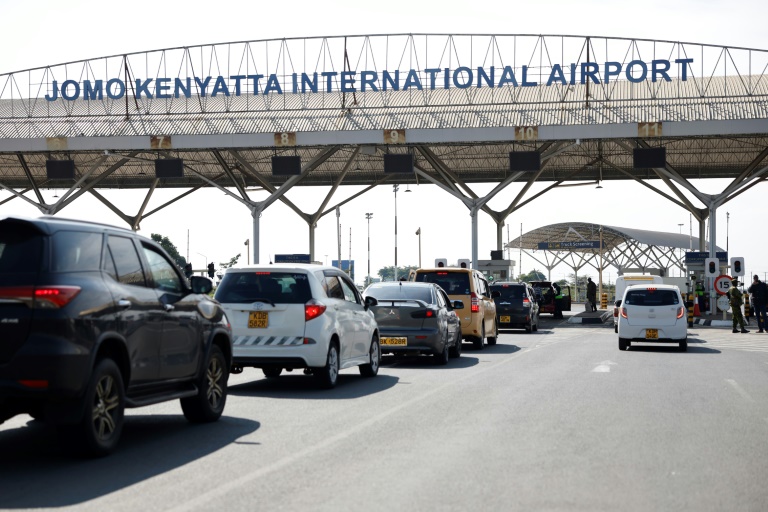
Kenyan Court Halts Proposed Adani Lease of Country’s Main Airport

0

Kenya’s High Court has issued a temporary injunction blocking a proposed deal that would allow India’s Adani Group to lease the country’s main airport for 30 years in exchange for expanding it, according to court documents released on Monday.

The Law Society of Kenya (LSK) and the Kenya Human Rights Commission (KHRC) filed a joint application challenging the proposed lease of Jomo Kenyatta International Airport (JKIA), East Africa’s largest aviation hub. The petitioners argued that Kenya could independently raise the $1.85 billion required for the airport’s upgrade.

In their application, the LSK and KHRC contended that the proposed 30-year lease was unaffordable, posed a threat to jobs, represented a fiscal risk, and did not offer value for money to Kenyan taxpayers. The court documents were published on the KHRC’s website.

LSK President Faith Odhiambo announced on social media platform X that the High Court had granted leave to file a judicial review challenging the potential lease to Adani. “The court has meanwhile issued a stay prohibiting any person from implementing or acting on the privately initiated Adani proposal over JKIA pending the conclusion of the court case,” Odhiambo stated.

The Adani Group has not yet responded to requests for comment on the court’s decision. A spokesperson for the Kenya Airports Authority declined to comment on matters before the court.

This legal intervention follows protests by the Kenya Aviation Workers Union last month, which called for a strike over concerns that the proposed deal would lead to job losses and the introduction of non-Kenyan workers.

The Kenyan government has maintained that while JKIA is operating above capacity and requires modernization, it is not for sale. Officials have stated that no final decision has been made regarding the proposed public-private partnership to upgrade the facility.

In July, the government announced that Adani’s offer was under review. They assured that if a deal were to be agreed upon, safeguards would be put in place to protect Kenya’s national interests.

This court injunction marks a significant development in the ongoing debate over the future of Kenya’s primary international gateway and highlights the complex interplay between infrastructure development, national interests, and public concerns in major international investment proposals.

REUTERS

Death Toll from Capsized Migrant Boat Offshore Senegal Rises to 26

0
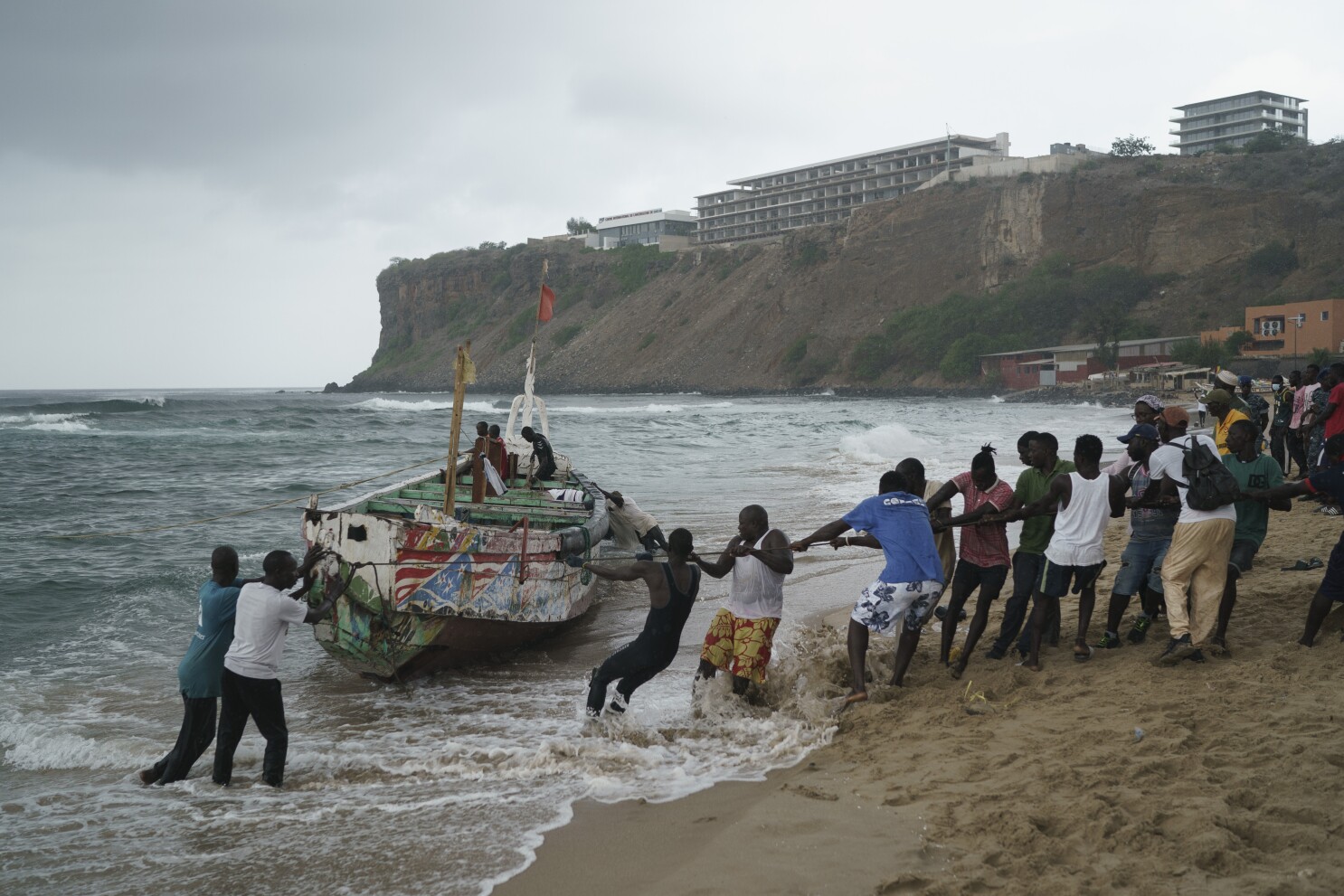
People work together to pull, according to the locals, the capsized boat ashore at the beach where several people were found dead in Dakar, Senegal, Monday, July 24, 2023. The bodies were discovered by the navy early in the morning and are believed to be migrants because of the type of boat they were in according to the authorities. (AP Photo/Leo Correa)

The Senegalese navy announced Tuesday that the death toll from a migrant boat accident off the country’s coast has risen to 26, following the discovery of an additional 17 bodies. The navy disclosed this update in a post on the social media platform X.

The ill-fated vessel, a narrow wooden fishing boat known locally as a pirogue, was carrying over 100 migrants when it capsized. According to state broadcaster Radio Television Senegalaise (RTS), the boat had departed from the town of Mbour and overturned after just 4 kilometers (2.5 miles) of navigation.

The incident, which occurred on Sunday, prompted an immediate response from Senegalese authorities. A spokesperson for the country’s armed forces informed Reuters on Monday that the navy had deployed a plane and two boats to conduct search and rescue operations for survivors and recover the bodies of the deceased.

This tragic event underscores the ongoing risks faced by migrants attempting to reach Europe via dangerous sea routes from West Africa. The central Mediterranean route, which often begins from the coasts of countries like Senegal, is considered one of the world’s deadliest migration paths.

The use of unsuitable vessels like pirogues, often overcrowded and ill-equipped for long sea journeys, contributes to the high mortality rate among migrants attempting this perilous crossing. Despite the dangers, economic hardships and the promise of better opportunities continue to drive many to risk their lives on these treacherous voyages.

Senegalese authorities have been working to discourage illegal migration and enhance coastal surveillance, but the challenge remains significant. International organizations have called for more comprehensive approaches to address the root causes of migration and provide safer, legal pathways for those seeking to leave their countries.

Indian Strike Hits Samsung Production at Key Electronics Plant

0

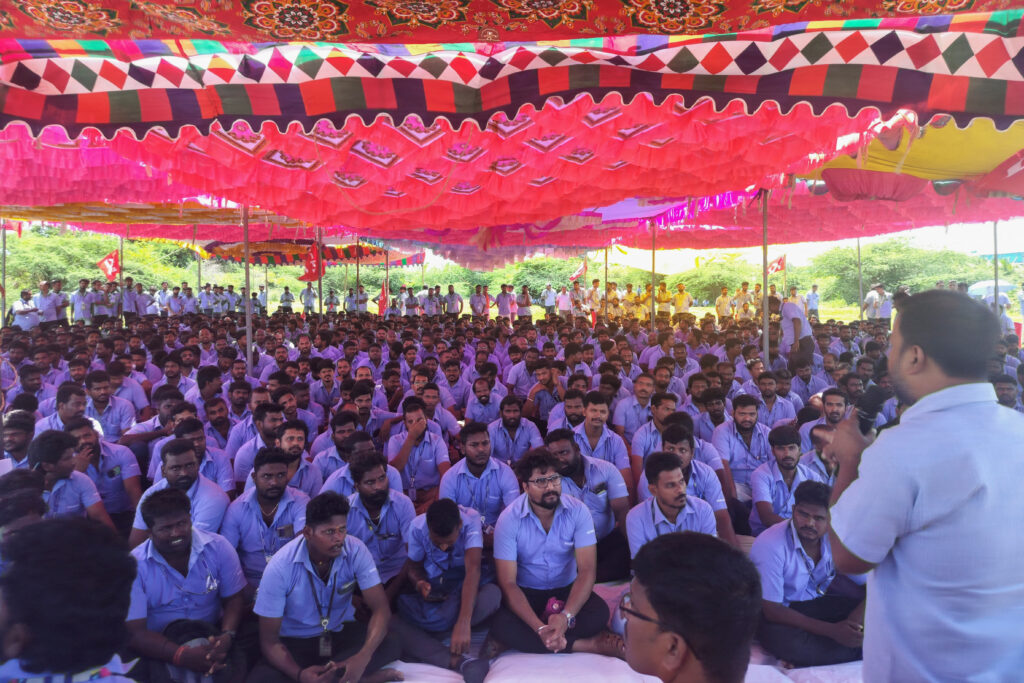
Samsung Electronics’ production at a crucial plant in southern India faced disruption for a second consecutive day on Tuesday as hundreds of employees continued their strike demanding higher wages. The labor unrest has prompted top executives to intervene in an attempt to resolve the rare industrial dispute.

The strike-affected facility in Sriperumbudur, near Chennai, is the smaller of Samsung’s two Indian factories. While it primarily produces electronic products rather than smartphones, it still contributes significantly to Samsung’s annual revenue in India. Sources with direct knowledge of the matter, speaking on condition of anonymity, estimate the plant accounts for 20% to 30% of Samsung’s yearly $12 billion revenue in the country.

Outside the factory, striking workers in company uniforms set up tents to shield themselves from the heat, with posters declaring “Indefinite Strike” prominently displayed. Union leader E. Muthukumar confirmed to Reuters that the strike would extend into a third day on Wednesday.

The industrial action has impacted about half of the factory’s daily production since Monday. Workers are pressing for higher wages, improved working hours, and crucially, recognition of a union backed by the Centre of Indian Trade Unions group.

Workers of a Samsung facility listen to a speaker during a strike to demand higher wages at its Sriperumbudur plant near the city of Chennai, India, September 10, 2024. REUTERS/Praveen Paramasivam

In response to the situation, Samsung’s Southwest Asia CEO, JB Park, and other senior executives have visited the factory to seek a resolution. However, Muthukumar reported that no settlement had been reached during Tuesday’s discussions with management.

Tamil Nadu labor secretary Veera Raghava Rao stated that negotiations between workers and management are ongoing, but there is no clear indication of when the matter might be resolved.

The strike comes at a critical time for Samsung, just ahead of India’s festive season when consumer electronics sales typically surge. Prabhu Ram, a vice president at Cybermedia Research, noted, “A strike at this point puts a spanner in Samsung’s production ramp-up ahead of the all-important festive season sales beginning October.”

Workers’ demands include equal remuneration for those with the same length of experience. One anonymous employee stated, “If they (Samsung) had given us a living wage and treated us with respect, we wouldn’t have thought of joining a union.”

The labor unrest in India follows similar actions by Samsung workers in South Korea, where union members held strikes in July and August demanding higher wages and benefits.

As the situation unfolds, approximately 800 workers have signed a register outside the factory to record their protest. The strike has drawn attention from local political leaders, who attended Tuesday’s protest in support of the workers’ concerns.

Samsung, which competes with companies like LG Electronics in India’s consumer electronics market, has not yet provided detailed comments on the ongoing situation beyond stating that it actively engages with workers to address grievances and comply with all laws and regulations.

REUTERS

Police in Guinea-Bissau Seize Nearly 3 Tons of Cocaine on Plane from Venezuela

0

Authorities in Guinea-Bissau have made a significant drug bust, seizing 2.6 tons of cocaine from a plane that arrived from Venezuela at the Osvaldo Vieira International Airport in the capital, Bissau. The judicial police announced the operation on Monday, following a raid conducted on Saturday afternoon.

According to the police statement, agents confiscated 78 bales of cocaine that were smuggled into the country on a Gulfstream IV aircraft. The operation led to the arrest of the five-member crew, which included two Mexican nationals and citizens from Colombia, Ecuador, and Brazil. The pilot was among those detained.

This large-scale seizure underscores the growing concern about West Africa’s role as a key transit hub for international drug trafficking. The United Nations, in a report released earlier this year, highlighted the region’s increasing importance for drugs originating from Latin America and Southwest Asia en route to European markets.

Guinea-Bissau has gained notoriety as a preferred route for international drug cartels. The country’s vulnerability to drug trafficking was further emphasized earlier this year when Malam Bacai Sanha, son of the country’s former president, was sentenced to over six years in prison by a U.S. court for leading an international heroin trafficking ring.

The successful operation was carried out in close cooperation with the U.S. Drug Enforcement Administration and the Maritime Analysis and Operations Centre–Narcotics, a European organization, demonstrating international collaboration in combating drug trafficking.

This seizure follows a record-breaking cocaine interception in neighboring Senegal earlier this year, where authorities confiscated 1,137 kilograms (2,506 pounds) of cocaine near an artisanal mine in the east of the country. Valued at $146 million, it was the largest land-based cocaine seizure in Senegal’s history.

These incidents highlight the ongoing challenges faced by West African nations in combating international drug trafficking and the critical need for continued regional and global cooperation in addressing this issue.

3 South African Farmers Accused of Killing 2 Women and Feeding Them to Pigs

0

Three men appeared in court on Tuesday in South Africa’s northern Limpopo province, facing charges of killing two women and feeding their bodies to pigs on their farm, in a case that has sparked public outrage.

Zachariah Johannes Olivier, the farm owner, supervisor Andrian Rudolph de Wet, and employee William Musora are charged with two counts of premeditated murder, one count of attempted murder, and possession of an unlicensed firearm. Musora, a Zimbabwean national, faces additional charges of being in the country illegally.

According to allegations, the incident occurred in August when a dairy company truck dumped potentially expired goods at Olivier’s farm. Two women, identified as Locadia Ndlovu and Maria Makgatho, reportedly trespassed onto the property to collect the discarded products.

One of the women killed and fed to pigs

Both women were shot and killed. A man accompanying them was injured but managed to crawl to a nearby road to call for help. He informed the police, who later discovered the women’s decomposed bodies in a pigsty on the farm.

The case has drawn significant attention, with several political parties protesting outside the Mankweng Magistrates Court. Demonstrators called for the accused to be denied bail and face the harshest possible sentences.

The South African Human Rights Commission has urged the public not to take the law into their own hands in response to the incident. This case has reignited concerns about violent crimes on South African farms, a long-standing issue that includes both attacks on farmers by criminals and farmers’ abuse of workers.

The state is pushing for the accused to remain in custody until the conclusion of their trial. The case is set to continue next month, as the court proceedings and investigation unfold.

This shocking incident has brought to the forefront issues of rural crime, property rights, and the complex dynamics of South Africa’s agricultural sector. It also highlights ongoing challenges in addressing violence and ensuring justice in the country’s rural areas.

Afghanistan Embassy in Norway Says It Is Closing After Taliban Rejection

0

The Afghan embassy in Norway announced its impending closure on Thursday, marking the second such diplomatic mission to shut down this week following the Taliban’s refusal to recognize embassies established by the former Western-backed government.

In a statement released on the social media platform X, the embassy in Oslo declared its intention to cease operations, citing “many difficulties and limited resources.” The mission pledged to continue its activities in line with “the values of human rights, pluralism and peace” despite the closure.

The embassy premises will be handed over to Norway’s Foreign Ministry, according to the statement issued in Dari. This development follows closely on the heels of the announced closure of Afghanistan’s embassy in London, set for September 27, after the Taliban authorities in Kabul dismissed its staff.

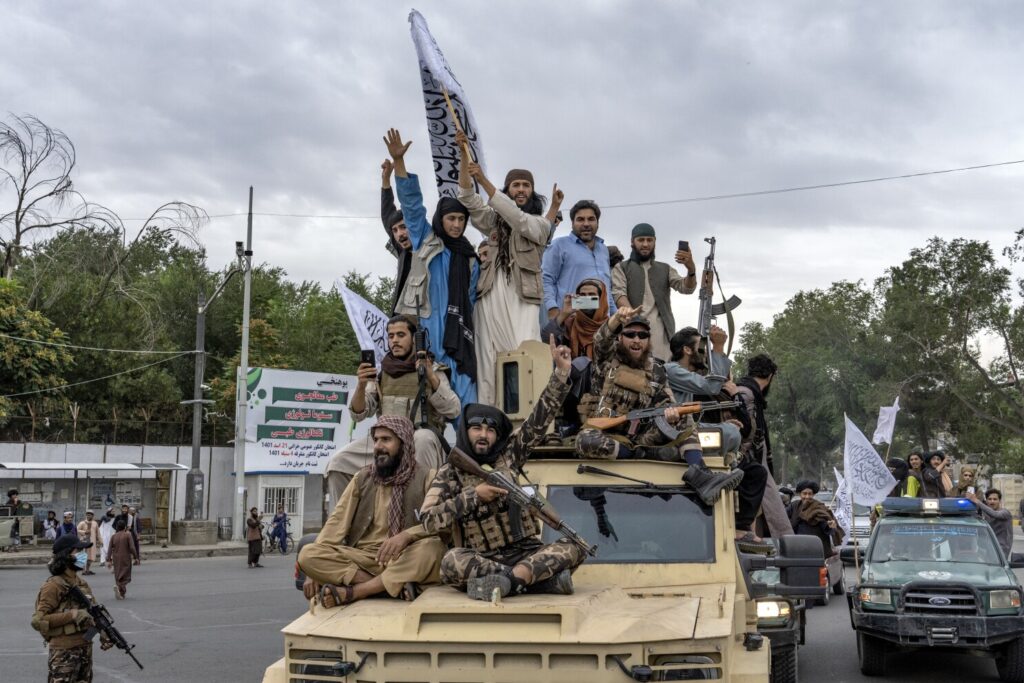
These closures highlight the ongoing diplomatic turmoil faced by Afghanistan’s foreign missions since the Taliban’s return to power in August 2021. Many embassies in Europe and beyond have continued to operate in a state of limbo, with the Taliban accusing them of failing to cooperate with the new authorities in Kabul.

FILE – Taliban fighters celebrate one year since they seized the Afghan capital, Kabul, in front of the U.S. Embassy in Kabul, Afghanistan, Monday, Aug. 15, 2022. The Taliban on Tuesday, July 30, 2024, disavowed many Afghan diplomatic missions overseas, saying it will not honor passports, visas and other documents issued by diplomats associated with Afghanistan’s former Western-backed administration. (AP Photo/Ebrahim Noroozi, File)

The situation underscores the complex international stance towards the Taliban government, which remains largely unrecognized globally. The United Kingdom, for instance, has explicitly stated it does not recognize the Taliban as Afghanistan’s legitimate government.

Meanwhile, the Taliban have made efforts to establish their own diplomatic presence, sending ambassadors or diplomats to several countries in the region, including China and the United Arab Emirates. However, these moves have not led to widespread international recognition of their government.

The closures in Oslo and London raise questions about the future of other Afghan diplomatic missions worldwide and the broader implications for Afghanistan’s international relations. As of this report, Taliban officials were not available for comment on these latest embassy shutdowns.

The ongoing situation reflects the complex challenges facing Afghanistan’s diplomatic corps, caught between the former government’s legacy and the new reality under Taliban rule, as well as the international community’s cautious approach to engaging with the Taliban-led administration.

Man Accused of Setting Ugandan Olympic Athlete on Fire Dies of Burns

0

Dickson Ndiema, the man accused of fatally setting Ugandan Olympic athlete Rebecca Cheptegei on fire, has died from burns sustained during the attack, officials at Moi Referral Hospital in Eldoret, Kenya, confirmed on Tuesday.

Ndiema had been admitted to the hospital with burns covering 30% of his body following the incident that led to Cheptegei’s death last Thursday. The Olympic athlete succumbed to injuries after suffering burns on 80% of her body.

Owen Menach, spokesperson for Moi Referral Hospital, confirmed Ndiema’s death to The Associated Press, stating that the hospital would issue a formal statement later. The circumstances surrounding Ndiema’s death while in medical care are yet to be fully disclosed.

The attack reportedly stemmed from a dispute over a piece of land that Cheptegei had purchased in Kenya’s Trans Nzoia county. According to a report filed by the local chief, Ndiema and Cheptegei had quarreled over the property.

Cheptegei, who competed in the women’s marathon at the Paris Olympics less than a month before the attack, finishing 44th, had bought the land to be near Kenya’s numerous athletic training centers, according to her parents.

Joseph Cheptegei, the athlete’s father, had previously told reporters that Ndiema, described as his daughter’s former boyfriend, had been stalking and threatening her. The family had reportedly informed police of these threats prior to the tragic incident.

The elder Cheptegei expressed concern last week about the lack of security guarding Ndiema in the hospital, fearing he might escape. With Ndiema’s death, questions may arise about the circumstances of his care and the missed opportunity for justice through the legal system.

Rebecca Cheptegei is scheduled to be buried at her home in Uganda on Saturday, marking a somber end to a promising athletic career cut short by violence.

This tragic case has shed light on issues of personal safety for athletes, land disputes in the region, and the potential dangers of stalking and domestic violence. It also raises questions about security measures for suspects in high-profile cases who are receiving medical treatment.

AP

Google Loses Final EU Court Appeal Against 2.4 Billion Euro Antitrust Fine

0
The Google sign is shown over an entrance to the company's new building in New York on Wednesday, Sept. 6, 2023. The U.S. government is taking aim at what has been an indomitable empire: Google’s ubiquitous search engine and the lucrative digital services hatched by its unwavering status as the internet’s main gateway. (AP Photo/Peter Morgan)

Google suffered a significant legal setback on Tuesday as the European Union’s Court of Justice dismissed the tech giant’s final appeal against a 2.4 billion euro ($2.7 billion) antitrust fine. The decision upholds the European Commission’s 2017 ruling that Google illegally favored its own shopping comparison service in search results.

The Court of Justice, the EU’s highest legal authority, affirmed the lower court’s decision, stating, “By today’s judgment, the Court of Justice dismisses the appeal and thus upholds the judgment of the General Court.” This verdict concludes a long-running antitrust case that has been a cornerstone of the EU’s efforts to regulate Big Tech.

CEO of Google

The European Commission, led by competition chief Margrethe Vestager, originally imposed the fine as part of a broader crackdown on the tech industry. It ruled that Google had unfairly directed visitors to its Google Shopping service at the expense of rival comparison shopping sites.

Google expressed disappointment with the decision, saying it related to “a very specific set of facts.” The company maintains that changes implemented in 2017 to comply with the Commission’s decision have been successful, generating “billions of clicks for more than 800 comparison shopping services.”

The case is one of three multibillion-euro fines imposed on Google by the EU in the past decade. The company is still appealing separate penalties related to its Android mobile operating system and AdSense advertising platform.

European consumer group BEUC welcomed the court’s decision. Director General Agustín Reyna stated, “Google harmed millions of European consumers by ensuring that rival comparison shopping services were virtually invisible,” preventing access to potentially cheaper prices and useful product information.

The Google sign is shown over an entrance to the company’s new building in New York on Wednesday, Sept. 6, 2023. The U.S. government is taking aim at what has been an indomitable empire: Google’s ubiquitous search engine and the lucrative digital services hatched by its unwavering status as the internet’s main gateway. (AP Photo/Peter Morgan)

This ruling reinforces the EU’s stance on digital market regulation and sets a precedent for ongoing and future antitrust cases against tech giants. It comes as the EU implements its new Digital Markets Act, designed to prevent large tech companies from dominating online markets.

Commissioner Vestager, who is set to step down in October after a decade overseeing competition issues, emphasized the case’s symbolic importance in demonstrating that even the most powerful tech companies can be held accountable.

As Google faces continued regulatory scrutiny, including a U.S. federal antitrust trial over its digital advertising business and an investigation by British competition regulators, this EU court decision marks a significant milestone in the ongoing efforts to regulate the tech industry.

AP

Pope Francis’ Mass in East Timor Draws 600,000 People, Nearly Half the Population

0

In a remarkable display of faith and national unity, an estimated 600,000 people — nearly half of East Timor’s population of 1.3 million — gathered at Tasitolu park on Tuesday for Pope Francis’ final Mass during his visit to the Southeast Asian nation.

The turnout, believed to be the largest proportion of a national population ever to attend a papal event, highlighted the overwhelmingly Catholic character of East Timor and the high esteem in which its people hold the Church. The Catholic Church played a crucial role in supporting the Timorese during their traumatic battle for independence from Indonesia and helped draw international attention to their plight.

The Mass was held in the same seaside park where St. John Paul II prayed 35 years ago during East Timor’s fight for independence. Now known as the “Park of Peace,” Tasitolu was once a site where Indonesian troops allegedly disposed of bodies during their 24-year rule.

Pope Francis delighted the massive crowd by staying at the park well after nightfall, circling the field in his open-topped popemobile. The screens of attendees’ cellphones lit up the evening as Francis addressed them in Spanish: “I wish for you peace, that you keep having many children, and that your smile continues to be your children.”

The park was a sea of yellow and white umbrellas — the colors of the Holy See flag — as Timorese shielded themselves from the afternoon sun. Water trucks provided occasional relief from temperatures reaching 31 degrees Celsius (88 degrees Fahrenheit) with over 50% humidity.

Dirce Maria Teresa Freitas, 44, who arrived at the field seven hours early from Baucau, expressed the sentiment of many: “We are very happy that the pope came to Timor because it gives a blessing to our land and our people.”

Cardinal Carmo da Silva, the archbishop of Dili, drew parallels between John Paul II’s historic 1989 visit and Francis’ presence. He stated that John Paul’s visit “marked the decisive step in our process of self-determination,” while Francis’ visit “marks a fundamental step in the process of building our country, its identity and its culture.”

The Mass took place against the backdrop of East Timor’s ongoing challenges. Despite gaining independence in 2002, the country remains one of the poorest globally, with 42% of its population living below the poverty line, according to U.N. data. However, it boasts one of the world’s highest proportions of Catholics at 97%, a legacy of Portuguese colonization dating back to the early 1500s.

Francis’ visit follows in the footsteps of John Paul II, whose 1989 Mass made headlines when a riot broke out at its conclusion, drawing international attention to East Timor’s struggle for independence. The current papal visit, two decades after East Timor’s independence, serves to encourage the nation as it continues to develop and address ongoing challenges.

As Pope Francis concluded his visit, the massive turnout and emotional response of the faithful underscored the enduring influence of the Catholic Church in East Timor and its significant role in the nation’s history and ongoing development.