Alhaji Abdul Majeed Bawa, the Deputy Director General of the National Sports Authority (NSA), has offered an explanation for the fan violence that occurred at the Baba Yara Sports Stadium on Thursday night following Ghana’s 1-0 defeat to Angola in their 2025 Africa Cup of Nations (AFCON) qualifier.
Speaking on Asempa FM’s Sports Nite program, Bawa attributed the destruction to young fans whose sports bets were ruined by Ghana’s unexpected loss.
“They destroyed, they threw missiles and all manner of things onto the pitch,” Bawa said. “They destroyed the pitch panels. And I believe these things are happening to the young guys who are addicted to betting.”
Bawa suggested that the reaction would have been different had Ghana won the match. “I believe they would not have done that if Ghana had won,” he stated. “After the tension subsided, you asked them and they were saying they disappointed them and they lost. Not that Ghana has lost, but they lost a bet.”
The defeat has complicated Ghana’s AFCON qualifying campaign. The Black Stars are now scheduled to face Niger in their next match on Monday, September 9.
In response to the damage caused by the fans, the NSA has announced that the Baba Yara Stadium will be closed for one month to undergo renovation work.
This incident highlights growing concerns about the impact of sports betting on fan behavior and stadium security in Ghana.
A suspected thief found himself in a desperate situation after an attempted theft went awry, local residents reported on Thursday.
The unidentified man was discovered hanging from a window with his hand mysteriously stuck in a building, unable to free himself. He had reportedly spent the entire night in this uncomfortable position before being found by residents the following morning.
Eyewitnesses described the scene upon discovery. The suspected thief was drenched in sweat and begging for help. However, his pleas were met with anger from local residents, who reportedly lashed out at him. Despite his cries for assistance, witnesses say he was initially left in his predicament.
“This guy is known around here,” said one resident who wished to remain anonymous. “He’s been terrorizing our neighborhood for a while now.”
The incident quickly drew a crowd, with many expressing astonishment at the unusual nature of the failed theft. Eyewitnesses described the man as a notorious thief who had been troubling the neighborhood for some time.
The community’s reaction to the discovery was a mix of shock and amusement. Many were left both astonished and entertained by the unusual turn of events.
Local authorities have not yet released information on how the suspect became trapped or the extent of any injuries he may have sustained. The investigation is ongoing, and further details are expected to be released as they become available.
This incident has sparked discussions in the community about local crime rates and security measures. As news of the trapped would-be thief spreads, the event serves as an unusual reminder of the potential consequences of criminal activities.
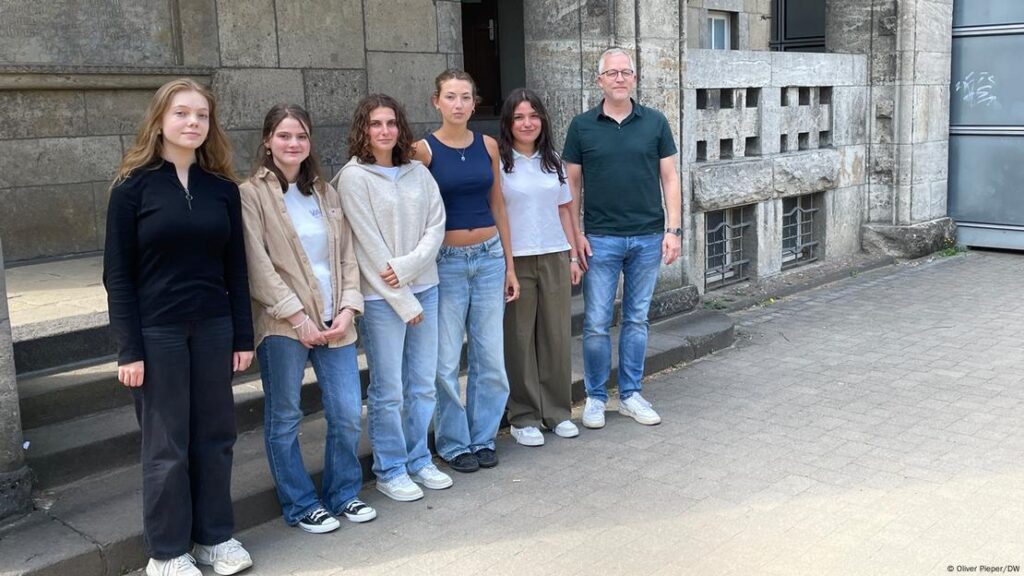
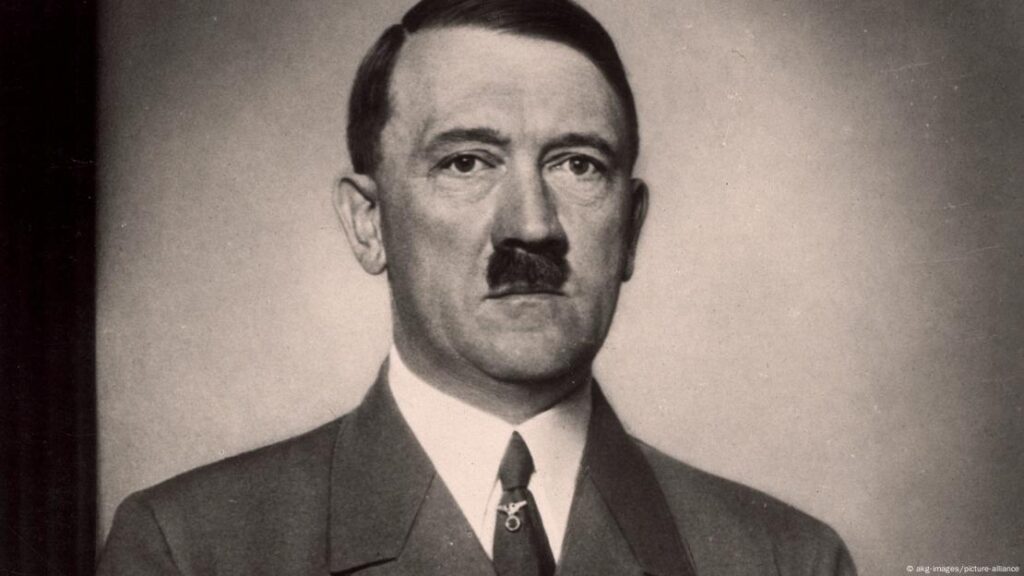
A group of 10th-grade students from the Seven Mountains High School in Bad Honnef, Germany, has initiated a campaign to officially revoke Adolf Hitler’s honorary citizenship from their town, sparking a broader conversation about historical reckoning and civic engagement.
The initiative began during a history lesson when the class, inspired by their teacher Thomas Rott, decided to take action against the town’s lingering connection to the Nazi dictator. Five students – Kathi, Lilly, Ronja, Mia, and Selin – spearheaded the effort, reaching out directly to the mayor via email.
“We live in this town, so, of course, its history also concerns us,” the students said in a statement. “And then we asked ourselves whether we could use our influence today to change anything about history and Hitler’s honorary citizenship.”
Their efforts culminated in a petition that garnered 1,363 signatures, representing 5% of Bad Honnef’s 25,000 residents – the threshold required for the city council to vote on the initiative. The students’ campaign involved extensive door-to-door canvassing and public education efforts.
Bad Honnef, a town near Bonn in western Germany, granted Hitler honorary citizenship on April 5, 1933, just one month after the Nazi party’s victory in the Reichstag elections. It was among the first of 4,000 German municipalities to bestow this honor on Hitler by 1934.
While Hitler’s honorary citizenship technically expired with his suicide on April 30, 1945, Bad Honnef has never officially revoked it. Mayor Otto Neuhoff expressed pride in the students’ initiative, praising their civic engagement.
“We are proud of the pupils, it’s a great initiative,” Neuhoff said. “They have also learned that change through participation is possible in politics.”
Historian Thomas Schlemmer from the Institute of Contemporary History Munich-Berlin contextualized this effort within Germany’s broader historical reckoning. He noted that the country’s confrontation with its Nazi past has occurred in waves, with the first immediately following World War II and another significant push beginning in 1979 with the broadcast of the US series “Holocaust.”
Schlemmer emphasized the symbolic importance of Bad Honnef’s potential action, viewing it as part of an ongoing process throughout Germany to address its historical legacy.
The students’ initiative comes at a time of increasing concern about right-wing extremism, particularly on social media. “If someone had told us a year ago that we could achieve something so big as a small school class, we wouldn’t have believed it,” the students remarked. “But more and more right-wing extremists are on the move, especially on social media, and we have to fight against that.”
As Bad Honnef prepares to vote on this issue, the students’ campaign has already succeeded in raising awareness and encouraging civic participation, demonstrating the power of youth engagement in addressing historical wrongs and shaping community values.
Morocco has prevented 45,015 people from illegally migrating to Europe since the beginning of 2024, according to data from the country’s interior ministry reported by state news agency MAP on Friday. The North African nation has also dismantled 177 migrant trafficking gangs during this period, highlighting its ongoing efforts to curb illegal migration.
While the interior ministry did not provide comparative data for the same period in 2023, last year’s figures showed that Morocco stopped 75,184 people from illegally crossing to Europe, marking a 6% increase from the previous year.
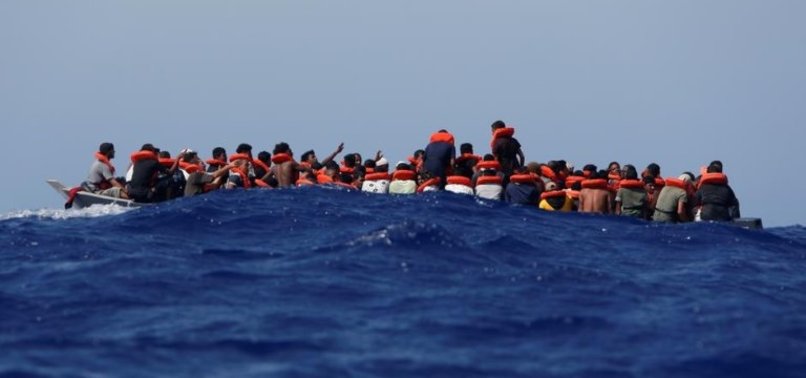
In addition to preventing crossings, the Moroccan navy has rescued 10,859 migrants at sea so far this year, demonstrating the country’s dual approach of prevention and humanitarian assistance.
The interior ministry cited increasing migratory pressure as a “direct outcome of the prevailing instability in the Sahel region and porous borders.” This statement underscores the complex regional dynamics influencing migration patterns in North Africa.
Morocco has long been a key departure point for African migrants attempting to reach Europe, whether through Mediterranean sea routes, Atlantic passages, or by scaling the fences surrounding the Spanish enclaves of Ceuta and Melilla. The country’s strategic location has made it a crucial partner in European efforts to manage migration flows.
Since resolving a diplomatic dispute in 2022, Morocco and Spain have strengthened their cooperation in addressing illegal migration. However, challenges persist. Last month, hundreds of migrants took advantage of thick mist to swim to Ceuta, as reported by Spanish police.
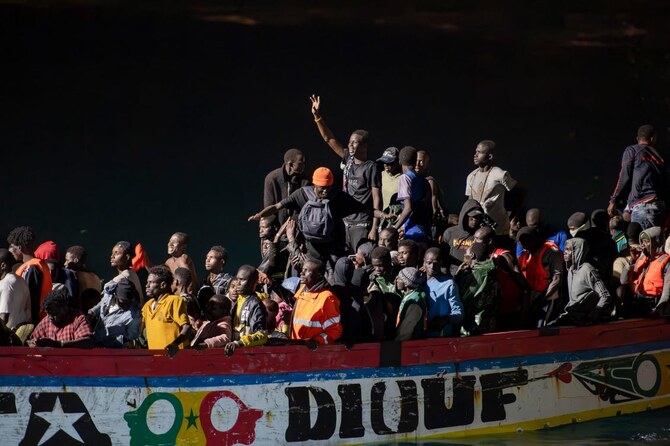
The increased surveillance of Morocco’s northern borders has led to a shift in migration patterns, with more migrants attempting the riskier and longer Atlantic route to the Canary Islands. This change in tactics highlights the adaptability of migration flows and the ongoing challenges faced by authorities.
Morocco’s efforts to combat illegal migration are part of a broader regional and international context. The European Union has been working with North African countries to reduce irregular migration, often providing financial and logistical support for border control and economic development initiatives.
Canada secured a historic 2-1 victory over the United States in a friendly match on Saturday, marking their first win on U.S. soil since 1957. The match, held at Children’s Mercy Park, exposed alarming defensive issues and a lack of intensity from the American side.
Jacob Shaffelburg and Jonathan David capitalized on defensive errors to score for Canada, while Luca de la Torre netted a consolation goal for the U.S. The result continues a troubling trend for the American team, which has now lost three consecutive matches for the first time since 2015.
Interim U.S. coach Mikey Varas, who stepped in after Gregg Berhalter’s dismissal following the Copa America disappointment, was critical of his team’s performance. “The mentality is on the players. Sorry, they know it,” Varas said. “That mentality to fight and to run and to sacrifice, I can’t do that for them.”
The match unfolded before a crowd of 10,523 in a partially filled stadium. Shaffelburg opened the scoring in the 17th minute, capitalizing on a misplayed pass by Tim Ream. David doubled Canada’s lead in the 58th minute, again profiting from a Ream turnover in front of the U.S. goal.
De la Torre scored his first international goal in the 66th minute, offering a glimmer of hope for the U.S. team. However, Canada goalkeeper Maxime Crépeau made a crucial save in the 86th minute, denying Ricardo Pepi an equalizer.
Canada’s coach, Jesse Marsch, an American who had previously interviewed for the U.S. coaching position, expressed satisfaction with his team’s performance. “I’m not bitter,” Marsch said regarding the U.S. coaching situation. “I’d much rather coach Canada than the U.S. right now.”
Statistics highlighted Canada’s dominance, with a 17-8 advantage in shots and a 31-12 margin in tackles. This tackle differential marked the worst for the U.S. since a 2020 exhibition against Wales.
The U.S. team’s lineup featured Columbus goalkeeper Patrick Schulte making his second start, while Tim Ream started following his transfer from Fulham to Charlotte. The match also highlighted the limited use of MLS players in recent U.S. national team matches.
This defeat raises concerns about the U.S. team’s form and preparation, especially with another friendly against New Zealand scheduled for Tuesday in Cincinnati. A loss in that match would result in the Americans’ first four-game losing streak since 2007.
As the U.S. Soccer Federation continues negotiations with Mauricio Pochettino to potentially become the team’s next permanent coach, this result underscores the challenges facing American soccer and the need for improved defensive cohesion and overall team mentality.
A tragic collision between a tanker truck and a bus in northern Ivory Coast has resulted in 13 deaths and 44 injuries, according to reports from the country’s Transportation Ministry and local media on Saturday.
The accident occurred Friday night on the highway connecting the major northern cities of Bouake and Korhogo. Police Secours, a local platform that monitors deadly accidents in the country, reported that the crash was exacerbated by a freight truck parked without indicators, which had narrowed the width of the road.
“The collision between the bus and the tanker truck started a fire of frightening intensity,” Police Secours stated, highlighting the severity of the incident.
The Ivorian Press Agency and the state television channel Radiodiffusion Television Ivoirienne confirmed the report and the death toll, underscoring the significant impact of the accident on the local community.
This incident brings attention to the ongoing issue of road safety in Ivory Coast. The West African nation sees over 1,000 fatalities annually due to road accidents, according to the Transportation Ministry. Poor road conditions and reckless driving are cited as major contributing factors to these incidents.
In response to the high accident rate, Ivorian authorities implemented new safety measures last year. These include the introduction of a point-based driver’s license system, where each driver starts with 12 points that can be deducted for traffic violations. Additionally, cameras have been installed on the country’s main roads to identify and fine offenders.
The collision serves as a grim reminder of the challenges facing Ivory Coast in improving road safety. As the nation continues to develop its infrastructure and enforce traffic laws, incidents like this underscore the urgent need for continued efforts to reduce road accidents and protect citizens.
Local authorities are likely to conduct a thorough investigation into the circumstances of this crash, which may lead to further safety recommendations or enforcement measures on Ivorian roads.
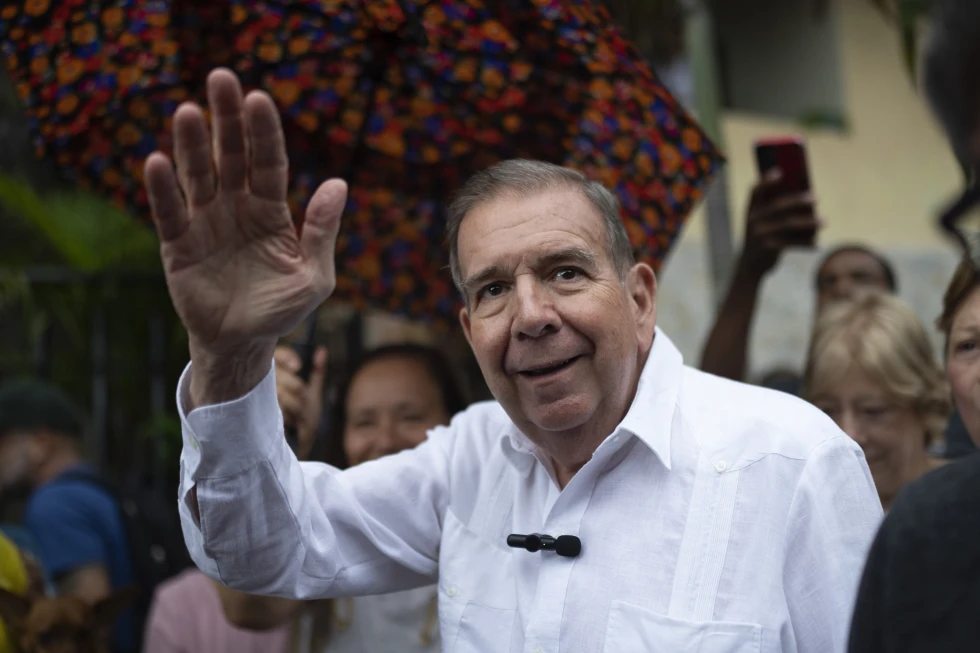
Former Venezuelan opposition presidential candidate Edmundo González has fled to Spain after being granted asylum, dealing a significant blow to opposition hopes of ending two decades of single-party rule in Venezuela.
The surprise departure of González, considered by the opposition and several foreign governments as the legitimate winner of July’s presidential race, was announced late Saturday by Venezuelan Vice President Delcy Rodríguez. She stated that the government had decided to grant González safe passage out of the country to help restore “the country’s political peace and tranquility,” just days after ordering his arrest.
Spain’s center-left government confirmed that González’s decision to leave Venezuela was his own. Spanish Foreign Minister José Manuel Albares, speaking to RTVE while en route to China, said, “I have been able to speak to (González) and once he was aboard the airplane he expressed his gratitude toward the Spanish government and Spain.” Albares confirmed that Spain would grant González political asylum as requested.
González, a 75-year-old former diplomat, was a last-minute replacement candidate when opposition leader Maria Corina Machado was banned from running. Despite being relatively unknown, his campaign quickly gained momentum among Venezuelans hoping for political change amid a decade-long economic crisis.
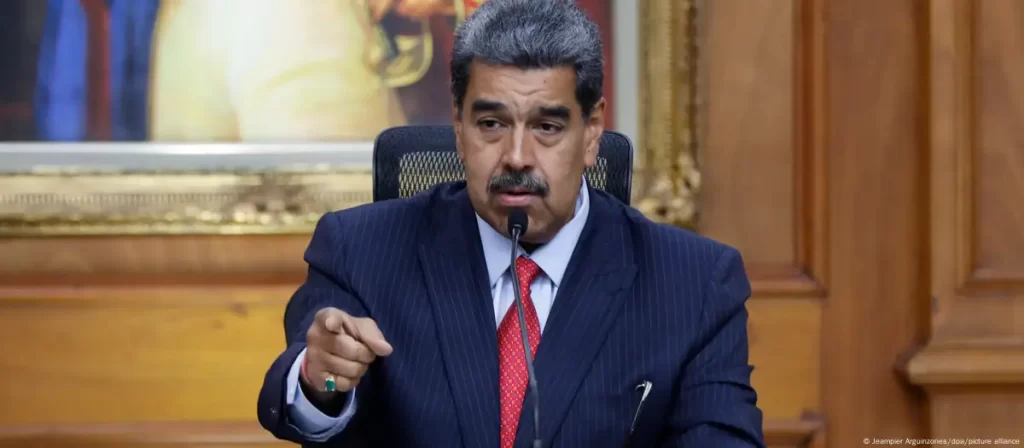
The July election results remain contested. While President Nicolás Maduro was declared the winner, most Western governments have not recognized his victory. Opposition-collected tally sheets from over two-thirds of the electronic voting machines indicate that González won by a more than 2-to-1 margin. However, Venezuela’s National Electoral Council, controlled by Maduro, did not release detailed voting data, citing an alleged cyberattack.
Attorney General Tarek William Saab, a Maduro ally, had sought González’s arrest for failing to appear in connection with a criminal investigation into alleged electoral sabotage. Saab claimed that the opposition’s published voting records were forged.
United Nations and Carter Center experts, who observed the election at Maduro’s invitation, stated that the officially announced results lacked credibility. While not validating the opposition’s victory claim, they noted that the opposition-published voting records appeared to exhibit original security features.
González’s departure has raised questions about the future of Venezuela’s opposition movement. Exiled opposition politician Franco Casella told RTVE that González would continue campaigning against Maduro’s regime from abroad, in a dual leadership role with Machado, who reportedly remains in hiding in Venezuela.
Spain has become a major destination for Venezuelan exiles, particularly opposition leaders. The country received 44,000 Venezuelan immigrants in the first half of this year, adding to the 212,000 Venezuelans reported residing in Spain as of 2022.
As Venezuela grapples with this latest political development, the international community continues to closely monitor the situation, with concerns about democratic processes and human rights in the country remaining at the forefront.
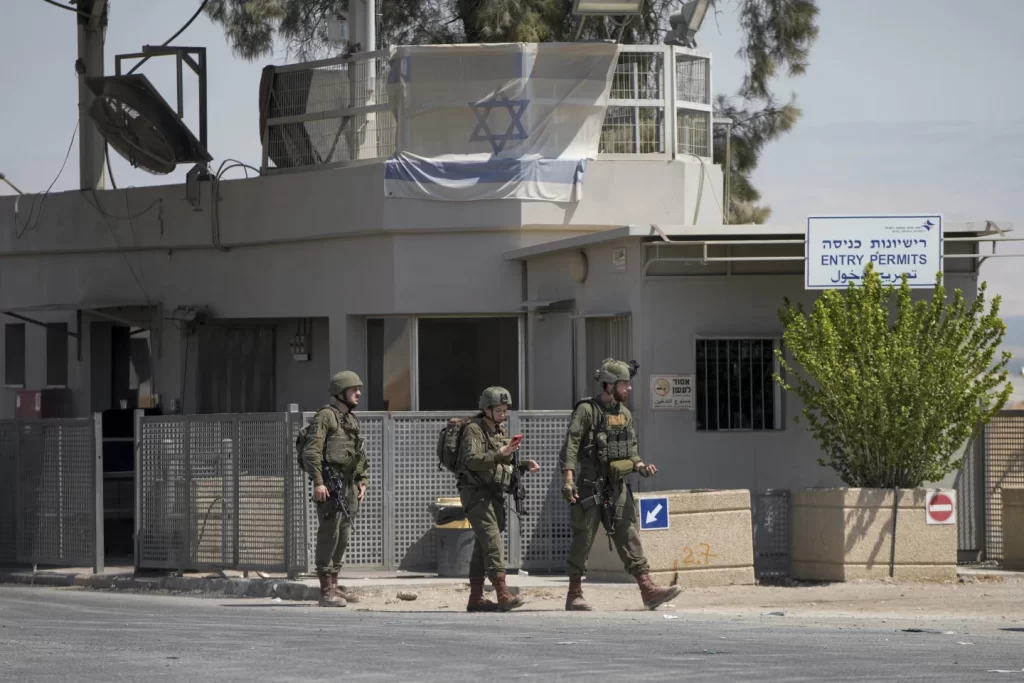
A shooting attack at the border crossing between the West Bank and Jordan on Sunday left three Israeli civilians dead, Israeli officials reported. The incident, which appears to be linked to the ongoing 11-month war in Gaza, occurred at the Allenby Bridge Crossing, also known as the King Hussein Bridge.
According to the Israeli military, the gunman approached the crossing from the Jordanian side in a truck and opened fire on Israeli security forces. In the ensuing shootout, Israeli forces killed the assailant. Israel’s Magen David Adom rescue service identified the victims as three men in their 50s.
The Jordanian government has initiated an investigation into the shooting, as reported by the state-run Petra News Agency. Jordan, which signed a peace treaty with Israel in 1994, has been critical of Israeli policies toward Palestinians and has witnessed significant protests against the Gaza war due to its large Palestinian population.
The Allenby crossing, primarily used by Palestinians, international tourists, and for cargo shipments, has historically seen few security incidents. The last major incident occurred in 2014 when Israeli security guards shot and killed a Jordanian judge they claimed had attacked them.
In response to the attack, Israeli authorities closed the crossing and two other land border points with Jordan near Beit Shean and Eilat. Israeli Prime Minister Benjamin Netanyahu condemned the attack, linking it to the broader conflict with Iran and its allied militant groups, including Hamas in Gaza and Hezbollah in Lebanon.
This incident comes amid escalating violence in the Israeli-occupied West Bank since the outbreak of the Gaza war following Hamas’ October 7 attack on Israel. The region has seen an increase in Israeli military raids, settler violence, and Palestinian attacks on Israelis.
Concurrently, in Gaza, an Israeli airstrike early Sunday killed five Palestinians, including two women, two children, and a senior Civil Defense official. The strike targeted the home of Mohammed Morsi, the deputy director for north Gaza of the Civil Defense, which operates under the Hamas-run government.
The ongoing conflict has resulted in over 40,000 Palestinian deaths in Gaza, according to the Health Ministry, which does not differentiate between civilians and combatants. The war has caused widespread destruction and displaced approximately 90% of Gaza’s 2.3 million residents.
The October 7 Hamas attack on Israel killed about 1,200 people, mostly civilians, and resulted in the abduction of 250 individuals. Negotiations for a ceasefire and the return of remaining hostages, mediated by the United States, Qatar, and Egypt, have faced repeated setbacks.
As the conflict continues to impact both the Gaza Strip and the West Bank, this latest attack at the Allenby Bridge Crossing underscores the persistent tensions and security challenges in the region.
Aryna Sabalenka claimed her first US Open title on Saturday, defeating American Jessica Pegula 7-5, 7-5 in a commanding performance at Arthur Ashe Stadium. This victory marks Sabalenka’s third Grand Slam title, following her two Australian Open wins.
The 26-year-old Belarusian, often referred to as “The Tiger” due to her powerful playing style and tiger tattoo, overcame past disappointments at Flushing Meadows, including two semi-final defeats and last year’s final loss to Coco Gauff.
Sabalenka’s win solidifies her position as a top contender in women’s tennis. While Iga Swiatek holds the world No. 1 ranking, Sabalenka’s performance suggests she may be favored in three of the four Grand Slams in 2025, with Swiatek still dominant at Roland Garros.
The match showcased Sabalenka’s improved mental fortitude and expanded skillset. She maintained composure even as Pegula rallied from a 3-0 deficit in the second set to lead 5-3. Sabalenka’s ability to change pace with slices, surprise drop shots, and net rushes proved crucial in securing the victory.
After the win, an emotional Sabalenka collapsed on the court, kissing the surface that had previously been the scene of near misses in her career. She also sent a kiss heavenward in memory of her father, who passed away in 2019.
“So many times I thought I was so close to getting a US Open title,” Sabalenka said during the trophy ceremony. “It has been a dream of mine and finally I get this trophy.”
Pegula, competing in her first Grand Slam final at age 30, acknowledged Sabalenka’s dominant performance: “She has been playing amazing hard court tennis. She can take the racket out of your hands. I’m glad I was able to fight back and give myself a chance, but in the end it wasn’t enough.”
The victory caps a challenging year for Sabalenka, which began with her Australian Open win but was marred by the death of her ex-boyfriend, Konstantin Koltsov, in March. A shoulder injury before Wimbledon provided an unexpected opportunity for emotional recovery, leading to her strong performance in New York.
Sabalenka’s coach, Jason Stacy, celebrated the win with a matching tiger tattoo on his scalp, continuing their tradition of unique victory celebrations.
This US Open triumph cements Sabalenka’s status as a major force in women’s tennis, with her power, improved consistency, and expanding skillset positioning her as a formidable competitor for future Grand Slam titles.
In an unexpected analysis, Goldman Sachs has projected that a Kamala Harris presidency would be more beneficial for the U.S. economy compared to a second term for Donald Trump.
The investment bank’s report suggests that a Democratic win under Harris would generate approximately 30,000 more jobs per month than a Republican sweep. Goldman Sachs attributes this potential growth to Harris’ proposed policies aimed at supporting middle-class Americans and small businesses, which they believe would stimulate consumer spending and benefit the broader economy.
Javier Molina, senior market analyst at eToro, elaborated on the potential impact: “A Harris presidency could benefit small and medium businesses as the focus would appear to be on fiscal policies that provide support through tax incentives and grants for startups.” Molina added that Harris’ policies are “expected to lead to higher job creation when compared to Trump, especially if accompanied by fiscal stimulus and expanded tax credits. This could lead to moderate job growth, boosting sectors like renewable energy and infrastructure.”
The analysis suggests that the economic boost from these policies would outweigh any negative impacts from potential tax increases on wealthy individuals and large corporations.
Goldman Sachs CEO David Solomon has urged candidates to support small businesses
In contrast, the report indicates that a Trump victory could lead to higher inflation and a hit to economic output in 2025. Goldman Sachs attributes this potential downturn to Trump’s proposed tighter immigration policies and increased tariffs on imports. “We estimate that if Trump wins in a sweep or with divided government, the hit to growth from tariffs and tighter immigration policy would outweigh the positive fiscal impulse,” the bank’s report stated.
The analysis argues that increased tariffs on goods from China, Mexico, and the EU would push core inflation higher. Additionally, the bank posits that curbing immigration in the ways Trump plans would remove growth engines, as immigrants tend to be younger, boost the labor market, and increase spending.
Despite these projections, recent polls show that voters still lean towards trusting Trump on economic issues. A Reuters/IPSOS poll found that 43% of voters trust Trump more with the economy, compared to 40% who favor Harris.
As the election approaches, both candidates are focusing on economic policies, with voters concerned about inflation, mortgage rates, and stock market volatility. Goldman Sachs, under CEO David Solomon, has urged both candidates to prioritize small businesses in their policy platforms, even taking out advertisements in New York City’s Times Square ahead of the September 10 debate.
The report comes less than two months before the national election, providing a new perspective on the potential economic impacts of each candidate’s policies.