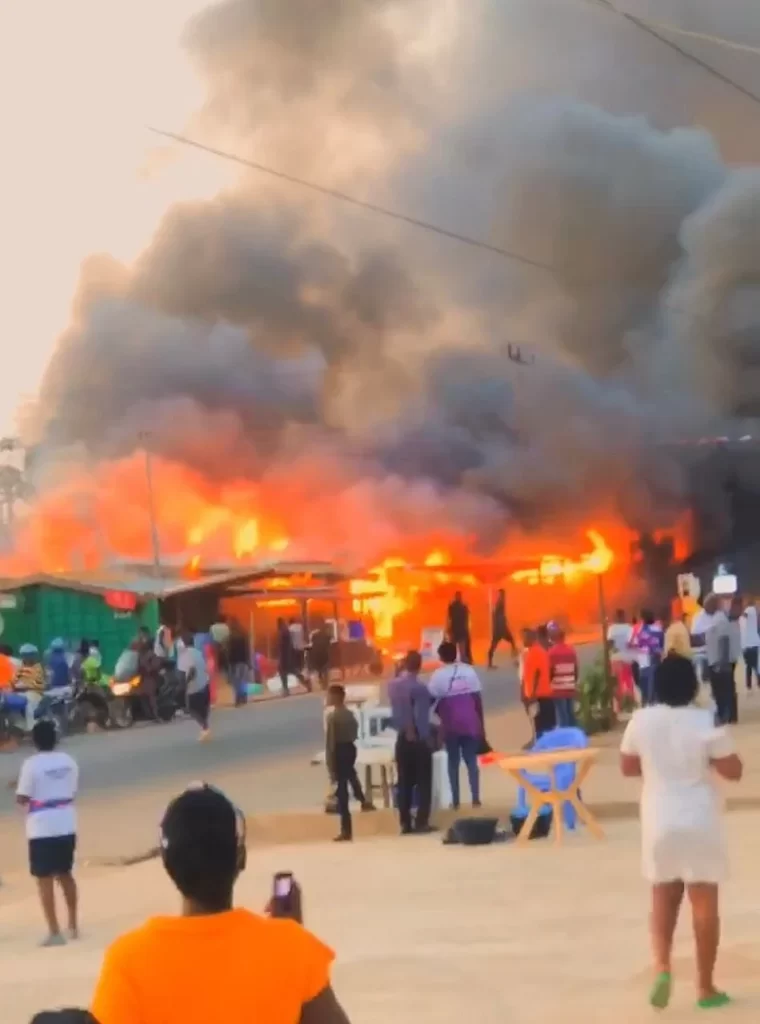
A fire tender from the Weija Gbawe Division of the Ghana National Fire Service (GNFS) caught fire while extinguishing a blaze that gutted at least 10 container shops in Ghana Flag, a suburb of Kasoa in the Central Region.
The incident required the response of three additional fire tenders from Kasoa, Buduburam, and Weija to control the fire. A GNFS personnel, speaking on condition of anonymity, stated that the fire tenders were outdated and in need of replacement.
According to the Ghana News Agency (GNA), the Kasoa Fire Station has been grappling with broken-down tenders since October 2023, forcing reliance on the Buduburam and Weija stations for assistance. The fire officer further noted that both Buduburam and Weija fire stations are facing challenges and are ill-equipped to handle high-level infernos.
Daniel Nasiru, a local resident, reported that the water in the first tender was depleted shortly after arrival, prompting residents to assist in bringing the fire under control.
The fire reportedly destroyed a furniture shop, an electrical shop, a wooden church, and other shops, resulting in the loss of property valued at thousands of cedis.
Mustapha Mohammed, the Assembly Member for Joemends Kpormetey Electoral Area, commended the GNFS and local residents for their collective efforts in extinguishing the fire.
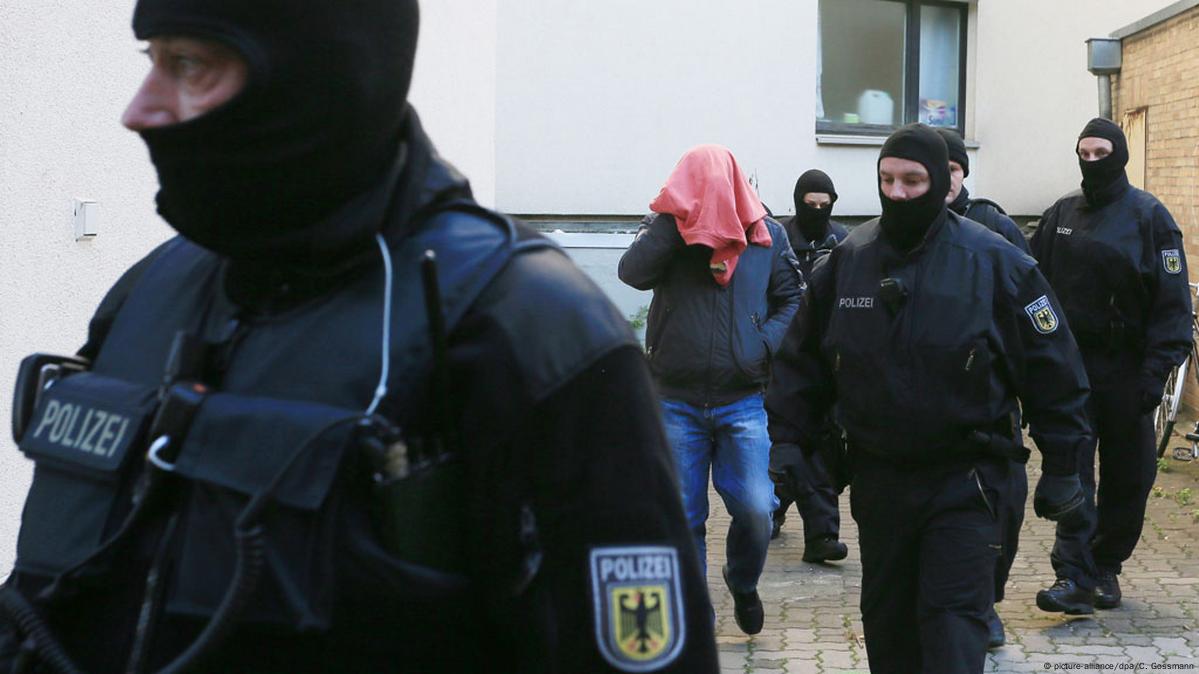
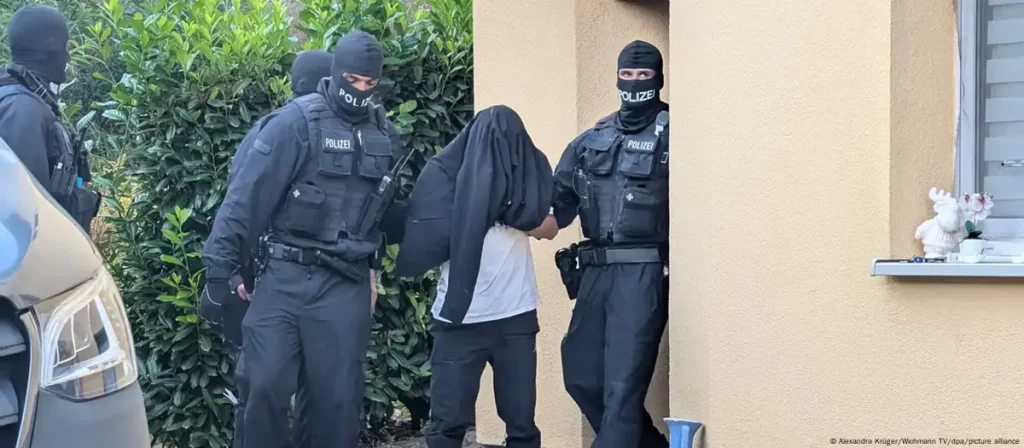
German police launched extensive raids early Wednesday targeting a suspected people-smuggling ring, deploying approximately 340 officers across five states in a coordinated operation. The group is believed to have facilitated the illegal entry of at least 140 people into Germany via the Balkans route since December 2022.
The primary focus of the operation was the eastern state of Thuringia and the city of Jena. Federal police reported that 15 of the 19 properties searched were in Thuringia, with 10 located in Jena itself. Searches also took place in Baden-Württemberg, Saxony-Anhalt, Schleswig-Holstein, and North Rhine-Westphalia, with special GSG9 units deployed in Jena.
Five arrests were made during the raids, all in Thuringia. Three Syrian nationals and two Iraqi citizens were taken into custody, with three detained in Jena, one in Sondershausen, and another in Bad Sulza. The case involves a total of 18 suspects, ranging in age from 23 to 57, including drivers and higher-level organizers of the alleged smuggling operation.
Police stated that the raids aimed to “discover and seize evidence that could prove the crimes,” focusing on documents, electronic storage devices, cash, and other valuables. The smuggling operation allegedly charged around €700 ($775) for transportation to Germany from Slovakia, with an additional €500 for transit to neighboring countries.
Payments were reportedly made through the informal “Hawala” transfer system, which is illegal in Germany. Two Hawala intermediaries, known as hawaldar, are among the suspects. Investigators identified the suspects after intercepting several vans, the group’s preferred method of transport, at border crossings.
The operation comes amid heightened political focus on migration issues in Germany, following a recent fatal knife attack in Solingen and the success of the anti-migration Alternative for Germany (AfD) party in state elections in Thuringia and Saxony on Sunday. The federal police, responsible for border control, led the investigation and raids.
Messaging platform Telegram has apologized for a “miscommunication” regarding deepfake pornography in South Korea, according to reports from South Korean media on Wednesday. This comes a day after Seoul authorities ordered an investigation into the app over the issue.
The Korea Communications Standards Commission (KCSC) reported that Telegram called the scandal “unfortunate” and expressed regret over the miscommunication. The platform has removed 25 videos at the request of the KCSC.
The investigation, announced Tuesday, follows the revelation last month that a group of university students had created AI-generated pornography featuring the real faces of female classmates. Police have received 88 complaints about deepfake pornography and identified 24 suspects.
South Korean President Yoon Suk Yeol has pledged to address the rising tide of online sex crimes, including revenge porn and surreptitious recordings. This commitment comes amid growing concerns about digital sexual exploitation in the country.
Telegram’s legal troubles extend beyond South Korea. In August, its founder and chief, Pavel Durov, was arrested in France over allegations of allowing criminality to spread on the platform. The Russian-born, Dubai-based entrepreneur is currently being held in custody.
The platform has previously been implicated in serious crimes in South Korea. In 2019, 20-year-old Cho Ju-bin was sentenced to 42 years in prison for leading a sex ring that used Telegram to blackmail women and children into filming themselves.
In response to the current situation, the KCSC has requested Telegram to establish a hotline with South Korean authorities to better address illegal content on the platform. A KCSC official stated, “We wish to strengthen cooperation with (Telegram) by securing a hotline, starting with the exclusive email address, to resolve the circulation of deepfake sexual exploitation materials and ultimately eradicate digital sex crime content.”
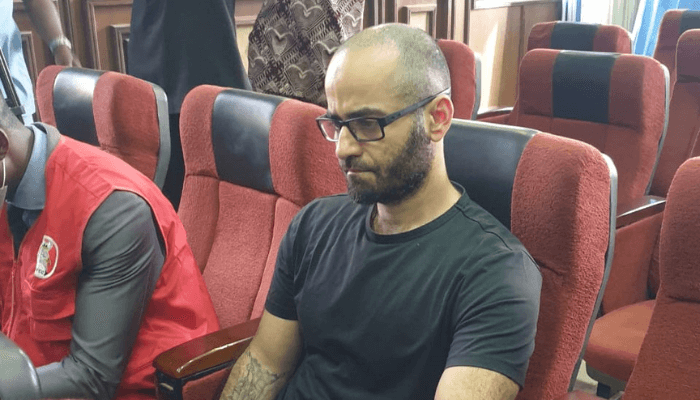
Tigran Gambaryan, Binance’s head of financial compliance, will learn on October 9 whether he will be granted bail or remain in custody, following a judge’s decision to defer ruling on his request Wednesday.
Gambaryan, a U.S. citizen, has been detained since February amid a dispute between Binance, the world’s largest cryptocurrency exchange, and the Nigerian government. He is on trial for money laundering charges, which he denies.
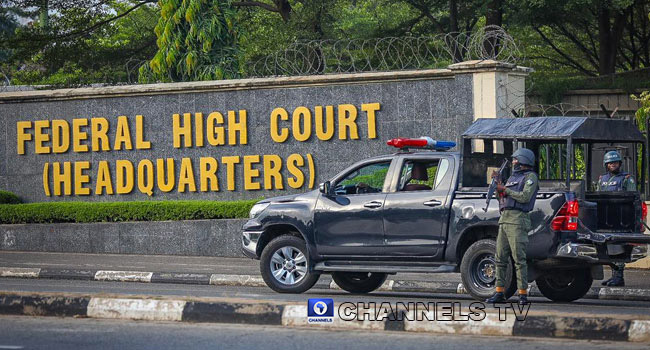
Federal High Court Judge Emeka Nwete in Abuja heard arguments from Gambaryan’s lawyer and a state prosecutor during the hearing. The defense attorney cited health concerns, stating that Gambaryan needs to undergo surgery outside prison and that his health is deteriorating. The state prosecutor opposed the bail request.
After considering the arguments, Judge Nwete announced that she would make a ruling next month and ordered Gambaryan to return to prison custody.
Binance faces separate tax evasion charges in Nigeria, which the company denies. The cryptocurrency exchange halted all transactions and trading in naira in March following a nationwide crackdown on crypto exchanges. Nigerian authorities alleged these exchanges were contributing to a black market for foreign exchange.
The case highlights the ongoing tensions between cryptocurrency businesses and regulatory authorities in Nigeria, Africa’s largest economy. It also underscores the legal challenges facing international cryptocurrency exchanges operating in countries with evolving digital currency regulations.
As the cryptocurrency industry continues to navigate global regulatory landscapes, the outcome of Gambaryan’s case and Binance’s broader legal challenges in Nigeria could have significant implications for the operation of digital asset exchanges in the country and potentially across the region.
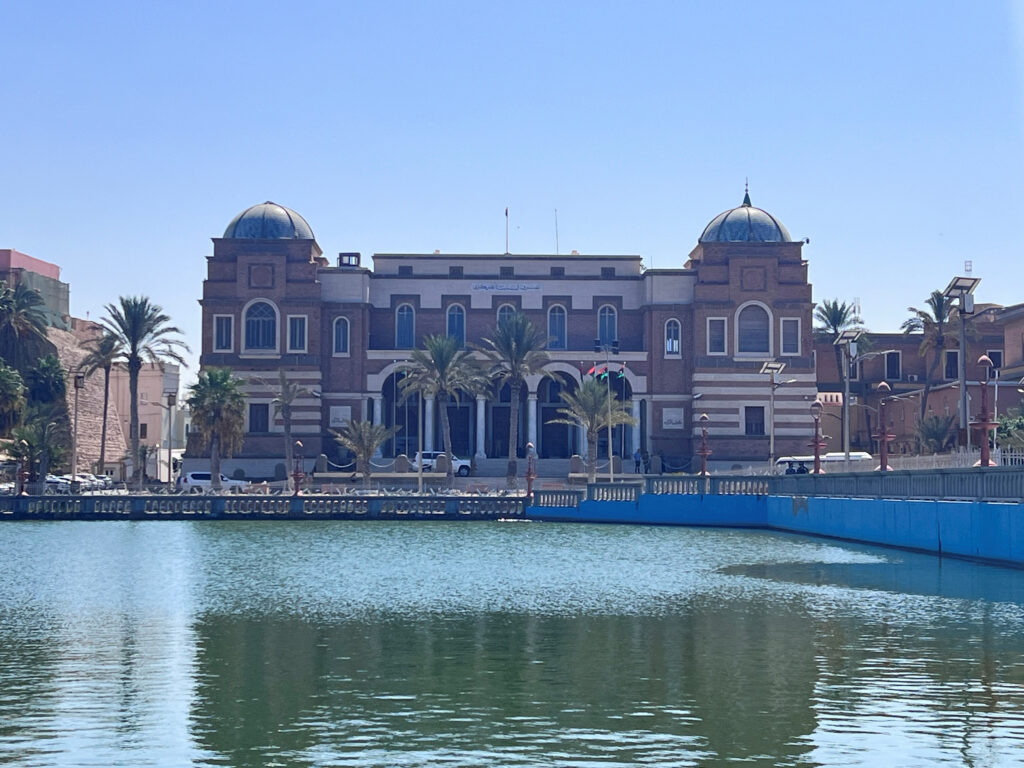
Libya’s two rival legislative bodies reached an agreement on Tuesday to jointly appoint a central bank governor, a move that could potentially defuse a power struggle over the country’s oil revenue that has significantly reduced production.
The House of Representatives, based in Benghazi in eastern Libya, and the High State Council in Tripoli in the west, signed a joint statement after two days of talks facilitated by the United Nations Support Mission in Libya. The agreement stipulates that a central bank governor and board of directors will be appointed within 30 days.
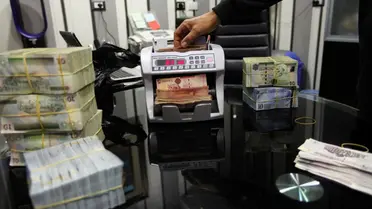
Libya’s central bank serves as the sole legal repository for the country’s oil revenue and is responsible for paying state salaries nationwide. The two chambers also agreed to extend consultations for an additional five days, concluding on September 9.
This development comes amid ongoing political turmoil in Libya, which has experienced little stability since the 2011 NATO-backed uprising. The country split into eastern and western factions in 2014, with major warfare ending only after a ceasefire in 2020. Despite attempts at reunification, divisions persist.
The recent standoff began when the head of the Presidency Council in Tripoli moved to oust long-standing central bank Governor Sadiq al-Kabir and replace him with a rival board. This action prompted eastern factions to declare a shutdown of all oil production, demanding that Kabir’s dismissal be halted. The dispute threatened to end four years of relative stability in the country.
Some oil output has since resumed, with oil prices dropping nearly 5% on Tuesday to their lowest levels in almost nine months, indicating that traders expect the latest agreement to increase oil production.
The central bank’s operations have been paralyzed by the power struggle, leaving it unable to conduct transactions for more than a week. This situation underscores Libya’s fractured political landscape, characterized by rival governing institutions with tenuous claims to legitimacy.
Both the House of Representatives and the High State Council were internationally recognized in a 2015 political agreement, although they have backed different sides throughout much of Libya’s conflict.
This agreement represents a potential step towards resolving the ongoing crisis in Libya, but significant challenges remain in implementing the deal and addressing the broader political divisions within the country.
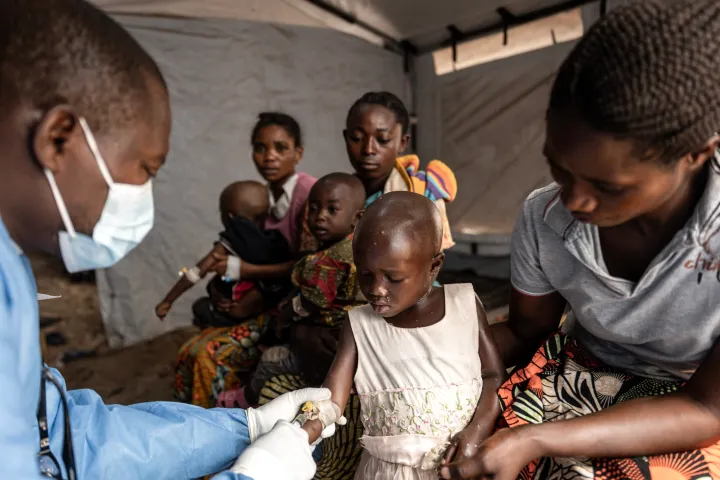
The Democratic Republic of Congo is poised to receive its first delivery of mpox vaccine doses on Thursday, with a second shipment expected on Saturday, according to Cris Kacita, the country’s mpox outbreak response chief. This development marks a significant step in addressing the global inequity in vaccine access that left African countries without the shots widely available in Europe and the United States during the 2022 global mpox outbreak.
Congo, identified as the epicenter of an mpox outbreak declared a global public health emergency by the World Health Organization (WHO) last month, has struggled to contain the spread of the disease due to the absence of vaccines. While Kacita did not disclose the number of doses or the supplier, the imminent arrival of these vaccines represents a crucial turning point in the country’s fight against mpox.
The Congolese health authorities now face the daunting task of launching a vaccination campaign across a country the size of western Europe. The vaccine doses require storage at an ultra-cold temperature of -90 degrees Celsius (-130°F), presenting significant logistical challenges. Additionally, health officials must navigate potential skepticism within communities regarding the vaccination effort.
Kacita explained that the distribution of vaccines would not commence immediately upon receipt. “We need to communicate so that the population accepts the vaccination,” he stated, highlighting the importance of public education and engagement in the success of the campaign. The six targeted provinces reportedly have the capacity to store the doses at the required temperature, addressing one critical aspect of the distribution challenge.
Maria Van Kerkhove, the WHO’s acting director of epidemic and pandemic prevention, emphasized that communication is a key focus as the agency supports Congo’s response. “We have to look at the communication around who will get them [the vaccines] first,” she said, warning that disinformation about the vaccines was “pretty rampant.” Initially, vaccinations will prioritize contacts of known cases due to limited dose numbers.
The mpox outbreak in Congo has had severe consequences. As of August 31, the country reported 19,710 suspected mpox cases since the start of the year, with 5,041 confirmed cases and 655 fatalities, according to the health ministry. The disease, which typically causes flu-like symptoms and pus-filled lesions, can be fatal and spreads through close contact, including sexual contact.
Health workers in Congo have expressed concerns about the challenges in rural and remote areas, where support is limited. A doctor involved in the response, speaking anonymously, highlighted the difficulties in confirming suspected cases due to the lack of laboratory facilities in areas without water or electricity. This underscores the broader infrastructural challenges facing the vaccination campaign.
The WHO has called for more resources to support the response in Congo and neighboring Burundi, which has also seen a rise in cases of the new clade Ib strain of mpox in recent weeks. Van Kerkhove stressed that vaccines are only part of the solution, emphasizing the importance of contact tracing and raising awareness about prevention methods.
In addressing the specific risks to children, the WHO recommends using Bavarian Nordic’s shot for pediatric cases in outbreaks when the benefits outweigh the risks, despite the vaccine not being licensed for children. This recommendation is currently under discussion in Congo.
As the country prepares for the vaccine rollout, Congo’s Health Minister Roger Kamba has also focused on preventive measures in schools. In a video message, he emphasized the importance of handwashing and disinfecting furniture to prevent the spread of mpox as children return to classrooms.
The upcoming vaccine deliveries to Congo represent a critical step in the global effort to control the mpox outbreak. However, the success of the vaccination campaign will depend on overcoming significant logistical, communicative, and infrastructural challenges in one of Africa’s largest and most complex countries.
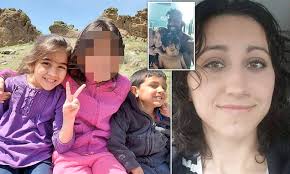
Kimberlee Singler, a 36-year-old American woman wanted in the United States for the murder of two of her children and the attempted murder of a third, denied the charges in a London court on Wednesday as she contested extradition to the U.S.
Singler faces seven charges in Colorado, including first-degree murder of her nine-year-old daughter and seven-year-old son in December 2023. Prosecutors allege she killed the children by shooting them in the head and stabbing them in the neck in their home during a protracted custody battle with her ex-partner.
She is also accused of attempting to kill her third child, a girl who was 11 at the time.
Edward Fitzgerald, Singler’s lawyer, told Westminster Magistrates’ Court, “Ms. Singler denies that she is responsible for the death of her two younger children (and) denies that she is responsible for the attempted murder of her surviving child.”
Singler is challenging her extradition on the grounds that if convicted, she faces a mandatory sentence of life without parole, which her lawyers argue breaches her human rights.
Joel Smith, representing U.S. prosecutors, stated that Singler’s surviving child told police, “The defendant said God was telling her to do it and that the child’s father would take them away.” Smith added that Singler “initially blamed an unknown male and cast suspicions on her former partner,” but claimed, “That can be proved to be false.”
Fitzgerald countered that Singler was “concerned that the statement made against her by her surviving child was not voluntary.”
The hearing, during which Singler sat in the dock taking notes, is set to continue on Thursday.
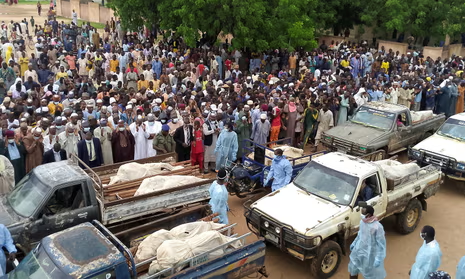
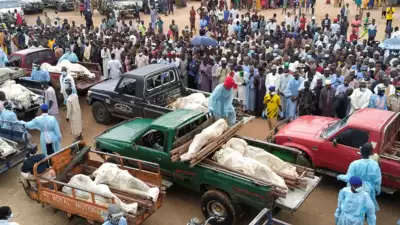
Suspected Boko Haram militants killed at least 100 villagers in northeastern Nigeria’s Yobe state on Sunday, residents reported Wednesday. The attack, one of the deadliest in the region this year, occurred in the Tarmuwa council area.
Yobe police spokesperson Dungus Abdulkarim said more than 50 extremists on motorcycles rode into the area Sunday evening, opening fire on a market, worshippers, and people in their homes before setting buildings ablaze.
While Yobe Deputy Governor Idi Barde Gubana cited a death toll of 34, community leader Zanna Umar reported that 102 villagers have been confirmed dead. Umar explained that many victims were buried before officials arrived or their bodies were taken elsewhere for burial.
“We are still working to search for more because many people are still missing,” Umar said.
The attack is believed to be a reprisal for villagers informing security operatives about Boko Haram activities, according to local media reports. The extremists claimed responsibility, stating that some of their members were killed due to information provided by villagers.
Buba Adamu, a local chief, expressed shock at the scale of the attack. “This is the first time our community has faced such a devastating attack,” he said. “We never imagined something like this could happen here.”
The incident highlights the ongoing security crisis in northeastern Nigeria, where Boko Haram has waged an insurgency since 2009 to establish its interpretation of Islamic law. The conflict has resulted in at least 35,000 direct deaths and displaced over 2 million people.
According to the U.S.-based Armed Conflict Location & Event Data Project (ACLED), at least 1,500 people have been killed in the region this year due to attacks by armed groups.
Nigerian President Bola Ahmed Tinubu condemned the attack in a statement, promising justice for the victims. However, security analysts have criticized Tinubu’s policies, noting a lack of bold steps to address the ongoing violence and persistent issues such as inadequate resources and manpower.
Confidence MacHarry of SBM Intelligence, a Lagos-based security firm, noted that reprisals are common in the northeast, with villagers often facing consequences after military operations. He added that some areas remain outside the control of the Nigerian army, leaving villagers vulnerable to attacks.
The Yobe attack underscores the complex security challenges facing Nigeria and the broader Sahel region as governments struggle to contain extremist violence.
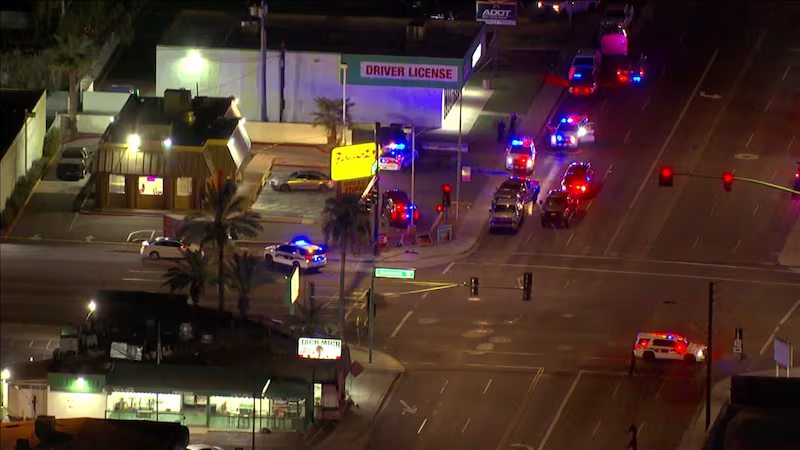
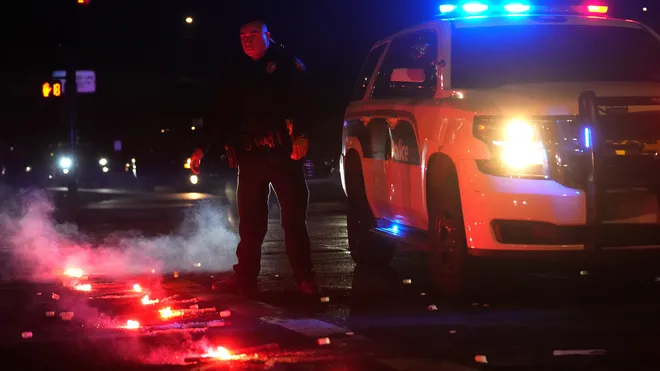
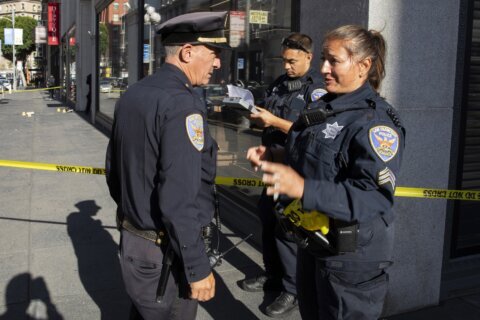
Two police officers in Phoenix, Arizona, USA, were shot and wounded Tuesday evening while responding to a vehicle break-in, with one officer in critical condition and the other stable, interim Police Chief Michael Sullivan announced.
The shooting occurred around 6:30 p.m. near downtown Phoenix when the officers responded to a call about an attempted vehicle break-in. Upon arrival, the suspect fled, jumping over a fence. The officers pursued and were met with gunfire, Sullivan said at a news conference hours after the incident.
One officer is listed in critical condition, while the other is stable, likely saved by his ballistic vest. Sullivan stated he had spoken to the officer in stable condition, describing him as “traumatized” after being shot and witnessing his partner’s shooting.
Police have detained one person in connection with the shooting. Sullivan assured the public that there is no immediate danger to the community. The names of the wounded officers have not been released.
It remains unclear whether the officers exchanged gunfire with the suspect. The detained individual was found near the scene, though Sullivan did not provide further details.
“This is a terrible night for the Phoenix Police Department and for those who love and care for officers and for members of our community,” Sullivan said. He added that the wounded officers were surrounded by family and loved ones at the hospital.
Sullivan expressed anger at the incident, noting that Phoenix police officers have faced gunfire 11 times this year while on duty. “What happened tonight is senseless. It angers me. I hope you share my anger,” he stated.
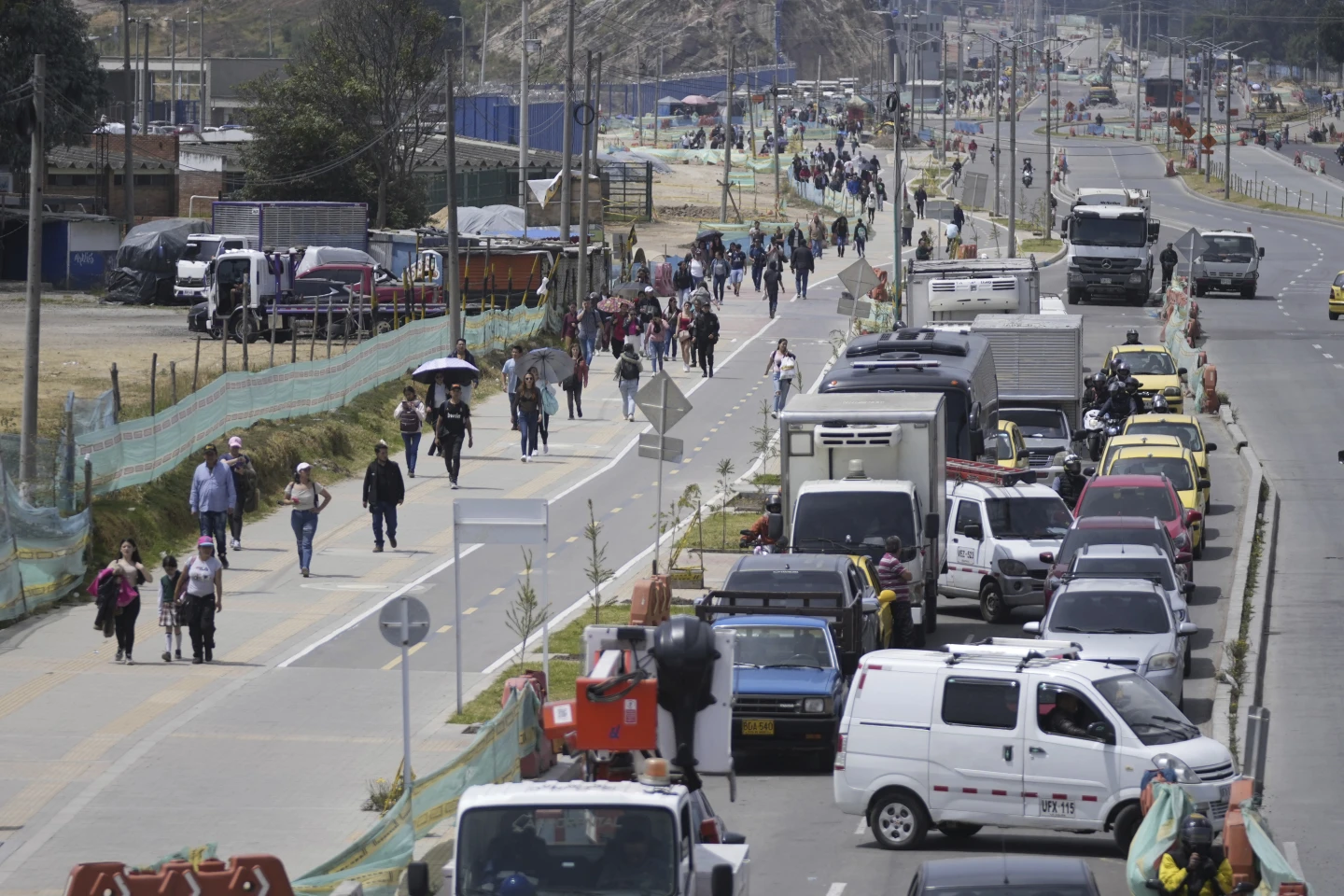
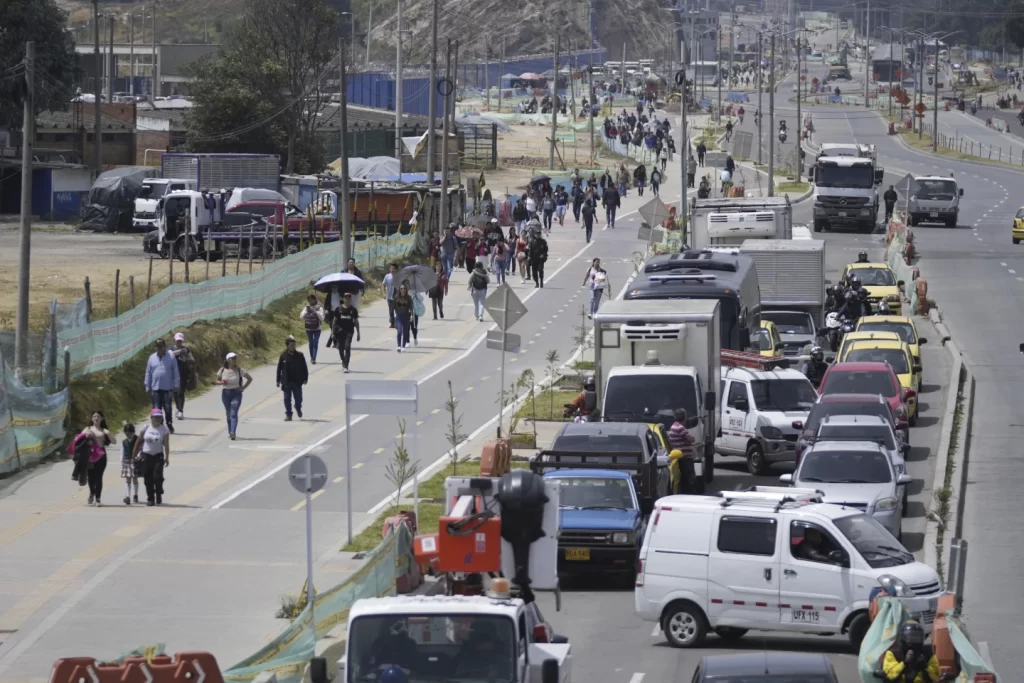
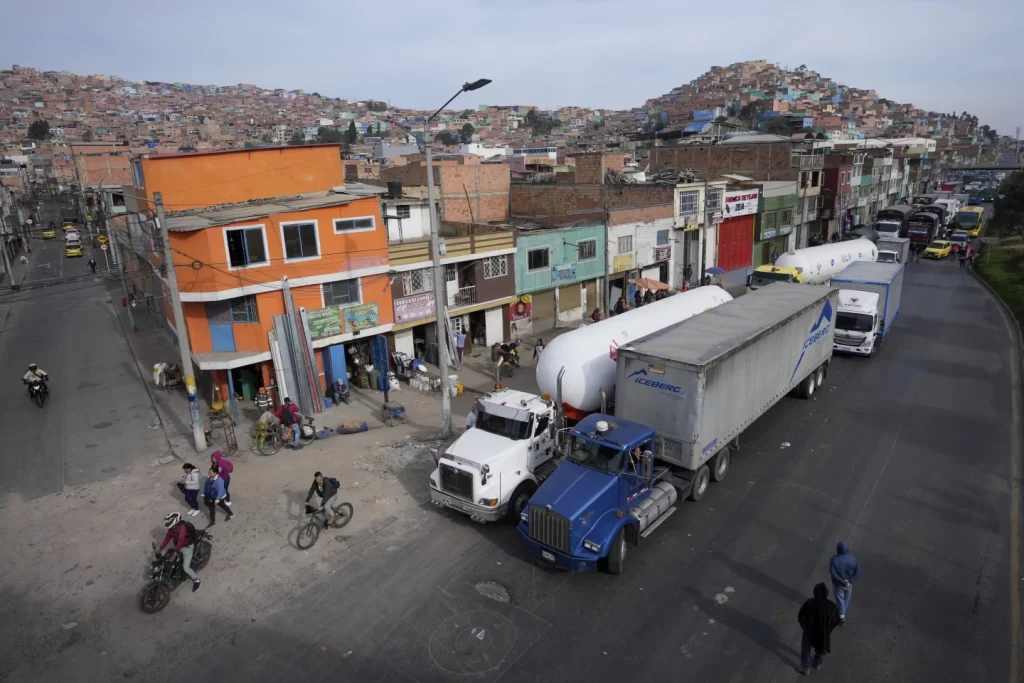
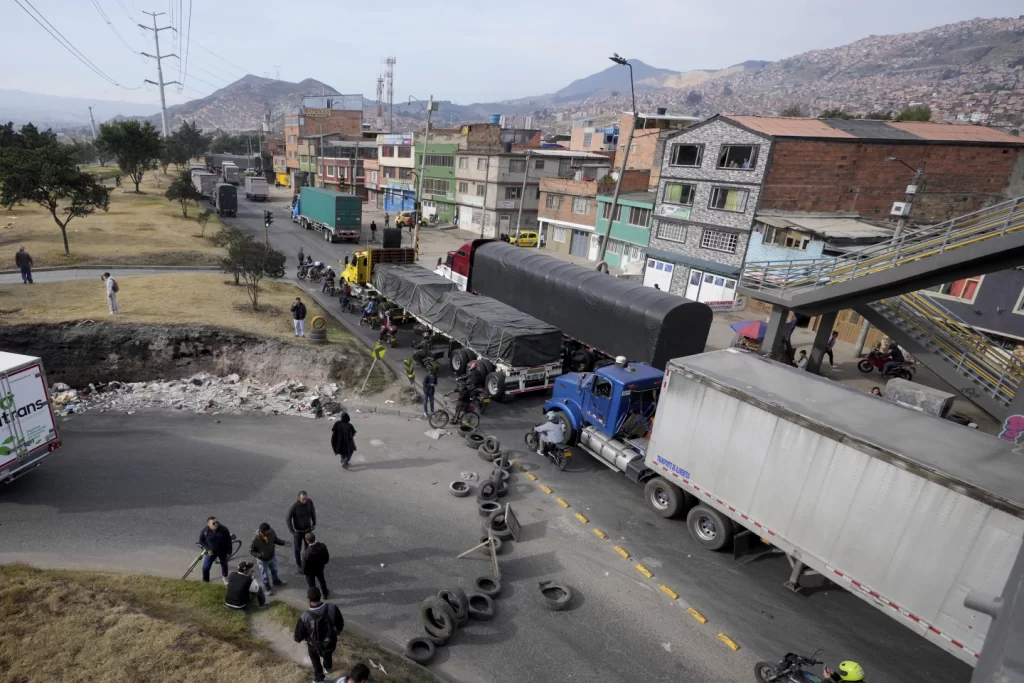
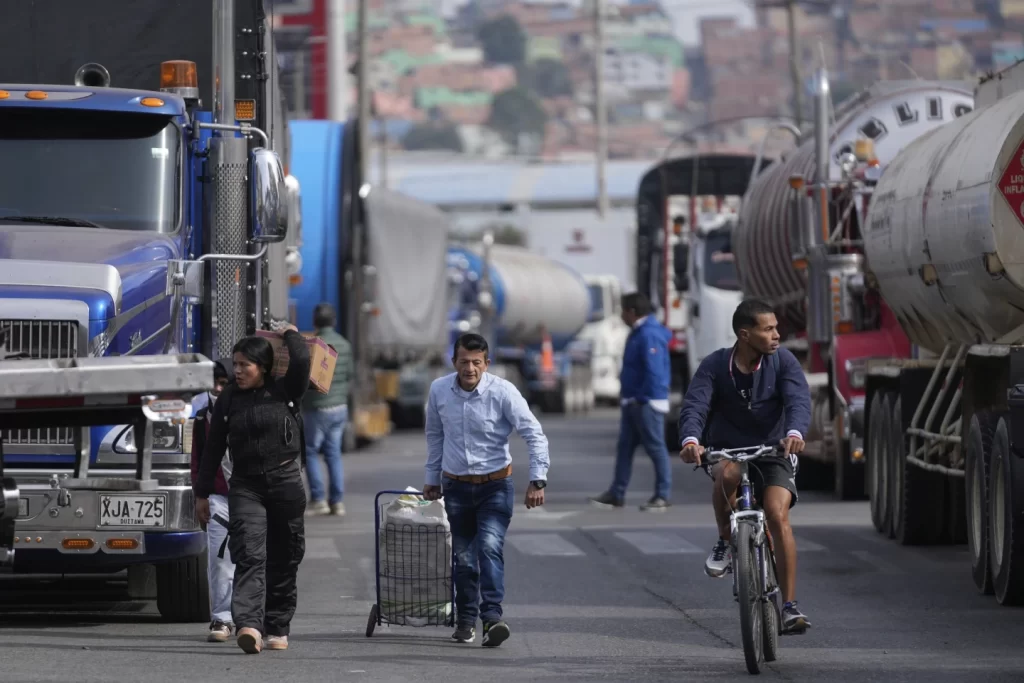
Thousands of Colombians were forced to walk to work on Tuesday as truckers blocked major highways in Bogotá, Medellin, and Cali to protest a recent increase in diesel fuel prices.
The government raised diesel prices to approximately $2.90 per gallon on Saturday, a 50-cent increase, following numerous meetings with truckers unions. This move is part of a plan to phase out fuel subsidies, which the administration of President Gustavo Petro says is necessary to reduce the budget deficit and redirect funds to education and health.
Truckers unions argue that eliminating diesel subsidies will push their businesses towards bankruptcy. Diego Torres, a brick transporter in Bogotá, stated that the new fuel prices would cause him to lose money on every load of construction material he carries.
“I am willing to stay at this protest for a day or two days or three,” Torres said, “because we are tired” of the difficult conditions.
The roadblocks have significantly reduced food deliveries to wholesale markets in major cities. President Petro, writing on social media platform X, declared he would not allow truckers unions to “block” the country. He emphasized that fuel subsidies must be removed to “reduce public debt” and “finance the health and education of Colombians.”
According to Colombia’s Finance Ministry, diesel fuel subsidies cost the government approximately $240 million each month, paid to the state oil company Ecopetrol. The government plans to remove these subsidies in three stages to allow transport companies to adjust to the price increases.
Some economists have suggested that Ecopetrol sell diesel fuel at a lower price within Colombia, but this would significantly impact the company’s margins and affect its shareholders, as Ecopetrol is listed on the New York Stock Exchange.
The fuel subsidy debate coincides with the Finance Ministry’s preparation of a tax reform plan aimed at raising government revenues by $3 billion next year. The plan includes increasing wealth taxes, taxes on non-wage personal income, and sales taxes on hybrid cars and online betting.
During President Petro’s first two years in office, the government’s annual budget has increased by about 30% as he seeks to boost social welfare programs and expand the public sector workforce.
The government has expressed willingness to meet with truckers unions to discuss ways of compensating them for higher operational costs, but maintains that the subsidy reduction is necessary for the country’s fiscal health.