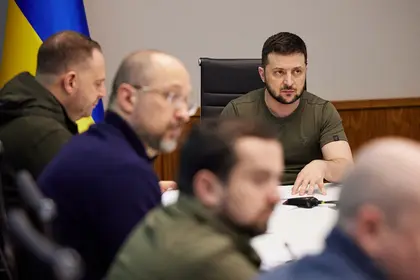
Four Ukrainian Cabinet ministers submitted their resignations to parliament late Tuesday, the speaker’s office announced, signaling the start of an anticipated government reshuffle.
Deputy Prime Minister for European Affairs Olga Stefanishyna, Minister of Strategic Industries Oleksandr Kamyshin, Minister of Justice Denys Maliuska, and Minister of the Environment Ruslan Strilets have all tendered their resignations.
The government has not yet responded to these resignation offers. It remains unclear if any of the four ministers will be reassigned to other high-ranking positions.
President Volodymyr Zelenskyy indicated last week that a Cabinet reshuffle was imminent. The head of Zelenskyy’s party in parliament stated Tuesday that approximately half of the current ministers were likely to be replaced.
This government shake-up comes as Ukraine faces significant challenges in its ongoing conflict with Russia. Ukrainian forces are currently working to halt Russian advances in the country’s eastern regions. Simultaneously, Ukraine has launched an incursion into Russia’s neighboring Kursk region in an attempt to disrupt Moscow’s military plans.
Kamyshin, as Minister of Strategic Industries, has played a key role in increasing Ukraine’s arms production during the conflict.
The resignations and pending reshuffle occur as the war enters its third year, with Ukraine continuing to seek international support and manage both military and diplomatic fronts.
Just one day after a tragic incident claimed the lives of 12 migrants attempting to cross the English Channel, dozens more risked their lives in a similar journey on Wednesday. The persistence of these dangerous crossings underscores the magnitude of the migration challenge facing both French and British governments.
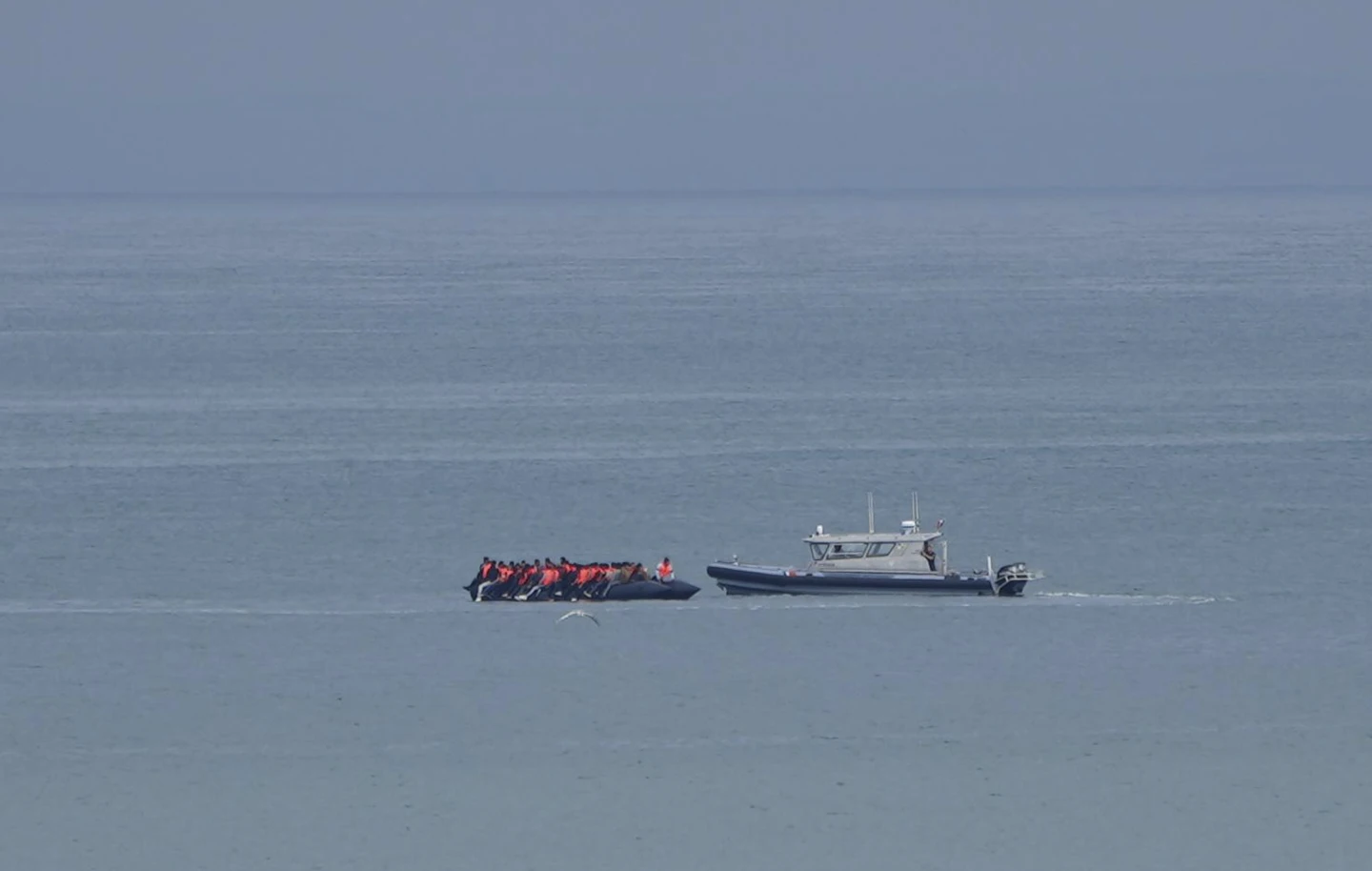
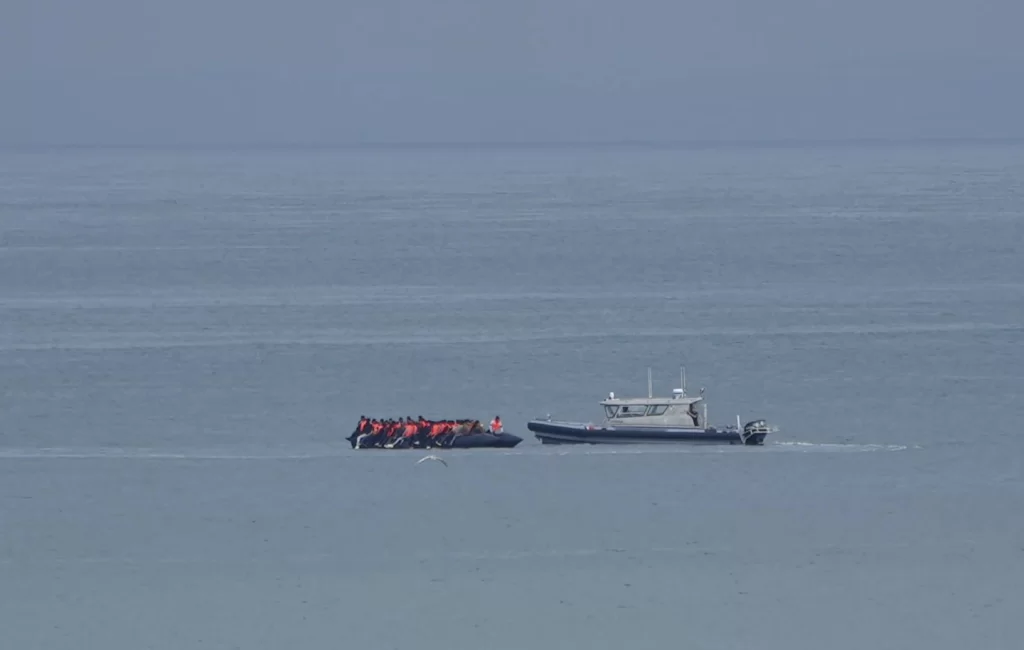
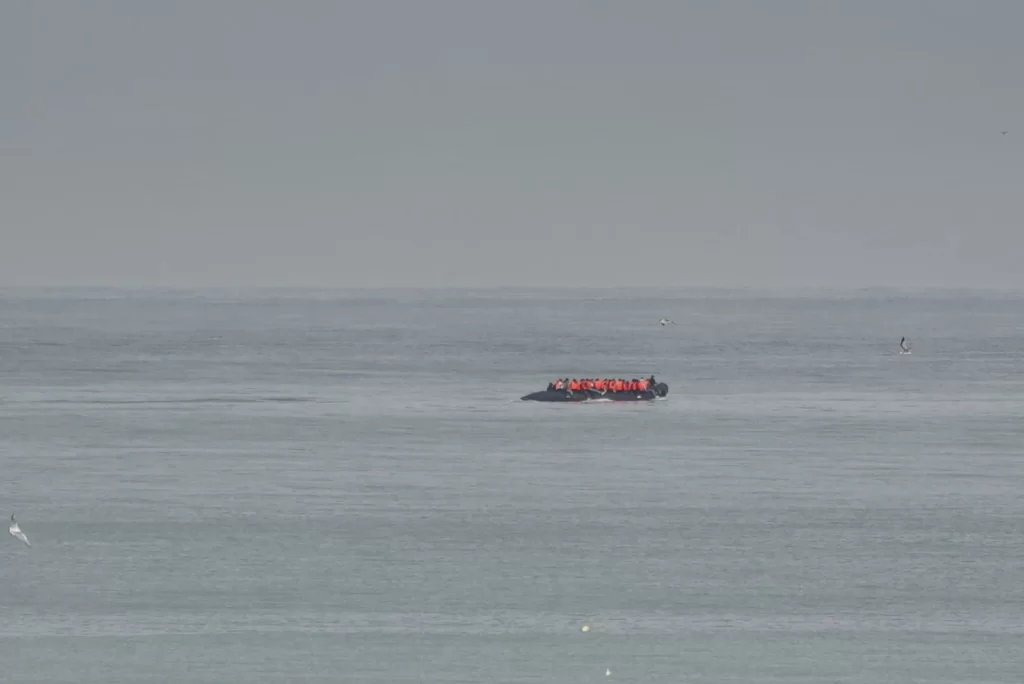
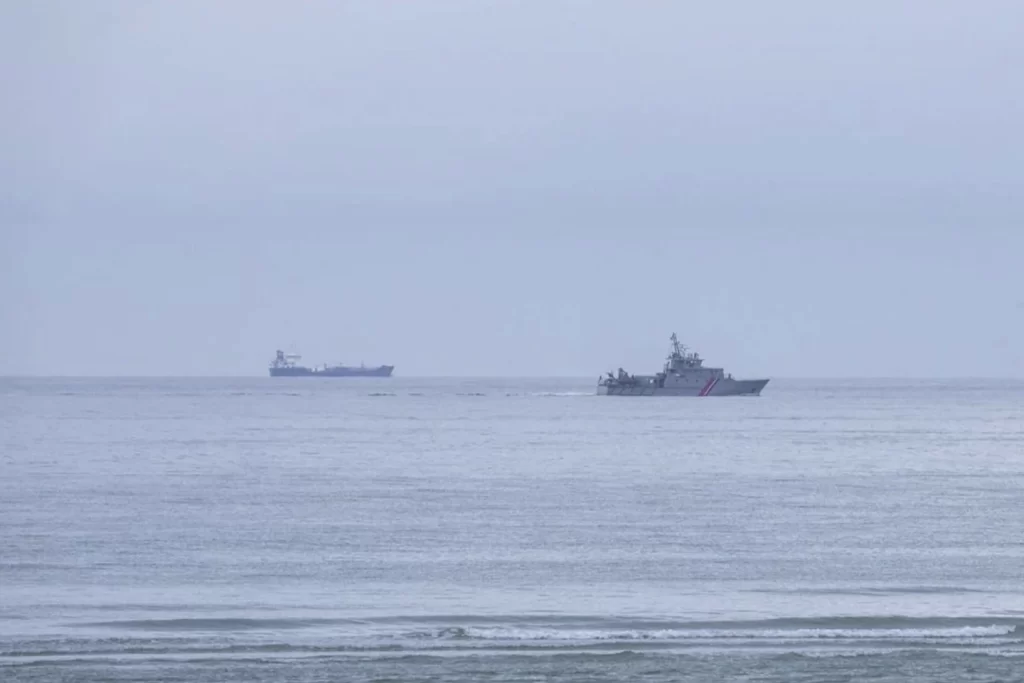
From the coast of Wimereux, a town in northern France, Associated Press journalists observed a crowded inflatable boat carrying an estimated 40 to 50 migrants. The vessel, monitored by French patrol boats, struggled through the seas, highlighting the desperate measures taken by those seeking to reach British shores.
Jean-Luc Dubaële, the mayor of Wimereux, expressed frustration at the ongoing crisis. “Unfortunately, every day is like this for us. The smugglers — a criminal network — continue with insistence to send people to their deaths in the channel. It really is unacceptable, scandalous,” he said in a telephone interview. Dubaële called for urgent discussions between French and British officials to find a lasting solution.
The French maritime agency confirmed the migrant boat’s presence, with patrol vessels Armoise and its smaller companion monitoring the situation. Observers noted the overcrowded conditions on the inflatable, with passengers crammed side-by-side and some dangling their legs over the sides.
Despite the recent tragedy, the Channel appeared relatively calm on Wednesday, with small waves lapping against the beach. French patrol boats were seen providing additional life vests to the migrants during their journey.
According to British government figures, at least 21,720 migrants have crossed the English Channel so far this year, marking a 3% increase from the same period last year, but a 19% decrease compared to 2022. On Tuesday alone, when the fatal incident occurred, British authorities reported that at least 317 migrants successfully crossed in five boats.
The ongoing migration crisis has significant political implications. In the recent UK general election, the Labour Party, led by Prime Minister Keir Starmer, made addressing cross-Channel migration a key focus. Upon taking office, the new government immediately scrapped the previous Conservative administration’s plan to send some migrants to Rwanda.
Starmer dismissed the Rwanda plan as a “gimmick” that would not deter crossings. Instead, his government has redirected funds towards strengthening the border force to combat the criminal gangs orchestrating these dangerous journeys.
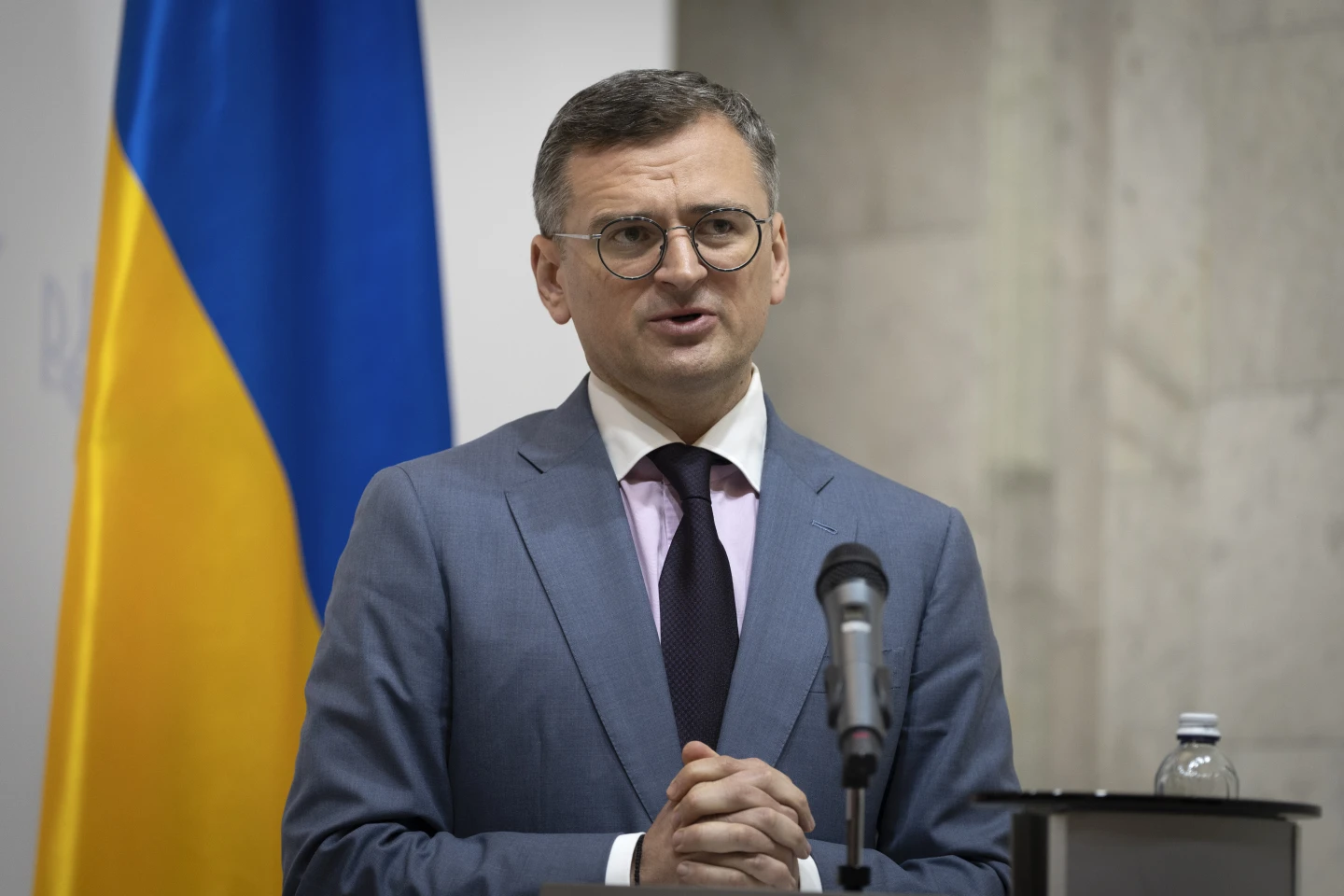
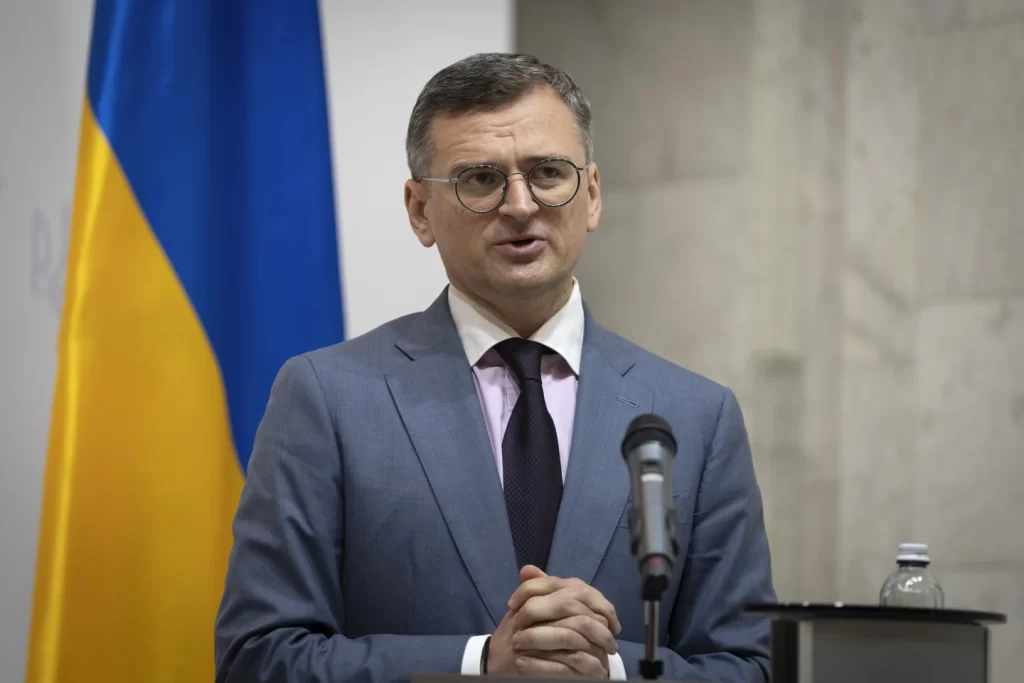
Ukraine’s Foreign Minister Dmytro Kuleba, a prominent figure on the international stage, submitted his resignation Wednesday as part of an anticipated major government reshuffle. The announcement came as Russian strikes killed seven people in the western city of Lviv, underscoring the ongoing threat across Ukraine.
Kuleba, 43, did not provide a reason for his departure. Parliamentary Speaker Ruslan Stefanchuk confirmed on Facebook that lawmakers would discuss the resignation at their next session. Four other Cabinet ministers tendered their resignations late Tuesday, signaling the most significant government reorganization since Russia’s invasion in February 2022.
The reshuffle comes at a critical juncture in the war, with Ukraine approaching its 1,000-day mark in November. President Volodymyr Zelenskyy had hinted at imminent changes last week, likely aiming to reinvigorate Ukraine’s resolve amid the grinding conflict and prepare for another challenging winter.
As Foreign Minister since March 2020, Kuleba has been second only to Zelenskyy in representing Ukraine’s interests globally. His high-profile role included a July visit to China, making him the highest-ranking Ukrainian official to visit the country since the Russian invasion.
While Kuleba’s successor remains unannounced, Ukrainian media, citing unnamed sources, suggest Deputy Foreign Minister Andrii Sybiha may assume the role. The new appointee is expected to accompany Zelenskyy to the upcoming U.N. General Assembly in New York, a crucial opportunity to rally international support.
Davyd Arakhamiia, a leader of Zelenskyy’s party in parliament, stated that more than half of the current Cabinet would undergo changes, with new appointments expected on Thursday.
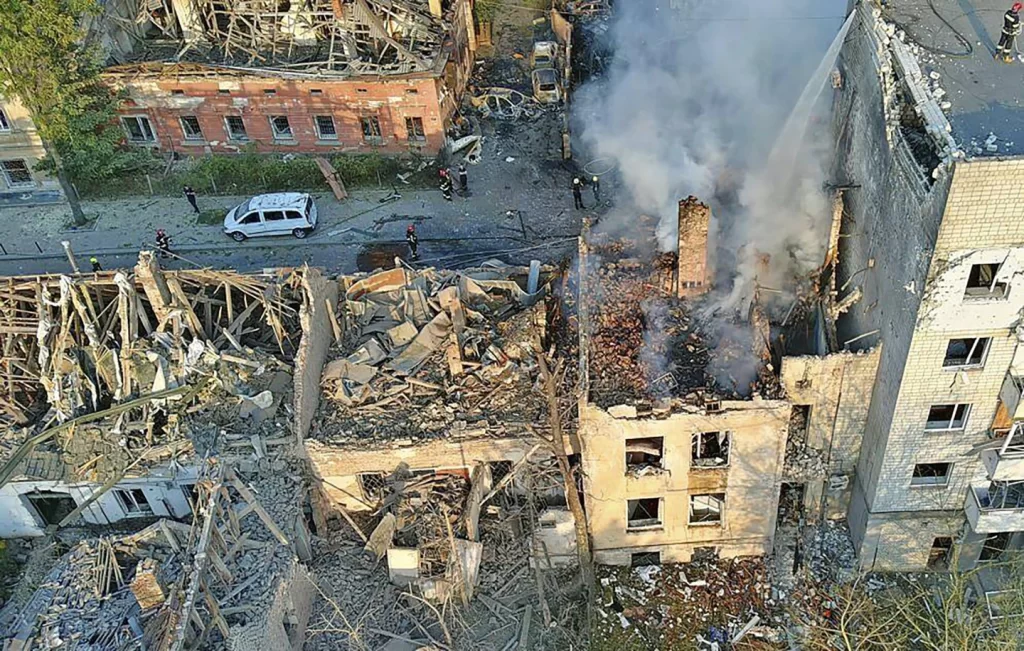
Meanwhile, the western city of Lviv, typically considered safer due to its proximity to the Polish border, suffered a devastating attack. A nighttime strike, reportedly carried out with a Kinzhal missile and drones, killed seven people and injured 52 others. The Russian Defense Ministry claimed the attack targeted defense industry enterprises, but local officials disputed this assertion.
Lviv Mayor Andrii Sadovyi shared heartbreaking details of a family tragedy, where a mother and her three daughters were killed in their home. The father survived but remains in critical condition. Among the victims was 21-year-old Yaryna, a program manager at the European Youth Forum, whose colleagues vowed to neither forget nor forgive the attack.
The strikes extended beyond Lviv, with five people injured in Kryvyi Rih, Zelenskyy’s hometown. In response to these attacks, Kuleba emphasized Ukraine’s urgent need for increased Western support, particularly in air defense systems and long-range strike capabilities.
Zelenskyy reacted by calling on Ukraine’s allies to provide “more range” for Western weapons, indicating a desire to strike deeper into Russian territory.
These attacks followed a devastating strike on Poltava in eastern-central Ukraine the previous day, where two ballistic missiles hit a military academy and nearby hospital, killing 53 people and wounding nearly 300.
As Ukraine grapples with these ongoing attacks and political changes, the country faces significant challenges. The war of attrition with Russia continues, with the Ukrainian army’s recent incursion into Russia’s Kursk region offering a brief morale boost amidst months of difficult news from the eastern front.
The Institute for the Study of War, a Washington think tank, suggests that Russian President Vladimir Putin believes Russia can slowly subsume Ukraine through grinding advances and by outlasting Western support for Kyiv.
With the U.S. presidential election looming in November, potentially affecting crucial military support, Ukraine’s leadership appears to be positioning itself for the long haul. The government reshuffle, including Kuleba’s resignation, may be seen as part of a broader strategy to maintain international support and domestic resolve in the face of ongoing Russian aggression.
Bianca Censori, 29, the wife of rapper Kanye West, has once again drawn public attention with her bold fashion choices. The former Yeezy architect was recently photographed in Los Angeles wearing a transparent raincoat, sparking renewed discussions about celebrity fashion and public decency.
Censori, who officially married West in December 2022, was seen outside a music studio with the 47-year-old rapper. While Censori opted for a clear PVC cover-up, West was dressed in an oversized khaki raincoat and a black mask.
This latest public appearance continues a pattern of provocative outfits worn by Censori, which have included revealing crop tops and form-fitting catsuits. Her fashion choices have garnered mixed reactions on social media, with some fans expressing concern and others criticizing the couple’s public image.
The situation has reportedly raised concerns within West’s former family circle. Sources close to Kim Kardashian, West’s ex-wife and mother of his four children, suggest that she is worried about the children’s exposure to Censori’s revealing attire. An unnamed source told The U.S. Sun that Kardashian is considering discussing “ground rules” with West and Censori regarding the children’s environment.
Adding to the controversy, Ok! Magazine recently published claims from an insider suggesting that West is “forcing” Censori to dress in this manner, characterizing their relationship as a “toxic marriage.” These allegations, however, remain unverified.
The ongoing public scrutiny of Censori’s fashion choices highlights the complex intersections of celebrity culture, personal expression, and family dynamics in the public eye. It also raises questions about the media’s role in perpetuating or challenging societal norms regarding fashion and public behavior.
As the situation continues to evolve, it remains a topic of public interest and debate, reflecting broader societal discussions about freedom of expression, celebrity influence, and the boundaries of public decency.
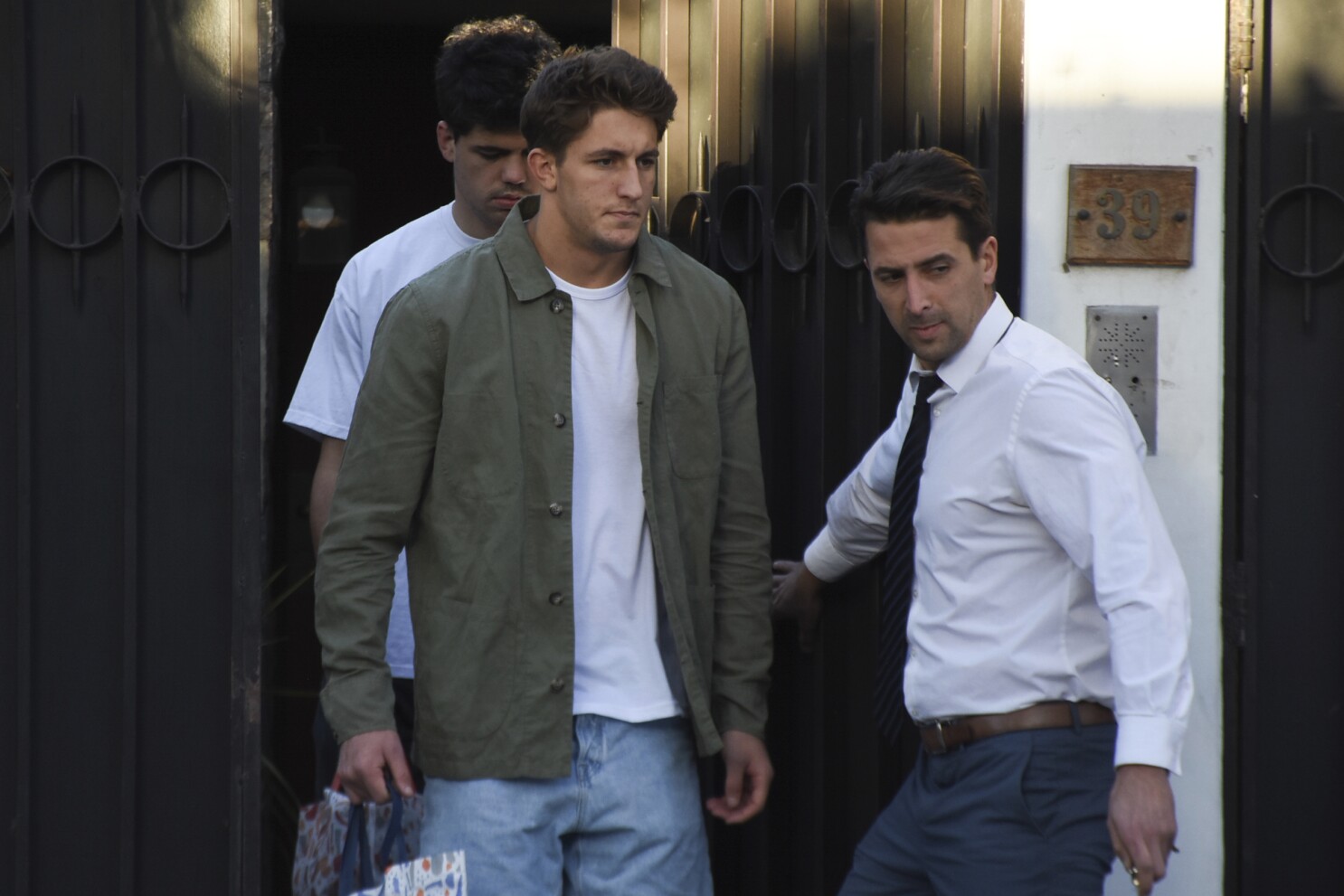
French rugby players Oscar Jegou, center, and Hugo Auradou, back, are released from house arrest, pending trial in Mendoza, Argentina, Monday, Aug. 12, 2024. The players were arrested following charges of sexual assault after France played Argentina in Mendoza on July 6. (AP Photo/Mariana Villa)
An Argentine court in Mendoza has granted permission for two French rugby players, held on rape charges for almost two months, to leave the country. The decision came during a hearing on Tuesday, approximately 1,000 kilometers (620 miles) west of Buenos Aires.
Oscar Jegou and Hugo Auradou, both 21, were arrested in Buenos Aires two days after making their international debuts against Argentina in Mendoza in early July. They face charges of aggravated rape, accused by a 39-year-old woman of raping and beating her in a Mendoza hotel room following their match.
The players deny the accusation, maintaining that they had consensual sexual relations with the woman.
During the hearing, the plaintiff’s attorneys did not oppose a prosecution recommendation to authorize the pair’s departure from Argentina. The court stated in a press release that the players can “leave the country from this moment.”
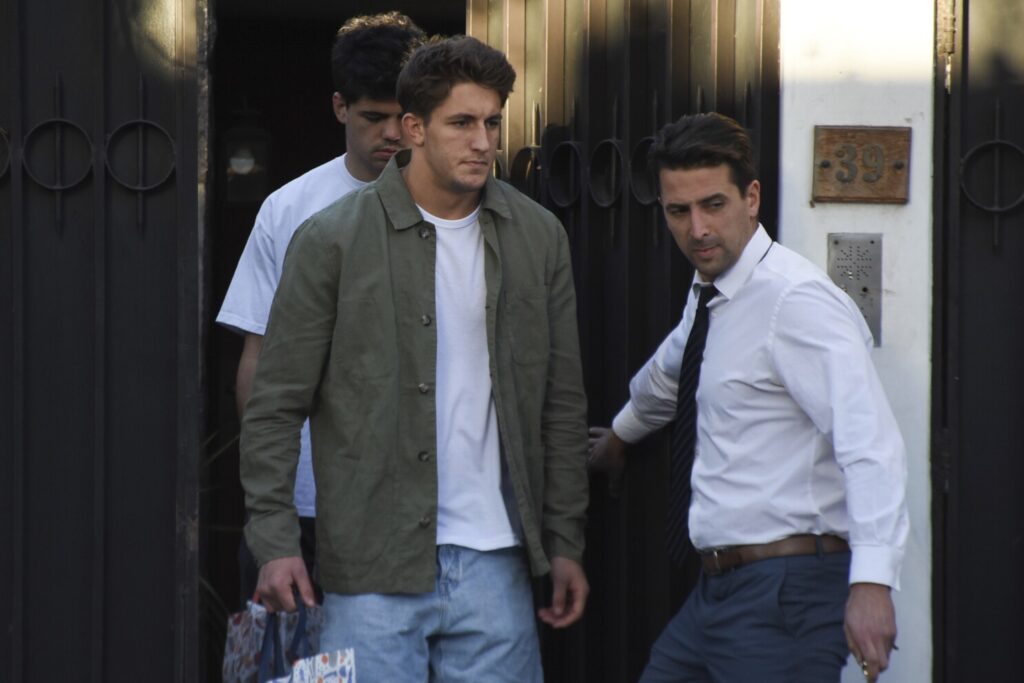
French rugby players Oscar Jegou, center, and Hugo Auradou, back, are released from house arrest, pending trial in Mendoza, Argentina, Monday, Aug. 12, 2024. The players were arrested following charges of sexual assault after France played Argentina in Mendoza on July 6. (AP Photo/Mariana Villa)
Martin Ahumada, a provincial justice spokesman, confirmed to AFP, “They can leave.”
The court’s ruling, however, comes with conditions. The players are required to “appear if they are summoned to the Argentine consulate in France,” to participate virtually “as often as required,” or even to return “to appear in Mendoza if requested.”
Initially held in a Mendoza prison, the players were later released on house arrest before being allowed to return to Buenos Aires last week. This move came as they awaited a hearing on a request to dismiss the charges against them, for which a date has not yet been set.
Australian Federal Police (AFP) have charged two men following a major cocaine seizure valued at $44 million on the Cape York Peninsula in far north Queensland.
The 39-year-old suspects, both from the Torres Strait, were allegedly caught unloading 110 kilograms of cocaine at the remote Seisia wharf near the northern tip of Australia on Tuesday afternoon. AFP officers reportedly observed the men transferring polystyrene boxes from a small boat to a car at the wharf.
A subsequent search of the boxes revealed 110 packages containing a white substance, which police say was tested and confirmed to be cocaine. The estimated street value of the consignment is $44 million.
The men, hailing from Yorke Island and Moa Island in the Torres Strait, face charges of possessing a commercial quantity of border-controlled drugs. This offense carries a maximum penalty of life imprisonment. Both suspects are scheduled to appear in Cairns Magistrates Court today.
This significant drug bust comes in the wake of heightened vigilance by law enforcement agencies in the region. In December, Papua New Guinea police charged five men over an alleged attempt to import five kilograms of methamphetamine into Australia via the Torres Strait. At that time, the AFP indicated that they had received intelligence suggesting an overseas criminal syndicate was targeting Australia for drug importation attempts by sea.
AFP Acting Commander Adrian Telfer emphasized the broader implications of cocaine consumption, stating, “Every time someone buys cocaine, they are funding organised crime groups who are responsible for violence in Australia and around the world.”
The Cape York Peninsula seizure underscores the ongoing challenges faced by Australian authorities in combating drug trafficking, particularly in remote coastal areas. The case highlights the collaborative efforts of law enforcement agencies to intercept large-scale drug shipments before they enter the country’s distribution networks.
As the legal proceedings unfold, this case is likely to draw attention to the strategies employed by both drug traffickers and law enforcement in the complex landscape of international narcotics trade.
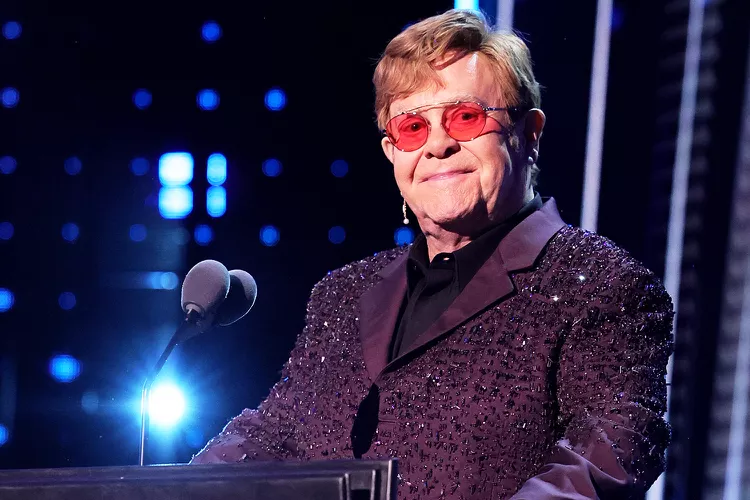
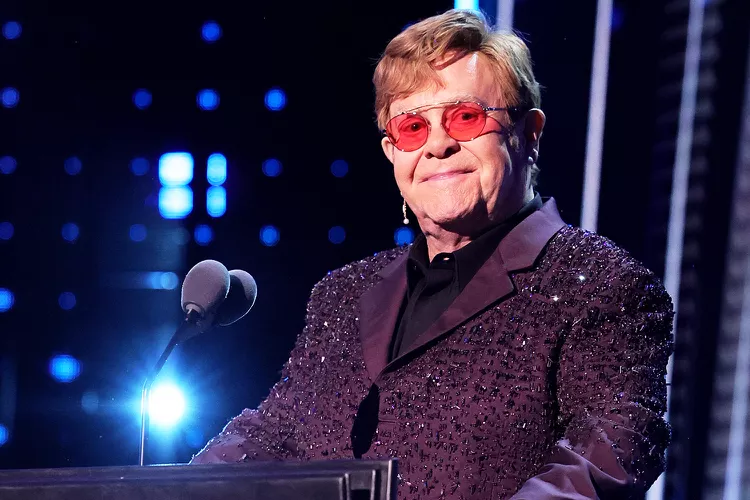
Elton John, the 77-year-old music icon, has disclosed that he is suffering from limited vision in one eye following a severe infection. The five-time Grammy winner shared this health update with fans via Instagram on September 3.
“Over the summer, I’ve been dealing with a severe eye infection that has unfortunately left me with only limited vision in one eye,” John wrote. He assured fans that he is on the path to recovery, though he noted, “it’s an extremely slow process and it will take some time before sight returns to the impacted eye.”
The “Tiny Dancer” hitmaker expressed gratitude for his medical team and family support. “I am so grateful for the excellent team of doctors and nurses and my family, who have taken such good care of me over the last several weeks,” he stated. John added that he has been “quietly spending the summer recuperating at home” and feels positive about his progress in healing and recovery.
This health setback follows a series of medical issues for the music legend. Last year, John was hospitalized after a fall at his villa near Nice, France. He was taken to Princess Grace Hospital in Monaco for overnight observation. A representative for John told PEOPLE at the time, “Following check ups, he was immediately discharged this morning and is now back at home and in good health.”
Prior to that, another fall had forced John to postpone the remainder of his 2021 tour dates to 2023. That accident left him with “considerable pain and discomfort” in his hip, necessitating surgery despite undergoing physio and specialist treatment.
John’s Instagram post garnered an outpouring of support from fans and fellow celebrities. Well-wishers in the comments section included Donatella Versace, Billie Jean King, TJ Osborne of Brothers Osborne, Linda Evangelista, and Loni Love, among others.
As the music world awaits further updates on John’s condition, the artist’s resilience and positive outlook continue to inspire his global fanbase.
The England national football team has announced the withdrawal of Phil Foden, Cole Palmer, and Ollie Watkins from the squad for their upcoming Nations League fixtures against the Republic of Ireland and Finland.
Manchester City forward Foden, recently named PFA Player of the Year, did not join the squad due to illness. Chelsea forward Palmer and Aston Villa striker Watkins initially reported to St George’s Park but have since returned to their clubs “to continue their rehabilitation from ongoing issues,” according to the Football Association.
Interim England manager Lee Carsley, who replaced Gareth Southgate following his resignation after the Euro 2024 final loss to Spain on July 14, now faces the challenge of adjusting his squad for the matches. England is set to play the Republic of Ireland in Dublin on September 7, followed by a home fixture against Finland at Wembley Stadium on September 10.
These games mark England’s first international appearances since their defeat in the Euro 2024 final. Carsley, previously in charge of the England Under-21 team, was appointed interim manager on August 9.
In response to these withdrawals and as part of his squad selection, Carsley has brought in several players from his former U21 setup. Angel Gomes, Tino Livramento, Morgan Gibbs-White, and Noni Madueke have all received call-ups. Lille winger Gomes, Newcastle defender Livramento, Nottingham Forest midfielder Gibbs-White, and Chelsea forward Madueke previously played under Carsley at the U21 level.
The interim manager has also recalled Manchester City playmaker Jack Grealish, who was omitted from England’s preliminary Euro 2024 squad, and Manchester United defender Harry Maguire.
These squad changes come as England looks to regroup and start a new chapter under Carsley’s leadership, with an eye on upcoming international tournaments and qualifications.
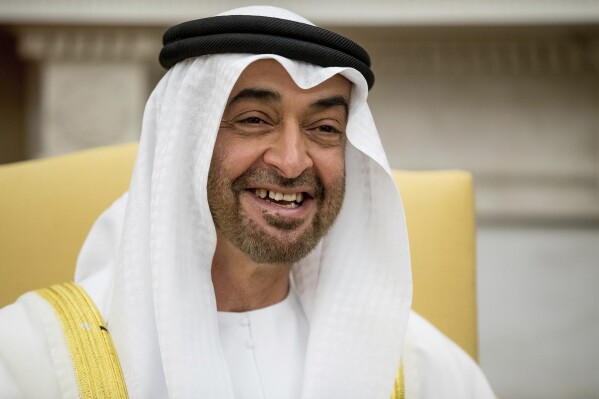
Sheikh Mohammed bin Zayed Al Nahyan, the ruler of Abu Dhabi and leader of the United Arab Emirates, has pardoned 57 Bangladeshi nationals convicted for their involvement in protests related to unrest in their home country.
The decision comes after a telephone conversation last week between Sheikh Mohammed and Bangladesh’s interim prime minister, Nobel laureate Muhammad Yunus.
The pardons highlight the UAE’s strict laws concerning public demonstrations and free speech, which led to the rapid trials and convictions of the Bangladeshi protesters in July.
The state-run WAM news agency reported that the pardon includes canceling the sentences of those convicted and arranging for their deportation.
According to the Bangladesh Sangbad Sangstha news agency, all 57 Bangladeshis arrested and tried will soon return to their home country. The convictions, handed down by the Abu Dhabi Federal Court of Appeal, included 10-year prison sentences for 53 Bangladeshi nationals, an 11-year term for another, and life sentences for three others.
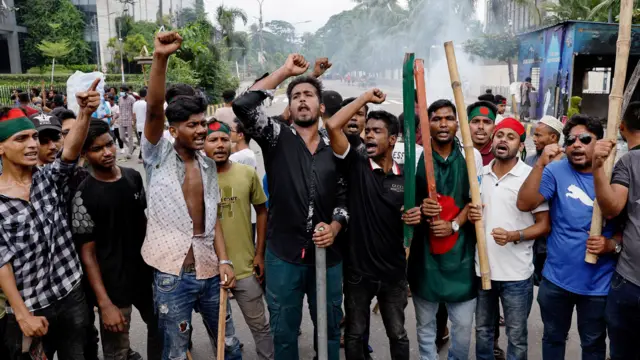
Prosecutors had accused the men of gathering in public to protest against their home government with intent to incite unrest, obstructing law enforcement, causing harm to others, and damaging property. However, Human Rights Watch described the men as “arbitrarily detained, convicted and sentenced to long prison terms … based on their participation in peaceful demonstrations.”
The protests in the UAE were triggered by weeks of demonstrations in Bangladesh over a controversial quota system that reserved up to 30% of government jobs for relatives of veterans from the 1971 war of independence.
The unrest in Bangladesh escalated, leading to the resignation and flight of longtime Prime Minister Sheikh Hasina on August 5, after weeks of violent protests and government crackdowns that reportedly resulted in over 600 deaths, according to United Nations estimates.
The UAE’s decision to pardon the protesters underscores the delicate balance the country must maintain as a nation where expatriates make up about 90% of the population.
With more than 9.2 million residents, only 10% are Emirati citizens. Bangladeshis represent the third-largest expatriate community in the UAE, following Indians and Pakistanis.
The pardons also draw attention to the UAE’s stringent laws that tightly restrict speech and criminalize public protests. Nearly all major local media in the country are either state-owned or state-affiliated, and the few protests by foreign laborers that do occur are typically met with swift legal action.
This incident serves as a reminder of the complex relationship between the UAE and its large expatriate workforce, as well as the challenges faced by migrant workers in navigating the legal and cultural landscape of their host country.
As the pardoned Bangladeshis prepare to return home, the international community continues to monitor the human rights situation in both the UAE and Bangladesh.
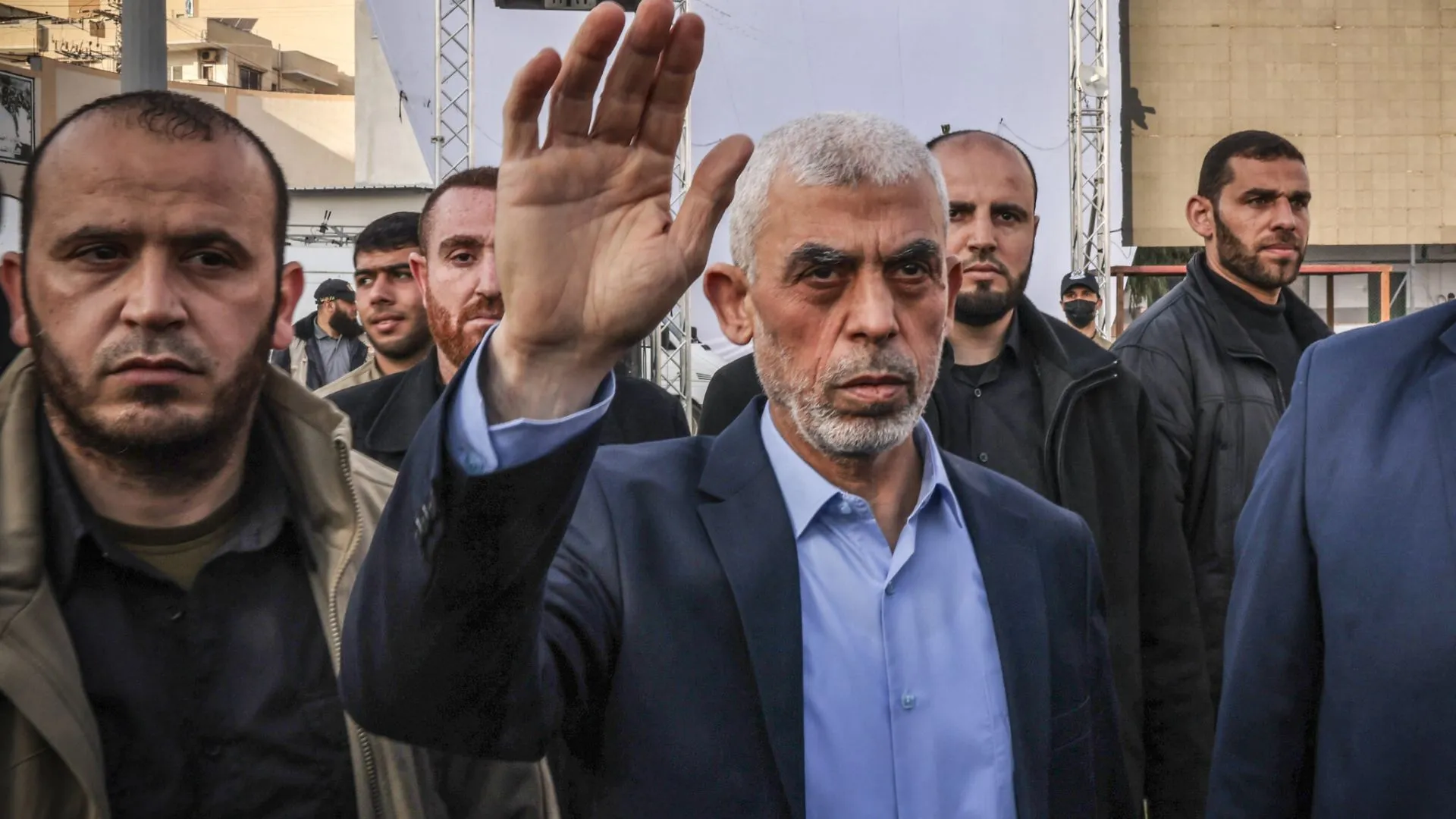
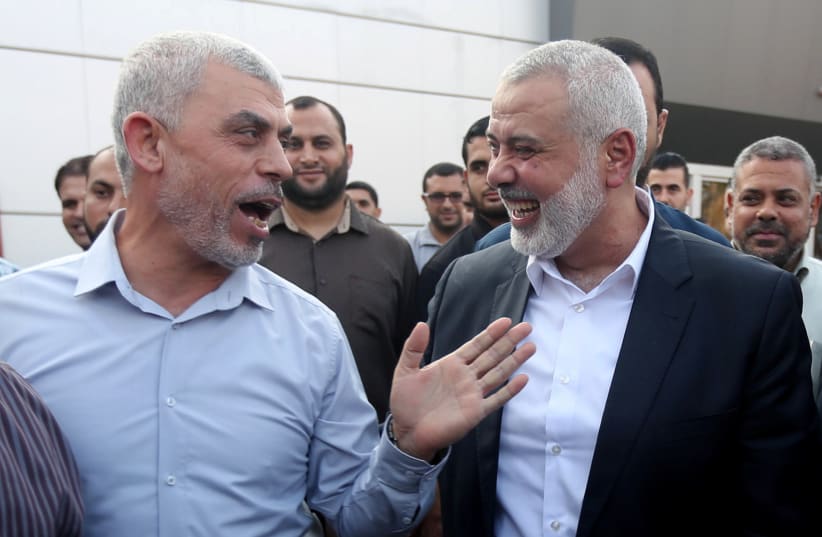
The U.S. Justice Department took a significant step Tuesday in its efforts to hold accountable those responsible for the October 7, 2023, attack on Israel, announcing criminal charges against Hamas leader Yahya Sinwar and other senior militants.
This marks the first formal effort by American law enforcement to identify and prosecute the alleged masterminds behind the deadly rampage.
A seven-count criminal complaint, filed in federal court in New York City, levels serious accusations against the Hamas leadership. The charges include conspiracy to provide material support to a foreign terrorist organization, conspiracy to murder U.S. nationals, and conspiracy to use weapons of mass destruction resulting in death.
In a notable expansion of the case, the complaint also implicates Iran and Lebanon’s Hezbollah, accusing them of providing financial support, weapons including rockets, and military supplies to Hamas.
Attorney General Merrick Garland emphasized the broader implications of these charges in a video statement. “The charges unsealed today are just one part of our effort to target every aspect of Hamas’ operations,” Garland said.
“These actions will not be our last.” This statement signals a continued and comprehensive approach by the U.S. government to address the activities of Hamas, which has been designated as a foreign terrorist organization by the U.S. since 1997.
The complaint, originally filed under seal in February, names six defendants, including Sinwar and former Hamas leader Ismail Haniyeh. However, the Justice Department acknowledges that three of the six defendants are believed to be dead, underscoring the challenges in prosecuting international terrorism cases.
Other Hamas leaders facing charges include Marwan Issa, Khaled Mashaal, Mohammed Deif, and Ali Baraka, representing a wide swath of the organization’s leadership structure.
The legal document provides a chilling account of the October 7 attack, describing it as the “most violent, large-scale terrorist attack” in Hamas’ history. It details how Hamas operatives, using a variety of vehicles and methods of entry, engaged in brutal acts of violence, including rape, genital mutilation, and close-range machine-gun shootings. The complaint references widely circulated video evidence of the atrocities, further emphasizing the severity of the charges.
These legal actions come at a sensitive time in the ongoing conflict between Israel and Hamas. The White House has announced that it is developing a new cease-fire and hostage deal proposal in collaboration with Egyptian and Qatari counterparts.
This effort aims to bring about an agreement between Israel and Hamas to end the nearly 11-month war in Gaza. A U.S. official, speaking on condition of anonymity, stated that there is no reason to believe the charges would affect these ongoing negotiations.
The October 7 attack resulted in approximately 1,200 deaths, primarily civilians, and the taking of about 250 hostages. As of now, around 100 hostages remain, with a third believed to be dead. The Justice Department is also investigating the recent “executions” of six hostages, including American Hersh Goldberg-Polin, as acts of terrorism.
Israel’s retaliatory offensive has had devastating consequences, reportedly killing over 40,000 Palestinians, according to Gaza’s Health Ministry. This figure, however, does not distinguish between civilians and combatants. The war has caused widespread destruction and displaced the vast majority of Gaza’s 2.3 million residents.
The ongoing conflict has led to a complex negotiation process. Hamas has offered to release all hostages in exchange for an end to the war, complete withdrawal of Israeli forces, and the release of a large number of Palestinian prisoners, including high-profile militants.
This aligns broadly with an outline for a deal put forward by President Joe Biden in July. However, Israeli Prime Minister Benjamin Netanyahu has pledged “total victory” over Hamas and blames the group for the failure of negotiations.
As the legal and diplomatic processes unfold, the international community watches closely. The U.S. charges against Hamas leaders represent a significant development in the global response to the October 7 attack and may have far-reaching implications for international counterterrorism efforts and the ongoing conflict in the Middle East.